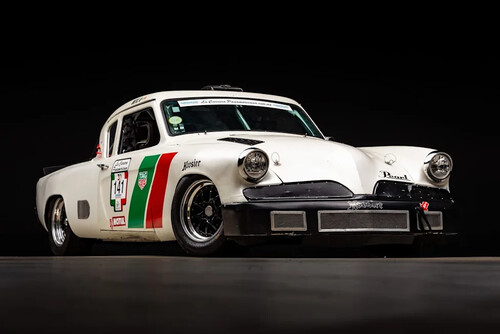
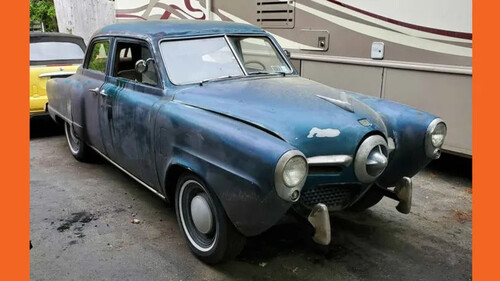
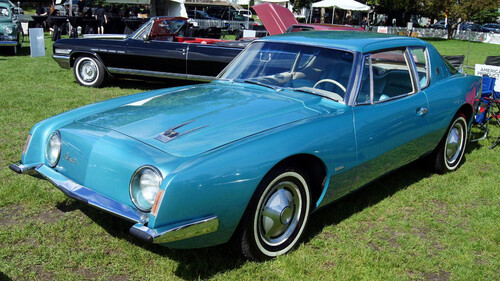
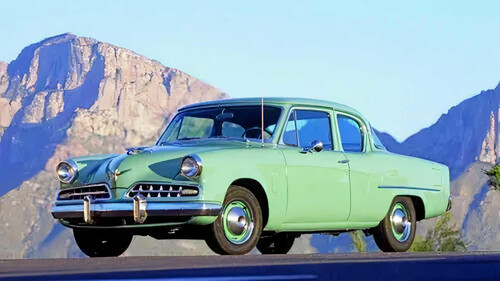
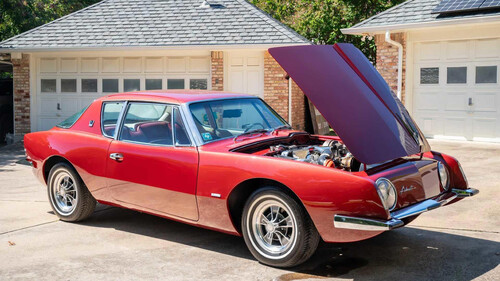
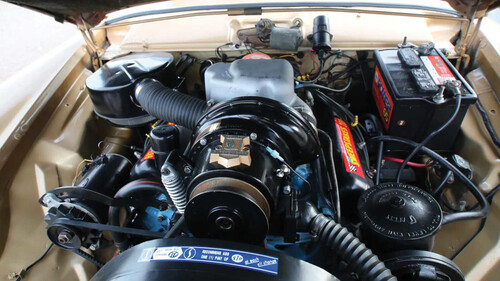
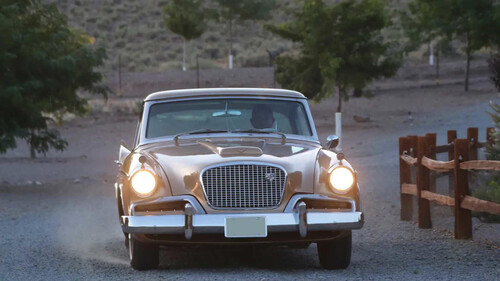
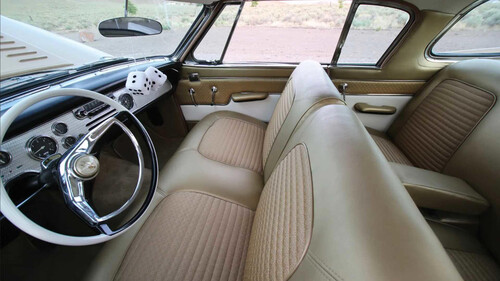
Supercharged power gave the 1964 Studebaker Commander R2 an edgeThe 1964 Studebaker Commander sat at a crossroads for its maker, pairing a sensible mid-size sedan body with an engine that belonged on a drag strip. Supercharged power turned an otherwise conservative Commander into a genuine performance threat, one that could run with contemporary muscle while wearing a family-car badge. That unlikely combination, and the engineering behind it, explains why the R2 package still fascinates collectors and Studebaker loyalists today. The Commander’s straight‑laced starting point To understand how dramatic the R2 transformation was, it helps to start with the ordinary 1964 Commander. Studebaker had used the Commander name for decades, originally to distinguish a higher-powered line from the smaller Champion. By the mid 1960s, however, the Commander had settled into a mainstream role, aimed at buyers who wanted practical transportation rather than quarter-mile glory. An auction listing for a 1964 Studebaker Commander four-door sedan shows how modest the standard package was. That car carried a six-cylinder rated at 112 horsepower, displacing 169.6-cubic inches, and was one of 7,102 Commander six-cylinder sedans built that year. The specification sheet reads like a snapshot of middle America: bench seats, modest trim, and a wheelbase of 113 inches that prioritized ride comfort over cornering speed. Against that backdrop, the idea of bolting a supercharged V8 into the same basic platform feels almost subversive. Yet that is exactly what Studebaker’s performance program set out to do. Studebaker’s late push into performance In the early 1960s, Studebaker leadership realized that performance could still move metal, even as the company’s finances worsened. The Super Lark was a key part of this push. As one period review notes, The Super Lark was part of a big performance push at Studebaker, driven by President Sherwood Egbert, who wanted the brand to look younger and faster. The centerpiece of that strategy was a family of performance engines derived from Studebaker’s long-serving 289 cubic inch V8. Engineers had already extracted strong output from the naturally aspirated version, which enthusiasts describe as having a high compression ratio, solid lifters, and around 240 horsepower in performance tune. A detailed video on the 1964 Studebaker Avanti R2 notes that the naturally aspirated Studebaker 289 engine was already powerful, with solid valve lifters and around 240 horsepower, before any boost was added. From there, Studebaker turned to forced induction. The R-series engines, and particularly the R2, were designed to give the company a credible answer to Detroit’s rising muscle cars while using as many existing components as possible. Inside the R2: supercharged 289-cubic-inch muscle The R2 engine started with Studebaker’s familiar 289 block, then layered on serious hardware. One enthusiast description points out that the R2 was based on Studebaker’s 289 cubic inch V8 but fitted with a belt-driven Paxton SN-60 supercharger. That blower, mounted up front and driven by a belt, forced extra air into the intake, dramatically increasing cylinder pressure and power output. Another detailed account of the GT Hawk notes that the R2 package used a 289 Cubic Inch engine with a Paxton Supercharger that gave it 289 horsepower, compared with 240 horses in naturally aspirated form. A separate description of a Super Hawk emphasizes that what truly made the R2 special was its supercharged 289-cubic-inch V8, built by Paxton and capable of producing 290 horsepower. The slight variation between 289 and 290 horsepower figures reflects different tune levels and test conditions, but both numbers place the R2 squarely in big-block territory despite its relatively modest displacement. To survive that extra stress, the R2 specification included heavy-duty internals and improved cooling to handle the added heat of forced induction. Those changes were not marketing flourishes. At boost levels in the neighborhood of 5 to 6 pounds per square inch, a stock bottom end would have been living on borrowed time. Footage of a 1964 Studebaker Hawk Gran Turismo GT R2 shows how this came together in a complete car. The engine is identified as an R2 that signifies a supercharged 289 Studebaker engine, paired with a four-speed transmission and power steering. Another clip from the same car describes a supercharged V8 289 Studebaker engine with a Paxton supercharger and quotes a top speed of 160 miles per hour, a figure that illustrates just how serious this package was when combined with the Hawk’s more aerodynamic body. From Avanti to Super Lark: proving the package The R2 story is often associated with the fiberglass-bodied Avanti, which served as a halo car for Studebaker’s performance ambitions. One enthusiast write-up explains that the Avanti R2 used a factory-supercharged 289ci V8, and that the R2 delivered thrilling performance with up to 290 hp. That same account calls the Avanti one of the fastest American cars of its time, with a 0 to 60 m time under eight seconds and a top speed exceeding 140 miles per hour. In another summary of the Avanti’s performance, the engine is said to have produced 289 horsepower in period, with the setup capable of around 300 to 305 horsepower in more aggressive tune. Yet Studebaker did not keep the R2 confined to its exotic coupe. The company installed the engine in the Super Lark and the Gran Turismo Hawk, and in much smaller numbers in the Commander. A museum description of the Super Lark notes that it was Equipped with the 289-ci “R2” engine, which gave the compact sedan 0 to 60 m in around seven seconds and a top speed of over 130 m per hour. That kind of acceleration placed the Super Lark squarely in muscle car territory, even before the term had fully entered the marketing lexicon. Period testing backs that up. A contemporary road test recounts that Blowing in air at some 5 to 6 pounds of pressure, the 289 CID mill made 290 hp, good for a very brisk 7.3 second 0 to 60 sprint. Suspension and brake upgrades, including stiffer springs and adjustable shocks, helped the Super Lark cope with the newfound speed. How many R2 cars were built Production numbers for the R2 engines and cars underline how rare these supercharged Studebakers are today. A detailed breakdown from a museum source states that Only 327 R2 Larks were ever sold, out of the total 2,157 R2 engines ever made. The rest of the engines were put into Gran Turismo Hawks, and Avantis. Those figures show that even within Studebaker’s small output, the R2 package was a niche choice. The Commander R2 sits on the rarest branch of that tree. While the sources focus more heavily on Larks, Hawks, and Avantis, the same 289-cubic-inch supercharged hardware could be specified in a Commander, turning a workaday sedan into a stealth performance car. Given that 7,102 Commander six-cylinder sedans were built, the number of Commanders upgraded to R2 power would have been a tiny fraction of overall production. That scarcity is reflected in today’s marketplace. Modern listings for Studebaker performance models, ranging from Avantis to Hawks and R2-equipped sedans, appear on enthusiast classifieds and auction sites that cater to collectors seeking unusual American iron. Some of those cars now surface in online shopping feeds, where a search for vintage Studebaker products can turn up memorabilia, scale models, and occasionally a full-size project car. Living with R2 power On the road, the R2 package changed the character of Studebaker’s cars. Owners describe strong midrange thrust once the Paxton blower came into its sweet spot. A museum feature on a 1964 GT Hawk notes that this 289 Cubic Inch engine with a Paxton Supercharger delivered 289 horsepower, compared with 240 horses in naturally aspirated form, and that R2 engines are hard to find today. Another enthusiast group post on a GT Hawk R2 claims that this made it one of the fastest American cars of its time, with a 0 to 60 m time under eight seconds and a top speed exceeding 140 miles per hour. Video reviews of surviving R2 cars reinforce the impression. A detailed piece on a 1964 Studebaker Avanti Paxton Supercharged R2 Muscle Car explains that the engine produced 289 horsepower in period, and suggests that with tuning the setup was producing around 300 to 305 horsepower. The same video emphasizes how advanced the package felt for 1963 and 1964, especially when compared with heavier big-block cars that needed more displacement to achieve similar numbers. In a Commander R2, the effect would have been even more surprising. From the curb, the sedan’s boxy lines and modest trim gave little away. Yet under the hood sat the same 289-cubic-inch supercharged V8 that powered Avantis and Super Larks, complete with heavy-duty internals and upgraded cooling. That combination made the Commander R2 one of the great sleepers of the early 1960s, a car that could humble larger rivals while carrying a family and luggage. Engineering detail: Paxton hardware and durability The R2’s performance depended on more than raw boost. The Paxton hardware was central to the package. One enthusiast explanation of the Lark R2 notes that the engine was based on Studebaker’s 289 and used a belt-driven Paxton SN-60 supercharger to boost performance. That centrifugal blower was compact and relatively efficient, which allowed Studebaker to fit it under conventional hoods without radical sheetmetal changes. Supporting upgrades were critical. A feature on a 1964 Studebaker R2 Supercharged Super Hawk GT lists heavy-duty internals and improved cooling as part of the R2 setup, all designed to handle the added stress of forced induction. Those changes included stronger pistons, revised bearings, and attention to oiling, along with a radiator and fan combination sized for sustained high-speed running. Even with those reinforcements, the R2 was not a low-maintenance engine. Enthusiast accounts mention that tuning the carburetor and ignition to work harmoniously with the Paxton blower took care and experience. When properly set up, however, the result was a smooth idle, crisp throttle response, and a surge of power as boost built, characteristics that modern video reviews still highlight when driving preserved examples. Studebaker’s fragile business case While the R2 showed that Studebaker engineers could match Detroit’s best, the company’s business situation was far less healthy. The Avanti’s story illustrates the gap between engineering ambition and commercial reality. One analysis of the Avanti R2 describes how Reports of quality issues led customers to cancel orders, and that Studebaker sold 3,800 Avantis in 1963 but sales fell to 800 units by 1964. Those numbers would have been disappointing for a major automaker, and they were devastating for a company already struggling with volume and dealer confidence. The R2 program also faced internal constraints. Studebaker could not afford to redesign platforms from scratch, so the supercharged engines were installed in existing bodies like the Lark, Commander, and Hawk. That strategy kept costs down but meant that the cars had to work within the limits of older chassis and braking systems. Period testers praised the performance but also noted that the cars felt more like hot-rodded family sedans than ground-up sports machines. More from Fast Lane Only Unboxing the WWII Jeep in a Crate 15 rare Chevys collectors are quietly buying 10 underrated V8s still worth hunting down Police notice this before you even roll window down