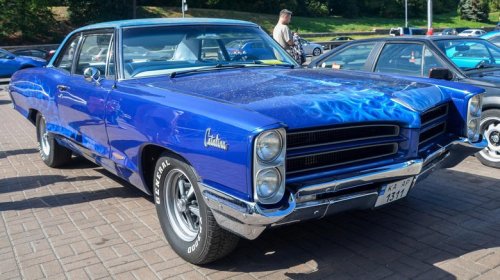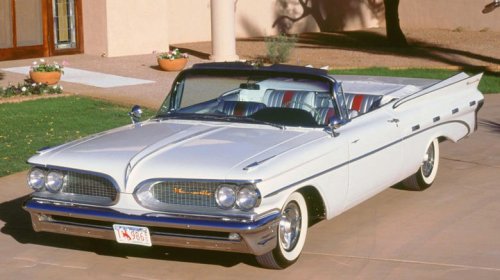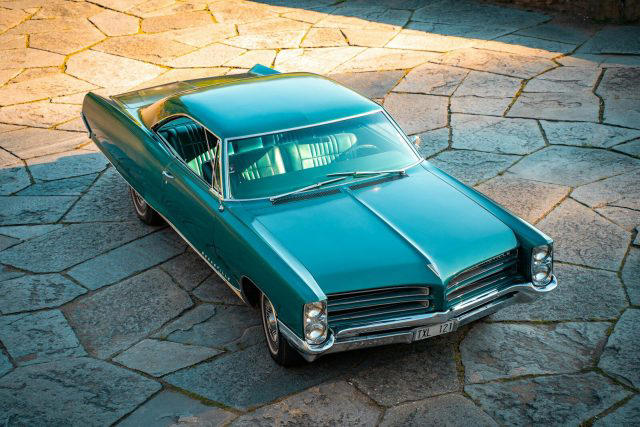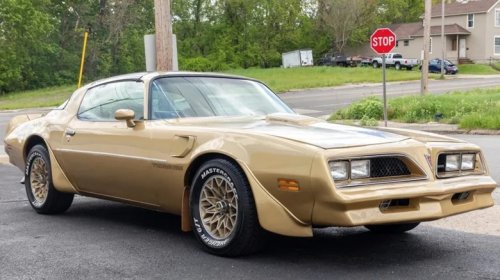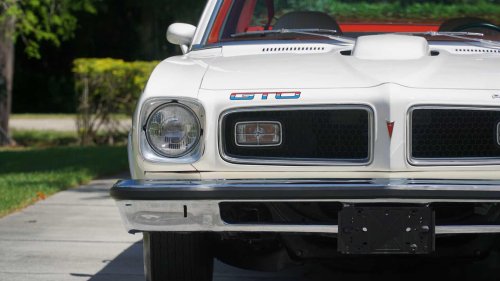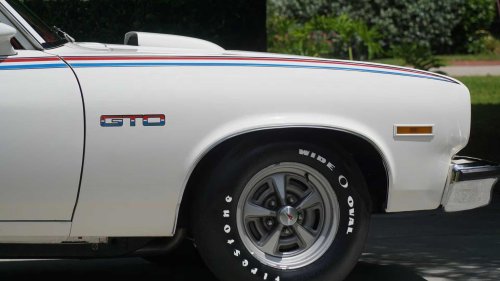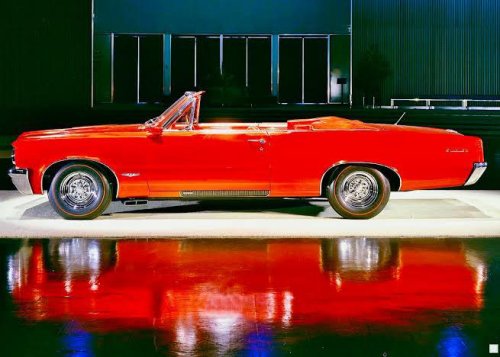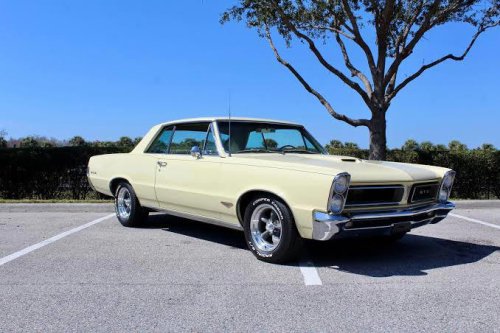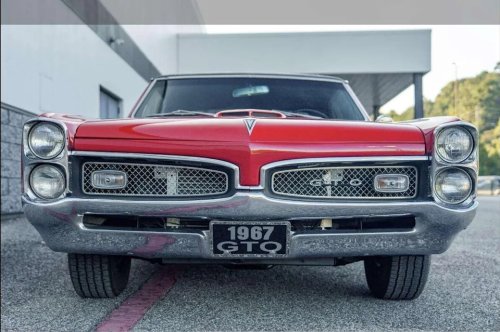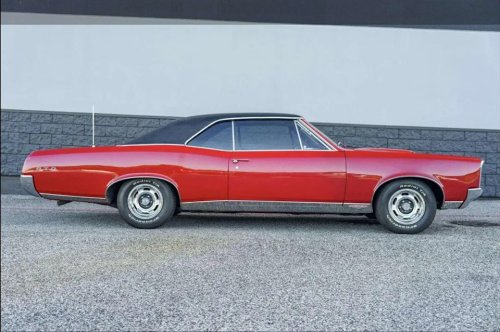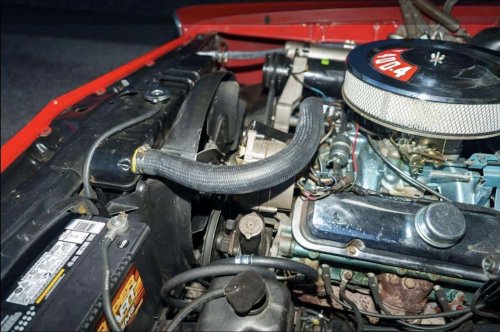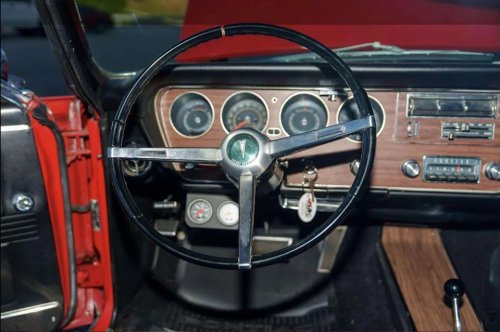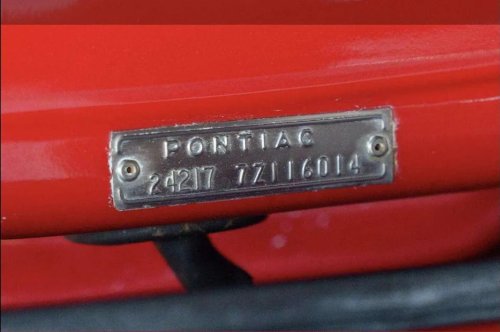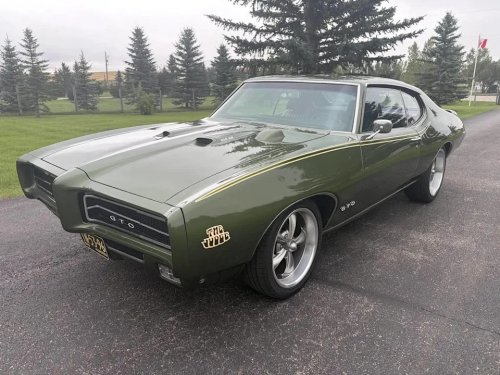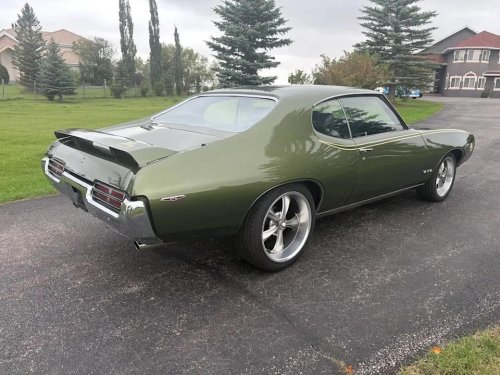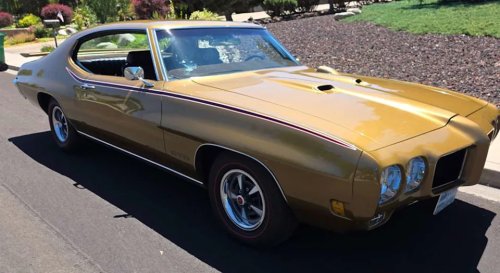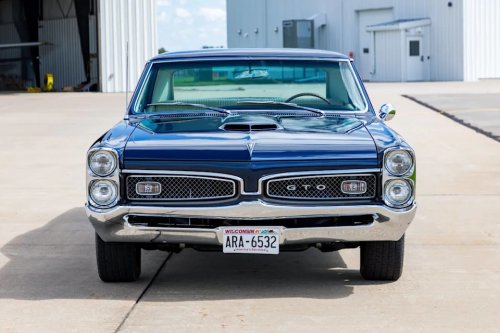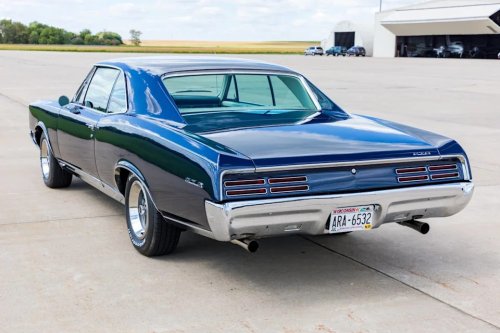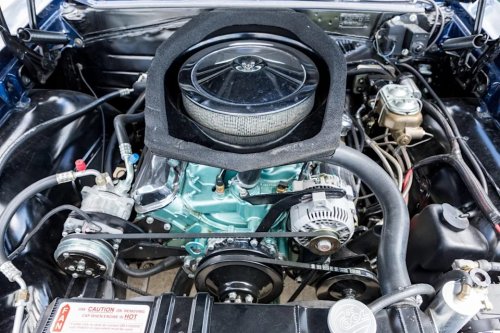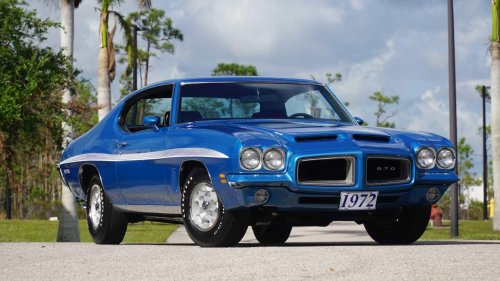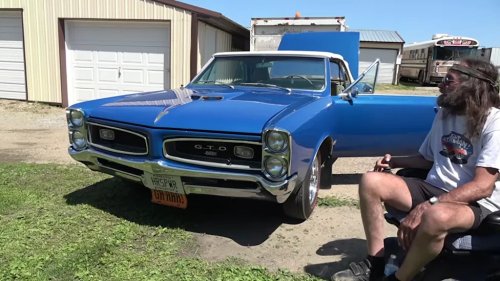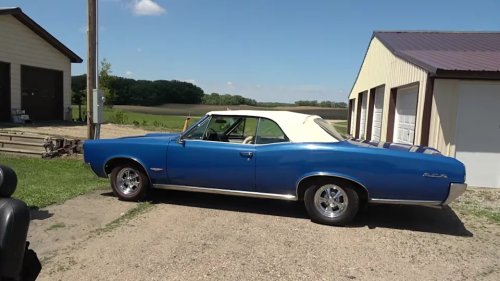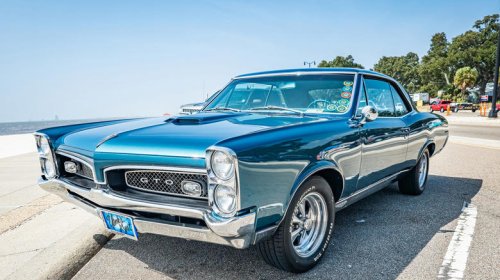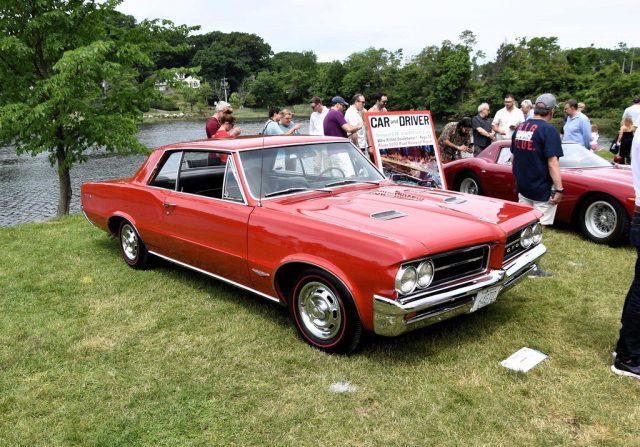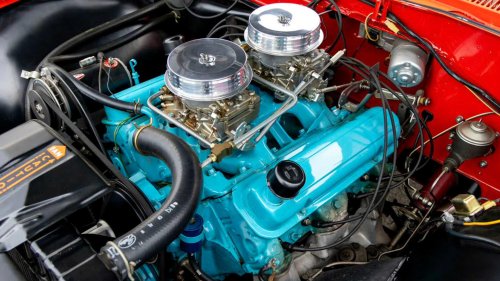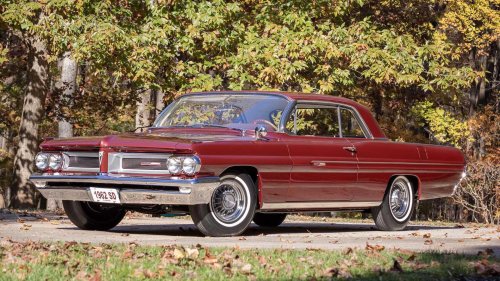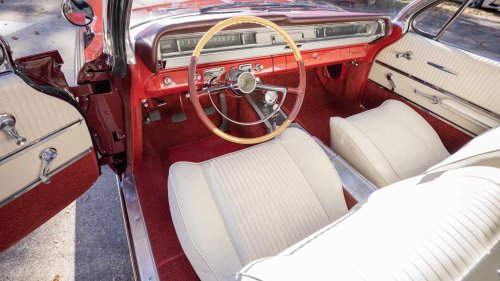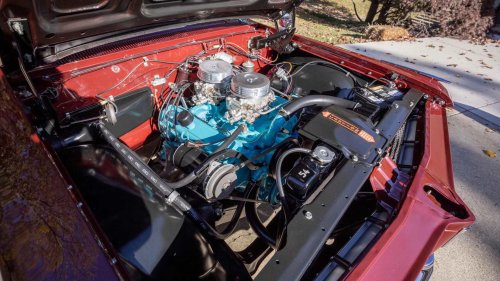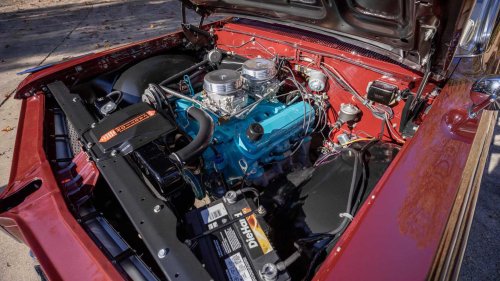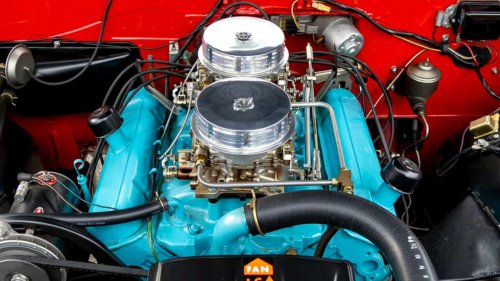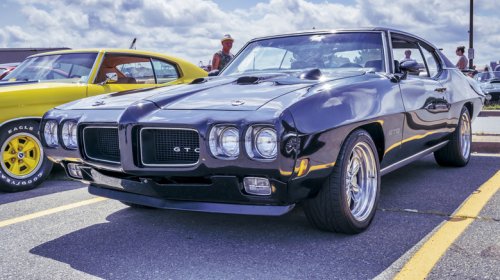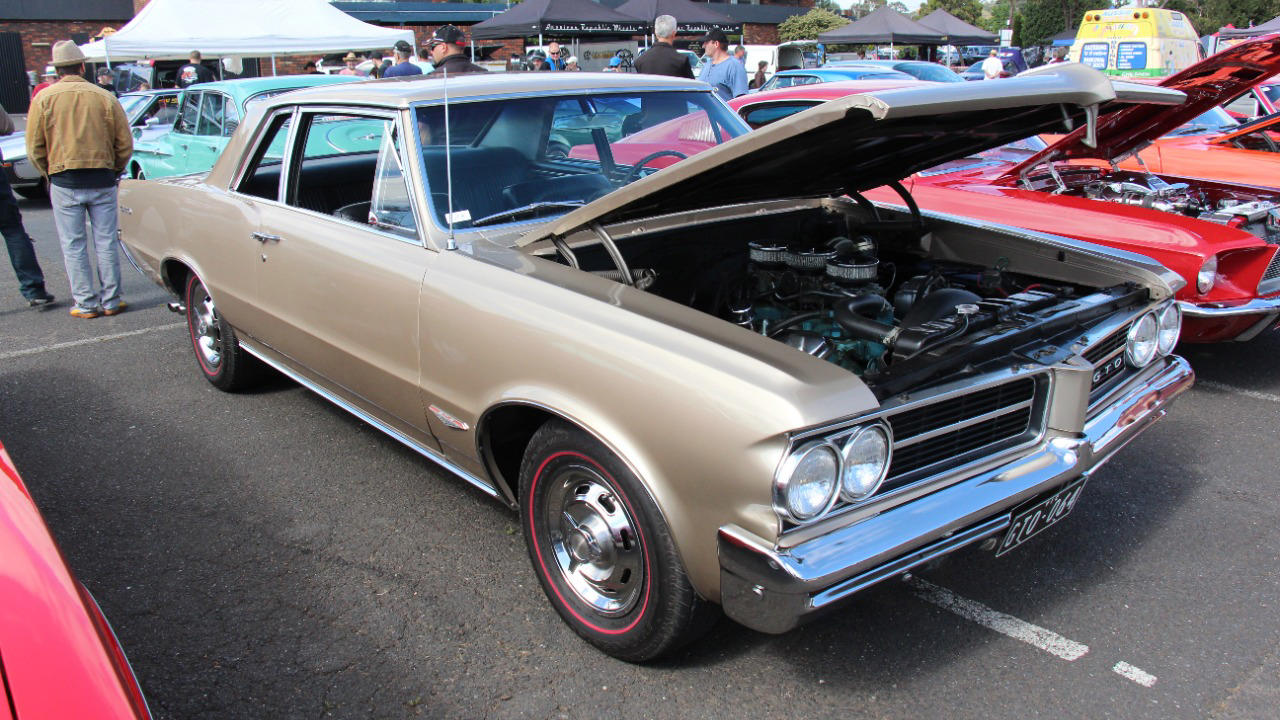



















Pontiac’s 1964 GTO launched the muscle car era with a 348-hp V8Pontiac’s first GTO arrived for 1964 as a seemingly simple option package, but its 389 cubic inch V8 with a quoted 348 horsepower and aggressive street attitude reshaped American performance. What began as a clever way to sneak a big engine into a midsize Tempest became the template rivals rushed to copy, from Detroit’s own divisions to independent tuners. Six decades later, the original GTO still sits at the center of any serious conversation about muscle cars, value, and the culture that grew around them. Understanding how that single model year came together, and why it resonated so strongly with buyers, helps explain not only the rise of the muscle car era but also the way enthusiasts still judge V8 power, quarter-mile bragging rights, and collectible value today. What happened When Pontiac engineers developed the 1964 GTO, they worked within a General Motors policy that limited engine size in intermediate cars. Their workaround was to package the big 389 cubic inch V8 as part of an option group on the Tempest and LeMans, rather than as a standalone model. The most famous version used a trio of two-barrel carburetors on an aluminum intake, a “Tri-Power” arrangement that helped the engine reach a factory rating of 348 horsepower and a reputation for instant throttle response. That triple-carburetor layout was not unique to Pontiac, yet the way the division tuned and marketed it made a difference. The 389 Tri-Power joined a short list of celebrated multi-carb V8s that enthusiasts still highlight, and it shared space in enthusiast rankings with other legendary triple-carb setups from the 1960s. Buyers could order the GTO with a four-speed manual, heavy-duty suspension, and limited-slip differential, turning a fairly ordinary midsize coupe into a street machine that felt closer to a full-size drag car. The GTO’s performance numbers backed up the image. Contemporary tests of early Tri-Power cars with four-speed transmissions showed quarter-mile times in the low 14-second range and trap speeds that rivaled larger, heavier full-size performance models. Pontiac’s marketing leaned into that capability with aggressive hood scoops, GTO badging, and a stance that visually separated the car from the standard Tempest. That mix of visual drama and accessible speed helped the GTO stand out in a decade already crowded with V8 options. Inside Pontiac, the 1964 GTO marked a turning point from a product-planning standpoint. The division had already cultivated a performance image with models like the Catalina and Bonneville, but those cars were big and relatively expensive. With the GTO, Pontiac applied that performance mindset to a smaller, lighter, and more affordable platform. The result was a car that younger buyers could realistically finance, yet still offered the sound, torque, and straight-line acceleration associated with full-size performance flagships. The move worked. Demand for the GTO outstripped internal expectations, and Pontiac quickly expanded production to meet orders. Dealers discovered that the GTO package became a traffic magnet, drawing buyers who might have otherwise walked past the showroom. The car’s success also encouraged Pontiac to keep refining the formula in subsequent years, with larger engines, Ram Air induction, and more track-oriented hardware that would help later GTOs post some of the strongest quarter-mile times of any Pontiac muscle car in the 1960s. The original GTO did not exist in isolation. It arrived amid a broader Pontiac performance push that included cars such as the 421 Super Duty Catalina and later Firebird variants. Enthusiast histories of Pontiac muscle cars routinely place the 1964 GTO as the inflection point where the division’s racing and street performance ambitions found their most accessible expression. That status as a turning point has only grown as later generations looked back at the model’s influence. Over time, collectors began to separate the 1964 GTO from other Tempest and LeMans variants, treating it as the origin story for a broader muscle car movement. That perception is reflected in valuation guides and auction results, where early GTOs, particularly well-documented Tri-Power four-speed cars, command a premium over more common V8 intermediates from the same era. Enthusiast buyers see those cars not only as fast, but as the first expression of a formula that would define performance for the next decade. Why it matters The 1964 GTO matters because it set a pattern that other manufacturers quickly followed. The basic formula was straightforward: take a midsize body, install the largest available V8, tune the suspension for straight-line traction, and market the result around raw horsepower. That template showed up in competitors such as the Chevelle SS, Fairlane-based muscle models, and later in cars like the Road Runner, all of which echoed the GTO’s mix of affordability and performance. Within Pontiac’s own lineup, the GTO’s success helped justify a decade of aggressive performance development. Later GTOs, as well as Firebird and Trans Am models, built on the credibility established in 1964. By the late 1960s, the division had assembled a portfolio of high-performance cars that enthusiasts still regard as among the most desirable of the period. Lists of legendary Pontiac models from the 1960s consistently highlight early GTOs as key reference points for both historical significance and current market value. Culturally, the GTO helped cement the idea that performance could be both aspirational and attainable. It targeted younger buyers who wanted something more aggressive than a family sedan but could not stretch to a full-size luxury performance car. The relative affordability of the GTO, combined with its strong acceleration, meant that high school parking lots and local cruise nights suddenly featured cars capable of genuine drag-strip numbers. That democratization of speed became a defining trait of the muscle car era. The car also influenced how people talked about performance. Before the GTO, enthusiasts often focused on displacement and top speed. In its wake, quarter-mile times, horsepower ratings, and street-light sprints became common benchmarks. Publications and enthusiasts began comparing cars based on 0 to 60 mph figures and elapsed times, metrics that the GTO’s combination of torque and gearing handled well. That focus on measurable straight-line performance still shapes how many buyers evaluate modern V8 cars. From a design perspective, the GTO helped popularize a visual language that would spread across Detroit. The car’s stacked headlights, split grille, and muscular rear haunches communicated performance even when parked. Later models from multiple brands adopted similar cues: hood scoops, bold stripes, and badges that highlighted engine displacement. The GTO showed that visual drama could be a sales tool in its own right, reinforcing the message that the car was more than just a standard intermediate. The 1964 model also matters for what it represents in Pontiac history. Enthusiast retrospectives on undervalued muscle cars often point out that certain early GTOs still trade for less than their historical importance might suggest, especially compared with rarer later variants or big-block rivals from other brands. That gap between cultural impact and market price has made some configurations of the first-year GTO particularly attractive to collectors who want a foundational car without paying the premium associated with the rarest 1960s muscle machines. Economically, the GTO’s success showed automakers that performance cars could be profit centers rather than niche marketing exercises. The relatively modest cost of adding a big engine, upgraded suspension, and cosmetic enhancements to an existing platform generated strong margins. That lesson encouraged Detroit to keep pushing performance packages across multiple nameplates, which in turn expanded consumer choice and deepened competition. The muscle car wars of the late 1960s trace directly back to the business case validated by the GTO. The car’s legacy also affects how modern manufacturers approach heritage. When brands revive old nameplates or create retro-inspired performance models, they often look to the 1960s for cues. The original GTO provides a clear example of how a simple, focused formula can resonate for decades. Its mix of straightforward engineering, bold marketing, and attainable pricing remains a reference point whenever companies decide whether to prioritize technology, luxury, or raw power in new performance offerings. For enthusiasts, the 1964 GTO serves as a reminder that specification sheets do not tell the whole story. The car’s appeal comes from how its components work together: the sound of the Tri-Power V8, the feel of a four-speed shifter, the way the rear end squats under hard acceleration, and the visual presence that still turns heads at shows. That holistic experience helps explain why early GTOs continue to draw crowds even when parked next to newer, objectively quicker cars. What to watch next The story of the 1964 GTO continues to evolve in the collector market, where values, restoration trends, and authenticity concerns shape how the car is perceived. As more enthusiasts seek out early muscle cars with clear documentation, the premium on original drivetrain components and factory Tri-Power setups is likely to increase. Buyers are paying closer attention to build sheets, matching numbers, and period-correct details, which can significantly affect the value of a first-year GTO compared with a similar car that has been heavily modified. Another factor to watch is how the broader interest in 1960s Pontiac performance influences demand for related models. Enthusiast coverage of quick Pontiac quarter-mile and other high-performance variants keeps the brand in the spotlight. That visibility can draw attention to the 1964 GTO as the origin point, encouraging collectors who might initially focus on later, more powerful models to circle back to the first iteration for historical completeness. There is also a growing conversation about how to preserve and use these cars. Some owners choose meticulous, factory-correct restorations that keep the GTO as a showpiece, while others embrace period-style modifications that reflect how the cars were used in the 1960s. Choices about disc brake conversions, modern radial tires, and updated ignition systems can influence both driving enjoyment and long-term value. Enthusiasts and judges continue to debate where to draw the line between sensible upgrades and changes that dilute the car’s character. As younger collectors enter the market, their preferences may shift the balance between originality and usability. Many of them grew up with fuel-injected, electronically managed performance cars, so the analog nature of a carbureted V8 and manual gearbox can feel both novel and demanding. How that generation values the driving experience of a 1964 GTO, compared with its historical significance, will shape pricing and restoration decisions over the next decade. The way the GTO’s story is told in media and events will also be important. Coverage of Pontiac performance history continues to highlight the car’s role in launching the muscle car era, and that narrative influences which models receive top billing at shows, auctions, and museum exhibits. As more archival material surfaces, including period photos, racing records, and internal documents, historians may refine or expand the accepted story of how the GTO package was approved and marketed inside Pontiac. More from Fast Lane Only Unboxing the WWII Jeep in a Crate 15 rare Chevys collectors are quietly buying 10 underrated V8s still worth hunting down Police notice this before you even roll window down