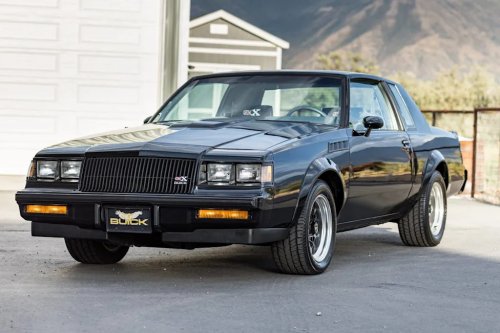
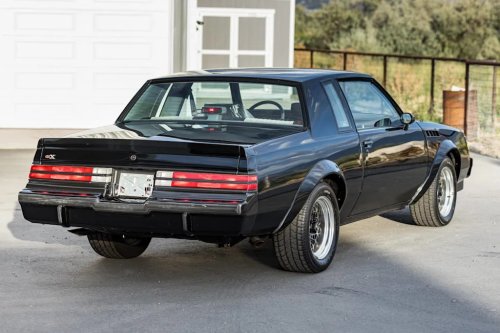
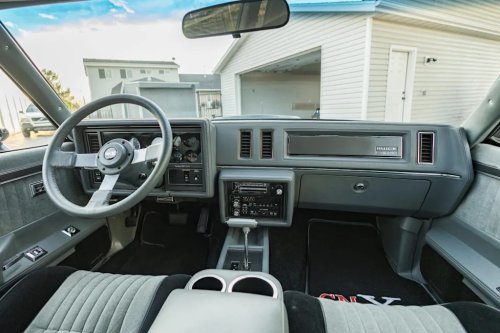
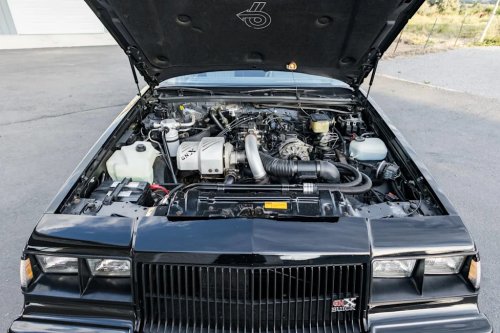
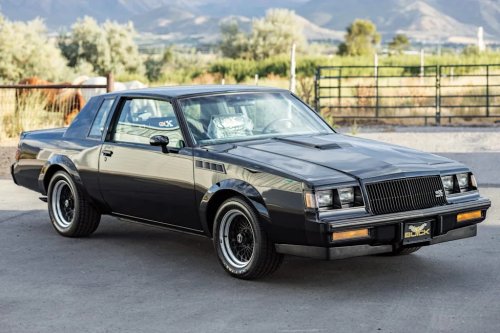
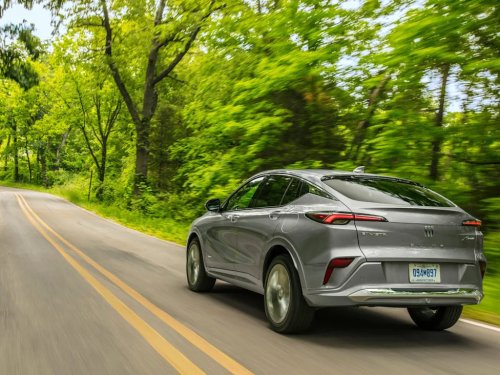
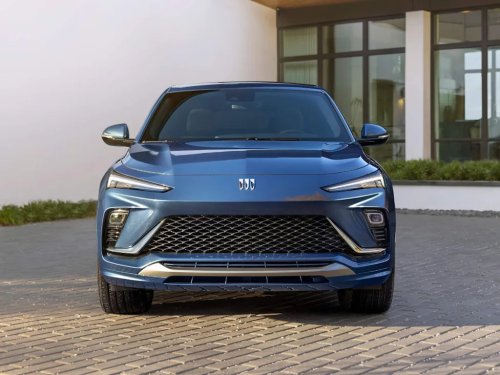
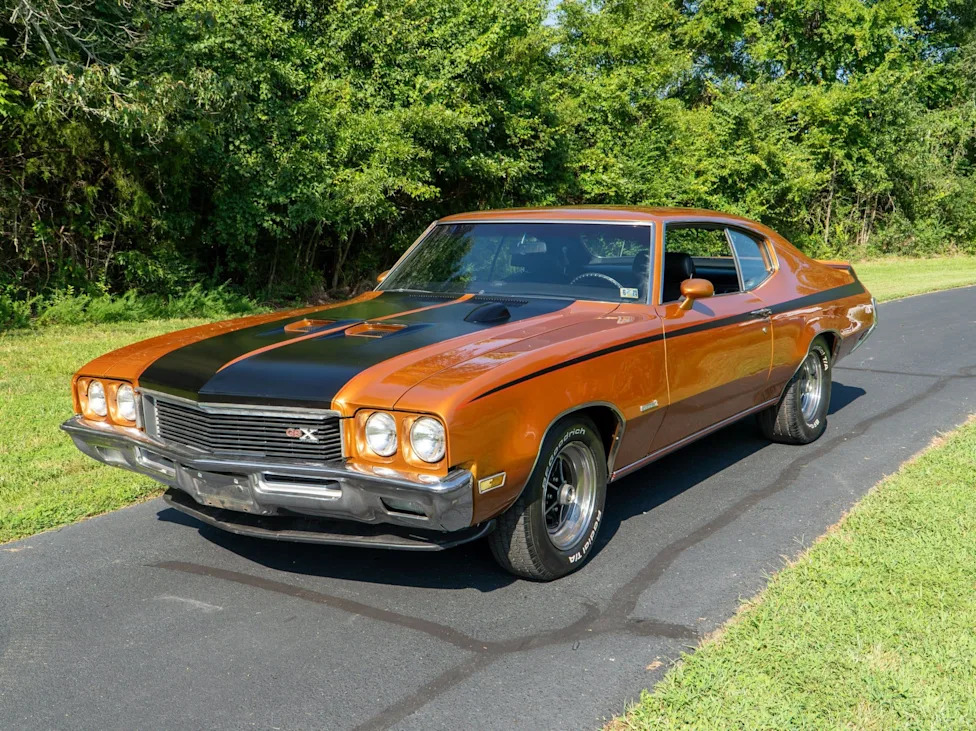
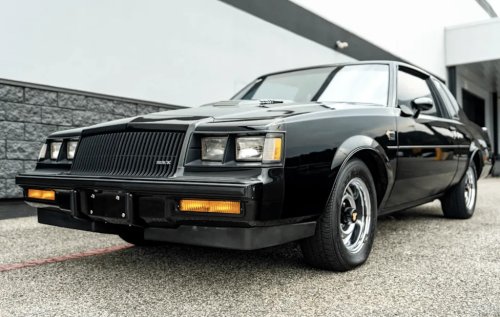
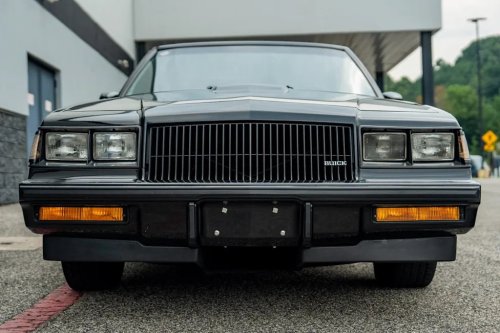
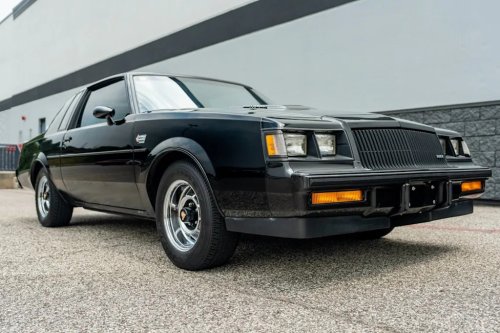
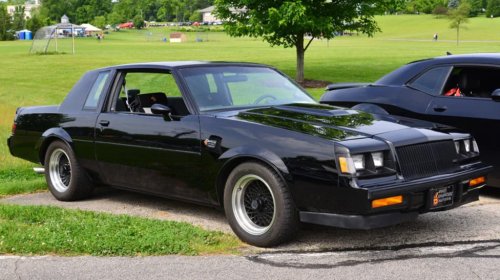
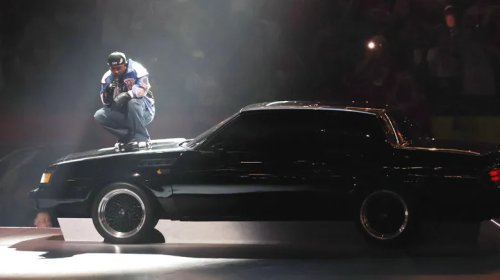
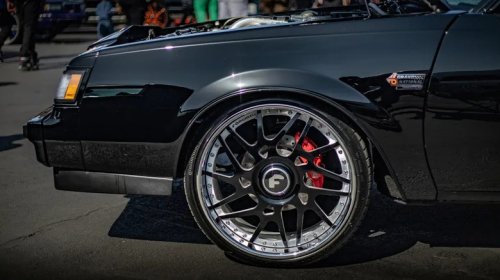
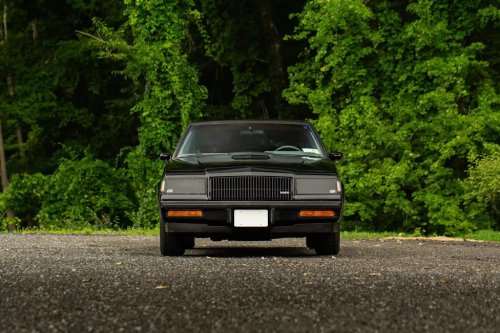
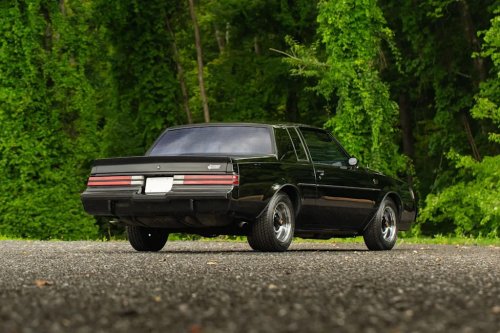
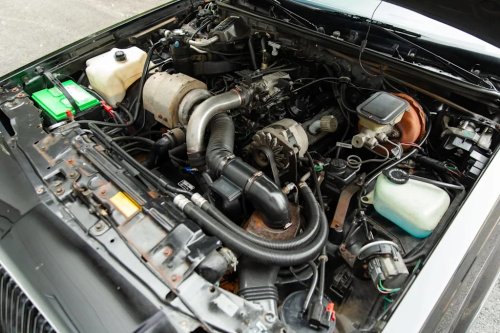
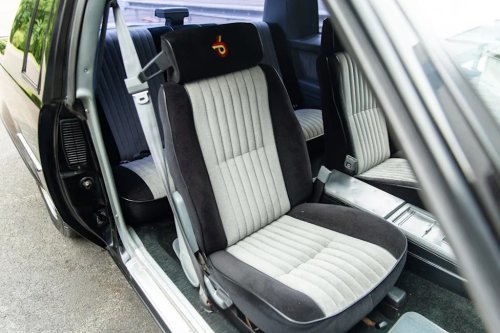
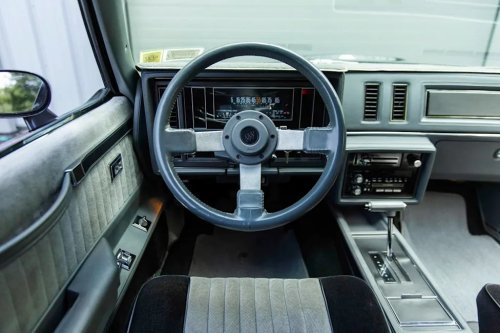
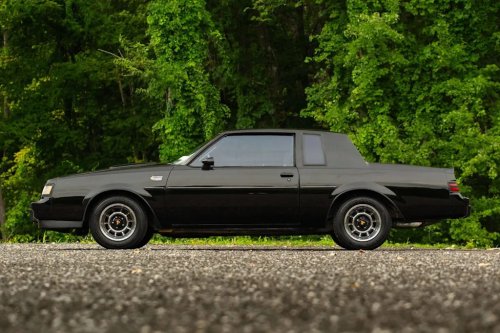
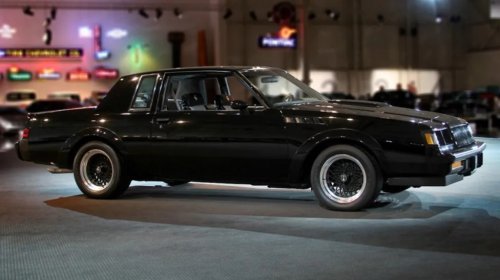
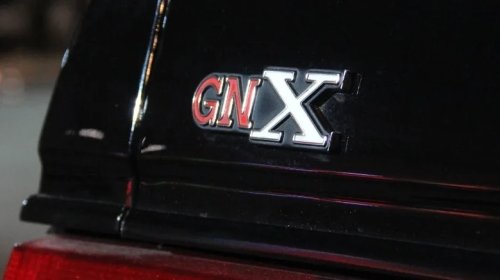
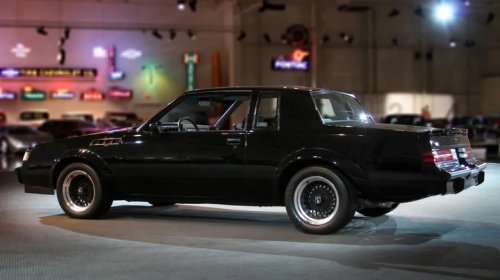
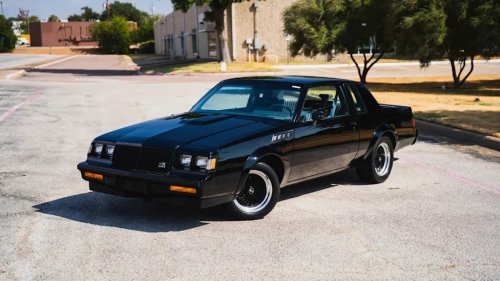
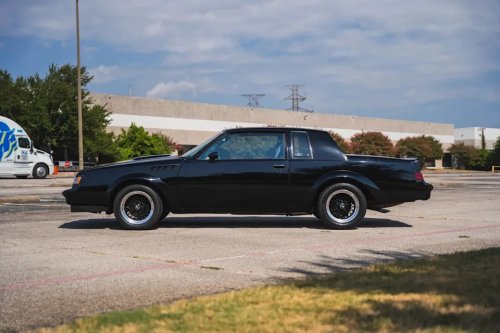
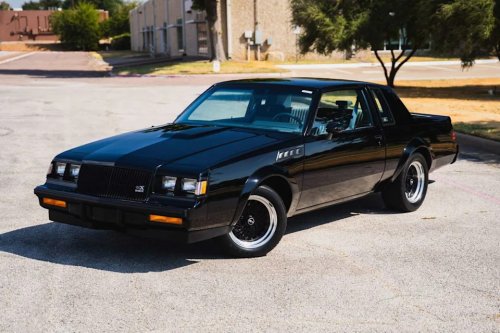
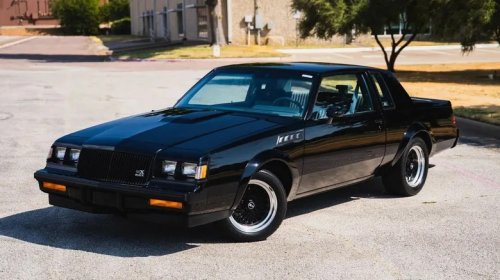
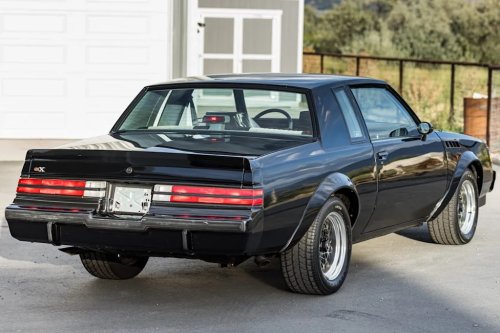
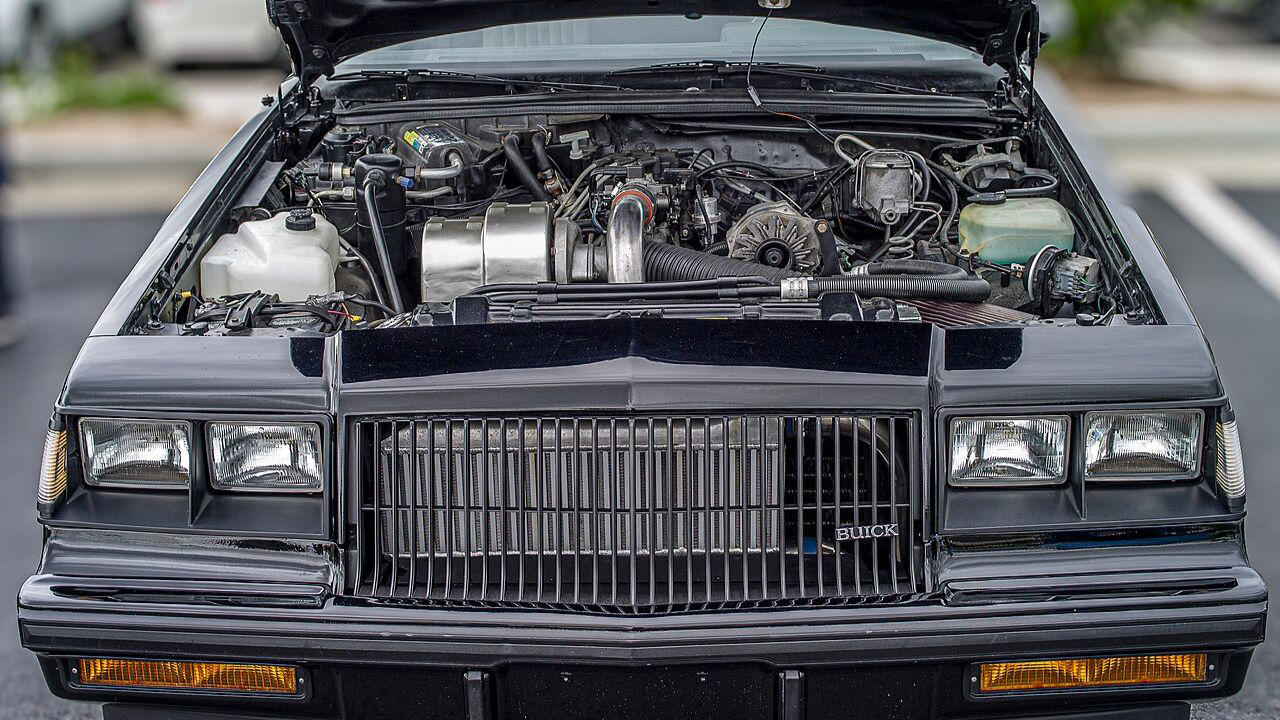
The turbo engine that gave the Buick Grand National its dark reputationThe Buick Grand National is a car that has elicited both admiration and a certain level of notoriety since its inception. Renowned for its powerful turbo engine and impressive performance capabilities, this vehicle stands as a symbol of an era defined by speed and the quest for horsepower. As I delve into its engineering marvels and the cultural impact it has had over the years, I find that the Grand National’s dark reputation is as integral to its legacy as its performance specifications. Historical Context of the Buick Grand National In the 1980s, Buick was navigating a challenging automotive market, striving to maintain its reputation while competing against a wave of emerging performance vehicles. As American consumers were shifting towards sportier options, Buick recognized an opportunity to carve out a niche in the performance car segment. The introduction of the Grand National in 1982 marked a pivotal moment for the brand, showcasing its commitment to innovation and performance. Initially conceived as a limited-edition model, the Grand National quickly gained traction and became a cornerstone of Buick’s lineup. During this era, America was experiencing a cultural renaissance that embraced speed and performance cars. The rise of the muscle car in the late 1960s and early 70s had laid the groundwork for a new generation of enthusiasts. By the time the Grand National hit the streets, the appetite for turbocharged performance was on the rise. It was a time when cars like the Chevy Camaro and Ford Mustang were dominating the headlines, and the Grand National aimed to compete head-to-head with these iconic models. The Turbocharged Engine: A Technical Marvel The heart of the Buick Grand National lies in its turbocharged 3.8-liter V6 engine, a groundbreaking piece of engineering for its time. Producing around 245 horsepower and an impressive 355 lb-ft of torque, this engine was notable not just for its power but for the technology it employed. Unlike many of its competitors, which relied on larger V8 engines, the Grand National’s smaller V6 was able to deliver performance that rivaled, and in some cases surpassed, traditional muscle cars. The use of a turbocharger allowed for greater efficiency and power without the need for a larger displacement engine. Turbocharging was still a relatively new technology in American cars during the 1980s, and it set the Grand National apart from its contemporaries. The turbo system utilized a wastegate to regulate boost pressure, ensuring that the engine could efficiently handle the demands of high-performance driving. The Grand National’s engine management system was advanced for its time, allowing for precise tuning and optimization of performance, making it a true marvel of automotive engineering. Performance and Specifications The performance capabilities of the Grand National were nothing short of extraordinary. With a 0-60 mph time of just 4.6 seconds, it could easily hold its own against some of the fastest cars of the day, including the 1987 Chevrolet Corvette. The combination of a lightweight body and a powerful turbo engine gave the Grand National a significant edge in acceleration and top speed. Moreover, it was capable of completing the quarter-mile in approximately 13.4 seconds, a feat that would make it a formidable contender on both the street and the drag strip. Beyond raw speed, the Grand National also excelled in handling and braking. The suspension was tuned for performance, providing a low center of gravity and responsive steering. The inclusion of disc brakes on all four corners ensured that the car could stop as effectively as it could accelerate. This balance of speed, handling, and braking made the Grand National not just a straight-line performer but a well-rounded sports car that appealed to driving enthusiasts. Design and Aesthetics The design of the Buick Grand National is as iconic as its performance. With its sleek, aerodynamic silhouette and aggressive stance, the car commands attention on the road. The all-black color scheme, which became synonymous with the Grand National, contributed significantly to its menacing presence. This design choice was not merely aesthetic; it was a bold statement that set the Grand National apart from the more colorful offerings of its competitors. Distinctive design elements, such as the subtle yet striking front grille and the unique rear spoiler, further enhanced the Grand National’s appeal. These features not only improved aerodynamics but also gave the car an unmistakable identity that resonated with enthusiasts. The interior was equally well-appointed, offering a blend of comfort and sportiness that matched the car’s performance capabilities. The use of high-quality materials and thoughtful design made it a pleasure to drive, whether on a casual cruise or a high-speed jaunt. Cultural Impact and Perception The Buick Grand National’s cultural impact cannot be overstated. It has been featured in various films and television shows, often portrayed as the quintessential street racer. Movies like “The Fast and the Furious” franchise have paid homage to the Grand National, cementing its status as a cultural icon. Additionally, the car has been referenced in numerous songs, particularly within hip-hop culture, where it became a symbol of rebellion and the underground scene. Despite its admiration among car enthusiasts, the Grand National’s reputation also has a darker side. Its association with street racing and illegal activities contributed to a certain mystique that both fascinated and frightened the general public. This duality—admiration mixed with fear—has created a complex narrative around the car, further enhancing its legendary status. The Grand National became a symbol of the underground racing culture of the 1980s and 90s, embodying the thrill and risks of high-speed driving. Challenges and Controversies While the Buick Grand National is celebrated for its performance and design, it has not been without its challenges and controversies. The car’s connections to street racing and illegal activities have often led to its vilification in popular media. High-speed chases and dangerous driving behaviors associated with the Grand National have contributed to its reputation as a “bad boy” vehicle, further complicating its legacy. Furthermore, the turbo engine, while innovative, was not without its issues. Many owners reported reliability concerns, particularly with the turbocharger itself. Maintenance could be a challenge, as repairs often required specialized knowledge and parts that were not always readily available. These reliability issues led some to question the long-term viability of the Grand National as a classic car, although many enthusiasts argue that the performance and driving experience outweigh these concerns. Legacy of the Buick Grand National Despite its challenges, the Buick Grand National has seen a resurgence of interest among collectors and automotive enthusiasts in recent years. As the nostalgia for 1980s performance cars grows, so too does the appreciation for the Grand National’s unique blend of style and performance. Auctions and car shows frequently feature well-preserved models, demonstrating the enduring allure of this iconic vehicle. In the realm of American muscle cars, the Grand National holds a significant place in history. It represents a shift towards turbocharged performance and a departure from the traditional V8 dominance that characterized earlier decades. Its legacy continues to influence modern performance cars, paving the way for a new generation of turbocharged vehicles that combine power with efficiency. Comparative Analysis with Other Performance Cars When comparing the Buick Grand National to its contemporaries, it becomes clear how remarkable its performance truly was. Vehicles like the Chevy Camaro and Ford Mustang, while powerful in their own right, often relied on larger displacement V8 engines. The Grand National’s ability to compete with these muscle cars using a turbocharged V6 engine highlights its unique position in automotive history. Many enthusiasts appreciate how the Grand National redefined what performance could look like, emphasizing power without the weight associated with traditional muscle cars. Turbo technology has since become a standard in modern performance vehicles, with manufacturers like Ford and Volkswagen incorporating it into their lineups. The legacy of the Grand National is evident in models such as the Ford Focus RS and the Audi S4, which leverage turbocharging to enhance performance while maintaining fuel efficiency. The Grand National’s pioneering spirit in this regard paved the way for the acceptance and proliferation of turbocharged engines in the automotive industry. Reflection on the Enduring Allure of the Grand National The Buick Grand National has left an indelible mark on automotive culture, representing a unique blend of power, style, and controversy. Its dark reputation adds to its intrigue, making it a topic of discussion and admiration among car enthusiasts and casual observers alike. As the years go by, its status as a beloved classic continues to evolve, reflecting both the changing landscape of automotive performance and the enduring allure of speed. Regardless of its controversial past, the Grand National remains a symbol of a golden era in American automotive history. It serves as a reminder of the excitement that performance cars can bring and the passion that fuels the automotive community. The Grand National’s legacy is not just in its performance numbers but in the stories and memories it has created for those who have had the privilege of experiencing it firsthand. More from Fast Lane Only Unboxing the WWII Jeep in a Crate 15 rare Chevys collectors are quietly buying 10 underrated V8s still worth hunting down Police notice this before you even roll window down *Research for this article included AI assistance, with all final content reviewed by human editors.



















 +68 others