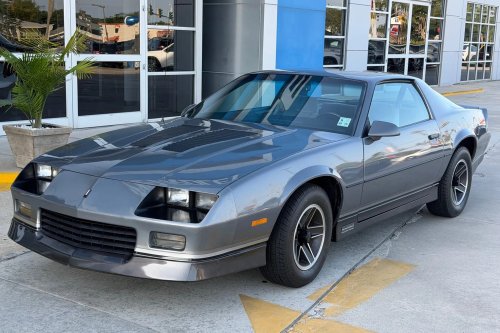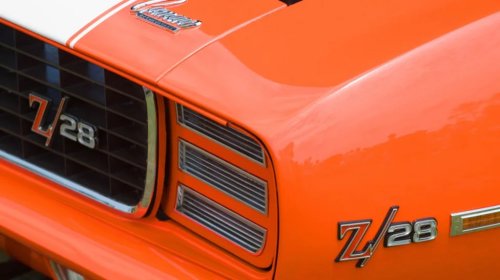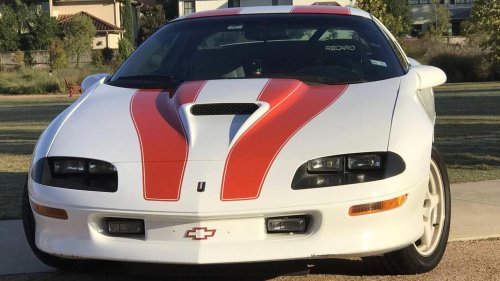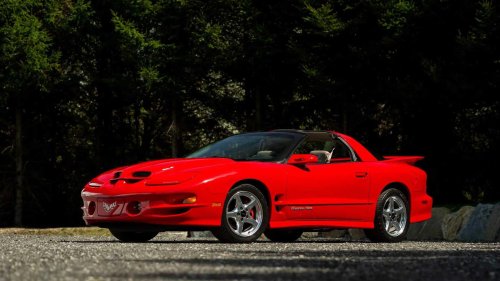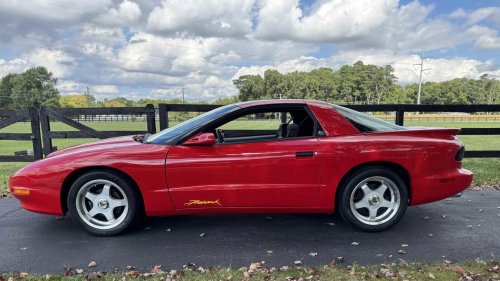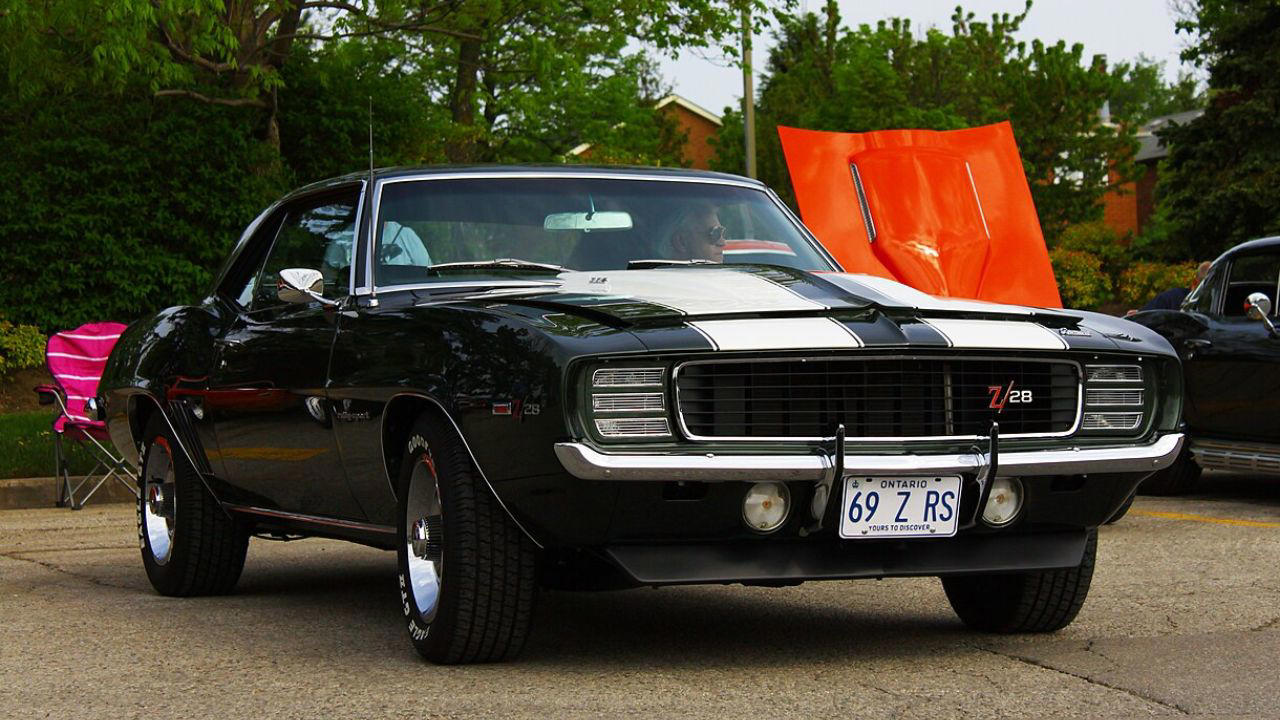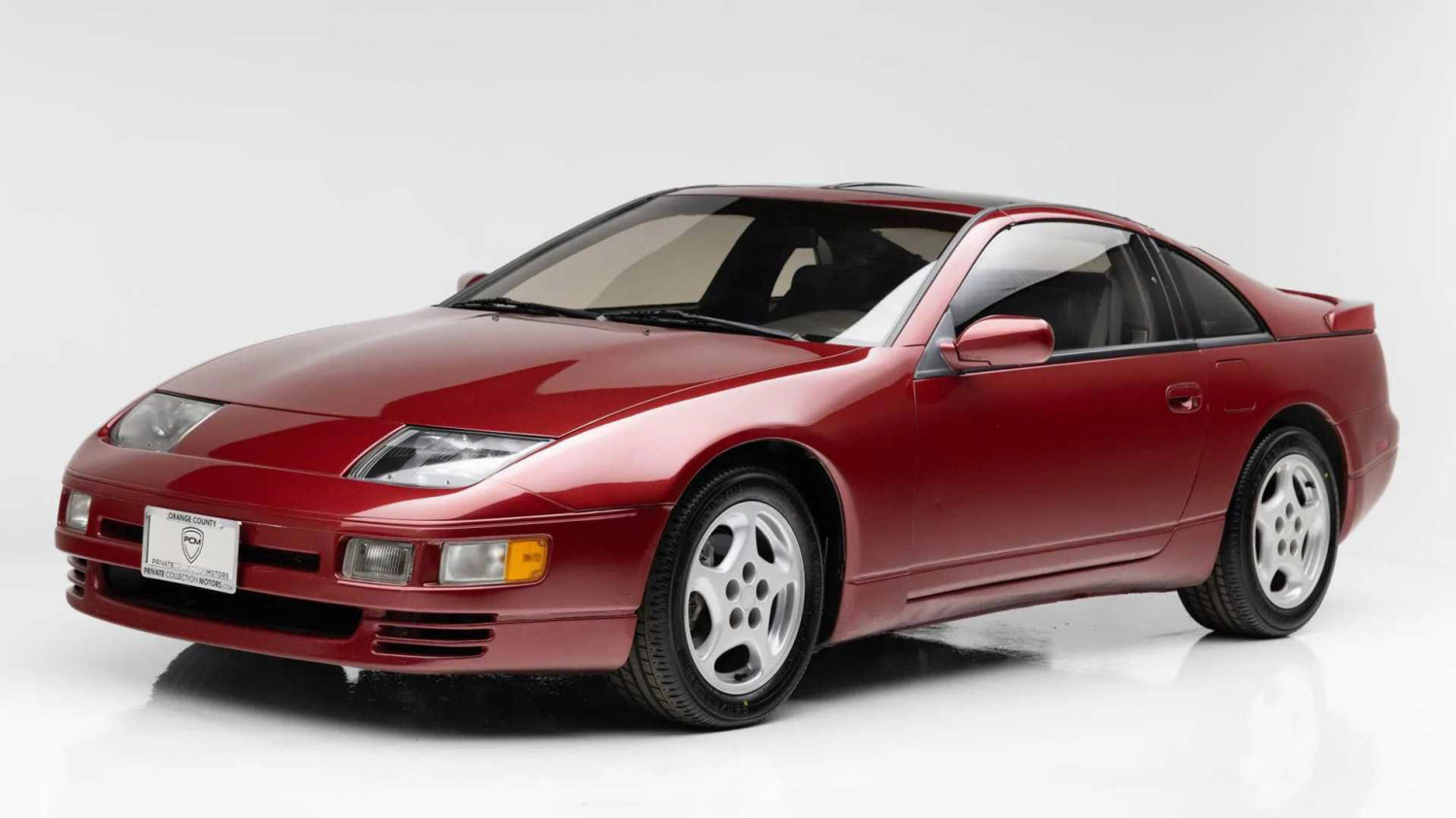
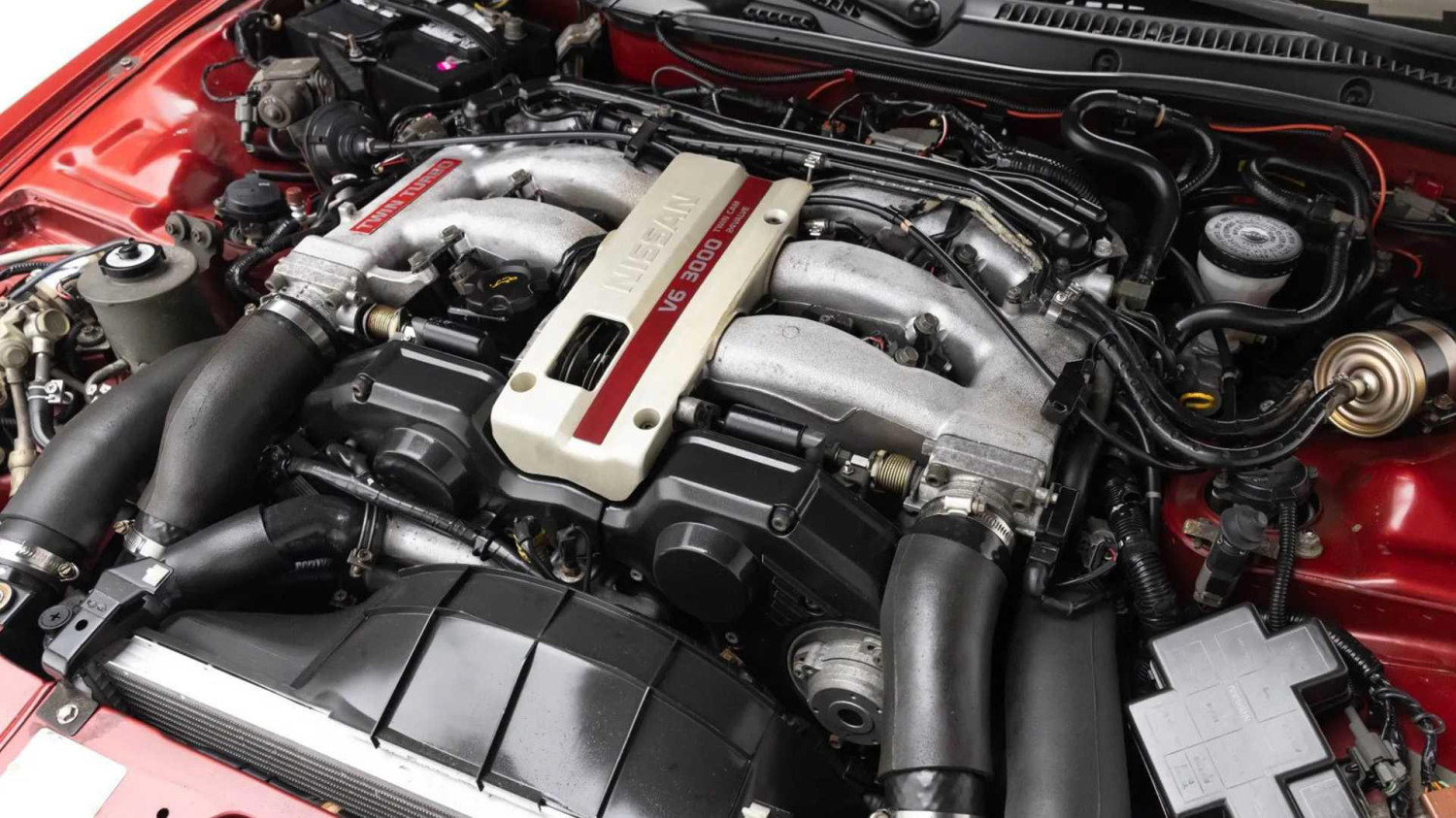
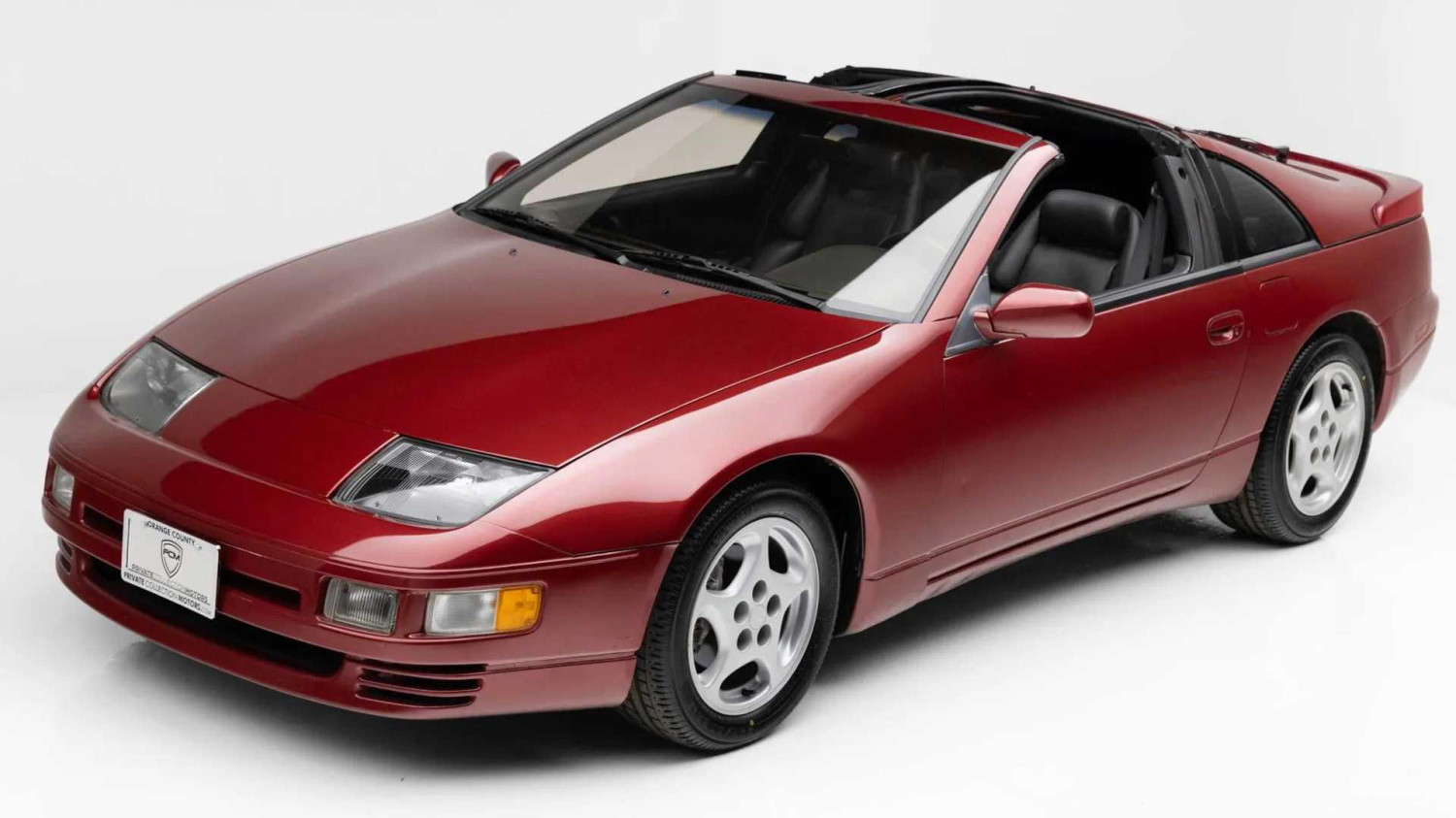



















In the early 1990s, American streets echoed with the growl of V8s. The Chevrolet Camaro Z28 stood tall among them. With its 5.7-liter engine, rear-wheel drive layout, and aggressive stance, it quickly became the go-to choice for enthusiasts looking for affordable performance. Muscle cars were back, and the Z28 defined that resurgence with a package that combined raw torque, simple engineering, and proven quarter-mile ability.At the same time, Japanese imports were still carving out their identity in the American performance landscape. Toyota had the Supra, Honda built high-revving compacts, and Mazda’s RX-7 brought rotary power to the conversation. But none of these quite matched the muscle car formula head-on and that space seemed safe for Detroit.Yet beneath the radar, a different kind of machine quietly arrived from Japan. It didn’t come from the usual brands Americans associated with sport compacts. It wasn’t high-revving, nor was it a featherweight. Instead, it brought a different approach: twin turbos, advanced suspension, and a chassis engineered for balance. It didn’t shout on arrival, but it didn’t need to. It had already proven itself on global roads before stepping into American garages.While most looked to Detroit for straight-line dominance, this lesser-known Japanese carstarted surprising Z28 owners at stoplights and racetracks alike. It had no muscle car roots, but it had the engineering to make even a Camaro sweat. Nissan 300ZX Twin Turbo Ran The Standing Quarter Faster Than A Camaro Z28 1990 Nissan 300ZX Twin Turbo Front Three Quarter Nissan 300ZX Twin Turbo vs 4th-Gen Chevy Camaro Z28 Performance Comparison The Nissan 300ZX Twin Turbo entered the American market in 1990 and quickly disrupted the expectations that muscle car fans had at the time. Designed in Japan, tested globally, and sold in the U.S. through Nissan’s performance-minded dealers, the 300ZX TT targeted the American muscle cars of the time, specifically Detroit’s most accessible V8 bruiser, the Chevrolet Camaro Z28. On paper, the Camaro had the upper hand in torque and engine size. In reality, the Nissan matched it in speed and beat it in control, consistency, and acceleration over a quarter mile.Despite its disadvantages, the Nissan 300ZX Twin Turbo posted faster quarter-mile times than the fourth-gen Camaro Z28 in its early years. According to Car and Driver and data from ZeroTo60Times, the 1990–1996 300ZX TT completed the standing quarter in 13.7 seconds at 102 mph. The 1993–1997 Z28, powered by the LT1 engine, ran the same in 14.0 seconds flat.That gap may seem small, but in drag racing terms, it is enough to decide a win by more than a car's length. More importantly, the 300ZX crossed the traps at a higher speed, indicating stronger mid-range power delivery and strong top end. Where the Camaro came in at 150 mph at full throttle, the 300ZX topped out at an electronically limited 155 mph.This performance came not from brute force, but from the way the 300ZX delivered power to the ground. It maintained consistent acceleration across the rev band and proved more efficient in converting that into forward motion. The Camaro’s V8 had the advantage in low-end torque, but the Nissan managed its weight better and laid power down with surprising traction, especially in real-world road tests.In ideal conditions, the Z28 could occasionally edge the Nissan to 60 mph by a tenth of a second. However, over a full quarter-mile, the 300ZX consistently maintained its lead. This made it a frustrating opponent on the drag strip for many muscle car owners, who assumed anything smaller and quieter would be an easy win.While the Camaro Z28 has always enjoyed a loyal fan base, the numbers speak for themselves. The Nissan 300ZX Twin Turbo proved it had the engineering and execution to outrun a V8 muscle car where it counted most, which is in a straight line, over the standing quarter. Powerful, Agile, Balanced: How The Nissan 300ZX TT Was Faster Than The Camaro Z28 Via: Bring a trailer Engine Specs Comparison (Source: Nissan, Chevrolet)The Nissan 300ZX Twin Turbo was not just sold in the United States, but it was developed with the American market squarely in mind. While the Camaro Z28 was built in the US, the 300ZX was manufactured in Japan. Introduced in 1990, it brought a new level of engineering precision to a segment dominated by big-displacement V8s.By the mid-1990s, the 300ZX TT was going head-to-head with the new fourth-gen Camaro Z28 and still held its own. With a 3.0-liter twin-turbocharged V6 producing 300 hp and 283 lb-ft of torque, the 300ZX TT may not have matched the Camaro Z28’s raw torque, but it delivered its power in a more refined and effective way.The 1993–1997 Chevrolet Camaro Z28 used a 5.7-liter LT1 V8 that produced between 275 and 285 hp, with torque ranging from 325 to 335 lb-ft. On paper, the Camaro had a significant torque advantage and a larger engine. It also came in at a similar weight, with both cars tipping the scales at around 3,500 pounds depending on trim and equipment. However, the Nissan used its power more efficiently thanks to a balanced chassis, a lower center of gravity, and an advanced multi-link suspension at all four corners.This translated into real-world results. Despite having less torque, the 300ZX TT ran the quarter faster than the Camaro Z28. The Camaro Z28 recorded a slightly quicker 0–60 mph, but posted a slower quarter-mile result at 14 seconds. The Nissan’s higher trap speed shows that it had a clear advantage in both street and strip settings.The 300ZX Twin Turbo was quick, composed, confident, and responsive in a way that made the Camaro feel more brute than an athlete. Nissan’s mix of power, balance, and engineering gave this Japanese import the tools it needed to beat the Z28 on its home turf. The 300ZX Twin Turbo Is Mostly Forgotten, But Valued By Enthusiasts 1990 Nissan 300ZX Twin Turbo Front Three Quarter Convertible Average Used Values (Classic.com) Nissan 300ZX Twin Turbo - Z32 (1989 to 1996) - $29,106 Chevrolet Camaro Z28 - 4th Gen (1993 to 2002) - $14,388 The Nissan 300ZX Twin Turbo never lacked performance, but it gradually faded from the mainstream spotlight. While it beat the Camaro Z28 in key performance metrics like quarter-mile times and top-end speed, it lacked the muscle car image and cultural significance that helped the Z28 remain a household name. The 300ZX TT arrived during a time when Japanese sports cars were gaining respect, but still faced skepticism from American buyers who preferred V8s and a familiar badge.Another factor was complexity as the 300ZX TT featured advanced engineering for its time, with twin turbos, four-wheel steering in some trims, and a tightly packed engine bay. This made maintenance more expensive and discouraged casual buyers. Meanwhile, the Camaro Z28 offered simplicity and a large enthusiast base with easy access to parts and knowledge.Still, those enthusiasts who understand the car value it highly. According to Classic.com, the average used price for a 300ZX TT stands at $29,106. In contrast, the fourth-gen Camaro Z28 averages just $14,388. That price gap reflects how much enthusiasts appreciate the Nissan’s unique balance of speed, handling, and technology. It may be overlooked by the larger population, but among serious drivers, the 300ZX TT remains endeared.