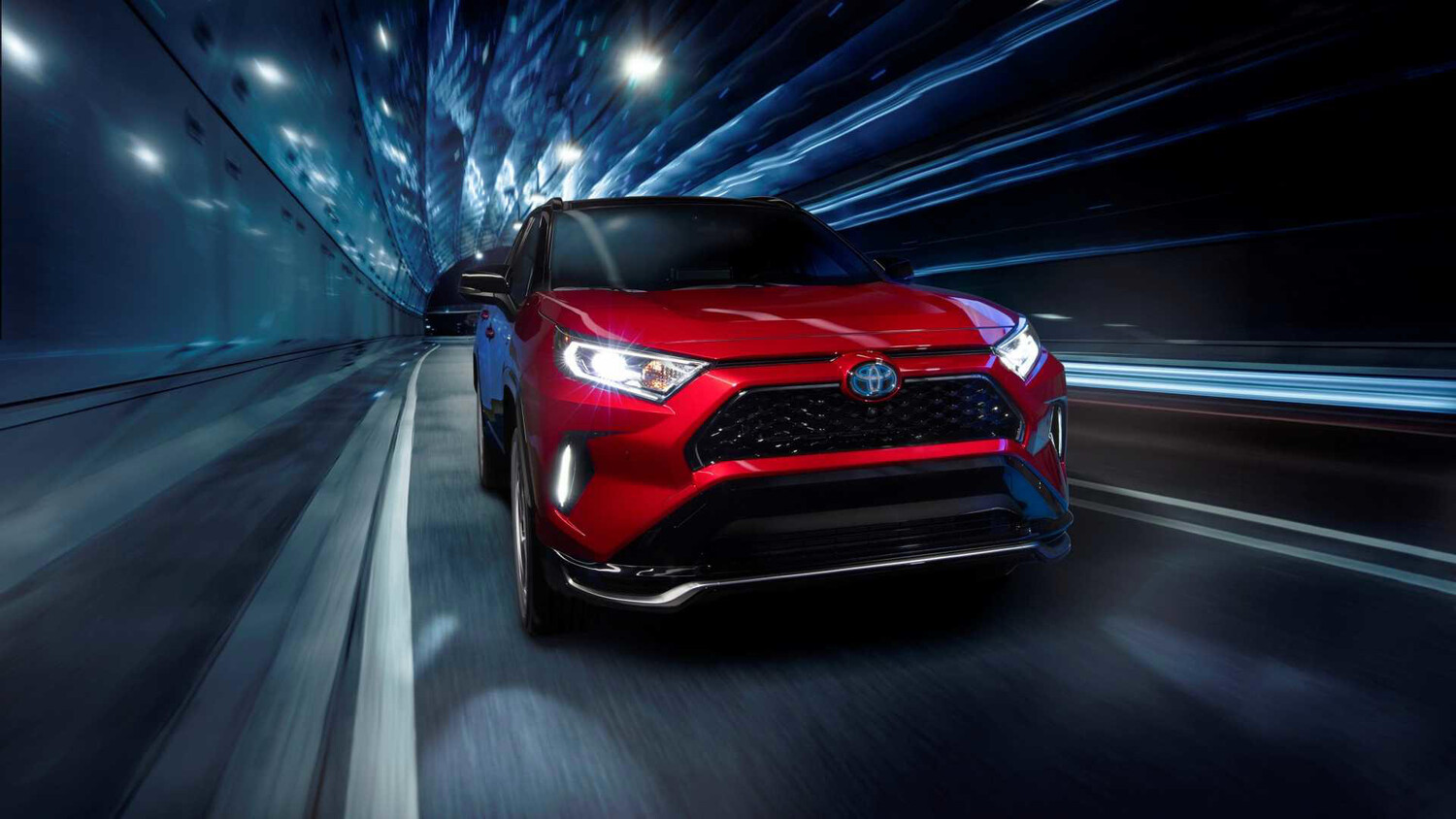
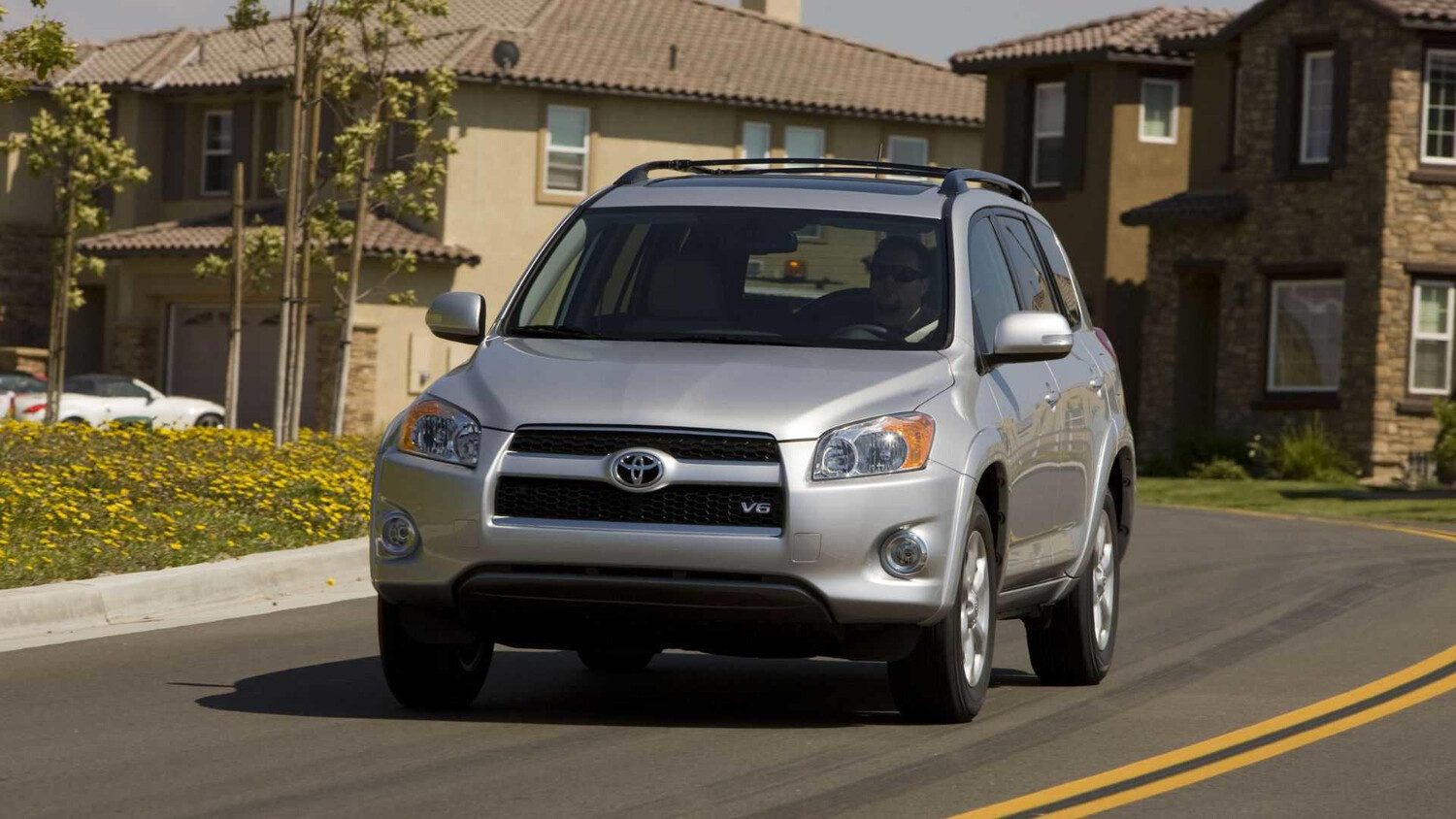
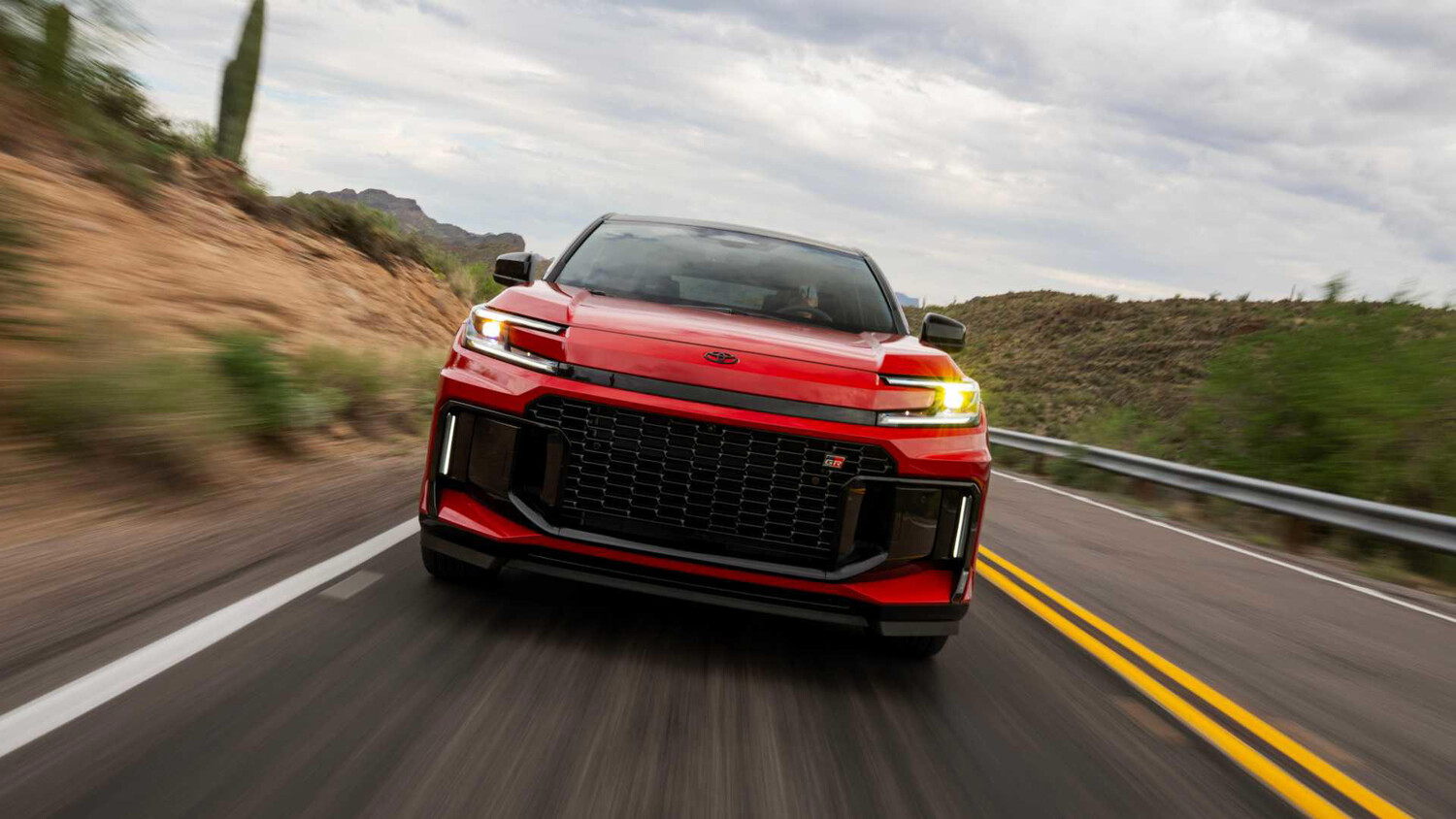
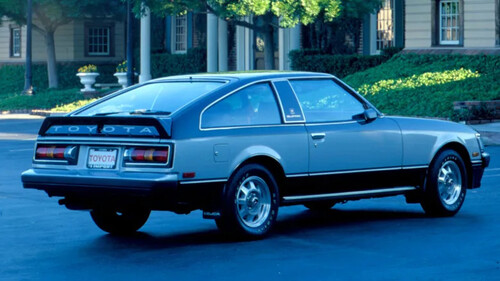
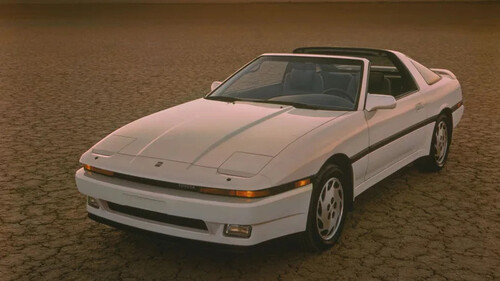
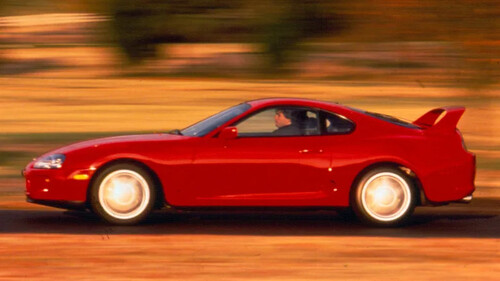
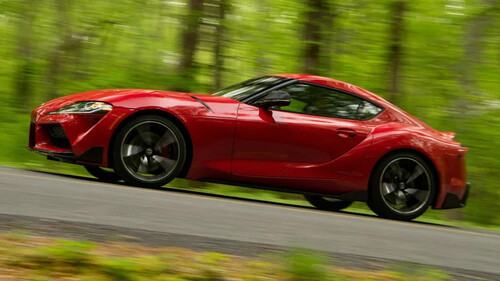
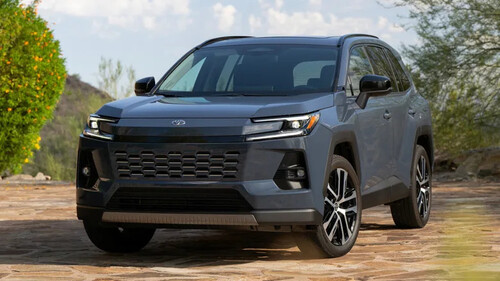
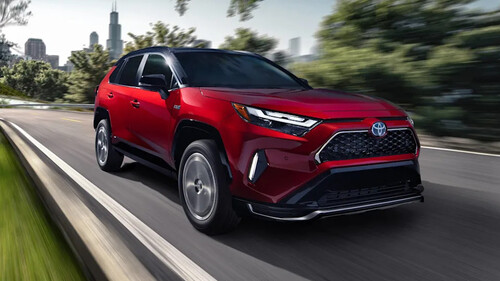
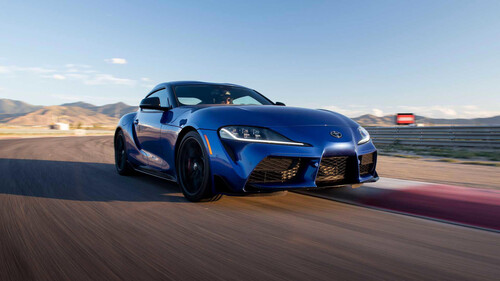
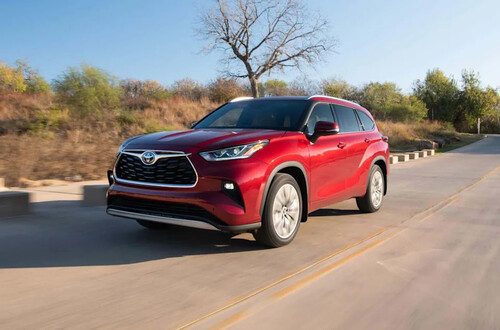
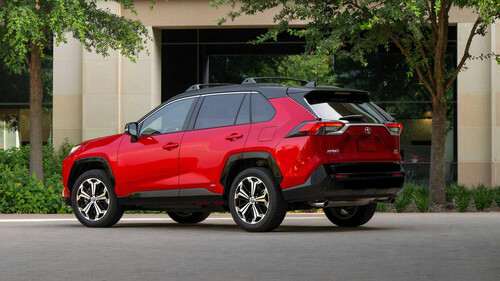
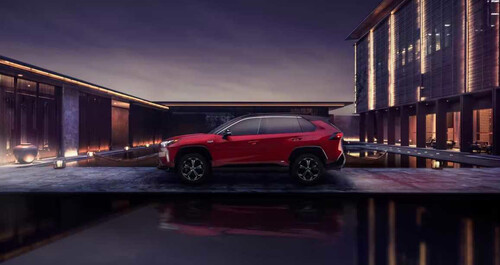
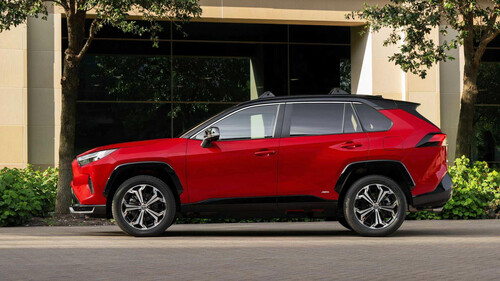
Though the Toyota RAV4 has long been one of the most reasonable vehicles on the road, two specific models packed a surprising performance punch that earned them sleeper status. Though they launched a decade apart, the one-generation-only RAV4 V6 and modern-day electrified RAV4 Prime (recently renamed RAV4 Plug-In Hybrid) were the quickest RAV4s ever built in their day. Plus, they're the only models that can lay claim to outrunning the Supra. Remember that Toyota is famously conservative, so the RAV4 V6 and RAV4 Prime were rule-breakers.The RAV4 has been in production for over 30 years. For most of its history, this compact SUV was bought for factors like fuel economy, safety, reliability, and long-term value. It started as a quirky runabout and evolved into Toyota's most important product. The model eventually became a rolling showcase of the brand's latest hybrid tech. Back in the 1990s, the idea of a small-car-based SUV was incredibly novel. Today, crossovers have become the heart of a highly competitive marketplace that Toyota helped pioneer and continues to lead. The RAV4 Wasn't Built For Speed ToyotaAfter playing a major role in pioneering the compact SUV segment at its 1996 launch, the RAV4 went on to become a segment leader and a flag bearer for hybrid tech in the decades that followed. The model was never intended to be a performance leader.If we exclude the original RAV4 generation (the slowest) and consider only mainstream four-cylinder gas and non-plug-in hybrid models, we'd have an average 0-60 time of about 9 seconds across the range. Translation? The Toyota RAV4 shopper was more impressed by fuel consumption figures than pavement consumption figures. To sell in large numbers, the RAV4 needed to be comfortable, spacious, and fuel-efficient, not quick.Toyota Along the way, this meant the RAV4's strategy became pretty locked in: it would be a compact SUV with a compact, fuel-efficient engine, solid cargo space and passenger volume metrics, and targeted shoppers who value high fuel efficiency, not high performance. For years, the RAV4 offered just a single four-cylinder engine option, with no upgrade available. Just Two RAV4s Could Outrun A Supra ToyotaThe core RAV4 recipe was only deviated from twice. For the 2006 model year, the first and only V6-powered Toyota RAV4 arrived, with 269 horsepower from a 3.5-liter V6 and a five-speed automatic. The RAV4 of this generation was relatively lean on the scales and could run 0-60 MPH in a particularly punchy 6.3 seconds, faster than the day's Civic Si.After 2012, the RAV4 V6 was discontinued forever, and the model would never again receive V6 power, instead reverting to its economical and sensible roots for the 2013 model year, which was the first of the fourth-generation machine. Now, the RAV4 was, once again, a single-engine affair, offering a sole four-cylinder unit until the first RAV4 hybrid's arrival for the 2016 model year.With the RAV4 Prime's launch in 2021, there were now three RAV4 powertrains on offer. There was the standard four-cylinder gas engine, the conventional gas-electric hybrid (with no plug), and the new Prime PHEV, with all-electric capability for shorter drives, and a major power boost.After the departure of the RAV4 V6 nine years earlier, the new sleeper performance flagship RAV4 packed 302 hp from a four-cylinder engine, a powerful battery, and powerful electric motors. This was the only RAV4 with a plug-in port. Charging the battery enabled short-range all-electric driving, with four-wheel-drive grip and no combustion required. The more powerful electrical systems in this hybrid gave the gas engine an even bigger punch, making it the most powerful Toyota of its time, next to the almighty Supra. Toyota RAV4 Prime Competitors ToyotaKia Sportage PHEVKia Sorento PHEVLexus NX450h+ PHEVMitsubishi Outlander PHEVFord Escape PHEVThe on-demand torque of the motors and all-wheel traction get this version to 60 mph in just 5.7 seconds, smoking the old RAV4 V6 along the way. For context, the standard RAV4 engine in 2021 got to 60 in about 8.0 seconds, and the standard hybrid was about a half-second quicker at 7.5 seconds. This made the 2021 RAV4 Prime the fastest RAV4 ever built at the time, though the latest new-for-2026 RAV4 Plug-In Hybrid is even quicker, with 0-60 in 5.4 seconds, not far off the pace of a 1993 Toyota Supra Turbo, taking about 5.0 seconds to reach that speed.Today, you'd pay $41,500 for a 2026 RAV4 PHEV in the SE trim grade, with the Woodland coming in from $45,300, the XSE going for $47,200, and the range-topping GR Sport beginning at $48,500.In comparison, you'd pay $30,000 to $40,000 for a used 2022 RAV4 Prime with reasonable miles in solid condition. A budget from $15,000 to $20,000 would get you into a used RAV4 V6 these days, but note that this is a major step back in terms of connectivity, lighting, and safety tech.Toyota Common to the RAV4 Prime and RAV4 V6 is a particularly unassuming look that flies well under the radar for closet thrill-seekers. Other than some subtle badging, little gives the high-performance punch of either machine away on the visual front. The early RAV4 V6 could easily pass as a retired rental car that could happily smoke your buddy's 1990s Mustang GT. How Fast Is A Supra Exactly? ToyotaThat depends on the Supra you're referring to, and we'll be comparing a few different ones below. According to our Gerhard Horn, "the naturally aspirated 2JZ-GE engine in the Mk4 Toyota Supra (1993–1998) produced roughly 215–227 hp and 210–224 lb-ft of torque, with 0–60 mph times typically occurring around 6.5 to 7.5 seconds, depending on the transmission and model year. It was often paired with a 5-speed manual or 4-speed automatic."ToyotaWe'll average the figures and use 7 seconds in this case. Both the RAV4 V6 and RAV4 Prime would leave this Supra configuration in the dust. Future configurations of the Supra got faster and more powerful, pushing performance even further. By the late 1990s, the spiciest Supras could do 0-60 in slightly under 5 seconds. We're unlikely to see the RAV4 achieve performance figures like these anytime soon. This Is A Silly Comparison, But It Demonstrates Some Important Points ToyotaDespite growing in size, automakers are building faster, more efficient vehicles across a wide range of segments. In the generations since the 1994 Supra and 2006 RAV4 V6, Toyota has advanced by light-years in building structures that are stronger and more rigid while simultaneously lighter and smaller. The shift to newer architectures, especially TNGA, dramatically changed what the vehicles running them could do. Structures could be made much more rigid without adding weight, helping raise the vehicle's performance ceiling.ToyotaThe company also developed new engines and hybrid powertrain systems that went to new lengths to extract maximum energy from every drop of fuel burned. The four-cylinder engines with Atkinson-cycle capability, electrification, and higher compression ratios all boost response and efficiency. These key behind-the-scenes advances allow engineers to deliver win-win combinations for customers, particularly by increasing size and performance with each product cycle while keeping fuel economy in check.Readers can also look back at the RAV4's history as a strong indicator of the brand's direction at the time. Each generation is a snapshot of where Toyota was headed: early models were simple, light, and durable, later models focused on refinement and hybridization, and the most recent RAV4s are pushing hard into electrified performance territory.Sources: Toyota