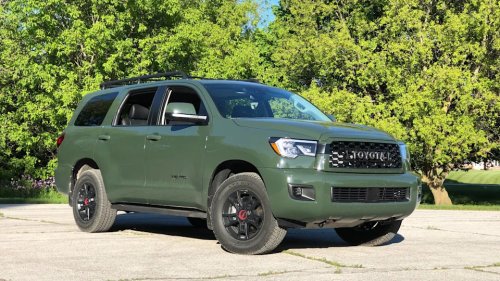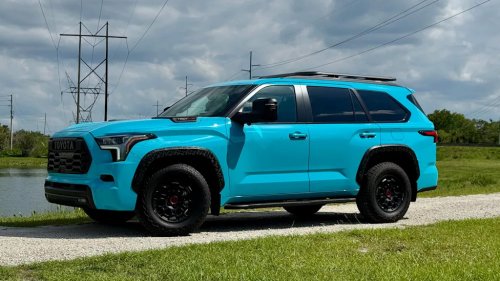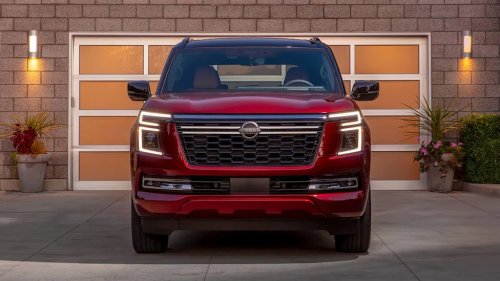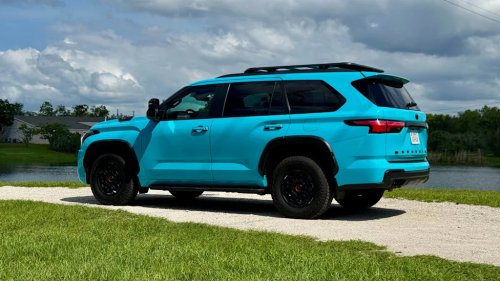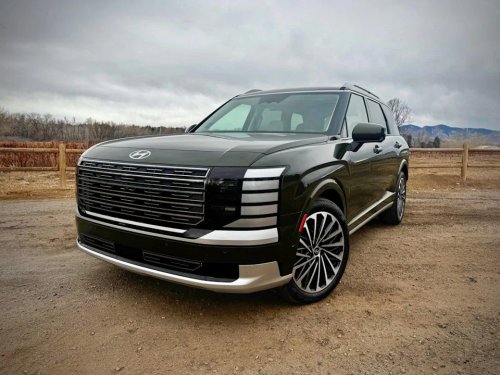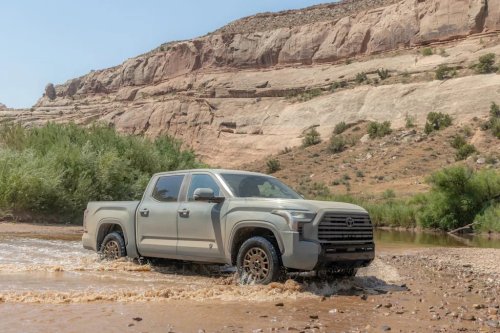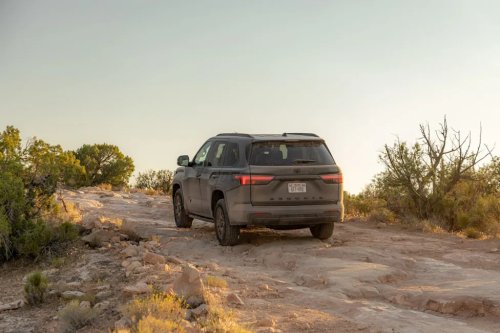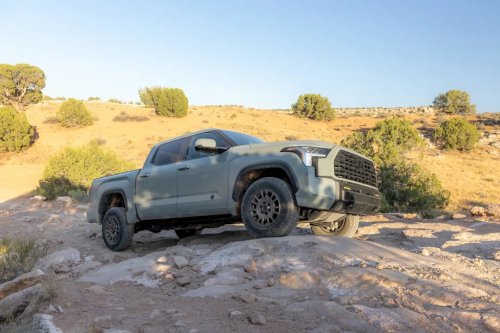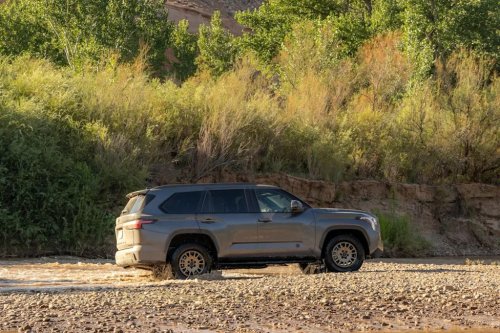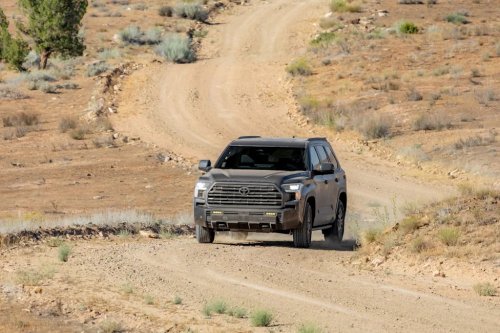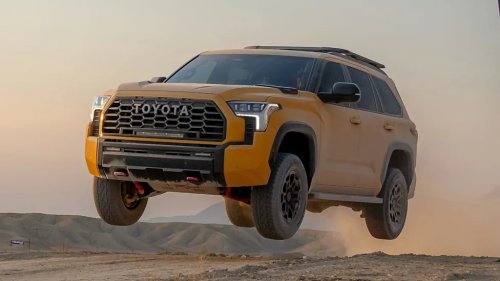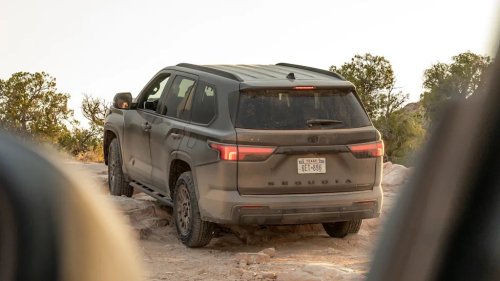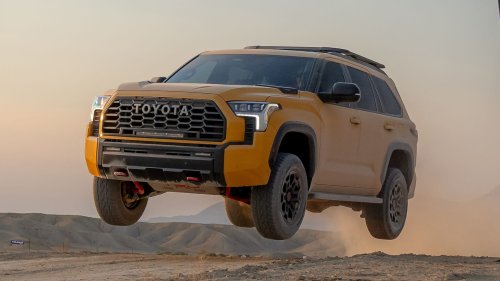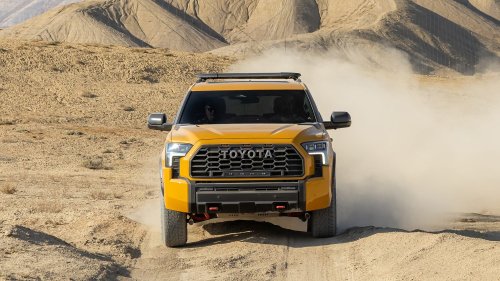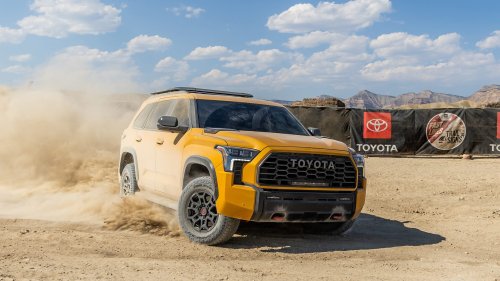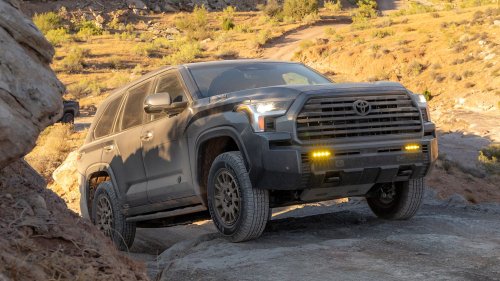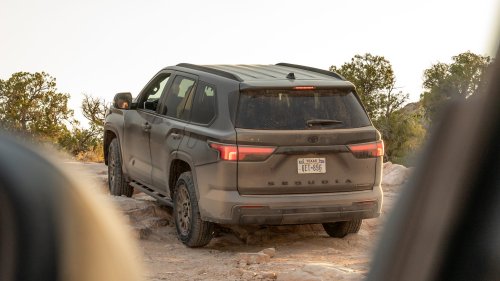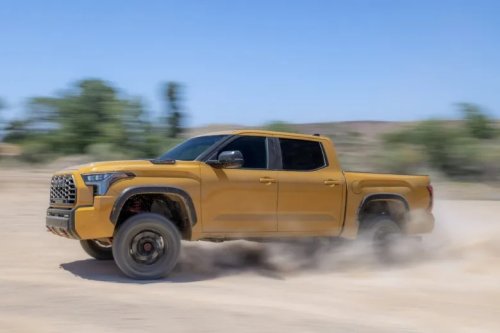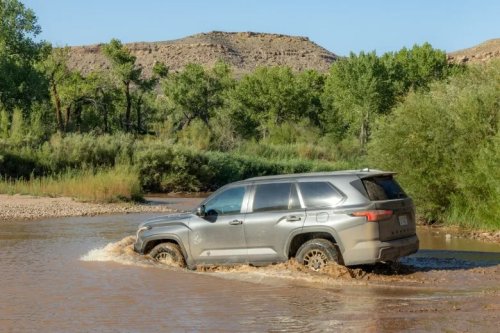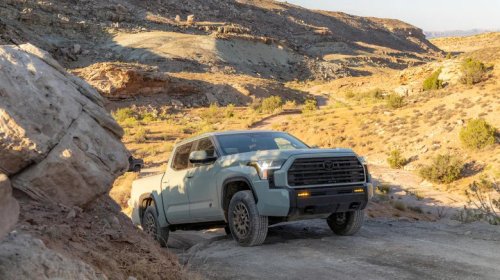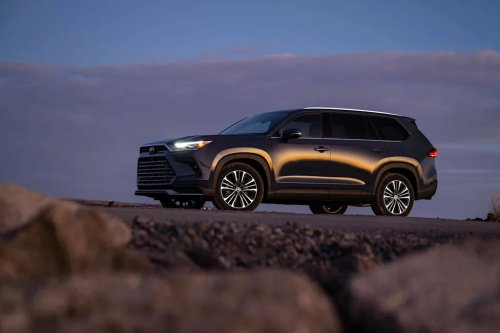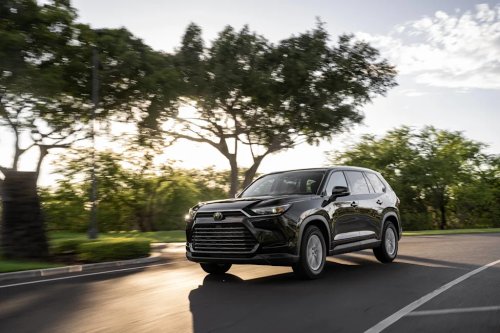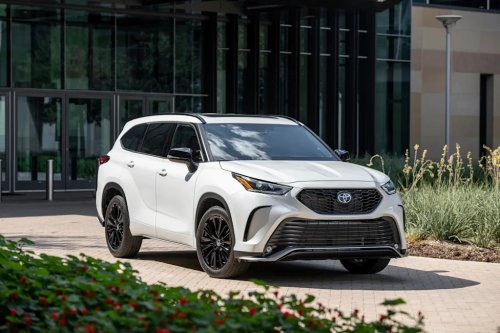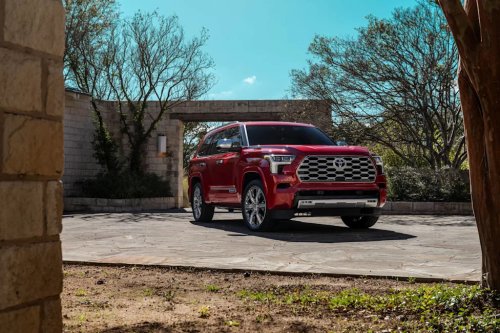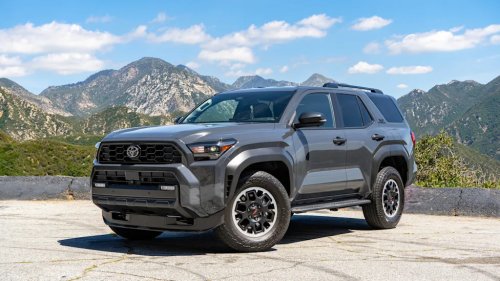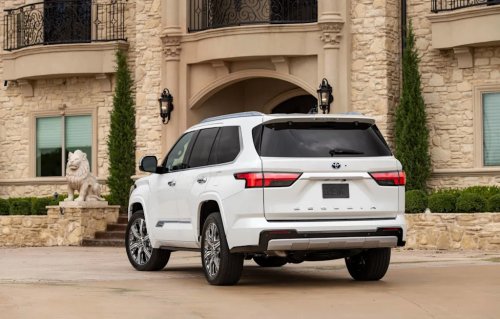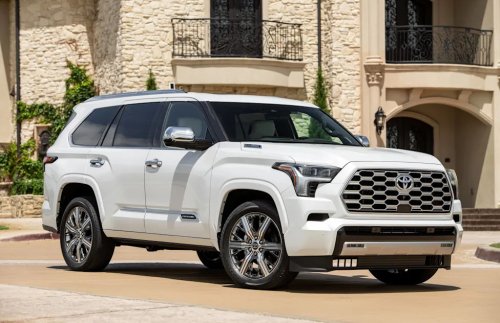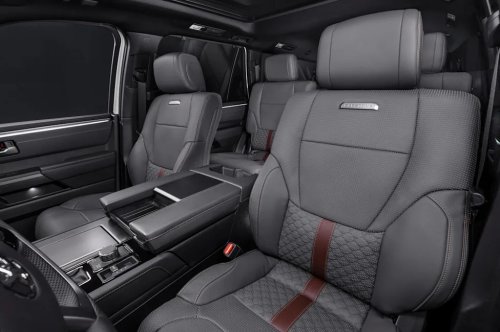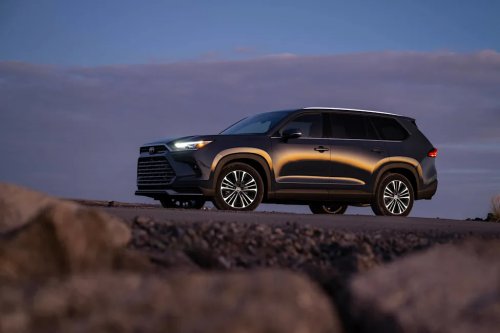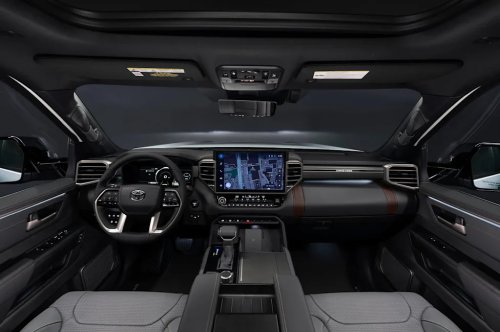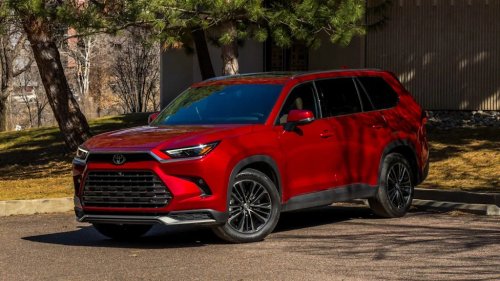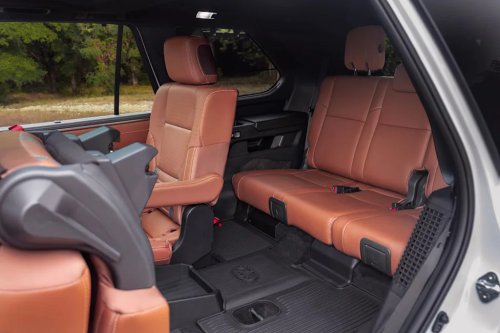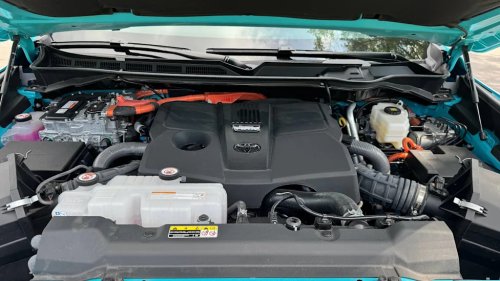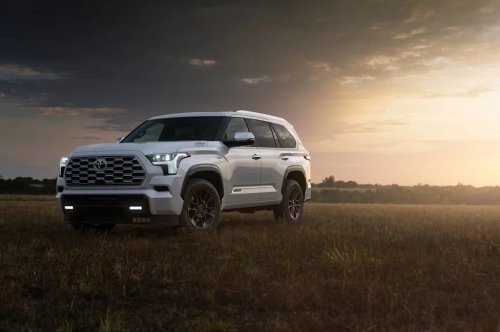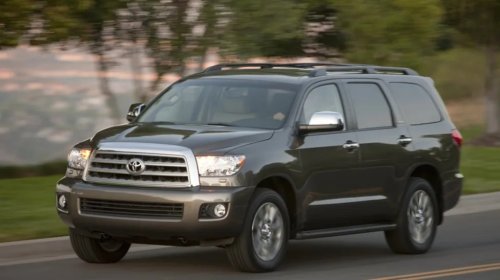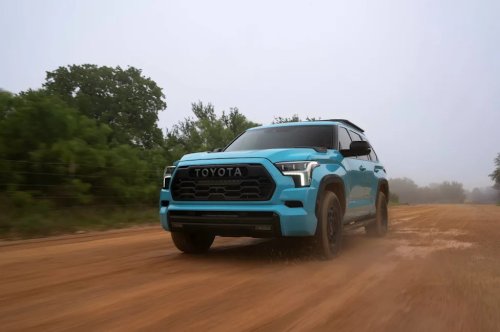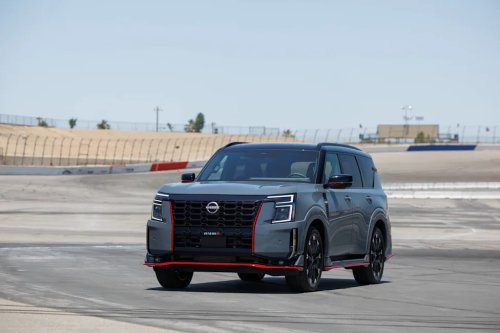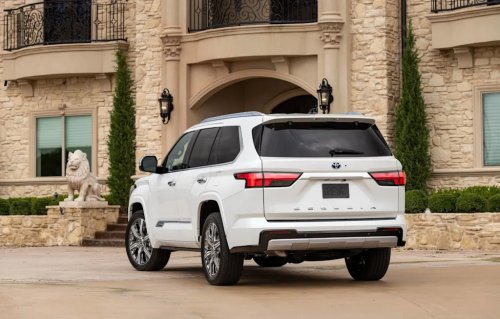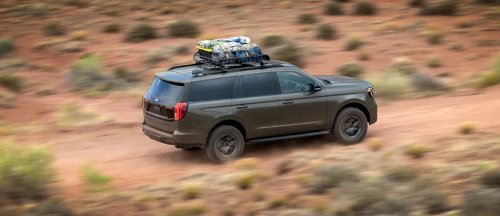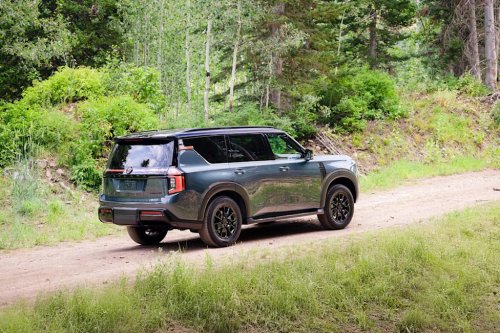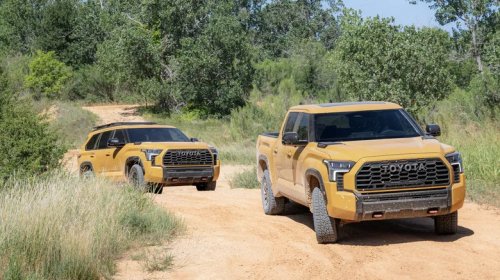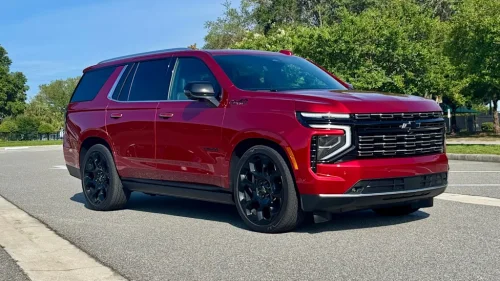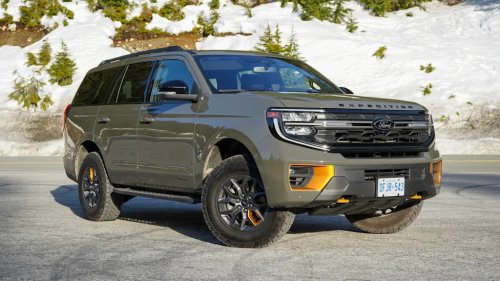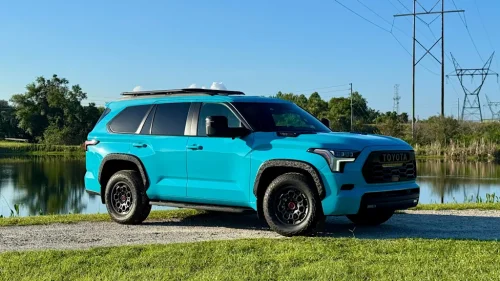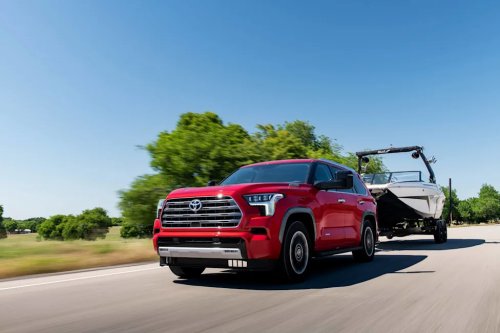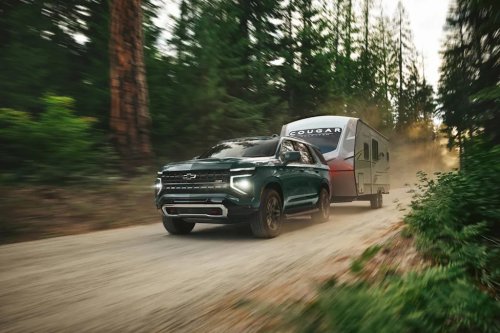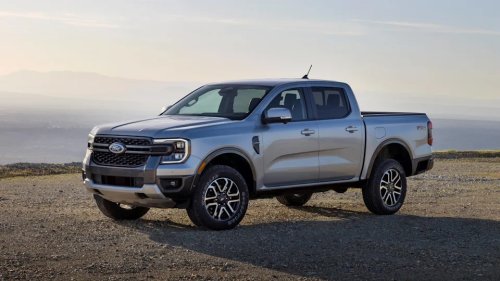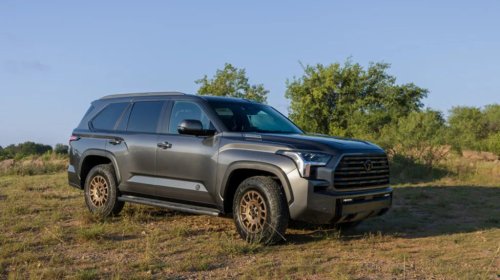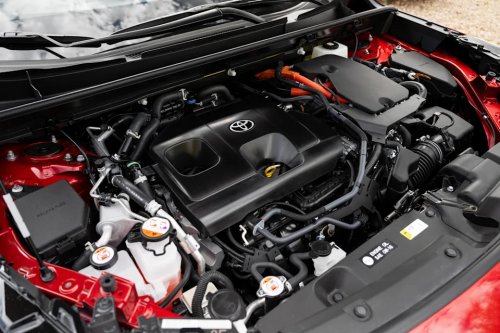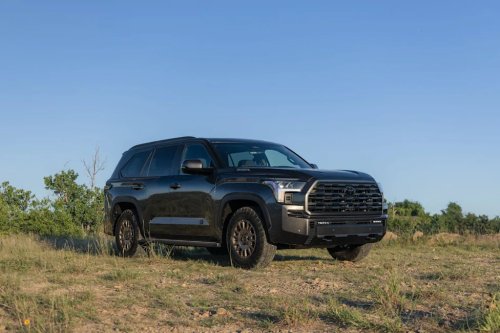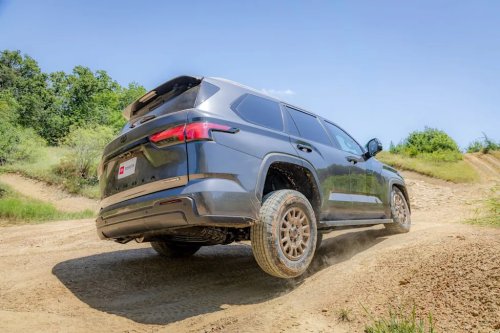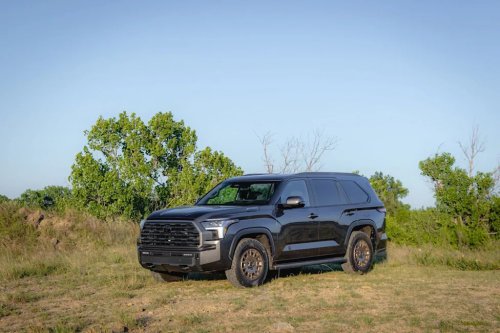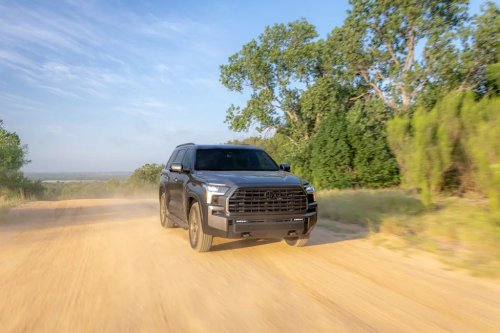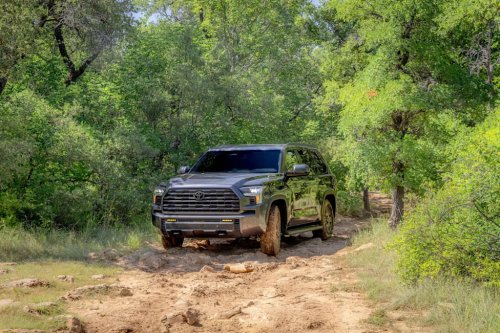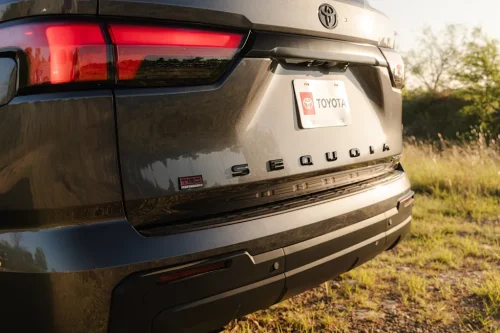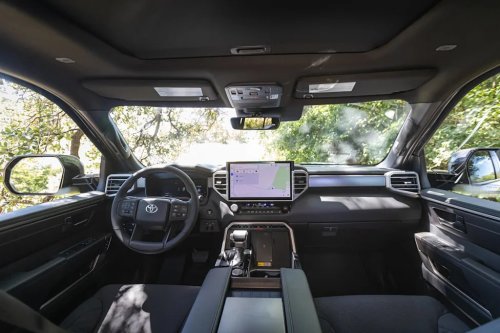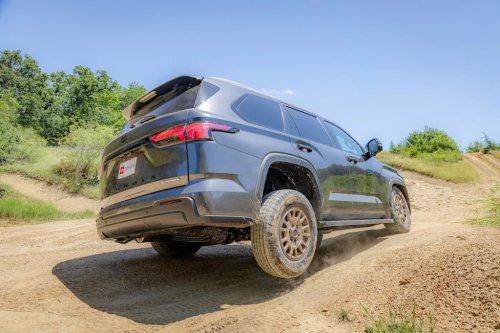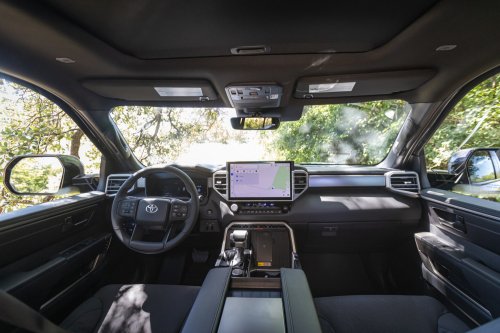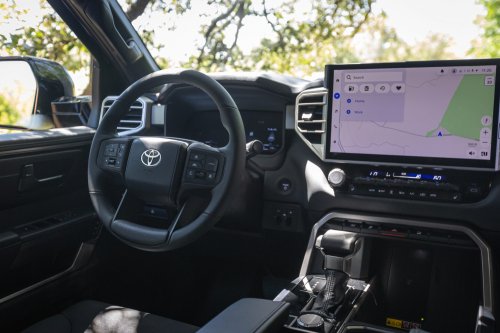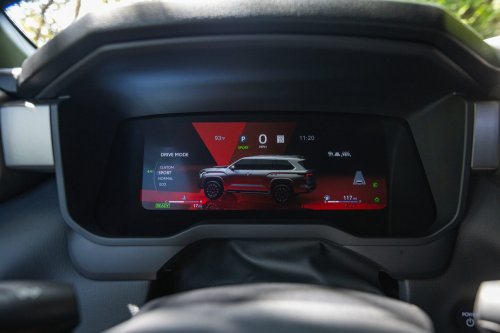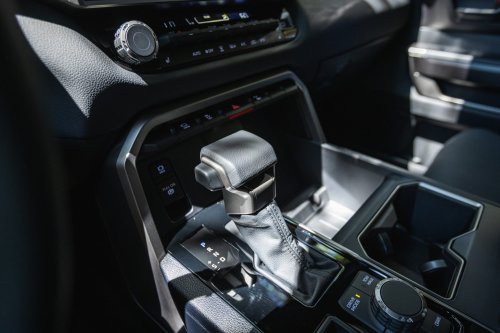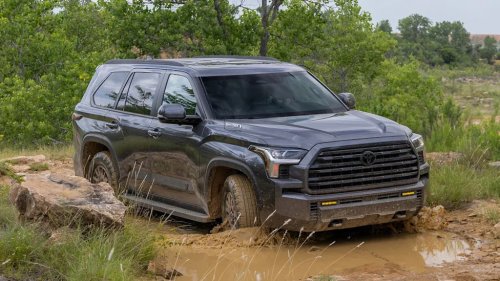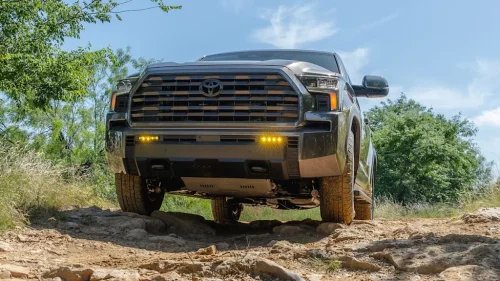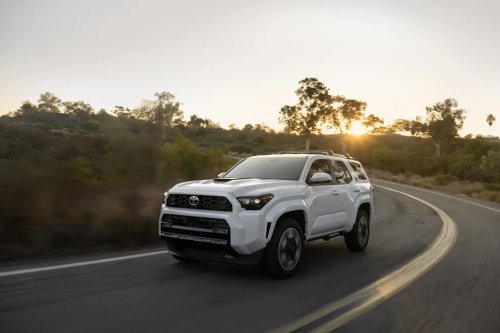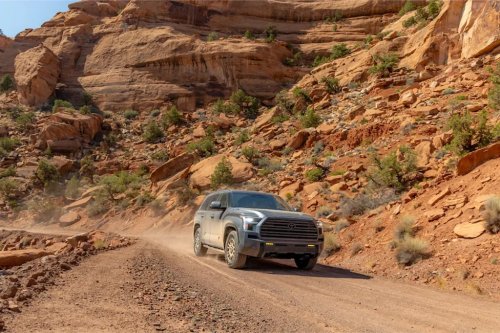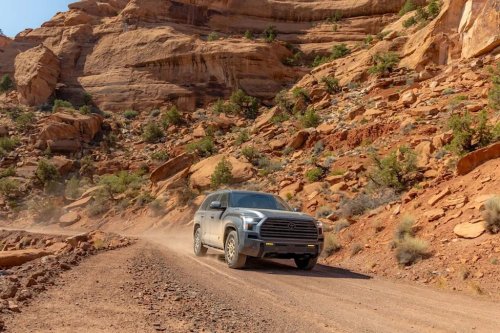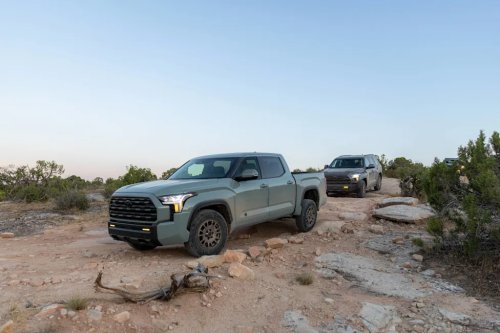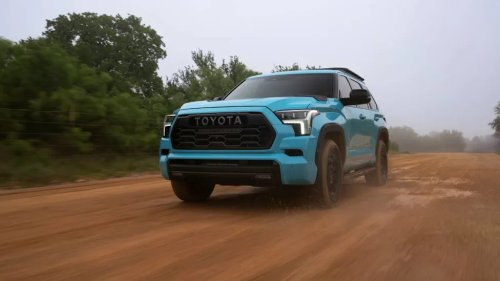
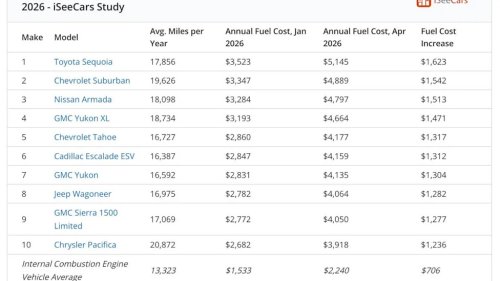
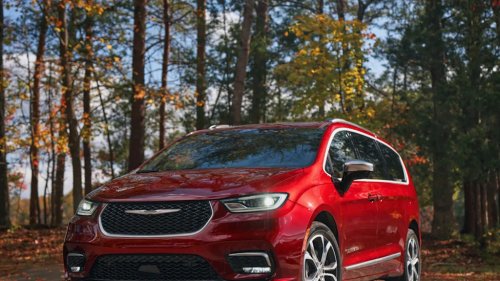
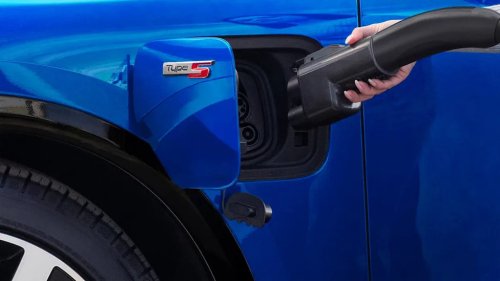


















Autoblog and Yahoo may earn commission from links in this article.Skyrocketing gas costs have dominated the headlines in 2026, leading to renewed interest in hybrids and EVs, while also encouraging many Americans to turn to carpooling. What the price of a gallon of gas doesn’t quite tell us is which consumers are hit hardest, based on how much driving they do and the type of vehicle they have. A new analysis has revealed the 10 models with the biggest fuel cost increases between January and April 2026, and it’s no surprise to see larger SUVs dominating the list. A certain Toyota leads all other models with a massive increase in fueling costs over the course of just four months.Vehicles With Highest Fuel Cost Increase: January Vs. April 20262026 Toyota SequoiaToyotaView the 3 images of this gallery on the original articleAdvertisementAdvertisementThe study was conducted by iSeeCars, which analyzed 2.1 million three-year-old vehicles sold in 2025. Average annual fuel costs for each model were calculated based on the average odometer reading and the increase in gas costs between January and April. The publication’s full methodology can be viewed here, and based on that, the Toyota Sequoia is the model that saw the largest increase in fuel costs over this period. Here’s a look at the top 10.Vehicles with biggest fuel cost increaseiSeeCarsAnnual fuel costs for the Sequoia are now $1,623 more than they were at the start of the year, with the Chevy Suburban and Nissan Armada not far behind. The top 8 models are all three-row SUVs, with only the GMC Sierra 1500 Limited and Chrysler Pacifica breaking this pattern.“Large, three-row SUVs can accomplish nearly any task related to personal transportation,” said iSeeCars Executive Analyst Karl Brauer. “Unfortunately, the high functionality of large SUVs combines with their less-than-stellar fuel efficiency to make their annual operating costs extremely volatile when fuel prices spike.”Related: Trump’s Gas Price Plan Could Help Drivers, But Not By Much Or For LongMinivans Hit Hardest by Vehicle SegmentChrysler PacificaStellantisEven though SUVs dominate the list of individual models with the highest fueling cost hikes, minivans are worse off when entire segments are taken into account. Overall, minivans saw a $1,139 jump in annual fuel costs between January and April, ahead of trucks ($992), SUVs ($681), and passenger cars ($606). Although minivans are more efficient than large SUVs, they log the most miles on average per year, at 19,292. That’s almost 5,000 miles more than for all SUVs. Minivans are often the primary means of transportation for a family, in addition to them being used for school runs and road trips.AdvertisementAdvertisement“Trucks, minivans, and SUVs offer a wide range of functionality, which is why they are so popular with consumers,” said Brauer. “Unfortunately, their highly functional, do-it-all nature combines with relatively low fuel efficiency to make them the most vulnerable to gas price spikes.”Unsurprisingly, fueling costs impacted those with internal combustion engine vehicles the most. For this vehicle type, annual fueling costs are up by $706, followed by regular hybrids on $486 and plug-ins on $291. As for EVs, these motorists experienced a comparatively minuscule $11 increase in annual fueling costs. What It MeansAcura ZDX chargingAcuraIt won’t surprise anyone to see that owners of heavy, large SUVs have experienced the biggest increases in fueling costs in 2026. The stark difference may encourage owners of these vehicles to consider downsizing, but what really jumps out is the difference in fueling costs based on powertrain type. EV owners have been largely shielded from rising gas costs this year. This, together with high incentives on many new EVs, makes for one of the strongest cases yet to go electric.This story was originally published by Autoblog on May 20, 2026, where it first appeared in the News section. Add Autoblog as a Preferred Source by clicking here.