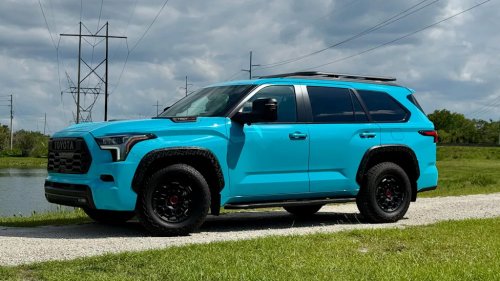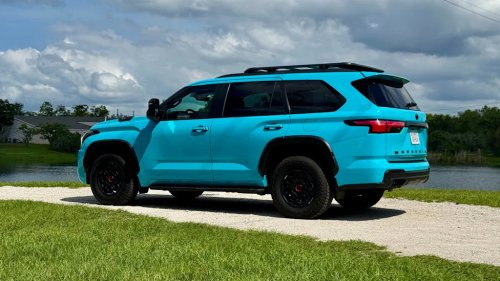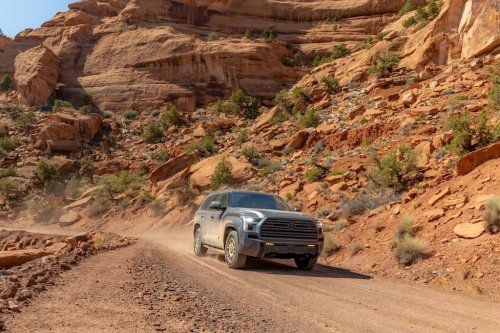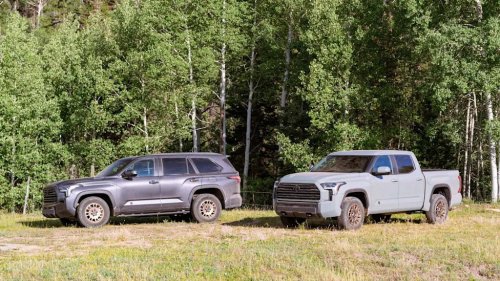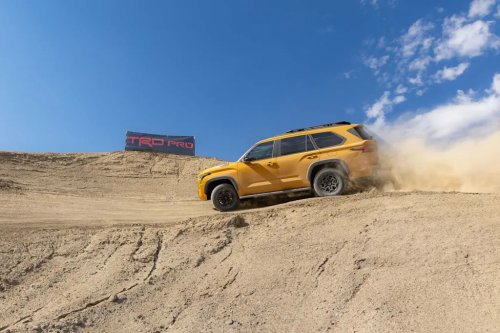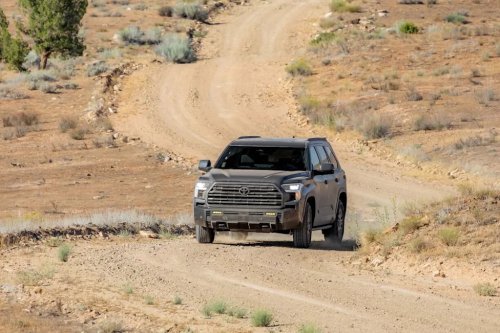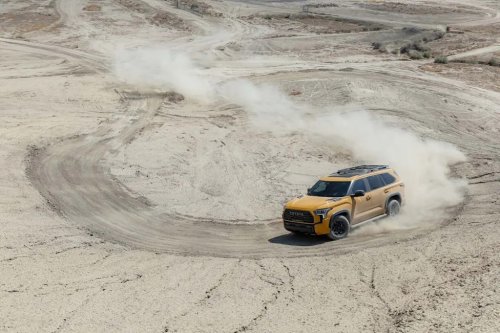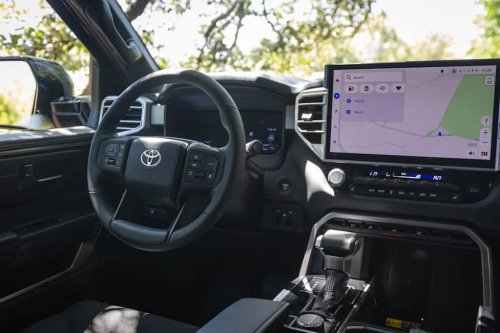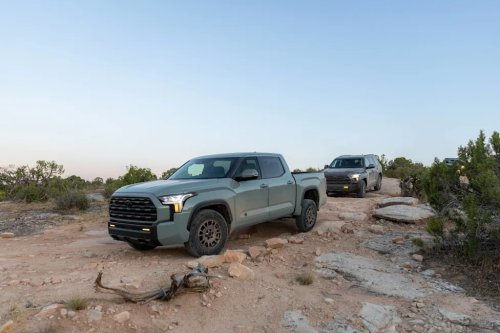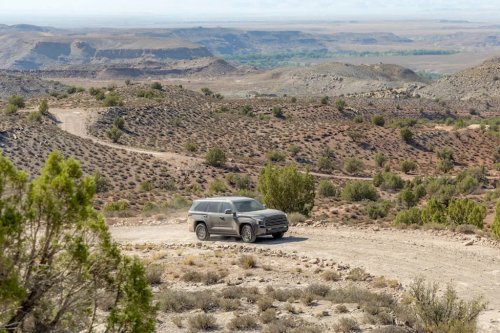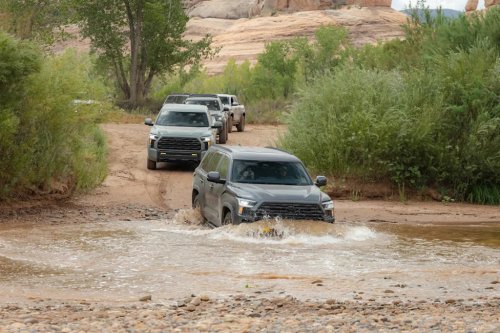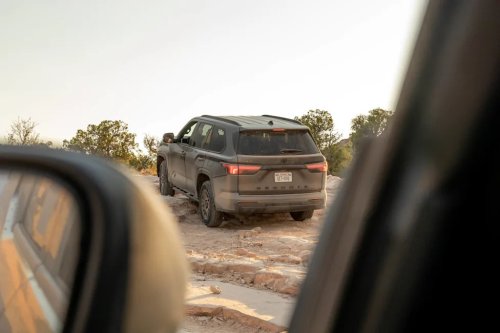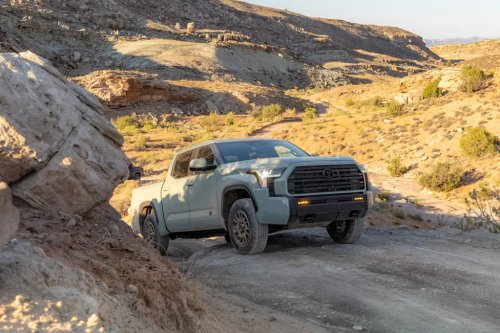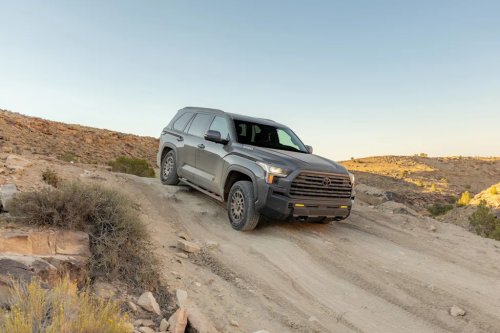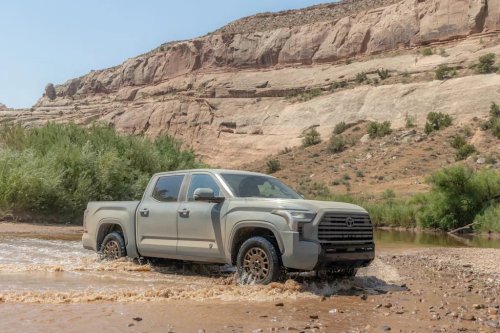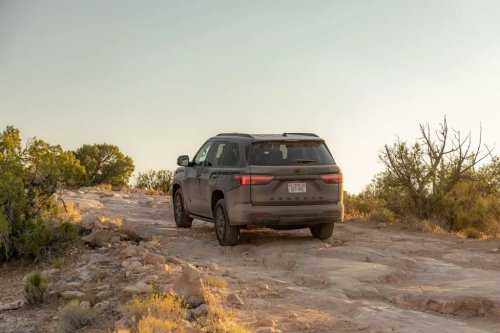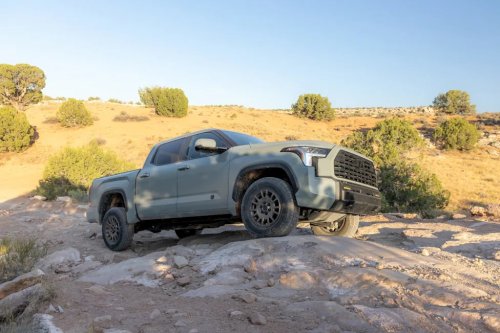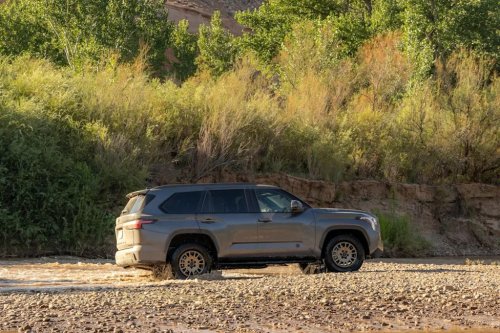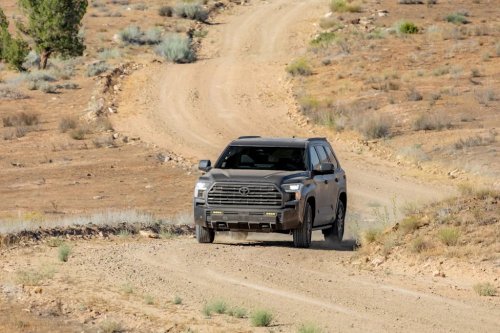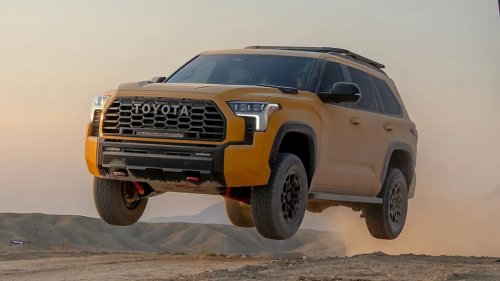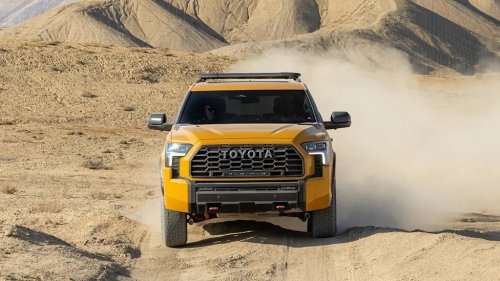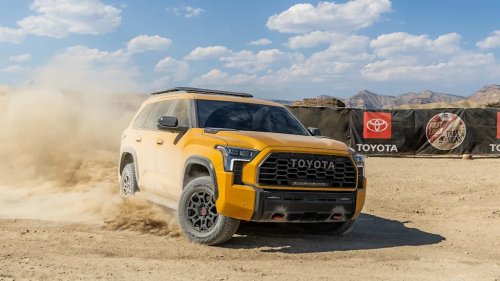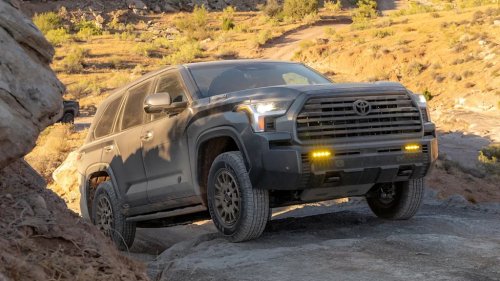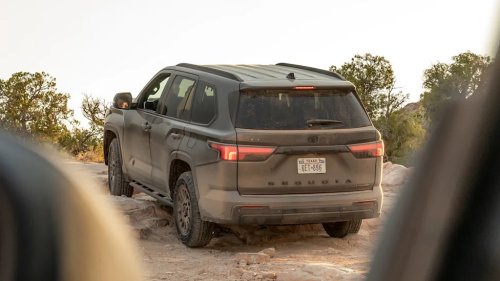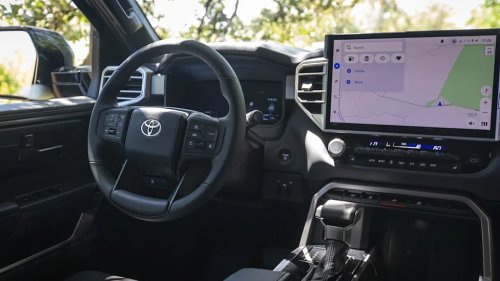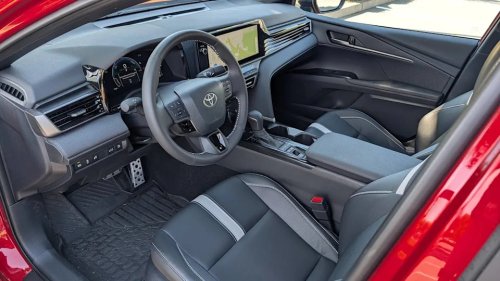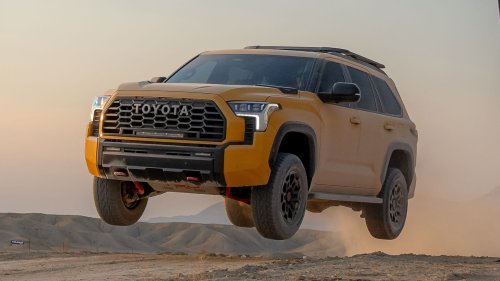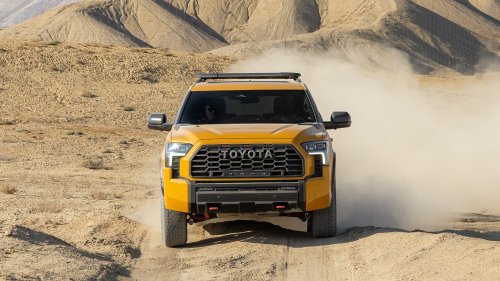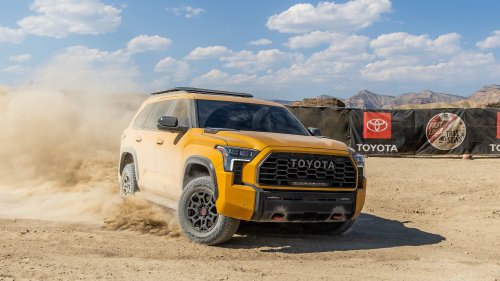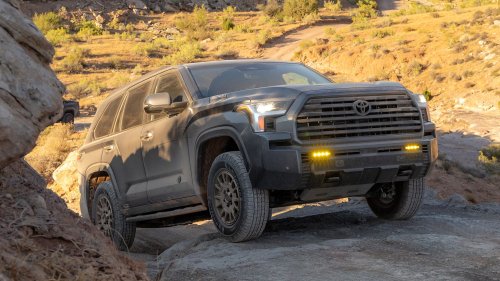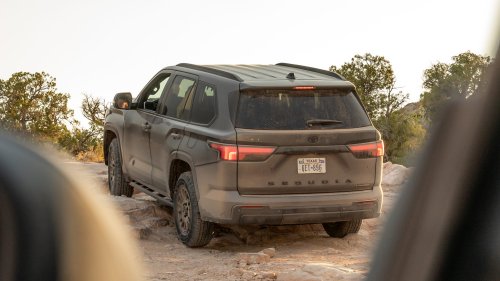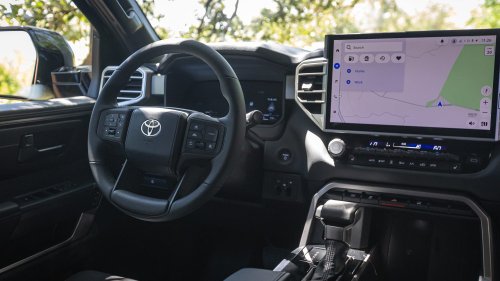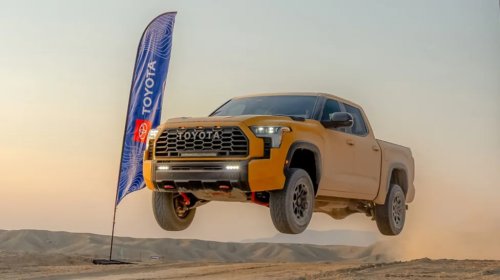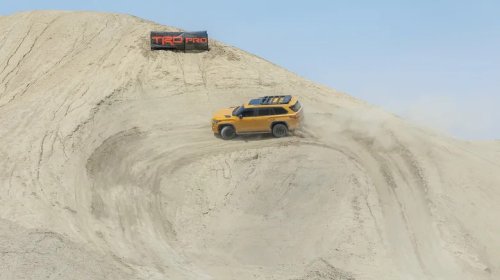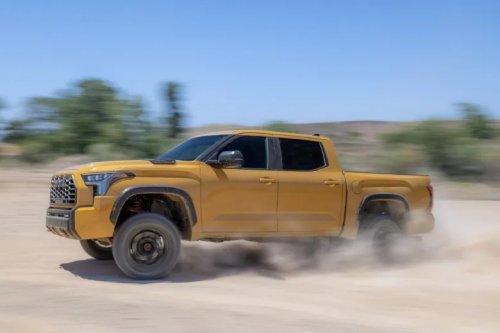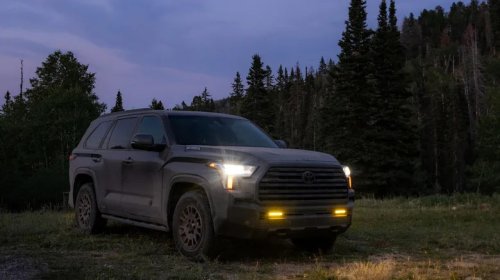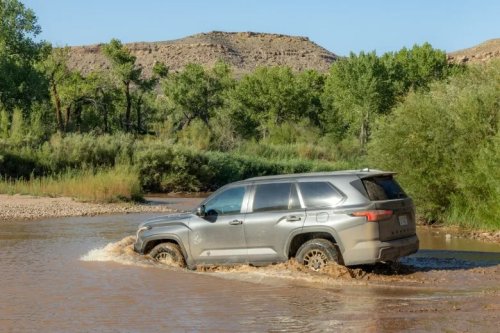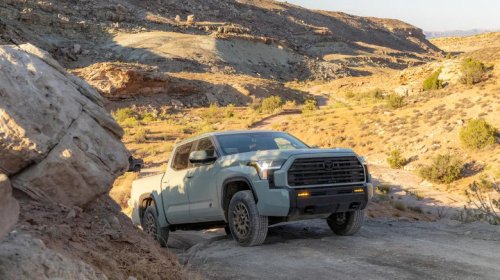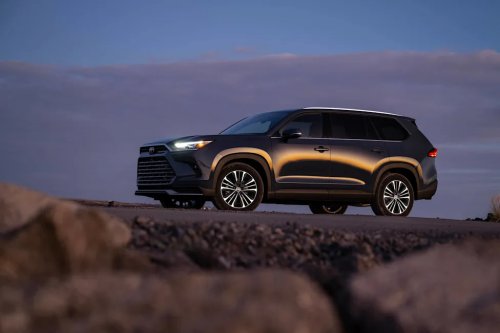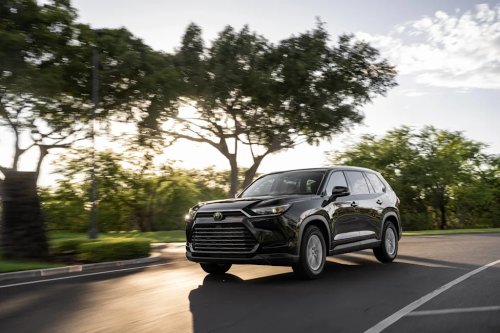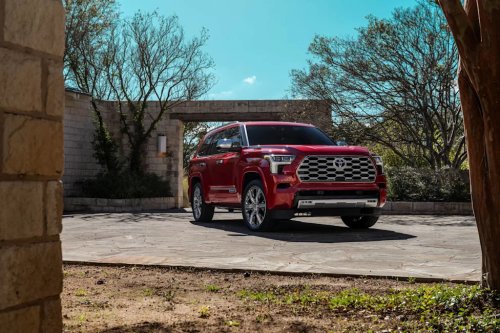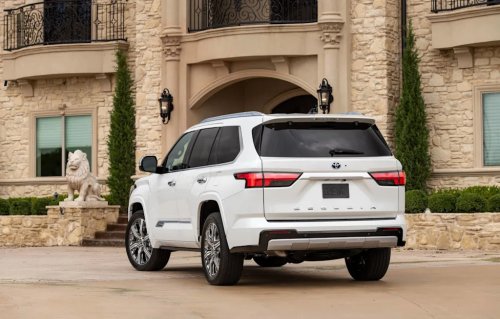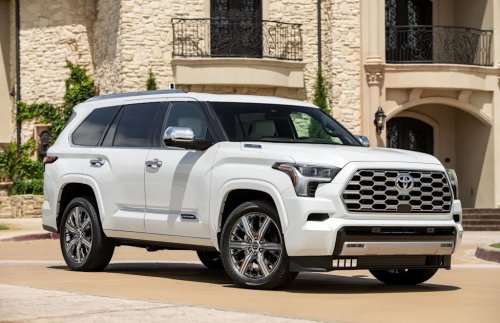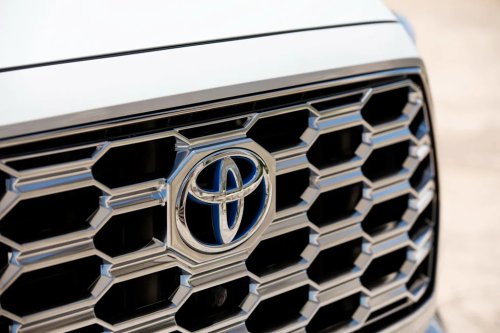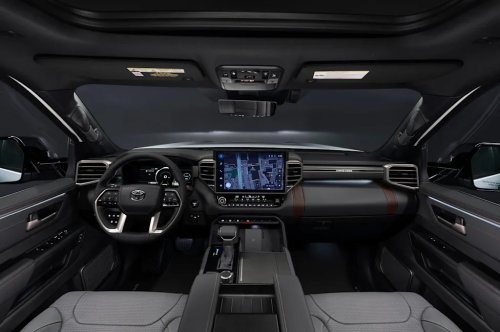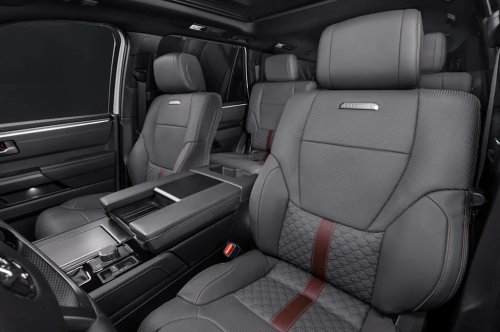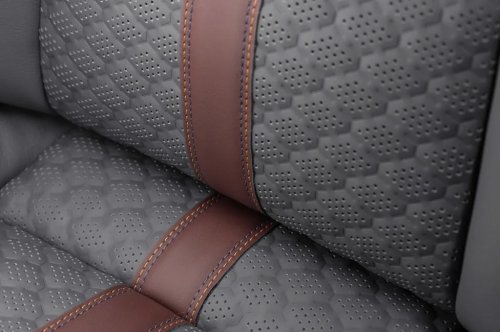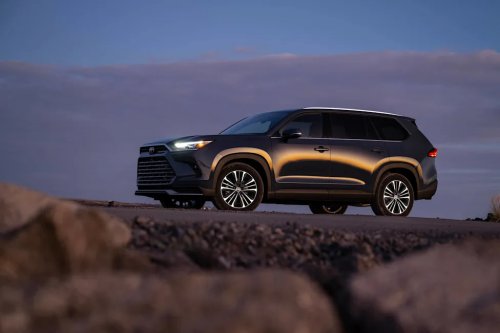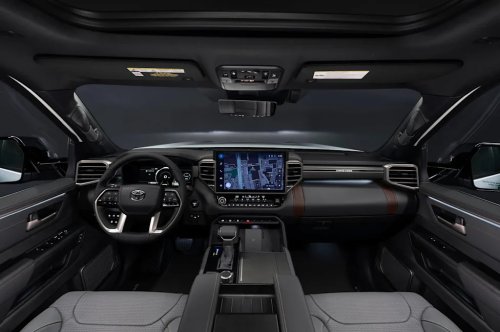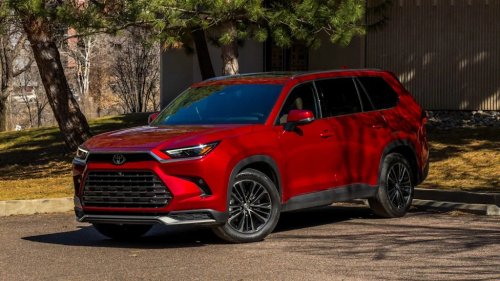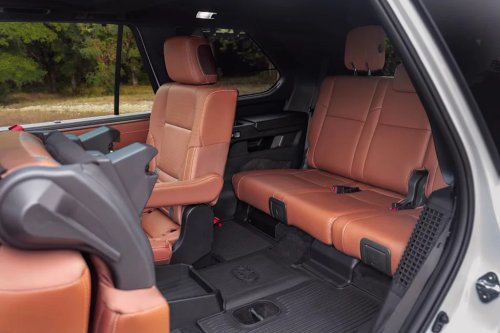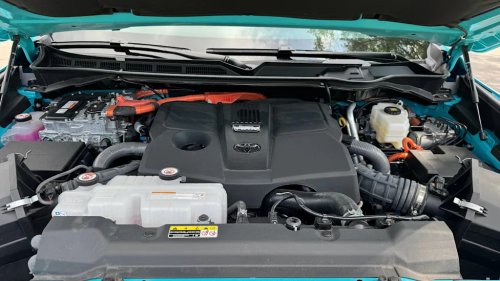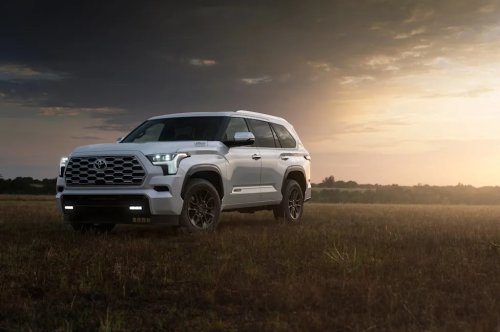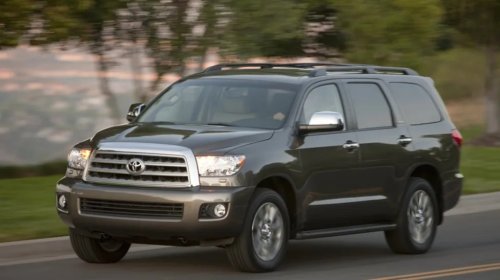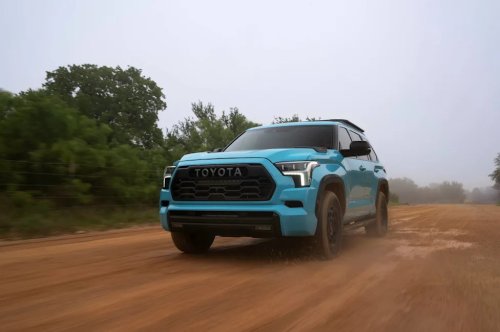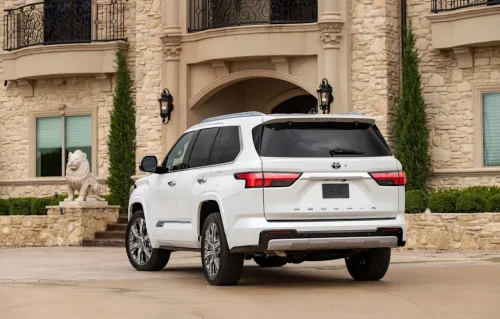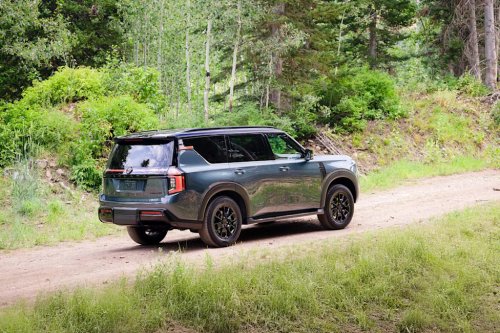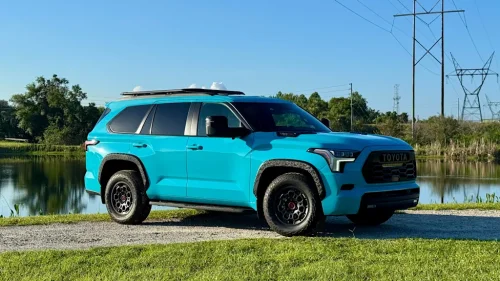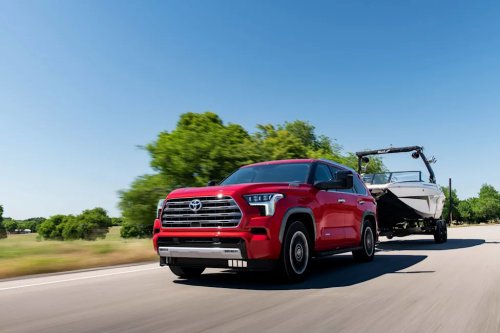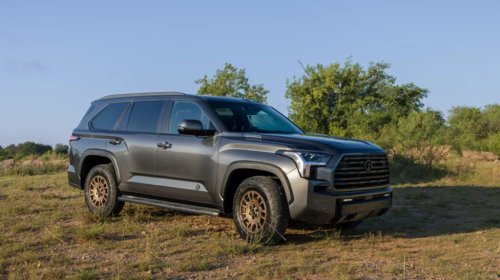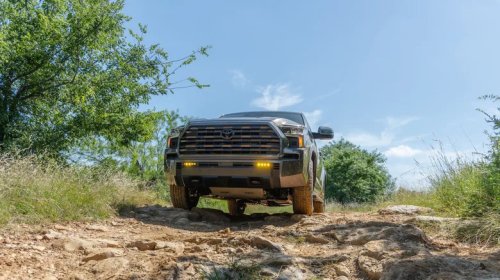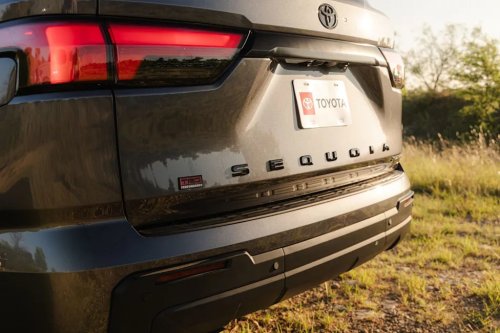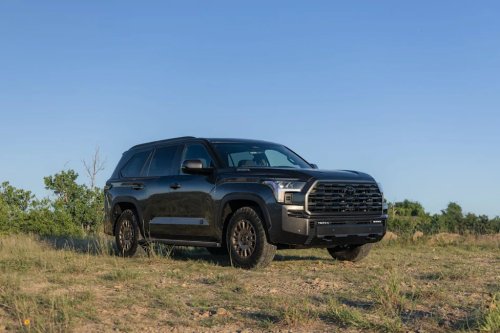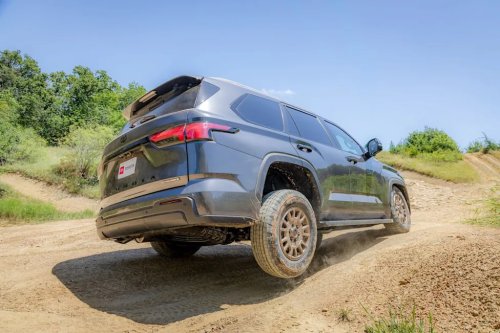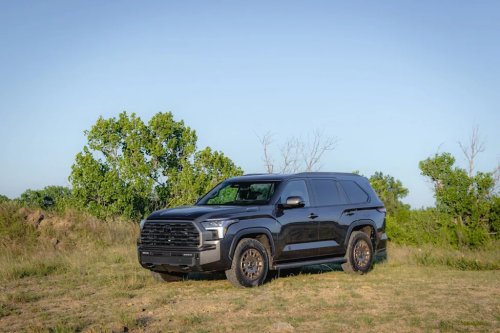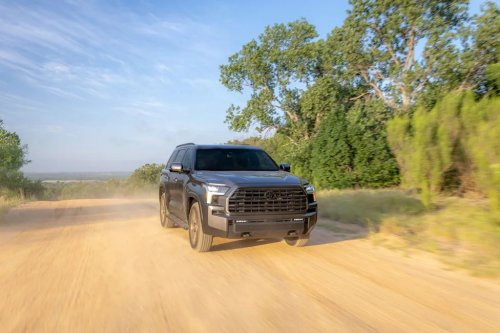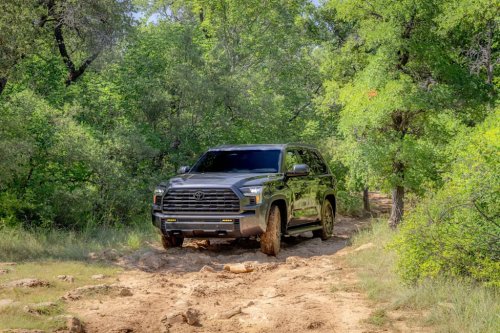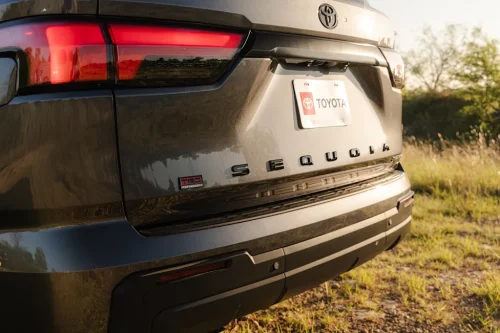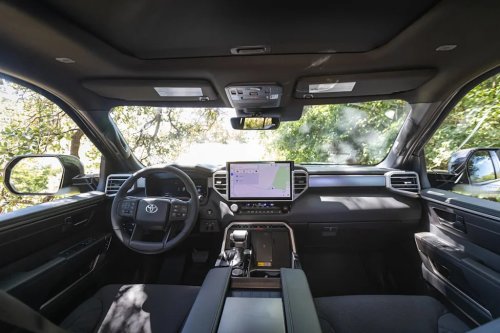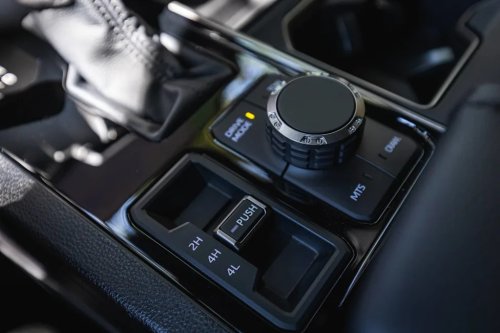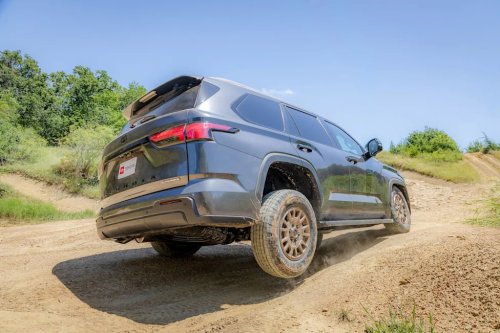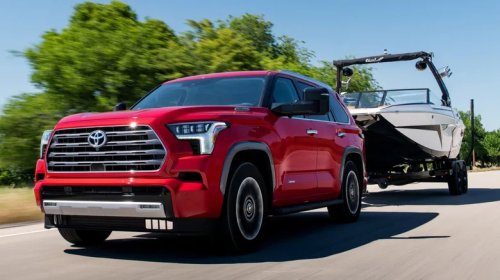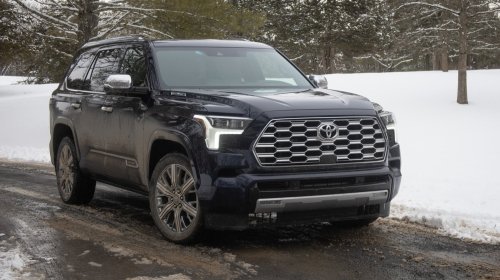
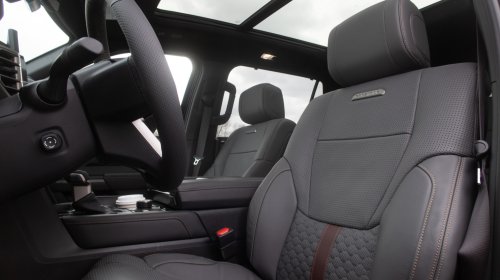
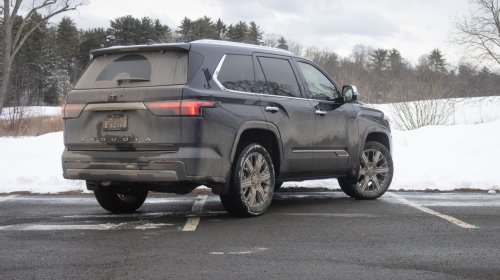
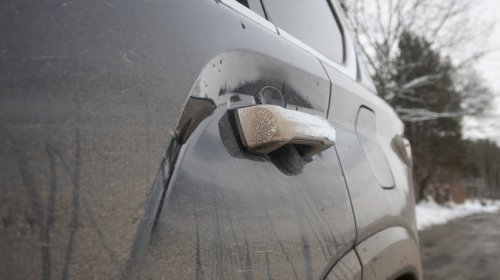
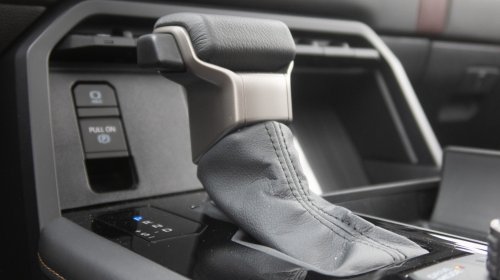
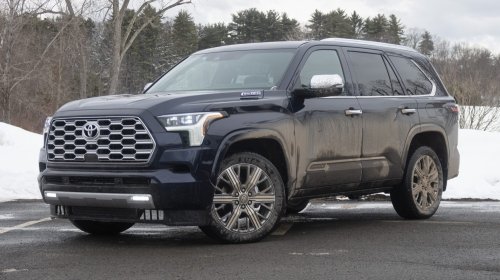
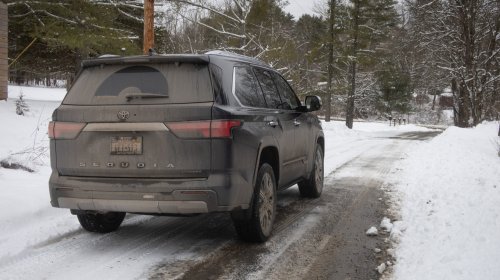
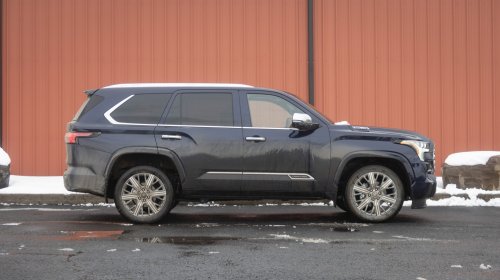
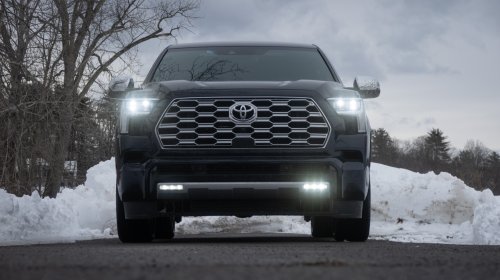
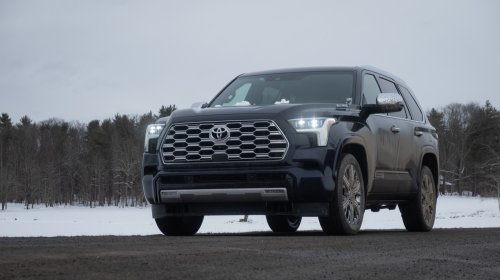
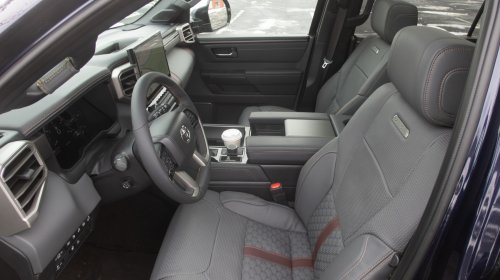
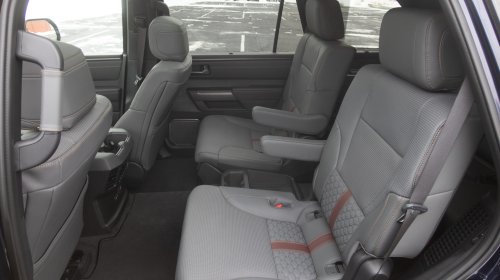
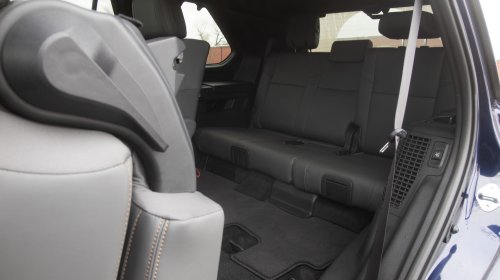
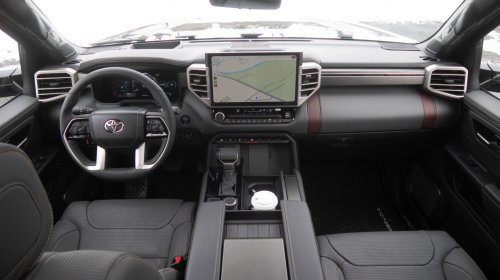
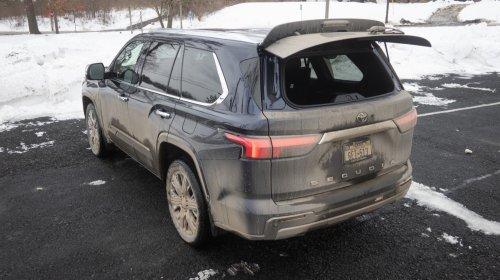
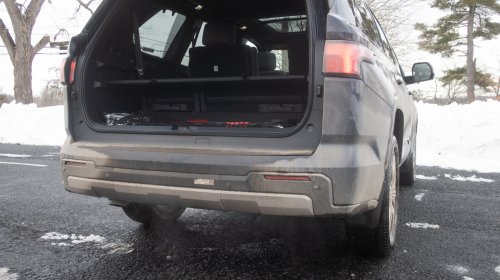
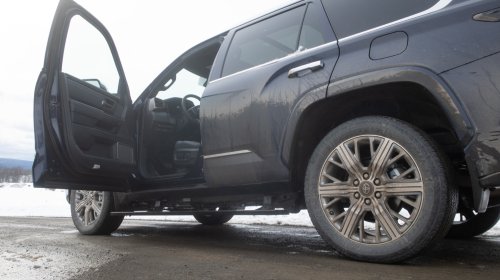
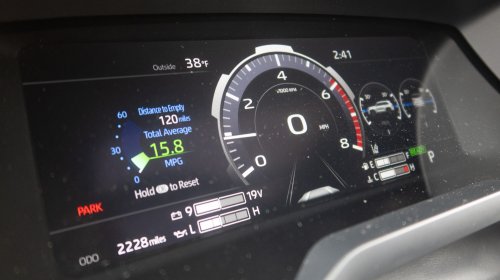
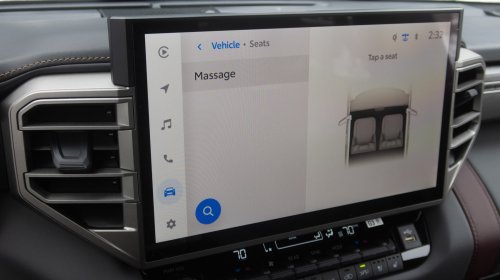
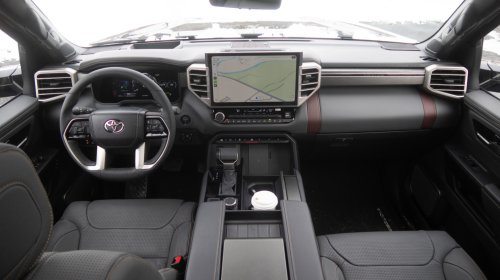
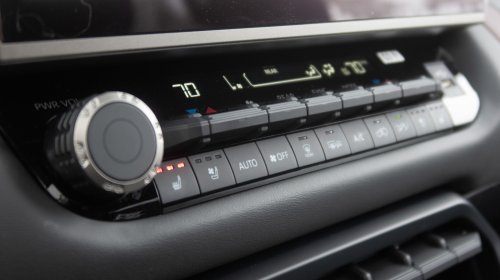
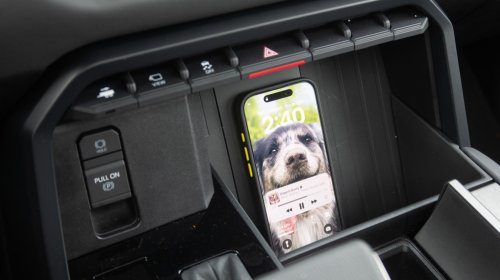
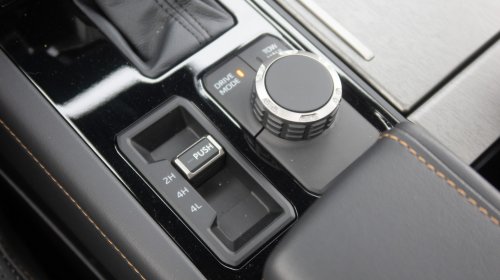
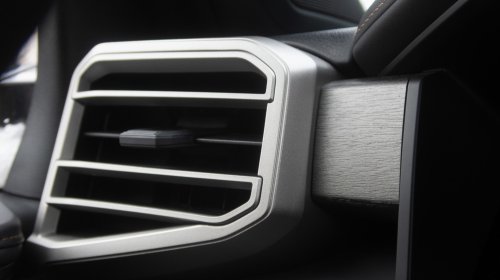
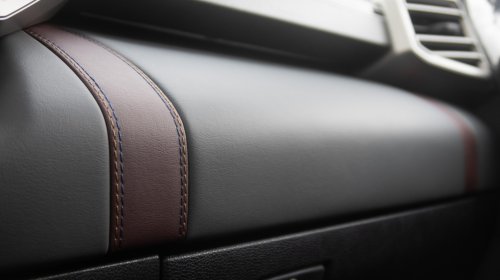
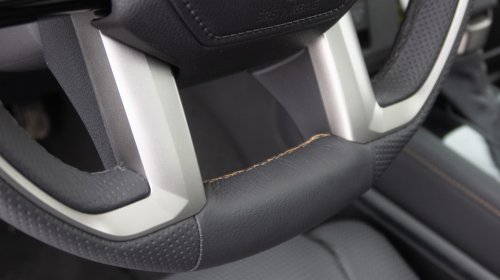
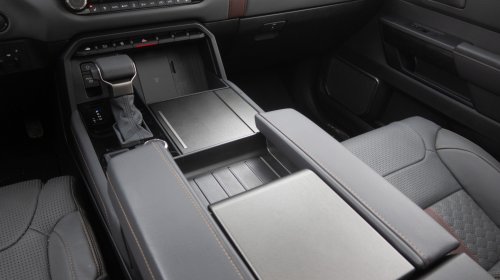
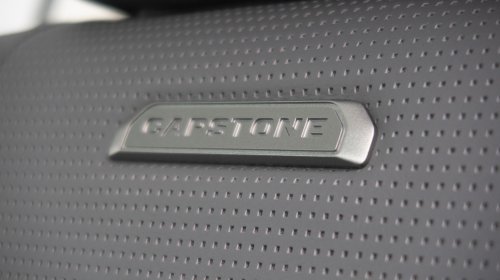
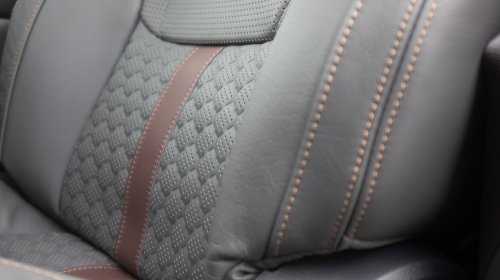
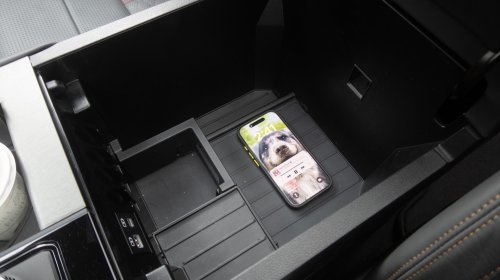
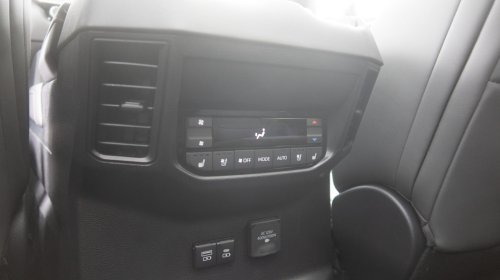
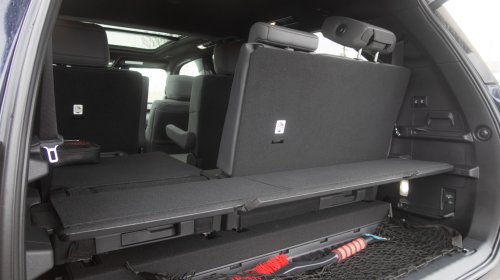
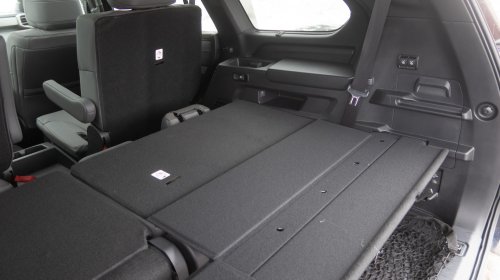
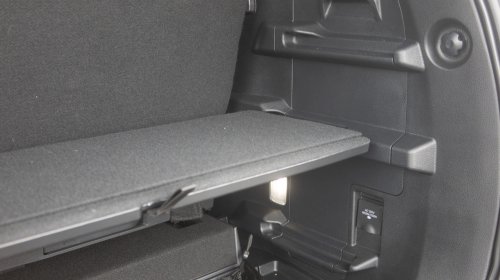
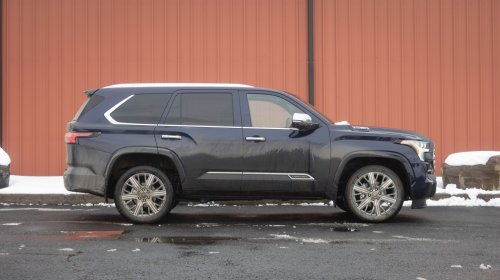
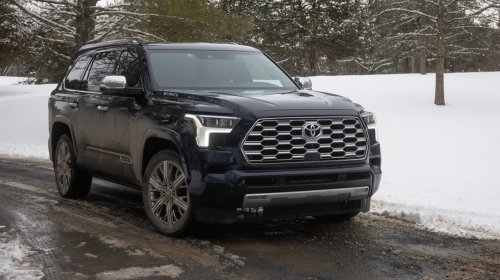
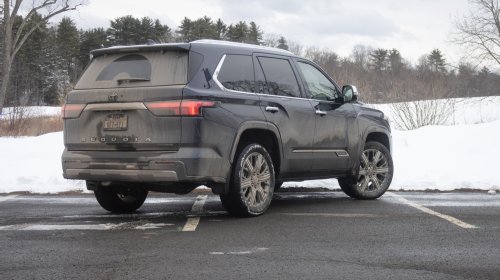
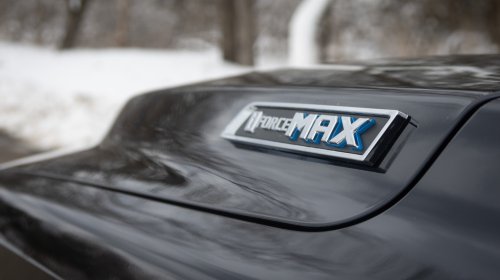
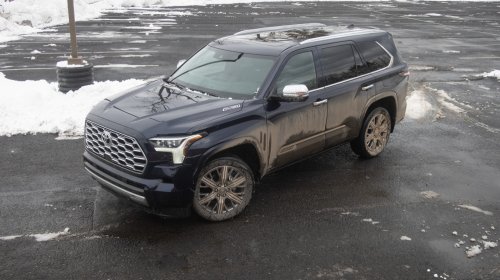
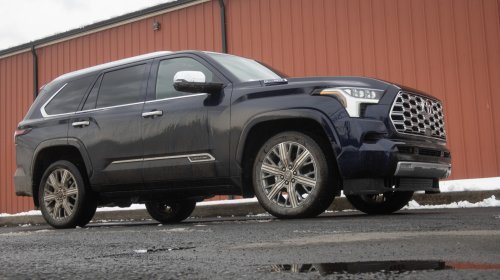
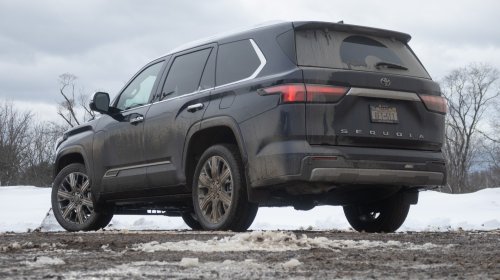
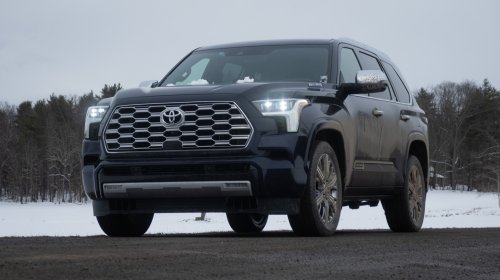
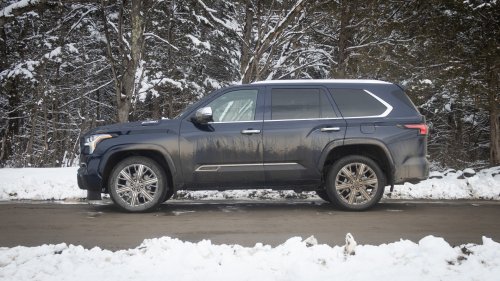
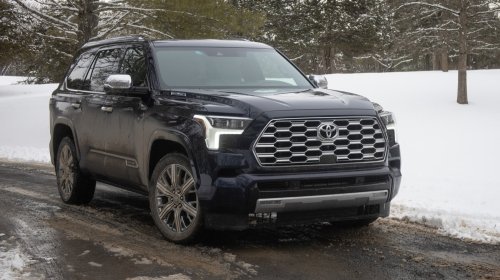
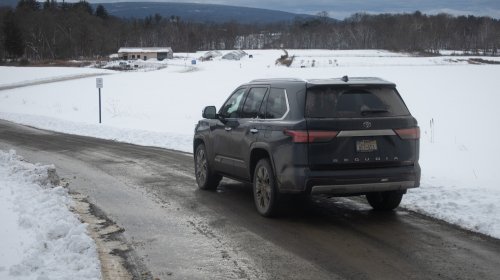



















Andrew P. Collins The 2026 Toyota Sequoia Capstone has some good design elements and a reasonably high level of front-seat luxury. But after a week of roaming around in this family-hauling, trailer-towing luxo barge, what I found most was wasted space. The exterior proportions are caricature-huge, and inside, passengers seem to sit about a mile apart. Yet somehow, the cabin still feels cramped and doesn’t hold as much cargo as it theoretically should. Frankly, I did not particularly like the first or second-generation Toyota Sequoia, either. They both had the same problem this truck does: acres of flat plastic punctuated by rectangular controls, enormous footprints, but impractical interior proportions. Nevertheless, I hopped into this $90,000 range-topper with an open mind. Those fenders are nice. And the i-Force hybrid system provides good power and great towing capacity while achieving passable fuel economy. This vehicle makes a lot of sense for a family of four who do serious towing—maybe you have a boat, a horse, or a UTV. Its hybrid powertrain has great grunt, and the max tow capacity is nearly 9,000 pounds. That’s enough to pull two horses in a nice trailer; a job typically reserved for Super Duty-sized trucks. Andrew P. Collins Otherwise, the hybrid battery and solid rear axle are actually kind of a burden because of how much interior space they eat into. Objectively, it’s got good road dynamics for what it is, and the powertrain is impressive if you’re not put off by recent reliability issues. But the execution of the luxury trimmings leaves the Sequoia Capstone in a no-man’s-land between highline cars and frumpy family taxis, and did I mention it feels annoyingly large? The Basics The 2026 Toyota Sequoia is a big three-row SUV with traditional body-on-frame construction, a slightly more modern twin-turbo V6 hybrid powertrain, and an old-school solid rear axle. The truck (you can definitely call it a truck) starts at about $65,000. From the base SR5 model, you can go for a TRD Pro off-road variant (better suspension, some skid plates), a few in-between trims, and this max-luxe Capstone. My demo car rang up at $86,530. Andrew P. Collins Power claims are impressive: 437 horsepower and a stump-ripping 583 lb-ft of torque. It also runs on 87-octane (regular) fuel, which is nice; filling a 22-gallon tank with premium is brutal nowadays, even if you can afford a $90,000 vehicle. The transmission is a 10-speed automatic, which is plenty competent. The 4×4 variant most people will buy claims 19 mpg city, 22 mpg highway, and 20 mpg combined. You can also opt for a two-wheel drive version (perfectly reasonable, especially if you live anywhere between South Carolina and Texas) that claims 21 mpg city, 24 highway, and 22 combined. Not bad for a 6,185-pound monster. Yep—this beast weighs a full three tons before you even load passengers. Better read those bridge signs in small towns! For all this imposing presence, the Capstone does not sit high off the ground. Well, the roofline towers at about 75 inches. But ground clearance is only 8.6 inches. Even the TRD Pro has just 9.1 inches of clearance—a Subaru Outback Wilderness has 9.5. Driving the Toyota Sequoia Capstone Before you can drive the Sequoia, you have to climb into it, which is bizarrely arduous for a family car. I’m six-foot tall and had to make a mild effort to step over the side-step and enter the truck. That said, I may be simply the wrong height—the power-deploying side steps were too low to help me, but the door sill was too high to easily mount. If you’re on the shorter side, I feel that would get old very quickly. From the driver’s perspective, the cabin experience is dominated by a larger-than-laptop-sized screen on the dash (14 inches). There are some cool and rugged-looking design elements, like the staunch switch bank below the screen and the immense center console. Those are standard Sequoia features, though—the Capstone stuff is kind of a mixed bag. The wrapping on the grab handles looks cheesy. The massaging seats are lovely. The purplish-brown-on-grey (“Shale”) interior has the aesthetic of Staples-brand office furniture. Like, not the worst, but not something one aspires to. Andrew P. Collins Andrew P. Collins With no trailer, no cargo, and just a 45-pound Australian Shepherd on a passenger seat, the Sequoia seriously scoots from a stop. Braking is also very good, again, considering the truck’s weight. And that weight actually helps it ride better. Hauling the hybrid battery around is like having a load in the bed of a big pickup—the stiff springs become more compliant when they’re somewhat laden. Reasonable-speed driving dynamics are predictable. Visibility is fine, but thick pillars and a high beltline make the view less “commanding from tower” and more “peering out from behind a wall.” Unfortunately, I was not able to tow (where it would have shone, based on specs) or take this truck off-road, where it would have immediately gotten high-centered climbing the first obstacle. The rear window portal is nice for small-item access, but unlike the 4Runner, you can’t really drive around with this open. With the whole hatch open, you can see the cargo tray. Andrew P. Collins Highs and Lows The engine’s pulling power and the 10-speed transmission’s responsiveness are very good. Fuel economy is impressive. The general design of the dash is cool, and the layout of the real buttons is good. But the Sequoia’s utility is too low given its size. Yes, the towing spec is spectacular, and if that’s your priority, this is worth looking at. The functional aspects you’ll touch every day, though, like ingress/egress and interior cargo space, are just too unfriendly for a family-oriented vehicle. The third row seats are power-folding, which does make it a little easier to get stuff into the back without flipping too many levers. But when they go down, they only kind of get out of the way. And fully removing them is not trivial, unlike it was with old SUVs. Toyota has a little shelf system that helps with cargo management, but even my spring-loaded dog had to rev up to hop in. Value and Verdict The Sequoia is priced pretty reasonably compared to its peers (Nissan Armada, GMC Yukon, Ford Expedition). All these big seven-seat SUVs have luxury trims like Toyota’s Capstone, and they all list out in the $80,000s. As far as the Capstone’s value for money, I’m underwhelmed. The powertrain’s great, but the high-trim elegance isn’t cutting it for me at this price. Personally, I hated this truck. It has some good qualities, and there are drivers out there who could make use of its capabilities. But overall, for most families looking to do the daily grind and some weekend adventuring, there are better and more sensible choices out there. Andrew P. Collins Toyota provided The Drive with a seven-day loan of this vehicle for the purpose of writing this review. 2026 Toyota Sequoia Capstone Base Price (as tested)$84,435 ($86,530)Powertrain3.4TT V6 + Parallel Hybrid | 10-speed automatic transmission | 4-wheel driveHorsepower437 hp @ 5,200 rpmTorque583 lb-ft @ 2,400 rpmSeating Capacity6Cargo VolumeBehind first row (max cargo): 86.9 cu. ft.Behind second row (third row folded): 49.0 cu. ft.Behind third row: 22.3-11.5 cu. ft.Towing Capacity8,980 poundsCurb Weight6,185 poundsEPA Fuel Economy19 mpg city | 22 highway | 20 combinedScore5/10