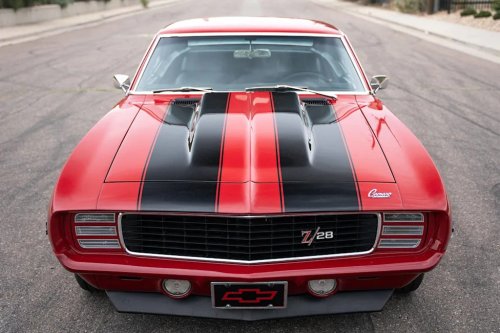
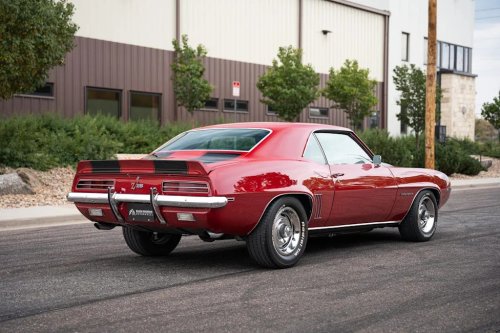
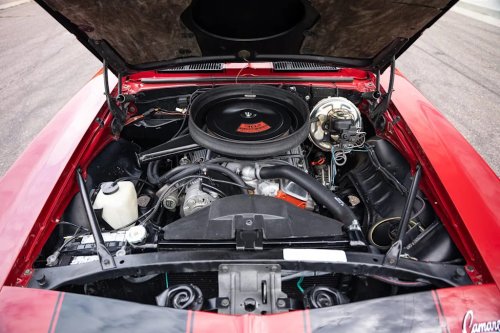
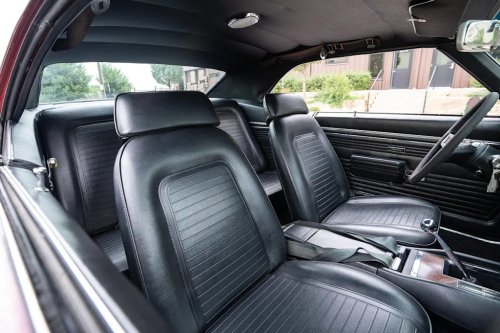
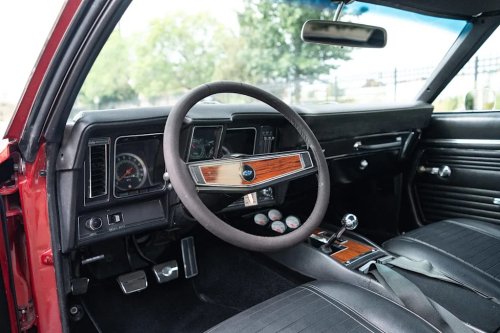
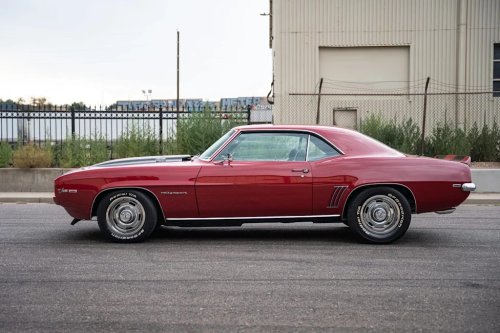
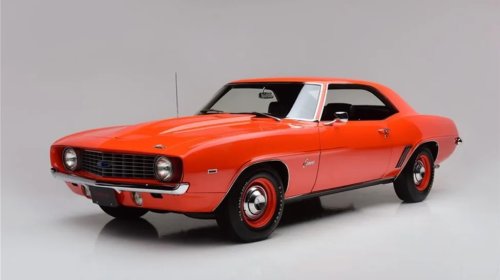
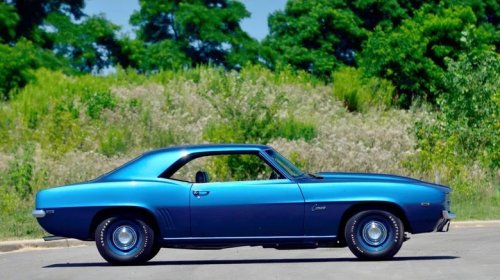
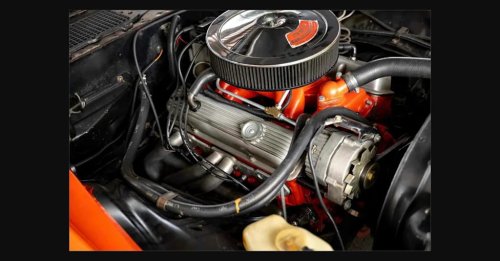
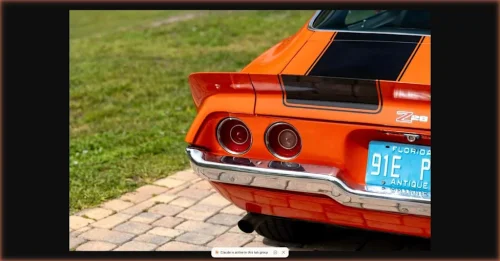
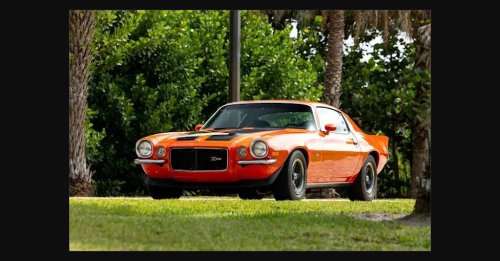
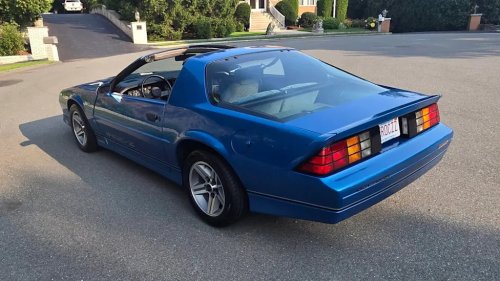
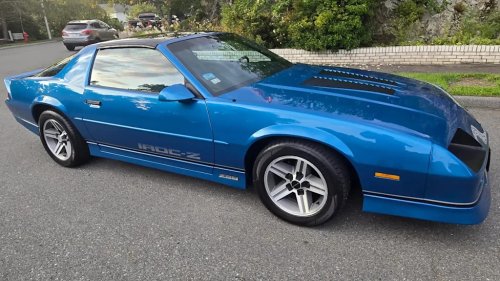
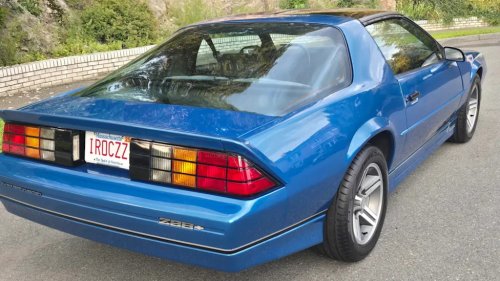
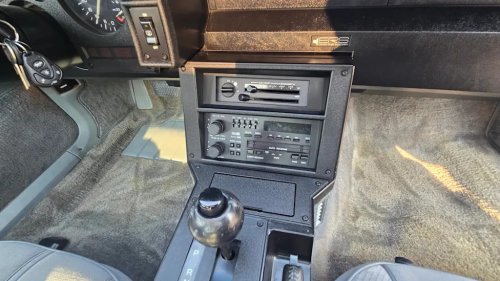
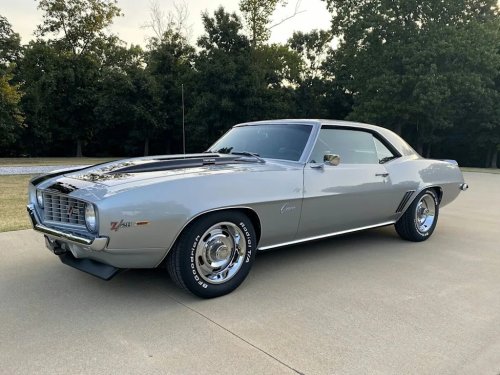
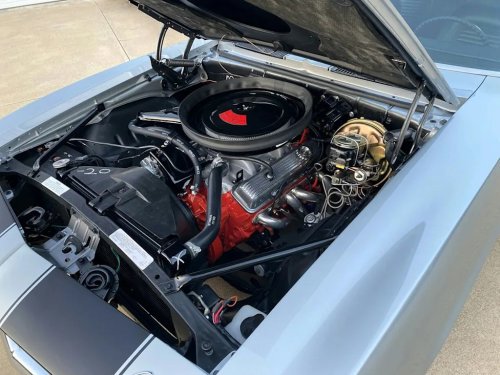
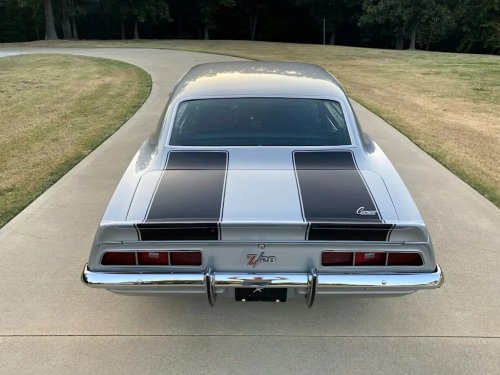
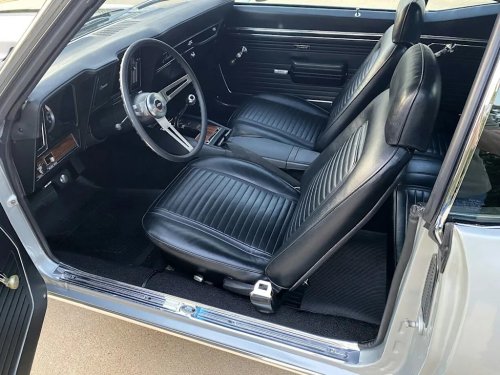
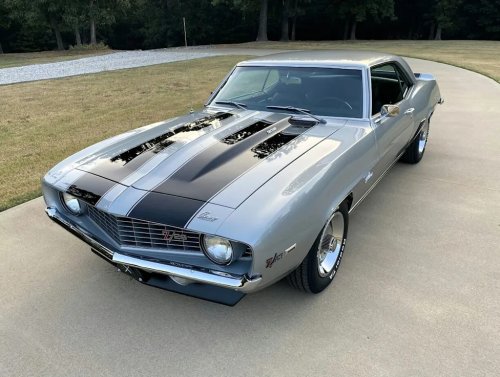
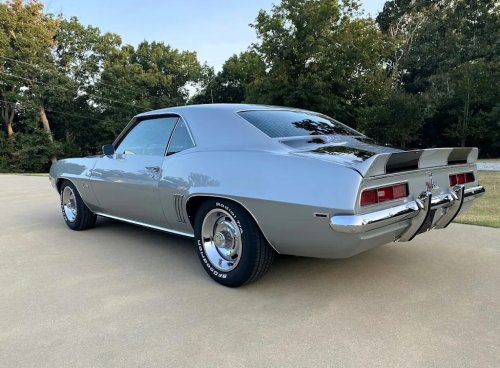
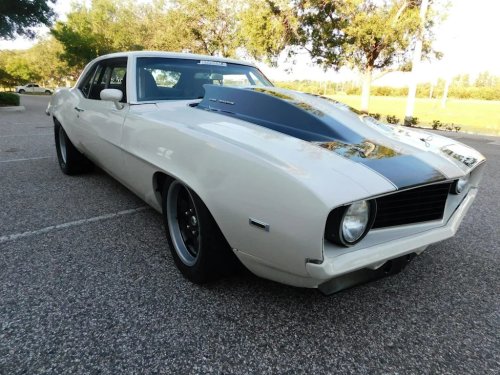
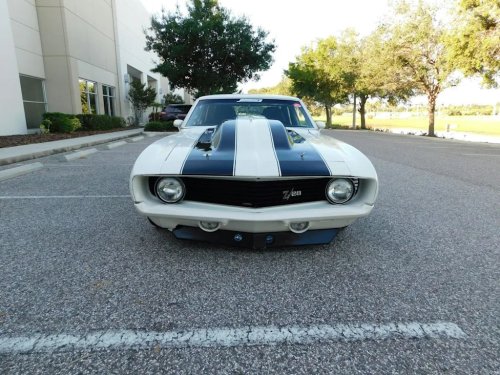
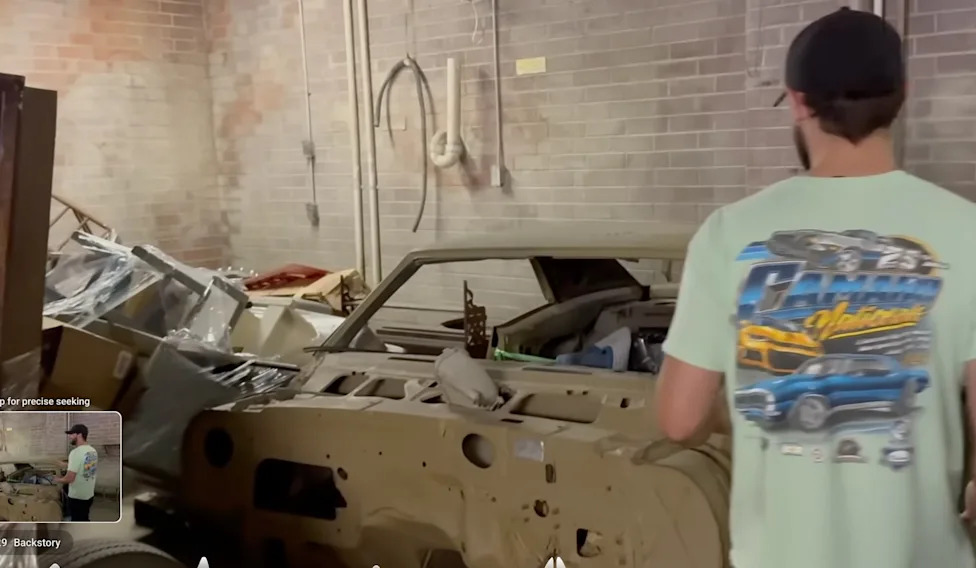
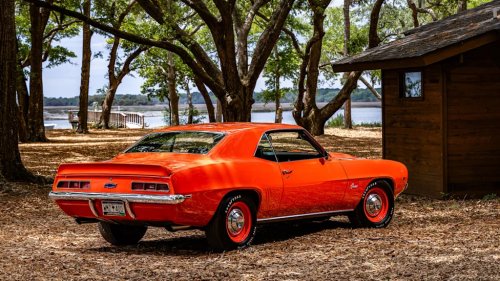
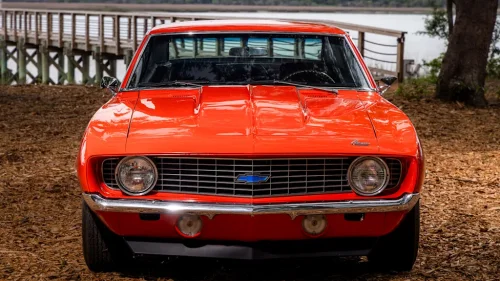
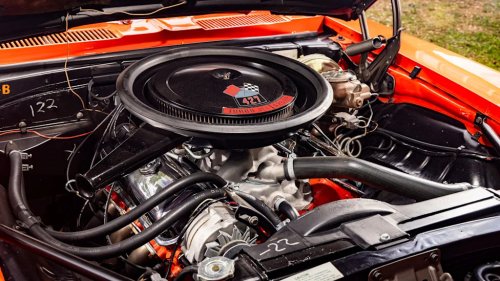
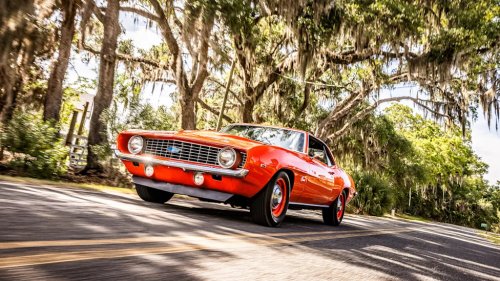
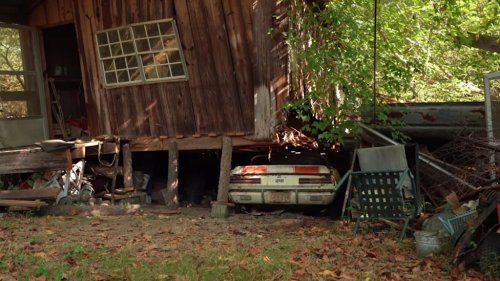
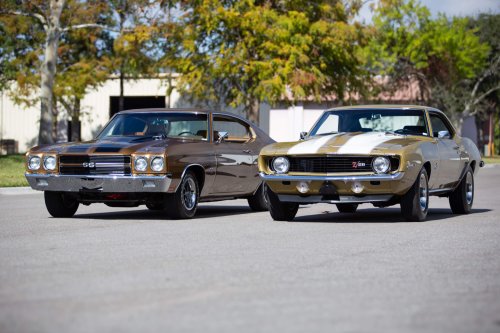
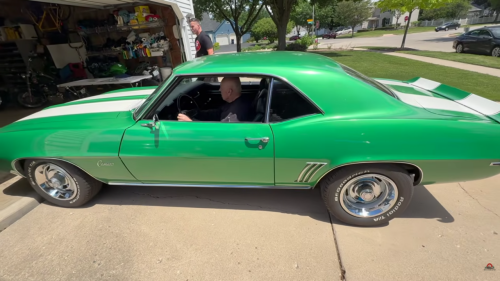
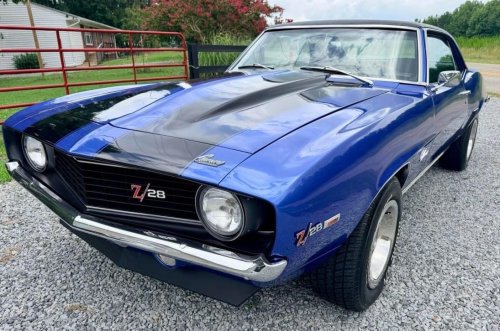
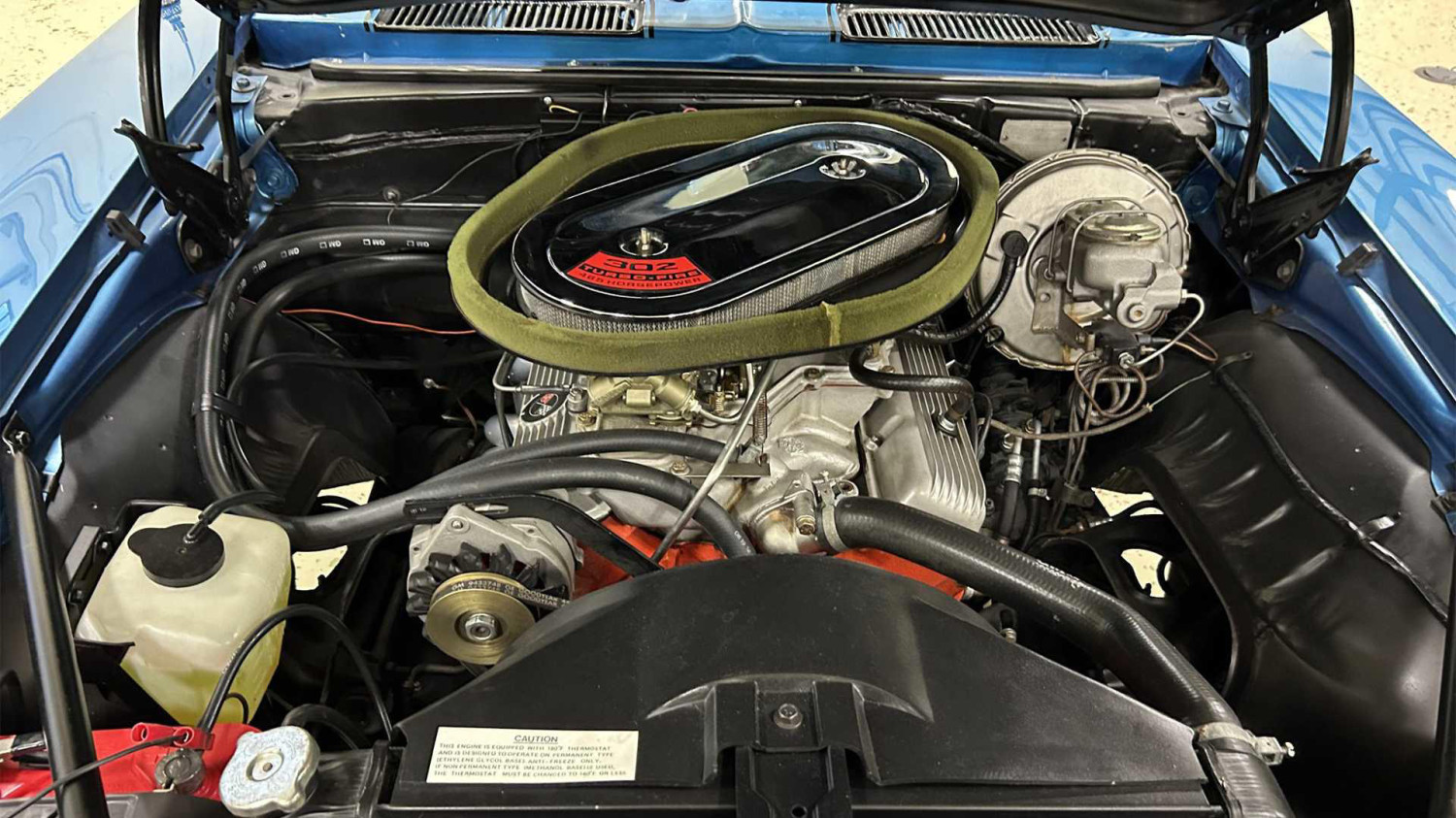
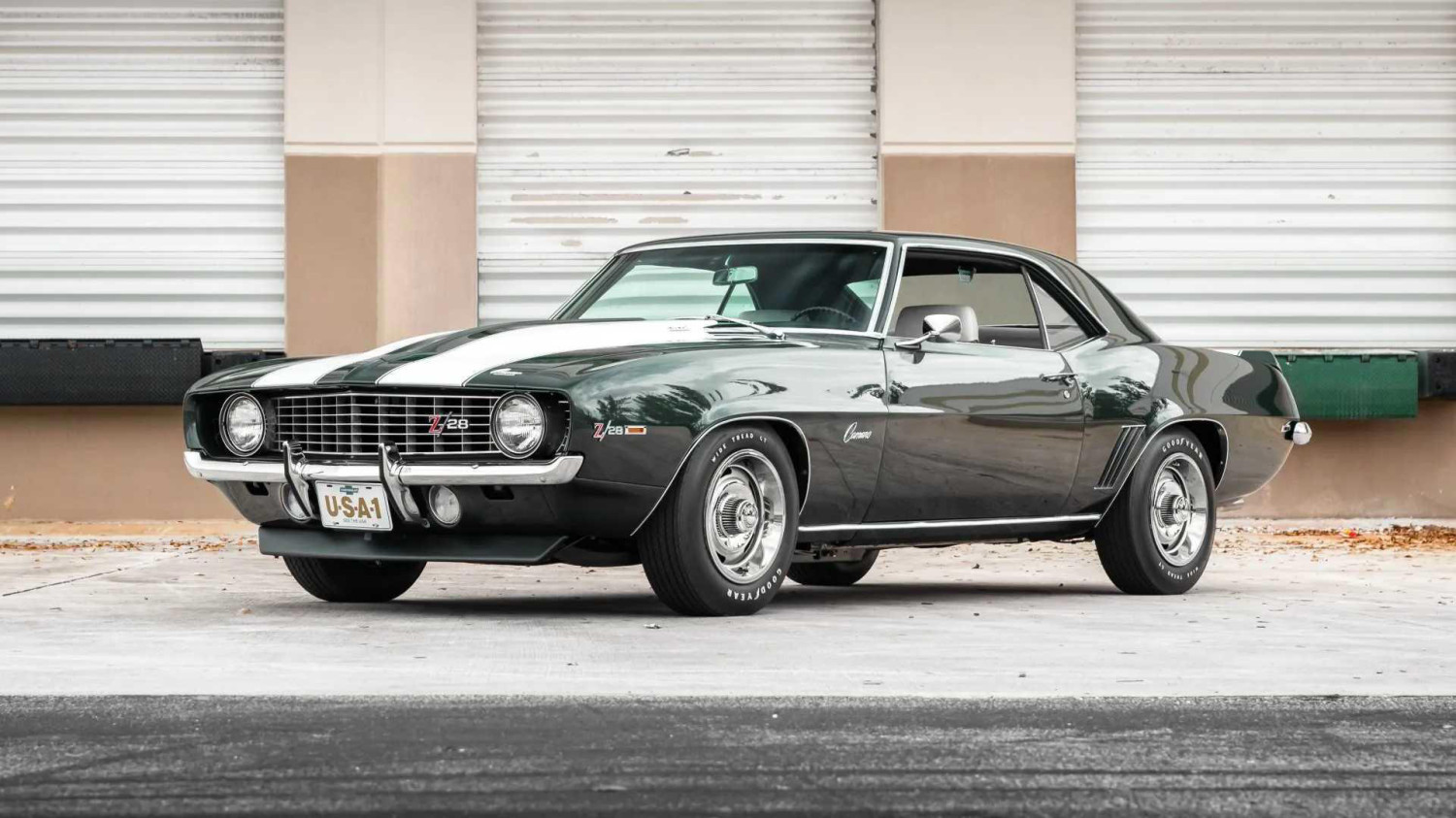
A remarkably preserved 1969 Chevrolet Camaro Z/28 drag car has surfaced in Chicago. The car appears in a new Backyard Barn Finds video, where its original paint, trim, and engine-bay details take center stage. The big story here is not just that another Z/28 showed up, because this one still carries so much of its factory identity after decades of street and strip life. A Chicago Find With Serious Z/28 Flavor The 1969 Camaro market has no shortage of shiny cars with fresh stripes, fresh chrome, and fresh stories. This one hits differently because it leans on survival, not sparkle. The car’s value sits in the small details – old finishes, correct trim pieces, factory-style underhood equipment, and the kind of untouched areas restorers spend years trying to copy.The 1969 Z/28 was much more than just a sticker package. Chevrolet built it around a high-revving 302-cubic-inch small-block, a four-speed manual transmission, and hardware aimed at road racing. The package existed because Chevy wanted the Camaro in the SCCA Trans-Am fight, where engine size stayed under 5.0 liters. In simple terms, the Z/28 was born from rules.Bring A TrailerThe 302 remains the star. Chevrolet rated it at 290 horsepower and 290 lb-ft of torque, but period racers and modern collectors have long treated that number with a raised eyebrow. The little small-block liked rpm the way a dog likes an open truck window. Its short 3.00-inch stroke helped it spin hard, and the car rewarded drivers who knew how to keep it on the boil.That makes this Chicago car more interesting as a drag machine. The Z/28 came from a road-racing mission, yet plenty of owners quickly found out that a light Camaro with a screaming 302 and a four-speed could make noise at the strip, too. It may not have had big-block torque, but it had gear, grip, and attitude. Sometimes that works better than brute force. All The Little Details That Matter Bring a TrailerCollectors love restored Z/28s, but survivor cars teach better lessons. A restored car shows what someone thinks the factory did, but a preserved car shows what the factory actually did. The first-generation Camaro world cares deeply about those clues because 1969 Camaros can be tricky. Chevrolet built 20,302 Z/28s that year, a healthy number by muscle car standards, but demand has created a long trail of clones and “trust me, bro” builds. The 1969 model year also ran longer than usual because delays pushed back the second-generation Camaro. That extended run created small production changes that only sharp-eyed fans catch. For example, late 1969 Camaros started using side-terminal batteries, while earlier cars used top-terminal units. Even the bolts differed from later GM hardware, which means a tiny cable-end detail can tell a big story. Yes, Camaro people really do notice that. Source: Backyard Barn Finds on YouTube



















 +31 others