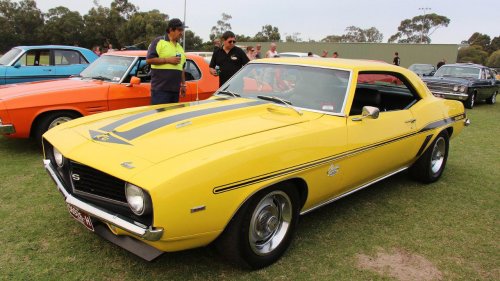
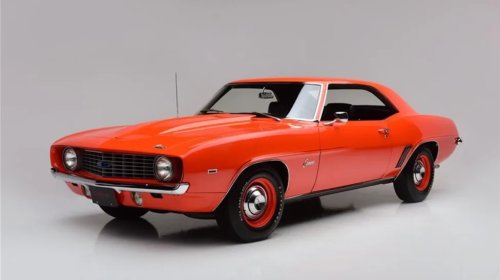
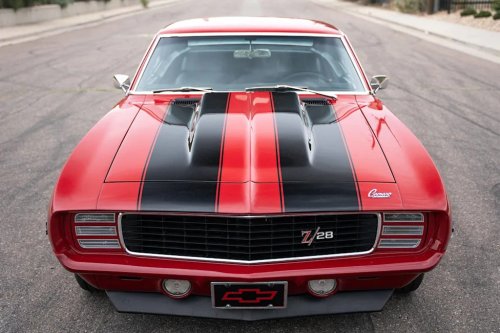
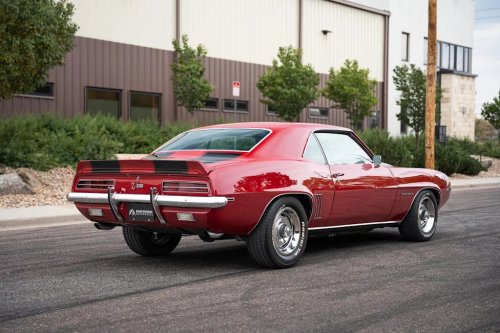
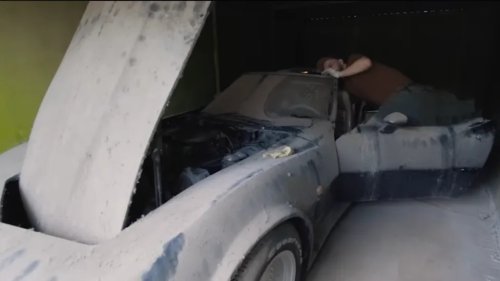
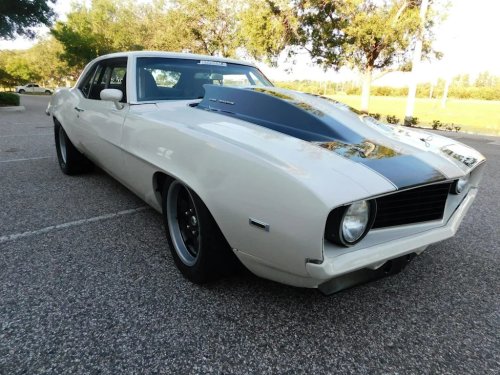
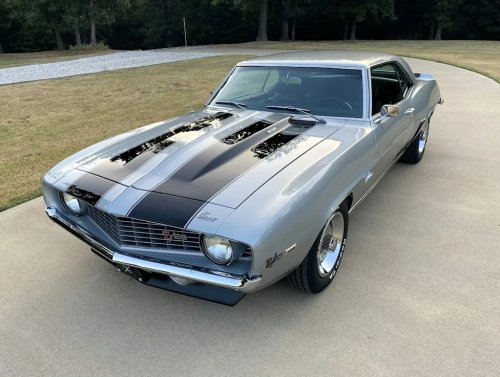
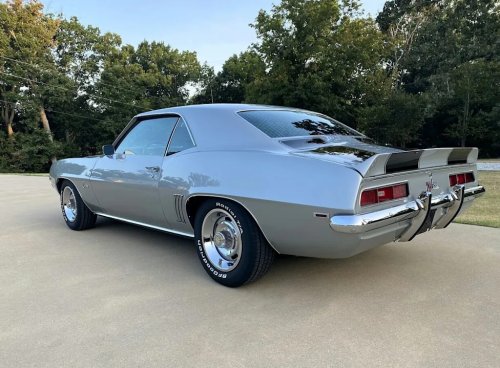
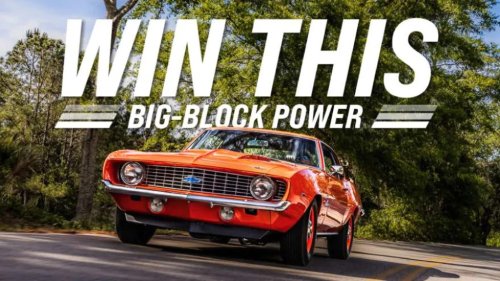
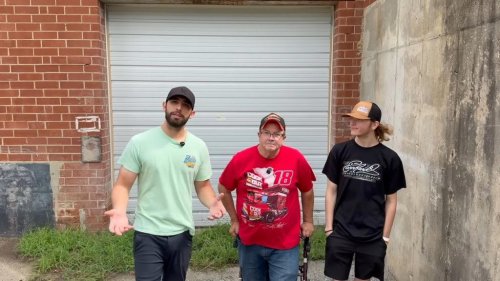
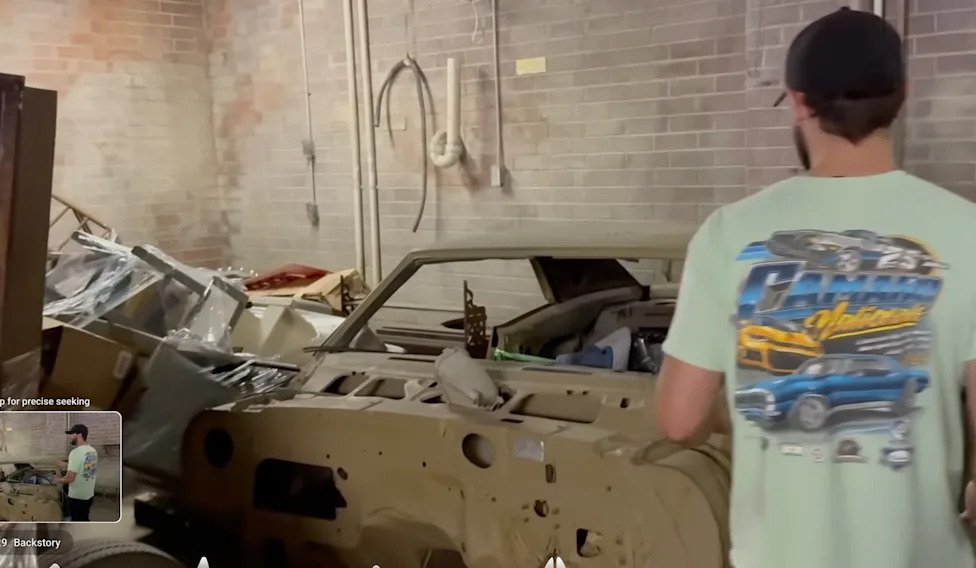
Hidden for 47 Years: Inside the Hunt for a Genuine Black 1969 Camaro Z/28For nearly half a century, a bare-metal 1969 Camaro sat forgotten inside a rented storage building in Winston-Salem, North Carolina. Owner Danny bought the car back in 1978, and by the time his son Daniel helped roll open the warehouse door for the crew at Backyard Barn Finds, the Camaro's own history had become something of a puzzle. Host Parker arrived asking one central question: could this stripped shell actually be one of the rarest muscle cars General Motors ever built, a genuine Z/28 finished from the factory in Tuxedo Black?Danny explained that only three weeks after he bought the car, a driver ran a stop sign and tore off the right door and quarter panel, forcing an early repair. The original small-block was long gone by the time he took ownership, replaced with a big-block 396, and even that engine had since disappeared, leaving little more than a bare body and a handful of parts pulled from pallets at the back of the warehouse. With no engine, no factory paint, and a mismatched rear differential, Parker had to lean on the car's harder-to-fake details to build a case for authenticity.The transmission Danny pulled from his truck bed looked promising at first glance, but its stamped identification numbers didn't match the Camaro's VIN, ruling it out as the original unit. The cowl tag told a very different story. Even though a shop employee had cleaned and polished the aluminum tag years earlier, Parker pointed to rivets and sealant showing it had never been removed from the car. The tag carried an X33 code confirming Z/28 production, a 1010 paint code showing the car left the factory painted black on both the top and bottom, and a 711 code for the standard black interior, all lining up with Danny's memory that the Camaro originally wore black paint with gold striping.AdvertisementAdvertisementFrom there, Parker worked through a checklist of details that are difficult to fake or swap later. The hood showed no punched opening for cowl induction, and the fender lacked the hole used for RS grille wiring, confirming a flat-hood, non-RS car exactly as Z/28 production would dictate. A pitman arm measuring roughly five and three-quarter inches matched the longer steering arm used specifically on Z/28s, and a small bolt boss under the front valance suggested a factory front spoiler had once been mounted there. Uneven-width support rods at the rear valance hinted the same car had carried a rear spoiler as well. A doubler plate out back confirmed factory dual exhaust, and a count of four rear leaf springs per side, rather than the five found on Super Sport models, added another point in the Z/28 column.Not everything held up cleanly. The rear axle had been swapped for a later ten-bolt unit, and the fender's grease-pen X-code stamp had faded under old paint and years of basement humidity, leaving only the X itself legible. Even so, a single fuel line running to the tank, without the return line used on other engine combinations, and traces of black paint surviving on an untouched section of the lower quarter panel kept the surviving clues pointing in the same direction.By the end of the walkthrough, Parker hadn't proven the car beyond all doubt, since a numbers-matching engine and finished restoration are still years away for Danny and Daniel. But the surviving tag codes, the Z/28-specific steering arm, the spoiler mounting points, and the leaf spring count add up to a strong case that this rough, paint-stripped shell really is one of the roughly one percent of 1969 Camaros built as a factory Tuxedo Black Z/28. As Parker put it early in the visit, "Could this be one of the rarest 69 Z28s ever built?" For Danny and his son, the growing pile of evidence suggests the answer is yes, and their basement find may be the starting point of a rewarding father-son restoration.



















 +13 others