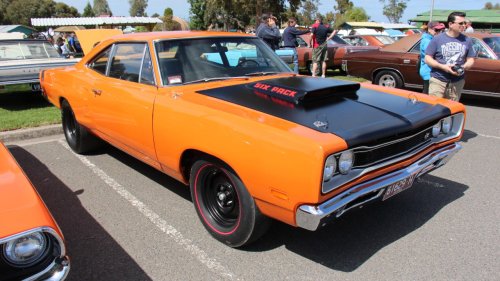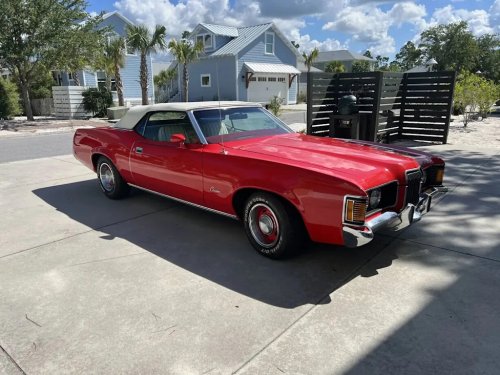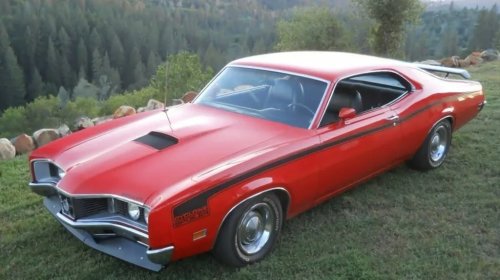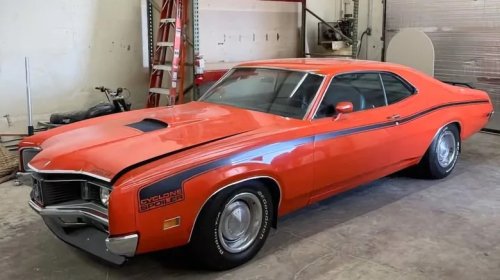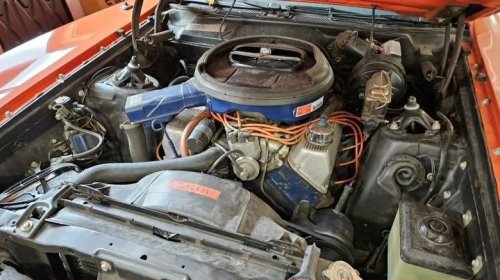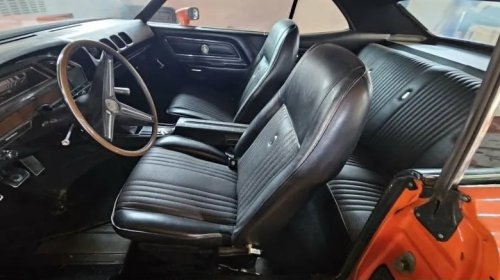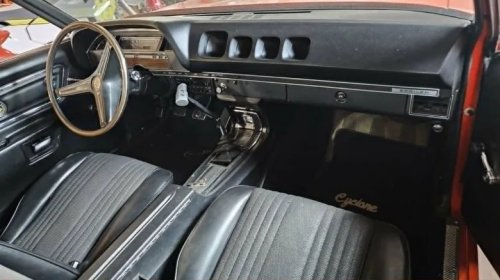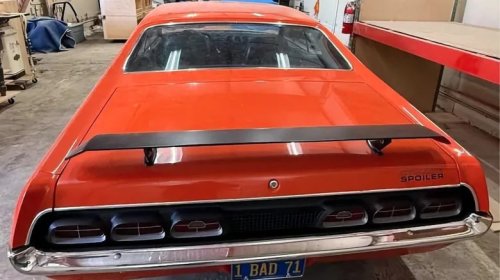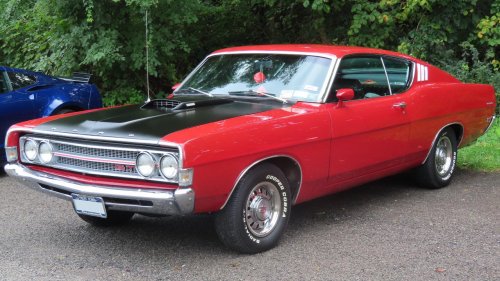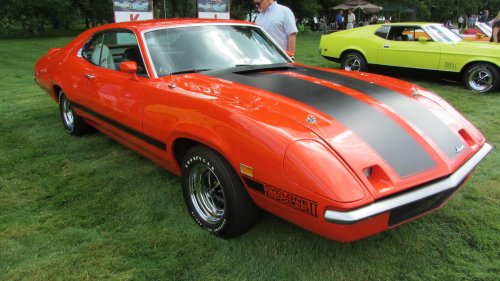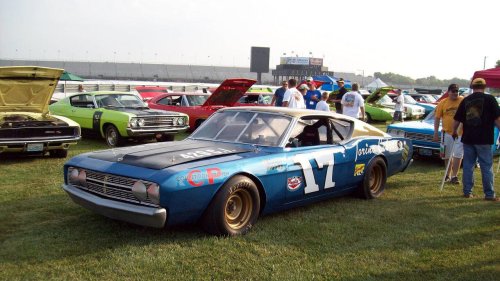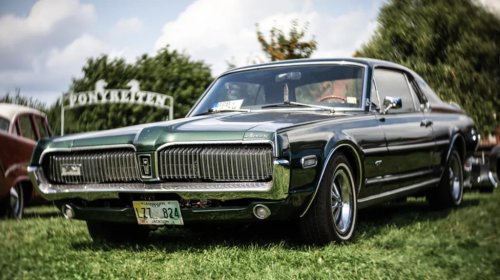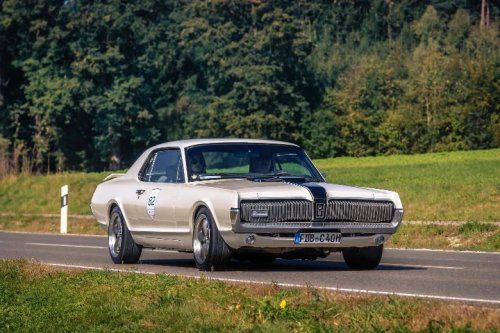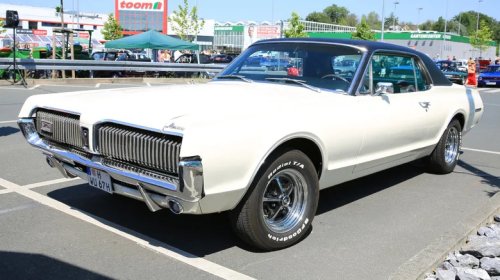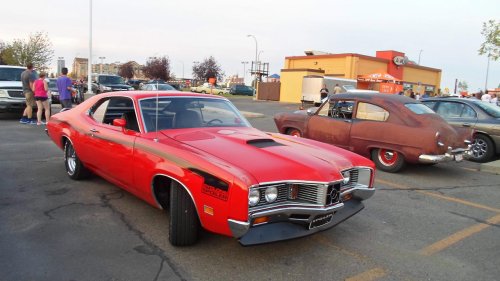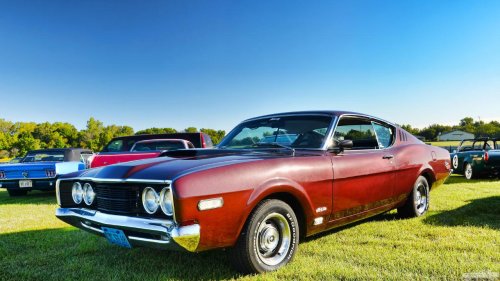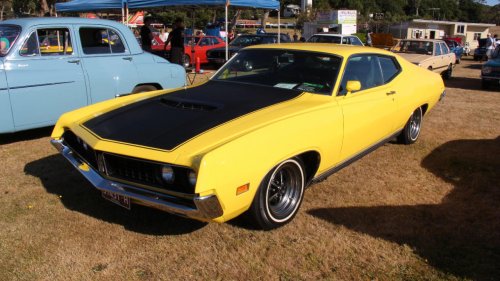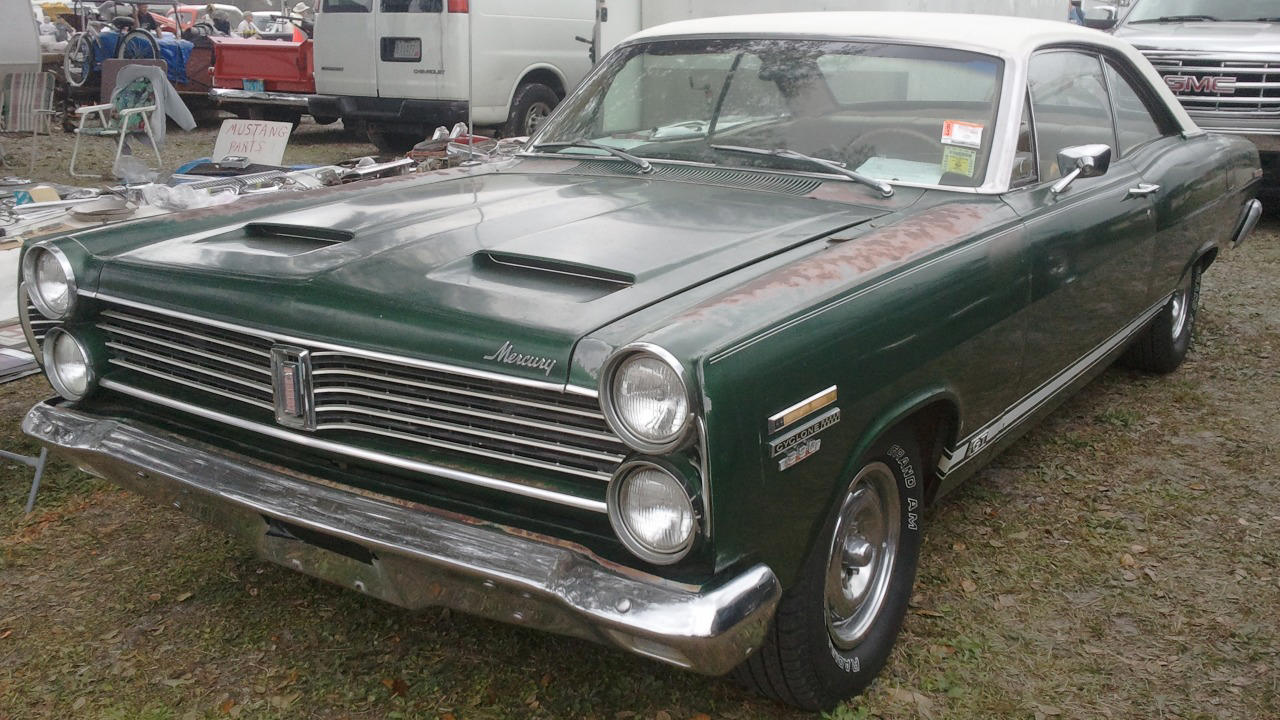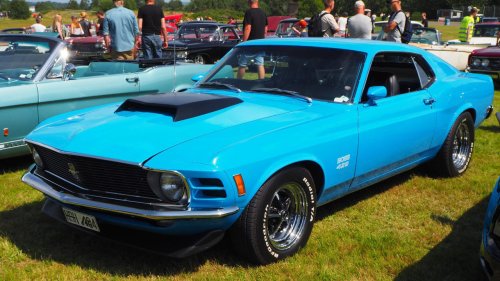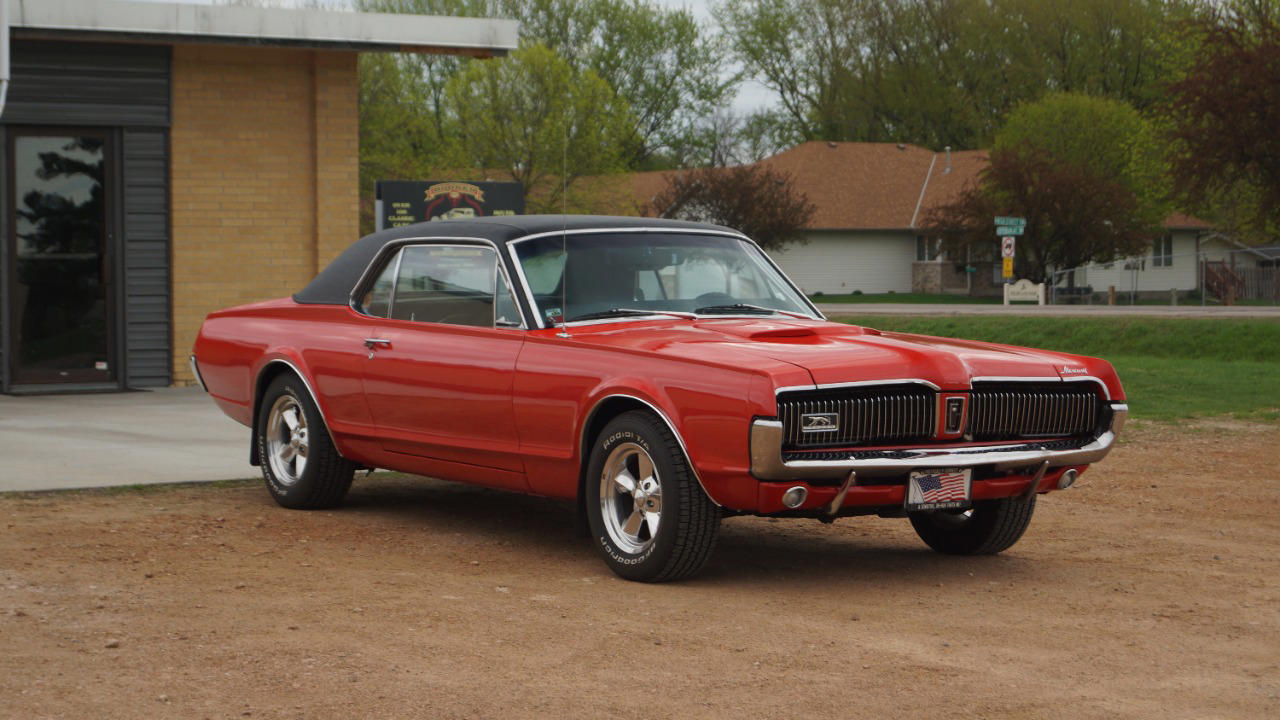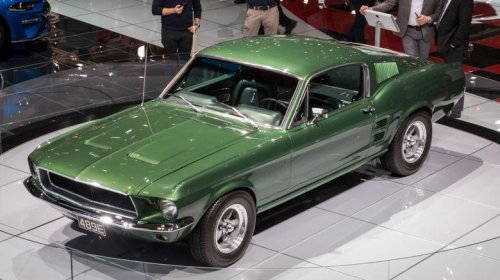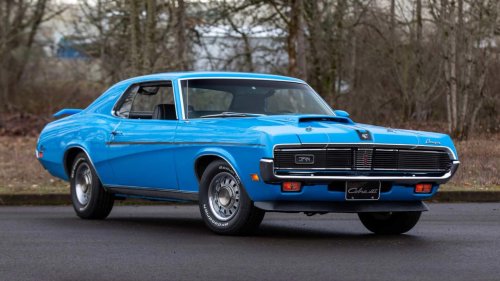
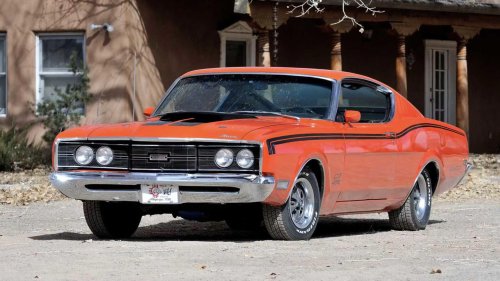
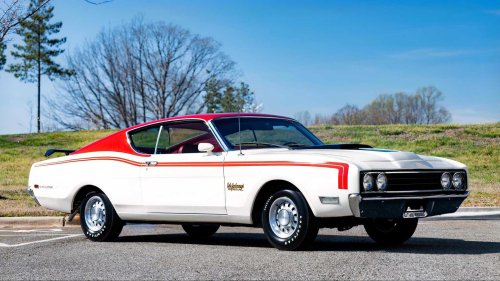
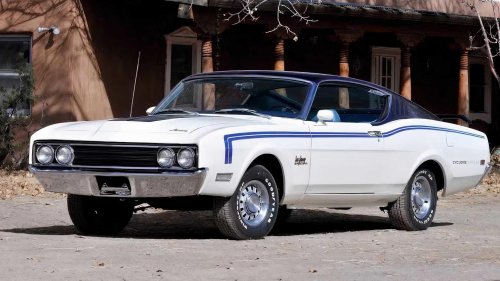
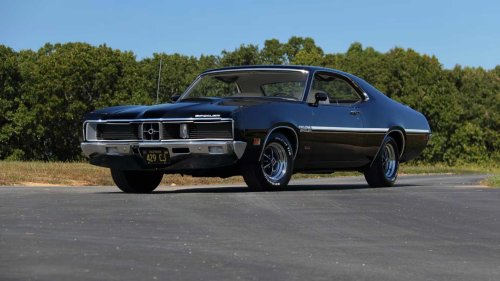
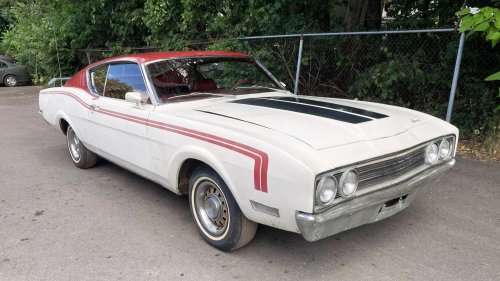


















The golden era of American muscle produced some absolutely fantastic cars. Several of the best were brought to us by Ford. Typically, they had that famous Blue Oval on the front. Not all of them did, though. There was another Ford brand that delivered some absolutely fantastic muscle cars. One of those is a machine that's largely forgotten about now. That's even though it made a bit of a name for itself for having a version that could deliver the same performance as the legendary Boss 429 Mustang. Ford's Muscle Cars Weren't Confined To Just One Of Its Brands MecumThe Blue Oval may be the brand that's most associated with the Ford Motor Company's muscle cars. But, there were plenty of performance monsters that came from Mercury. These forgotten icons were positioned as more upmarket, 'gentleman's muscle cars', shared the same architecture as those hairy Ford models. The most well-known of those offerings has to be the Mercury Cougar, which was based on the Mustang platform. There was another that commands your respect, though. The Third-Generation Mercury Cyclone Offered Muscle Car Performance In A Mid-Sized PackageMecum The third-generation Mercury Cyclone shared its platform and many of its components with the mid-sized Ford Fairlane and Ford Gran Torino. While that gave it a more genteel, 'big car' feel than the proper sports cars of the Ford Motor Company's lineup, that didn't mean it couldn't be a performance monster. In fact, there were three variants of this version of the Cyclone that became known for being a serious threat at the track. Mercury Cyclone Spoiler MecumThe first of the performance variants the third-generation Cyclone had was the Spoiler. This had a 390 cubic inch V8, producing 325 horsepower and 427 lb-ft of torque. While that wasn't as much power as the true big-block tyrants could muster, as a street car, that still kept it up near the top of tree. Mercury Cyclone Spoiler II MecumThe Spoiler II has to be one of the most special versions of the third-generation Cyclone. This is a more aerodynamic version of the car, powered by the 351 Windsor V8. This produced 290 hp and 385 lb-ft of torque. While that might make it the least powerful of the three variants we're talking about here, in terms of claimed output, those additional aerodynamics would have definitely helped to keep it competitive with other muscle cars of the day. Mercury Cyclone CJ The Spoiler and Spoiler II are both fantastic Cyclone variants. But, neither of them have the sort of power legends pump out. The Cyclone CJ remedies that. This car has the legendary 428 Cobra Jet V8, producing 335 hp and 440 lb-ft of torque. That makes it the most powerful of the three variants we've talked about here. The Fourth-Generation Mercury Cyclone Spoiler Shared Big Block Power With One Of Ford's Most Legendary Cars MecumThe third-generation Mercury Cyclone Spoiler isa fantastic car. But, for those big-block enthusiasts, something is definitely missing. The fourth-generation version of the Cyclone changed that. This wicked Spoiler got the 429 Cobra Jet that was used in the Ford Mustang Boss 429. That meant it had the same power and torque as the Boss, wrapped in a package that was a little bit more discreet. The Cyclone Spoiler II Was Incredibly Successful In NASCARWhile the Cyclone Spoiler and Cyclone CJ were built from the outset to be street cars, the Cyclone Spoiler II was a NASCAR homologation special. NASCAR's rules at the time required cars that raced in the series to be at least based on cars you could buy in the showroom. As a result, whenever a manufacturer wanted to create a special version of one of their cars to race, they had to make a street-legal version of it in limited numbers. That was the case with the Cyclone Spoiler II. Only 503 of them were ever built. 285 of them were the Yarborough version, and 215 of them were the Gurney version.The NASCAR versions of the Cyclone Spoiler II were markedly different from the street versions. Early models used the 427 "side-oiler" engine, but they quickly shifted over to the 429 engine. The big block engine and the aerodynamic improvements were done specifically so that it could keep up with the Hemi-powered Dodge Charger Daytona and Plymouth Superbird. It was definitely competitive, winning 8 Grand National races between 1969 and 1970. It could also go as fast as 190 mph on the superspeedways, putting it on a similar level to modern Cup Series cars in terms of outright speed. These Mercury Muscle Cars Are Chronically Undervalued Bring A TrailerFord muscle cars of the same era as the third-generation Mercury Cyclone are incredibly valuable classics, and rightly so. But, Mercury Cyclones are chronically undervalued. The average used value for a third-generation Cyclone is $49,650 across all trims.A 1969 Cyclone CJ also sold for just $20,000 back in 2023. The fourth-generation Cyclone Spoiler is similarly undervalued, with average used values only reaching around $50,063. That might seem like a lot of money, and it certainly prices out the average enthusiast. But, when you consider that examples of the Ford Mustang Boss 429 are worth over $350,000 on average, that makes its Mercury Cyclone cousin look like an absolute bargain.Why are they so cheap? It has to do with their relatively forgotten status. You barely ever hear people talking about the Mercury Cyclone, unless they're really into their classic Fords or classic American muscle cars. As a result, they just haven't had the collector hype that their Ford-branded counterparts get. So, they remain comparative bargains whenever they come up for sale.Sources: Bring A Trailer, Classic.com, Ford, Mercury