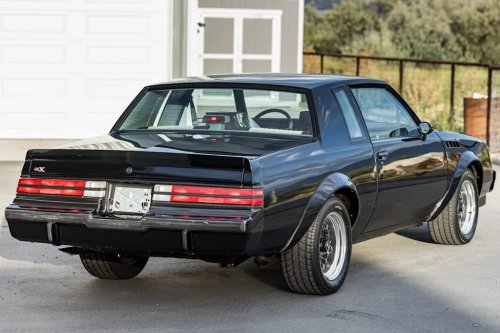
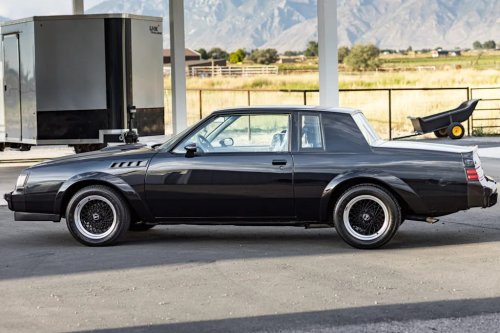
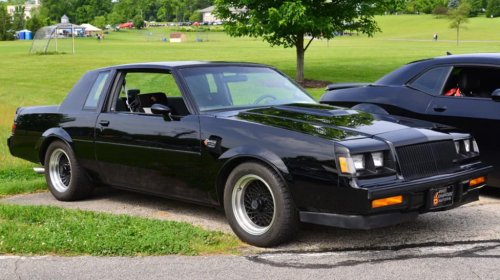
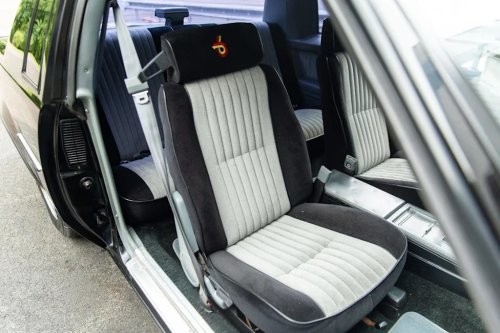
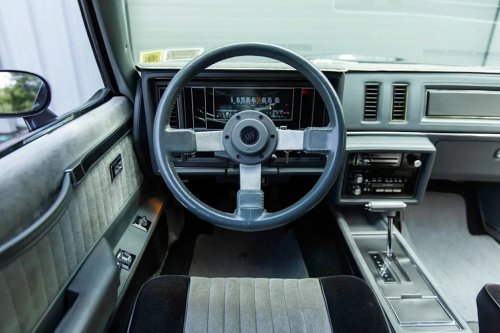
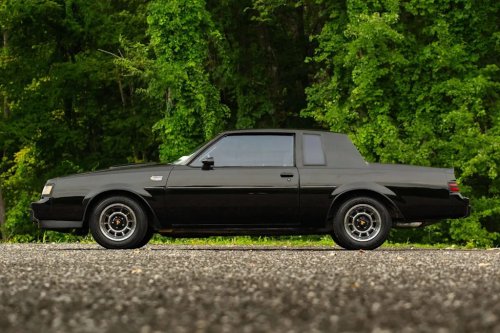
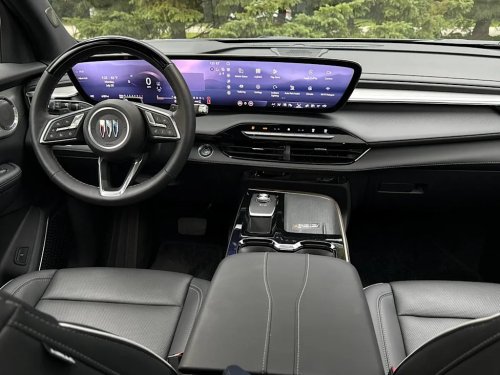
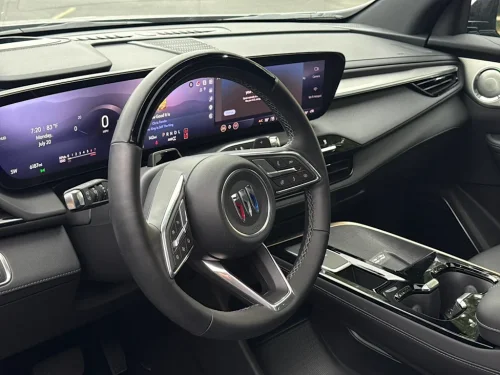
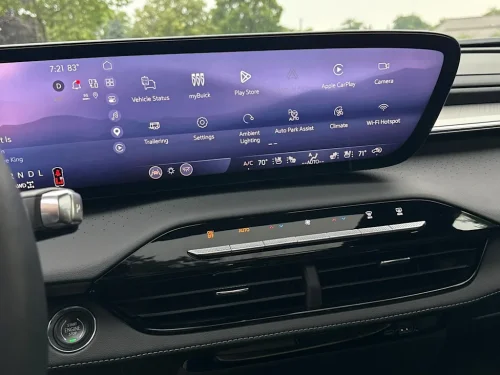
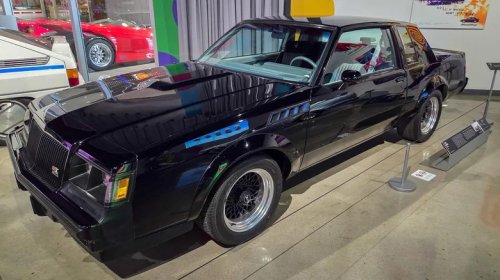
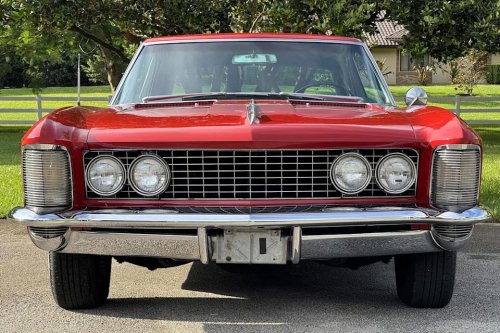
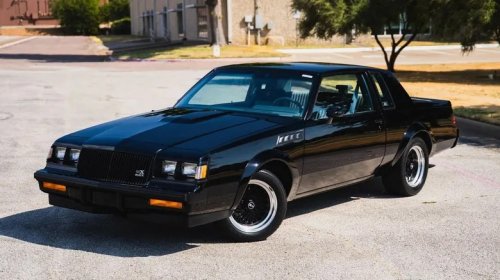
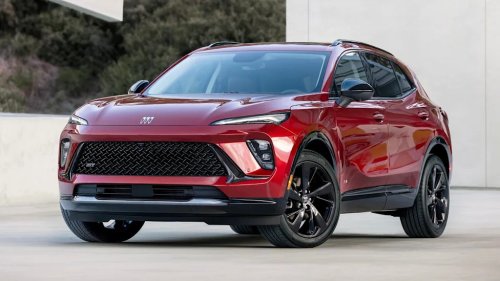
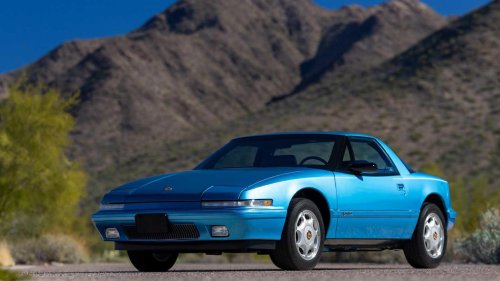
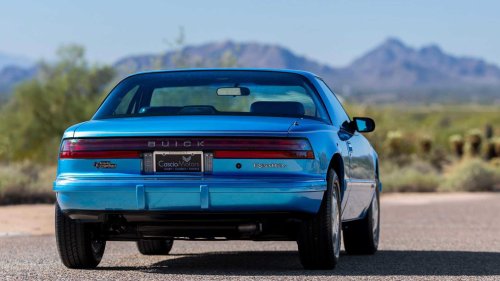
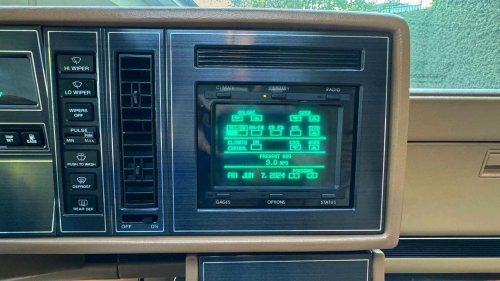
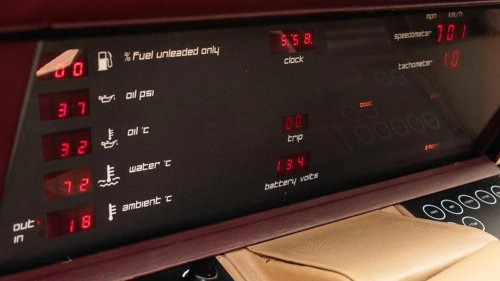
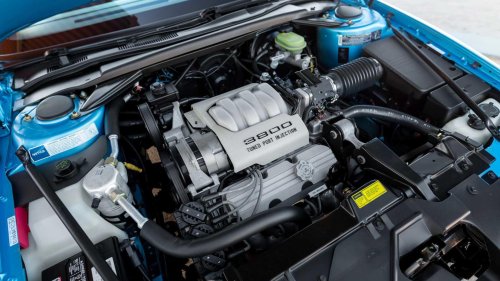
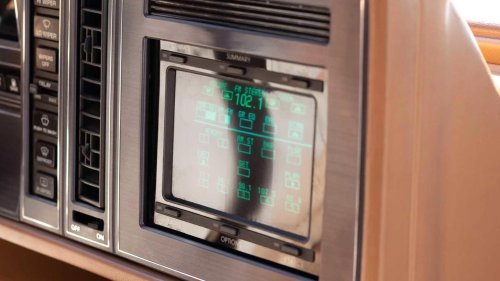
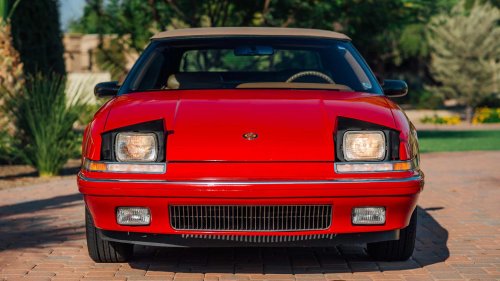
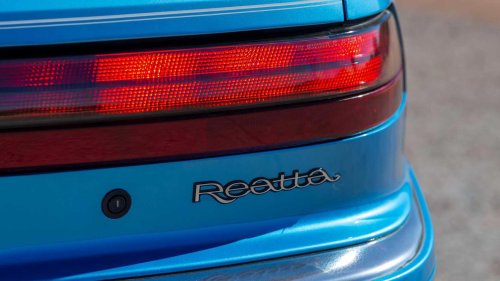
The 1980s were known as a period of change in the automotive industry, one that required automakers to take a completely different look at their offerings. New formidable opponents were entering the fray, and the old guard of American stalwarts was feeling the pressure. GM was faltering after years of poor sales saw its market share continuing to shrink. The company knew it needed to re-energize its core lineups, and so it set about creating new models that were significant departures from its previous offerings.Buick was one of the company's oldest and most important brands, but there was a belief among executives that it had lost its luster over time. Some thought the brand was now too similar to Oldsmobile, and so new executives were brought in to give the company a new image. The plan, initially conceived in the late 1970s, was to reposition the brand with a sportier image, and performance needed a halo model.The vehicle they came up with was the Buick Reatta, a stylish coupe that was meant to attract buyers with a sleek and tech-forward coupe offering, but once again the sales never materialized. While it was considered a failure in its day, appreciation for the model has grown in recent years, and we're finally reaching a point where we believe the model is set to break out as a unique collectible. Part of the Reatta's appeal is its forward-thinking nature, including that oh-so futuristic touchscreen — a necessity in 2026, but a real oddity in the '80s. The Buick Reatta: A Market Misfit Bring A Trailer The story of the Buick Reatta goes back to 1978 when Buick Chief Engineer Lloyd Reuss pitched the idea of a sporty coupe to the leadership at GM. The goal was to make something exciting to get customers excited about the brand again. However, the project was put on hold for a couple of years while Reuss left and then went back to Buick. It was eventually decided it would sit on a version of the E platform that underpinned luxury models across GM's portfolio. Despite being greenlit in 1981, the project languished for the better part of a decade as the company reorganized, and full focus was shifted to the Cadillac Allante, which would become another doomed misstep.When the model finally arrived in 1988, it was a classy coupe. The car's styling was certainly on point, with curves that featured just the right amount of edginess to set itself apart in the angular '80s. Design cues like the full-length taillight and pop-up headlights also set it apart from competitors. It gave the sense of performance, but the company always dreamed of it being more of a GT, and it fit that bill as it sported the Buick 3.8L V6, a four-speed automatic as the only transmission option, and FWD. A convertible version debuted in 1991, and there was no denying the car looked good with the top up or down. Buick wasn't done just yet, because it added a final piece to the puzzle that really helped the car stand apart from competitors visually. Innovation '80s Style Bring A Trailer The interior was rather typical for the time, with bucket seats and switchgear shared with other vehicles in the GM stable, but it was set apart with a decent amount of leather that adorned most interior touchpoints. However, the major difference was the innovative control unit in the middle that GM dubbed the Graphic Control Center — a kind of precursor to the modern infotainment interface. The company decided it wanted to invest in something truly futuristic in the early '80s, and brought together a team of engineers to bring this project to life. While it definitely looks antiquated by modern standards, it actually had a significant number of usable features.This system first debuted in the 1986 Riviera and featured a 3x4-inch CRT touchscreen that allowed drivers to manage the radio, climate control, and even perform vehicle diagnostics. It had an on-board trip computer, and even featured a rudimentary sort of navigation system, but again, nothing like what we have today.Bring A Trailer While you would think the system would be slow and cumbersome (and at times it was), it was mostly surprisingly efficient and responded to touch inputs well. However, much like the complaints we have today, drivers weren't thrilled with how hard the system was to use while driving, and Buick decided to replace it with a conventional one in 1990 in a move that was likely a part of the last-ditch efforts to cut costs and spur sales. Aston Martin Was Another Early Innovator Bring a Trailer While Buick were certainly the first to squeeze touchscreen technology into mainstream models, the British brand Aston Martin did incorporate a digital drivers display some years prior to the curious Reatta, in the equally controversial Lagonda. Prior to this, analog guages were all the norm, but Aston swapped these out for a futuristic screen, to be mounted in the same space, behind the steering wheel.The system used an LCD screen, which was new tech at the time, and it proved laughably unreliable for most. The development was time-consuming and expensive, as were the constant repairs on behalf of customers. In response, Aston Martin developed a CRT-based system too, but if anything, this was even worse. So, while Aston Martin might have got there first in terms of fitting a screen, it would seem Buick were the first to actually make the tech work reliably enough for it to be considered a benefit, plus the addition of touchscreen technology really catapulted the Buick's screen appeal into a different league altogether. Collectibility And Current Market Value Bring A Trailer The car finally kicked the bucket in 1991 after the company decided it had had enough. The model was always going to be a niche vehicle due to its GT nature, and the goal of selling around 20,000 annually seemed doable, but in the end, the model never even managed to crack 10,000 units in a single model year. Over the four-year venture, a mere 21,000 rolled off dealer lots.Bring A Trailer However, what was once seen as just another GM vehicle that's come and gone has started to be seen in a different light. The car really was, and is, good-looking, and despite not being a sports car, it offers respectable performance for the time in a package that's proven to be reliable.Taking a look online, we've compiled a list of ten examples that were found on sale around the country, which you can see above. The moral of the story is that you can find yourself a used Buick Reatta for pretty darn cheap. There are a few outliers in there asking for hefty amounts, but for the most part, these can be acquired with respectable miles on the odometer in the mid $10,000 range. Compared With Rivals, Get In While It's Still Cheap Bring A Trailer But how does it stack up with rivals from that era? In performance and price, it does fairly well. It's a unique vehicle, so it doesn't have many direct competitors, but the Cadillac Allante, Lincoln Mark VII, and Chrysler TC by Maserati are probably the closest you're going to get.The Allante has a unique pedigree, so it commands a higher premium across the range. The Chrysler is in a similar boat, but we think the Reatta knocks it out of the park in the looks department, and the same goes for the Lincoln despite current prices being the closest to it. Why did we throw a Porsche 944 in there? Well, first, to show you it still compares in terms of power, but second, to show you that you'll be able to save a lot of money if you go the Reatta route.Bring A Trailer Now we're not going to say it will drive as well as the 944, but it's not unreasonable to suggest that its design isn't all that far behind. What it lacks in performance and pedigree, however, it makes up for in rarity and spirit. The model has a unique panache and a nostalgic feel that's unlike anything else, something that makes it an attention-getter at RADwood events. Given how Buick is full of boring crossovers today, like the Envista, why not grab a piece of the brand's history while prices are still on the floor?



















 +12 others