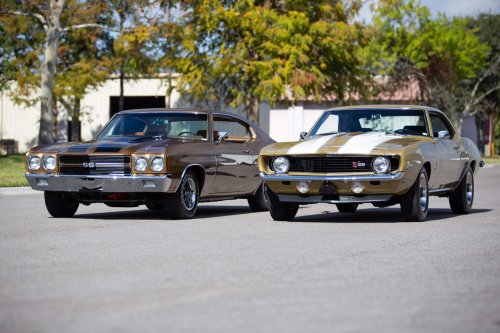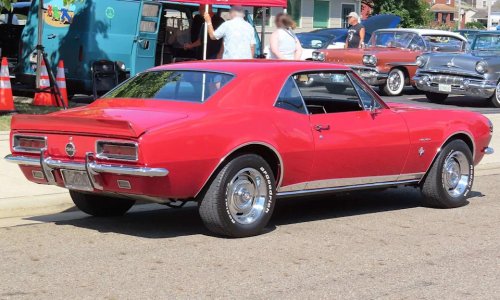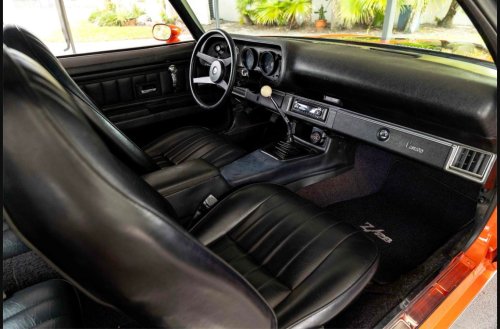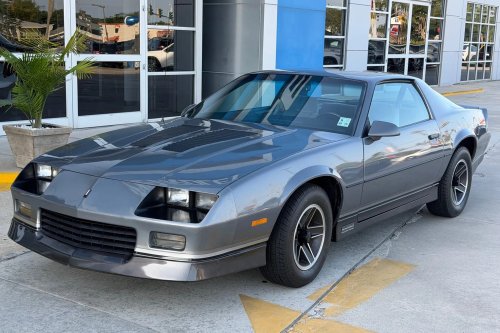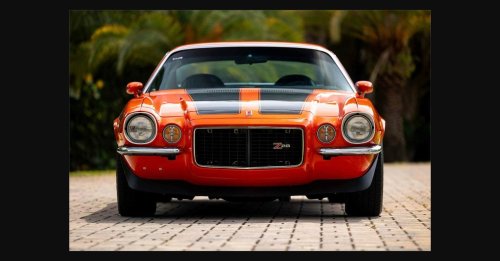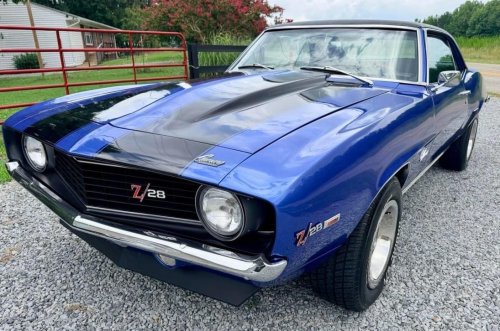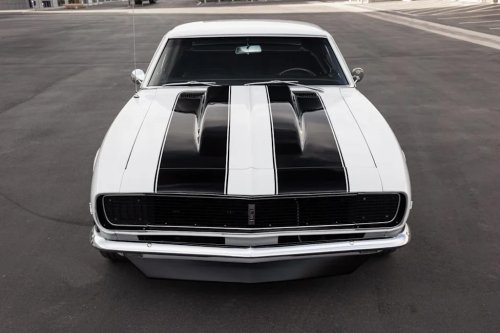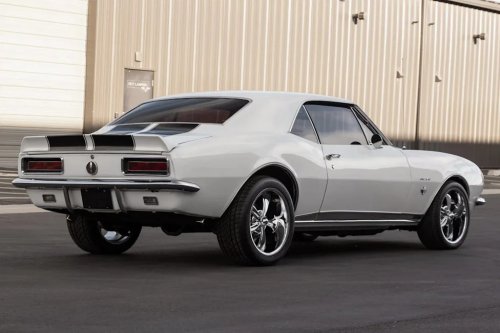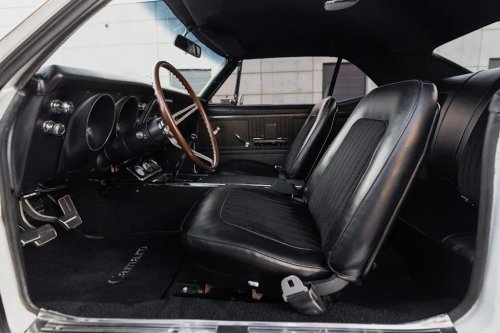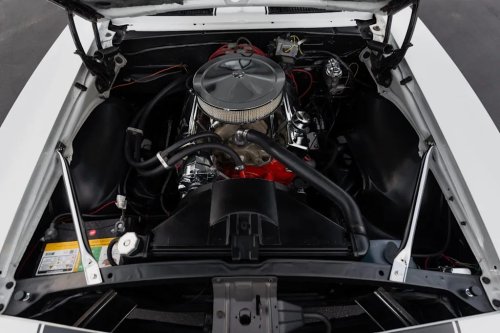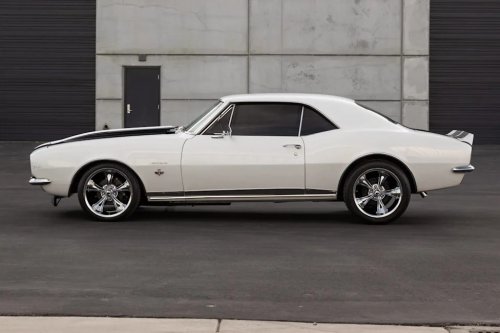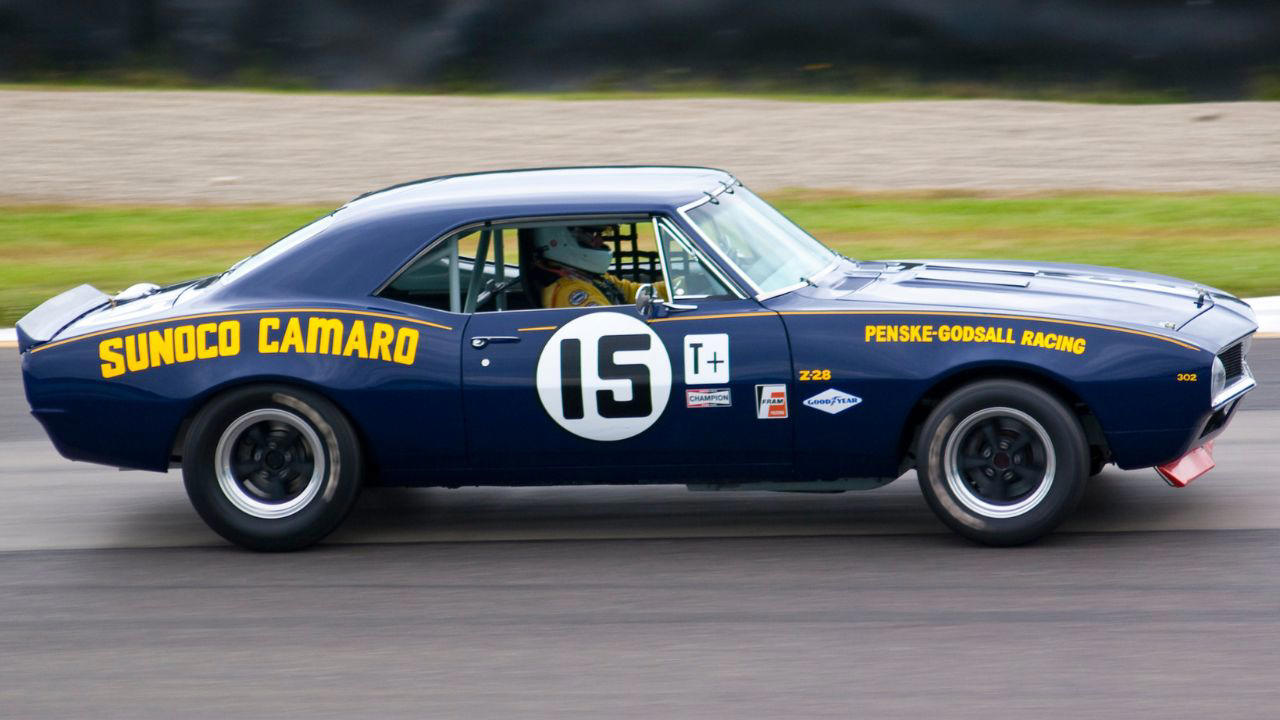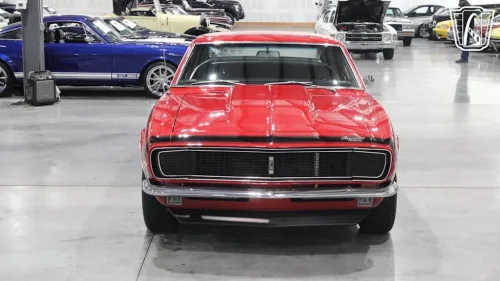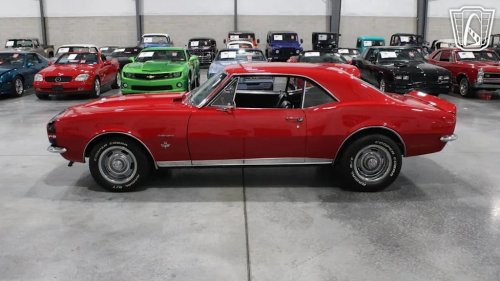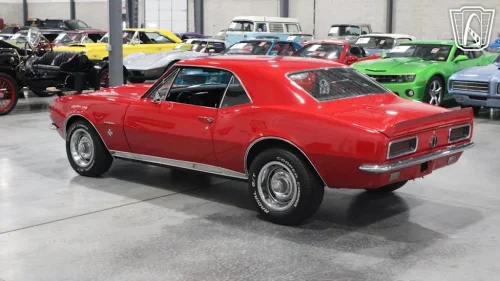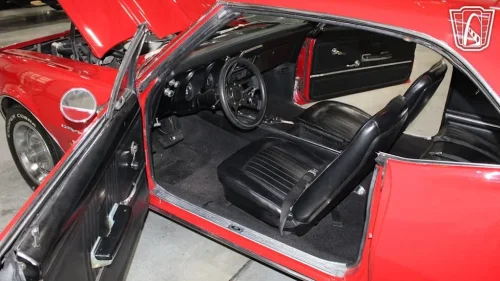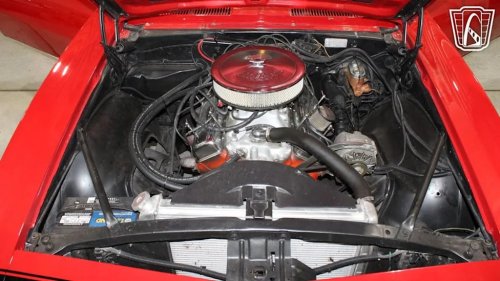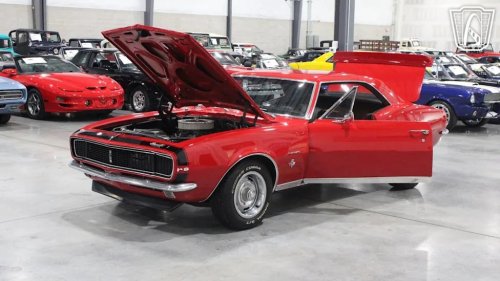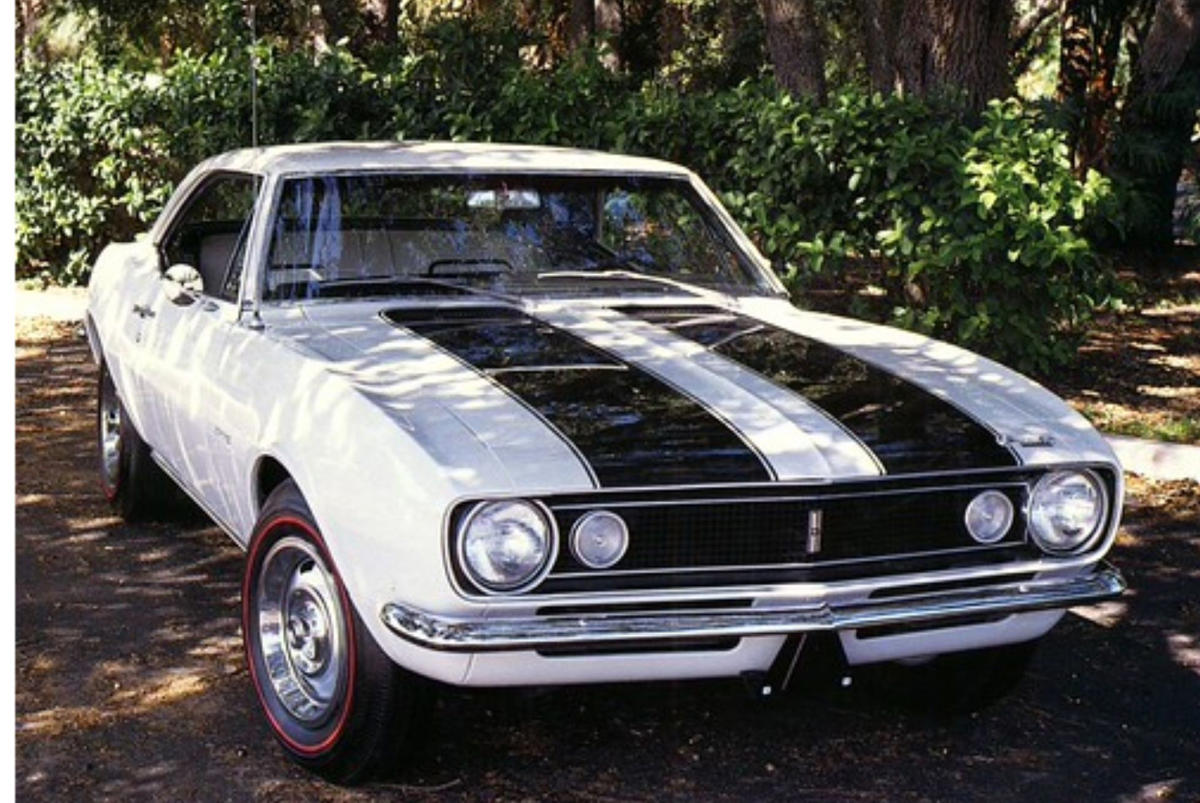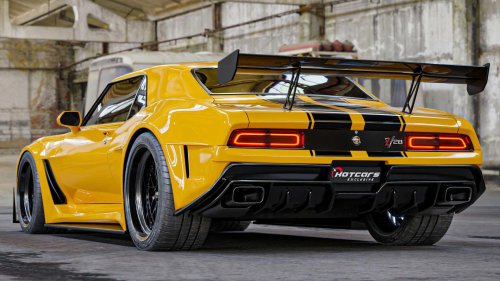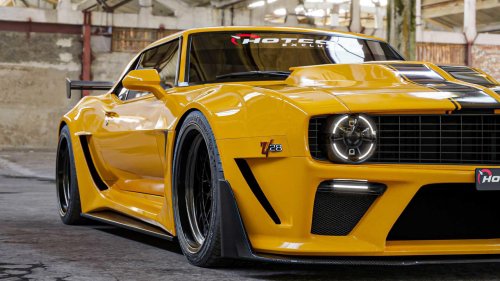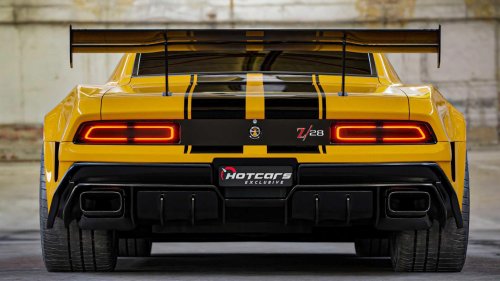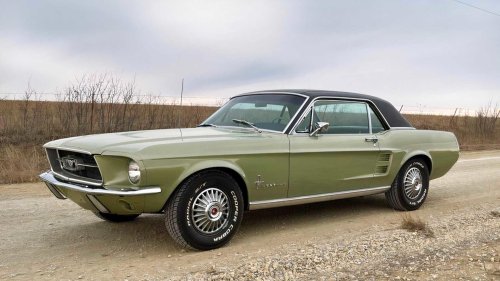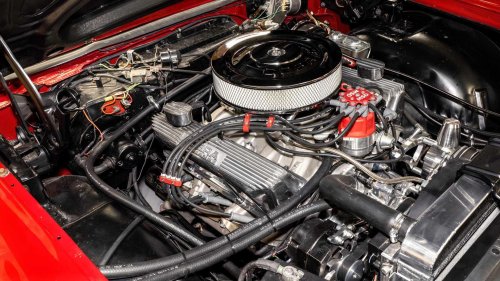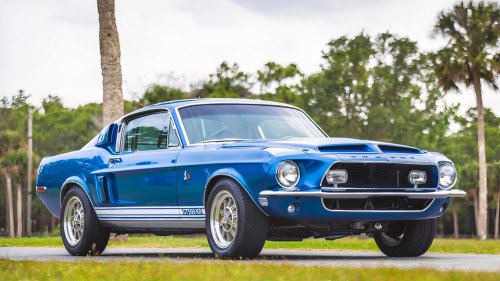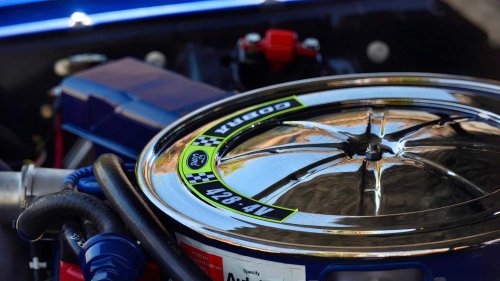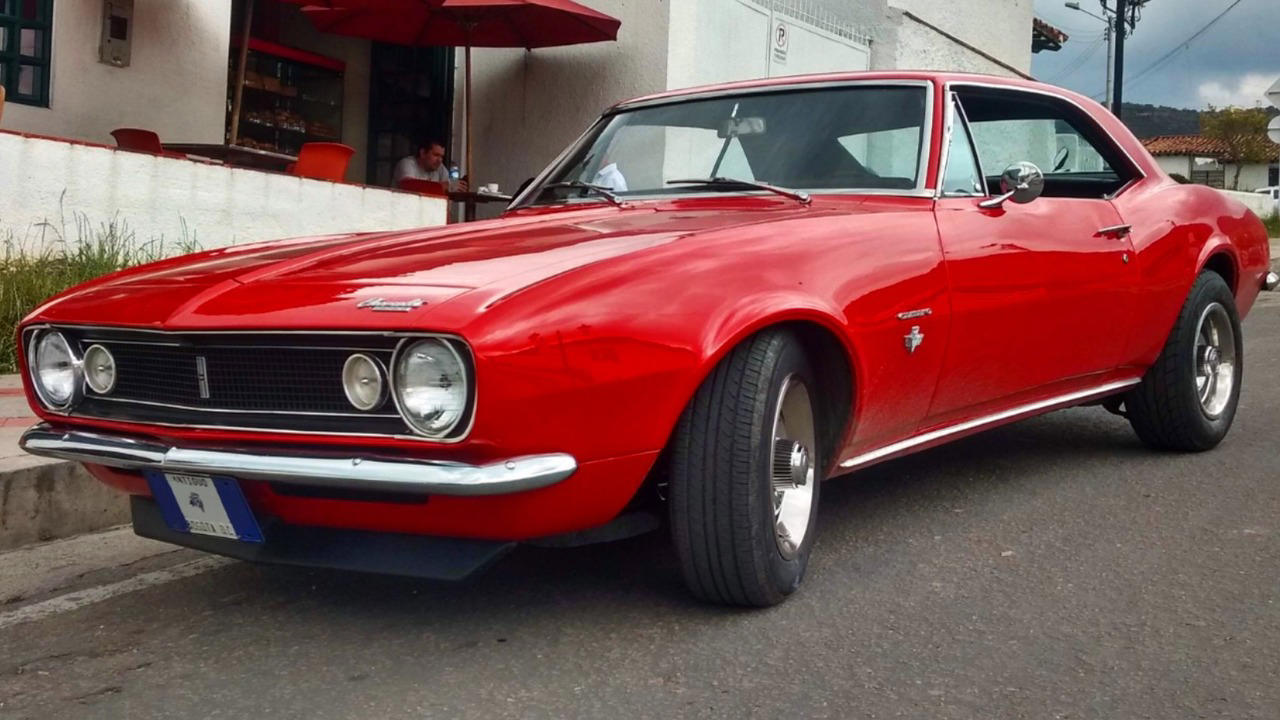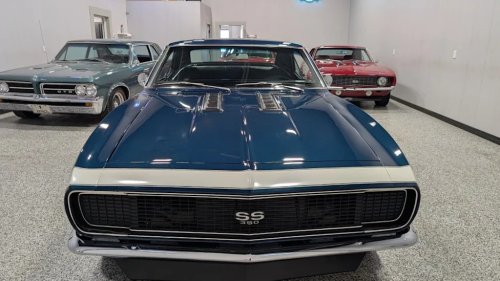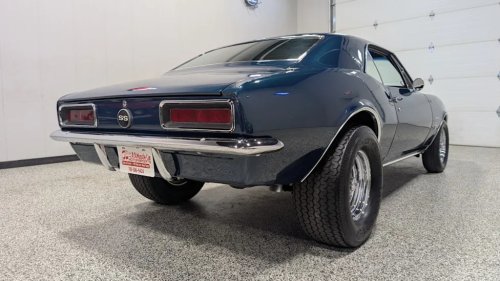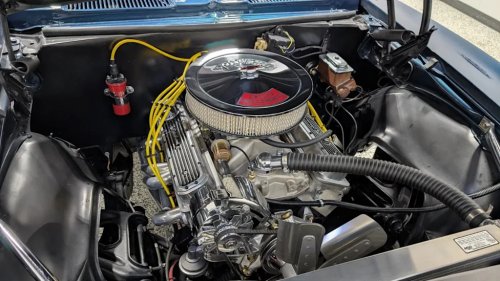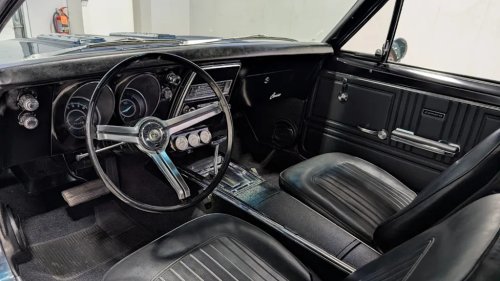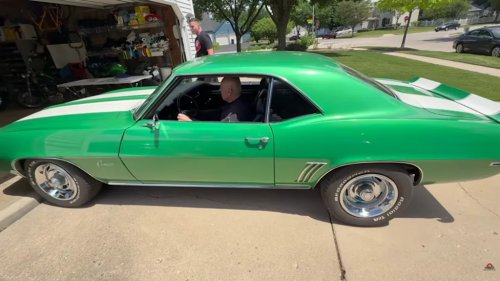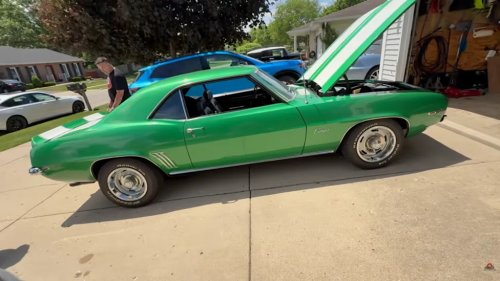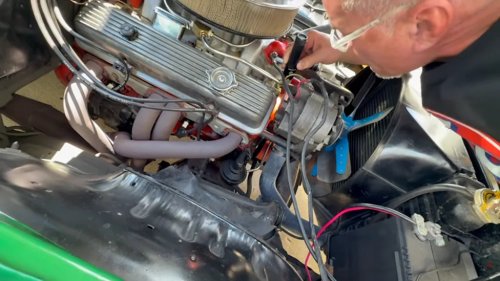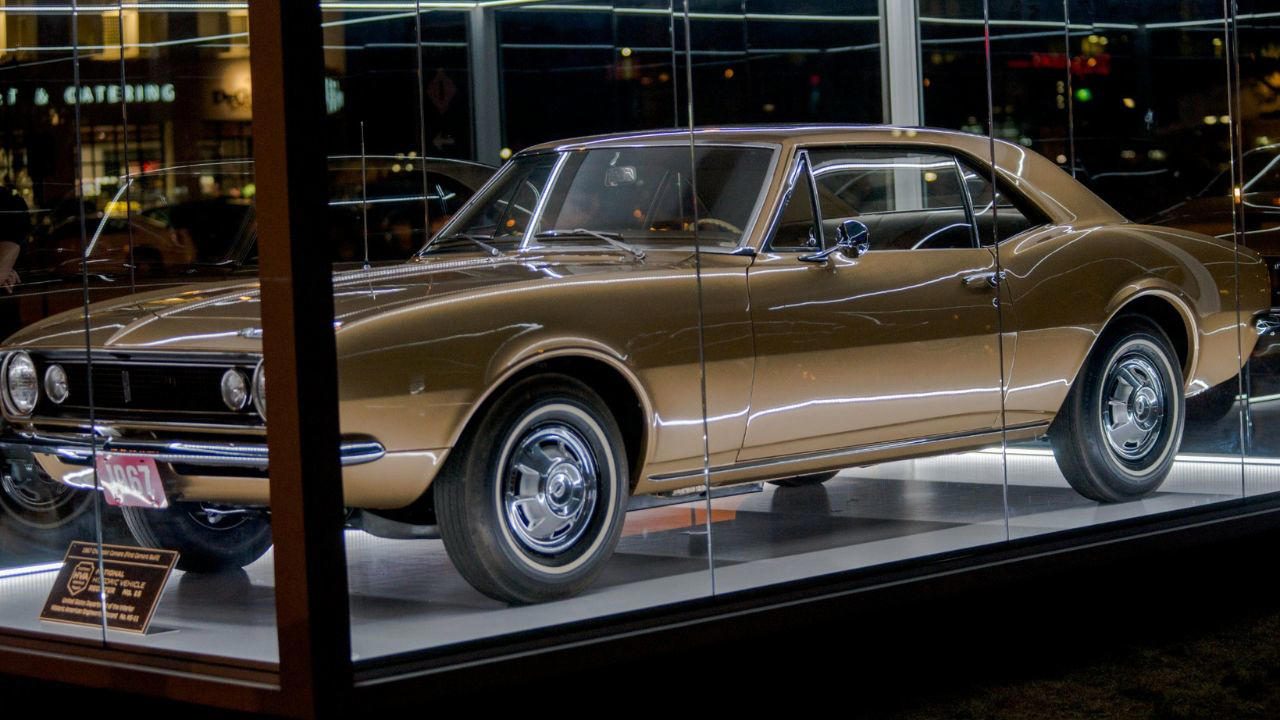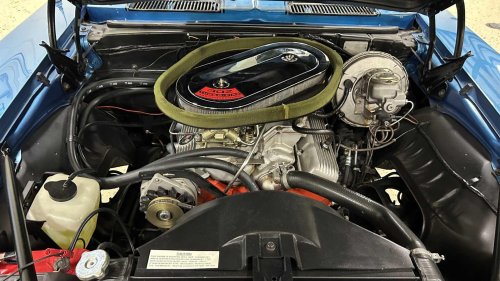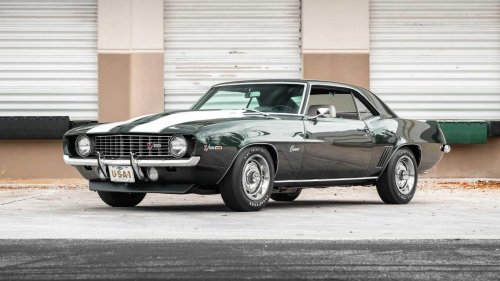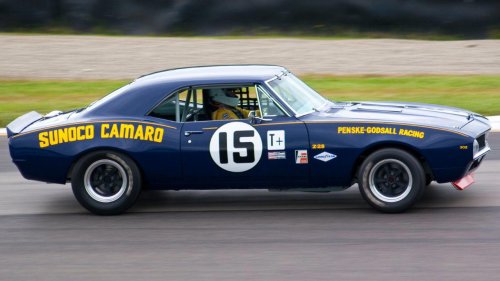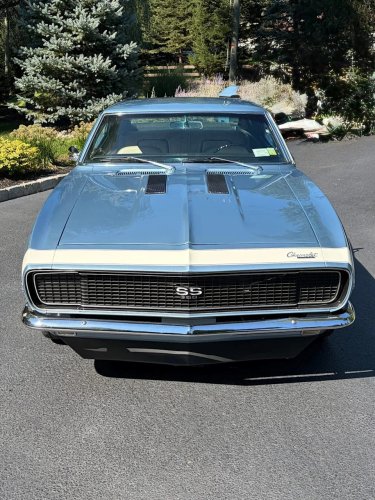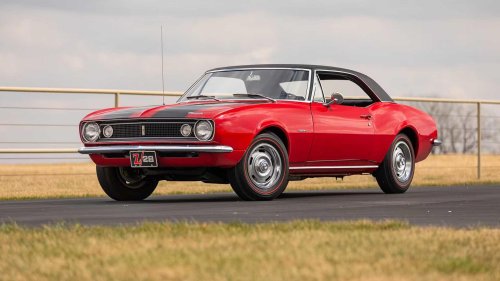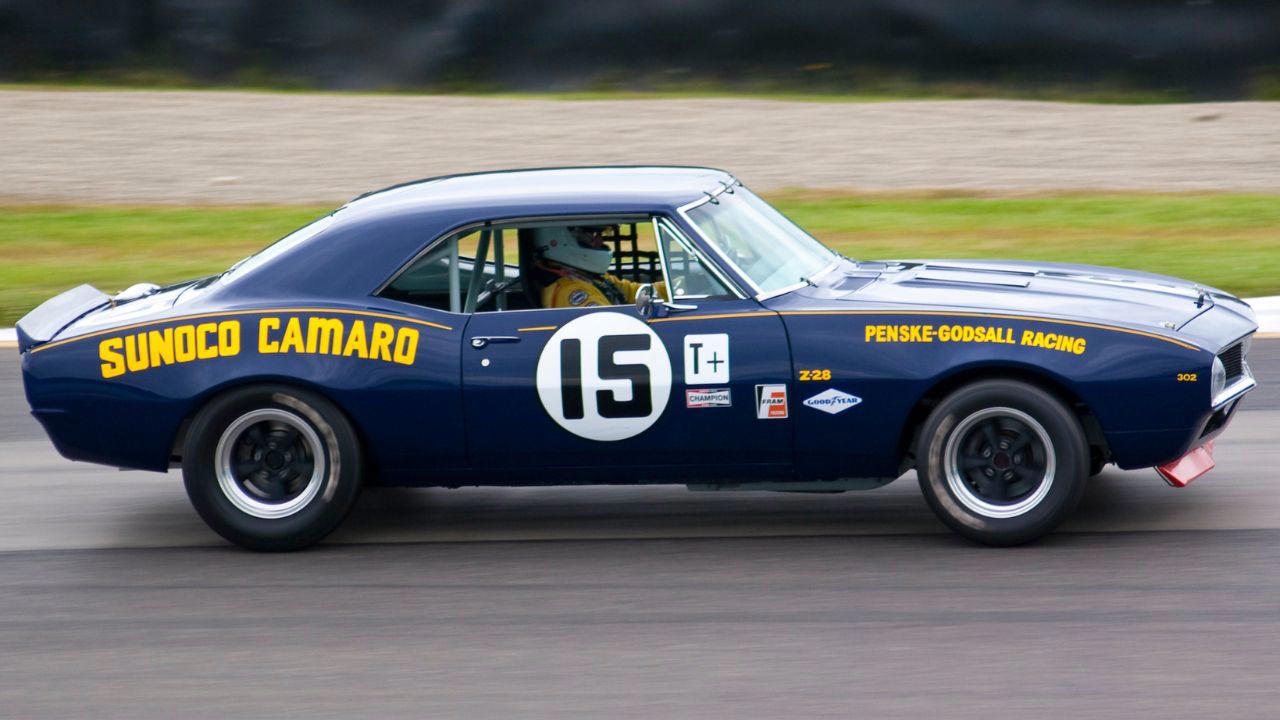


















This factory 1967 Camaro Z/28 experiment nearly sparked a racing controversyThe 1967 Camaro Z/28 arrived during one of the fiercest periods in American motorsport, when manufacturers were pushing engineering limits to gain any possible advantage in production-based racing. What looked like a simple performance package on the surface was actually part of a carefully calculated factory experiment that nearly triggered major controversy within racing circles. Chevrolet created the Z/28 to target Trans-Am racing dominance When Chevrolet introduced the Chevrolet Camaro Z/28, the company’s real focus was not ordinary street performance. Instead, the car was engineered specifically to compete in the growing SCCA Trans-Am racing series, where strict displacement regulations limited engines to five liters. To meet those rules, engineers under General Motors developed a unique high-revving 302 cubic-inch V8 by combining components from existing small-block engine families. The resulting powerplant produced strong high-RPM performance while staying within Trans-Am regulations, giving Chevrolet a serious competitive opportunity against Ford and other rivals. The hidden racing intent blurred the line between street car and race car The Chevrolet Camaro Z/28 was officially sold as a production vehicle, but many enthusiasts and competitors recognized that its true purpose was racing homologation. Chevrolet intentionally kept the package relatively understated, avoiding excessive advertising while quietly building a machine optimized for track use. Under Chevrolet engineering strategy, the car featured upgraded suspension tuning, quick-revving performance characteristics, and handling improvements specifically designed for road-course competition. This approach created concerns among some rivals who believed manufacturers were beginning to push production-car regulations dangerously close to pure factory-backed race car territory. The 302 V8 experiment surprised even experienced racers At the center of the Chevrolet Camaro Z/28 was the unusual 302 cubic-inch V8, an engine configuration that prioritized rev capability over massive displacement. Unlike traditional muscle car engines focused on low-end torque, the 302 was designed to operate aggressively at high RPM, making it highly effective in road racing environments. This engineering experiment by General Motors gave the Camaro a distinct personality compared to larger big-block rivals. On tight circuits and technical tracks, the lightweight small-block setup allowed the Z/28 to remain balanced and responsive, helping it compete far beyond what many expected from a factory pony car. Rival manufacturers watched Chevrolet’s strategy carefully The success and design philosophy behind the Chevrolet Camaro Z/28 quickly attracted attention throughout the industry. Competing manufacturers realized Chevrolet had found a way to exploit homologation rules while still maintaining the appearance of a legitimate production street car. As racing organizations monitored factory involvement more closely, concerns grew that escalating development battles could increase costs and blur the distinction between showroom vehicles and dedicated race machines. The Z/28 became part of a larger conversation about how aggressively automakers should be allowed to engineer cars specifically for sanctioned competition. The Z/28 became one of Chevrolet’s most respected racing legends Despite the controversy surrounding its development strategy, the Chevrolet Camaro Z/28 ultimately earned enormous respect among enthusiasts and racers alike. Its combination of high-revving performance, sharp handling, and purposeful engineering made it one of the defining American performance cars of the late 1960s. Within Chevrolet history, the Z/28 represents a moment when factory engineering and racing ambition merged almost seamlessly. What nearly sparked controversy instead helped create one of the most iconic homologation-inspired muscle cars ever built. More from Fast Lane Only Unboxing the WWII Jeep in a Crate 15 rare Chevys collectors are quietly buying 10 underrated V8s still worth hunting down Police notice this before you even roll window down