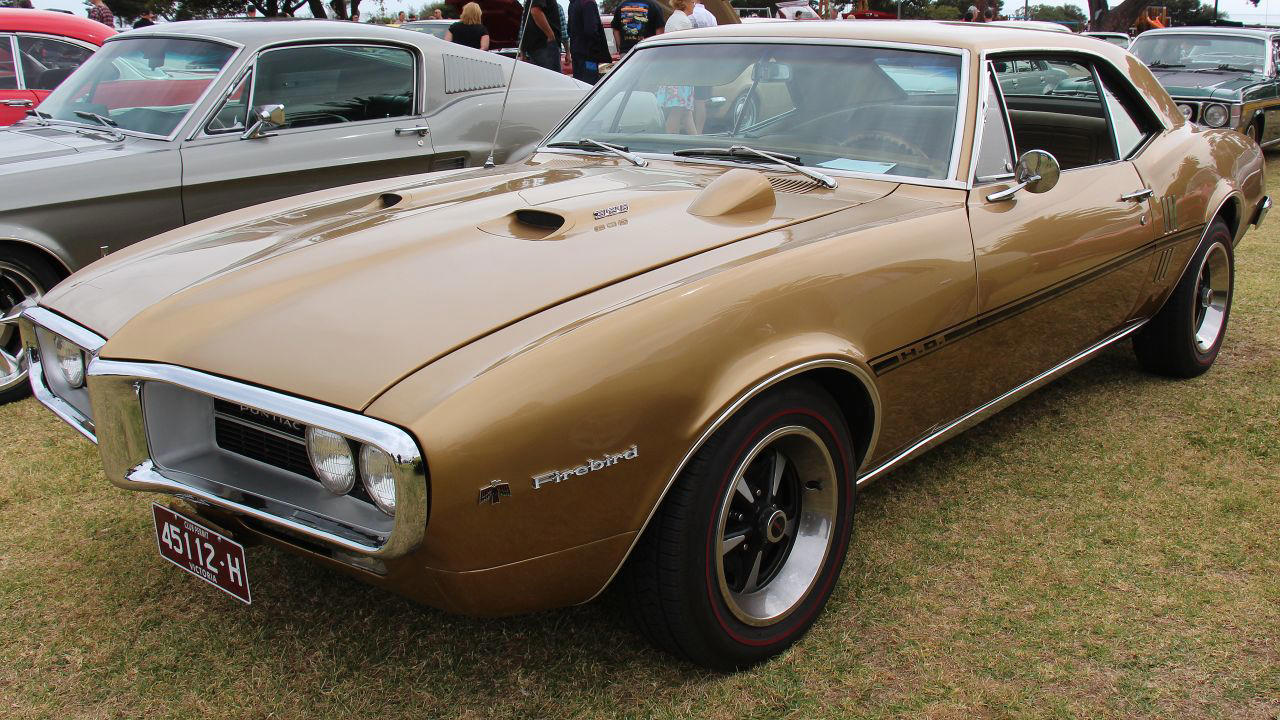
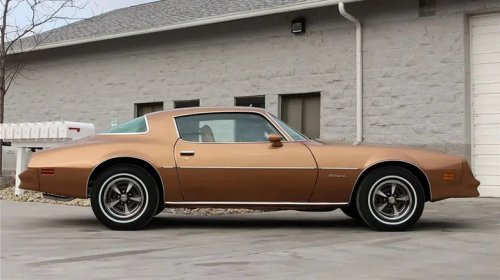
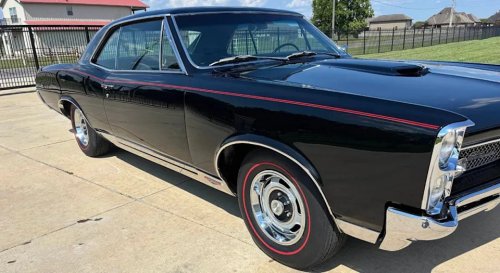
Why the 1967 Pontiac Firebird arrived months after the CamaroWhen the Camaro burst onto the scene for the 1967 model year, it looked like Pontiac was caught flat-footed. The truth is a lot more practical: Pontiac had a competing car in the works, but it took a little longer to get it signed off, engineered, and ready to sell. That gap wasn’t about Pontiac “missing the moment” so much as how General Motors managed product planning, timing, and internal politics in the mid-1960s. Both cars were born inside the same corporate family, shared major components, and targeted the same buyers. Yet they didn’t roll out together. The reasons come down to who got the green light first, how GM scheduled new-model launches, and what Pontiac needed to do to make its version feel like a real Pontiac rather than a warmed-over clone. GM had already set the pace with the Camaro program Chevrolet’s pony-car push gathered momentum quickly after Ford proved the market with the Mustang. Inside GM, Chevrolet was the natural division to take the first swing at a direct Mustang rival, because it was the company’s biggest volume brand and the one that could most directly counter Ford in showrooms. Once Chevrolet’s program was moving, a lot of the hard decisions followed its timeline: platform details, major dimensions, and the broad manufacturing plan. Pontiac was positioned to use the same basic underpinnings, but it still had to fit its own product strategy around an effort that had already started running. Internal brand strategy meant Pontiac couldn’t just “copy-paste” GM divisions didn’t operate like separate companies, but they also weren’t free to do anything they wanted. Chevrolet, Pontiac, Oldsmobile, and Buick each had a carefully maintained identity, and GM leadership tried to avoid direct overlap that could cannibalize sales inside the same corporation. That mattered for timing because Pontiac needed to define what its pony car would be in the lineup. Pontiac was already known for performance models and youthful image, so its version had to feel distinct in styling, marketing, and available trims. Developing those differentiators—while still sharing the basic architecture—added steps that Chevrolet didn’t have to duplicate on a second track. Engineering and styling differences took real time Although the cars shared the F-body platform, the Firebird wasn’t just a Camaro with a different badge. Pontiac aimed for its own look and its own character, which meant unique exterior panels and Pontiac-specific cues inside and out. Even small changes can ripple through tooling, supplier coordination, and assembly planning. Then there’s the under-the-skin work that has to be validated: parts compatibility, option packaging, and making sure the car meets GM’s internal requirements. When a program starts later, all of that happens later, too. That’s not glamorous, but it’s how production-ready cars actually get built. Launch schedules weren’t always aligned across divisions It’s tempting to assume GM would want both cars to hit the market simultaneously, but GM often staggered introductions. A staggered rollout could help with marketing focus, reduce internal competition at the exact same moment, and smooth out manufacturing ramp-up when multiple new products were coming online. Mid-year or delayed introductions weren’t unheard of in the era, especially when a model needed extra time for readiness or when production scheduling demanded it. With the Camaro already slated for release, Pontiac could follow after, allowing dealers to build anticipation and keeping the new-pony-car conversation going longer across GM showrooms. Production and plant realities can dictate timing Even if two cars share a platform, you still have to allocate capacity, schedule supplier deliveries, and synchronize the start of production. GM’s manufacturing footprint was enormous, but it wasn’t infinitely flexible. Assembly lines, stamping capacity, and component supply all had to be lined up. If Chevrolet’s version was prioritized first, that could naturally pull resources toward getting one product out the door before the other. Tooling lead times are particularly unforgiving—stamped panels, for example, require dedicated dies and careful debugging. That kind of industrial planning can easily translate into “months,” not “weeks.” Dealer networks and marketing plans played a role Chevrolet dealers were ready to pitch a Mustang fighter immediately, because that fight was happening in every town and suburb in America. Pontiac dealers also wanted a piece of the action, but Pontiac’s sales message often leaned into a slightly different vibe—performance credibility, style, and a step up in feel. Crafting that positioning and rolling it out through dealer training and advertising took coordination. Staggering the launches also meant GM could keep attention on its new pony cars for an extended period instead of blowing all the fireworks at once. From a business perspective, it’s a way to stretch the news cycle and keep shoppers coming back to compare trims, engines, and pricing as new options hit the street. Pontiac also had to protect its own lineup logic Pontiac’s range already included models that appealed to performance-minded buyers, and the division had to be careful about how a new sporty compact would fit. Pricing, available engines, and trim levels needed to make sense relative to other Pontiacs and relative to the Camaro. That internal balancing act could slow decisions, because it affected everything from profit margins to showroom strategy. Those choices aren’t made in isolation. They involve product planners, finance teams, engineering, and the executives who police brand boundaries. When a car is meant to be both a crowd-pleaser and a “real Pontiac,” the last few decisions can take longer than people expect. What the delay did—and didn’t—mean The months-between arrival didn’t mean Pontiac failed to understand the market. GM clearly knew the pony-car segment mattered, and it wanted multiple divisions to benefit from it. The lag mostly reflects that Chevrolet was first in line, and Pontiac had extra work to do to carve out its own identity on shared bones. In practice, the later arrival gave buyers another fresh GM option shortly after the initial Camaro splash. And for Pontiac fans, it meant the division could bring out a car that looked and felt like it belonged in Pontiac showrooms, rather than something rushed out just to match a calendar date. More from Fast Lane Only Unboxing the WWII Jeep in a Crate 15 rare Chevys collectors are quietly buying 10 underrated V8s still worth hunting down Police notice this before you even roll window down *Research for this article included AI assistance, with all final content reviewed by human editors.