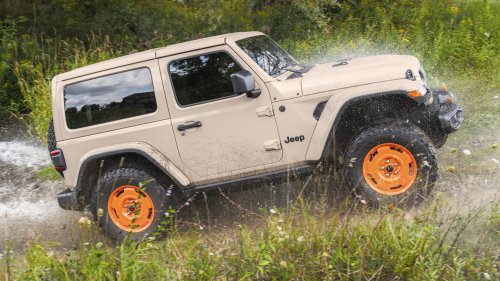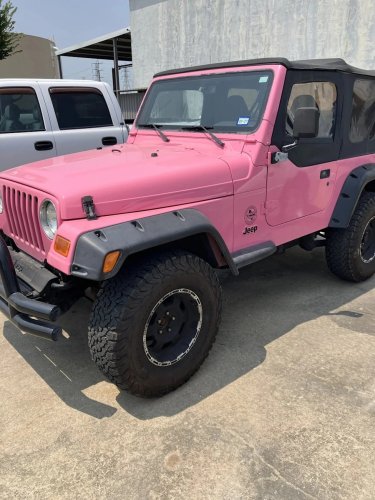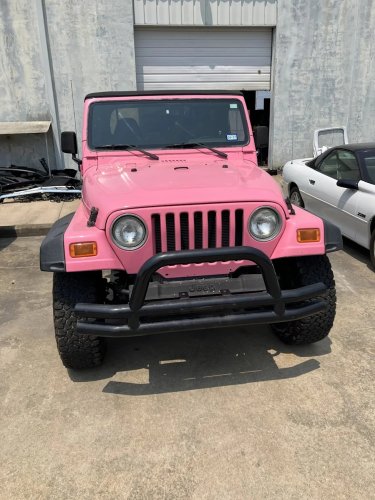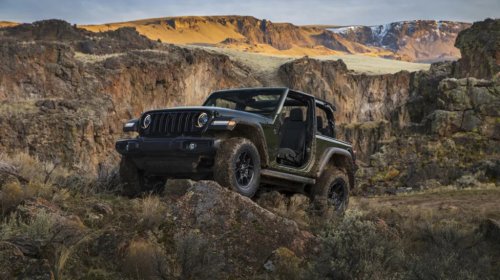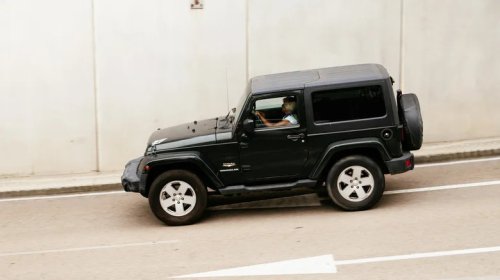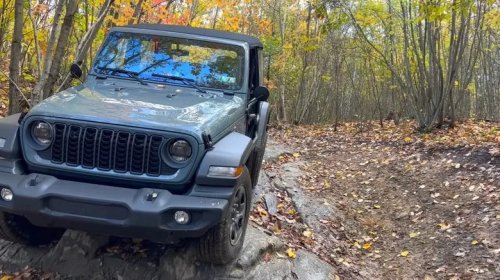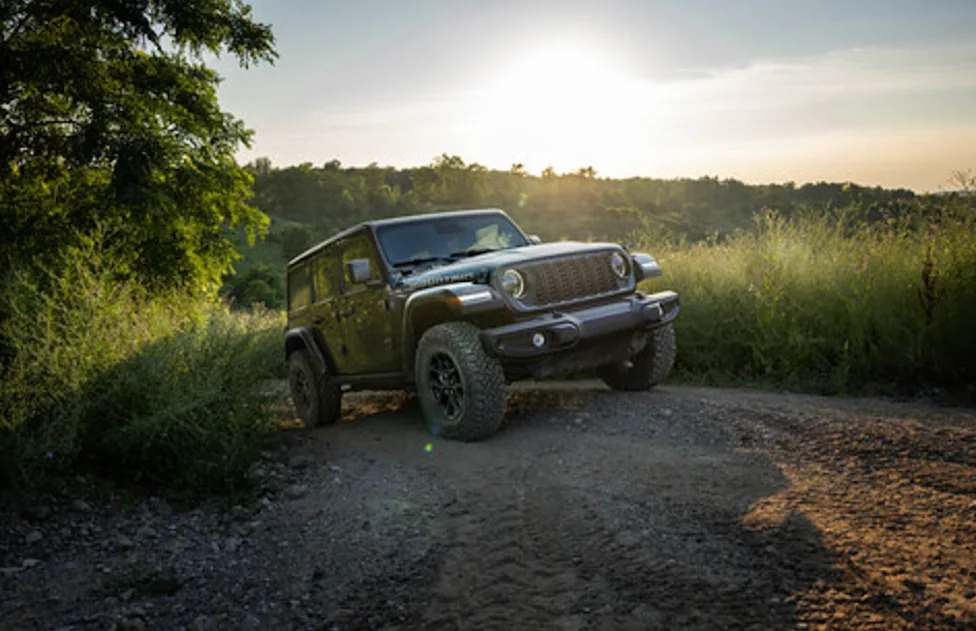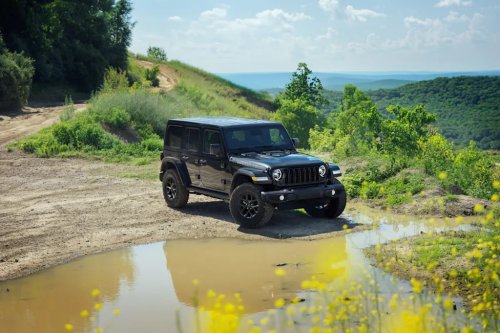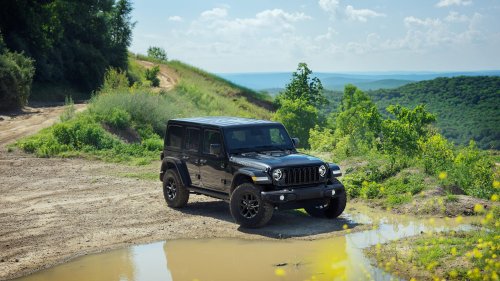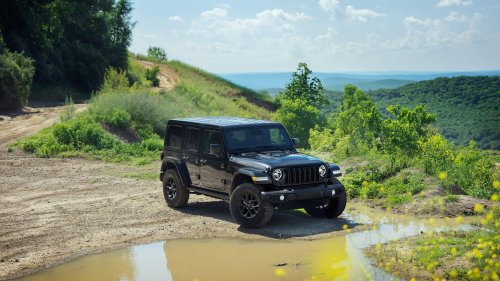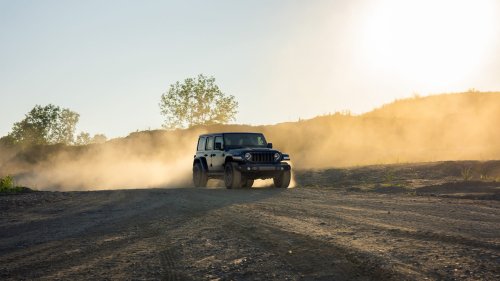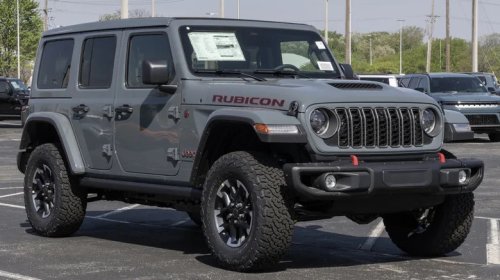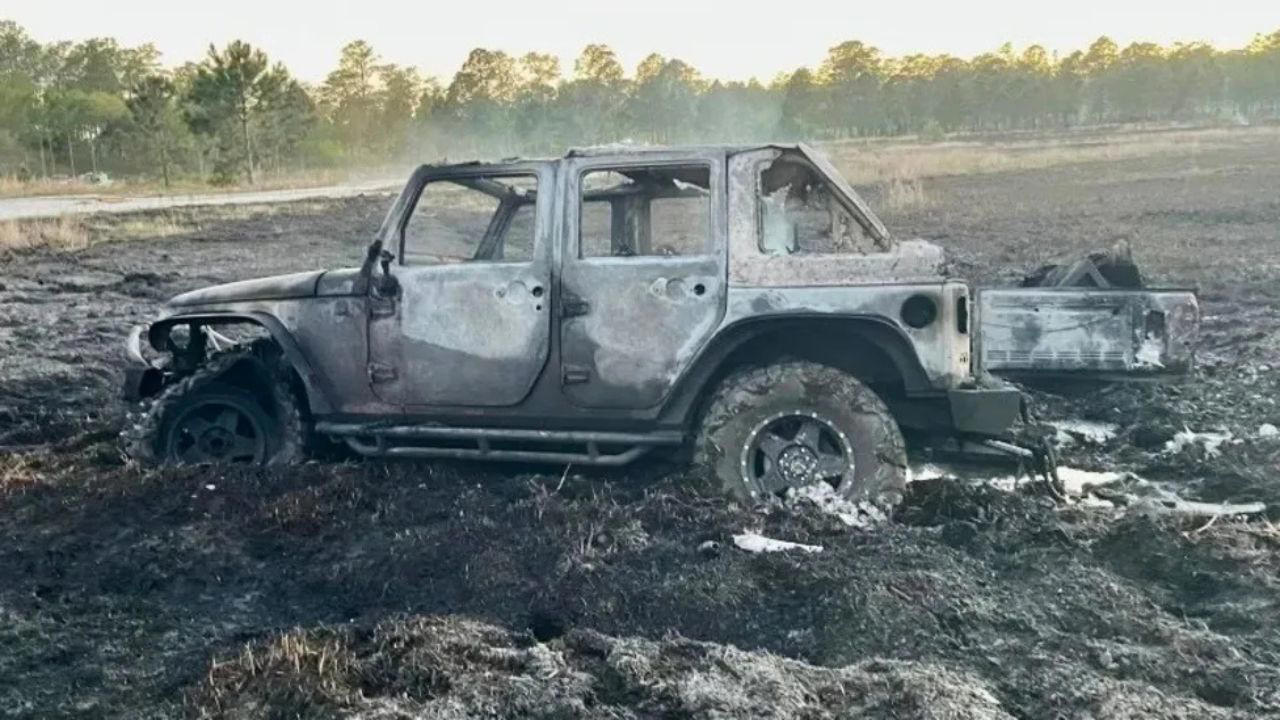















A Jeep Wrangler got stuck and what happened next sparked a wildfire that spread fastA weekend off-road outing in Florida turned into a fast-moving wildfire after a Jeep Wrangler got stuck in deep mud and the driver tried to power out of the bog. Within minutes, dry grass around the trapped SUV ignited and flames raced through the surrounding forest. What began as a routine bit of four-wheeling ended with a 20-acre burn scar and a pointed reminder of how quickly modern vehicles can become an ignition source in the wrong conditions. The incident has quickly become a case study for land managers and off-road enthusiasts who see it as a preventable disaster. It underscores how a single decision in a remote marsh, far from paved roads and fire hydrants, can trigger a wildfire that spreads faster than most drivers can comprehend. What happened The fire started in Ocala National Forest in Florida, where a Jeep Wrangler JK became mired in a marshy section of trail. According to reports that reconstruct the sequence, the driver attempted to rock the vehicle free by spinning the tires while it was still buried. That effort did not free the Jeep, but it did generate intense heat under the chassis and around the exhaust components, which sat in tall, dry grass. As the stuck Wrangler sat idling and revving in the mud, the hot exhaust and catalytic converter appear to have ignited the vegetation packed under the vehicle. Flames reportedly flared beneath the SUV, then spread outward through the grass and brush. Within a short window, the small fire that began under the Jeep grew into what officials later described as a roughly 20-acre wildfire in the forest. Coverage of the incident notes that the blaze started in a marshy area that still had enough dry fuel on the surface to burn quickly. The Jeep had been driven into a soft, rutted section that looked like typical off-road terrain but concealed deep mud that trapped the tires. Once the driver realized the vehicle was stuck, the decision to keep spinning the wheels instead of shutting down the engine and calling for a tow truck became the turning point that allowed heat to build and vegetation to ignite, as described in detailed accounts of the trapped Jeep. Officials later linked the blaze directly to the Wrangler, which was identified as a JK-generation model. Reports on the stuck Jeep Wrangler explain that the vehicle became the ignition source once its hot underside contacted the dry ground cover. The fire then spread through palmetto, grass, and other light fuels that are common in that part of Ocala National Forest. Images shared from the scene show the Wrangler surrounded by blackened earth and charred vegetation, with fire crews working the perimeter. The driver and any passengers were able to escape without reported injury, but the vehicle itself was left in the burn area while firefighters worked to contain the flames. Accounts of the Jeep that ignites the blaze emphasize how quickly the situation escalated from a mechanical problem to a full wildfire response. Additional reporting on the Wrangler stuck in notes that fire crews ultimately contained the burn to about 20 acres. Even at that scale, the fire produced thick smoke, scorched habitat, and required a coordinated response from state and federal personnel. The Jeep, which had been a weekend toy a few hours earlier, was left as a charred reminder of what went wrong. Why it matters For wildfire professionals, the Ocala incident is not just a quirky off-road story. It is a textbook example of how everyday vehicles can ignite fires in dry landscapes. Modern exhaust systems operate at very high temperatures, especially around catalytic converters. When those components sit directly on dry grass or brush, they can reach ignition temperatures in minutes. The Wrangler fire illustrates how quickly that process can unfold when a vehicle is stationary, revving, and packed with vegetation underneath. The incident also puts a spotlight on off-road culture and the responsibilities that come with it. Enthusiasts often seek out mud holes and marshy trails, particularly in vehicles like Jeep Wranglers that are marketed for their trail capability. In this case, the choice to push into a boggy area of Ocala National Forest and then keep trying to throttle out of it turned a recreational outing into a wildfire incident report. Coverage of the Wrangler that gets frames the fire as a warning to anyone who drives into sensitive public lands without thinking through the fire risk under their own vehicle. Land managers in Florida and across the United States have long worried about human-caused ignitions in forests and grasslands. Many of those fires start from campfires, fireworks, or discarded cigarettes. The Ocala blaze adds another familiar source to that list: vehicles that leave the road and park or bog down in flammable vegetation. Even when the soil is wet, the surface layer of grass and duff can be dry enough to burn, especially during warm, breezy conditions. The damage from a 20-acre fire might seem modest compared with the massive wildfires that dominate national headlines, but it still matters on the ground. In Ocala National Forest, that footprint represents a patch of habitat that will take time to recover, along with suppression costs that taxpayers ultimately cover. Fire crews must be pulled away from other work to handle a blaze that, by all accounts, could have been avoided if the driver had shut off the engine as soon as the Jeep became stuck and kept the hot exhaust away from the grass. Insurance and liability questions also hang over incidents like this. When a private vehicle is identified as the ignition source for a wildfire on public land, investigators often try to determine whether negligence played a role. That can influence whether the driver, an insurer, or no one in particular is held financially responsible for suppression costs and damages. While public reports on the Ocala fire focus more on the mechanics of how the blaze started than on any legal outcome, they highlight a broader trend in which individual drivers can find themselves tied to expensive wildfire investigations after a few bad decisions off-road. The Wrangler fire also feeds into a larger conversation about how climate and land conditions are changing wildfire behavior. In many parts of the Southeast, hotter and drier stretches are making grasses and shrubs more flammable for longer periods of the year. As that background risk rises, sparks that might once have smoldered out can now grow into fast-moving fires. A stuck Jeep in a marsh might not have created a 20-acre burn in cooler, wetter conditions. In a warmer, drier season, the same incident becomes a significant fire. What to watch next In the wake of the Ocala incident, off-road groups and land agencies are likely to keep stressing basic fire safety around vehicles. That includes straightforward guidance: avoid driving or parking on tall grass, shut off the engine if a vehicle becomes stuck, clear vegetation away from hot exhaust components, and carry at least one fire extinguisher in any off-road rig. Some clubs already treat that equipment as standard gear, but the Wrangler fire shows how quickly a small flame can outrun a single extinguisher if drivers hesitate or do not notice the smoke in time. Public land managers may also revisit how they communicate risk on popular trails. Ocala National Forest attracts a steady flow of four-wheel-drive traffic, including lifted Jeeps and side-by-sides that seek out muddy play areas. Agencies could respond with more targeted signage that warns about vehicle-caused fires in specific boggy or grassy sections, or by temporarily closing routes when vegetation is especially dry. The story of the stuck Wrangler that sparked a wildfire gives them a vivid example to point to when explaining why some areas need seasonal limits. More From Fast Lane Only: Unboxing the WWII Jeep in a Crate 15 rare Chevys collectors are quietly buying 10 underrated V8s still worth hunting down Police notice this before you even roll window down The post A Jeep Wrangler got stuck and what happened next sparked a wildfire that spread fast appeared first on FAST LANE ONLY.