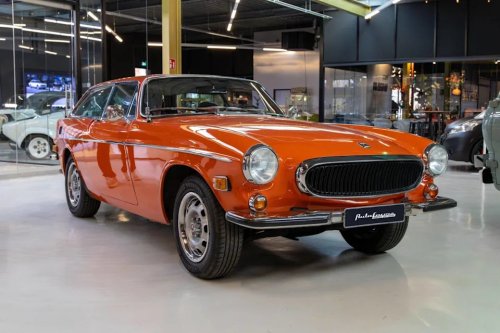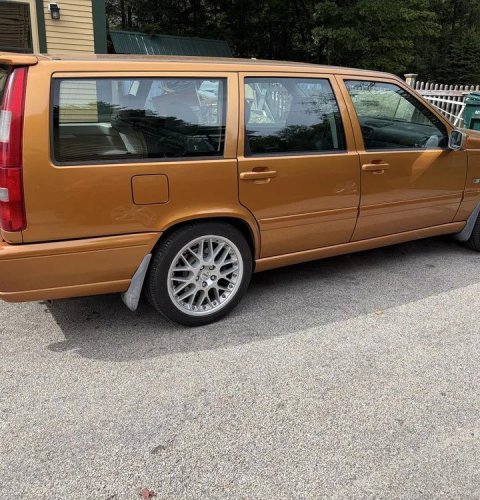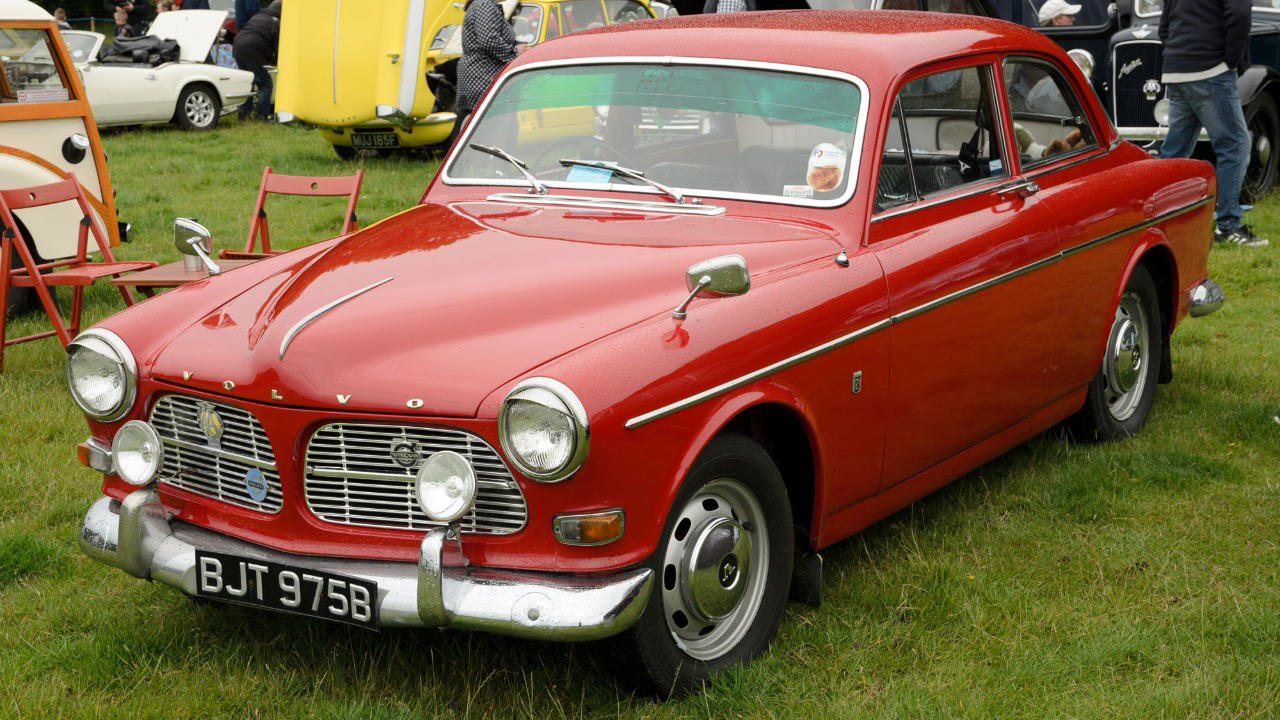



















The 1964 Volvo Amazon did not win drivers over with flash or fashion. It earned its reputation the hard way, by quietly proving that a family saloon could be solid, safe and dependable at a time when those qualities were far from guaranteed. When I look at why people still trust this car today, I see a mix of thoughtful engineering, human centred safety and real world toughness that feels surprisingly modern. Trust is not something a car company can declare in a brochure, it has to be built mile after mile. The Volvo Amazon managed that by combining conservative good looks with innovations that protected ordinary people, then backing it all up with a body and drivetrain that shrugged off abuse. That is why a 1964 example still feels like more than a nostalgic curiosity, it feels like a turning point. From cautious idea to confident classic When I trace the roots of that trust, I start with how carefully the car was conceived. Internal histories of Volvo Amazon The Complete Story describe The Birth of a Classic and the Origins of the Volvo Amazon as a deliberate move away from fragile, fashion led cars toward something families could rely on for years. Design Influences and Unique Features were chosen with an eye on stability and predictability, from the upright greenhouse that gave excellent visibility to the sturdy unibody that felt reassuringly substantial even at rest. That conservative stance did not mean the Amazon was dull. The proportions were tidy, the detailing restrained and the stance confident, which made the 1964 model feel modern without being trendy. By avoiding extremes, Volvo created a shape that owners could live with for a decade or more without it feeling dated, a subtle but powerful way to build confidence in both the product and the company behind it. Safety as a promise, not a slogan Image Credit: Steve Glover – CC BY 2.0/Wiki Commons For me, the real foundation of the Amazon’s credibility lies in how seriously Volvo treated safety. Company archives on the Volvo Amazon note that in 1959 it became the world’s first car model to feature factory installed three point seatbelts, years before most rivals treated belts as more than an optional extra. That decision turned safety from a personal choice into a built in standard, signalling that the manufacturer felt responsible for what happened to people in its cars. Later retrospectives on Pioneering Safety frame this as part of a broader Timeline of Volvo and Revolutionary Innovations The story of automotive safety is inseparable from Volvo’s history of innovation. When I look back at a 1964 Amazon through that lens, the car stops being just an old saloon and becomes a physical promise that the company would put people first, long before crash tests and star ratings turned that into marketing copy. Built to last, and to feel like it Durability is another reason the 1964 Amazon inspired such loyalty. Contemporary assessments of the Thick gauge steel used in the Amazon highlight how heavy duty panels allowed the car to stand up to the harshest Swedish winters while still being able to cope with huge mileages. When I sit in an Amazon today, that over engineering is obvious in the way the doors close with a solid clunk and the way the chassis feels unbothered by rough roads. Corporate reflections on putting people first describe how The Amazon, one of the most important cars in Volvo history, was built to last and designed with a focus on durability and safety. That combination meant owners could rely on the same car for work commutes, winter errands and long holiday trips without worrying whether it would start or survive the journey. Over time, that kind of everyday dependability does more to build trust than any performance figure. Advertising that matched reality What fascinates me about the 1964 era is how closely Volvo’s marketing matched what the Amazon actually delivered. Company records recall how Advertising man Advertising executive Amil Gargano of New York took on the Volvo account in 1962 and concluded that Volvos could withstand pretty much anything a driver could throw at them. Instead of selling speed or glamour, the campaigns leaned into that toughness, showing cars battered by real life rather than pampered in studio light. Because the Amazon’s engineering backed up those claims, the gap between promise and experience stayed small. When a family bought a 1964 Amazon after seeing Amil Gargano of New York talk about how Volvos were built, they discovered that the car really did feel over specified for their needs. That alignment between message and reality is rare in any era, and it is a big part of why the badge on the grille came to stand for honesty as much as safety. A legacy that still feels current Even as the Amazon edges toward a milestone, its reputation has not faded. Modern retrospectives describe how the Volvo Amazon is a Timeless Icon Nears Its Anniversary, noting that Nearly 70 years ago, in the late summer of 1956, Volvo introduced a car that would become a symbol of reliability, innovation and timeless design. When I drive or ride in a well kept 1964 example, that description feels accurate rather than nostalgic, because the car’s priorities line up neatly with what many of us still want from a daily driver. Later reflections underline that Now, as the Amazon nears its Volvo Amazon 70th anniversary in 2026, The Volvo Amazon legacy remains strong as a symbol of reliability, innovation and timeless design. That ongoing respect matters, because trust is not just about how a car performed when it was new, it is about how it is remembered by the people who lived with it. The Amazon’s story still resonates because it proved that a family car could be both ordinary and quietly exceptional, and that is a standard I still use to judge modern metal. Proof on the track and on the street One of the more surprising ways the Amazon has reinforced its reputation is through motorsport. Reports from historic racing in South Africa describe how, on a Saturday in Jan at Zwartkops Raceway near Pretoria in Gauteng, an old Volvo Amazon was quick enough to be called the world’s fastest of its kind. Seeing a boxy saloon from the 1960s hold its own in that environment is a vivid reminder that the underlying chassis and drivetrain were not just durable, they were fundamentally well sorted. For everyday owners, the proof came in quieter ways. The Amazon Estate, described in Volvo’s own material as practical and as lively as a rocket, showed that the same basic platform could haul families and luggage without feeling like a compromise. When I put all of this together, from the racing stories at Pretoria to the family wagons slogging through Swedish winters, the 1964 Volvo Amazon looks less like a relic and more like a benchmark for how a car can earn, and keep, the trust of the people who depend on it. More from Fast Lane Only: 10 underrated V8s still worth hunting down Police notice this before you even roll window down