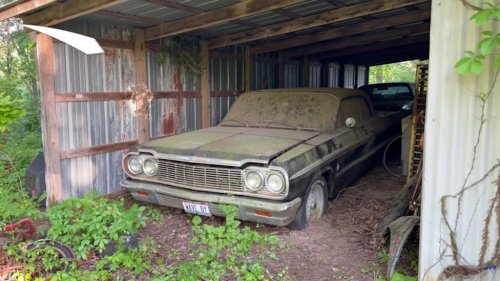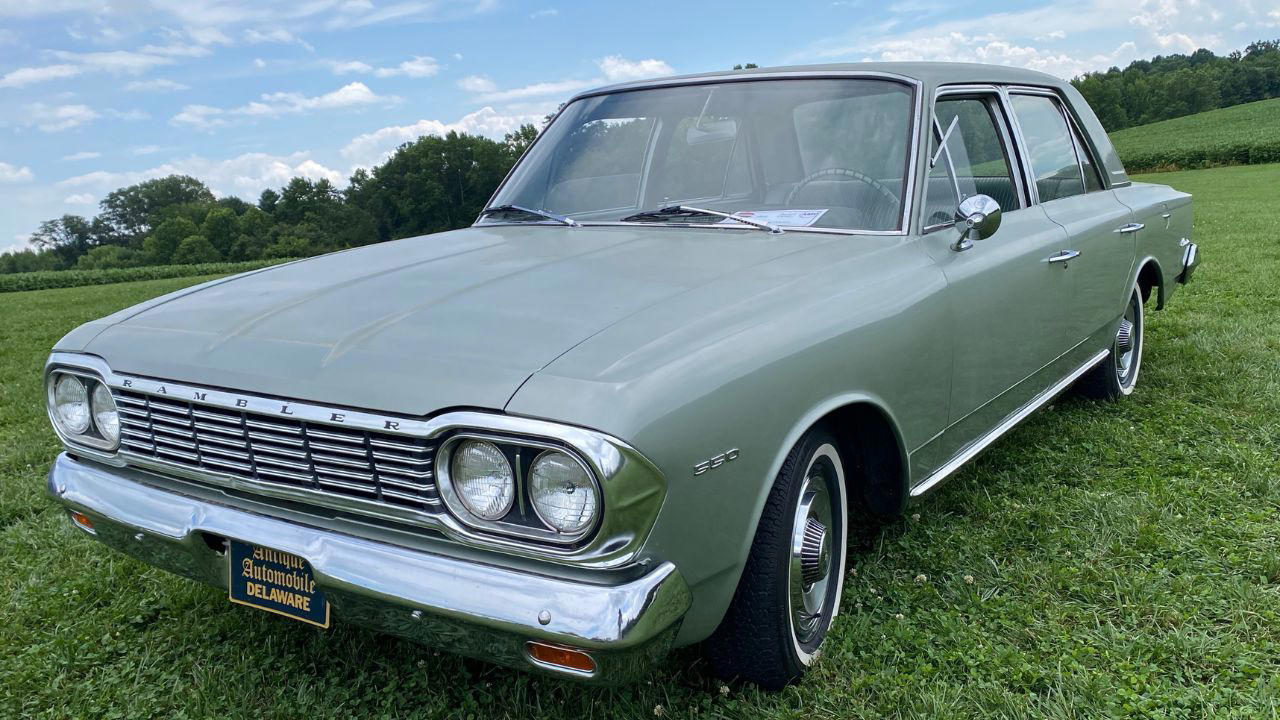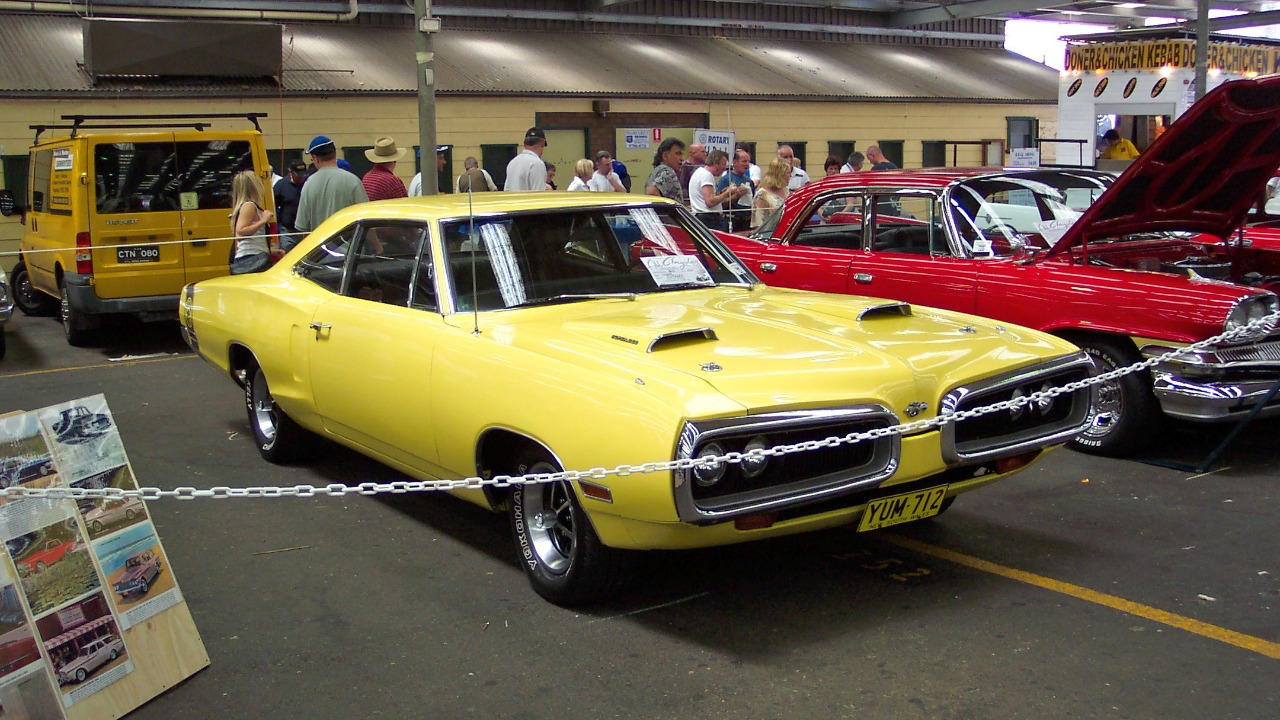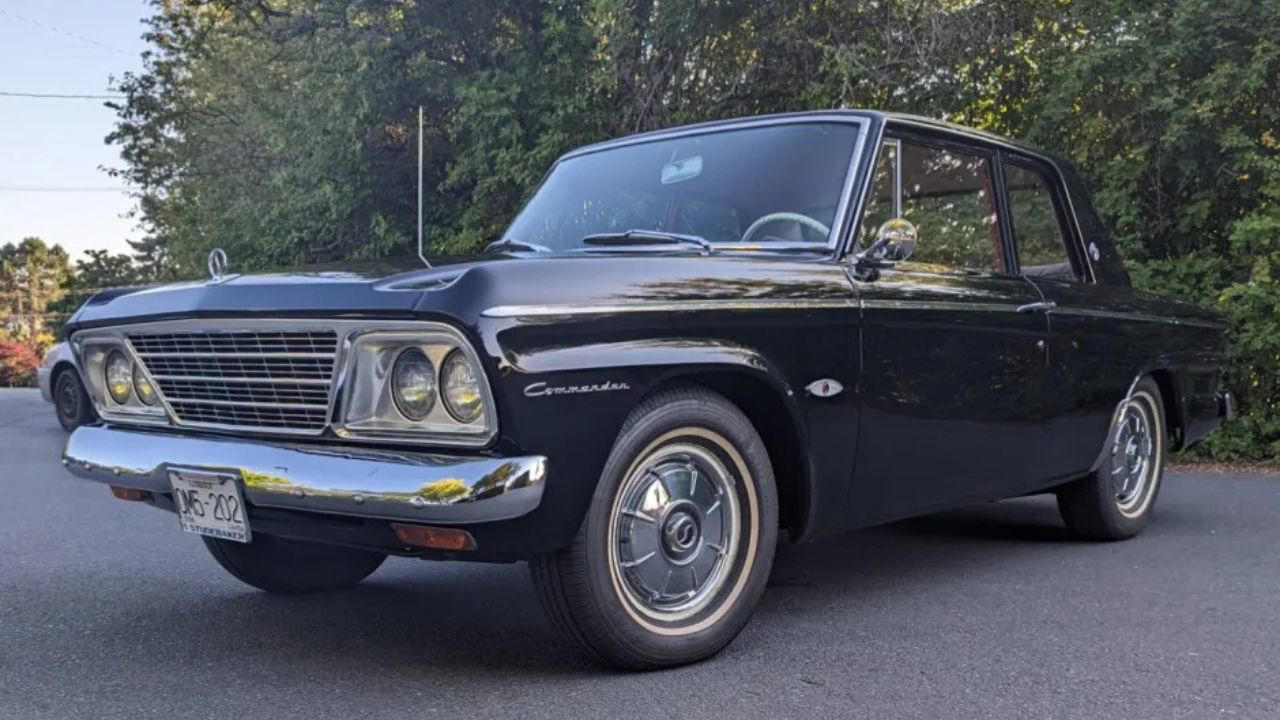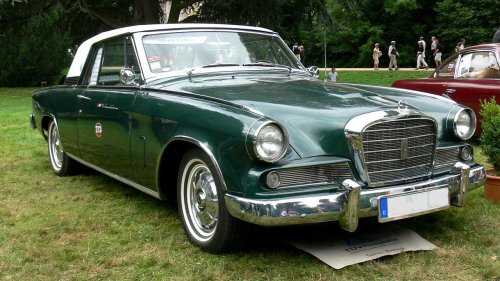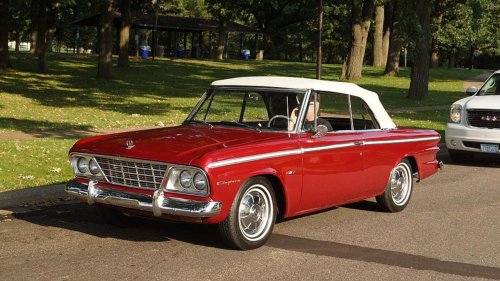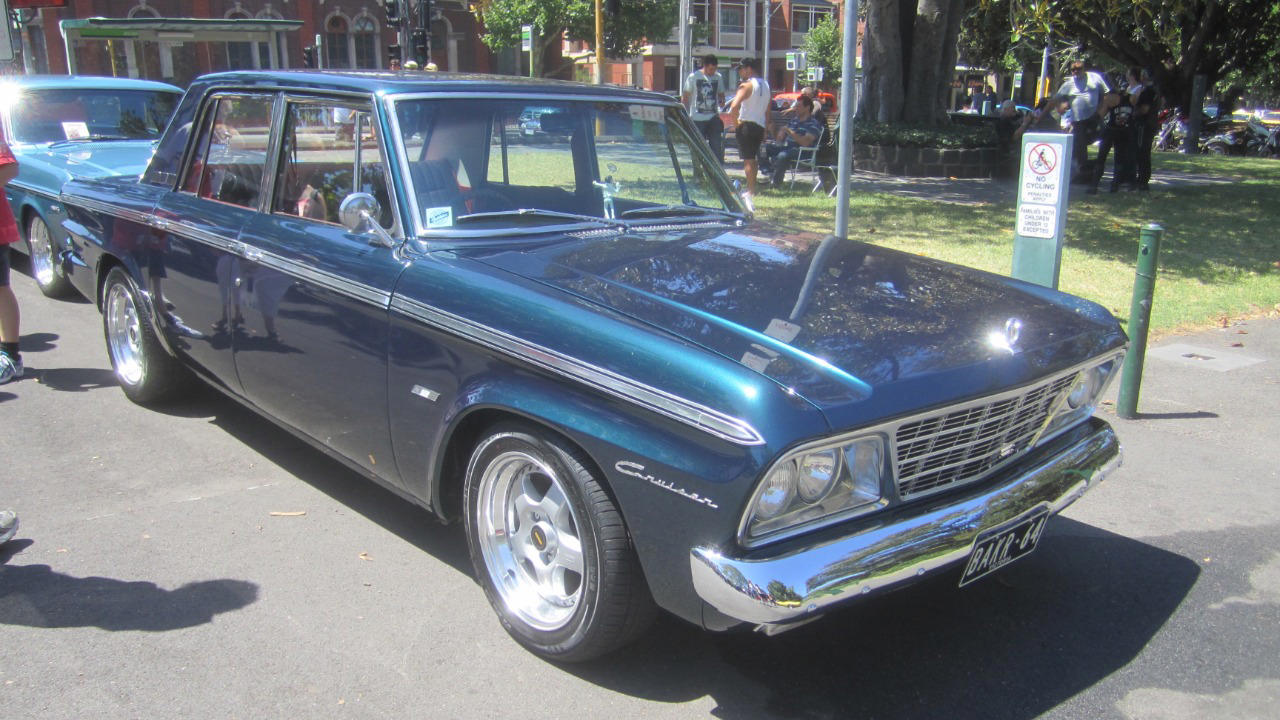



















The 1964 Studebaker Cruiser wears the polite, upright look of a midcentury family sedan, yet mechanics say that under the chrome and cloth lurk problems that may surface only after weeks or months of careful inspection. Age, patchwork repairs and long periods of storage all conspire to hide corrosion, tired components and intermittent faults that will not show up on a quick test drive. For buyers and new owners, that means treating a Cruiser as a long-term project rather than a straightforward used-car purchase. The car’s reputation for rugged engineering still stands, but the years have introduced traps that demand patience, methodical checks and a willingness to keep looking after the first round of fixes. Why mechanics treat a 1964 Cruiser as a slow reveal Veteran Studebaker specialists often describe the 1964 Cruiser as honest but not transparent. Structurally it shares a frame and many components with other Studebaker models, yet six decades of weather and storage conditions create wildly different starting points. A car that looks solid in photos can arrive with hidden rust in the frame rails, marginal brakes and ignition parts that only fail once fully warmed up. Enthusiasts who work on multiple Studebaker platforms, including the later Studebaker Commander sedans, see the same pattern. In one detailed walkaround of a neighbor Steve’s 1966 Studebaker Commander, the presenter points out how even a seemingly clean car can surprise its owner once the Sun hits the sheet metal and reveals uneven paint and subtle waviness that hint at past repairs. The Cruiser sits in that same risk zone, where cosmetic tidiness can mask structural fatigue. Owners on marque forums still praise Studebaker reliability from period experience, with some describing the V8 as especially rugged and comparable to or better than other contemporary cars. Those comments, however, usually refer to vehicles that were relatively young. A Cruiser that has lived through 1960s road salt, 1980s storage and 2000s amateur fixes will not behave like a two-year-old family sedan from Jul of its original era. Frames, rust and the danger below the carpet Hidden frame issues sit at the top of every mechanic’s worry list for a 1964 Cruiser. The car’s body-on-frame construction is strong when intact, but it also allows corrosion to progress quietly under undercoating, trunk mats and carpet. By the time a buyer sees a bubble in the rocker panel, the metal inside the frame rail may already be thinning. Frame specialists often use the same basic process they apply to other 1960s cars. Tutorials on how to inspect a vehicle’s frame for rust, such as one produced by an Aug Ford DIYers channel, show how to tap along the rails, probe suspect spots with a pick and look for swelling at body mounts. The techniques translate directly to a Cruiser, where rust often starts at the rear kick-up, the front crossmember and the areas around suspension mounts. Professional shops that repair severely corroded frames on cars like the 1964 Corvette describe the work as a mix of vocational and artisanal metalworking. One detailed guide to saving a totally rusted 1964 Corvette frame notes that the process relies on careful measurement, bracing and replacement of entire sections with new steel, a technique that only a small number of specialists still practice. The same philosophy applies if a Cruiser’s frame proves too far gone: owners must decide whether to invest in extensive surgery or search for a better chassis. Studebaker hobbyists who have tackled frame swaps on related models, such as fitting a two-door Lark frame under an Avanti, describe how even within the same family of cars there are differences in length and mount locations. One detailed discussion of a 63 frame repair or replacement project explains that the Lark frame needed about 4 inches removed and additional changes to fit under an Avanti body. That level of modification hints at the complexity that can arise if a Cruiser’s frame is judged beyond repair and a donor chassis is considered. What quick inspections miss Most hidden trouble starts with a rushed pre-purchase look. General classic-car buying guides emphasize three early red flags: structural rust, poor previous repairs and incomplete paperwork. In one widely shared video, a presenter in Jun warns that classic cars are definitively cool but urges shoppers to check three things first and not fall for shiny paint alone. The 1964 Cruiser fits that warning perfectly, since its squared-off body hides seams and patches better than many curvier designs. Frame inspection tutorials aimed at everyday owners also stress that many repairs begin only after hidden damage is discovered. A step-by-step guide on how to check whether a frame is safe, produced by a channel that directs viewers to visit 1auto.com for parts, shows how to use a flashlight and pick to find soft spots and layered rust inside boxed sections. The same video, available at an Apr timestamp on frame inspection, underlines that most structural problems are invisible from a casual crouch beside the car. For a Cruiser, that means a proper inspection often involves removing interior trim, pulling back trunk liners and even unbolting some body mounts to see what is happening inside. Mechanics report that some of the most alarming discoveries, such as crushed body mounts or flaking inner rails, only appear after a new owner has already committed to the car. Mechanical fatigue that hides in plain sight Even when the frame checks out, aging mechanical parts on a 1964 Cruiser can hide their condition until the car is driven regularly. Rubber components flatten and crack, internal seals harden and metal parts wear in ways that are not obvious on a short test drive. One recent discussion in a Studebaker owners group followed a question about whether to rebuild or replace a 1964 Studebaker engine. The owner mentioned that the motor mounts are certainly worn and squished and that new ones were waiting to be installed. Another member, identified as Ross Rither the, suggested checking for a pressure port and evaluating whether the existing engine justified a full rebuild. That exchange, captured in a post about whether to rebuild or replace a 1964 Studebaker, shows how even basic supports like motor mounts can be so tired that they change how the car feels, yet they often escape notice until the drivetrain is examined closely. The conversation appears in a thread accessible through Ross Rither the. Brake systems are another area where hidden age matters more than mileage. A long-standing checklist for new Studebaker owners advises that when replacing the brake linings, they should also replace the hydraulic cylinder seals and cups and wash all the cylinder parts in alcohol. That guidance, in a document titled Things To Do After You Bought That Studebaker, highlights how internal rubber parts can fail even if the car has not been driven much. A Cruiser that stops straight on a short test drive may still have wheel cylinders full of sludge or seals ready to leak under repeated hard braking. Electrical gremlins and heat-sensitive failures Ignition and charging issues on a 1964 Cruiser often behave well just long enough to mislead a buyer. Coils, condensers and wiring harnesses can function when cold, then break down as temperatures rise. Intermittent stalling is a common complaint in Studebaker circles, and owners sometimes spend weeks chasing it. One Studebaker driver described a car that would run for a few minutes, stall, then restart after cooling. The advice in that discussion was simple: Check coil also had car, coil got hot quit running, cool down start again, run till coil got hot. Coil tested good when cold. Loo. The shorthand story, preserved in a thread on why a Studebaker car stalls after a few minutes of running, shows how deceptive basic tests can be. The coil passed bench checks at room temperature yet failed under heat. That scenario is documented in a Facebook group post that includes the phrases Check, Coil and Loo and can be found through Check coil also. For a Cruiser, that means a pre-purchase inspection ideally includes a long drive at highway speed, followed by a heat soak and restart test. Mechanics also recommend checking the condition of the wiring harness, especially near the engine where insulation can become brittle. Old splices and non-factory connectors often point to past electrical problems that might return. How hidden issues emerge over time The pattern that frustrates many new Cruiser owners is not catastrophic failure on day one, but a steady drip of discoveries. A car that seems fine on the trailer home may reveal a soft spot in the trunk floor the first time it is washed. A vibration might appear only after the new tires are balanced, leading back to those squished motor mounts. A brake pull may show up once the car is driven on a crowned road rather than a flat parking lot. Owners of related Studebaker models share similar stories. In the video featuring Steve’s 1966 Studebaker Commander, the host mentions how small issues multiplied once the car was put back into regular use, from minor leaks to rear suspension quirks. The presence of the Sun in that clip, unusual for the often overcast region being filmed, almost becomes a metaphor for the sudden clarity that daily driving brings to a long-dormant classic. Online communities dedicated to Studebaker history and models, including groups where Jacob Newkirk and Bruno Molon That discuss long-term contracts and engine changes, provide context that the underlying engineering was sound. One thread on Studebaker cars explains that misconceptions about certain engines arise from contract obligations rather than inherent weakness. That perspective helps explain why so many Cruisers survive at all, even if they now need careful recommissioning. Brakes, steering and the safety checklist Safety-critical systems on a 1964 Cruiser demand more than a cursory glance. The original drum brakes can perform well if fully rebuilt, but partial fixes often hide trouble. The Studebaker checklist that advises replacing hydraulic cylinder seals and cups and washing all parts in alcohol effectively calls for a complete overhaul rather than spot repairs. Mechanics echo that approach, preferring to rebuild all four corners and the master cylinder in one campaign. Steering components also age quietly. Tie-rod ends, idler arms and steering box internals can develop play that only shows up on rough roads. General frame and suspension inspection videos, such as the one that directs viewers to visit 1auto.com for quality auto parts, stress checking for looseness at every joint and watching for cracked rubber bushings. The same procedure applies to a Cruiser, where worn suspension parts can mimic frame problems if not diagnosed correctly. Some owners choose to upgrade to dual-circuit master cylinders or front disc brakes for added safety. Others keep the car original but replace every rubber hose and steel line. In both cases, the key is to assume that unseen components are at the end of their service life unless proven otherwise. More from Fast Lane Only Unboxing the WWII Jeep in a Crate 15 rare Chevys collectors are quietly buying 10 underrated V8s still worth hunting down Police notice this before you even roll window down The post Mechanics warn the 1964 Studebaker Cruiser can hide issues that take time to uncover appeared first on FAST LANE ONLY.