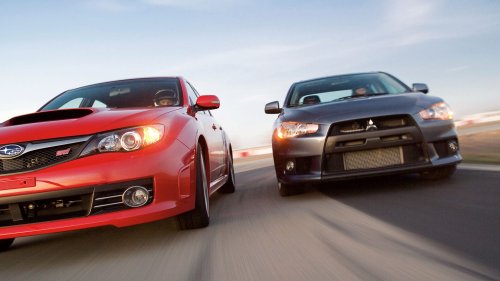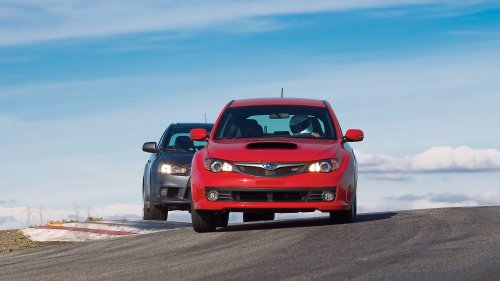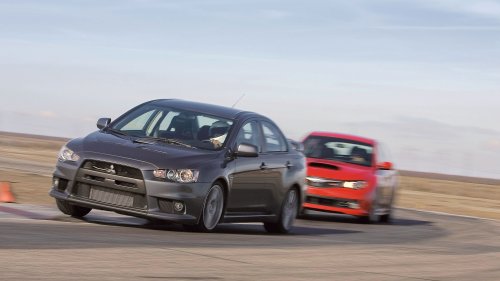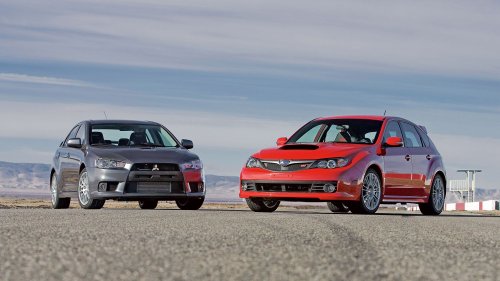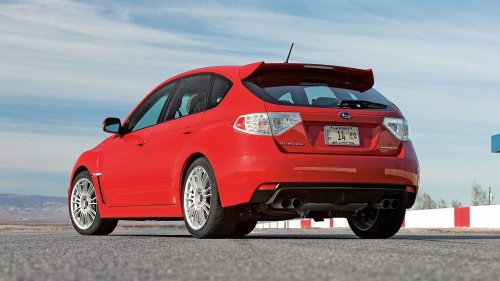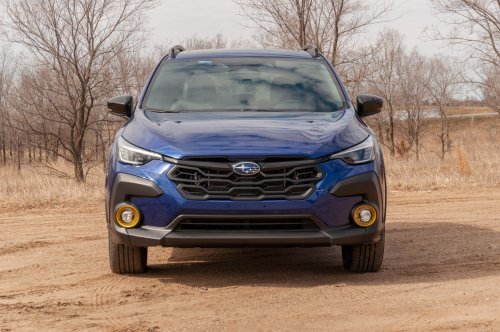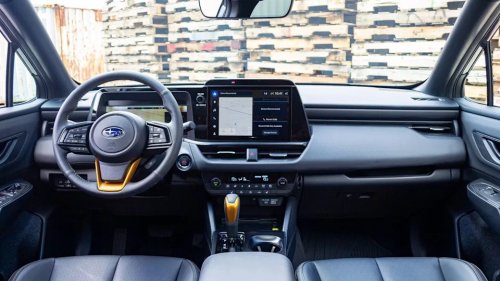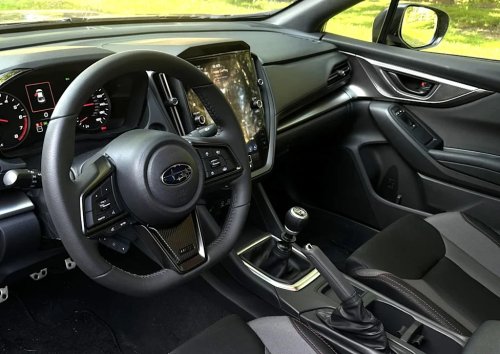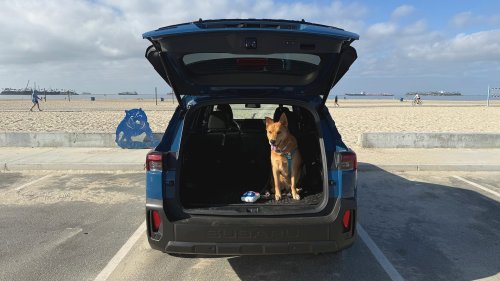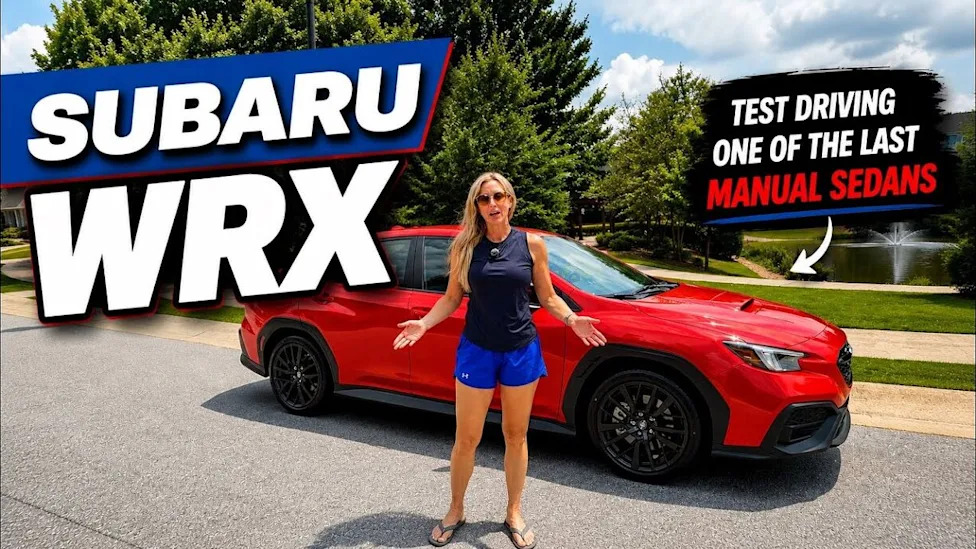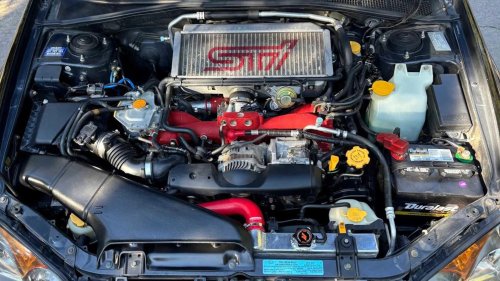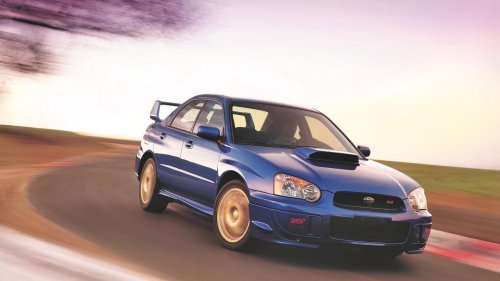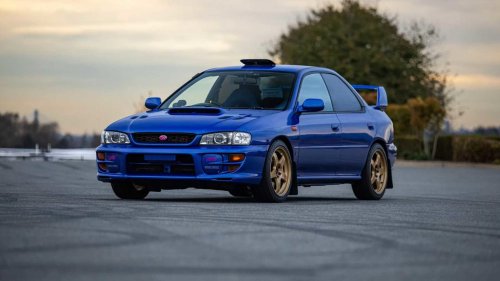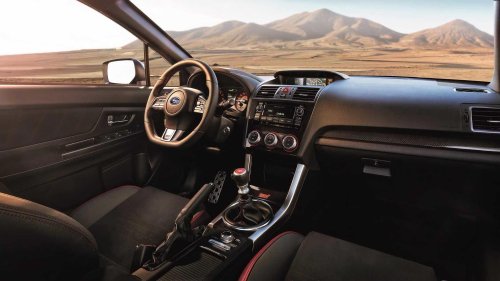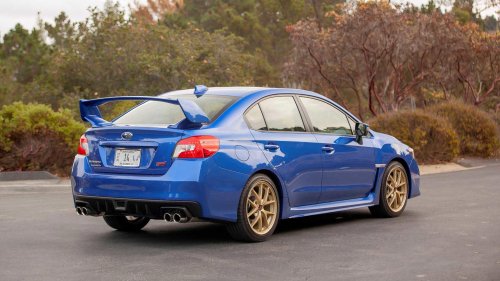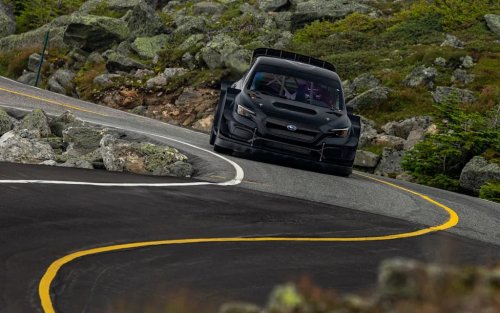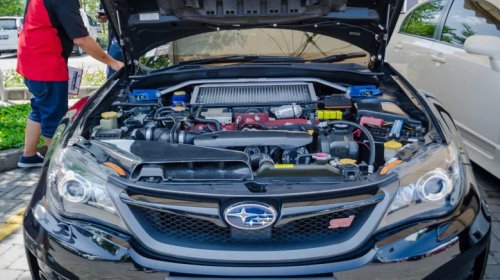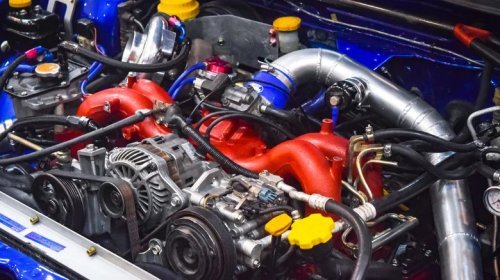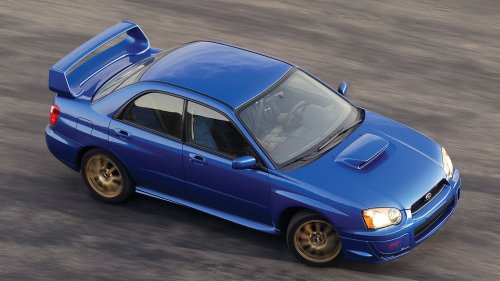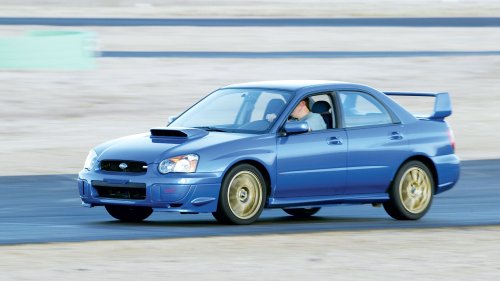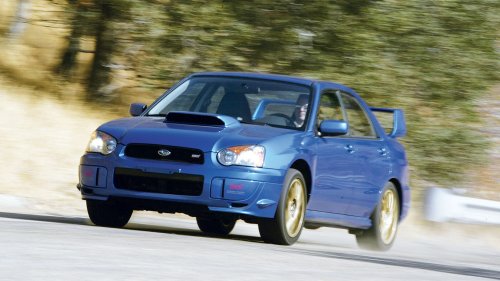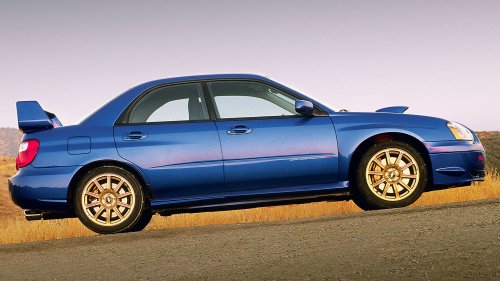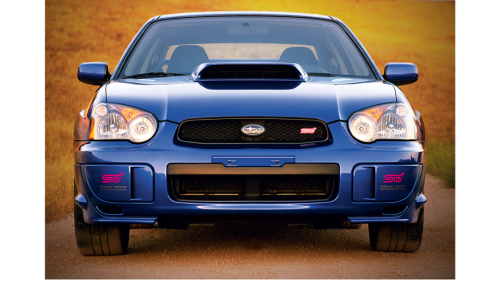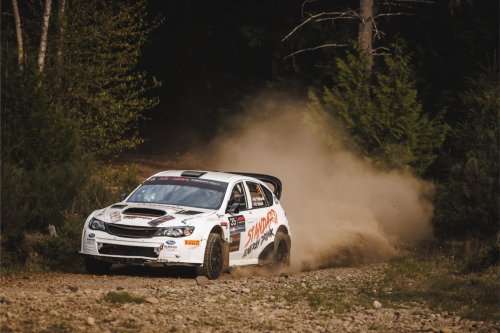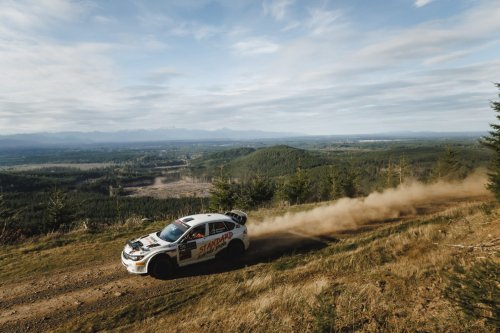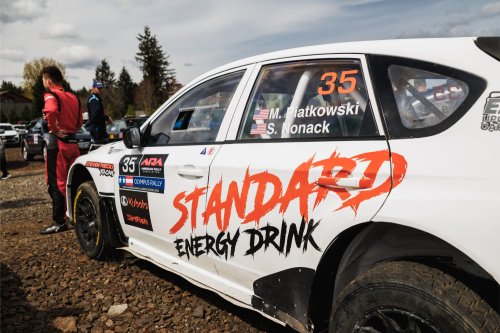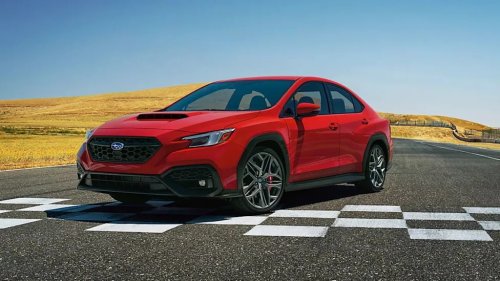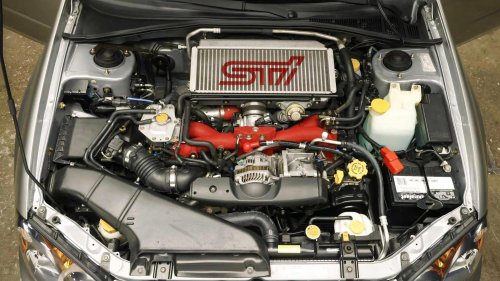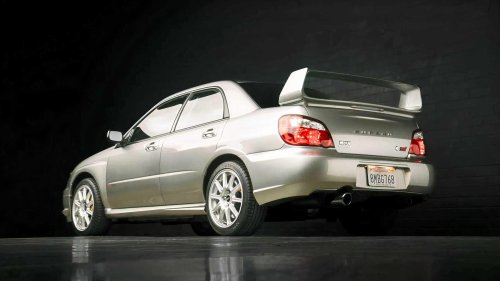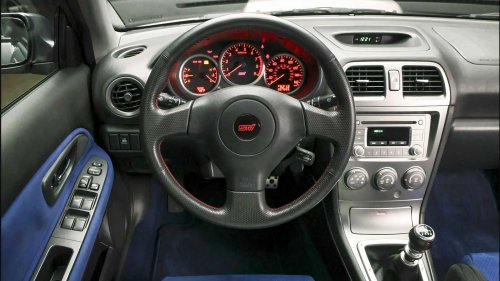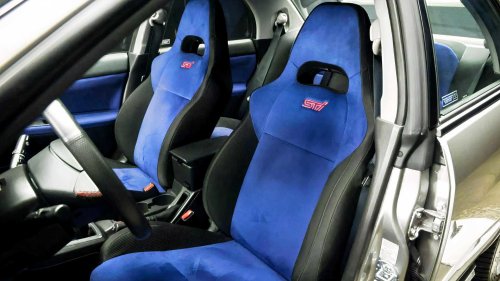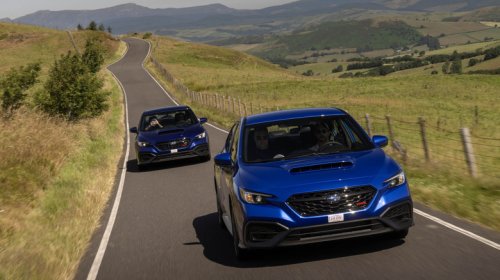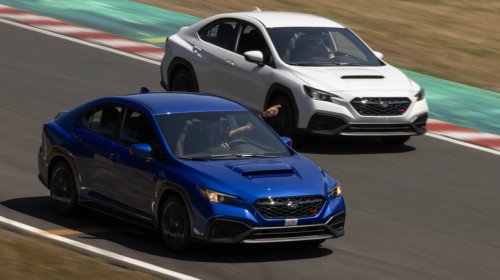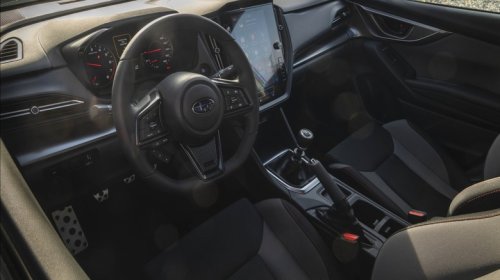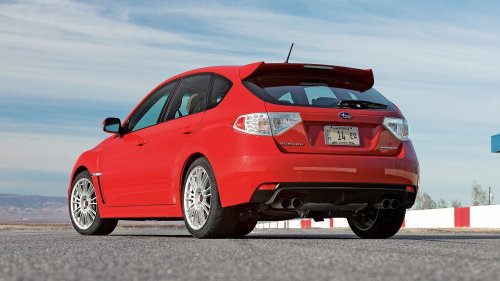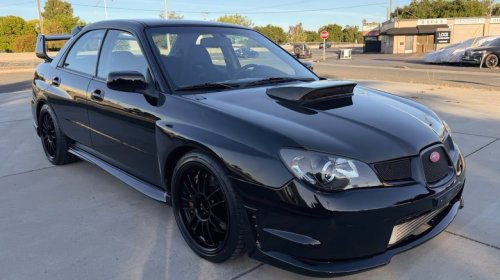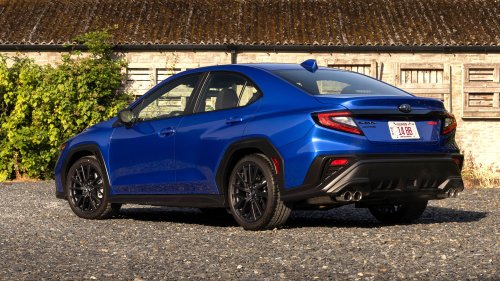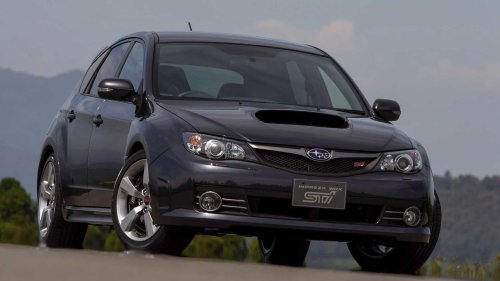
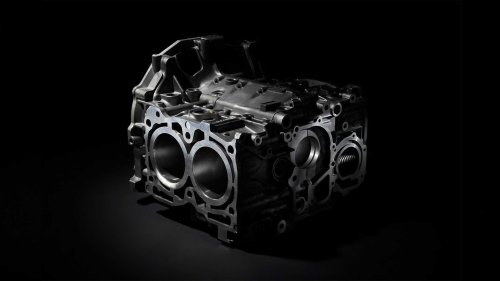
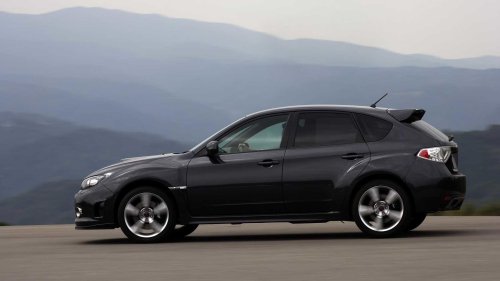
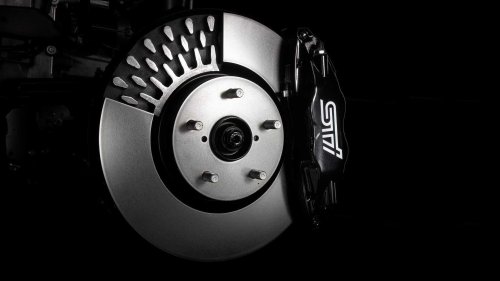
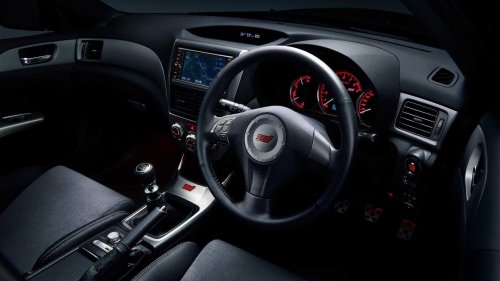
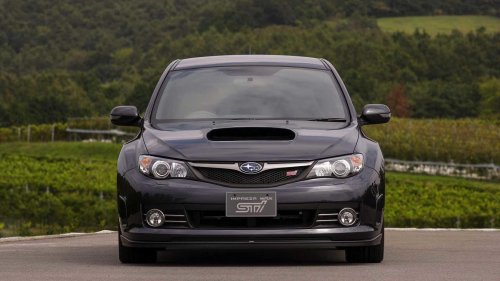
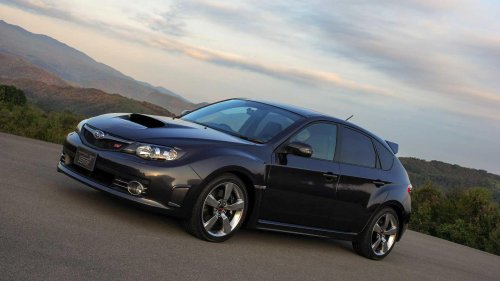



















Your author hates to admit this, but he’s of an age where the midlife crisis could kick in any day now. Nothing as clichéd as an aggressive gym membership, a salacious tattoo, and/or comical levels of Botox, of course. But a second-hand sports car that’s ‘just for the weekend?’ Ah, now that is a very real possibility. But which to choose? The Lancia Delta Integrale has been on the bucket list for well over two decades now, and the EK3 Honda Civic Type-R, with its touring car-esque gear shifter, even longer than that. Then again, a 2008 BMW M5 Touring would be a more ‘practical’ choice…And then there’s the current front-runner: the third-generation Subaru Impreza WRX STI hatchback. What better vehicle is there in which to start the ‘man-child’ stage of life than a jacked-up, more lunatic version of your writer’s current daily driver? Even if said maniac was criticized when it was first launched, ironically, for being ‘too tame’… Huzzah! A Stick Shift And A Perky Four-Pot SubaruIn terms of drivetrains and propulsion, we’re off to a strong start. Yes, the GR-generation WRX STI (it wouldn’t lose the ‘Impreza’ name until 2014) shared essentially the same 2.5-liter turbocharged flat-four as the model it replaced, albeit one that was spruced up with new cylinder heads and a stiffer block, and now sat lower on the chassis. Granted, with 305-horsepower on tap, the new STI was only 12 hp more powerful than the outgoing generation. Torque, meanwhile, was unchanged at 290-pound feet, while the redline, egregiously, was actually 300 rpm lower than it had been the previous year at 6,700 rpm. Probably not what Subaru customers willing to fork over $35,640 – almost $1,500 more over the ’07 STI – would have expected in 2008.SubaruDespite all this, Subaru Tecnica International did much more than throw a few additional wild horses at the Impreza STI and call an early lunch. That 305 hp, after all, was 81 hp higher than that produced by the WRX one rung lower down the ladder, while torque, the majority of which was still sent to the rear wheels, was available much earlier than before. Combined with the single-scroll turbo, which now peaked almost 3 psi higher than it had done in 2007, the throttle response was now a lot snappier. To preserve the World Rally Championship pedigree Subaru had, justifiably, been milking for more than a decade at that point, the STI also came as standard with a six-speed manual gearbox. A Mixed Response To The Handling SubaruThat’s not to say though that the third-generation WRX STI didn’t generate its fair share of criticism. The ’08 STI, for example, was available exclusively as a hatchback until 2011. Trivial to this particular hot hatch enthusiast, but, to the STI elite, it was a spit in the face of one of the most celebrated sports sedans ever made. That the ’08 STI hatchback weighed close to 500 pounds more than the preceding sedan wasn’t too surprising, given the high-strength steel bracing around the A-pillars and tailgate. But again, this didn’t go down well with hardcore fans of the rally-bred, stripped-out STI that debuted in 1994.Among the ’08 STI’s biggest gripes, however, was the handling. It certainly wasn’t bad, of course. The ‘throw the nose in and stick the back end out’ approach that epitomized the previous two generations was still very much there, aided by truly massive Brembo brakes and much fatter tires (which could don larger, 18-inch BBS alloys for an additional $2,000). To draw a clearer distinction between the Impreza and its Mitsubishi Lancer EVO arch-rival, however, Subaru had done the unthinkable. It had made the STI soft.SubaruEr. Subaru had made it soft-er. The rear suspension, for example, featured newly-designed and highly-rigid double wishbones to minimize bodyroll, albeit with a less ruthless setup (driving down a rutted stretch of asphalt no longer forced your spine through your ear). The Recaro seats were impressively bolstered, but didn’t grip the body like they were trying to steal a kidney. Even the quick-ratio steering, designed for a sporty response, was considered a little lifeless.Mercifully, the STI still drove with the manic energy and deft touch expected of those initials. Throw in 19 cubic feet of cargo space for the dog and the weekly grocery haul – the trunk was now wider and deeper than on its predecessor – and this soft(er) Subaru seems just the ticket for this particular ‘man-child’ with a slightly bad back. Even if, for the STI elite, the new handling had thrown up several red flags. A Cabin That Won’t Age Well SubaruEven the most hardened of Subaru apologists, however, won’t argue that interior cabin quality is among the brand’s finest attributes. The ’08 refresh certainly looked the part, equipped as it was with aluminum pedals, push-start ignition, a leather-wrapped steering wheel, and just enough STI badges and cherry red lighting across the dashboard and three-gauge driver cluster to get the competitive blood pumping. The silver trim, however, was a notable downgrade over segment rivals Volkswagen, Honda and even Renault. So too were one-too-many hard plastic surfaces, and Alcantara seats that wouldn’t weather the sands of time all too well.Amidst this, you could easily miss the surprisingly subtle rotary dial and switchgear for – deep breath – the Driver’s Control Center Differential, the SUBARU Intelligent-Drive system, and the multi-mode Vehicle Dynamics Control. It’s as exhaustively complicated as you'd expect, but, in short, this gave the driver access to EIGHTY-THREE different configurations for the traction control, the throttle response, and the limited slip differential. And, this being the electronics in a mid-2000s Subaru, would almost certainly let you down at some point. THAT Subaru Face SubaruGranted, the ’08 STI didn’t have the first-generation’s sleek headlamps and bumper-mounted fog lights. Nor did it have the elegant boxy lines that made the second-gen STI a household name. And, yes, this hot hatch somehow looked bigger than either of them. But the muscular cosmetic surgery was definitely among the GR-generation’s strongest points (that internal code, incidentally, was a reference to the ’08 model’s wide body kit rather than a hat-tip to the Toyota GR Corolla it would rival 14 years later). Alongside the enormous hood scoop, the flared-out wheel arches, and the not-so-subtle tail-lip spoiler, customers could also fully load the WRX STI – including traditional Scoobie blue paint with gold rims – for just a shade under $40,000. Not cheap, but still competitive, certainly.It may not be the STI look. But it's a design that’s withstood the test of time incredibly well, and was so strong, Subaru barely touched it when a facelifted version was introduced for 2011. What A Second-Hand Example Will Set You Back Today SubaruPerhaps unsurprisingly, given the optional extras available, the range of second-hand models we’ve found currently available is vast. Indeed, prices for most of these start from a comparatively paltry $8,200 and rise to just a shade over $45,000 (there’s also a very clean, low-mileage outlier that’s priced at $55,500). Alongside 'Obsidian Black Pearl' and 'Aspen White,' there are plenty of BAT-tribute blue liveries to choose from too. Many of which include the optional Navigation/BBS Wheels Package that, oddly, threw in SatNav with the larger alloys and additional fog lamps for $1,800, brand-new.Things aren’t quite that straightforward, however. The WRX is catnip for JDM tuners, so a significant number of these pre-owned models have either been modified, or are full-blown project cars. How much power and torque these customized engines actually produce then, and indeed how thoroughly the tuning has been done, is a bit of a gamble. Not a problem you’ll have with factory stock examples, of course. But, bear in-mind, prices for the cheapest original example we could find jumped to $12,750, and for the post-2011 sedan, this was closer to $15,000. Mileage for both was close to, if not comfortably over, the six-figure mark as well. And, this being a WRX STI, those won’t have been easy-going miles either.The same story is just as true with older generations of the model, hence why genuinely honest examples now command serious money from so-minded enthusiasts. It's not unusual to see top examples trading for around $50,000, which pushes enthusiasts with more modest budgets toward these later cars. This is why right now might be the perfect time to jump behind the wheel of one, although, there is more than just the purchase price to consider here. The Issues That May Lie Underneath SubaruWhat you make up for with lower-than-expected depreciation, you may lose with oft-reported issues for this generation of WRX STI. According to independent publications like Consumer Reports and JD Power, the WRX STI was twice recalled for brake fluid leaks and brake line corrosion, while that turbocharged flat-four could often be sidelined by piston ring leaks, and, if not properly serviced, oil starvation. The six-speed manual was certainly robust enough, even if the aging clutch would start to slip. And don’t be too surprised if the cabin starts developing its unfair share of squeaks and rattles.Simply jumping into a GR-spec WRX STI as your midlife crisis mobile then could end up costing considerably more than the last new cheap sports cars in America. Indeed, for a ‘safe,’ practical pre-owned hot hatch, many would argue that the Type-R is the way to go. And yet, your writer is still torn. The ‘tame’ Subaru, for all its potential faults, has a pull. As strong today as it was when the GR first landed in 2008, and when the STI badge first took the world by storm in the 1990s. Even as a hatchback, it’s still the uncrowned king of the sports sedans. Turns out it’s cheaper than the gym membership and the Botox too.Source: Subaru