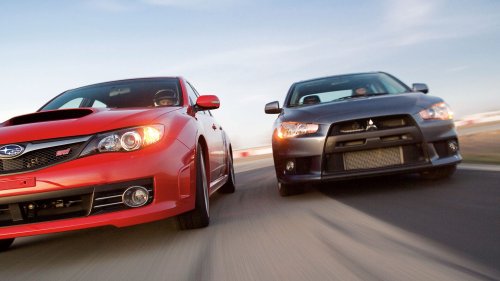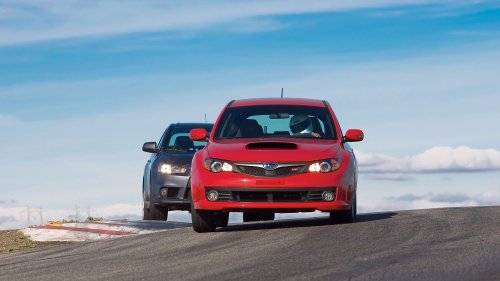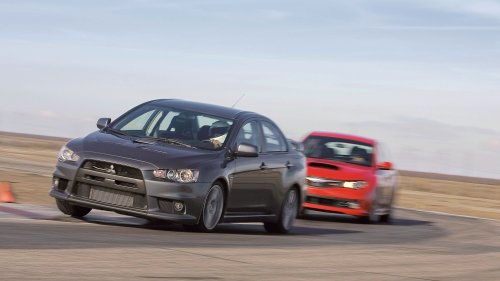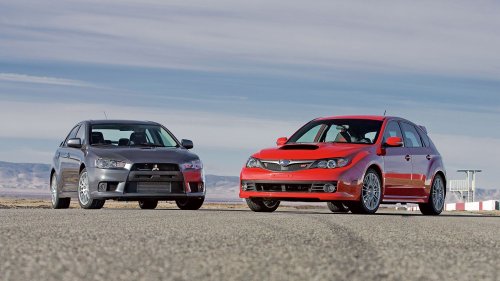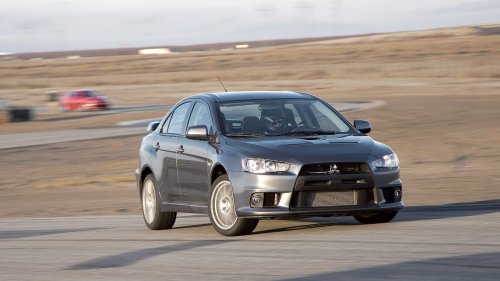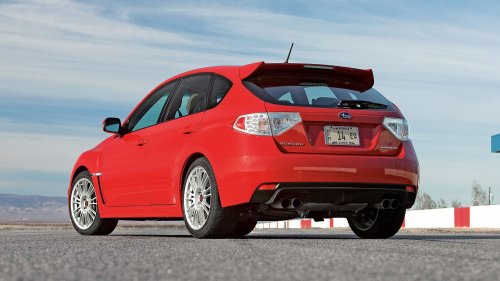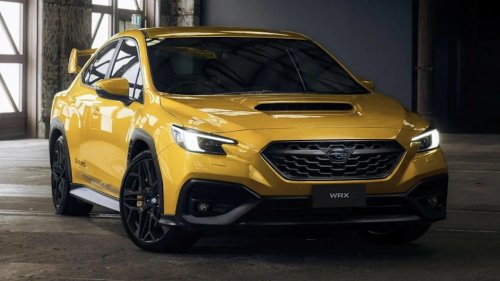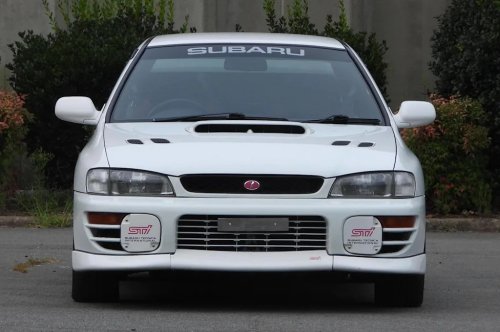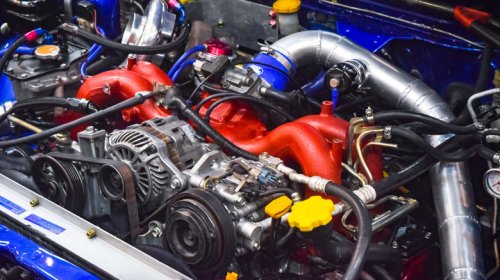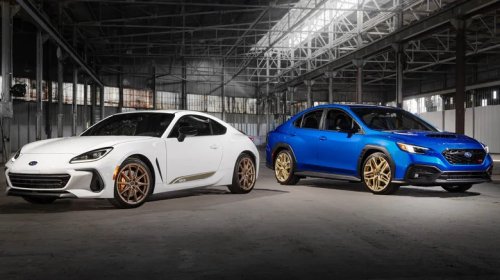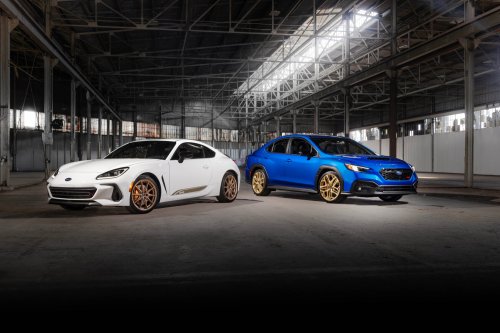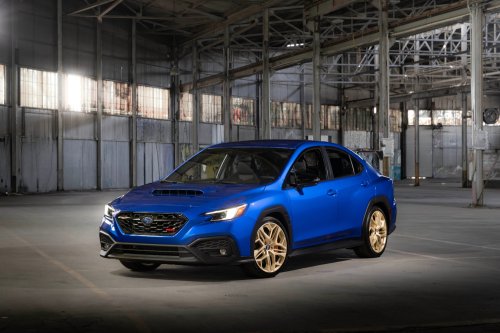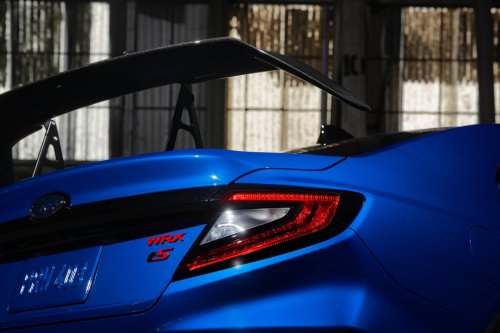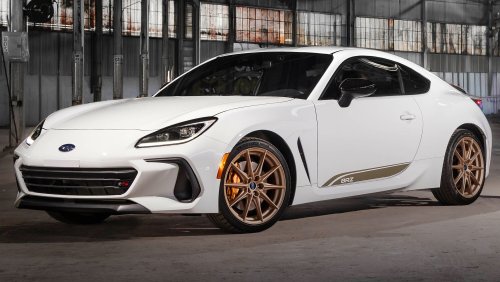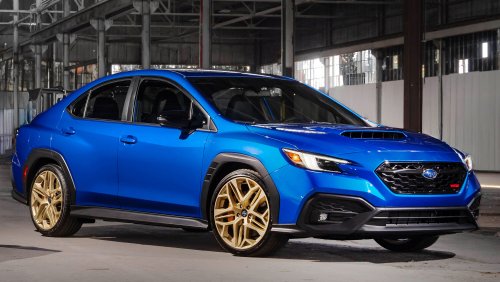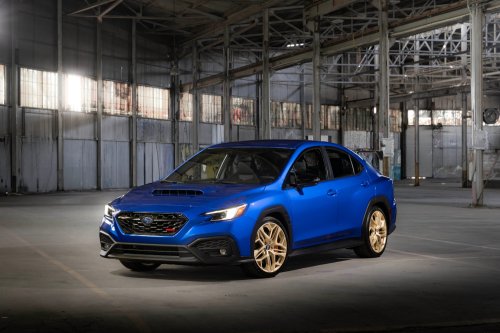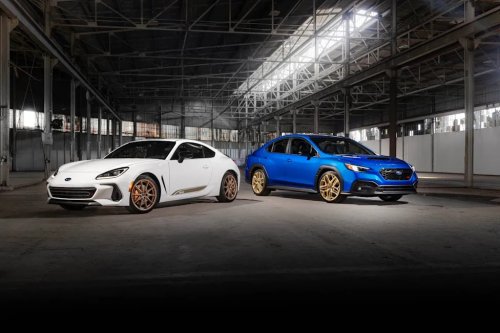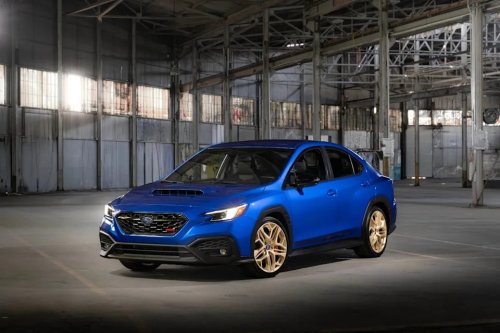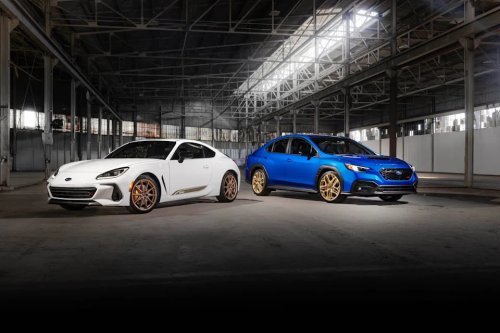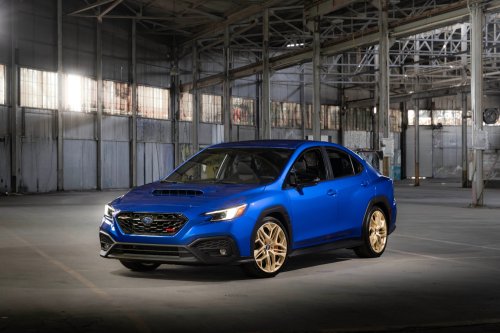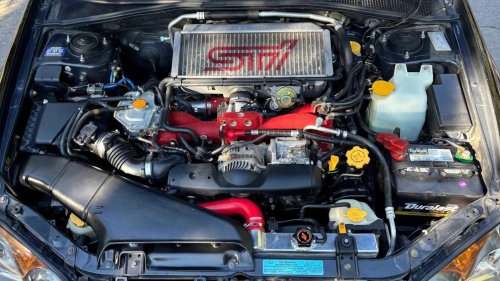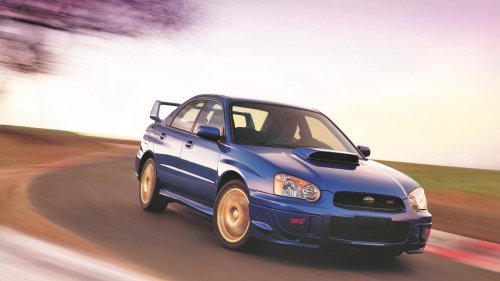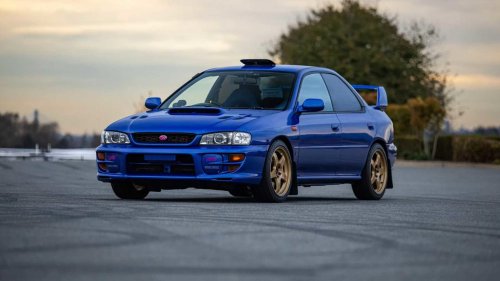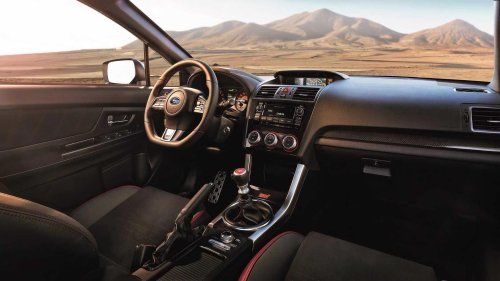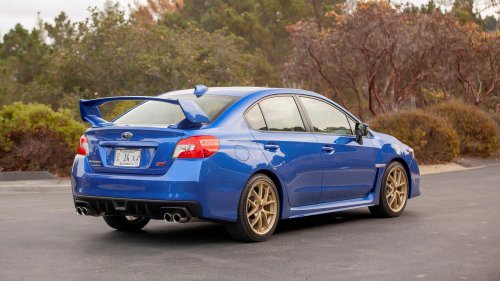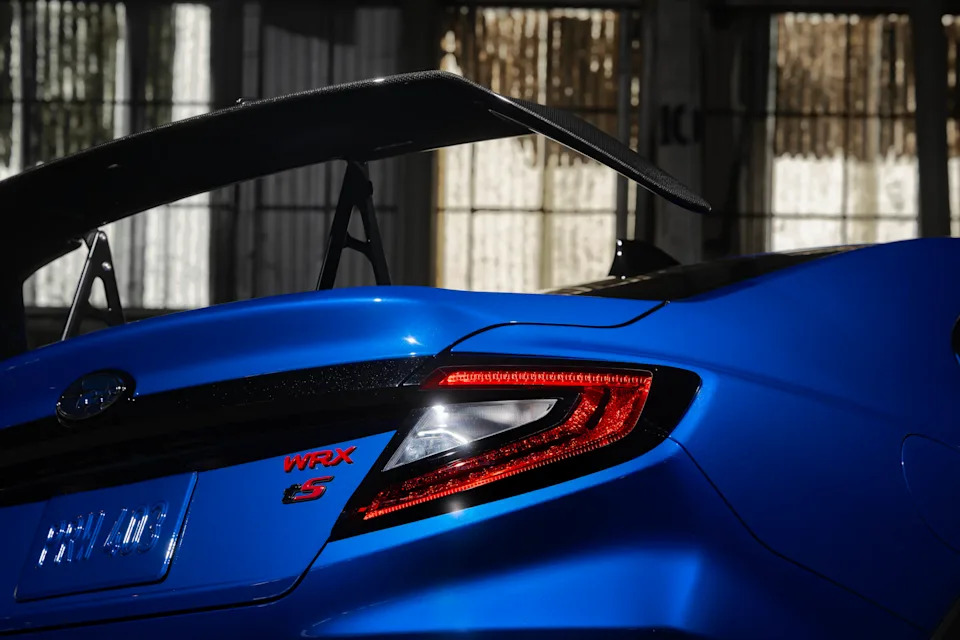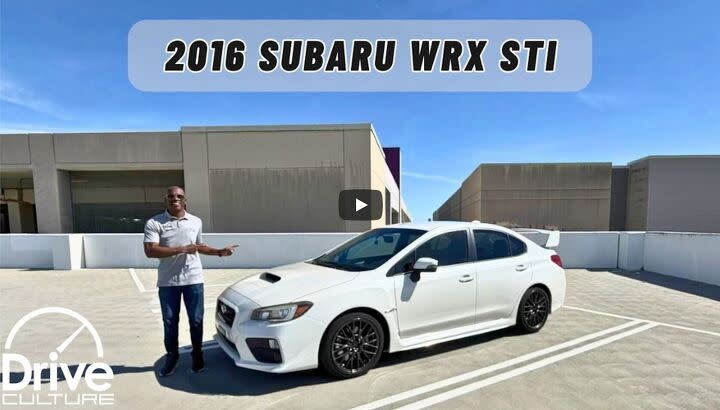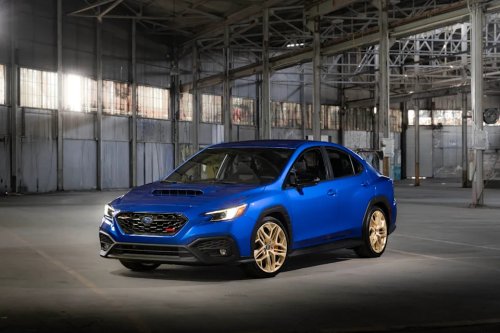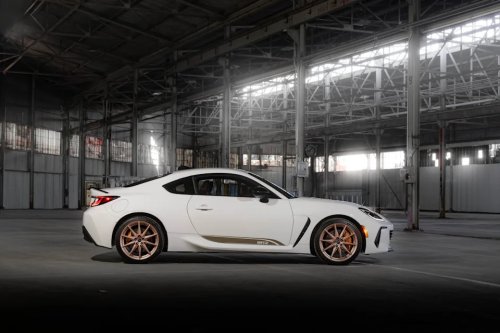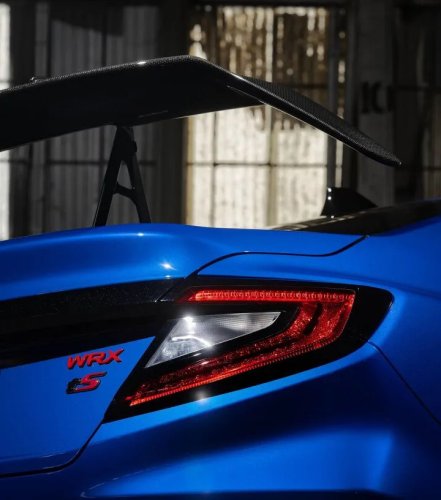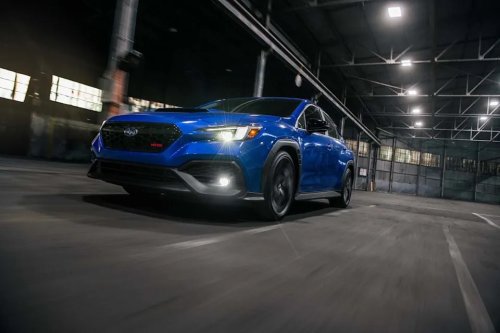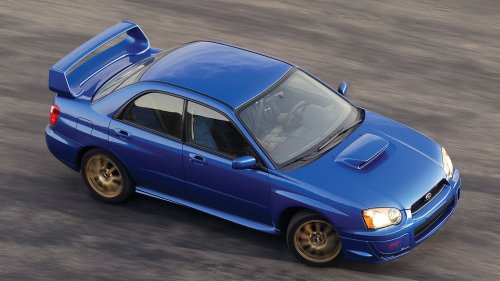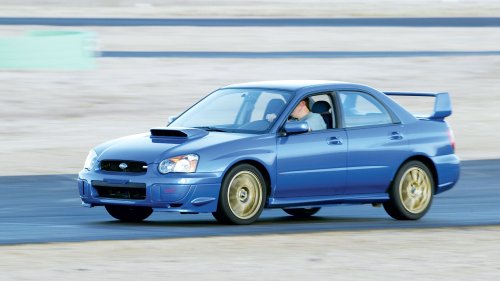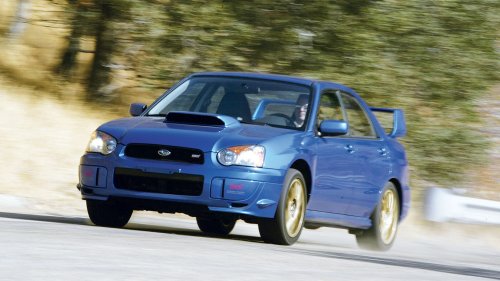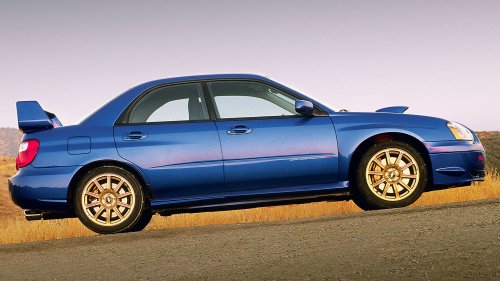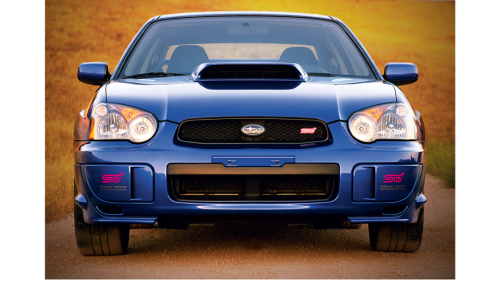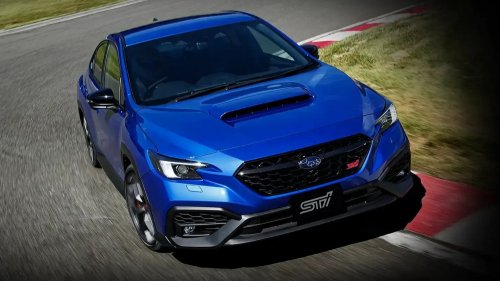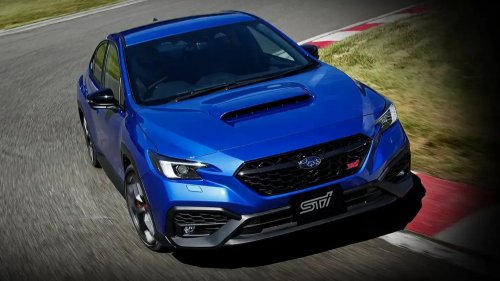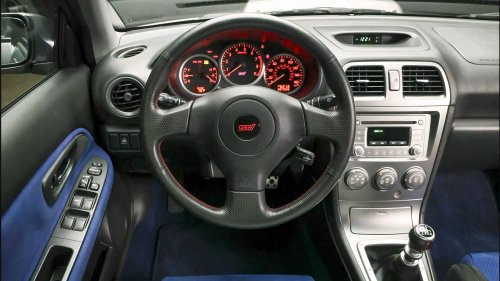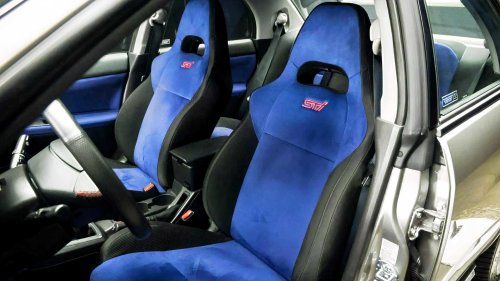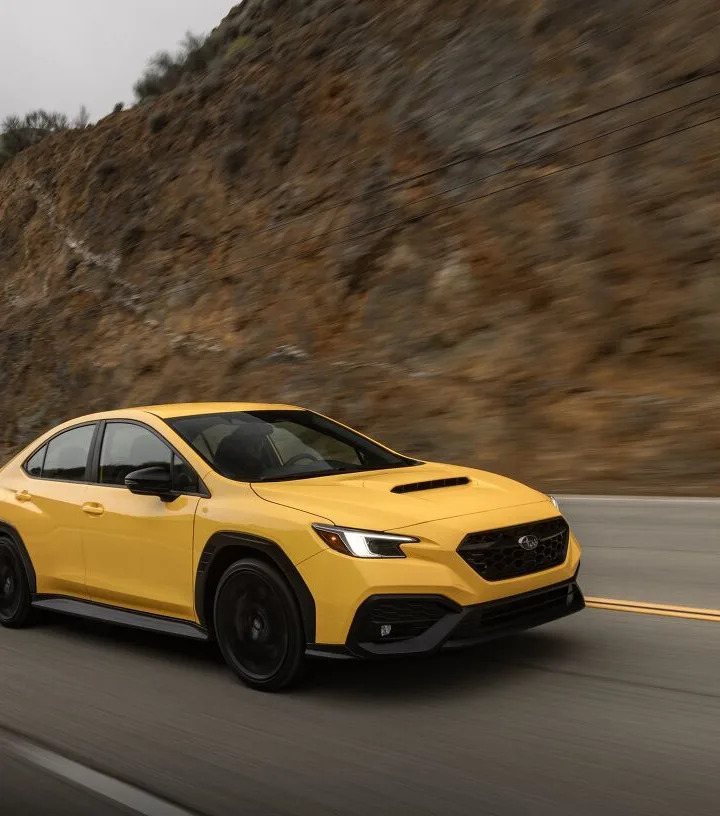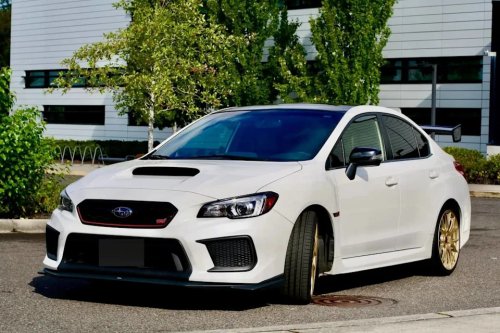


















Subaru WRX STI still delivers thrills that feel raw and mechanicalThe Subaru WRX STI occupies a shrinking niche in a market that increasingly favors quiet cabins, automatic transmissions, and filtered feedback. Yet for drivers who value sensation over polish, it still offers an experience that feels raw and mechanical in a way modern performance cars rarely do. Its appeal rests on how it communicates every input, every surface change, and every surge of boost directly to the person behind the wheel. Instead of chasing lap-time perfection through layers of software, the car leans on hardware and driver involvement. That approach creates a car that can feel demanding in daily use but rewarding on suitable roads, which is why enthusiasts continue to preserve the WRX STI. The mechanical heart and that unmistakable feel At the core of the WRX STI experience is its turbocharged boxer engine and symmetrical all-wheel-drive system, a pairing that prioritizes character as much as outright speed. The car is repeatedly described as having a distinctly old school personality, with a powertrain that invites the driver to work for its performance rather than serving it up effortlessly. Reviews of the 2020 model highlight how the engine, steering, and six-speed manual create an intentionally analog driving environment, with a firm clutch, notchy shifter, and a chassis that communicates tire feedback through the seat and steering wheel. That sense of mechanical honesty is not universally praised, but it is consistently recognized. A road test of the 2020 WRX STI notes its traditional feel in acceleration, handling, and ride, emphasizing how little it has been softened compared with newer rivals. That assessment is echoed in a separate review that points to the same car as feeling unapologetically young at heart while also being somewhat unrefined by current standards. Drivers who step out of more polished hot hatches often remark on the contrast, and a video comparison that places the STI alongside a Civic Type R underlines how the Subaru trades the Honda’s clinical precision for a more visceral, slightly rougher edge that some enthusiasts find more engaging over time. Steering, grip, and the hardware that lets drivers tune the car Beyond the engine, the WRX STI’s steering and all-wheel-drive hardware play a central role in its raw reputation. Owners of cars such as the 2019 STI repeatedly praise the steering as fantastic, describing a weighty, direct feel that encourages confident placement on a back road while also revealing imperfections in the surface beneath. That same feedback-rich character is paired with a chassis that resists roll and a suspension tune that can feel stiff on broken pavement, a trade-off some drivers of daily driven examples acknowledge in exchange for the way the car responds when pushed harder. The WRX STI uses a complex all-wheel-drive system that lets the driver adjust its behavior mid-corner. Its Driver Control Center Differential (DCCD) allows the driver to vary center differential lock, changing front-to-rear torque balance for different conditions. Settings such as Auto and Auto Active Sport shift torque rearward and adjust the center limited-slip differential, enhancing agility for drivers focused on spirited or motorsport-style driving. Community verdict: demanding, flawed, and addictive That hardware-heavy philosophy shapes how the WRX STI fits into daily life, and owners are candid about both its strengths and shortcomings. In a widely read discussion comparing WRX and STI models as daily drivers, one contributor summarizes the higher-spec car as being more about the all-around driving experience and performance, arguing that it has a lot to do with feel and handling rather than just straight-line speed. The same comment highlights how the STI delivers a signature rumble from its boxer engine that many owners consider part of the car’s identity, even if it means accepting more noise, vibration, and harshness than in a standard WRX or a rival hot hatch. Longer-term perspectives reinforce that duality. A three-year review of a 2019 STI points out that turbo lag is a real factor in how the car behaves at lower revs, and the owner describes how the power delivery requires planning and commitment when merging or overtaking. At the same time, that same reflection praises how the car feels planted at speed and singles out the steering as fantastic, illustrating how drivers often view the quirks as integral to the package rather than defects. Another owner in a separate group, identified in a thread that asks whether the WRX STI is a raw old school mechanical sports car, responds with an emphatic Yes and mentions the intention to buy another example with fewer miles to keep in a collection, calling these amazing cars in the process. Comments from enthusiasts, including Brooks Johnson and Matthew McFadden, illustrate the WRX STI’s enduring loyalty despite fuel costs, stricter emissions rules, and refined competitor alternatives. Why the WRX STI still matters in a changing performance world The broader performance market is moving toward electrification, dual-clutch gearboxes, and elaborate drive-mode software, which makes the WRX STI’s approach feel increasingly out of step yet also more distinctive. A comparison with the Mitsubishi EVO X describes the WRX STI as having raw, mechanical character, highlighting its EJ257 2.5-liter turbocharged boxer engine and the transmission of engine vibration and sound that other cars suppress. That assessment is consistent with first reactions pieces that describe Firing Up the Beast and focusing on Engine and Sound, where Turning the key or pressing the start button becomes a small event in itself rather than a muted prelude to a quiet commute. More from Fast Lane Only Unboxing the WWII Jeep in a Crate 15 rare Chevys collectors are quietly buying 10 underrated V8s still worth hunting down Police notice this before you even roll window down