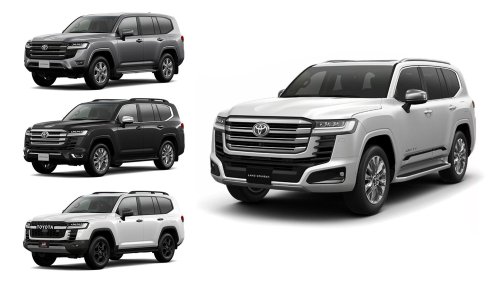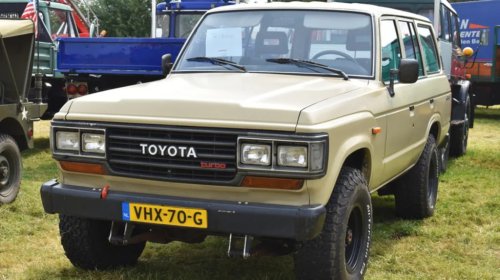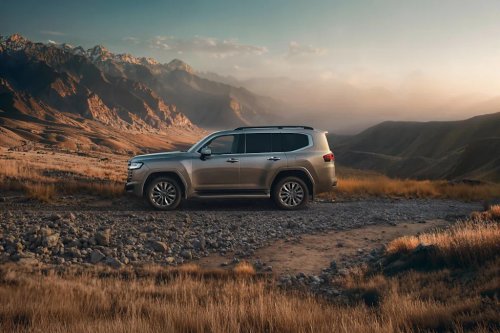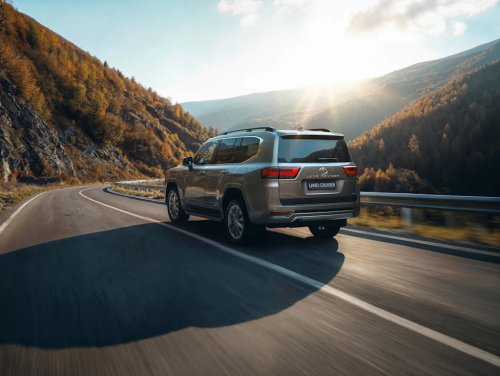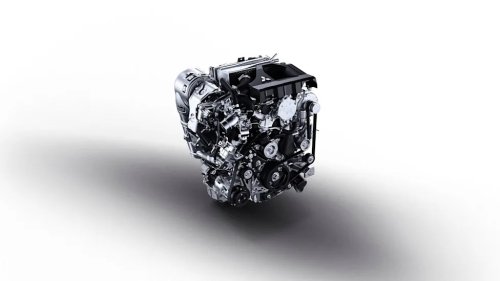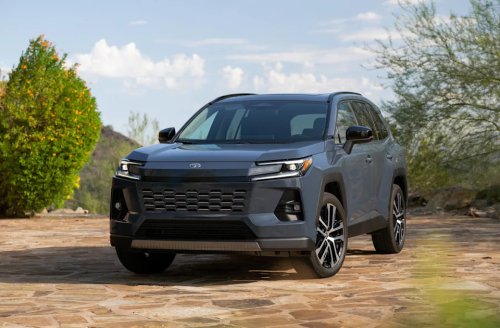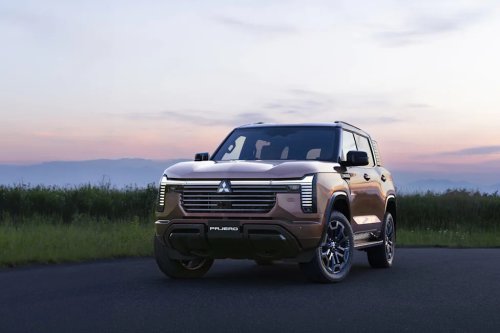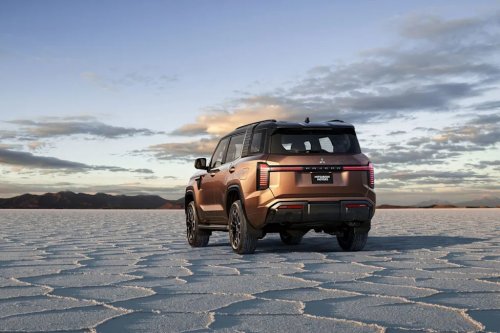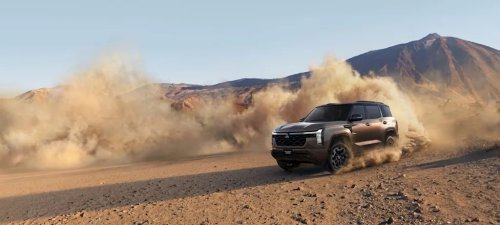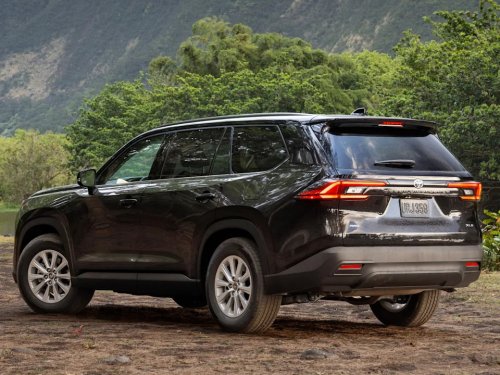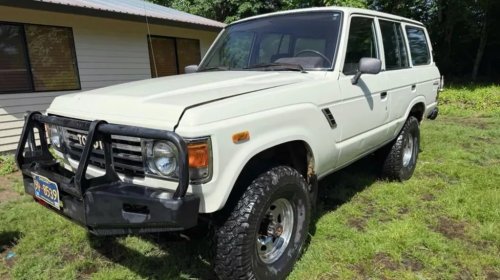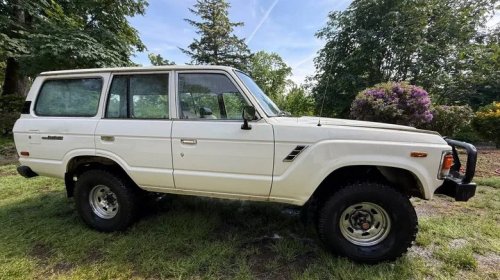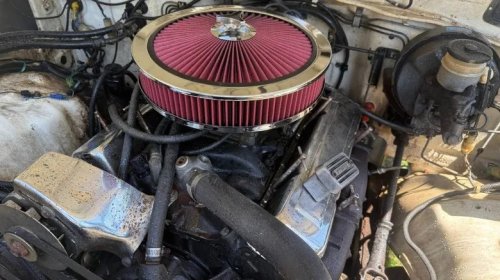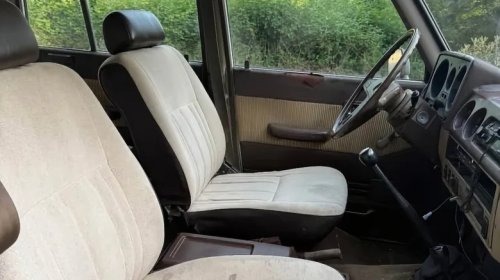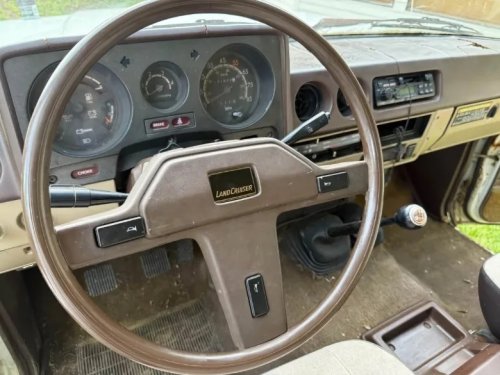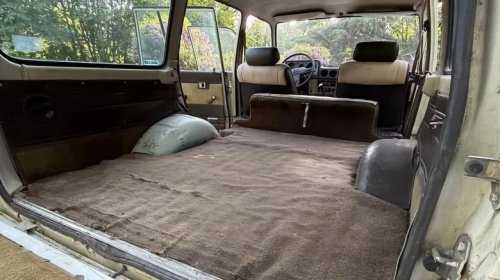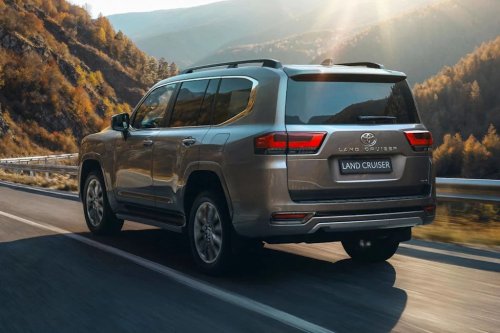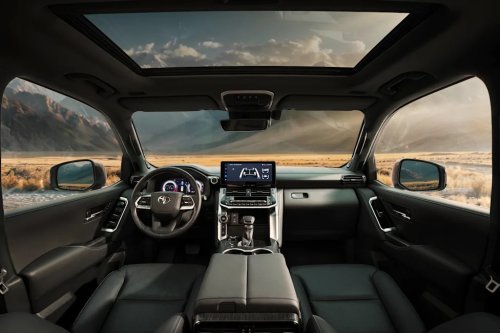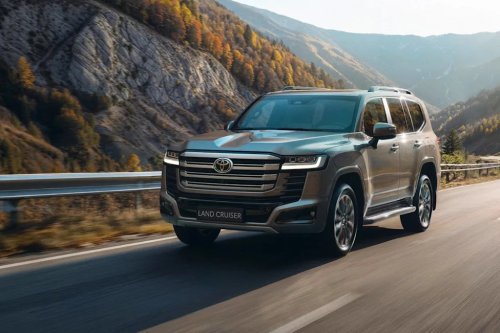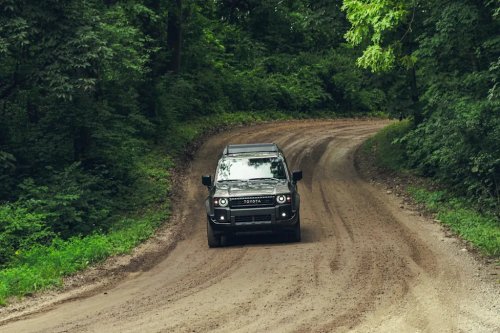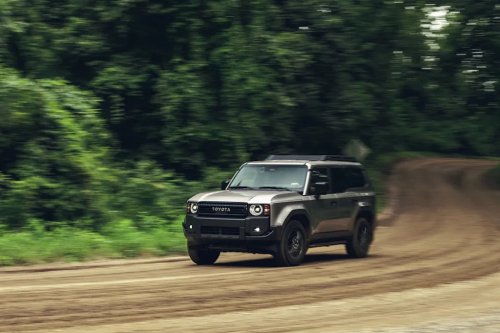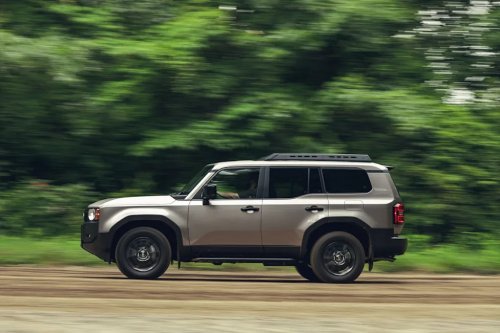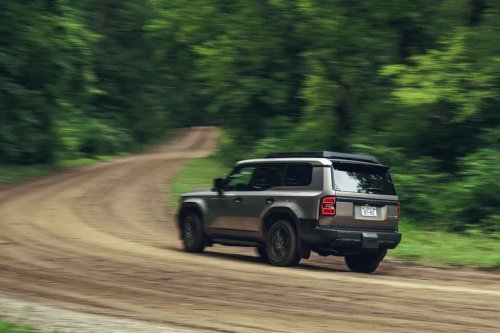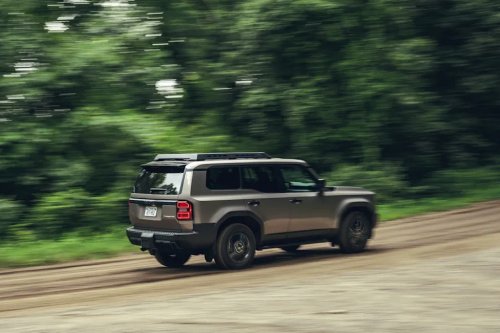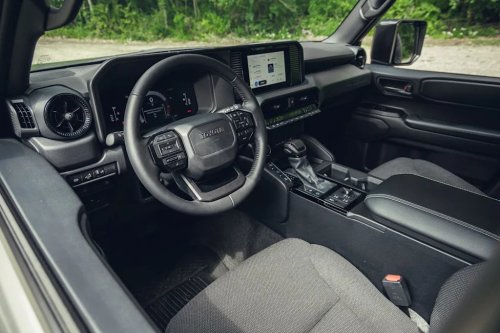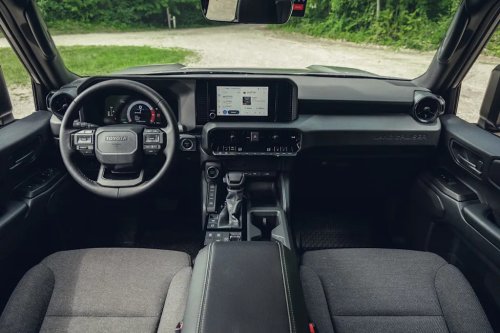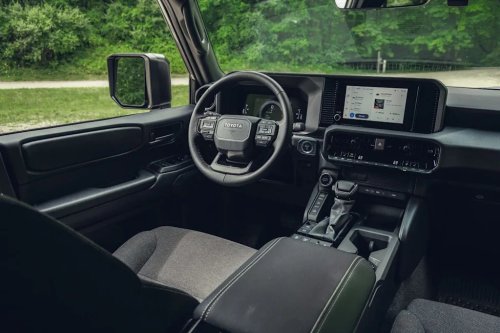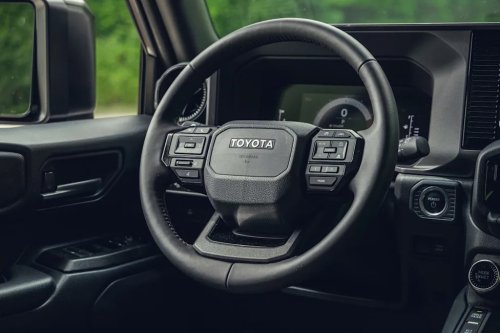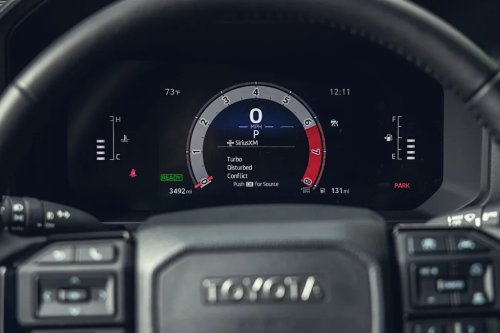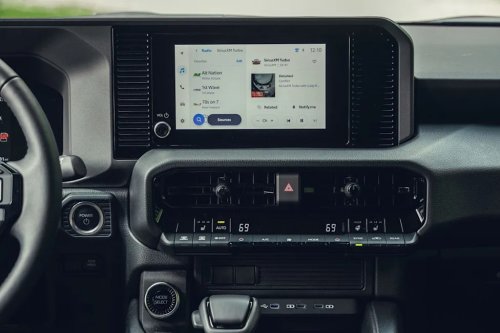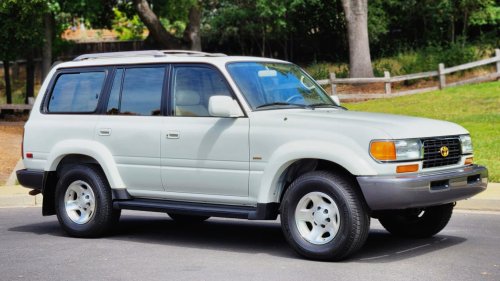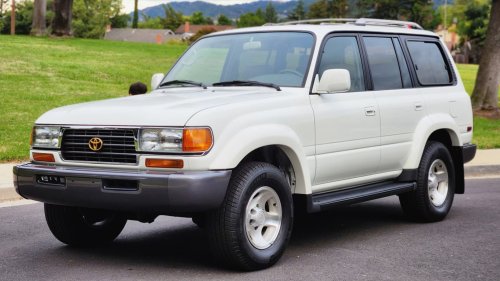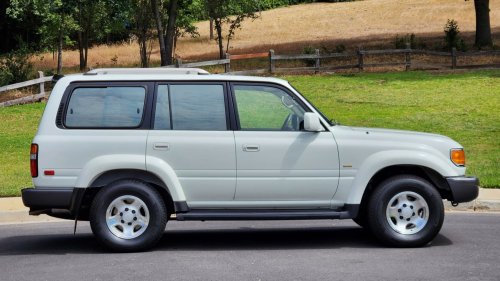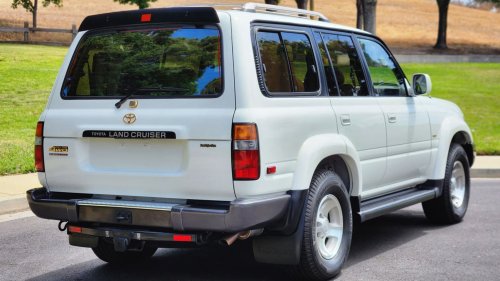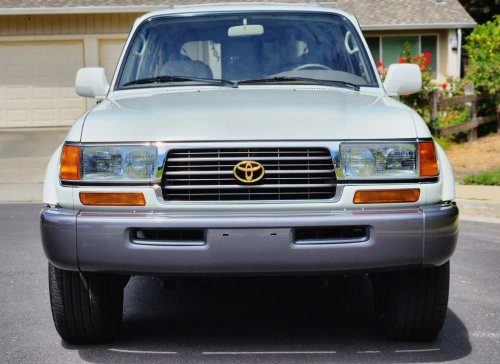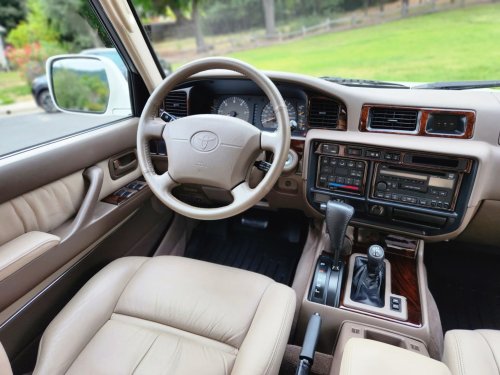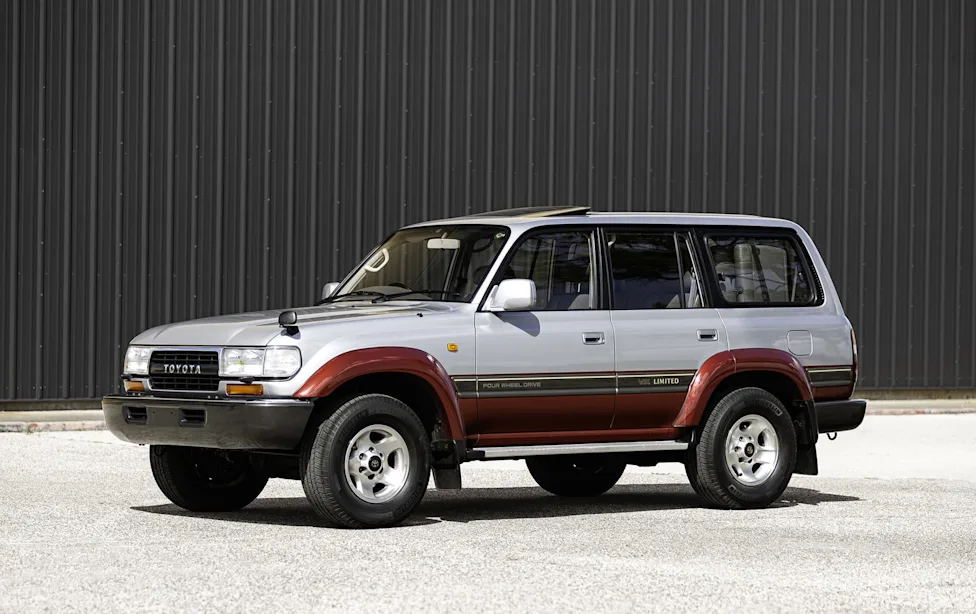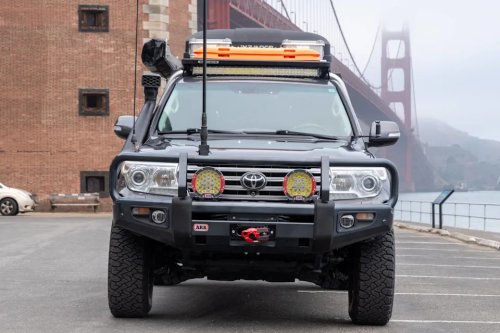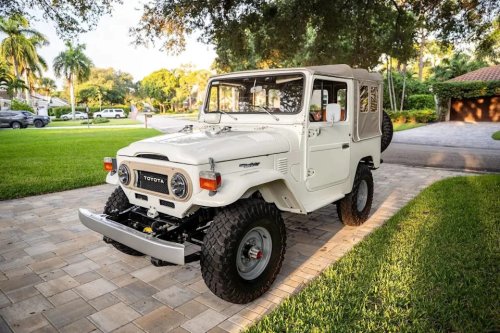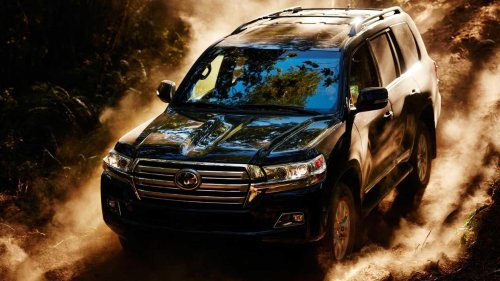
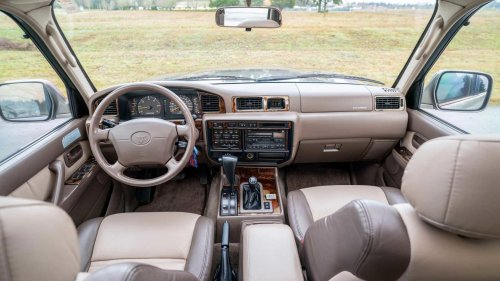
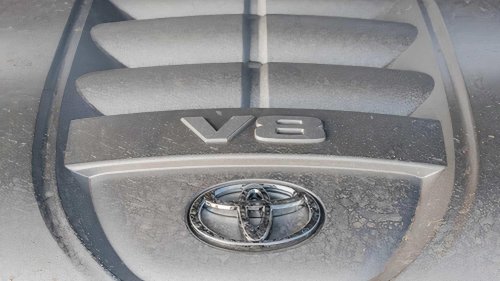
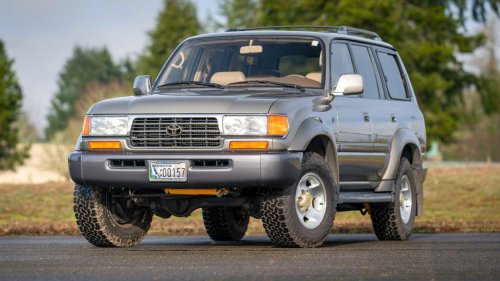
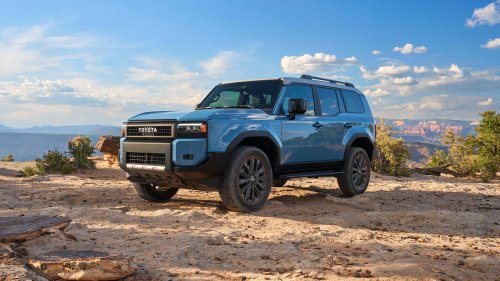



















When Toyota set out to create the Land Cruiser, it had no idea it would turn into an icon. But eight generations and over 10 million Land Cruisers later, it stands high above countless other nameplates as a testament to quality, reliability, and capability. Build something great, and the buyers will come. What started as a tool for global survival has turned into one of the most sought-after models on the market today, and nowhere is that more evident than in the FZJ80, J100, and J200 generations.These are the three generations that preceded our current alternative J250 Land Cruiser, all three of them improving on the last, while keeping true to the formula that has made the Land Cruiser name so famous. We wanted to take a look at why these three analog 4x4s are so beloved, what makes them tick, and why you should grab one now before they appreciate beyond any of our bank accounts.We explore the off-road foundation, understated luxury, and bulletproof performance behind these three generations of Land Cruiser, before looking at current and future price outlooks for these hot models. Legendary Longevity That’s Built Into Every Generation 2016 Toyota Land Cruiser front 3/4 off-roadingSince the dawn of the first Land Cruiser, three things have guided the philosophy beyond all else: reliability, durability, and drivability on rough terrain. The Land Cruiser isn't just a rugged off-road vehicle designed to handle itself off the beaten path; it's meant to be a tool you can rely on in extreme situations. This means braving the 100+ degree heat of an arid desert, charging through lush, tropical forests, and traversing treacherous glaciers in sub-zero-degree conditions, as much as it means handling the parking lot at your local mall.This ethos is fully realized in the FZJ80, J100, and J200. These generations marked a shift for the nameplate in the US, with a decision to take it decidedly further upmarket. However, despite their gilded-suburb ambitions, they never lost sight of what made them great in the first place, and each innovated upon the last thanks to Toyota's use of "breakdown testing" and meeting and evaluating feedback from current owners.The FJ80 and later FZJ80 introduced full-time 4WD and available triple-locking differentials, all built around an under-stressed inline-six engine. This was the last Land Cruiser in the US to feature front and rear solid axles, yet additions like coil springs and anti-roll bars ensured it was nearly as comfortable on-road as it was off.The J100 ditched the inline-six of the previous generation and brought in V8 power with improved on-road comfort, yet still retained its off-road chops thanks to its body-on-frame construction and low-range transfer case. It also introduced innovations like an adaptive and self-leveling suspension. However, the J200 refined it all. The front IFS/rear solid axle suspension setup was perfected, and the addition of the Kinetic Dynamic Suspension System (KDSS) made it more capable on and off road. The V8 offered improved power, and additions like crawl control, hill assist, and terrain select modes ensured it could tow, crawl, and commute with the best of them.All three of them one-upped each other, but more importantly, they still stacked up on the fundamentals. While many are nostalgic for the looks and simplicity of the J80, the J200 is better in nearly every way, especially when it comes to luxury. A Different Kind Of Luxury 1997 Toyota Land Cruiser FZJ80 40th Anniversary interior frontNow, while the Land Cruiser managed to move upmarket throughout these three separate generations, there's no denying it was never going to be mistaken for a Mercedes-Benz or Cadillac. Nice leather and plenty of standard features ensured you knew you were in something nice, but the carryover switchgear and plastic accents never let you forget you purchased this model for more than just its comfort.The J80 offered a surprisingly refined experience for a 1990s off-roader. This was the first generation that the company took in a new direction, so you must look at it in the context of an era when power windows were still all the rage. It married the rugged model with leather upholstery, power accessories like keyless entry and an electronic locking front differential, plus features like a premium sound system and automatic climate control. You're never going to mistake it for a modern car, but that's where all the charm lies.The J100 took that foundation and added a more upscale feel. Toyota integrated wood trim, softer leather, and multi-zone climate control in a cabin that felt airier and overall nicer. Navigation became available, as did the aforementioned height-adjustable suspension on some trims, but everything was still easy to use and robust. While it didn't have many competitors at the time, it set itself apart by feeling more solid and less complicated than others like the Cadillac Escalade or Mercedes-Benz ML, something that attracted buyers who wanted their vehicle to last.The J200 brought the Land Cruiser into the modern luxury conversation with four-zone climate control, ventilated leather seats, push-button start, and an optional rear-seat entertainment system. This generation changed significantly throughout its life, so much so that the facelifts almost feel like different models, but all they did was make the vehicle more modern, and add items like enhanced safety suites, improved infotainment, and improved lighting elements.However, throughout all three generations, the one main theme was that the model constantly flew under the radar. It wasn't flashy or loud; it was cool, calm, and collected, with doors that closed like bank vaults and powertrains that easily allowed for passing at highway speeds. All of these, while NVH levels were kept to a minimum, and you floated through the miles only worrying about your next fill-up. It's a restrained luxury, the kind you either understand or don't, and it's a major reason buyers want them today. Old School Performance In An Unassuming Package 2020 Toyota Land Cruiser 5.7L NA 3UR-FE V8 Engine close upThe other major aspect of these models is the proven engines that power them, but here we'll admit, they do leave a little to be desired.First, the J80 was offered in the US with two different powertrains: the underpowered holdover 3F-E from 1991 to 1992, and the significantly improved 1FZ-FE beginning in 1993. They're designated FJ80 and FZJ80 based on the engine, and the later models are much more sought-after, because any improvement in power in vehicles that weigh nearly 6,000 lbs is welcome. While this generation came with a manual abroad, here in the US, it was merely stuck with a 4-speed auto.When the J100 arrived, the nameplate said goodbye to the inline-six and hello to the V8. It used a revised version of the famed UZ V8 engine, one that improved throughout its life, increasing in power and efficiency thanks to a change in transmissions. This same formula improved for the following J200 generation when the 3UR V8 was introduced, finally boosting performance past adequate levels and into the realm of being impressive. The Land Cruiser no longer labored around; it finally proceeded with authority, and eventually it could tow around 8,000 lbs.However, while power is nice, longevity is even better. The reason the older J80 models are as sought-after as the newer J200 models is that buyers know their powertrains are as bulletproof. They all prioritized real-world durability, and each was refined carefully over the last. While problems will arise, Toyota's approach to remedying them also inspires confidence and creates even more adoring fans. A Long-Term Investment You Can Actually Drive 1997 Toyota Land Cruiser FZJ80 40th Anniversary front 3/4 beigeToyota figured out long ago that what most buyers want are rugged platforms, understated luxury, and stout powertrains. We want something that's not only going to last, but something that's going to take the hits and keep on kicking. A vehicle that doesn't have to be babied for you to get the most out of it, whether that be off-roading, towing, or simply racking up daily miles.Each generation has its strengths and weaknesses, but all three are safe bets if you're looking for a vehicle that's going to appreciate over the next few years. The market loves them, mostly because they're capable, but also because no one is producing a vehicle like them anymore. Given their rarity, it's easy to see why prices are hovering: Toyota Land Cruiser Pricing Trends Thanks to information compiled by Classic.com, we have a pretty good idea of where the market stands for these cars. The FJ80 Land Cruiser has an average sale price that has increased by about $500 in the last year, from around $14,500 to $15,000, and as it gets older, we expect it to rise slightly.The FZJ80 has fared slightly worse, dropping by about $800 in average value in the last year, from approximately $24,000 to $23,500, but given how much of a larger volume it has, we wouldn't be worried too much about it as its solid axles attract more customers in the future. The average price of the J100 is about the same as the FZJ80, hovering around $24,000, but it also only lost a few hundred in value, and we feel it's easily bottomed outFinally, the J200 sits in a league of its own, commanding prices well beyond the others. It has seen the largest average price drop in the last year, from around $96,000 to $80,000, but that's from inflated prices to something reasonable. Those cars were being bought by people who were upset they missed the boat, but now you can find one for a more reasonable price, or at least for what they MSRP'd for new.Data from the CarBuzz Marketplace reveals a steady average price for the last few years of the J200, with clean examples routinely commanding over $80,000. This has arguably been driven by the new Land Cruiser arriving and not living up to the expectations set by the previous model.The main theme here is that these are bulletproof rigs, ones that will easily last hundreds of thousands of miles with proper maintenance. We're still witnessing the residuals of the havoc COVID-19 wreaked on the used car industry, but we feel things were bottoming out until the tariffs kicked in. With the new J250 generation firmly in place, and prices as low on used models as we've seen in years, it may be time to make the leap and enjoy an iconic vehicle that will treat you right even when it comes time to pass it on. The New Land Cruiser Unlikely To Be As Collectible ToyotaAs we touched on above, the new Land Cruiser's arrival has buoyed demand for the old ones. But why? Well, it's now a category below where the old one sat, overlapping significantly with the Toyota 4Runner. This is an entirely new Land Cruiser for an American audience, one the rest of the world has had for some time as a 'junior' LC known as the Land Cruiser Prado.But one of the big reasons fans are clamoring to find older Land Cruisers is because they're not fans of the new SUV's turbo four-cylinder engine. It's one of the reasons the Lexus GX, which shares componentry with the Land Cruiser but has a better V6 engine. Unfortunately, you pay $10,000 for that privilege. There's no V8, though, and for some fans, that's enough to drive them to the used market, driving up prices for an SUV that's as capable and reliable as it is luxurious and rumbly.