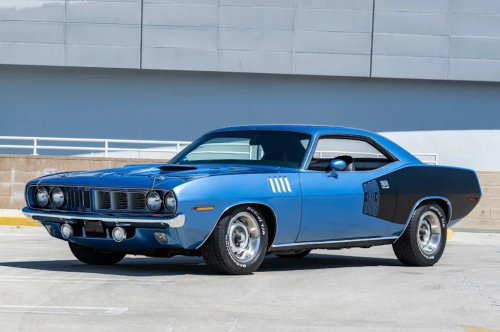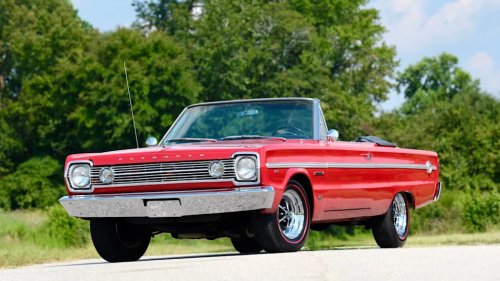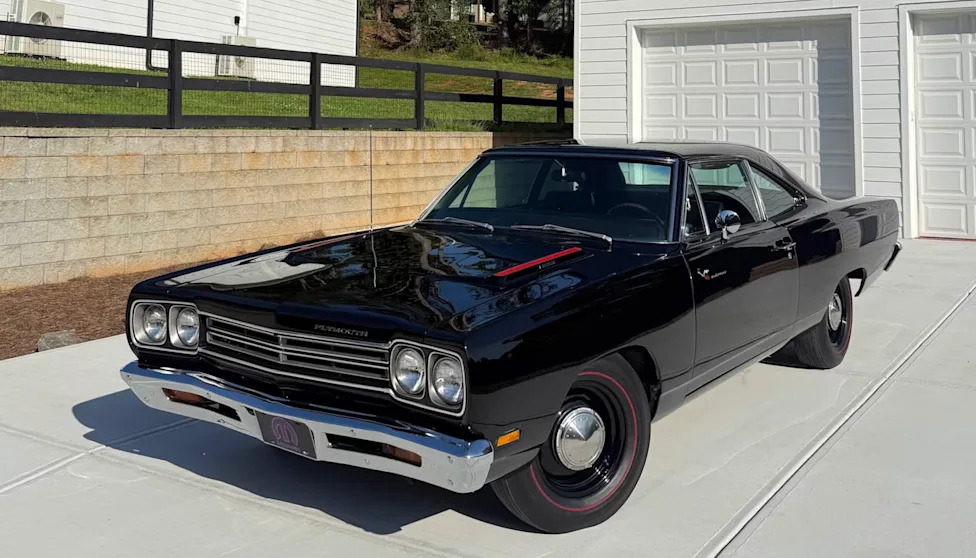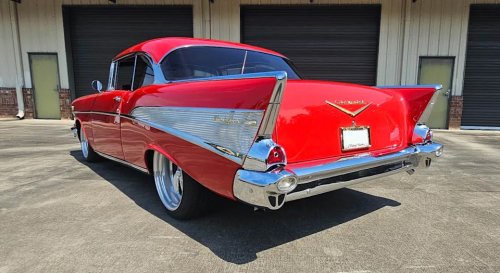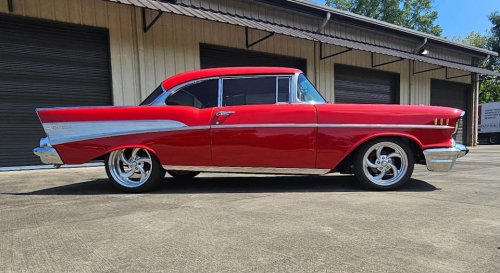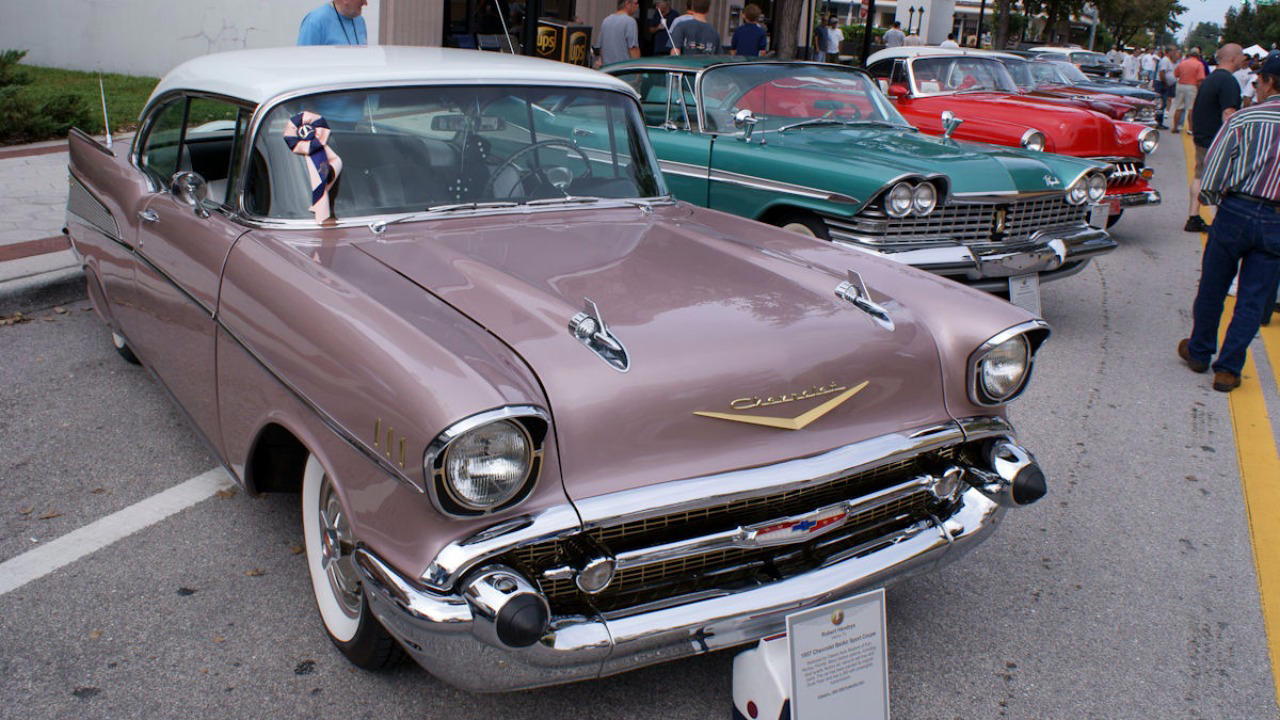



















1957 Chevrolet Bel Air and 1957 Plymouth Belvedere took different paths over timeThe 1957 Chevrolet Bel Air and the 1957 Plymouth Belvedere arrived in showrooms in the same optimistic year, both wrapped in chrome and fins and aimed at the same American families. Over the decades that followed, however, one became a near-universal symbol of 1950s nostalgia while the other turned into a cult object, remembered as much for a buried time capsule and a horror movie as for its showroom glory. Following how these two coupes diverged reveals more than a tale of winners and losers in Detroit. It shows how styling, racing success, pop culture and even the quirks of survival rates can send similar cars down very different historical roads. Two 1957 coupes built for the same moment In 1957, Ford, Plymouth and Chevrolet were locked in a fierce contest for American buyers. A period trivia post on classic car history points out that the 1957 Ford adopted a larger, low profile design that helped it outsell both Plymouth and Chevrolet in new car sales, even as the Chevrolet Bel Air captured the public imagination in the long run.Ford, Plymouth, Chevrolet were all chasing the same promise of speed, style and modernity. Chevrolet entered that race with the 1957 Chevrolet Bel Air, often shortened by fans to the 57 Chevy. A later reflection on the model describes how there are classics that are evergreen like the 57 Chevy, a car that still anchors museum collections and enthusiast events through groups such as the Odrain Museum Network. The Bel Air’s combination of tailfins, generous chrome and a wide, confident grille quickly became shorthand for the decade’s optimism. Plymouth answered with the 1957 Belvedere, part of the brand’s Forward Look redesign. Enthusiasts who examined the unearthed time capsule car in Tulsa noted that the 1957, 58 and 59 m models were different, and that the 1957 design was completely different from the 1956 Forward Look that came before it.Why Forward Look mattered was simple: Plymouth wanted to look longer, lower and more futuristic than Chevrolet. Both companies sold their cars as the future on four wheels. A period dealer film pitting the 1957 Plymouth against the Bel Air framed it as a showdown between true innovation and what the narrator dismissively called Chevrolet claims about bringing out a new car that year.Chevrolet claims were brushed aside as the film urged buyers to take one look at the Bair, a mispronounced jab that underscored how hard Plymouth pushed the rivalry. Styling, engineering and the battle for 1957 buyers On paper, the Bel Air and Belvedere offered similar formulas: full size bodies, V8 power and family friendly interiors dressed up with bright trim. In practice, they expressed two different ideas of what the late fifties should look like. The 1957 Chevrolet Bel Air carried over much of the 1955 and 1956 body shell, but it wore a heavily revised face and tail. A later analysis of the car’s appeal notes that the 1957 Chevrolet or 1957 Chevy was celebrated as a mass produced American car that captured post World War confidence.Chevrolet Chevy American The modestly updated body, with its clean side panels and restrained fins, has often been praised for hitting a sweet spot between conservative and flashy. Some enthusiasts have even debated whether the 1957 Bel Air’s shorter overall length and lack of an all new platform should have counted against it. A discussion among owners points out that the new for 1957 models in the broader market were longer, lower and wider, with figures such as seventeen inches longer, eight inches lower and four inches wider used to describe rivals. The Bel Air, by contrast, was about 3 inches shorter than some competitors, which led to questions about whether it was truly new or simply a heavy refresh.new-for-1957 models Plymouth took the opposite approach. The 1957 Belvedere sat on a dramatically restyled body with sweeping fins and a low roofline that made Chevrolet look almost conservative. Owners on enthusiast forums later stressed how different the 1957 design was from the 1956 Forward Look cars, describing the new shape as a clean break that made 1957 Plymouths stand out from both their own predecessors and their Chevrolet rivals. Under the hood, both brands offered V8 engines and automatic transmissions that fit the family car brief. Yet when enthusiasts compare performance, the conversation often shifts toward Plymouth’s hotter variants. In a modern debate over the 57 Fury versus the 57 Bel Air, one commenter argued that the Fury wins 110% with a bigger engine and better styling, and added that these cars are not around every corner at car shows.Fury Bigger Honest That sentiment hints at a key dynamic: Plymouth’s top trims could outgun Chevrolet on paper, but Chevrolet’s more balanced package reached a broader audience and later defined the era. Period promotional films show how hard Plymouth tried to flip that script. In another dealer reel, the narrator again mocks the Chevrolet claims about a new car and tells viewers to look at the Bair, this time framing the Plymouth as a more advanced design in every dimension.Chevrolet Bair The argument rested on the Belvedere’s lower stance, longer body and more dramatic fins, all meant to signal that Plymouth was the true futurist among the Big Three. From showroom rivalry to cultural icon Sales charts from 1957 do not fully explain what happened next. A historical overview notes that despite the 1957 Chevrolet Bel Air’s later popularity, rival Ford outsold Chevrolet for the 1957 model year for the first time since the early 1930s, in part because some buyers did not initially trust the new tubeless tire design that Chevrolet introduced.Despite Chevrolet Bel In other words, the 1957 Bel Air was not an instant commercial triumph. Its ascent came later, through a mix of nostalgia, racing lore and sheer survival. A detailed look at the model’s enduring appeal argues that there is no single reason the 1957 Chevy has been on so many wish lists, but highlights several factors that stand out. The article credits the car’s styling, the availability of performance oriented options and the reputation of the small block V8, and it even traces how the car’s presence in drag strips and local cruise nights kept it visible long after newer models arrived. Racing history played a role as well. A retrospective on stock car competition recalls how a special 57 Chevrolet known as the Black Widow rocked NASCAR by exploiting new rules and engineering tweaks, and how its success helped cement the performance image of the brand.Discovered Why Is That halo effect rubbed off on the showroom Bel Air, whose shape became associated with speed and toughness as much as with family road trips. Enthusiasts also point to the small block V8 itself. A technical discussion of why the Chevy small block, most commonly in 350 cubic inch displacement, became so popular compared with other engines argues that its simplicity, interchangeability and aftermarket support turned it into a default choice for hot rodders.Jan Chevy The 1957 Bel Air benefited from that reputation, since it could easily accept later, more powerful versions of the same engine family. By contrast, the 1957 Plymouth Belvedere did not enjoy the same long tail in motorsport or the aftermarket. Plymouth engines had their own strengths, but they never achieved the same universal status as the Chevy small block. As a result, many Belvederes were driven, used up and eventually scrapped, while Bel Airs were more likely to be preserved, modified or restored. That difference in survival rates shows up in modern search data. A survey of online interest in classic models found that the 57 Chevy Bel Air remained a constant presence, while all years Plymouth surged in searches as enthusiasts rediscovered the brand’s history.57 Chevy Bel The gap between the Bel Air’s steady fame and Plymouth’s late blooming curiosity reflects decades of unequal visibility. Belvedere’s brief rise and long disappearance For Plymouth, the 1957 Belvedere represented a high point that proved surprisingly hard to sustain. A modern video essay on the car’s trajectory describes how the 1957 Belvedere rose quickly in public esteem at a moment when Americans believed tomorrow would arrive on wings of chrome, only to fade from view as styling trends moved on and the brand itself lost ground. The same source revisits the famous Tulsa time capsule, in which a 1957 Plymouth Belvedere was buried as a prize for future citizens. When the vault was opened in 2007, the crowd fell silent as the car emerged heavily damaged by moisture and time.vault was opened Instead of a pristine symbol of the future, the Belvedere had become a haunting reminder of how quickly technological optimism can rust. Another enthusiast discussion of that unearthed car goes deeper into the design story, noting again that the 1957, 58 and 59 m Plymouths each differed and that the 1957 body marked a clean break from the 1956 Forward Look styling.Jun Why Forward The fact that such detailed analysis now surrounds a single, badly preserved example shows how rare surviving Belvederes have become. Plymouth’s halo cars also shifted focus away from the Belvedere name. Later performance models such as the Fury and the Road Runner grabbed more attention, while the Belvedere evolved into a more ordinary mid size car by the 1960s. A modern sale listing for a 1969 Plymouth Belvedere describes it as a testament to the enduring appeal of American automotive design, but it no longer carries the futuristic aura that surrounded the 1957 original. Enthusiast debates reflect that shift. In a Facebook group conversation framed as a trivia challenge about the cream of the Big Three, Plymouth appears alongside Ford and Chevrolet but rarely commands the same immediate recognition as the Bel Air.Dec Ford Plymouth The Belvedere’s moment in the spotlight was real, yet it did not translate into the kind of enduring icon status that the Bel Air enjoys today. How pop culture and nostalgia crowned the Bel Air If engineering and sales do not fully explain the Bel Air’s dominance, pop culture fills in the gaps. The 1957 Chevrolet has appeared in countless songs, movies and television shows as a shorthand for the fifties. A video profile of the model describes how the 1957 Chevrolet or 1957 Chevy became the car people picture when they think of American postwar prosperity, with its fins, two tone paint and chrome serving as visual cues for the era. Modern commentators often emphasize how the Bel Air balances style with accessibility. A feature on a three on the tree 57 Bel Air notes that there are classics that are evergreen like the 57 Chevy, suggesting that the car’s appeal crosses generations and tastes.Feb there are Owners can build them as pristine restorations, mild customs or full drag cars, and each version still reads instantly as a 1957 Chevrolet. That flexibility helps explain why the 57 Chevy remains more popular than its 56 or 58 siblings. An enthusiast discussion about what makes the 57 Chevy more popular than the 56 or 58 models argues that the answer lies partly in the engine, but also in the way the 1957 styling hits a visual sweet spot that the more conservative 1956 and the more ornate 1958 do not.What makes the The Bel Air’s front grille, hood rockets and tailfins have become so familiar that they almost feel like a logo for the decade. Modern marketing keeps that image alive. A promotional post on a classic car page praises how the exterior of a 1957 Bel Air retains the iconic lines of the original while updated engineering beneath the hood makes it more usable today, and concludes that the Chevrolet Bel Air epitomizes an era marked by innovation and optimism.Chevrolet Bel Air That kind of language reinforces the idea that the Bel Air is not just a car, but a symbol. Plymouth has its own pop culture moment, but it centers less on the Belvedere than on the Fury. Stephen King’s novel and the film adaptation of Christine turned a 1958 Plymouth Fury into a horror icon, which in turn has boosted interest in late fifties Plymouths more broadly. A Facebook discussion comparing the 57 and 58 Furys notes that there are only subtle differences between the 57 and 58 Furys, and one commenter admits they would take the Chevy but calls a particular Plymouth as bad as anything on the road.Apr There Furys That mix of admiration and underdog status has become part of Plymouth’s appeal. In a Reddit thread about the 57 Fury versus the 57 Bel Air, one enthusiast’s claim that the Fury wins 110% reflects how some fans relish backing the less obvious choice.110% For them, the relative scarcity of surviving Belvederes and Furys is a feature rather than a flaw. Even so, the sheer volume of Bel Airs at shows, in media and in merchandise keeps tilting the cultural balance. A modern video on classic car culture comments that there are classics that are evergreen like the 57 Chevy, placing the Bel Air in a small group of cars that never really left the spotlight.Three on the The Belvedere, by contrast, tends to appear as a surprising guest, the car people did not expect to see. How enthusiasts weigh them today Among enthusiasts, the debate between Chevrolet and Plymouth has never fully ended. A modern video that sets up a choice between the 1957 Chevrolet Bel Air and 1957 Plymouth Belvedere presents both cars as iconic two door coupes and invites viewers to pick a side.1957 iconic two-door The comments echo familiar themes: the Bel Air as the safe, beloved classic, the Belvedere as the rarer, more daring alternative. Another in depth video essay asks why the 1957 Plymouth Belvedere rose so fast and then disappeared so completely, returning to the image of a moment when Americans believed tomorrow would arrive on wings of chrome.Why Did the The narrator traces how quality issues, rust and changing tastes eroded Plymouth’s reputation, while the buried Tulsa car became a metaphor for a future that did not quite arrive as promised. More from Fast Lane Only Unboxing the WWII Jeep in a Crate 15 rare Chevys collectors are quietly buying 10 underrated V8s still worth hunting down Police notice this before you even roll window down