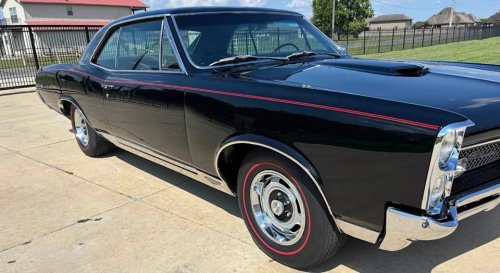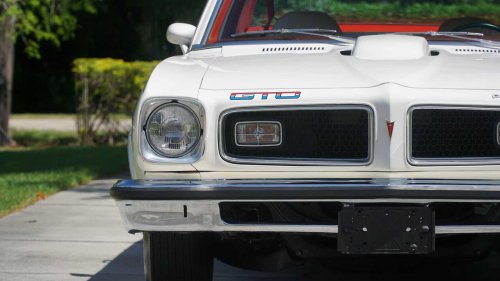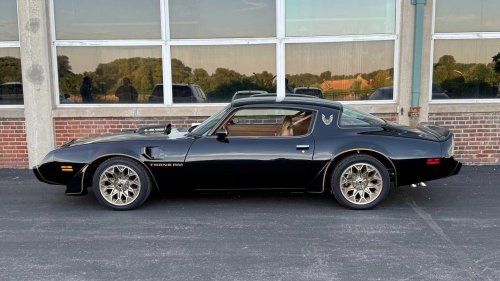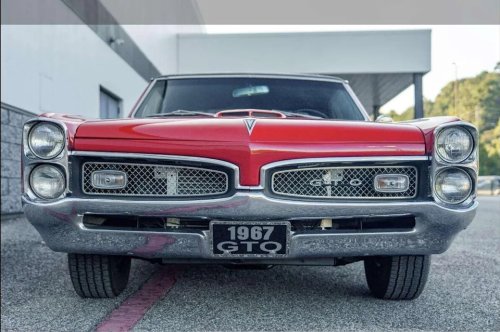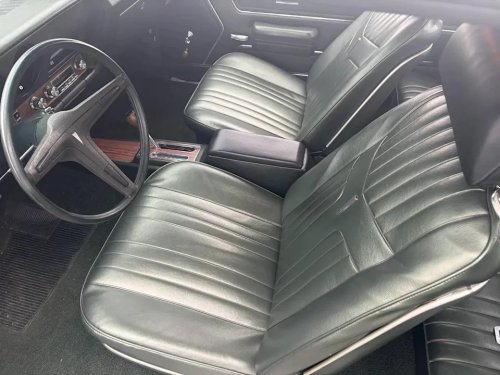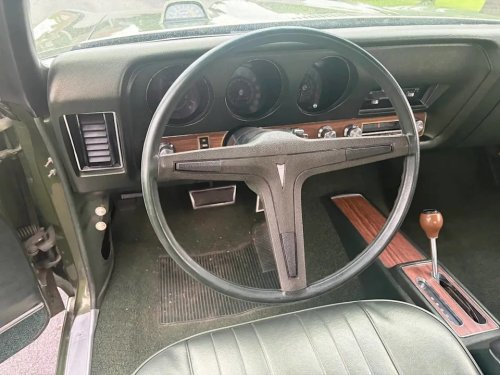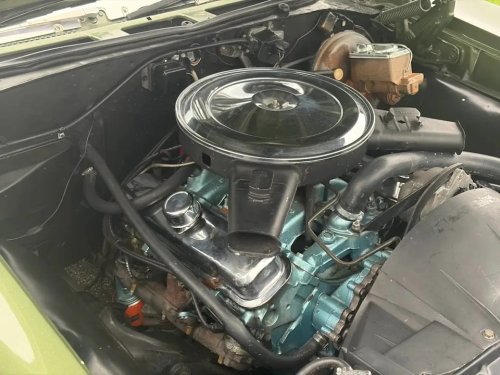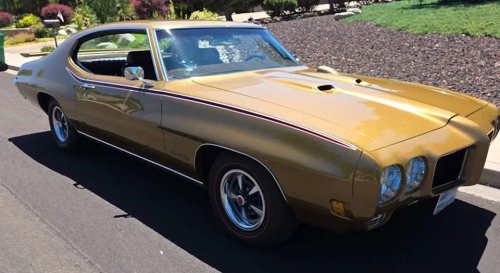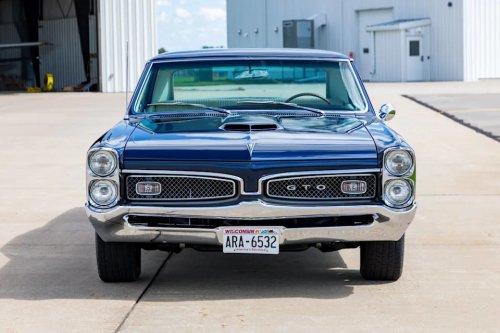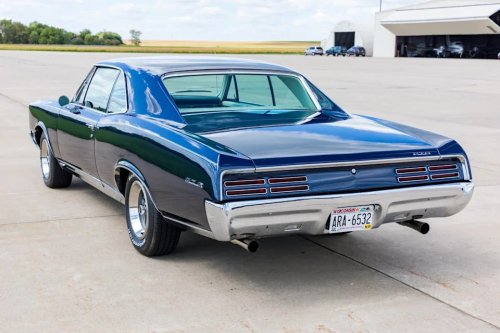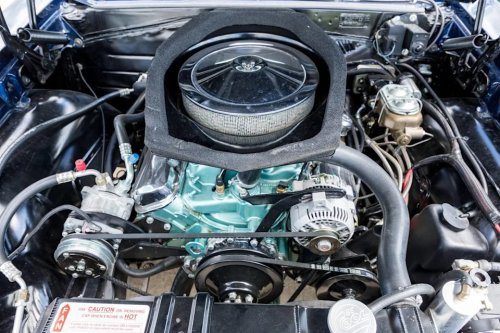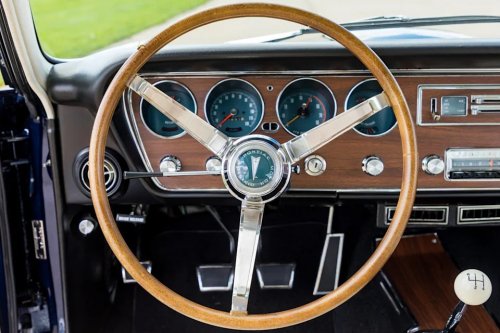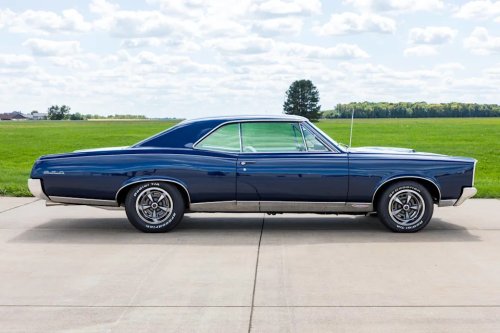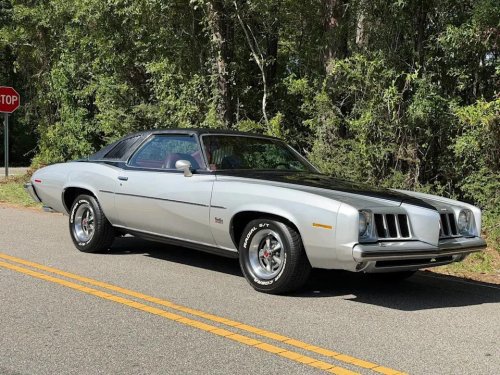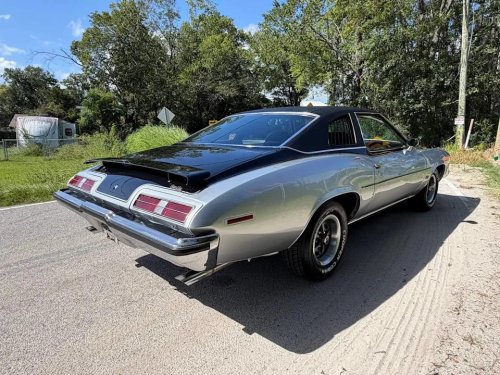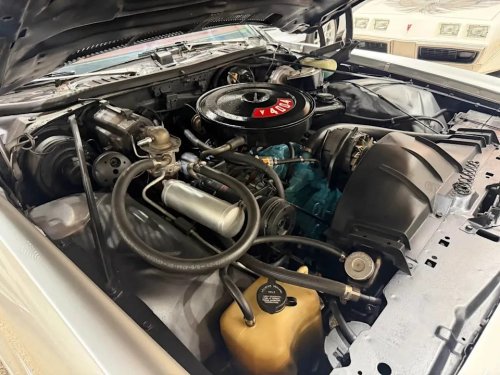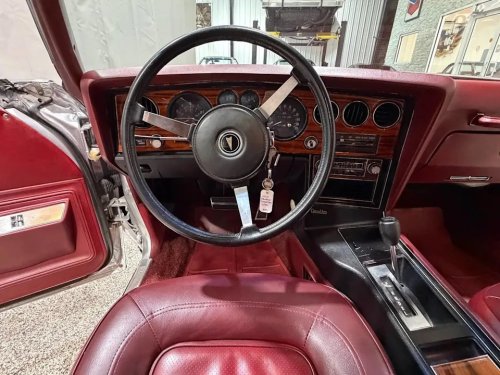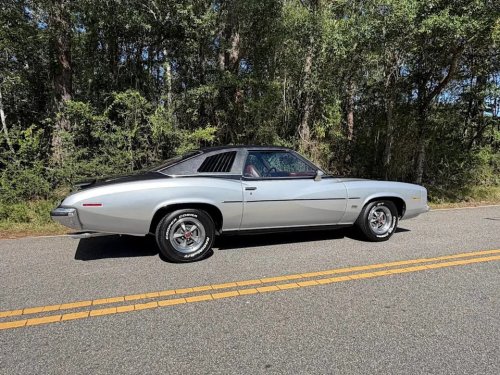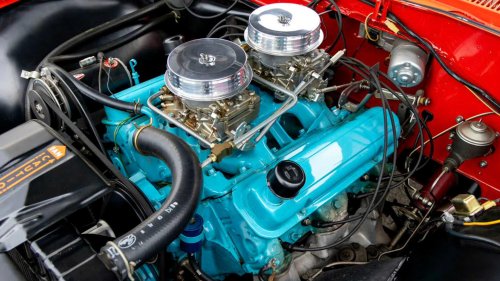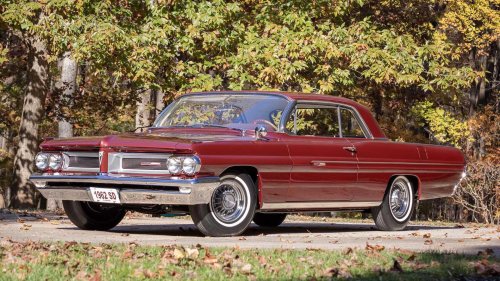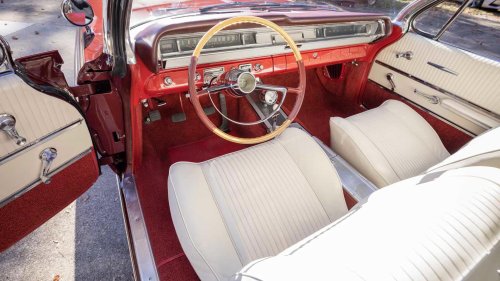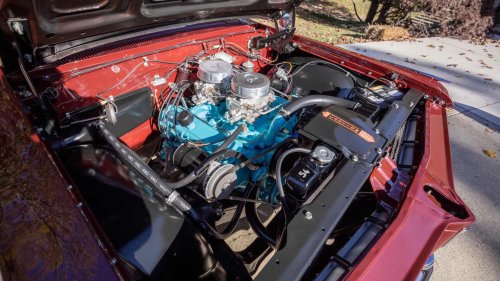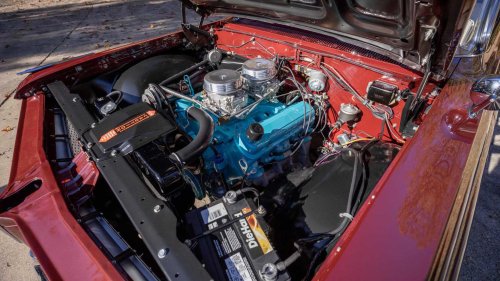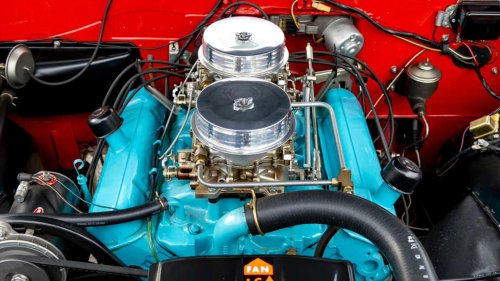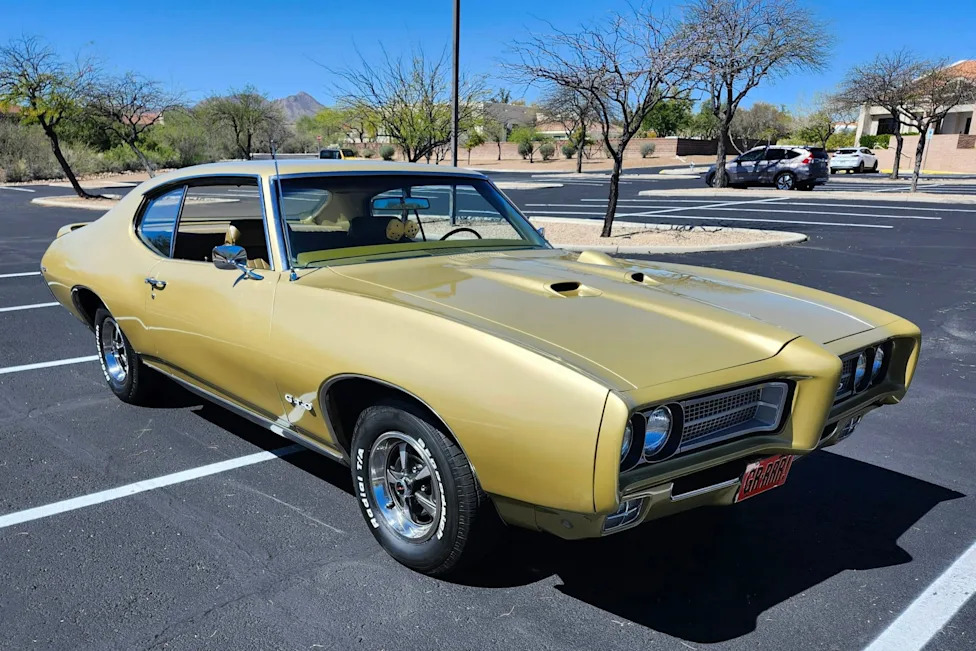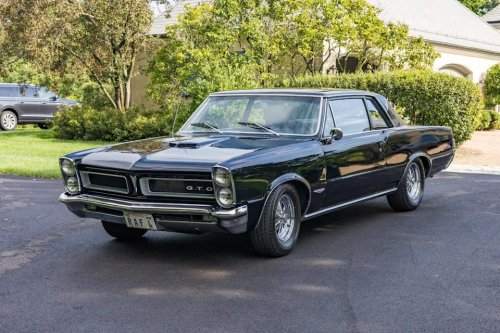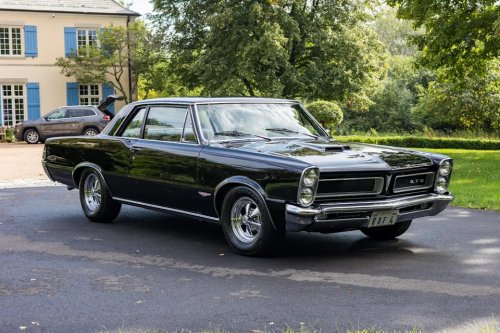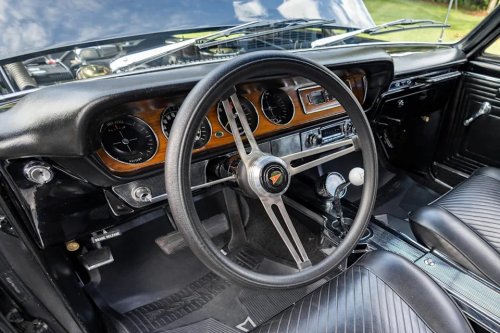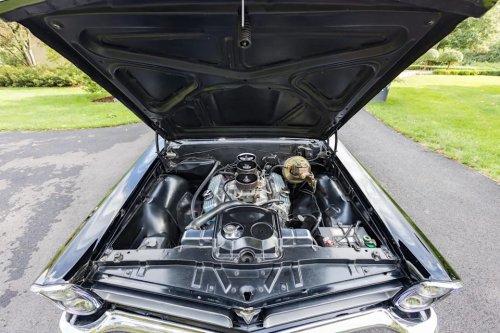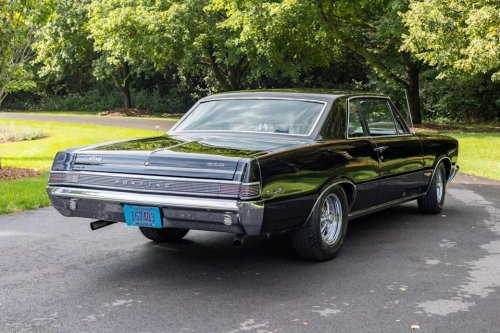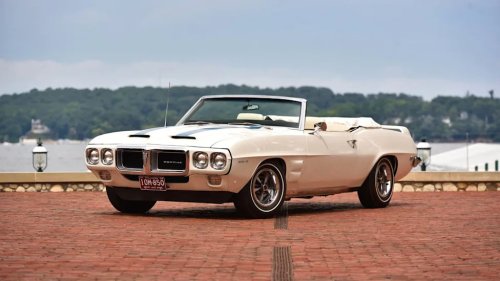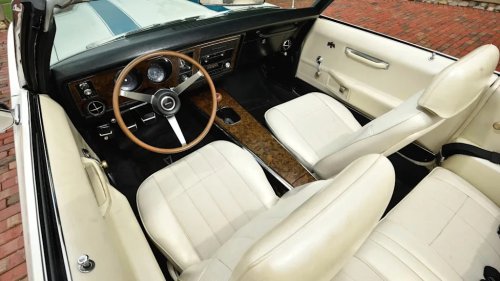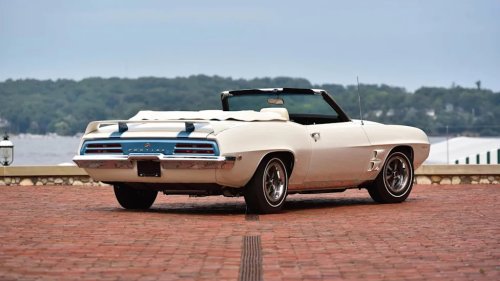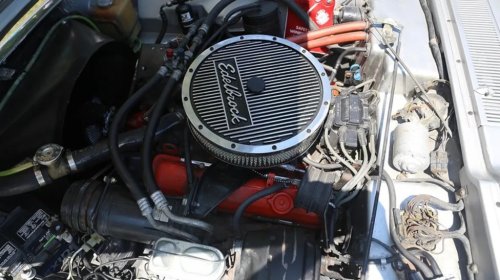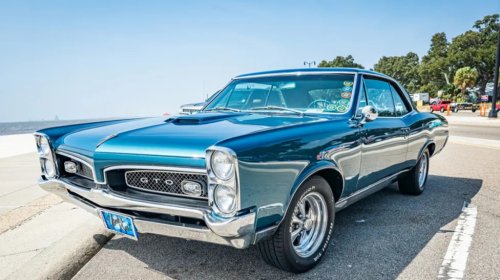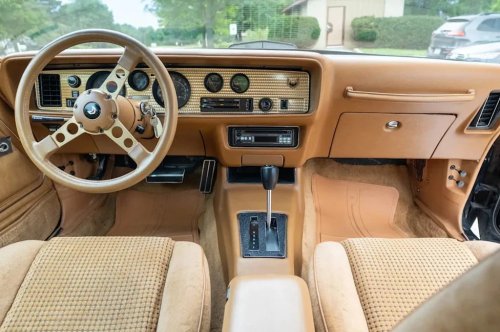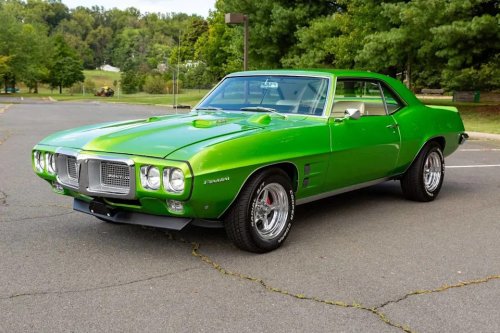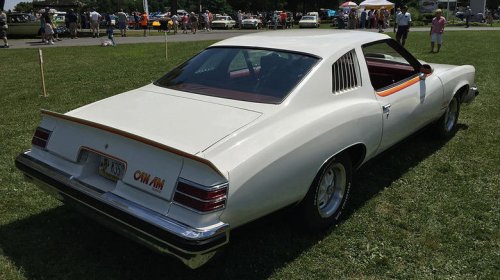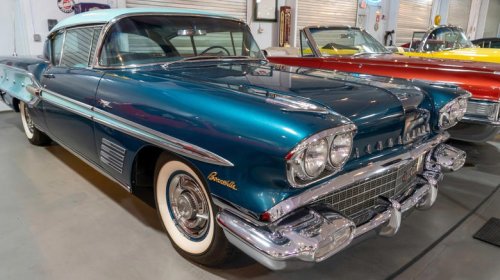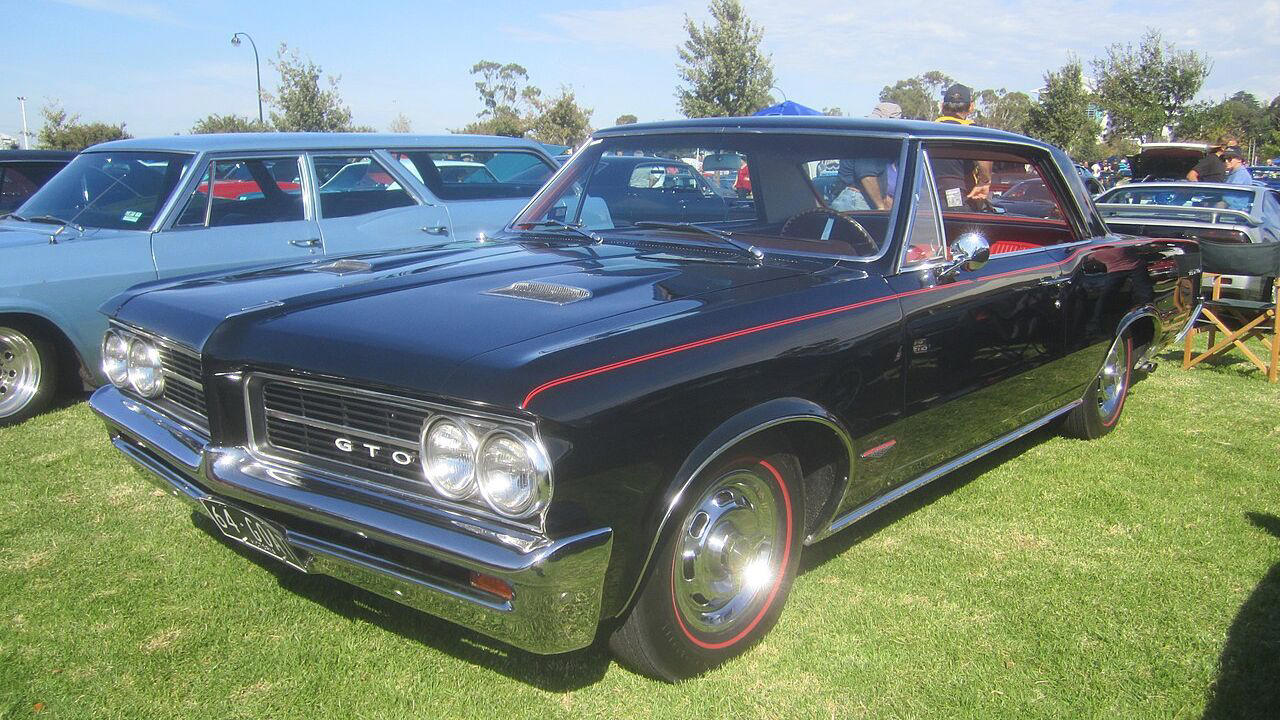



















The 1964 Pontiac Tempest, a vehicle often overshadowed by its performance-oriented sibling, the GTO, made waves in the early muscle car scene with its unexpected power and mid-14 second quarter-mile times. With the Tempest equipped with GTO performance features, it caught the attention of muscle car enthusiasts and shifted perceptions in an evolving automotive landscape. The Birth of the Pontiac Tempest The Pontiac Tempest made its debut in 1961 as a compact car, designed to compete in a rapidly changing automotive market. It featured a unique design that set it apart from its contemporaries, incorporating a novel rear transaxle layout that contributed to improved weight distribution and handling. This innovative engineering choice was part of Pontiac’s push to create a sporty, yet practical vehicle that appealed to a younger demographic. The Tempest’s initial offerings included a range of inline-six and V8 engine options, making it a versatile choice for buyers looking for both efficiency and performance. By 1964, the Tempest had evolved into a platform that would soon embrace the burgeoning muscle car trend. The early performance specifications, which included a 326 cubic inch V8 engine option, positioned it as a solid competitor against other compact cars of the era such as the Ford Falcon and Chevrolet Corvair. While these early models were respectable, it was the introduction of the GTO performance package that would dramatically change the Tempest’s trajectory and solidify its place in muscle car history. The GTO Effect The GTO was introduced in 1964 as an option package for the Tempest, and it quickly gained a reputation for performance that would alter the automotive landscape. The GTO was essentially a Tempest with a focus on power, featuring a 389 cubic inch V8 engine that produced a staggering 325 horsepower. This performance-oriented approach resonated with the growing number of car enthusiasts who craved speed and agility. The success of the GTO not only established Pontiac as a key player in the muscle car segment but also provided a blueprint for the Tempest’s evolution. The GTO’s impact on the Tempest was significant. As Pontiac recognized the demand for more power, the Tempest began to incorporate GTO-inspired features and specifications. The GTO’s robust engine options and performance-oriented suspension and braking systems became a template for the Tempest’s transformation. This crossover of technology and engineering prowess allowed the Tempest to compete more effectively with established muscle cars, such as the Ford Mustang and Chevrolet Chevelle, which were gaining popularity during this era. GTO Power in the Tempest One of the most notable upgrades for the 1964 Tempest was the integration of the GTO’s 389 cubic inch V8 engine. This engine swap not only enhanced the Tempest’s performance but also challenged the perception of what a compact car could achieve on the road. The addition of this powerful V8, coupled with a four-speed manual transmission option, allowed the Tempest to harness the raw power that muscle car enthusiasts craved. It was a bold move, showcasing Pontiac’s commitment to performance and innovation. To support the increased power from the GTO engine, Pontiac made several performance upgrades to the Tempest. These included enhancements to the suspension system, which improved handling and stability, as well as upgraded braking systems to ensure safety at higher speeds. The combination of these modifications transformed the Tempest into a formidable contender in the muscle car arena, allowing it to run mid-14 second quarter-mile times, a feat that surprised many early muscle fans. The torque and horsepower delivered by the GTO engine fundamentally changed the driving experience, making the Tempest a thrilling option for speed enthusiasts. Surprising Performance Metrics The performance metrics of the 1964 Tempest were nothing short of impressive for a compact car. Running mid-14 second quarter-mile times, the Tempest was able to hold its own against other muscle cars of the era, including its sibling, the GTO. In real-world testing, the Tempest consistently demonstrated its ability to accelerate quickly and handle well, thanks in large part to the combination of the GTO powertrain and the performance upgrades it received. Performance comparisons revealed that the Tempest could compete with notable muscle cars like the Ford Mustang, which was becoming a popular choice among enthusiasts. While the GTO set the standard with its performance capabilities, the Tempest’s surprising speed and agility positioned it as a viable alternative for those looking for a compact car that didn’t compromise on muscle. Early reviews from car enthusiasts praised the Tempest for its exceptional capabilities, solidifying its reputation as a performance vehicle in the muscle car community. Design and Aesthetic Appeal The styling of the 1964 Tempest mirrored the GTO’s aggressive aesthetics, with a bold front grille, pronounced fenders, and sleek lines that conveyed a sense of speed and power. Pontiac’s design team focused on creating a vehicle that not only performed well but also looked the part. The Tempest was available in various color options and trim packages, allowing buyers to customize their vehicles to reflect their personal style. This attention to design detail contributed to the Tempest’s appeal among car buyers, making it a popular choice in showrooms. Advertising and marketing played a crucial role in the Tempest’s popularity. Pontiac cleverly positioned the Tempest as a sporty and stylish alternative to larger muscle cars, tapping into the desire for both performance and practicality. Promotional materials highlighted the vehicle’s capabilities and aesthetic appeal, emphasizing its status as a compact car that could hold its own on the streets. This marketing strategy successfully attracted a younger audience looking for excitement without sacrificing functionality, further solidifying the Tempest’s place in automotive history. Legacy and Influence The impact of the 1964 Tempest on future Pontiac models cannot be overstated. Its successful integration of performance features set a precedent for subsequent models, influencing Pontiac’s design and engineering direction for years to come. The Tempest introduced a new generation of muscle car enthusiasts to the brand, and it paved the way for later models like the Pontiac Firebird, which would continue the legacy of performance-oriented vehicles. In the broader context of the muscle car segment, the Tempest played a vital role in shaping the market. Its unexpected power and performance capabilities contributed to the popularity of compact muscle cars, encouraging other manufacturers to explore similar offerings. Today, the Tempest is recognized not only as a classic vehicle but also as a significant player in the evolution of muscle cars, earning its place among the ranks of collectibility and admiration within the automotive enthusiast community. The Tempest vs. Other Contemporaries When comparing the 1964 Tempest to other popular muscle cars of the time, it becomes clear that it held its own in a competitive market. The Ford Mustang, introduced in 1964, quickly became a sensation, but the Tempest offered an alternative for those seeking a compact yet powerful vehicle. Similarly, the Chevrolet Malibu, while popular, lacked the same level of performance that the Tempest could deliver with its GTO-inspired upgrades. The Tempest’s ability to run mid-14 second quarter-mile times placed it in a favorable position against its contemporaries, showcasing its muscle car credentials. The significance of the Tempest’s performance during the muscle car boom cannot be understated. It demonstrated that compact cars could deliver the same exhilarating experience as larger muscle cars, expanding the definition of what a muscle car could be. This shift in perception opened the door for a new wave of performance vehicles that prioritized agility and speed without sacrificing style. As the muscle car segment continued to evolve, the Tempest’s legacy remained influential, inspiring future designs and performance benchmarks. Restoration and Enthusiast Community Today, the 1964 Tempest remains a sought-after model among car enthusiasts and collectors. Restoration projects have become increasingly popular, with many owners dedicated to preserving the Tempest’s legacy. Various online communities and forums, such as those found on Facebook, provide resources and support for enthusiasts looking to restore or modify their vehicles. The camaraderie among Tempest owners fosters a sense of community, as they share tips, stories, and experiences related to their restorations. For prospective buyers and restorers, acquiring a 1964 Tempest offers a unique opportunity to own a piece of muscle car history. Those interested in purchasing a Tempest should consider factors like condition, originality, and available parts for restoration. Resources such as the YouTube restoration videos and dedicated online forums can provide valuable insights into the restoration process. With the right care and attention, the Tempest can continue to be appreciated not only for its performance but also for its role in shaping the muscle car narrative. More from Fast Lane OnlyUnboxing the WWII Jeep in a Crate15 rare Chevys collectors are quietly buying10 underrated V8s still worth hunting downPolice notice this before you even roll window down The post Pontiac’s 1964 Tempest with GTO power ran mid-14s and surprised early muscle fans appeared first on FAST LANE ONLY.