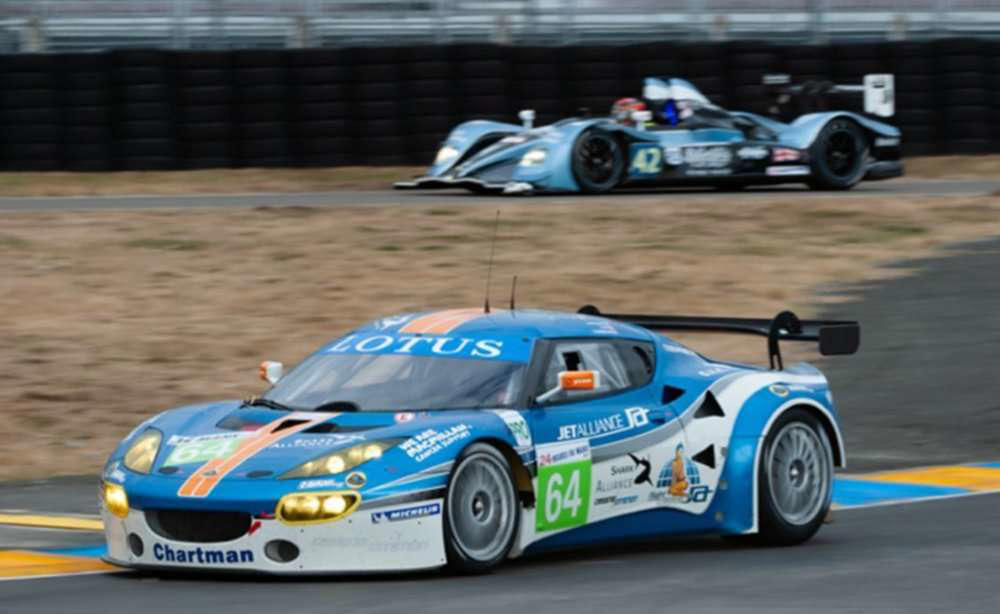

























firestone shows how racing improves street tires and why it matters Photos Credit: Mike Schlee and Firestone Nashville, TN - One-hundred and twenty-five years is a long time. Think of what the world was like in 1900 compared to today? Hard to imagine a company could adapt and survive during that time period, but that's exactly what Firestone has done. Founded in 1900, the brand has been manufacturing consumer tires for well over a century and the manufacturer's experience with racing is just as extensive. Firestone tires were first equipped to the Indianapolis winning car in…1911. It's a Celebration! firestone shows how racing improves street tires and why it matters To commemorate 1.25 centuries in existence, Firestone is holding celebrations all year long. The most recent is what the brand refers to as the Race-to-Road event, held across Tennessee this past Labor Day Weekend. Starting in Knoxville, Tennessee, a group of us drove new Honda Civic Si Coupes through the Tail of the Dragon, across the Cherohala skyway, and ultimately finishing in Nashville. The purpose of this drive was to highlight and showcase the brand's popular Firehawk Indy 500 summer tire, which were equipped on all the Civics on hand. I will have a full review of that tire and our adventure at a future date. For now, I'll stick to why this drive mattered, in no small part due to who was sitting shotgun during my journey. It's About the Journey and the Destination firestone shows how racing improves street tires and why it matters On this three-day event, I was lucky enough to bring my son. Although he does not quite share my level of passion for automobiles and motorsports, he does have an interest and loves a good road trip. I'm not going to pretend the Firestone Firehawk Indy 500 tires are the sole reason we had a good time, but having a tire that performs as intended, consistently, while providing necessary levels of feedback makes life easier. It's one less thing to worry about while my son and I enjoy a spirited drive through some ridiculously twisty roads. A quality tire is often taken for granted, or ignored, yet a bad tire can easily put a damper on a trip like this. Would we have been as excited to peruse Buc-ee's after five hours of driving if we'd been subject to unrelenting road noise and/or vibrations? Probably not. Where the Indy 500 Came From: Indycar 2024 Ford F-150 Lightning: All the Details firestone shows how racing improves street tires and why it matters Although it may be a case of putting the cart before the horse, it's our final destination that tells the origin story of the Firehawk Indy 500 tire. As the name alludes, the tire is a descendant from the NTT Indycar series and we just happen to be in Nashville to watch the 2025 season finale race. For the past 26 years, Firestone has been Indycar's sole tire supplier and involved with the various iterations of the series long before that. Looking at a modern Indycar, it's easy to see the front and rear tires are different sizes, but in actuality each of the four tires are slightly different. This means Firestone must design four separate tires for the car. It doesn't end there though. The various tracks the series visits in a year have different surfaces, characteristics, and require unique tires. firestone shows how racing improves street tires and why it matters Every race also incorporates two different types of tire compound. The black sidewall tires are the regular ones that get primarily used, while the red sidewall tires provide more grip, but for a shorter period before wearing out. Oh, then there are wet weather tires… All totalled, over the course of a season, 60 different tire specs are used, and each corner of the car has a unique spec as well. This adds up to some 32,000 tires manufactured during the Indycar season. That's a lot of tires, so to help with sustainability, the race-used tires are returned to Firestone and recycled. The materials used in modern race tires are also less rare, more sustainable, and better environmentally than in the past. What It Means for the Street firestone shows how racing improves street tires and why it matters At every Indycar race, Firestone officials and engineers are carefully monitoring the tire performance. The goal is to continually improve the tires performance and durability. It isn't just for the benefit of the racers though, a lot of tire technology trickles down from racing into consumer tires. Tires like the Firehawk Indy 500. Not only are these street tires made alongside their racing counterparts at Firestone's Akron, Ohio plant, they benefit from lessons learned during competition. Heat management, hydroplaning, sustained cornering grip, durability; these are just some of the enhancements incorporated into Firestone's street-legal products. firestone shows how racing improves street tires and why it matters We doubt how, why, or where the technology for Firehawk tires comes from is at the forefront of most driver's minds. But while flowing through switchbacks, enjoying a talk about dinosaurs, video games, and baseball with my son, it's nice knowing I don't have to worry about the only thing making contact between us and the road. Drivers Of These 10 Cars Are More Likely To Crash