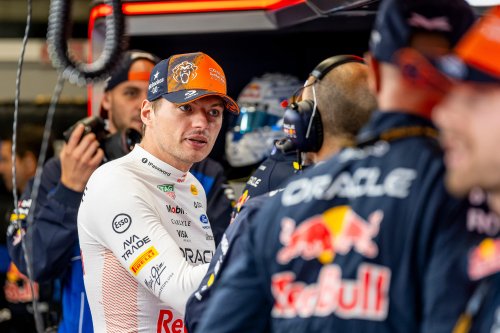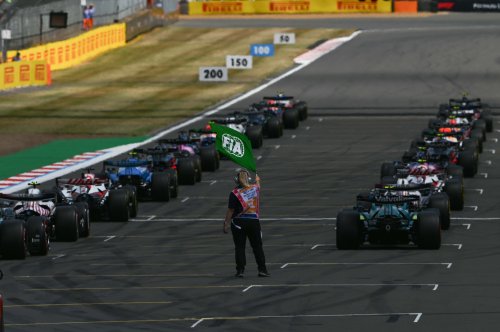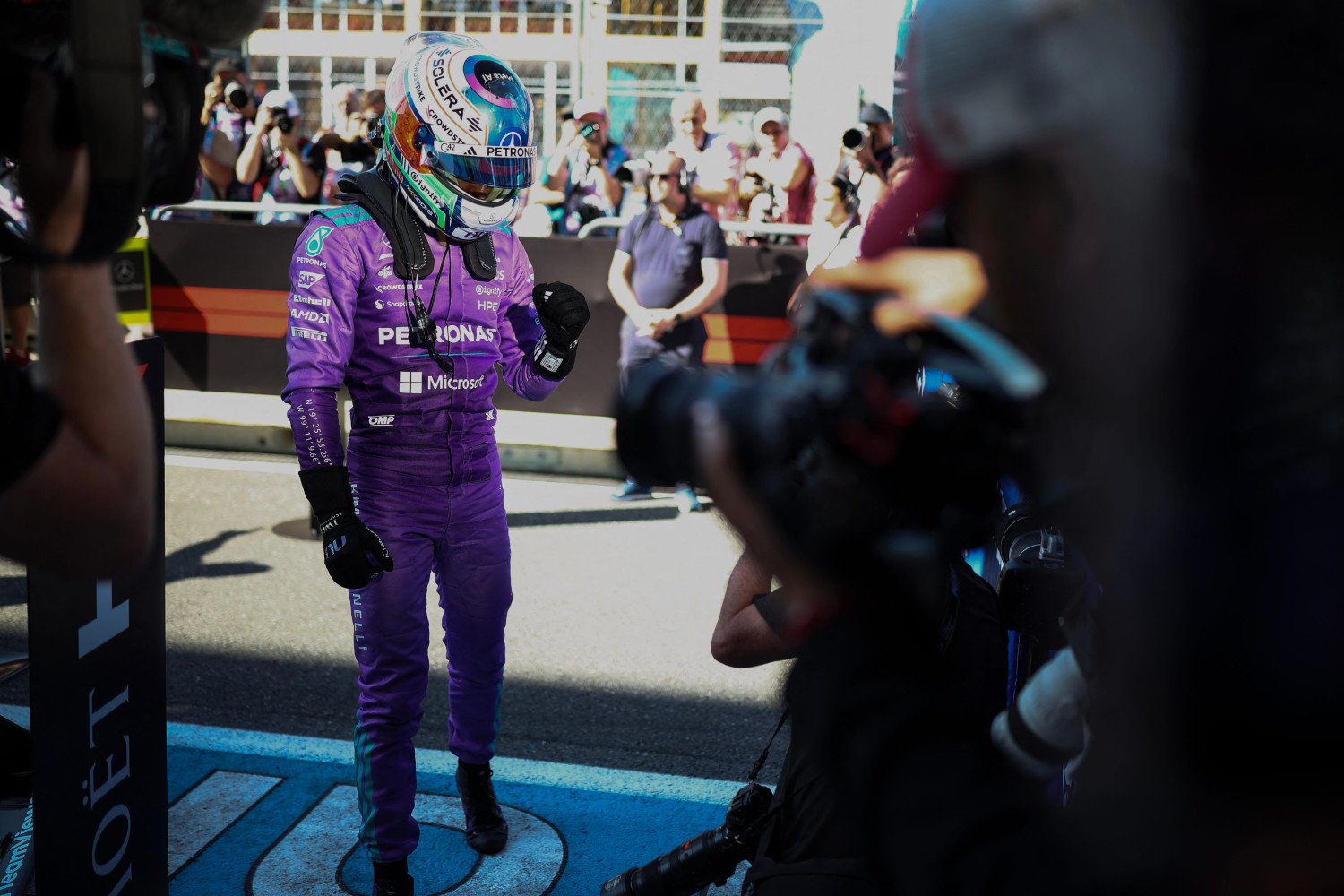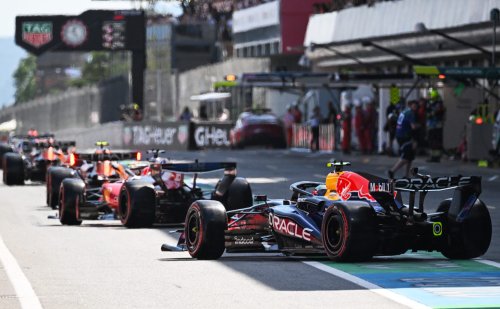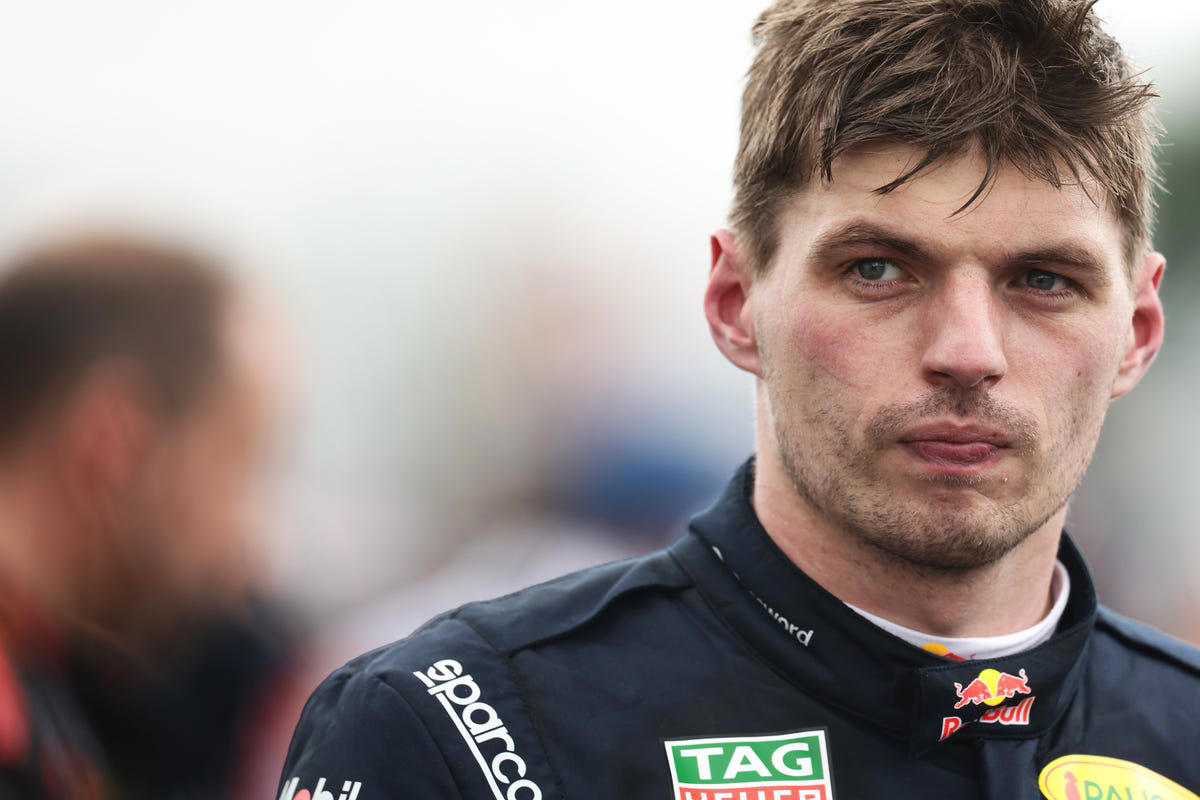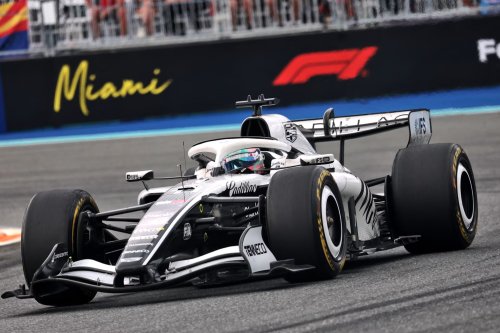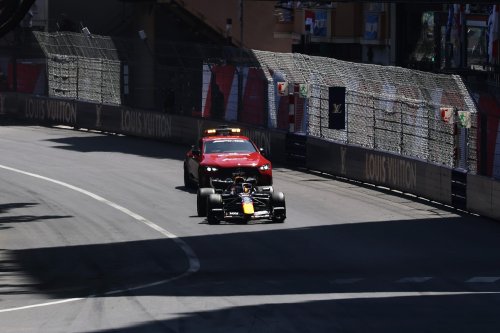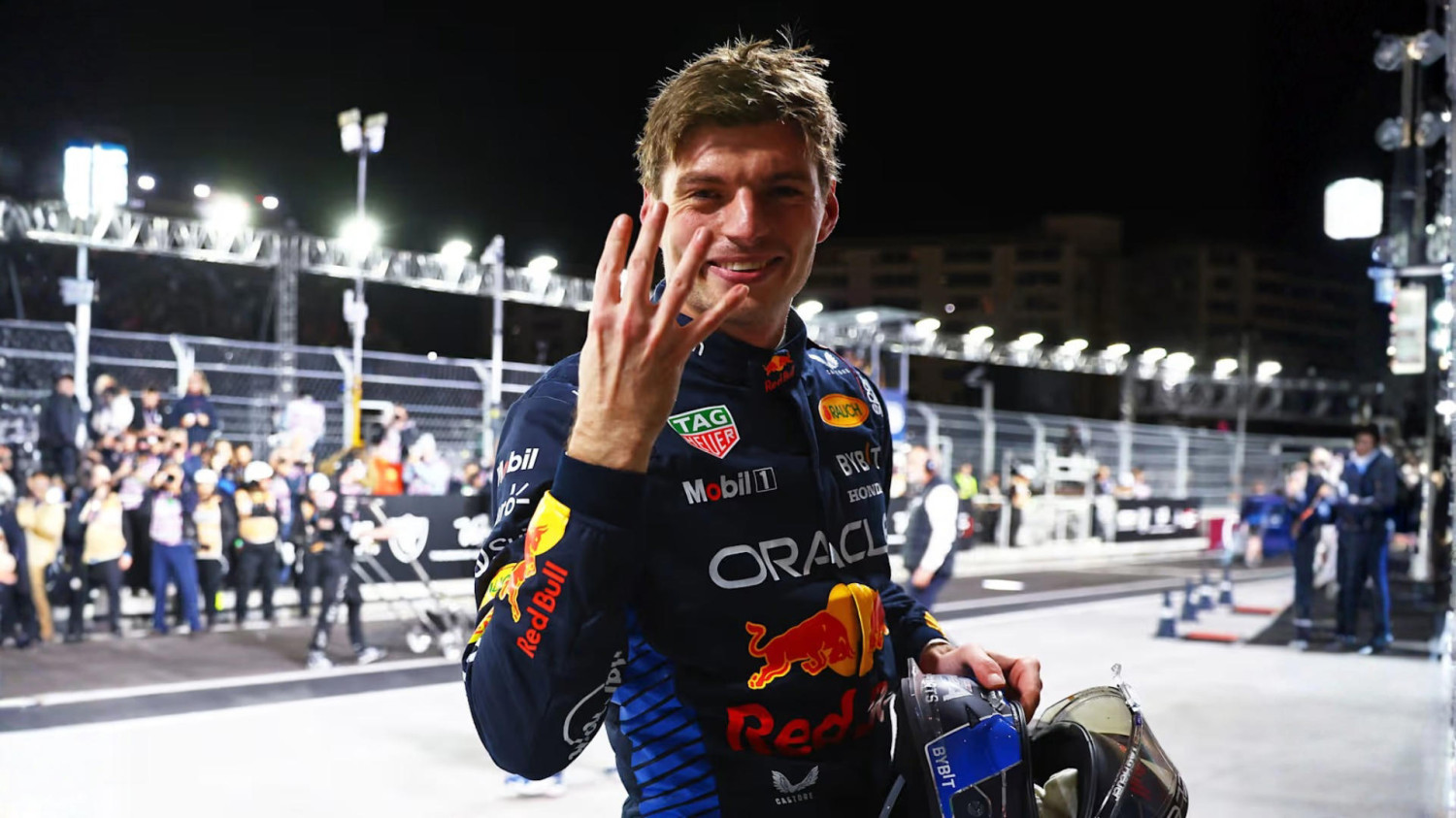



















Max Verstappen’s Monaco Retirement Shows How Formula 1 Can Humble Even Its Biggest StarsThe Monaco Grand Prix Offers No Easy ExitsMonaco is famous for creating drama.Most of the time, that drama comes from daring overtakes, qualifying heroics, strategy gambles, or mistakes punished by the circuit's unforgiving barriers. Occasionally, however, the race delivers disappointment before the first corner has even arrived.That was the case for Max Verstappen.Instead of fighting for position through the narrow streets of Monte Carlo, the reigning Formula 1 superstar saw his race effectively end before it had a chance to begin when his Red Bull stalled on the grid.In a sport built around precision and preparation, few setbacks are more frustrating.Mechanical Failures Remain Formula 1's Great EqualizerModern Formula 1 cars are among the most sophisticated racing machines ever built.Their power units, electronics, energy recovery systems, hydraulics, and software operate with extraordinary complexity. Teams invest enormous resources into reliability because they understand a simple truth: performance means nothing if the car cannot finish.Yet failures still happen.The margins are so fine that even minor technical issues can have dramatic consequences. A sensor malfunction, software error, clutch problem, or drivetrain fault can instantly erase an entire weekend of preparation.That is one reason mechanical retirements remain so painful.Unlike a driving mistake, there is often little a driver can do to prevent them.Monaco Makes Every Lost Opportunity More CostlyA retirement is frustrating at any circuit.In Monaco, it feels particularly significant.The event remains one of Formula 1's most prestigious races, and opportunities to compete there are limited. Drivers spend the entire weekend building toward a race where track position is critical and overtaking opportunities are scarce.Preparation matters enormously.Losing the chance to participate because of a technical issue can feel especially cruel when so much effort has gone into qualifying, setup work, and strategic planning.For Verstappen and Red Bull, the disappointment extended beyond the loss of points.It meant missing the opportunity to influence one of the season's most high-profile races.Formula 1 Success Depends on More Than TalentVerstappen's situation highlights a reality that often gets overlooked.Formula 1 may celebrate drivers, but victories depend on an intricate partnership between human skill and mechanical reliability. The best driver in the world cannot overcome a car that refuses to function properly.This has always been true.Throughout Formula 1 history, championship campaigns have been shaped not only by pace and racecraft but also by reliability. Legendary drivers have lost races and titles because machinery failed at the worst possible moment.Modern technology has reduced those risks.It has not eliminated them.Red Bull's Standards Make Incidents Like This Stand OutPart of the reason the story attracted attention is Red Bull's recent record.The team has established itself as one of Formula 1's strongest organizations, combining exceptional performance with impressive operational consistency. Reliability problems have become relatively uncommon compared with earlier eras of the sport.That success creates expectations.When a team consistently performs at the highest level, any unexpected failure becomes more noticeable. Incidents that might seem routine elsewhere attract greater scrutiny when they involve championship contenders.For Red Bull, a grid-side retirement feels unusual precisely because it has become so rare.Monaco Once Again Delivered the UnexpectedOne reason Monaco continues to hold a unique place in Formula 1 is its ability to generate memorable stories.Not all of them involve victories.Some involve heartbreak, missed opportunities, and circumstances nobody predicted. Verstappen's stalled Red Bull joins a long list of Monaco moments where fortunes changed unexpectedly and dramatically.The circuit has always had a way of exposing how fragile success can be.A tiny mistake, a strategic miscalculation, or a mechanical issue can instantly alter the narrative of an entire weekend.Why This Retirement MattersIn championship terms, a single retirement is rarely decisive on its own.Formula 1 seasons are long, and elite teams typically recover from setbacks quickly. The larger significance of Verstappen's Monaco disappointment lies in what it reveals about the sport itself.No driver is immune to bad luck.No team is completely protected from mechanical problems.And no amount of talent can overcome a race car that refuses to move.That unpredictability remains one of Formula 1's defining characteristics. Even during periods of dominance, success is never guaranteed.For Verstappen, Monaco became a reminder of that reality.For everyone else, it was a reminder that Formula 1's most powerful machines can still be stopped by the smallest of failures.This article was created by an external editorial team for the Misha Charoudin brand. It was not personally written by Misha Charoudin.