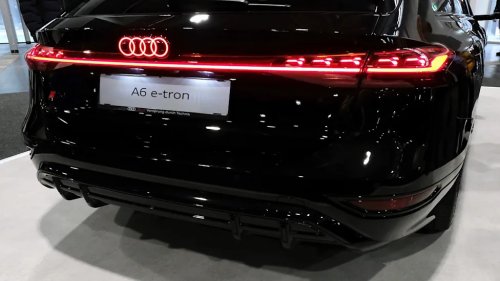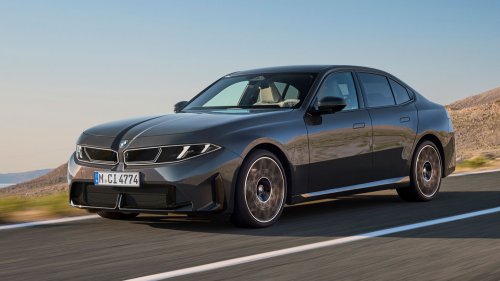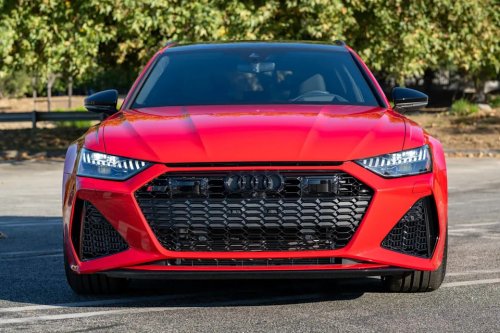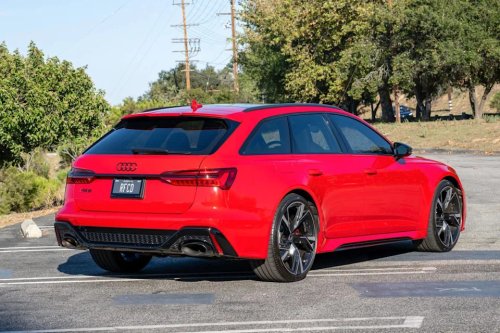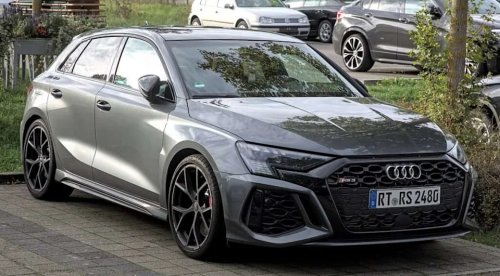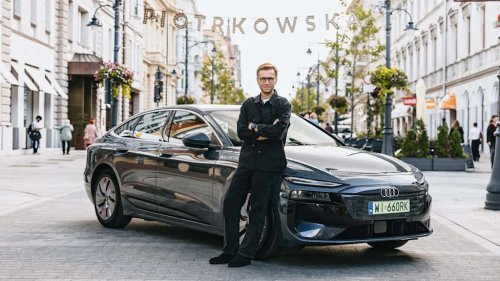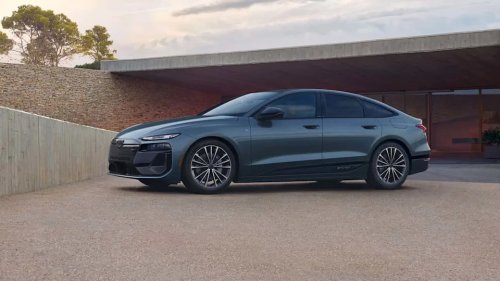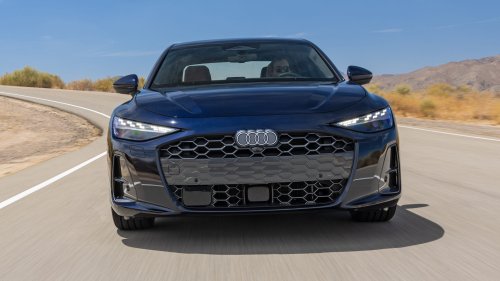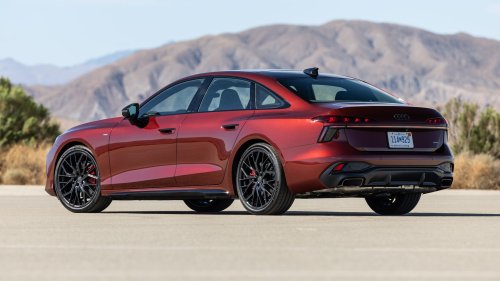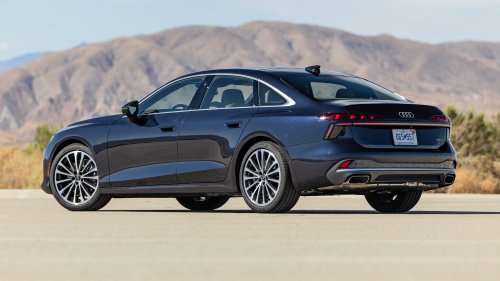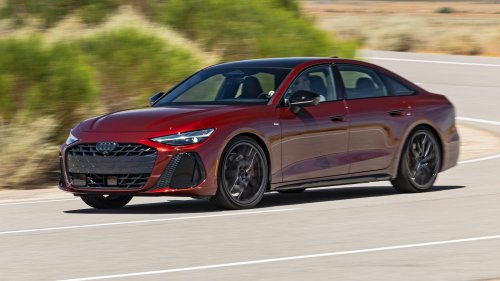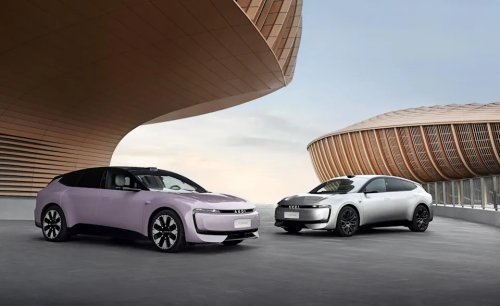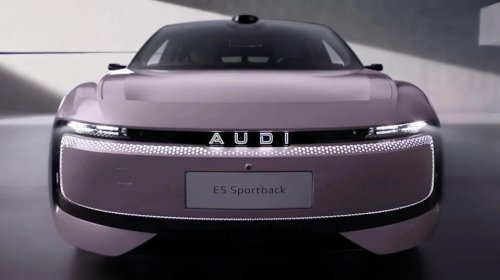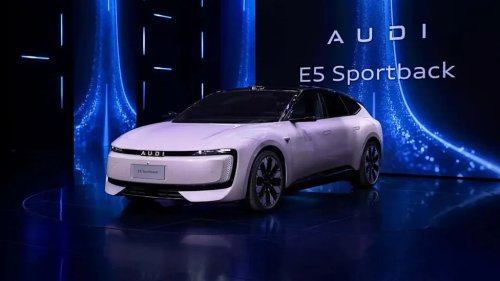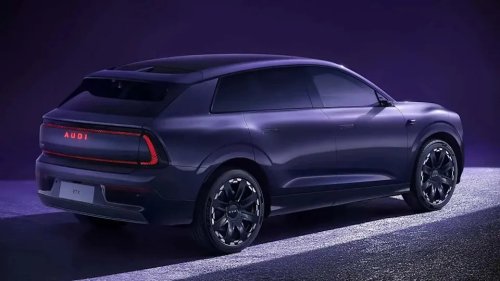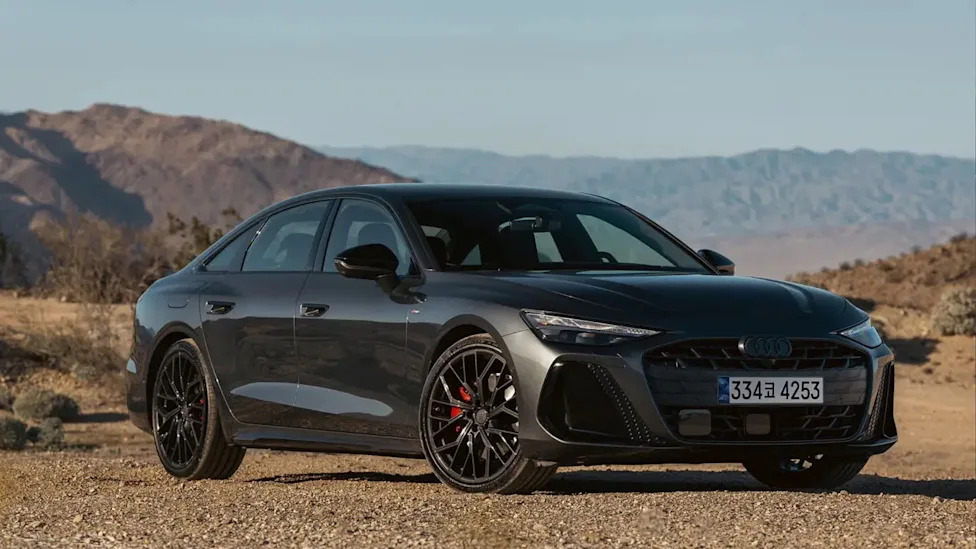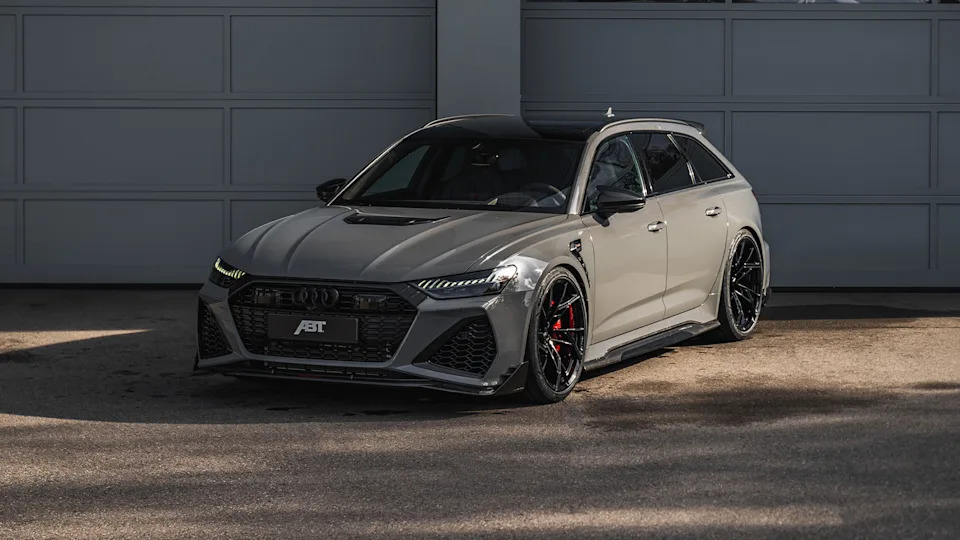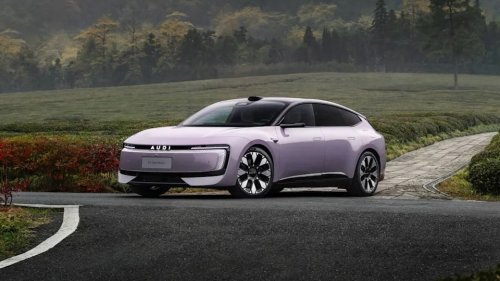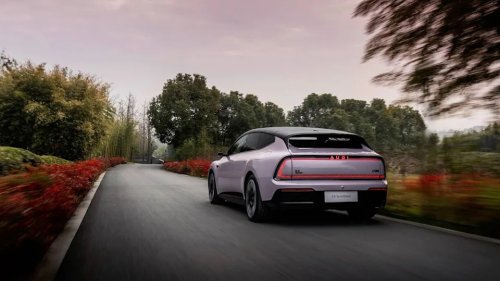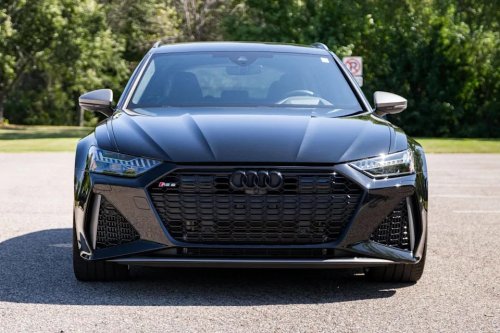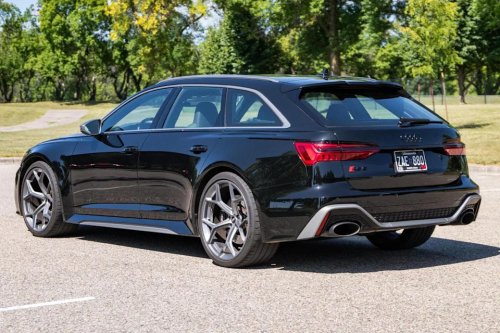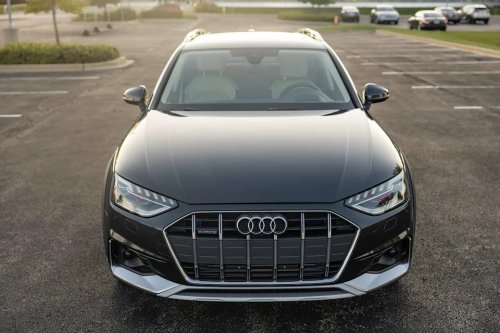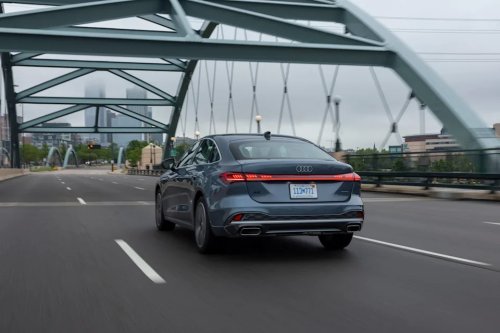



















IIHS Handed Out Its Top Safety Pick+ Award This Week, and Audi Couldn't Even Win It TwiceHere's a detail buried at the bottom of this week's safety news that matters more than the headline: Audi currently has two sedans in front of crash-test engineers, and only one of them was good enough for the Insurance Institute for Highway Safety. The redesigned 2026 A6 made the Institute's top list. The A3 did not. Same brand, same testing window, opposite outcomes. That gap says more about what's actually happening in vehicle safety testing this year than any list of winners does.This week IIHS added four 2026 models to its Top Safety Pick+ list, the organization's highest award: the Audi A6, the BMW X1, the Mazda CX-5, and the Subaru Crosstrek Hybrid. In that same evaluation window, five other current-year vehicles missed the mark entirely, including that A3, along with the Cadillac CT5, Lexus IS, Nissan Kicks, and Toyota Tacoma.The write-ups you'll see elsewhere will stop at who won. The more useful question is why so many familiar nameplates suddenly didn't, and the answer has less to do with those cars getting worse than with IIHS quietly raising the bar underneath all of them.The Test Got Harder, Not the Cars WorseTo earn Top Safety Pick+, a vehicle needs Good ratings in the small-overlap front, moderate-overlap front, and side crash tests, Acceptable-or-better headlights across every trim level, a Good rating in pedestrian front crash prevention, and an Acceptable or Good rating in what IIHS now labels its vehicle-to-vehicle front crash prevention 2.0 test, according to the Institute's official 2026 criteria.AdvertisementAdvertisementThat "2.0" is doing a lot of quiet work. IIHS's own test documentation confirms that the original vehicle-to-vehicle front crash prevention evaluation has been discontinued and replaced with what the Institute calls a more demanding version. That is almost certainly where the A3, CT5, IS, Kicks, and Tacoma tripped, since none of those vehicles underwent a structural redesign this year and their frontal crash architecture hadn't otherwise changed.Why now? Look at the federal calendar. NHTSA finalized a rule in 2024 requiring automatic emergency braking on nearly every new vehicle under 10,000 pounds, with systems that must detect and brake for a vehicle ahead at speeds up to 90 mph and a pedestrian at up to 45 mph, standard, by September 2029. IIHS is funded entirely by insurance associations, not by any government agency, and it has no reason to wait around for a 2029 deadline. Tightening its own test now, five years early, keeps pressure on automakers and hands insurers real performance data long before the law requires anyone to produce it.IIHS has no subpoena power and no seat in Congress. What it has is a badge every automaker's marketing department wants, and that turns out to be enough to move a federal deadline years ahead of schedule.Even the Winners Have the Same AsteriskEven among the four cars that won, one weakness keeps showing up. The new A6 earned Good marks in every single evaluation except one: its standard headlight system, rated only Acceptable. The redesigned CX-5 carries the identical footnote. Two vehicles at opposite ends of the price spectrum, engineered on different continents by different companies, and both stumble in the exact same spot.AdvertisementAdvertisementTwo rules explain why this keeps happening. First, the headlight requirement applies to every trim's standard equipment, not just the top-spec halo model with the priciest LED matrix units, so an automaker can't simply engineer one showcase trim and call the job done. Second, unlike most of its other evaluations, IIHS won't accept manufacturer-supplied data for headlight testing; it insists on running that evaluation itself. Combine those two facts and headlights stop looking like a hard engineering problem and start looking like a parts-bin discipline problem, one that shows up right where automakers are most tempted to save a few dollars: the base trim. We've already seen what happens when that discipline slips after the fact, too, with Ram issuing a fourth wiring-related fix for the 1500's headlights in a matter of months, and Ford recalling tens of thousands of Explorers over software that let their headlights blind oncoming drivers.A Three-Year-Old SUV Just Got Its First Full Report CardHere's the detail buyers should sit with: BMW's X1 was last redesigned for 2023. It only just completed IIHS's moderate-overlap front test this year, three model years and presumably hundreds of thousands of American miles into its life. That's not BMW dragging its feet. IIHS says outright that time and budget constraints make it impossible to test every model every year, so the Institute triages. Ratings carry over automatically when nothing structural changes, and fresh crash tests get prioritized for vehicles that are new or heavily revised. BMW has plenty else in motion right now, including a redesigned X5 and X7 and the coming Neue Klasse iX3, and none of that competes for the same test slots as a carryover compact SUV.The lesson generalizes well beyond one crossover: a missing or incomplete rating on a vehicle you're shopping for often says nothing about how safe that vehicle is, and everything about how far down the Institute's to-do list it happened to sit.The Crosstrek Hybrid Detail Is the Most Technical, and the Most TellingNormally, a hybrid version of an already-tested platform gets a free pass. IIHS extends the existing crash rating to it rather than repeating the whole battery of physical tests, since the underlying structure is assumed to be unchanged. Subaru's Crosstrek Hybrid didn't get that pass. IIHS tested it independently because its structure and restraint systems differ enough from the standard, gas-only Crosstrek to matter.AdvertisementAdvertisementTranslate that out of engineering-speak: stuffing a battery pack and electric motor into a platform can reshape the crash structure itself, not just the equipment under the hood. It's the same logic, at a smaller scale, that already forces every fully electric variant of a gas model to be crash-tested from zero rather than inheriting a rating. Subaru has spent this year leaning hard on value and differentiation to move metal across its lineup, and a clean sweep of Good ratings on the Crosstrek Hybrid is a detail its marketing team will use whether or not shoppers understand why the car earned it the hard way.What to Actually Remember HereNone of this makes the A6, X1, CX-5, or Crosstrek Hybrid bad cars. Obviously the opposite is true. But the badge on the window sticker is the least interesting part of this story. The interesting part is that the test behind it just got harder, that headlights remain the one component the whole industry still can't standardize, and that a compact SUV can sell for three years before anyone finishes checking its homework. Buyers keep score by the sticker. IIHS keeps score by the spreadsheet underneath it, and this year, that spreadsheet changed for everyone at once.Join our Newsletter, follow our Instagram page, and connect with us on Facebook.