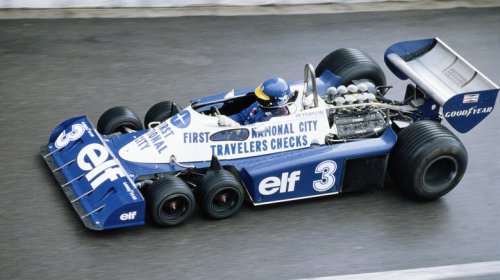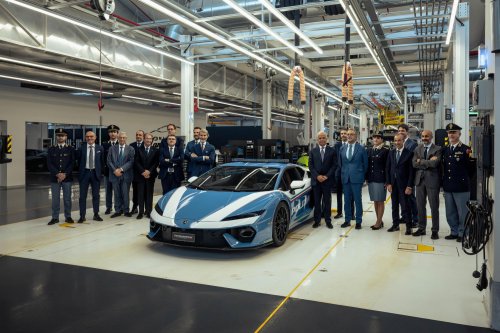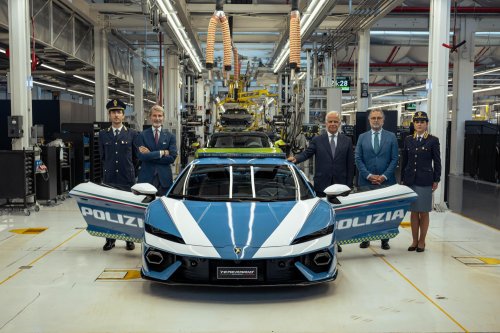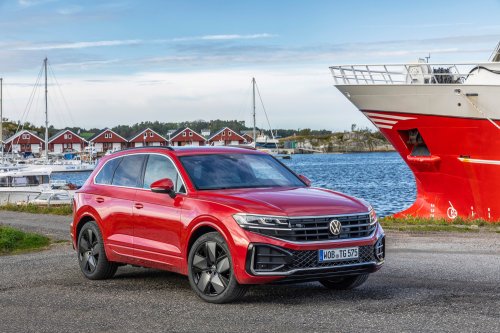



















Some cars appear for a single model year, then vanish, yet their brief lives often mark turning points in design, regulation, or corporate strategy. When I look closely at these one‑year machines, I see less of a curiosity and more of a snapshot of the pressures shaping the auto industry at that exact moment. From safety crackdowns to fuel crises and shifting tastes, short‑run cars tend to cluster around moments of upheaval, when engineers and executives are forced to improvise. Their stories help explain how regulations hardened, how brands repositioned themselves, and why certain design ideas flourished while others were quietly abandoned. Why one‑year cars happen at all Automakers rarely set out to design a car that will last only a single model year. What usually happens is that a fast‑moving external shock, such as a new safety rule or a sudden fuel‑price spike, collides with a product plan that was locked in years earlier. The result is a stopgap model that satisfies the letter of the law or the mood of the market just long enough for a more permanent replacement to arrive, a pattern that shows up repeatedly in regulatory histories and corporate filings I reviewed through federal safety rules and emissions regulations. In other cases, a one‑year design reflects a strategic misfire that becomes obvious only once the car hits showrooms. Internal sales data and period reporting on model cancellations, preserved in company disclosures and contemporary industry coverage, show how quickly a model can be pulled when it confuses buyers or overlaps too closely with a sibling in the same showroom. The car’s short life then becomes a kind of corporate scar tissue, a reminder that even large manufacturers can misread the market when they try to pivot too fast. Safety rules and the rise of the “compliance special” Some of the most revealing one‑year designs are what engineers sometimes call compliance specials, cars or specific configurations created primarily to satisfy a new rule rather than to chase consumer demand. When the United States tightened crash‑protection standards and phased in requirements for features such as energy‑absorbing steering columns and improved side‑impact structures, manufacturers often responded with interim body revisions that lasted a single season before a full redesign arrived, a pattern documented in technical dockets attached to Federal Motor Vehicle Safety Standards. These short‑run safety updates mattered because they forced companies to internalize the cost of regulation and to rethink how they engineered platforms in the first place. Instead of treating each new rule as a bolt‑on fix, automakers gradually shifted toward architectures designed from the outset to meet multiple future standards, a shift that shows up in the way later platforms are described in manufacturer compliance filings and in the engineering notes that accompany rulemaking comments. The one‑year cars that bridged those transitions are important not because they sold in big numbers, but because they mark the moment when safety stopped being an afterthought and became a core design constraint. Fuel crises, emissions rules, and short‑lived experiments Energy shocks and emissions crackdowns have produced their own wave of one‑year curiosities, as companies scrambled to keep thirsty lineups legal and vaguely competitive. When the United States tightened tailpipe standards and began enforcing corporate average fuel economy targets, manufacturers rushed out low‑volume variants with smaller engines, altered gearing, or stripped‑down equipment to nudge their fleet averages into compliance, a tactic described in EPA fuel‑economy test data and CAFE rule histories. Many of those configurations lasted only a single model year, either because they were unappealing to buyers or because a more integrated solution arrived in the form of a new engine family or lighter platform. Yet they mattered in two ways. First, they bought manufacturers time to retool, a point that shows up in the phase‑in schedules and lead‑time arguments automakers made in emissions rule comments. Second, they served as real‑world tests of technologies such as early fuel injection and higher‑efficiency transmissions, features that appear in small numbers in one year and then spread widely in subsequent product cycles documented in later automotive trends reports. Styling dead ends and brand pivots Image Credit: Rutger van der Maar, via Wikimedia Commons, CC BY 2.0 Not every one‑year design is driven by regulation; some are casualties of fashion and branding. Automakers periodically bet on a bold new look or niche body style, only to discover that customers are not interested or that the design clashes with the rest of the lineup. Sales breakdowns and model‑year change notices in annual reports and archived road‑test coverage show how quickly a misaligned model can be dropped or heavily revised after a single season. These short‑run styling experiments matter because they reveal how sensitive brand identity is to context. A design that looks fresh in isolation can feel jarring when parked next to the rest of the range, and the resulting confusion can dilute a badge that took decades to build. Internal marketing research, summarized in investor presentations and strategy updates, often cites these one‑year detours as justification for tighter design governance and more consistent visual language across models. In that sense, the cars that disappear quickly help define the boundaries of what a brand can credibly be. Limited runs, homologation specials, and deliberate scarcity There is another category of one‑year car that is short‑lived by design rather than by accident. Performance divisions and racing programs sometimes need a road‑legal model built in just enough volume to satisfy competition rules, a practice known as homologation. These cars, which show up in motorsport regulations and in production‑volume certifications filed with transport authorities, are often sold for a single model year or in a tightly defined batch, then retired once the racing objective is met. Deliberate scarcity also plays a role in marketing‑driven limited editions, where a manufacturer caps production to create urgency and protect residual values. While these cars are not always mechanically unique, their one‑year paint schemes, trim packages, or performance tweaks can have an outsized impact on brand perception, especially when they are tied to anniversaries or high‑profile partnerships documented in promotional filings and launch coverage. In both cases, the short production run is a feature rather than a flaw, a way to turn a regulatory or marketing requirement into a story that enthusiasts will repeat long after the last example leaves the factory. What these brief lives reveal about the industry When I line up these different strands, from compliance specials to styling dead ends and deliberate limited runs, a pattern emerges. One‑year cars tend to cluster around inflection points, the moments when new rules, new technologies, or new corporate strategies collide with existing product plans. The technical and regulatory records that surround them, from safety dockets to emissions trend reports, show how often these short‑lived models served as bridges between eras rather than as isolated curiosities. They also underscore how little room for error modern automakers have. Product cycles are long, capital costs are high, and the regulatory environment is only getting more complex, as reflected in ongoing rulemakings on fuel‑economy targets and vehicle emissions. When a car appears for a single year and then disappears, it is usually because the ground shifted faster than expected. Paying attention to those brief lives is one way to see the shift in real time, and to understand how the next generation of cars is being shaped long before it reaches the road.