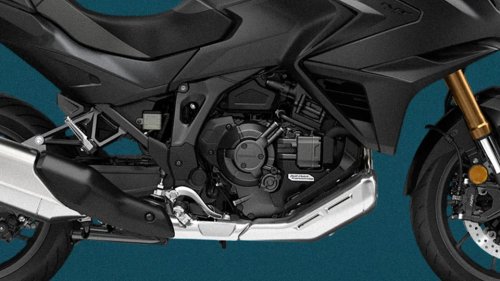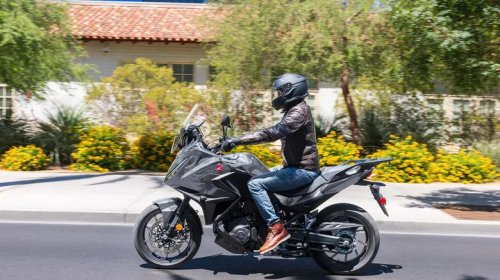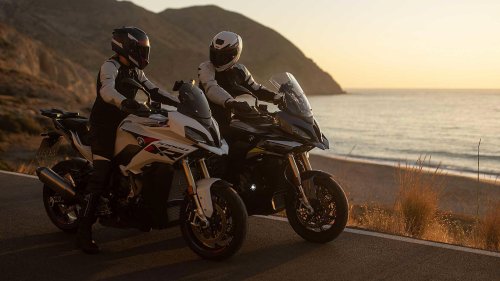
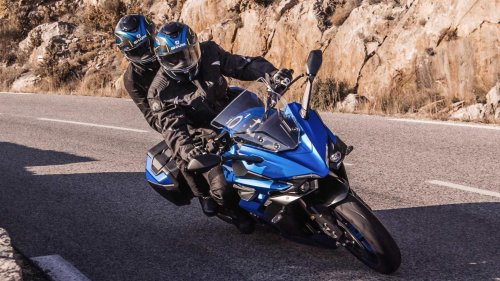
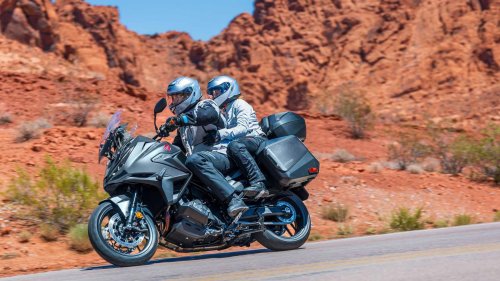
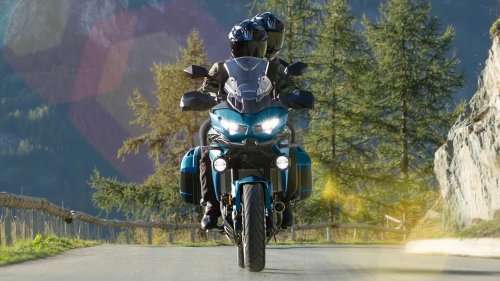
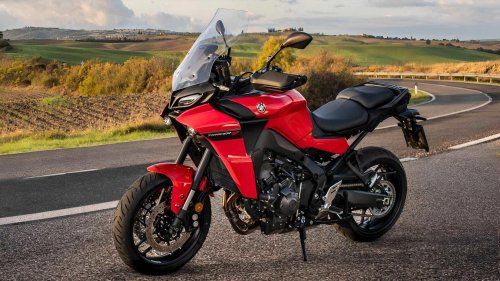
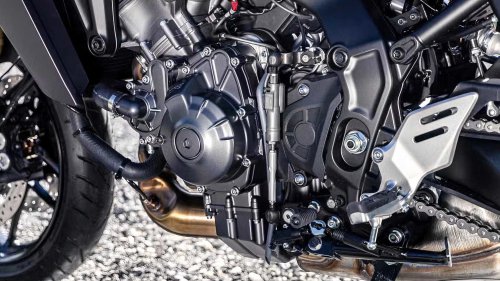
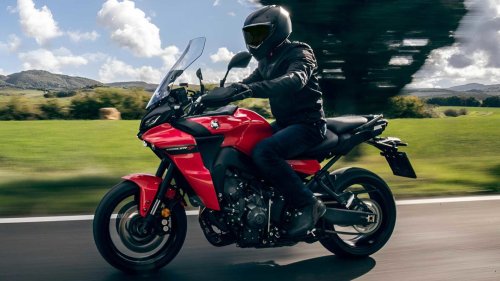
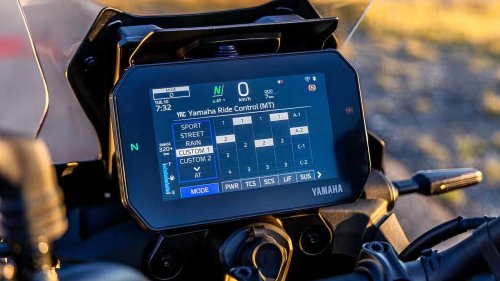
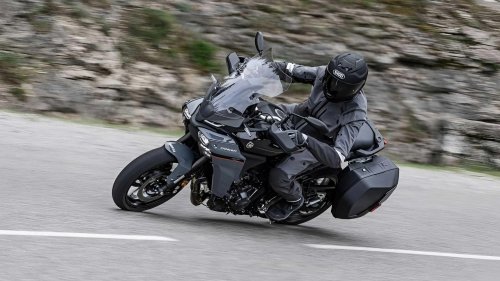
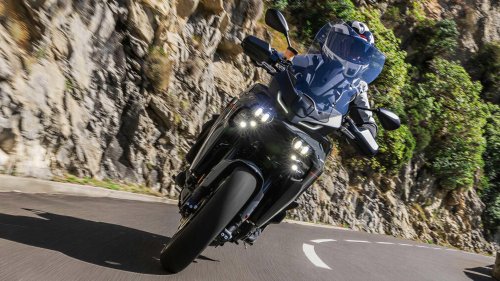



















Modern touring motorcycles have become incredibly advanced machines, but many of them now seem designed around spec sheets and marketing battles instead of the way people actually ride. Horsepower numbers keep climbing, electronics packages are getting more complicated, and curb weights continue creeping upward as manufacturers pile on features. The result is that a lot of touring motorcycles now seem oversized and excessive for riders who mostly commute, take weekend rides, and occasionally disappear for a few days on the highway. Modern Touring Bikes Are Becoming Overcomplicated BMW The sport-touring category used to be about balance. Riders wanted motorcycles that could comfortably cover long distances while still remaining agile enough to enjoy a mountain road or daily commute. But over time, many manufacturers started treating touring bikes like luxury flagships. Larger engines, bigger fairings, heavier chassis, and endless menus buried inside TFT screens have become the norm. While impressive on paper, those additions often make motorcycles harder to live with in normal riding conditions. Most Riders Rarely Use Superbike Levels Of Performance Yamaha Motor The reality is that very few riders need 170-horsepower touring bikes capable of reaching absurd speeds. Most real-world riding happens between traffic lights, on uneven highways, or during relaxed weekend rides where comfort and confidence matter far more than outright acceleration. Massive power figures may sound exciting in advertisements, but they often create motorcycles that become intimidating, heavy, and unnecessarily demanding during everyday use.Manufacturers also tend to assume riders spend most of their time on smooth roads and wide open highways. In reality, many riders deal with rough pavement, potholes, tight city streets, sudden rain, and heavy traffic. In those situations, lightweight handling, predictable power delivery, and good ergonomics matter far more than racetrack-level performance. A touring bike that works well at sane speeds usually ends up becoming more enjoyable overall. Comfort And Practicality Matter More On Long Rides Suzuki CyclesLong-distance riding also changes how riders prioritize motorcycles. After several hours in the saddle, things like wind protection, seat comfort, suspension tuning, fuel range, and riding position become much more important than peak speed or aggressive handling geometry. Riders want motorcycles that reduce fatigue instead of amplifying it. They want something that can carry luggage, handle changing road conditions, and still remain manageable after a full day of riding.That balance has become increasingly difficult to find because so many modern sport-tourers focus on extremes. Some are essentially superbikes with taller handlebars and saddlebags. Others become so large and luxurious that they start feeling detached from the riding experience altogether. The sweet spot sits somewhere in the middle, where performance remains exciting without sacrificing usability. Riders Want Touring Bikes That Work In Everyday Situations Honda Powersports As motorcycles become more specialized, many riders are moving in the opposite direction. Instead of owning multiple bikes for different purposes, people increasingly want one machine capable of handling commuting, touring, canyon riding, and occasional two-up travel without feeling compromised in any particular role. Versatility has become one of the most valuable traits in motorcycling. Versatility Has Become More Important Than Specialization Kawasaki That shift explains why middleweight touring bikes are becoming more popular again. Riders are realizing that manageable size and usable performance often create a more rewarding ownership experience than outright excess. A motorcycle that remains approachable on a weekday commute but still entertaining on a weekend trip usually gets ridden more often than an intimidating flagship machine.The ideal touring bike today needs to strike a difficult balance. It has to remain sporty without becoming uncomfortable, practical without becoming boring, and technologically advanced without overwhelming the rider. Most importantly, it has to work well in unpredictable real-world conditions instead of perfect test environments. Very few motorcycles manage to pull that off successfully. The Yamaha Tracer 9 Was Designed For Real-World Conditions That is exactly where the Yamaha Tracer 9 fits in. Instead of trying to dominate the horsepower war, Yamaha focused on creating a sport-tourer that remains genuinely usable every single day. The motorcycle combines strong performance, manageable dimensions, long-distance comfort, and modern technology into a package built around how people actually ride rather than how manufacturers want motorcycles to appear on paper.Unlike many large touring motorcycles, the Tracer 9 remains approachable in size and character. The upright ergonomics, wide handlebars, and compact overall proportions make it easy to maneuver in city traffic and backroads alike, while still remaining stable and comfortable on longer highway rides. It avoids the intimidating bulk that often comes with larger sport-tourers without sacrificing capability. Why The Tracer 9 Works So Well Outside Of Perfect Roads Yamaha One of the biggest reasons the Tracer 9 stands out is that Yamaha engineered it around imperfect riding conditions instead of idealized scenarios. The motorcycle remains composed on rough pavement, confident in changing weather, and comfortable during long hours in the saddle. Instead of prioritizing maximum performance in narrow situations, the Tracer 9 focuses on delivering consistency across a wide range of environments.The more premium Tracer 9 GT variant adds another layer of sophistication by packing in features normally reserved for far more expensive touring motorcycles. Yamaha equips it with electronically controlled semi-active suspension that continuously adapts damping in real time, along with integrated hard luggage, heated grips, and a larger multifunction TFT display with smartphone connectivity and navigation support. The GT also includes adaptive cruise control, radar-assisted systems, and keyless ignition, turning the motorcycle into a genuinely high-tech long-distance machine without losing the approachable and manageable character that makes the standard Tracer 9 so appealing. Its Triple-Cylinder Engine Balances Character And Usability Yamaha Motorsports The CP3 engine plays a massive role in the Tracer 9’s personality. Yamaha's 890 cc liquid-cooled inline-three produces 117 horsepower and 69 pound-feet of torque, paired to a six-speed transmission with a slip-and-assist clutch and available quickshifter system. Inline-three engines have always occupied an interesting middle ground between twins and fours, and Yamaha’s version delivers a particularly strong balance of low-end torque, midrange punch, and top-end excitement.That broad powerband contributes heavily to real-world usability. Riders do not need to aggressively chase gears or constantly rev the engine to access performance. The Tracer 9 pulls strongly from low and midrange speeds, making overtakes, highway merging, and loaded touring feel effortless. It gives riders enough performance to stay exciting while avoiding the exhausting intensity of larger high-horsepower touring bikes. Engineered For Real World Touring Yamaha One of the biggest reasons the Tracer 9 works so well outside of perfect roads is because Yamaha engineered the chassis around comfort, stability, and adaptability instead of pure aggression. The motorcycle rides on a lightweight aluminum Deltabox frame and uses fully adjustable suspension, including a 41 mm inverted fork and linked rear monoshock. Braking comes from dual 298 mm front discs with radial-mounted calipers and a 267 mm rear disc, while a 17-inch wheel setup helps balance agility with long-distance stability.Yamaha Motorsports The Tracer 9 also remains relatively manageable in size despite its touring capability. It carries a wet weight of 485 pounds, features an adjustable seat height between 33.3 to 33.9 inches, and pairs its upright ergonomics with a roomy riding position designed for long hours in the saddle. Combined with features like cruise control, lean-sensitive rider aids, adjustable wind protection, and a 5-gallon fuel tank, the motorcycle remains purpose-built for unpredictable real-world riding conditions instead of perfectly smooth roads and ideal weather. The Tracer 9 Delivers Premium Touring Without Excess Yamaha Motorsports The most impressive thing about the Tracer 9 is that it delivers a genuinely premium riding experience without relying on unnecessary excess. Riders still get advanced electronics, strong performance, excellent comfort, and high-quality chassis components, but the motorcycle never becomes bloated or overcomplicated. Everything serves a purpose instead of existing purely to inflate specifications. You Get A Lot Of Bike For The Money Yamaha Motorsports Starting at $12,599 (and $16,499 for the GT variant), the Tracer 9 undercuts many larger sport-tourers while still offering a remarkably complete package. Riders get modern safety technology, strong touring capability, engaging performance, and everyday practicality in a motorcycle that remains approachable and relatively lightweight. That value becomes even more apparent when compared to larger touring bikes that cost significantly more while offering capabilities many riders rarely use.The Tracer 9 ultimately proves that modern touring motorcycles do not need enormous engines, intimidating size, or excessive complexity to feel premium and capable. By focusing on real-world usability instead of extremes, Yamaha created a motorcycle that remains far more relevant to the way most people actually ride.Source: Yamaha