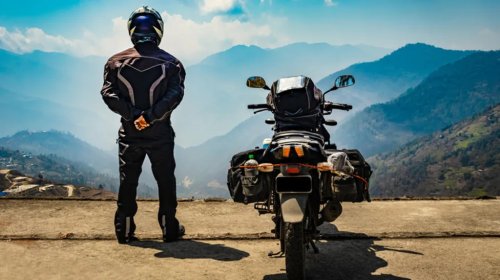
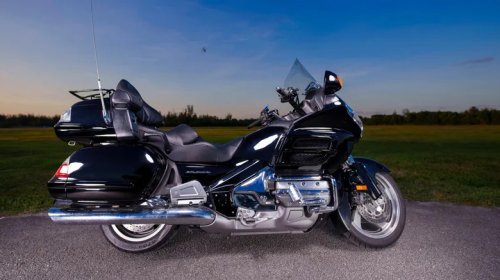
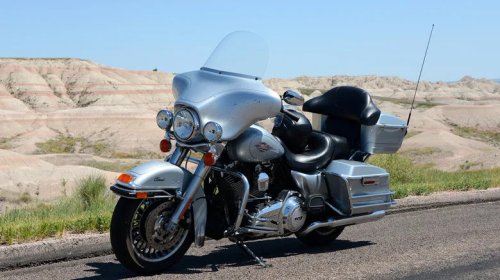
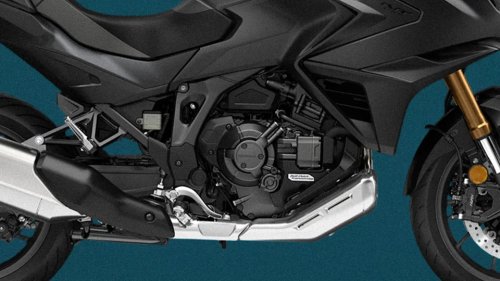
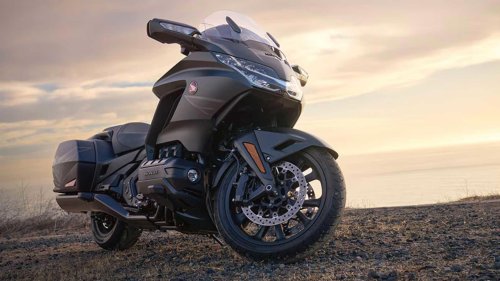
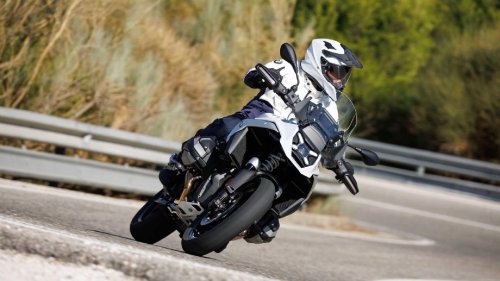
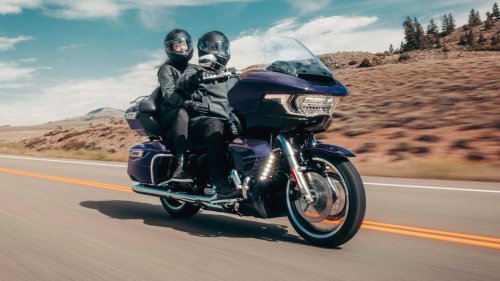
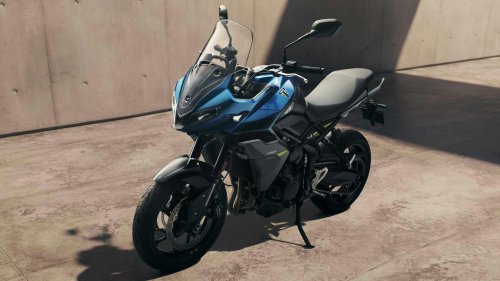
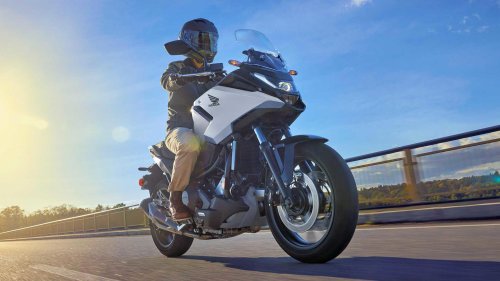
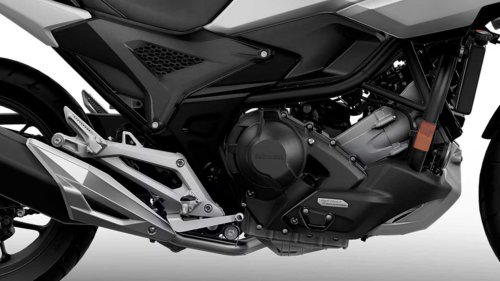
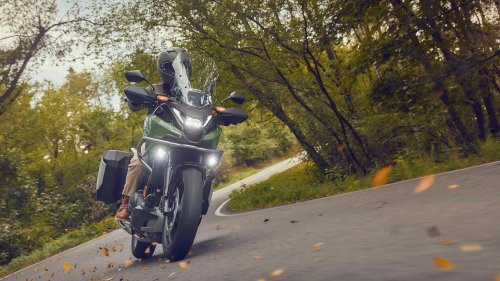
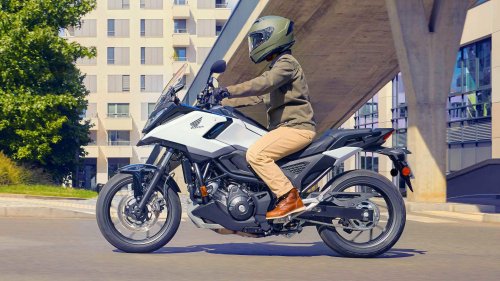
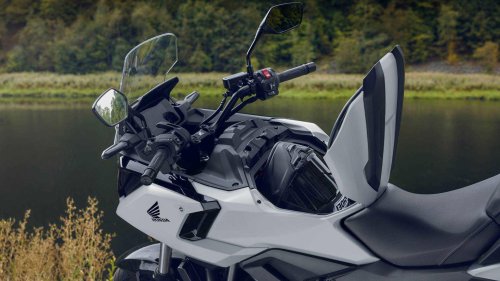
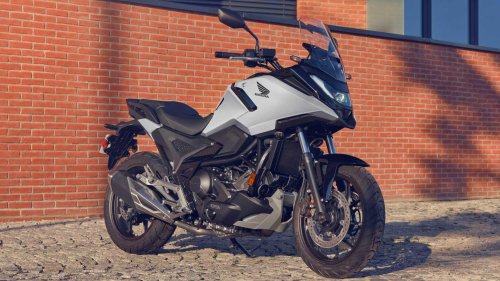
Long-distance motorcycles have traditionally lived by one rule: comfort comes at the cost of fuel economy. Big touring machines often deliver plush ergonomics, weather protection, and mile-munching stability, but they usually ask for frequent fuel stops in return. Riders, on some level, accept this as part of the ritual. Gas stations became watering holes for these modern mammoths to stop and quench their thirst.Modern motorcycling is slowly reshaping that formula, though. Riders are no longer looking at just the big capacity motorcycles as potential long-distance companions. They want touring capability, but without the bulk, thirst, or intimidating size that often describes a full-dress tourer. The ideal machine is not just a sofa-on-wheels anymore. It is lighter, easier to manage, more versatile, and more capable of maintaining highway speeds without draining the fuel tank. Touring Motorcycles Are Changing Honda Powersports Touring motorcycles used to revolve around sheer size. Bigger fairings, larger engines, massive luggage systems, and endless chrome once defined the category. Machines like the Honda Gold Wing or the BMW K 1600 GTL represent luxury on two wheels, but they also come with substantial weight and operating costs. The modern tourer often wants something else entirely. Many riders take these big tourers to their destination, but want to be able to run around on them just as easily. Upright ergonomics, manageable dimensions, decent wind protection, and enough luggage space are what they are asking for, along with some amount of city traffic capability.BMW Motorrad Adventure tourers have stepped into this role fairly nicely, especially the mid-capacity ones. They are perfectly capable of handling multi-day rides easily, but they also give you some amount of in-city practicality. What’s more, most mid-capacity motorcycles are perfectly capable of riding at 75 to 80 mph all day long while still stretching fuel stops farther and farther apart. Why Highway Fuel-Efficiency Matters Harley-Davidson Fuel economy is often discussed in commuter terms, but it becomes equally important on touring rides, too. At sustained highway speeds, motorcycles typically burn through fuel much faster, but if you're sitting right in your motorcycle's comfort zone, you end up covering longer distances, too. It’s a given that bikes with bigger engines will be able to cruise along just fine, but the bigger engine sizes just mean bigger explosions and more fuel being burned. Bikes like the Honda Gold Wing with their huge engines drink fuel like it's readily available. On the other hand, small-capacity motorcycles really need to push themselves on the interstate, which, again, is not ideal for mileage.Triumph Motorcycles The only logical answer here, then, is a middle-weight engine that can comfortably cruise at 80 while staying fairly efficient. This can enhance the experience in subtle ways. Fewer gas stops mean longer time in the saddle, allowing you to cover larger distances throughout the day. These bikes also tend to feel calmer throughout the day, which has the placebo effect of reducing mental fatigue. Now, if you scrounge around the internet for something like this, you get something called the Honda NC750X. The Honda NC750X’s Touring Philosophy Is Spot On For New-Age Riders Honda Powersports The Honda NC750X occupies a fascinating corner of the motorcycle market. It refuses to fit neatly into one category and blends elements of commuter bikes, adventure tourers, and practical everyday transport, all into one package that feels pretty unique in the real-world. Honda designed the NC750X around efficiency and usability rather than outright excitement.So it delivers all the essentials: comfort, weather protection, luggage capability, and relaxed highway manners while sipping on fuel so slowly it shames some other rivals. Honda says the NC750X is capable of giving you a mileage of 67.2 miles per gallon, which is a pretty good claim on its own, but we'll get into how it manages that, too. The NC750X can show how smart engineering can completely reshape expectations. Features An Engine That Prioritizes Torque Honda Powersports At the heart of the NC750X sits a 745 cc liquid-cooled parallel-twin that behaves differently from most middle-weight motorcycle engines. Instead of chasing high-rpm horsepower figures, Honda has made sure to tune for strong low-end and mid-range torque. This is exactly why the NC750X can feel almost effortless at highway speeds. Torque comes early in the rev range, so moving up to speed is fairly easy, and once you hit that 80 mph mark, which is somewhere in the 4,000-4,500 rpm range, the engine settles into almost a relaxed rhythm. This low-stress point on the rev band is why the bike can return such nice mileage.Honda Powersports Another highlight is the Dual Clutch Transmission. Within the city, the DCT takes away the hassle of changing gears. On the highway, the computer automatically selects the gear best suited for the speed, so the bike is always burning fuel efficiently. There are multiple riding modes, of course, which shift gears differently depending on riding conditions, and if you so choose, you can manually shift with the handlebar-mounted controls. Paired With A Steel Chassis Honda Powersports The NC750X’s chassis, too, plays a role in why the motorcycle feels so effective at touring. The steel diamond frame, along with its 60.3-inch wheelbase and 27-degree rake, keeps the bike stable and predictable, particularly at highway speeds. It’s got an upright riding position, which reduces strain on the wrists and shoulders, and the windscreen deflects wind around the rider, reducing strain on your back and core muscles.Suspension duties are handled by a 41 mm telescopic front fork and a single rear shock absorber, both with 4.7 inches of travel. Not terribly high, but good enough for highways and city streets. Oh, and the fuel tank is also mounted low. That lowers the center of gravity, making low-speed maneuvers easier to handle. Smart Over Flashy Design Honda Powersports The bike’s design language sort of mirrors its overall philosophy. It's not overly aggressive like some ADVs. It may seem bulky from a side profile shot, but it is slim on the inseam. The 31.6-inch seat height is another bonus to this, so you can have your feet planted firmly on the floor at stops. One highlight of the NC750X’s design is its ‘frunk’. Thanks to the low-mounted fuel tank, Honda has managed to give you a 23-liter luggage compartment where the tank would otherwise be. It is big enough to fit a standard full-face helmet, so you don’t really need a tank bag for your journey, either. Why The NC750X Stands Out Price: $9,499 (Base MSRP) Honda Powersports The Honda NC750X manages to be unique because it doesn’t have to be. It doesn’t fit into one silly segment but manages to fulfill a variety of requirements. It has been designed with touring in mind, so it has the highway ability, but it manages to do the work of a commuter bike too, allowing you to tour around the new city without arranging for any other form of transport. Most important, however, is its ability to hold speed without having to dip into its power reserves and use more fuel. You can comfortably cruise at 80 on the highway while just sipping on your gas tank.Source: Honda Powersports



















 +20 others
![BMW, BMW i3, Touring, BMW i3 Touring captured on video for the first time [Video]](https://cdn.topcarnews.net/thumb/id/aHR0cHM6Ly9pMC53cC5jb20vZWxlY3Ry-ZWsuY28vd3AtY29udGVudC91cGxvYWRz-L3NpdGVzLzMvMjAyNi8wNy9CTVctaTMt-dG91cmluZy1zcG90dGVkLmpwZWc_dz0x-NTAwJmFtcDtxdWFsaXR5PTgyJmFtcDtz-dHJpcD1hbGwmYW1wO3NzbD0x/87d1e813cfb7391f42f35c0bb8e007c3.jpeg?t=20261004&post_id=57091)
![BMW, BMW i3, Touring, BMW i3 Touring captured on video for the first time [Video]](https://cdn.topcarnews.net/thumb/id/aHR0cHM6Ly9lbGVjdHJlay5jby93cC1j-b250ZW50L3VwbG9hZHMvc2l0ZXMvMy8y-MDI2LzA2L0JNVy1pMy1FVi1GaXJzdC1F-ZGl0aW9uLWludGVyaW9yLmpwZWc/f3fbafb75d427fa84632579ae56d60b7.jpeg?t=20261004&post_id=57091)
![BMW, BMW i3, Touring, BMW i3 Touring captured on video for the first time [Video]](https://cdn.topcarnews.net/thumb/id/aHR0cHM6Ly9lbGVjdHJlay5jby93cC1j-b250ZW50L3VwbG9hZHMvc2l0ZXMvMy8y-MDI2LzA2L0JNVy1pMy1FVi1vcmRlcnMt-b3Blbi5qcGVn/ee056511b8cc2b0f5022977f9adf29a0.jpeg?t=20261004&post_id=57091)