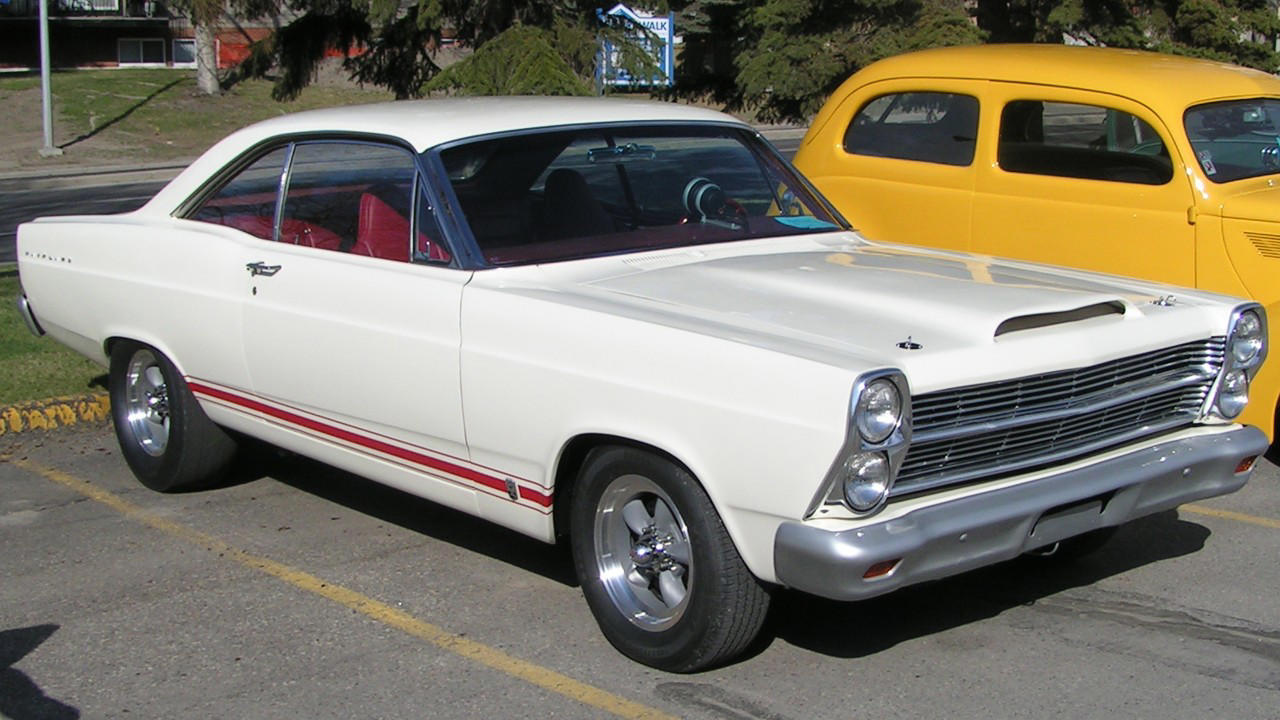
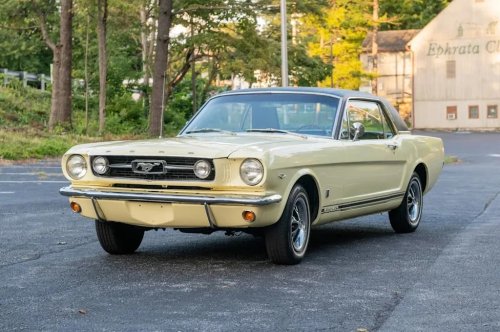
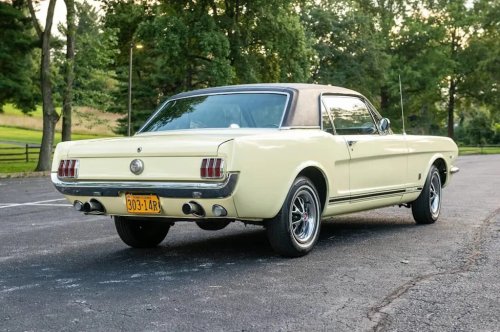
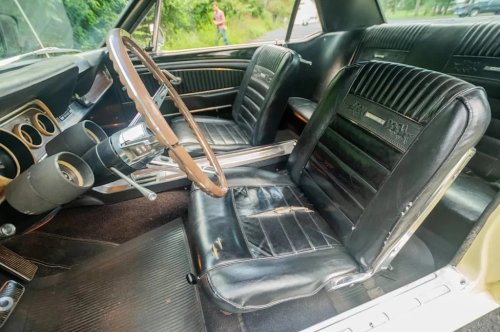
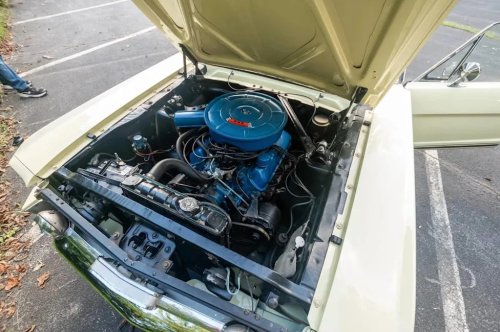
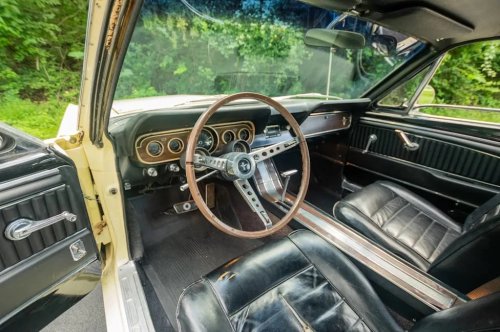
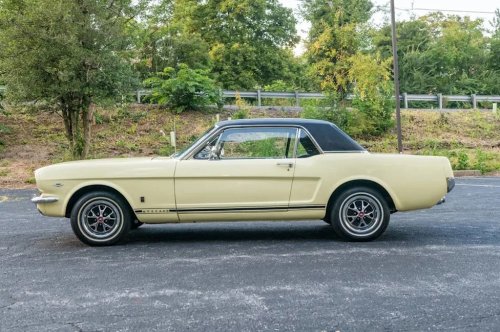
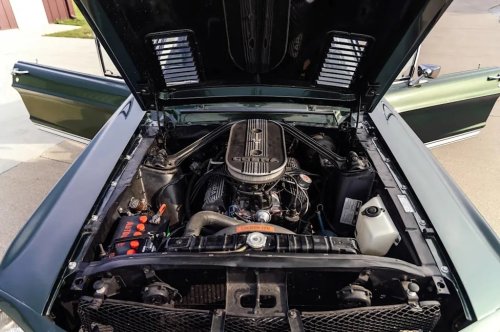
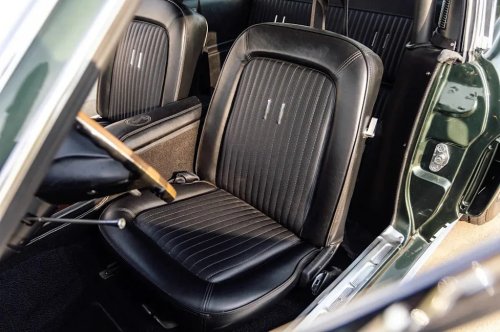
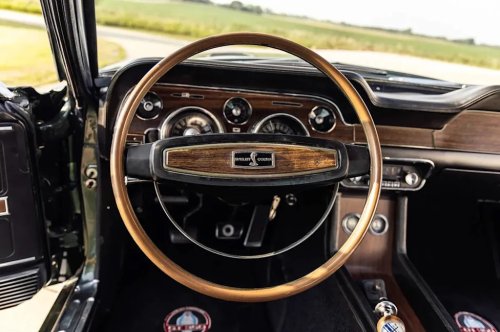
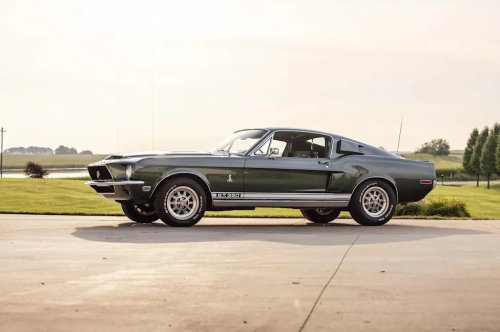
The 1966 Fairlane GT arrived at a moment when Detroit was still figuring out how to package big-block power in a midsize shell without turning the car into a blunt instrument. Ford used that opportunity to reset its own expectations, pairing serious V‑8 output with a more disciplined chassis and braking package than its earlier intermediates. I see that combination of muscle and manners as the key reason the 1966 Fairlane GT quietly raised the company’s big-block standards. Rather than chasing headline horsepower alone, Ford used the Fairlane GT to refine proportions, weight distribution, and driveline choices in ways that would echo through its later performance lineup. The result was a car that did not just keep up in the muscle car wars, it helped define how a Ford big-block should feel and respond when the road turned rough or the driver pushed harder. From competent intermediate to focused big-block contender Ford’s previous Fairlane generation already gave buyers credible performance, but it still felt like a conventional family car that happened to be quick. Customers who wanted more power from that fourth-generation Fairlane could order stronger engines, yet the overall package was not engineered from the ground up as a cohesive muscle machine. Reporting on the 1966 Fairlane GT notes that the earlier car “didn’t lack performance,” which underscores that the leap in 1966 was less about raw speed and more about intent and integration of the hardware. With the 1966 redesign, Ford treated the Fairlane GT as a purpose-built performance model rather than a trim level with bolt-on power. The car’s mid-size footprint became the chosen battleground for the classic muscle era, a point reinforced in coverage of the Fairlane GTA that describes intermediates as the body style selected as the “weapon” of choice. By centering its big-block program on this platform, Ford signaled that the Fairlane GT was no longer a warmed-over commuter but a focused entry in a rapidly escalating horsepower contest. Proportions and chassis that finally matched the engine The 1966 Fairlane did not simply carry over the old body and stuff in more cubic inches. It was shorter than the previous model yet carried a wider track at both the front and rear, a change that directly improved stability and cornering confidence. That wider stance helped the car feel planted when the big-block came on song, and contemporary reporting on the 66 Fairlane highlights how this dimensional shift contributed to a more controlled driving experience instead of the float and roll that plagued many earlier intermediates. Underneath, Ford backed up those new proportions with an updated chassis and suspension that made the Fairlane GT more agile and responsive than its predecessors. Coverage of the 1966 Ford Fairlane classic car design points to the revised underpinnings and notes that optional front disc brakes were part of the package, a combination that moved the car closer to a true performance benchmark. By pairing a stiffer, better balanced platform with more serious stopping power, Ford set a new internal baseline for how a big-block Fairlane should behave when driven hard. Big-block power with a more refined delivery Image Credit: dave_7 from Lethbridge, Canada, via Wikimedia Commons, CC BY 2.0 Powertrain choices are where the 1966 Fairlane GT most obviously raised expectations inside Ford’s lineup. The 1966 Ford Fairlane 500 GT came standard with a 390 cubic inch V‑8 that delivered the kind of output buyers expected in the thick of the muscle car wars, and reporting on that model emphasizes how the engine “pumping” strong horsepower gave the car both smooth and aggressive acceleration. That blend of refinement and force mattered, because it showed Ford could deliver big-block thrust without the coarse manners that sometimes defined earlier high-output packages. The automatic-equipped Fairlane GTA further broadened the car’s appeal by making serious performance accessible to drivers who did not want to row their own gears. Coverage of the 1966 Ford Fairlane GTA notes that the classic muscle era revolved around intermediates and that this body style, when paired with a strong automatic, remained compelling more than four decades later. By engineering the driveline so that both manual and automatic versions could handle the 390’s torque without feeling fragile or clumsy, Ford quietly raised its own standards for durability and drivability in a big-block midsize. Braking and handling that set a new Ford benchmark One of the clearest signs that Ford was rethinking its big-block formula is the way it treated braking and handling on the 1966 Fairlane GT. Earlier Fairlanes could be ordered with power, but they did not always receive the chassis and brake upgrades needed to keep that power in check. Reporting on the 1966 Fairlane GT points out that a disc brake option became available, and when combined with the wider track and updated suspension, the car finally had stopping performance that matched its straight-line speed. That balance between go and whoa was not universal in the mid 1960s, when many muscle cars still relied on drum brakes that faded quickly under repeated hard use. The 1966 Ford Fairlane classic car design coverage underscores how the updated chassis and optional front discs made the car more agile and responsive than similar models that lacked those features. By building a big-block Fairlane that could carve a back road and shed speed with confidence, Ford set a higher internal bar for what its performance intermediates needed to deliver beyond quarter-mile bragging rights. Why the 1966 Fairlane GT still matters in Ford’s performance story Looking back from today, it is easy to focus on later, more famous Ford muscle machines, yet the 1966 Fairlane GT occupies a pivotal place in that lineage. Reporting that revisits the car in detail, including coverage published on Jan 29, 2024, treats it as a thoroughbred muscle entry rather than a footnote, precisely because it combined a serious 390 big-block with a chassis and brake package that finally felt up to the task. The Dec 23, 2023 analysis of the Fairlane’s shorter body and wider track reinforces that this was not a cosmetic refresh but a structural reset of Ford’s midsize performance formula. When I weigh those changes together, I see the 1966 Fairlane GT as the moment Ford stopped treating big-block power as an add-on and started engineering the entire car around it. The updated proportions, the availability of disc brakes, the standard 390 in the 500 G trim, and the enduring appeal of the GTA’s automatic combination, all documented in reporting from Apr 2, 2013 through May 25, 2025, show how thoroughly the company rethought its approach. That is why the 1966 Fairlane GT did more than join the muscle car wars, it quietly reset Ford’s own expectations for what a big-block midsize had to be, and that higher standard shaped the Blue Oval’s performance playbook for years that followed. More from Fast Lane OnlyUnboxing the WWII Jeep in a Crate15 rare Chevys collectors are quietly buying10 underrated V8s still worth hunting downPolice notice this before you even roll window down The post 1966 Fairlane GT kick-started Ford’s big-block muscle push—here’s why it mattered appeared first on FAST LANE ONLY.