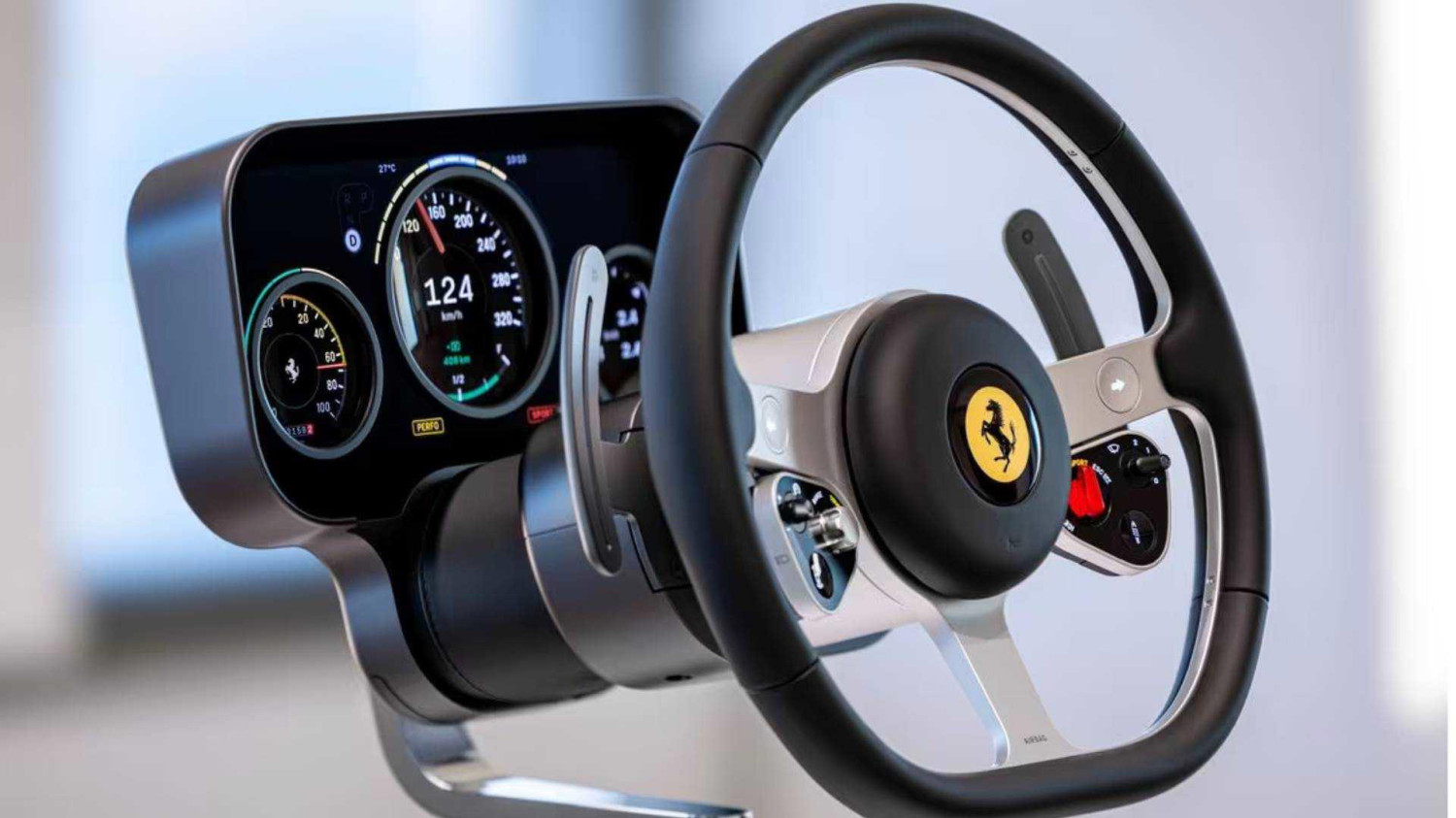
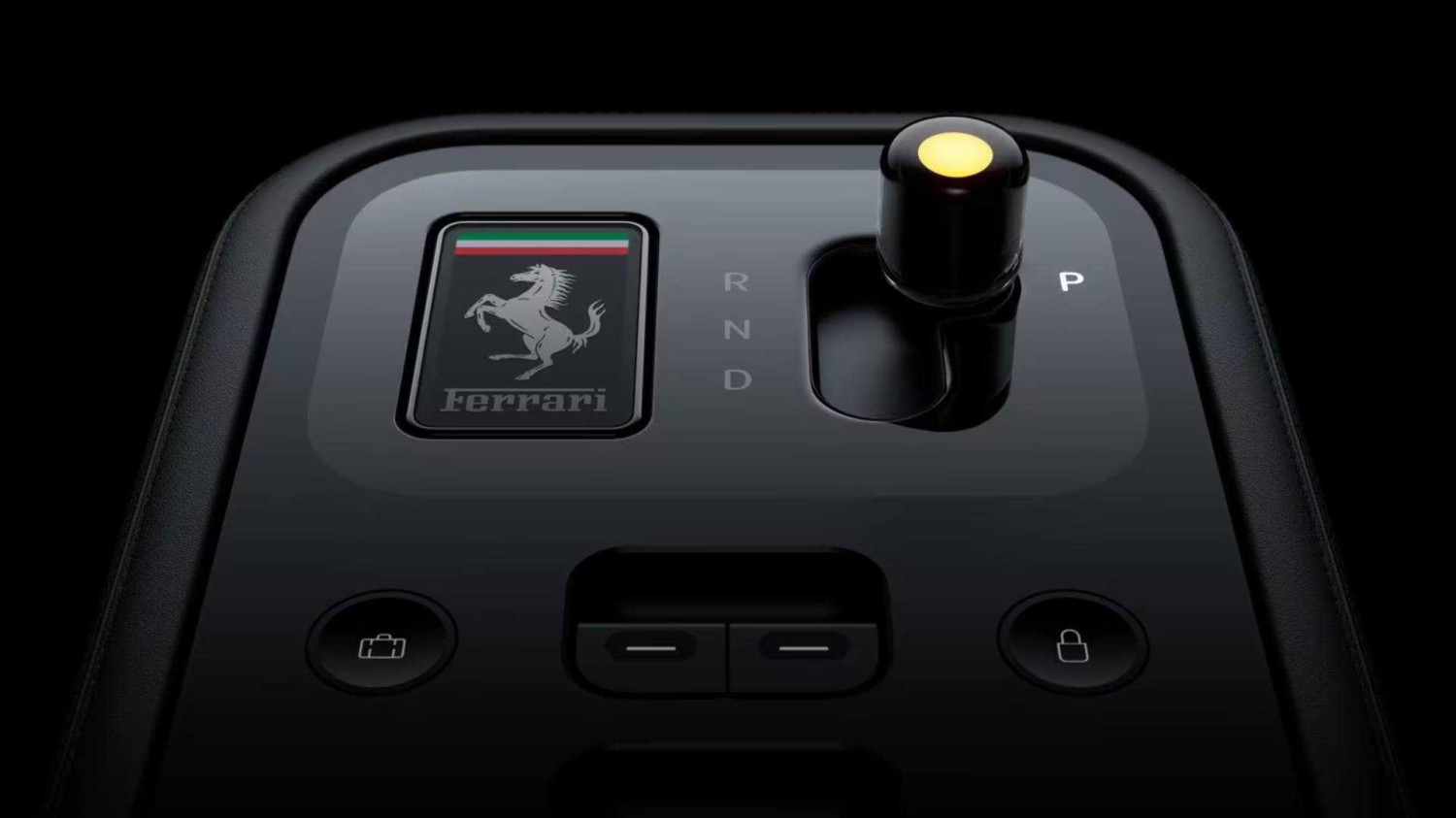
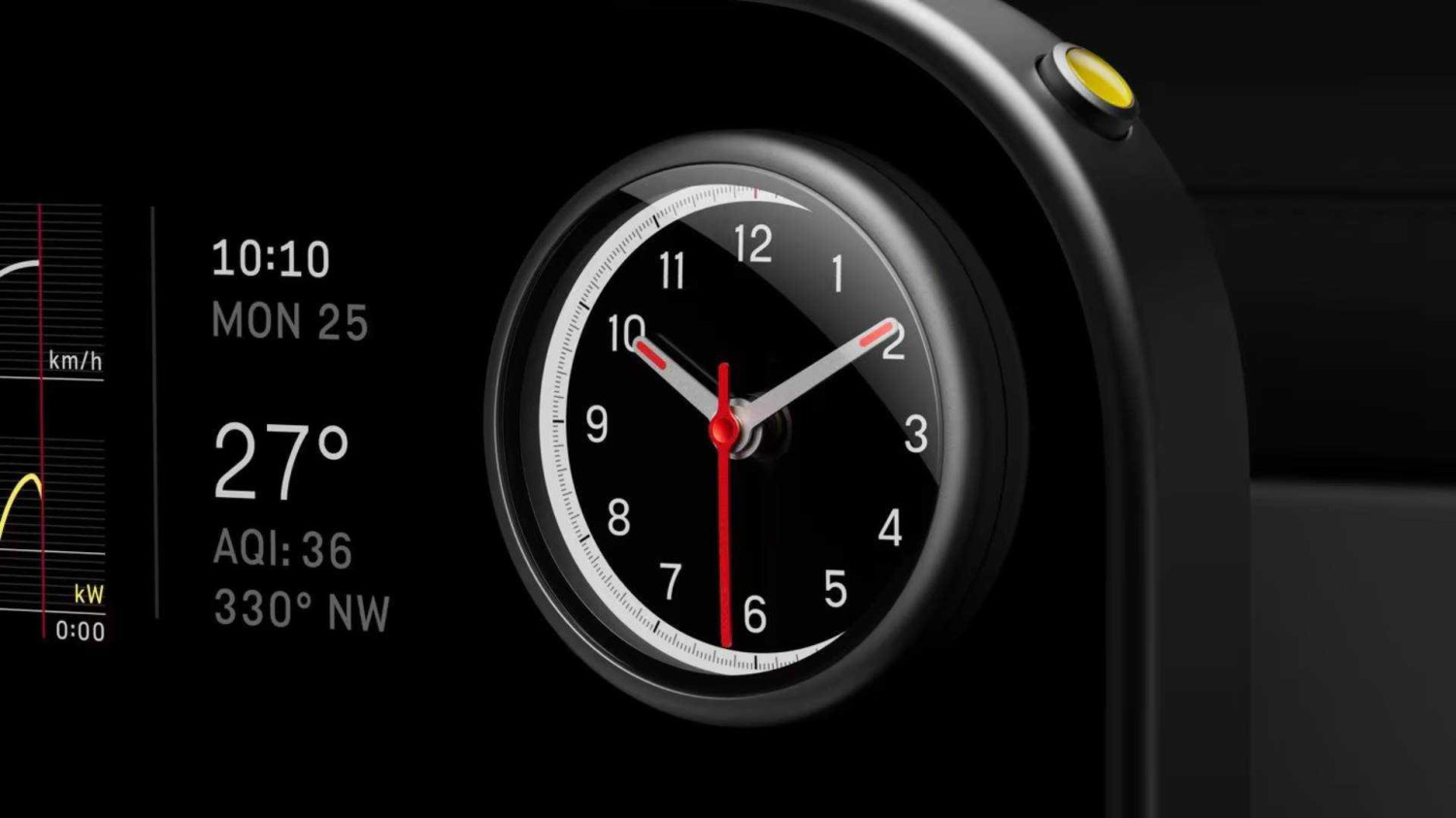
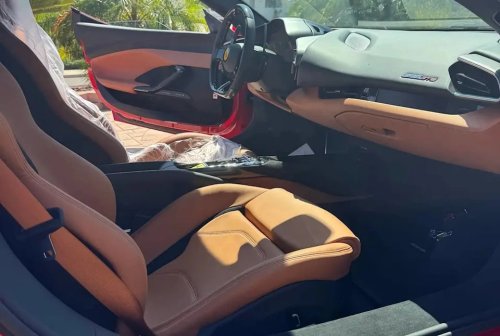
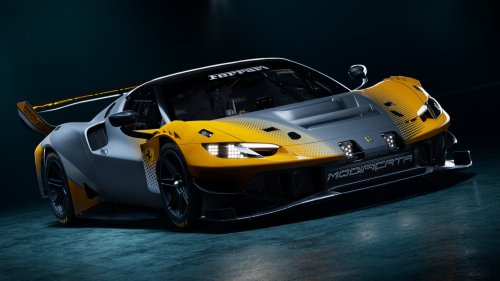
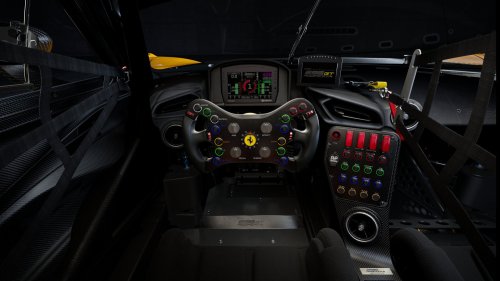
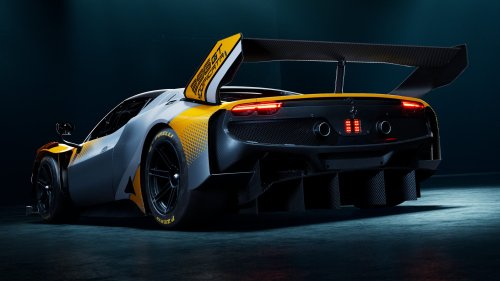
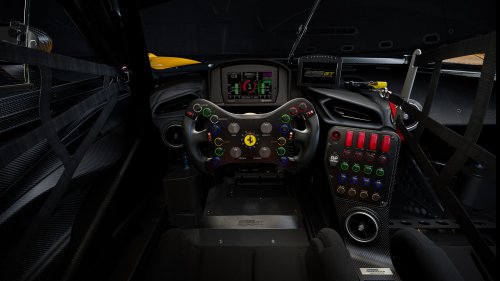
Given the name Luce, meaning light in Italian, Ferrari's first step into the world of electrification is set to go down this May. To help generate excitement, it gave car enthusiasts a look at the cockpit that’s boldly going where no Ferrari has gone before. Despite having worked with the legendary designer of the first IPhone, the presence of physical gauges and switches takes a step back from the tech-heavy nature that’s bogging too many vehicles down today. Though, that’s not to say the execution is exactly well-received. Ferrari’s First-Ever EV FerrariFerrari has maintained its pole position at the forefront of the performance world since its inception. Even if old man Enzo wasn’t particularly fond of road-going cars sold to the general public, there’s no denying that its non-race cars have always been among the best. The point being that there’s a bar Ferrari needs to meet in terms of performance and prestige. The pressure is greater than ever as it tips into the world of electrification, a segment enthusiasts are reluctant to embrace.The performance stats Ferrari previously dropped for its upcoming EV show it's not playing around. With the ability to produce around 1,000 horsepower, accelerate from 0 to 62 mph in 2.5 seconds, and hit a top speed of 192 mph, it’s anticipated to be every bit as fierce as a Ferrari in this space should be.As far as the interior goes, Ferrari also wanted to deliver something special here and found a way to do so by teaming up with John Ives. Ives worked on many projects with Apple, including the first iPhone, making him a fitting choice for the first Ferrari EV. While you might anticipate that to mean the car is nothing but screens and heavy-handed on modern, high-tech aspects, he ultimately whipped up an interesting layout that does deliver a blend of modern and retro vibes. Ferrari Showcases The Luce’s Revolutionary Interior Ferrari The first thing to jump out at you is the steering wheel, which took inspiration from vintage models. The interior is also decorated with a number of physical switches and nobs to control everything from drive modes to gear selection. Both of these aspects are things car enthusiasts have been begging automakers to get back to, and it's great to see that Ferrari is listening.Another blast from the past is the inclusion of physical gauges behind the steering wheel. The cluster is part of the display that’s fixed to the steering column. Yes. The two move together, which is an interesting approach to say the least. To the right of the steering wheel is a second display that’s home to several switches and controls, along with an analog multigraph that can switch functions on the fly, acting as a clock, chronograph, compass, and launch control.Interesting design features carry through to the center console. The tiny shifter is probably the first to grab your attention, but that’s far from the main attraction. The real draw here is the new doc system for the key module, which is unlike anything you’ve ever seen. The key module is a rectangular piece made of aluminum and glass that you insert into the doc. When inserted, the E-Ink function changes colors to add a little more life to the experience. Luce Final Unveil Coming This Spring Ferrari Ferrari has introduced a lot of really interesting concepts with this interior. Many of which we hope to see more of. That’s not to say it's beloved by all, though. As many people are commending the design team behind the Luce’s interior, there are just as many mocking it for looking like it's better suited for a lower-tier car, rather than a Ferrari. That said, it does paint an interesting picture of what to expect for the exterior design. While we ultimately won’t get to see the full car until spring, these interior elements do give us a feel for the overall direction this car is headed.