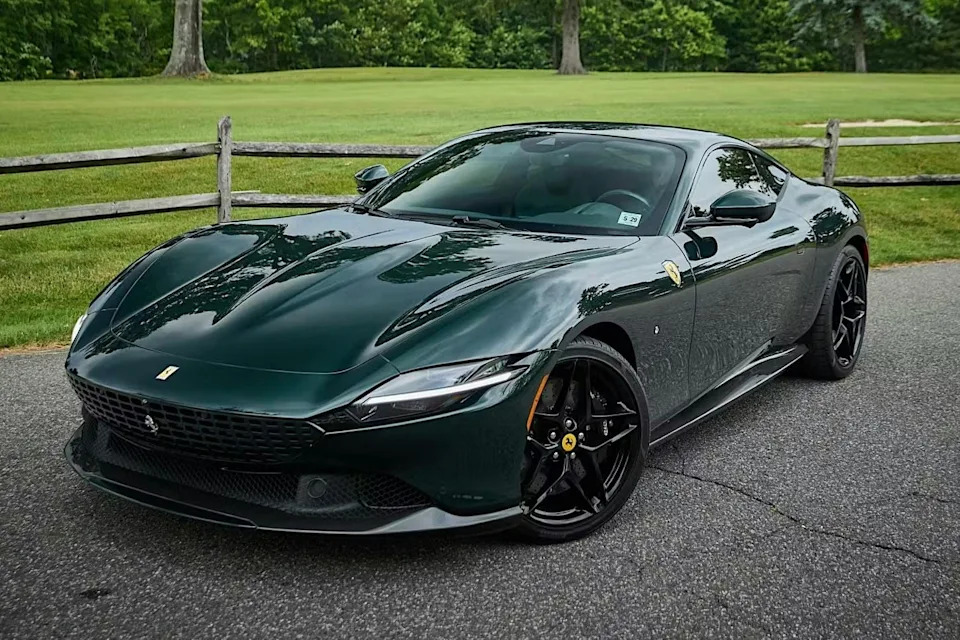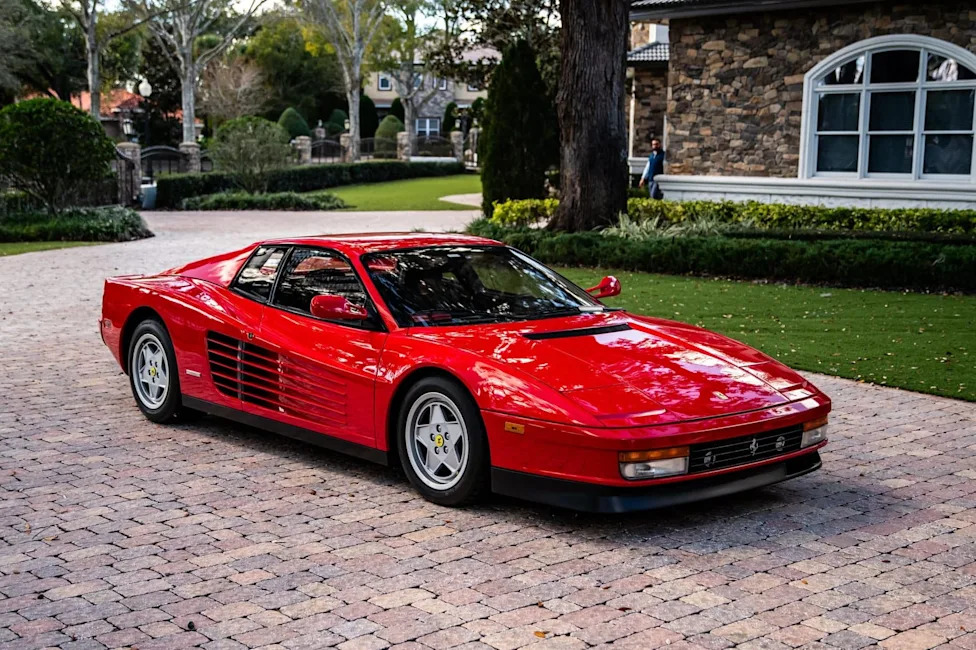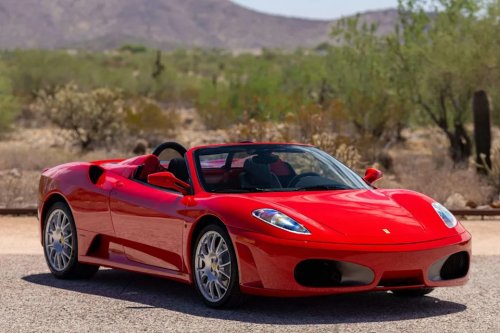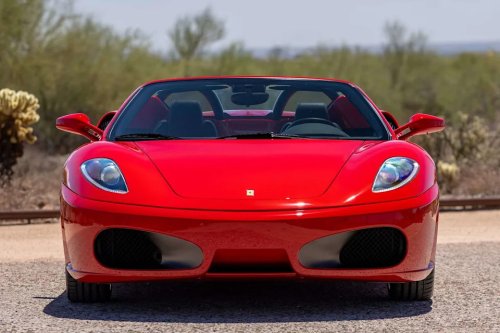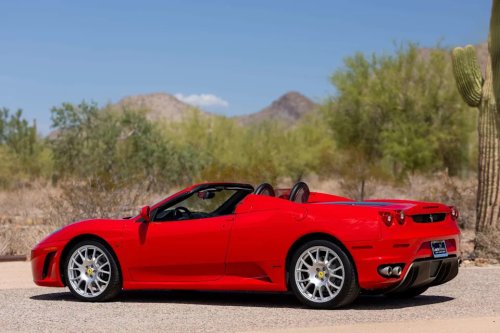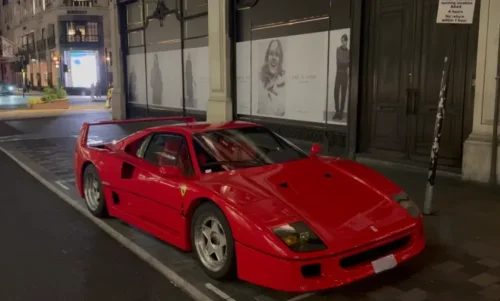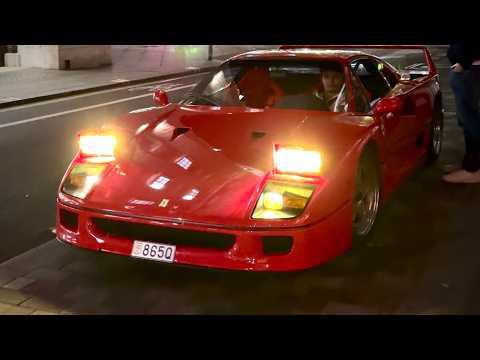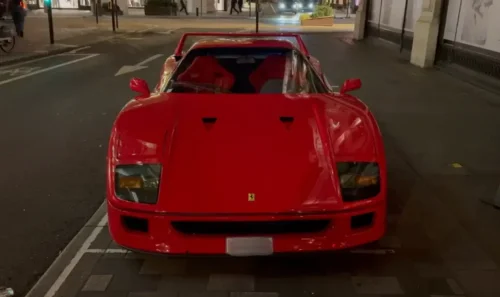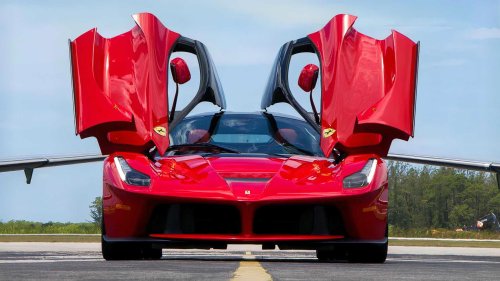
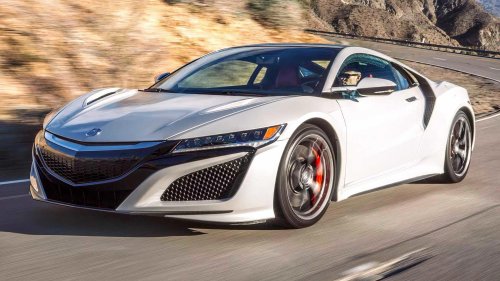
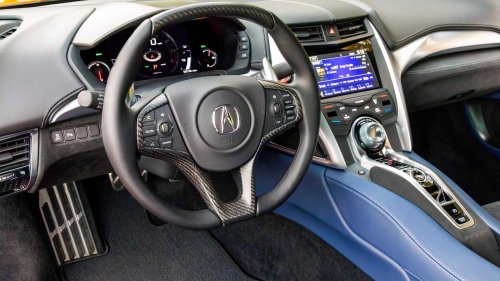
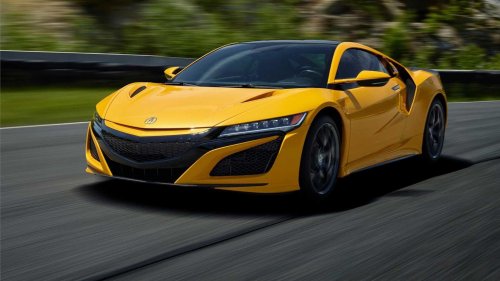
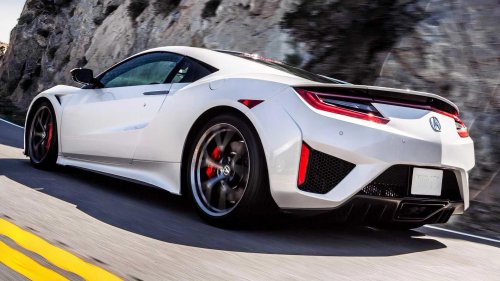



















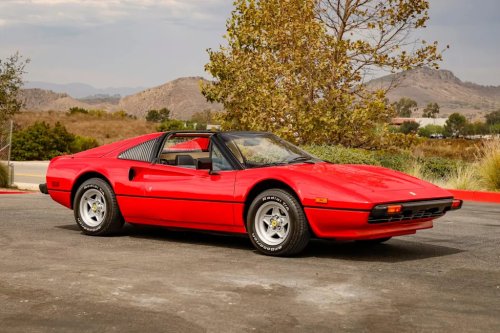
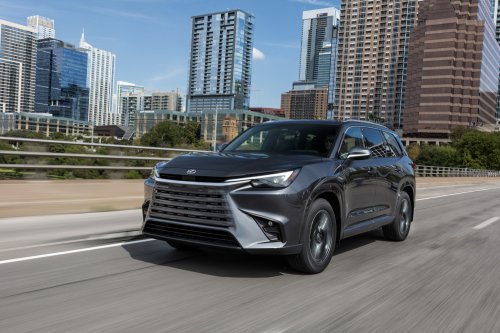
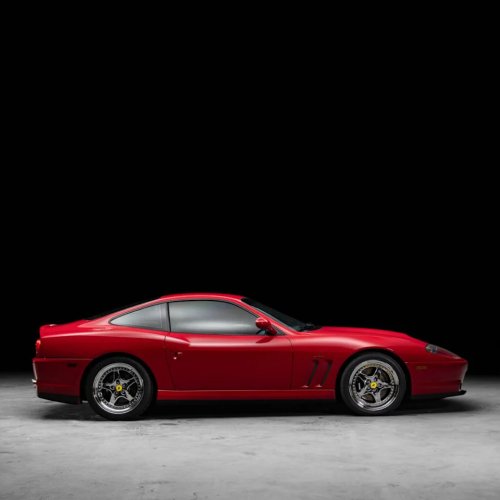
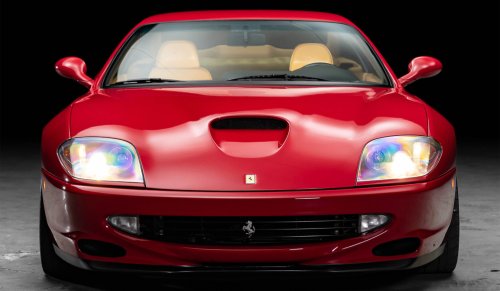
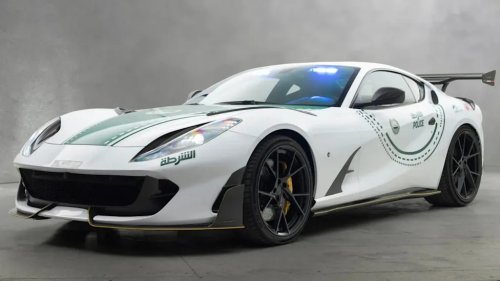
There’s a certain appeal to exotic coupes that sports cars tend to lack, and it often has to do with looks. With impossible proportions, bold shapes and sleek lines, you’ll know a supercar when you see one. The thing with supercars is that drama usually doesn’t stop with looks and performance, it also extends to reliability, too. On one hand, the Italian manufacturer Ferrari generally sets the standard for supercar looks as one of the most recognized car brands in the world. On the other hand, it is a manufacturer like Lexus that sets the standard for ideal ownership of luxury cars, with high-quality, durable cars that are rewarding to drive on a daily basis. Supercar looks and reliability don’t exactly go hand in hand, except, perhaps for this one hybrid coupe. With the stance and looks that you’d usually associate with Italian supercars, this one supercar offered performance, durability and daily usability without turning the experience sour. It is a car that offered restraint in times when supercars were more about making loud statements. Why Supercar Looks Often Come With A Reliability Catch Bring A TrailerWhen it comes to design, Ferrari’s supercars don’t just look good for the sake of looking good. Nothing is left to chance, and all the visually pleasing details you see tend to go far beyond their aesthetic functions. If these supercars adorned with a prancing horse badge look the way they do, that’s because their design is closely tied to speed. Ferrari describes it as a close relationship between "form and content," explaining that the exterior design and the components underneath are interconnected. The low stance, aerodynamic silhouette, and proportions all echo the car’s performance. And as one of the most recognized supercar brands in the world, the Ferrari supercar silhouette dictates a certain standard in what a supercar should look like.Lexus built a different kind of authority, built over decades of careful engineering and conservative development (despite exceptions like the LFA that was nothing but conservative). The Japanese manufacturer, alongside its parent company Toyota, has earned an indisputable reliability record. In J.D. Power's 2025 Vehicle Dependability Study, Lexus ranked highest overall in dependability among premium brands for the fourth consecutive year, while Consumer Reports placed Lexus and Toyota at the top of its brand reliability rankings.The two car makers offer two very distinct attributes, with Ferrari embodying visual drama, and Lexus focusing on reliable driving experiences. The gap between those two extremes is what makes supercar ownership a dilemma. There are serious sacrifices behind the thrilling looks, and with a Ferrari in your garage, you’ll need to allocate a significant budget into maintenance and repairs. But what if there was a car that could offer the looks of an Italian supercar, with a stress-free ownership experience closer to that of a Lexus? What The Acura NSX Brought Back To The Supercar Scene The Second-Generation Acura NSX Acura After its success in the 1990s, the NSX came back to the forefront of the automotive scene in the mid-2010s with the second-generation Acura NSX. The Acura NSX —and its Japanese counterpart, the Honda NSX— aimed to bring something more than just a simple nostalgic remake of the original NSX. Unlike some of the more straightforward powertrains coming out of Europe, the NSX came with an advanced hybrid set-up that paired a 3.5-liter twin-turbo V6 engine with three electric motors. Often limited to hypercars such as the Ferrari LaFerrari or the Porsche 918 Spyder, hybrid systems were still uncommon on mid-2010s supercars. The NSX was a pioneer in hybrid tech and used a 9-speed dual-clutch transmission with Acura's Sport Hybrid SH-AWD (Sport Hybrid Super Handling All-Wheel Drive) system. Two electric motors were fitted on the front axle, while the third motor assisted one rear direct-drive motor, providing instant torque and all-wheel drive handling. The NSX stood out from competitors that mostly leaned into naturally aspirated, turbocharged, rear-wheel configurations, by using electricity as a tool to sharpen the car’s response. The 2022 Acura NSX Type S Is “Peak NSX” AcuraThings did not stop there for the NSX, and Acura released the Type S variant for the 2022 model year. Increasing the power output from 500 to 600 horsepower and torque from 406 to 492 lb-ft, the Type S embodies the fastest Acura sports car to date. The Type S came with design tweaks such as a cleaner front grille and sharper-looking headlights for an even meaner supercar look, but changes were also technical. Turbochargers on the Type S were shared with the NSX GT3 Evo race car, which helped increase boost pressure, added higher-flow fuel injectors, and improved intercoolers. Other notable changes included a widened front and rear track, new Pirelli P Zero tires developed specifically for the Type S, and revised aerodynamics for cooling and high-speed stability. Both visually and technically, the NSX reached peak supercar appeal with the 2022 Type S model. What Gives The Acura NSX Its Supercar Looks ? AcuraThe second-generation NSX’s exterior design was led by Michelle Christensen, who worked on keeping the purity of the original NSX design by “omitting anything extra that wasn’t needed.” Similar to Ferrari's design strategy of form and function being interconnected, Acura applied its "interwoven dynamic" design philosophy to the exterior. Just like Ferrari supercars, the NSX also integrated supercar aesthetics that helped enhance airflow and performance. The NSX had that low, wide stance with compact overhangs that you'd expect of a modern mid-engined supercar, but it did not try to mimic the designs coming out of Italy. All while paying homage to the first generation, the NSX featured more vents and intakes to manage the airflow, to improve cooling and reduce turbulence. Christensen’s NSX design also aimed to make the car usable by emphasizing visibility. The car's low dashboard, low cowl, narrow A-pillars, and offset side mirrors gave the driver clear forward and lateral views. The Acura NSX’s Reliability Appeal Got Even Better With Time Acura Achieving Lexus-levels of reliability is no easy feat, but Acura got pretty close with this NSX. The second-generation NSX was not immune to recalls, and Acura recorded some recalls in 2017 for a fuel tank leak, and a brake light failure. Despite such issues on earlier models, the NSX still kept a clean reliability record that got even better with time as small issues got fixed, and with the final 2022 Acura NSX having no recorded recalls.While the NSX still remains an expensive supercar to own, average maintenance costs are much lower than what you’d get from other supercars, with TopSpeed reporting an average yearly maintenance cost of $354. During its run, the NSX also came with a four-year/50,000-mile warranty and a six-year/70,000-mile drivetrain warranty, while hybrid components were additionally covered for eight years or 100,000 miles.Living in the shadow of the original NSX, the second generation has often been misunderstood. Its complex and hybridized powertrain was ahead of its time, but unfortunately poorly received in an era that favored larger, naturally aspirated or turbocharged engines. Yet Acura culminated with the most powerful Type S version, closing its second-generation NSX chapter with a car that boasted supercar looks and a reliable ownership experience.Sources: J.D. Power, Cars.com, TopSpeed, Ferrari