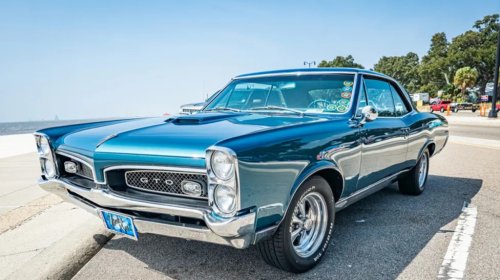
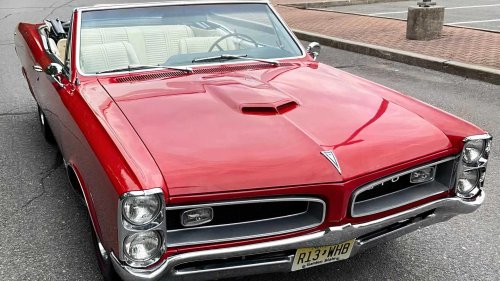
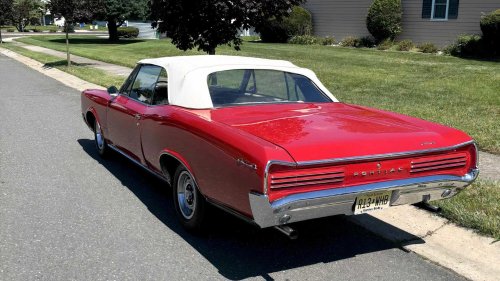
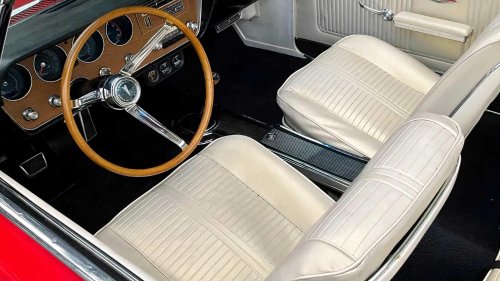
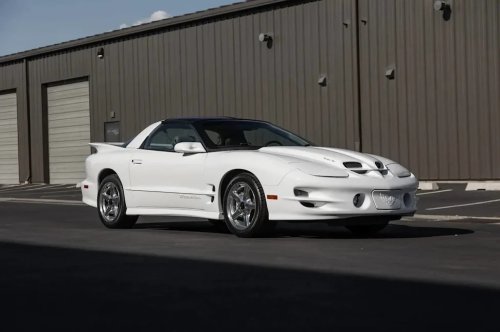
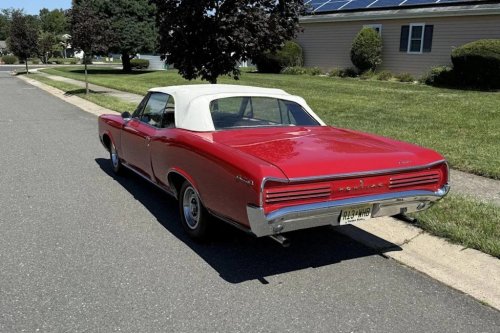
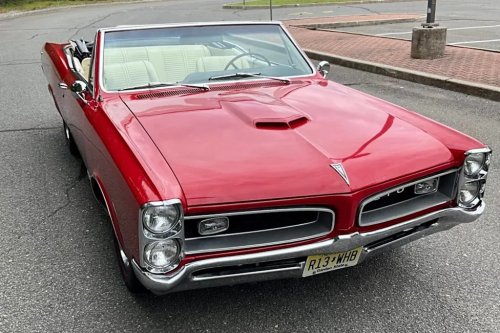
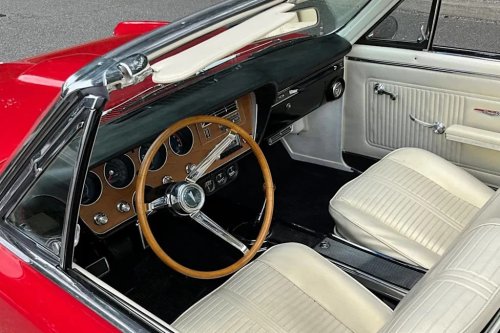
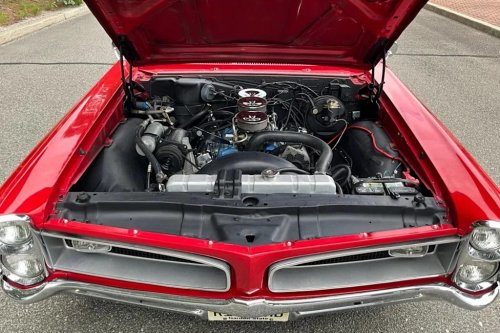
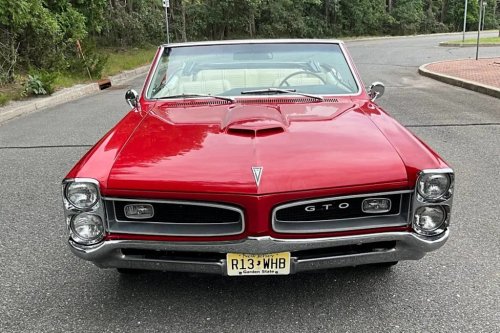
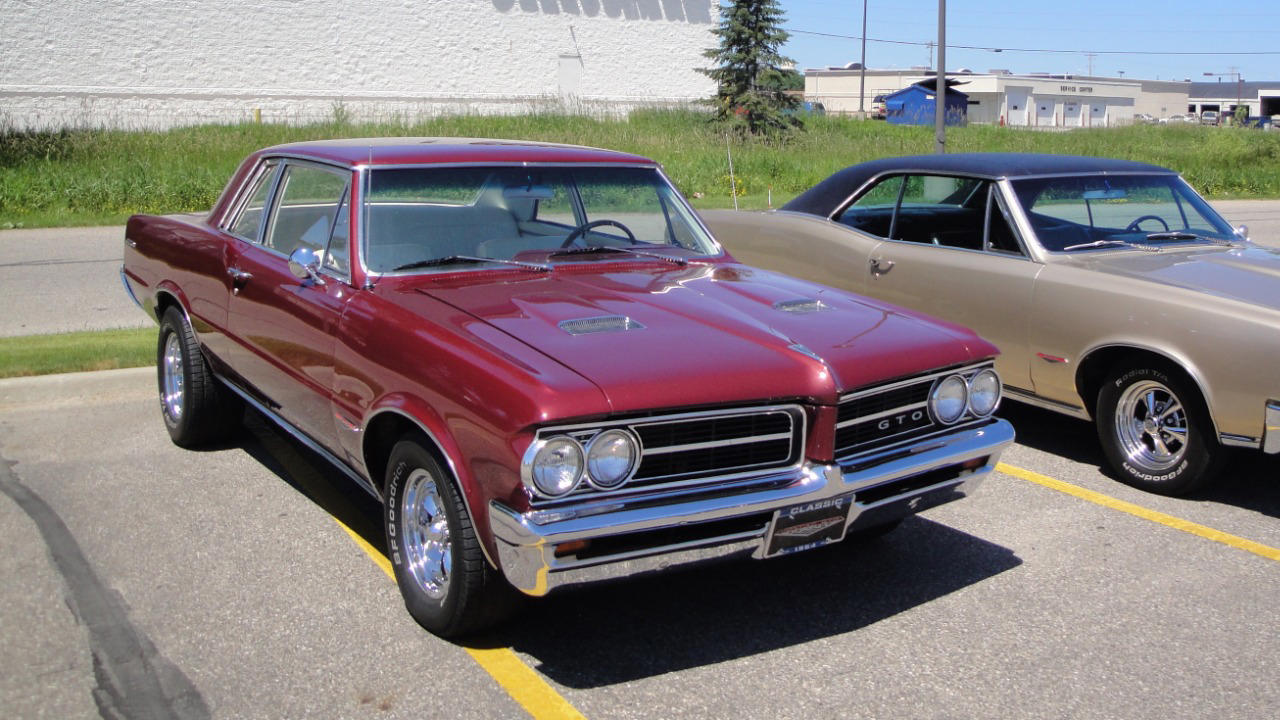
Back in 1964 the Pontiac GTO quietly outran sports cars and changed everythingThe 1964 Pontiac GTO arrived as a quiet option on a sensible mid-size coupe, then proceeded to outrun sports cars that cost far more and carried pedigrees from Europe. In the process, it rewrote expectations for American performance and ignited the muscle car era that would dominate the rest of the decade. What began as a rebellious experiment inside a conservative corporation became an American icon that still shapes how enthusiasts think about power, style, and speed. The rebellious idea that slipped past the rulebook Detroit in 1964 was cautious. Corporate executives worried about insurance costs and public scrutiny, and internal rules tried to keep engines and body sizes in check. According to accounts of Pontiac GTO History, From Street Sleeper to Icon, those corporate mandates were clear: no big engines in mid-size cars. Yet inside Pontiac, engineers and marketers saw an opportunity. Pete Estes led what one source describes as an outlaw division that pushed against those limits. That team effectively hid the GTO as an option package on the Pontiac Tempest, rather than a standalone model, so it could bypass the corporate ban on high-displacement engines in smaller cars. The same account notes that the corporation wanted to cap sales, but the appetite for performance was stronger than the rulebook. The result was a car that technically complied with policy while completely upending it in spirit. The formula was simple and subversive. Engineers took a mid-size body, which kept weight and price down, and combined it with a large V8 that had previously been reserved for heavier full-size models. The goal was not just to build a faster car, but to create something that felt youthful and aggressive in a market dominated by sedate family sedans. Born from rebellion and horsepower Contemporary descriptions of the 1964 Pontiac GTO often emphasize that it was born from rebellion and horsepower. One museum account describes the car as more than transportation, calling the 1964 Pontiac GTO a symbol of performance, power, and an American Icon The, and credits it with rewriting the rules of perception for mid-size cars. That description captures how radical the car seemed at the time: a mid-size coupe that suddenly behaved like a high-end sports machine. The GTO name itself drew on European racing heritage, but the character of the car was pure American. It was loud, brash, and unapologetically focused on straight-line speed. Under the hood, the big V8 delivered the kind of thrust that had previously been the domain of full-size luxury models. In the GTO, that power was paired with a relatively light chassis, which transformed the way it launched from a stoplight or pulled onto a highway. That combination of accessible price and serious performance meant the GTO resonated especially with younger buyers. Marketing leaned into that image, framing the car as a rebellious alternative to the cautious, corporate-approved sedans that filled suburban driveways. The result was a machine that not only went fast, but also signaled a new attitude within American car culture. The first true American muscle car Several sources agree that the 1964 Pontiac GTO is widely regarded as the first true American muscle car. One enthusiast group describes how Pontiac combined a mid-size body with a powerful V8 and notes that the 1964 Pontiac GTO is widely considered the first true American muscle car, linking that identity closely to American performance culture and the Pontiac brand itself. Another account from a Pontiac-focused museum refers to the 1964 Pontiac GTO as The Original Muscle Car, underscoring how central this model is to the definition of the segment. The formula was precise. The GTO took the relatively modest Tempest platform and transformed it with a large-displacement engine, upgraded suspension, and visual cues that signaled performance. This approach defined what enthusiasts now call a muscle car: a mainstream, often mid-size body, a big V8, straightforward engineering, and a focus on acceleration rather than exotic handling. Later muscle machines refined or exaggerated that template, but the 1964 car set it. Without the GTO, the idea of a mid-size coupe with full-size power might have remained a fringe experiment instead of a mainstream category. Quietly outrunning sports cars What made the GTO so disruptive was not just its attitude, but its ability to outrun established sports cars. Performance tests from the period showed that a properly equipped 1964 GTO could reach 60 m in as little as 4.6 seconds, a figure that one performance video highlights to illustrate just how quick the car was relative to its era. That kind of acceleration put the GTO into territory usually reserved for far more expensive European machines. Another historical review of the GTO line notes that testers, with two people and equipment aboard, recorded 0 to 60 m (0 to 97 km) in 5.8 seconds and a standing quarter mile in 14.5 seconds in a period-correct example. Those numbers, while slightly slower than the most aggressive claims, still placed the GTO firmly in high-performance territory. For a mid-size American coupe sold through ordinary dealerships, that was extraordinary. Because the GTO arrived as an option package rather than a halo sports car, it surprised competitors and even some buyers. It looked like a handsome but relatively straightforward Pontiac, yet it could embarrass dedicated sports cars in straight-line runs. That sleeper quality contributed to its legend and helped spread word-of-mouth among enthusiasts. From street sleeper to icon One detailed history of the model describes the car’s journey as Pontiac GTO History, From Street Sleeper to Icon, and that phrase captures the arc neatly. At first, the GTO was a bit of an insider secret, a car that looked familiar but delivered shocking performance. As more drivers experienced it, the reputation grew. Styling helped. The GTO wore subtle but purposeful visual cues, such as hood scoops and distinctive badging, that set it apart without pushing it into cartoonish territory. Inside, the cabin balanced comfort with a driver-focused layout, reinforcing the idea that this was a serious performance tool that could still handle daily duty. As the model gained attention, it shifted from being a clever way to skirt corporate rules to a flagship for Pontiac itself. The division leaned into the image, promoting the GTO as a symbol of youthful power and using it to attract buyers who might previously have looked to imported sports cars or aftermarket hot rods. Kick-starting an automotive revolution One retrospective on the car notes that The Pontiac GTO kick started the automotive revolution that was the muscle car era and describes it as often hailed as the first true muscle car that revolutionized American performance in the 1960s. That assessment reflects how quickly other manufacturers responded once the GTO proved that there was money to be made in accessible high performance. Within a few years, nearly every major American brand offered some version of the GTO formula. Mid-size coupes and sedans gained big engines, bold graphics, and marketing campaigns built around speed. The GTO had shown that there was a large audience for cars that were not just transportation, but statements of identity. Another account frames the GTO as the car that sparked the muscle car revolution and notes that in 1964, Ponti used the GTO to demonstrate how much power could be delivered in a relatively ordinary package. That spark ignited a competitive arms race in displacement, horsepower, and quarter-mile times, sometimes referred to as a supercar war, that defined the second half of the decade. The Goat and the culture it created The GTO did not just change spec sheets. It changed language. One enthusiast source explores why the Pontiac GTO was called the Goat and emphasizes that the 1964 Pontiac GTO is widely considered the first true American muscle car, tying that nickname to American muscle culture and to Pontiac pride. The playful nickname reflected the way the car burrowed into popular consciousness. Owners and fans embraced the GTO as more than a product. It became a character in songs, movies, and street stories. The car’s image as a rebellious, slightly dangerous machine fit perfectly with a youth culture that was questioning authority in many areas of life. The GTO gave that attitude a physical form that could be parked in a driveway or lined up at a drag strip. Clubs, meetups, and later online communities formed around the car. Enthusiast groups still share stories and images of early GTOs, including the 1964 originals, and treat them as touchstones for what a muscle car should be. That ongoing cultural presence helps explain why the GTO remains a reference point even for people who were not alive when the first examples rolled off the line. From limited bet to runaway success Inside Pontiac, not everyone was convinced at first. One historical account notes that the division’s skeptical sales department originally committed to just 5,000 G GTO option packages for 1964. That figure reflected a cautious belief that the car might appeal to a small niche of performance enthusiasts but would not transform the market. The reality was different. Demand quickly exceeded that initial commitment, and production numbers climbed far beyond the early projections. The success validated the instincts of the engineers and marketers who had pushed the project forward and forced corporate leaders to recognize that performance could be a profitable strategy, not just a risky indulgence. By the end of the model year, the GTO had not only met its internal targets but had also redefined what Pontiac stood for. The brand, once associated primarily with sensible mid-range cars, now carried a performance halo that influenced its entire lineup. Engineering that matched the ambition The GTO’s impact would have been short-lived if the engineering had not supported the marketing. Instead, the car delivered on its promises. A heritage-focused analysis describes the 1964 Pontiac GTO as the product of a Fast Premise combined with High Performance Engineering and Youthful Demand that produced Sales Success. That formula captures the interplay between concept, hardware, and audience. The chassis, while based on a mainstream platform, was tuned for handling and traction. Suspension upgrades, more aggressive gearing, and available manual transmissions gave drivers real control over the car’s considerable power. Braking and cooling systems were improved to handle the stress of spirited driving and occasional track use. Crucially, the GTO remained usable as a daily car. It could carry passengers and luggage, tolerate rough roads, and idle in traffic. That practicality, paired with its performance, allowed buyers to justify the purchase as both fun and functional, which expanded its appeal beyond hardcore racers. How the legend still shapes expectations Over time, the 1964 GTO has taken on a mythic quality. One museum-focused account refers to the 1964 Pontiac GTO as The Birth of an American Icon The, and that phrase reflects how the car is now remembered: not just as a successful model, but as a symbol of an entire era of American performance. Another enthusiast source from a transportation museum simply calls the 1964 Pontiac GTO The Original Muscle Car, reinforcing its status as the template that others followed. More from Fast Lane Only Unboxing the WWII Jeep in a Crate 15 rare Chevys collectors are quietly buying 10 underrated V8s still worth hunting down Police notice this before you even roll window down



















 +62 others