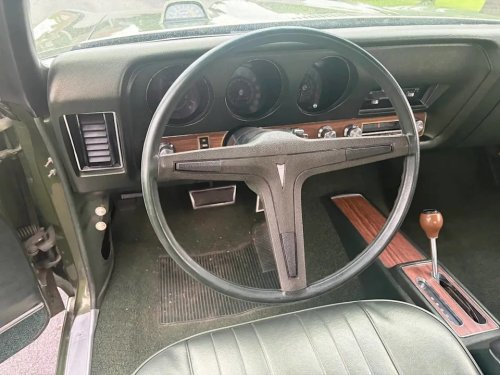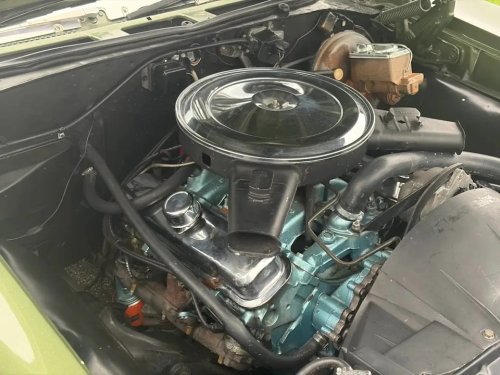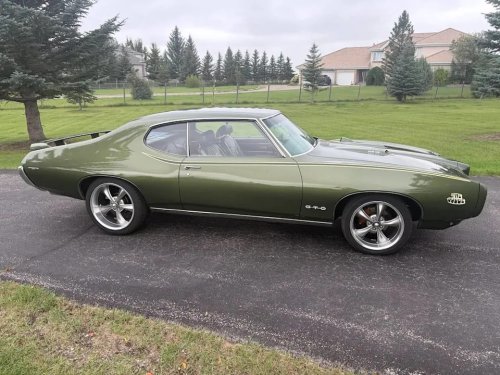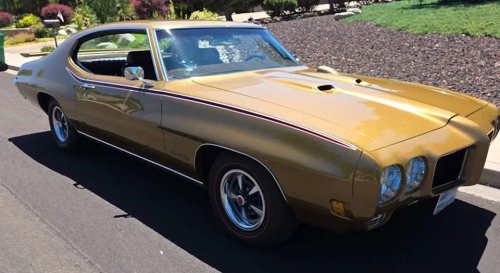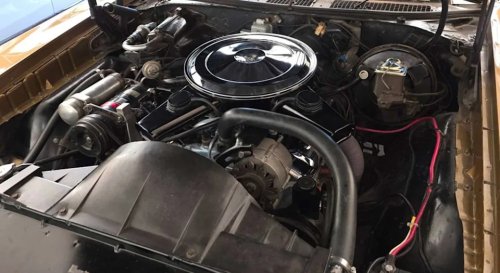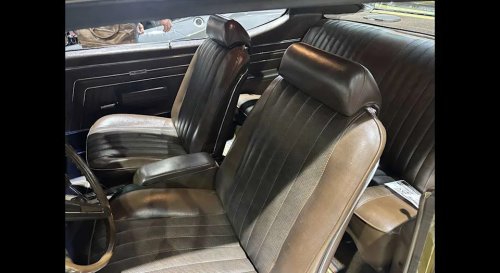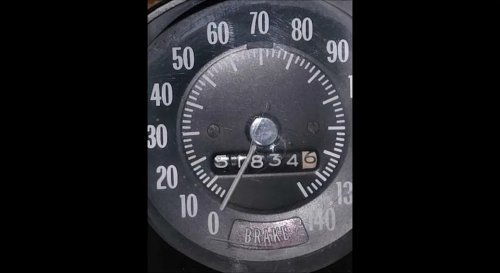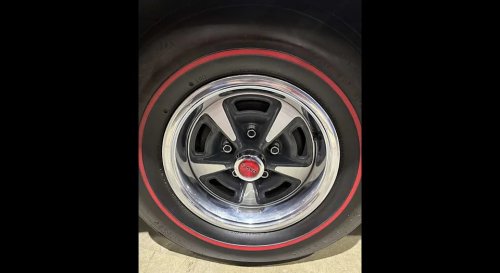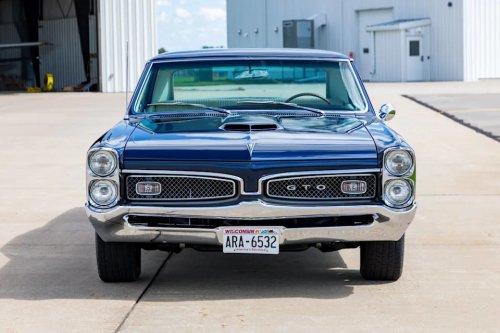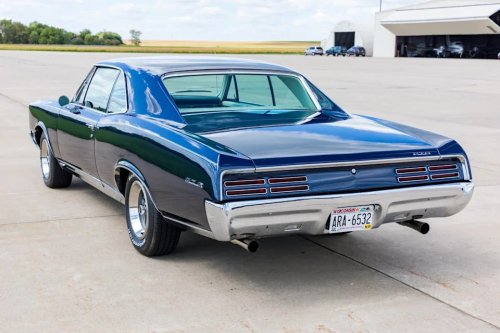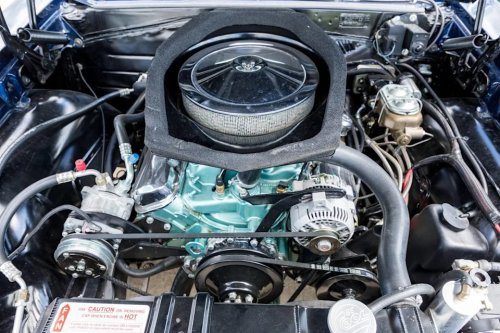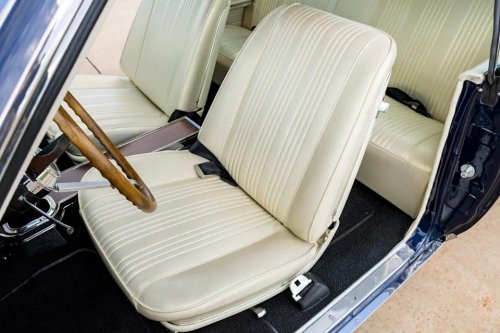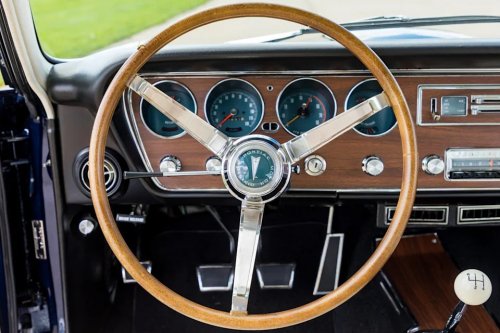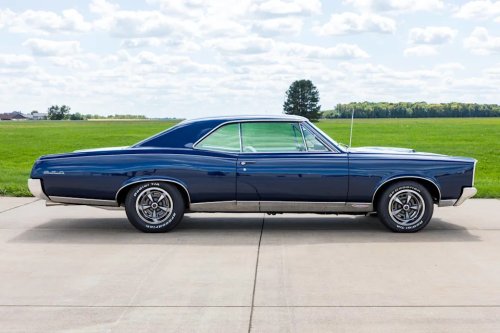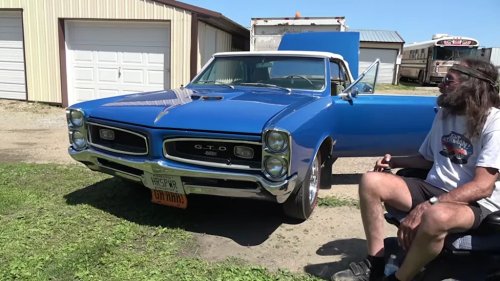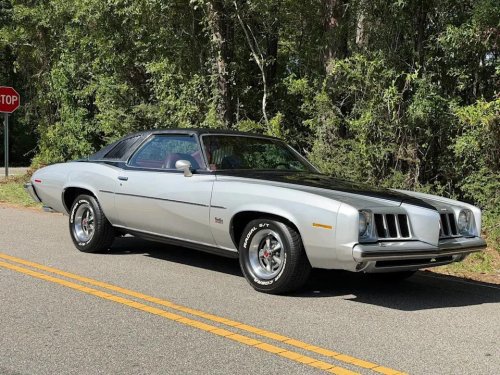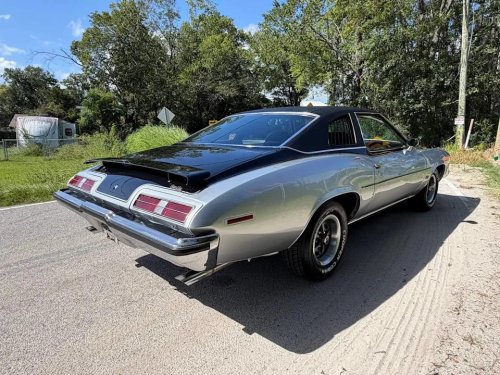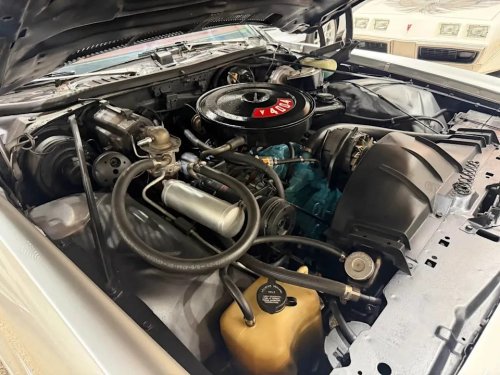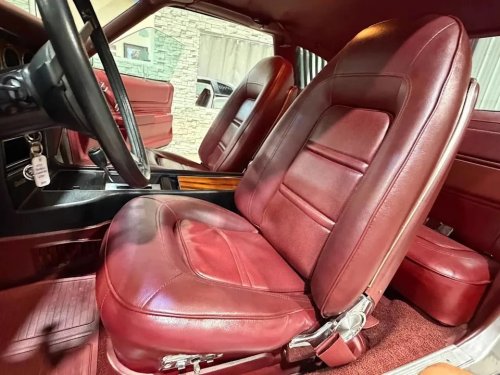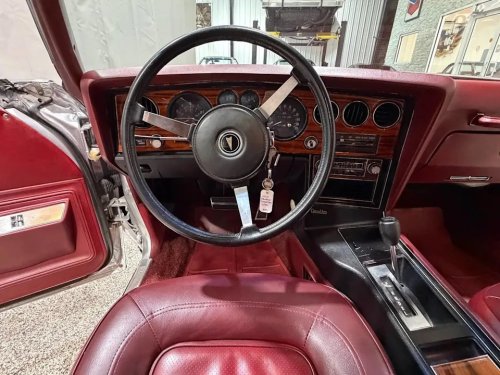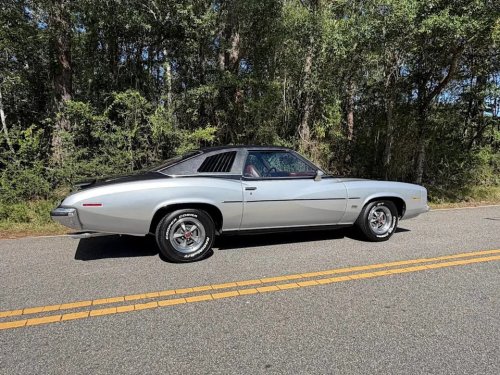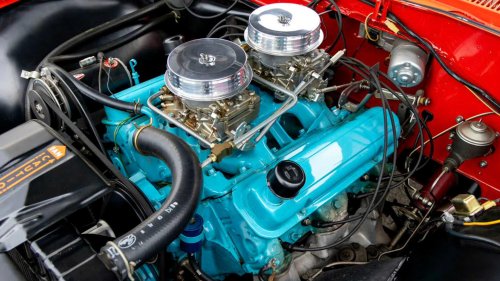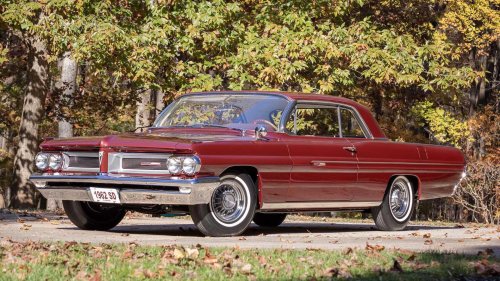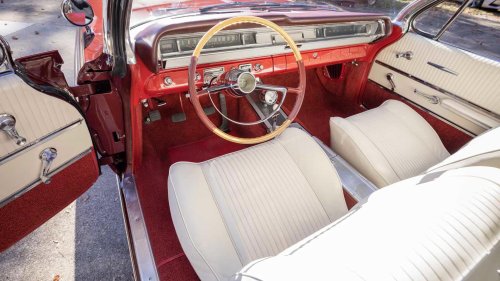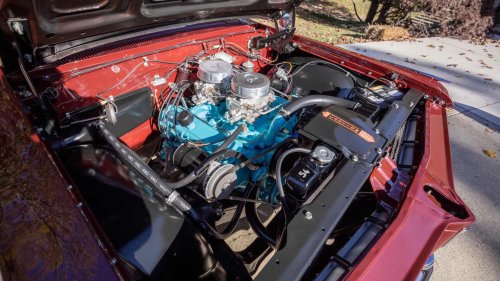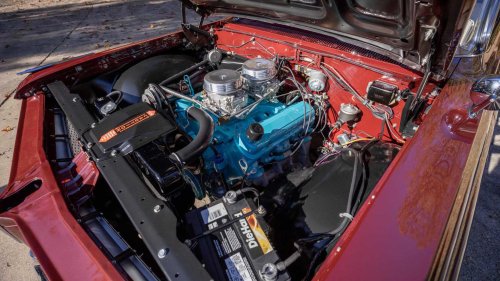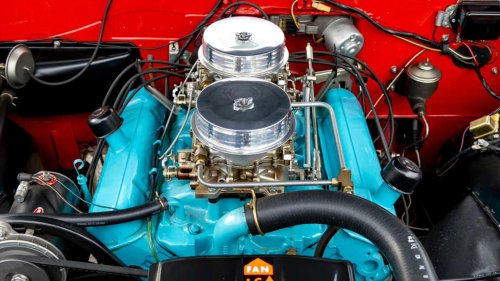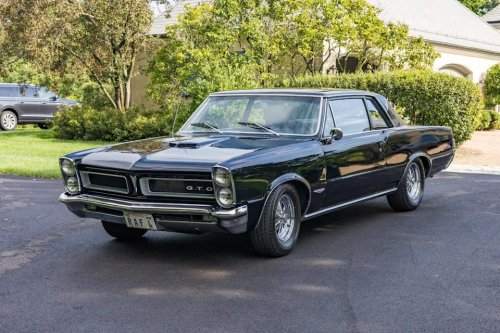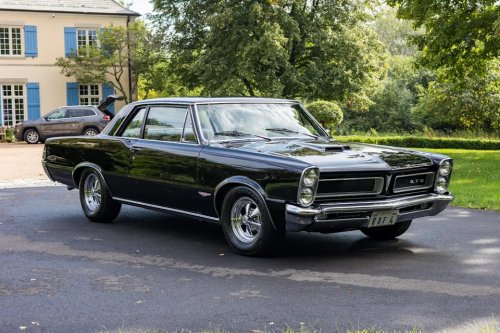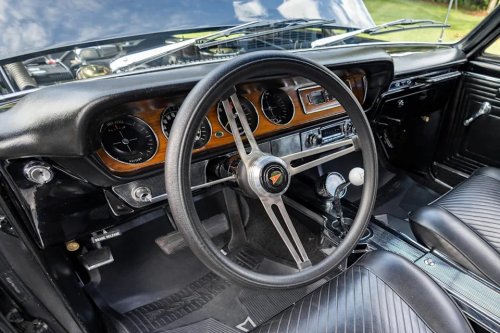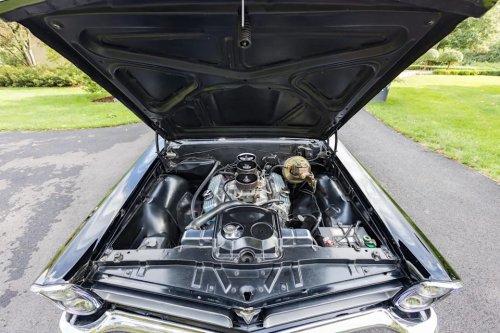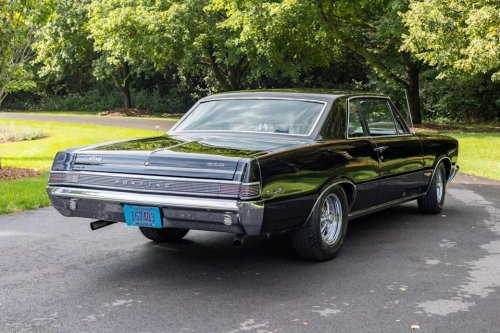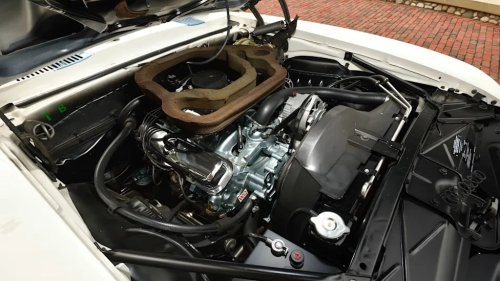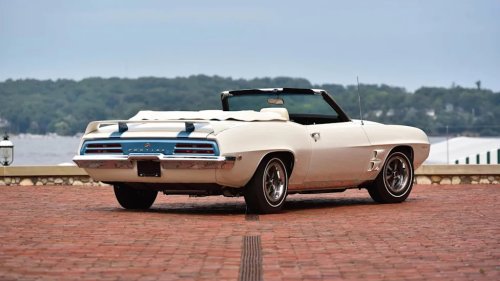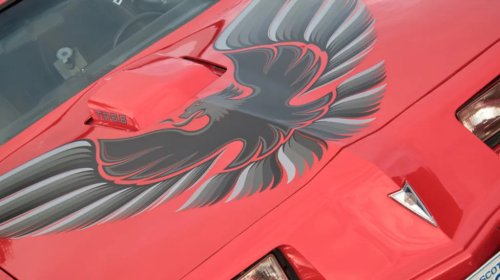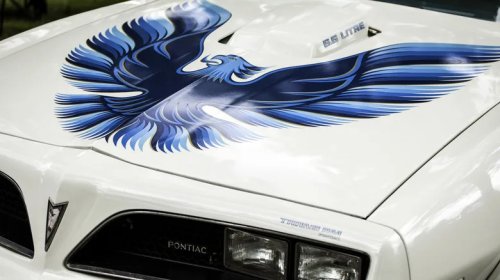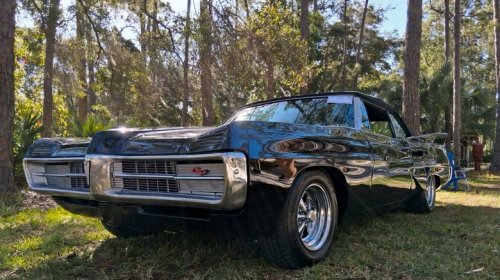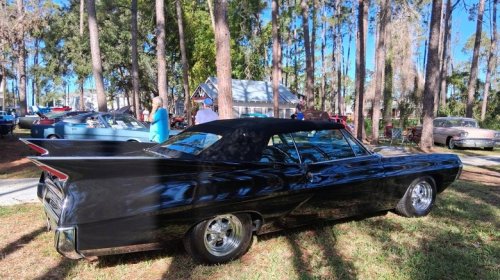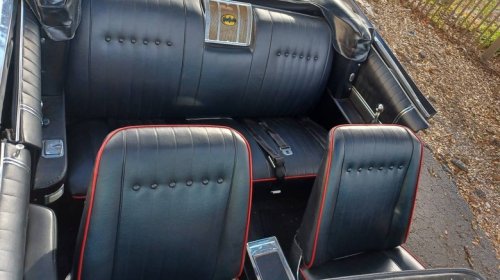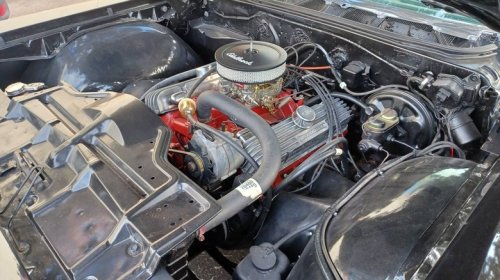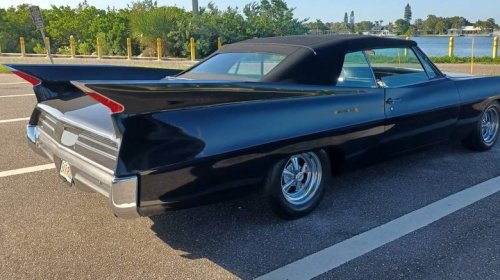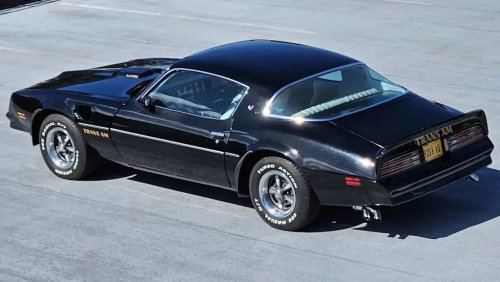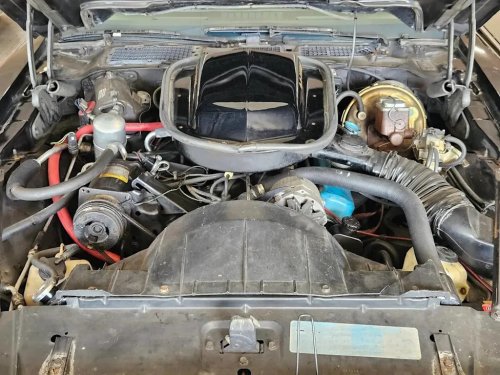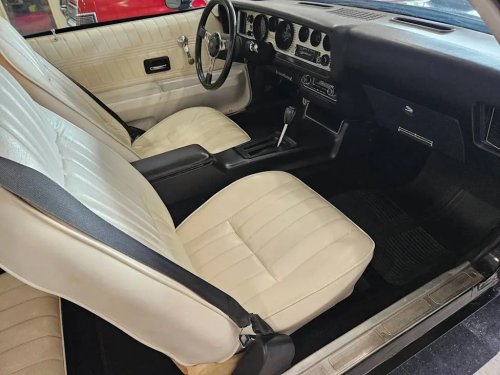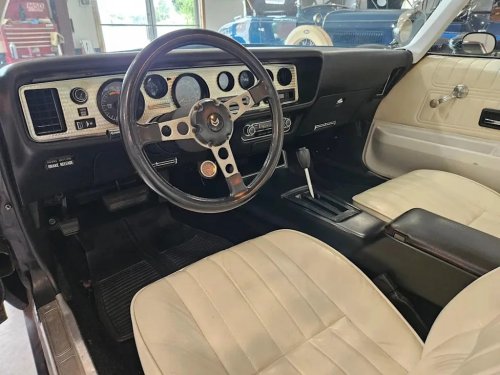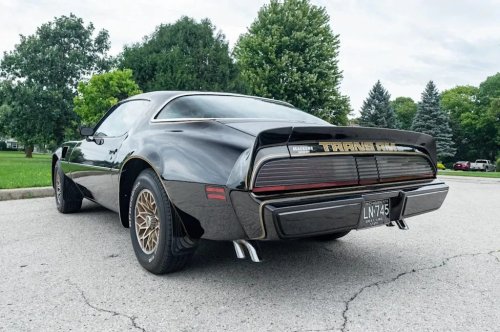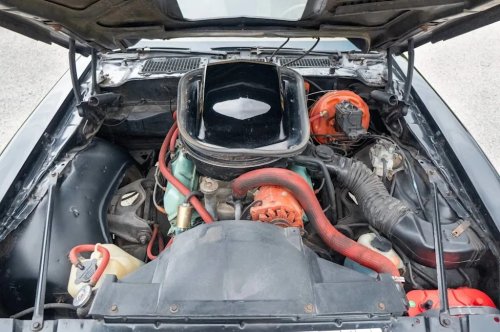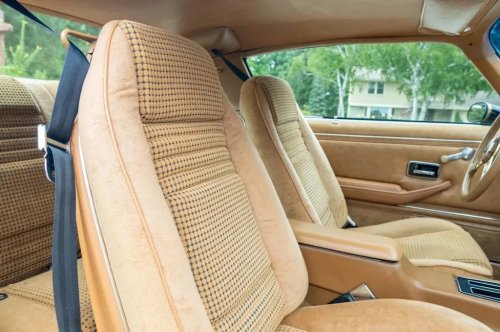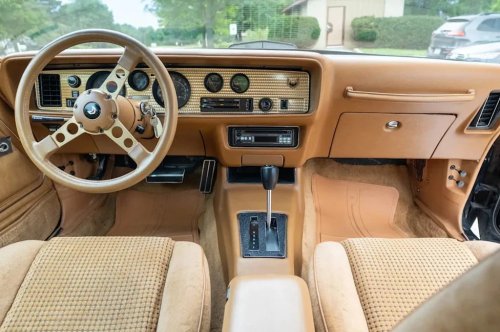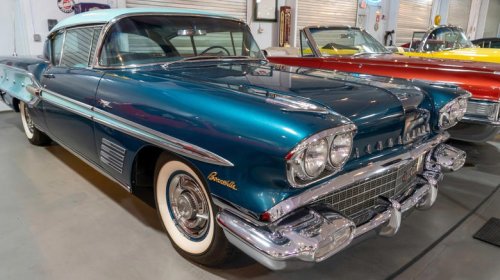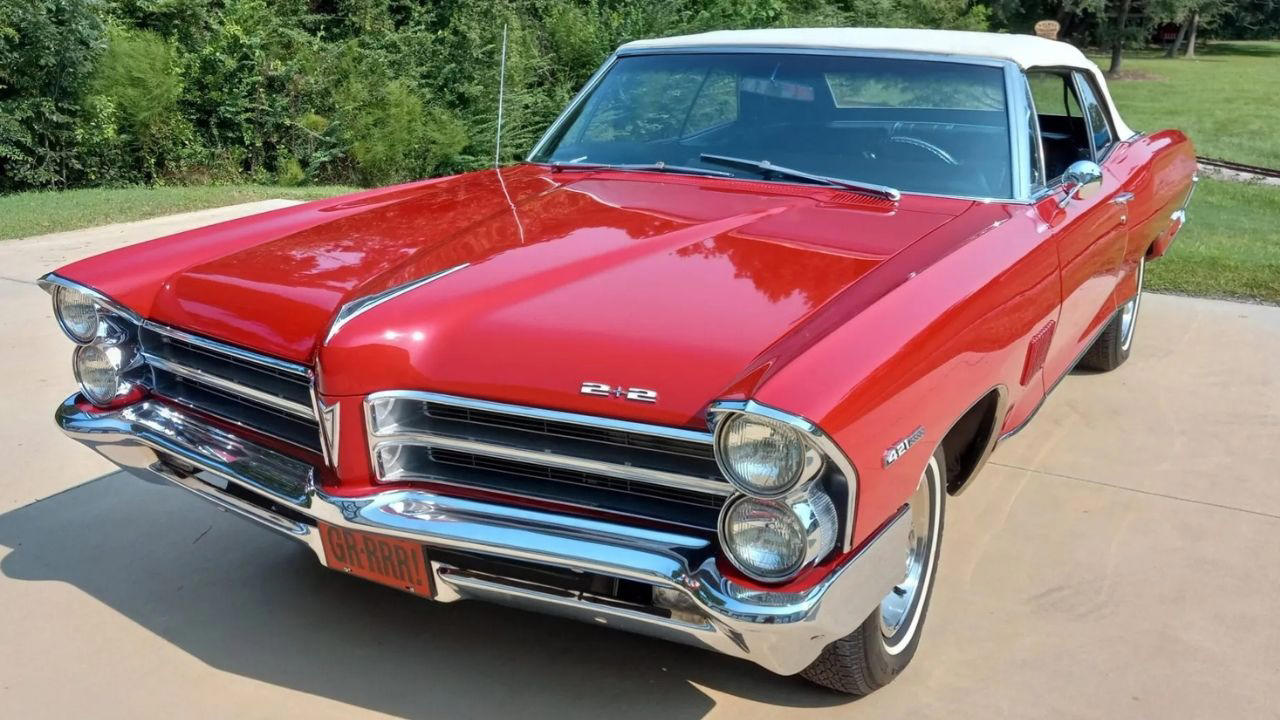



















Pontiac’s 1965 Catalina 2+2 with 421 power hit 60 mph in under 7 secondsThe 1965 Pontiac Catalina 22, equipped with the potent 421 cubic inch engine, was a bold statement in the world of American muscle cars. With its impressive acceleration, hitting 60 mph in under 7 seconds, it combined power with style, making it a standout choice for enthusiasts of the era. Historical Context of the Pontiac Catalina Pontiac’s journey leading up to the 1965 Catalina is a reflection of the broader trends in American automotive history. Founded in 1926 as a companion brand to Oakland, Pontiac quickly gained recognition for its stylish cars and performance-oriented models. By the early 1960s, the brand had established itself as a serious contender in the muscle car segment, particularly with the introduction of the GTO in 1964. The Catalina, initially launched in 1950, was a full-size vehicle that had evolved into a performance model by the mid-1960s, thanks to its sporty design and powerful engine options. The 1965 Catalina 22 played a pivotal role in Pontiac’s lineup, representing the brand’s shift toward more performance-focused vehicles. Positioned as a more affordable alternative to the GTO, the Catalina 22 featured a two-door hardtop design that appealed to a younger demographic. As competition heated up in the mid-1960s with the likes of the Ford Mustang and Chevrolet Camaro, Pontiac’s strategy was to offer powerful engines and stylish designs that could attract both performance enthusiasts and everyday drivers. Design and Aesthetics The exterior of the 1965 Catalina 22 is a striking blend of elegance and aggression. With its long hood and short rear deck, the car embodies the classic muscle car proportions. The front grille is wide and imposing, flanked by sleek headlights that give the car an assertive look. The optional “Sport Deck” rear could feature a unique styling element that adds a touch of flair. Available in a variety of colors, including classic hues like “Monterey Blue” and “Regimental Red,” buyers could customize their Catalina to reflect their personal style. Inside, the Catalina 22 didn’t skimp on comfort or aesthetics. The interior featured high-back bucket seats, a design that was both sporty and comfortable for long drives. The dashboard was equipped with easy-to-read gauges, adding to the driving experience’s sporty feel. Pontiac also offered options like a center console and premium upholstery to enhance the interior environment further. The blend of performance and comfort made the Catalina 22 a car that was just as enjoyable for daily commutes as it was for weekend outings. The 421 Engine: A Powerhouse At the heart of the 1965 Pontiac Catalina 22 is the iconic 421 cubic inch V8 engine, which was a game changer for the model. The engine produced 338 horsepower in its standard form and could reach up to 376 horsepower in the high-output (HO) version. This engine was known for its robust torque curve, allowing the Catalina to accelerate with authority, making it competitive against other muscle cars of the time. The engineering behind the 421 V8 included features like a forged steel crankshaft and aluminum intake manifold, which contributed to its performance capabilities. In comparison to other engines offered in the Catalina lineup, the 421 was a standout. While other options like the 389 V8 were available, the 421 provided a level of performance that few could match. The HO version included enhancements like increased compression and larger carburetors, making it a favorite among enthusiasts who craved speed and responsiveness. For those looking for performance on a budget, the Catalina 22 with the 421 engine was an exceptional choice. Performance Metrics The performance metrics of the 1965 Catalina 22 are impressive, particularly its ability to achieve 0-60 mph in under 7 seconds, a benchmark that highlighted its muscle car credentials. This level of acceleration was competitive with many of its contemporaries, including the Chevrolet Impala and Ford Galaxie. The Catalina’s performance was complemented by a solid suspension system that provided a balance between comfort and handling, making it suitable for both city driving and highway cruising. While performance was a primary focus, Pontiac also considered the practicality of the Catalina 22 for everyday use. Fuel efficiency, while not the primary concern for muscle car buyers at the time, was reasonable for the era. Many owners reported that their Catalinas could manage around 12-15 miles per gallon, making them feasible for regular driving. This practicality, combined with impressive performance figures, made the Catalina 22 a well-rounded option for those looking to experience American muscle. Driving Experience and Popularity First-hand accounts from owners of the 1965 Pontiac Catalina 22 often highlight the exhilarating driving experience that the car offers. Many enthusiasts describe the thrill of the acceleration, the throaty roar of the 421 engine, and the confidence it instilled while navigating winding roads. Contemporary reviews from automotive magazines of the time praised the Catalina’s performance and comfort, noting how it stood out in a crowded field of muscle cars. The combination of power, style, and practicality contributed to its appeal among car enthusiasts. The Catalina 22 quickly gained popularity, not just for its performance, but also for its image as a stylish and sporty vehicle. It attracted a diverse group of buyers, from young drivers seeking excitement to families looking for a practical yet fun car. The combination of performance figures and aesthetic appeal allowed the Catalina to carve out a unique niche in the muscle car market, ensuring its status as a beloved classic among enthusiasts today. Legacy and Impact on American Muscle Cars The legacy of the 1965 Pontiac Catalina 22 extends far beyond its production years. It influenced future Pontiac models and contributed to the evolution of the muscle car genre. The design cues and performance characteristics of the Catalina can be seen in later models, including the Pontiac Firebird and the second-generation GTO. Its success helped solidify Pontiac’s reputation as a leading brand in the performance automotive market during the 1960s. When compared with contemporaneous muscle cars like the Chevrolet Camaro and Ford Mustang, the Catalina 22 held its own, offering a unique blend of performance, style, and comfort. Its presence in the market helped to define the American muscle car movement, which prioritized raw power and performance while still being accessible to a broader audience. Today, the Catalina 22 remains a significant part of classic car culture, with restoration communities and car shows frequently showcasing this iconic model. Collector’s Market and Value Today The collector’s market for the 1965 Pontiac Catalina 22 has seen a steady increase in demand over the years. As enthusiasts seek to add this piece of automotive history to their collections, the value of well-preserved models has appreciated significantly. Factors influencing collectibility include rarity, condition, and historical significance. Cars equipped with the 421 engine, in particular, tend to fetch higher prices due to their performance pedigree and desirability among collectors. Insights from collectors suggest that investing in a Catalina 22 is not just a financial decision; it also represents a passion for American automotive history. The Catalina’s unique blend of muscle car attributes and classic styling makes it a sought-after vehicle among those who appreciate the era’s automotive innovations. As values continue to rise, collectors are becoming increasingly aware of the potential for long-term investment returns, especially with models in excellent condition or with unique options. Restoration and Maintenance Tips Restoring a 1965 Pontiac Catalina 22 can be a rewarding experience, but it does come with its challenges. Common issues faced during restoration include rust repair, sourcing original parts, and maintaining the integrity of the engine. Many owners find that joining online forums and communities dedicated to Pontiac restoration can provide invaluable support and advice. Resources like Curbside Classic offer insights from other owners who have successfully restored their Catalinas. When it comes to sourcing parts, it’s essential to connect with reputable suppliers that specialize in classic Pontiac vehicles. Many enthusiasts recommend checking out local swap meets or online marketplaces for hard-to-find components. Regular maintenance is crucial to keep the performance and aesthetics of the Catalina 22 intact. Simple tasks like oil changes, brake checks, and keeping the engine clean can prolong the vehicle’s life and maintain its value. More from Fast Lane OnlyUnboxing the WWII Jeep in a Crate15 rare Chevys collectors are quietly buying10 underrated V8s still worth hunting downPolice notice this before you even roll window down