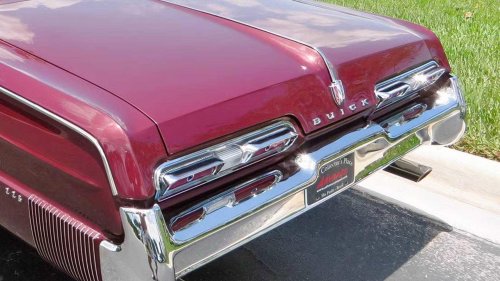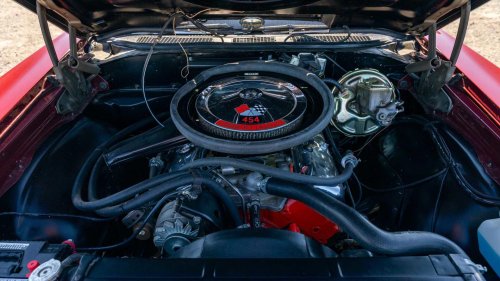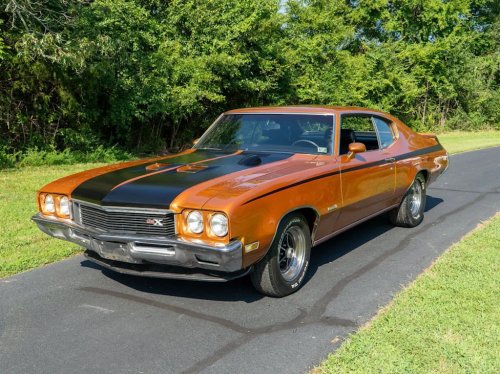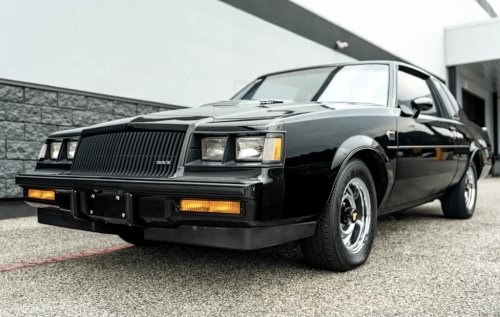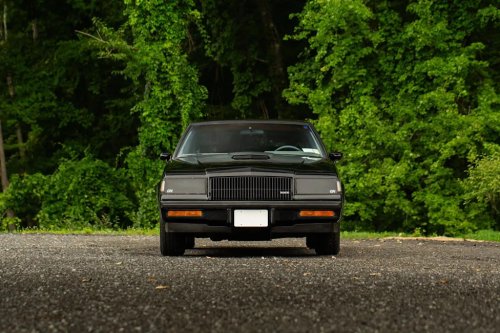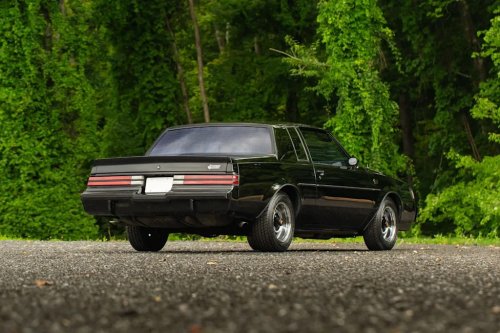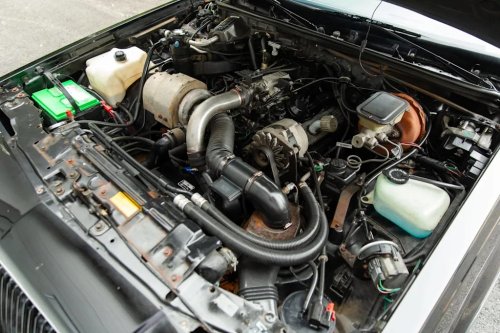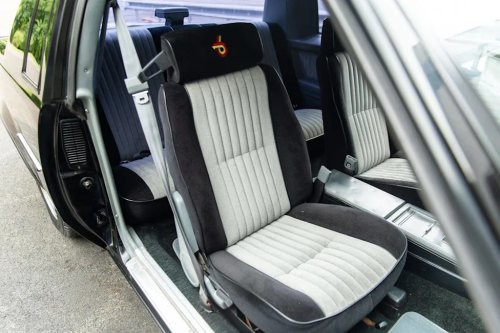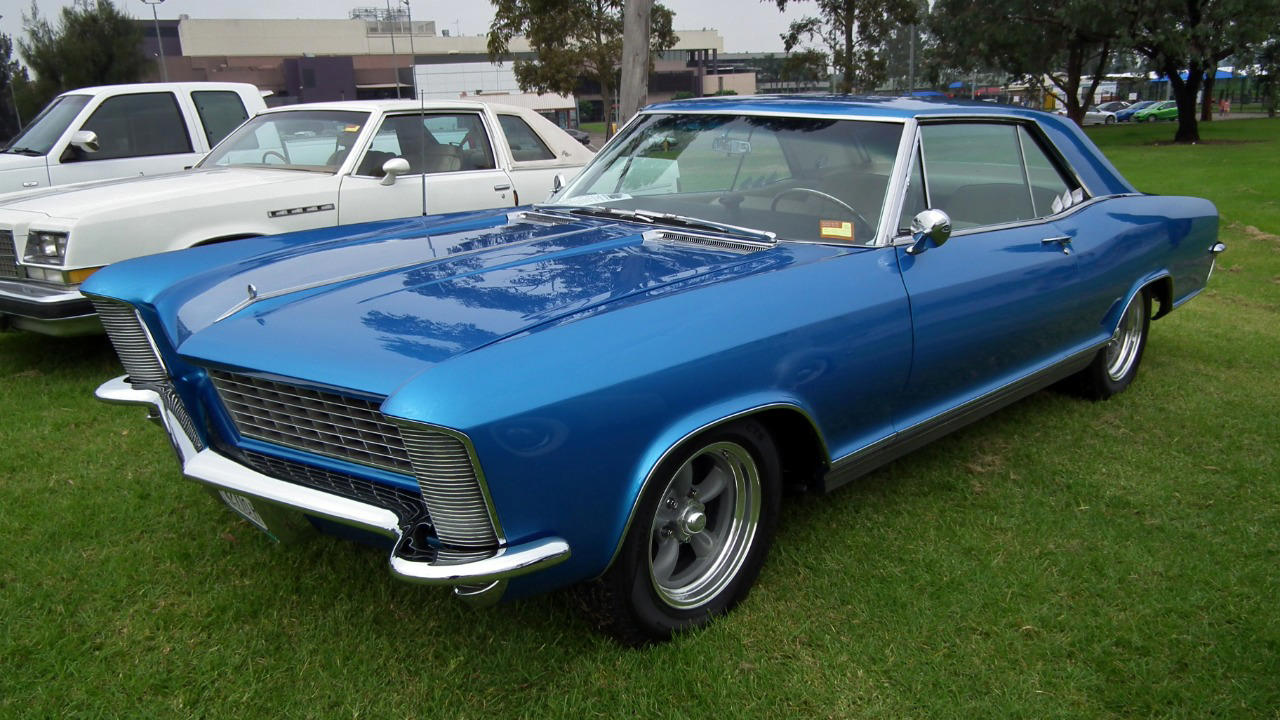



















The 1965 Buick Riviera GS arrived at a time when American luxury coupes were expected to be soft, quiet and more about chrome than quarter-mile times. Instead, Buick slipped serious hardware under a razor-sharp body and created a Gran Sport that looked like a boardroom car but moved like a muscle machine. The result was a Riviera that preserved comfort yet delivered the kind of performance that still impresses modern drivers. A luxury coupe at the end of its first act By 1965 the Buick Riviera was nearing the end of its first generation, and Buick had already established the model as a stylish personal luxury coupe rather than a stripped-out performance car. Period coverage describes the Buick Riviera as a luxurious and elegant full-size car, with proportions and detailing that put it in direct conversation with the best American and European grand tourers of the era. The focus had been on comfort, quiet and design, not dragstrip numbers. Even in standard form the Riviera projected sophistication. Contemporary descriptions highlight a long hood, short deck and clean, almost European lines that contrasted with the more flamboyant chrome-heavy shapes of other domestic coupes. Inside, the cabin offered deep bucket seats, a full-length console and a dashboard that treated the driver like a pilot rather than a chauffeur. Buyers chose the Riviera to signal taste and success, and Buick leaned into that image. Under the hood, the standard Riviera already carried serious displacement. Reports on the 1965 model point to a 401 cubic-inch V8, described as a 401 “Nailhead” that gave the car strong midrange power and a relaxed highway gait. That engine matched the Riviera’s luxury brief, delivering quiet thrust rather than raucous theatrics. The Gran Sport package would take this foundation and push it far closer to outright muscle territory. The Gran Sport option changes the brief Buick’s decision to create the Riviera Gran Sport was a clear response to a market that was starting to demand performance along with plush interiors. In 1965 Buick introduced the Riviera Gran Sport as a specific package that sharpened the car without disfiguring its styling. Social media retrospectives describe how Buick Riviera Gran buyers got a more aggressive personality beneath the same sophisticated exterior, turning the coupe into what enthusiasts now call a true performance machine. The Gran Sport package did not last long on this first-generation body. One detailed history notes that Buick Riviera GS lasted just one year on the original Riviera, which makes surviving examples among the rarer performance Buicks. That short run has helped cement the GS as a kind of hidden halo car, a model that serious fans know but that never became a mass-market cliché. What set the Gran Sport apart was not wild graphics or stripped interiors but a carefully chosen mix of engine, gearing and chassis tweaks. Buick framed the package as an option for drivers who wanted to cross long distances quickly and comfortably, rather than for teenagers chasing stoplight races. That positioning is part of what gives the 1965 GS its enduring appeal. The Super Wildcat heart of the GS The core of the Riviera Gran Sport story sits in the engine bay. Contemporary reviews explain that in 1965 Buick upped the ante with the Riviera Gran Sport by making a specific powerplant standard equipment. That engine was the ultimate 360 hp dual-quad “nailhead” 425 Sup Wildcat V8, often referred to in enthusiast circles as The Super Wildcat. The figures matter here: sources repeat the numbers 360 and 425-cu to underline just how serious this engine was for a car that wore such a conservative suit. Technical summaries describe The Super Wildcat as a 425-cu.in. OHV V8, with the OHV layout and dual four-barrel carburetors giving it a broad torque curve and eager response. One enthusiast group notes that the The Super Wildcat 425-cu.in. OHV V8 was originally rated as the top engine in the Riviera GS lineup, and that 1965 would be its penultimate outing before Buick replaced the nailhead family with a new generation of large V8s in 1967. That timing makes the GS a showcase for the last and most developed version of Buick’s distinctive narrow-valve design. Compared with the standard 401 Nailhead, the 425 Sup configuration delivered more power and a more urgent feel without turning the Riviera into a crude hot rod. Contemporary testers remarked that the engine pulled strongly from low revs and continued to build speed in a smooth, almost turbine-like way. The Gran Sport name signaled intent, but the power delivery remained consistent with Buick’s emphasis on refinement. Real-world performance in a tailored body Performance numbers from the period confirm that the Riviera GS was not just a marketing exercise. A period road test reproduced in an enthusiast archive reports that Passing speeds in the 50 to 70 m bracket would turn out at 4.1 seconds, and that these times were recorded with four aboard. That detail matters, because it shows a full-size luxury coupe carrying a real-world load and still delivering acceleration that would have been competitive with many smaller performance cars of the day. The same test emphasizes that Acceleration is quiet, a phrase that neatly captures the GS mission. The car could surge from highway cruising to overtaking speed in a handful of seconds, yet the cabin remained composed. That blend of speed and serenity is exactly what distinguished the Riviera GS from louder muscle cars that relied on noise and drama to signal performance. Modern video reviews echo that impression. One presenter walks around a well-kept 1965 Buick Riviera and points out how the car still feels quick and responsive in current traffic, even if it is no longer objectively fast by modern sports car standards. Another channel host, Eric from Muscar, invites viewers to strap in as a 1965 Riviera Grand Sport still impresses with its ability to pull hard on the open road. The recurring theme is that the GS does not need to be driven at ten-tenths to feel special; its torque and composure make ordinary speeds feel effortless. Chassis, gearing and the Gran Sport feel The GS package was more than just an engine swap. Period descriptions and modern retrospectives describe changes to the drivetrain and suspension that altered how the Riviera behaved. Enthusiast groups explain that the Gran Sport option typically included a different rear axle ratio, designed to keep the 425 Nailhead in its power band during highway passing and to give stronger launch off the line. Combined with the high-torque V8, that gearing helped the heavy coupe feel alert rather than sluggish. Buick also paid attention to handling. Owners and reviewers mention firmer suspension tuning and specific wheel and tire combinations that gave the GS a more controlled stance through corners. The goal was not race car sharpness but a sense of confidence when the driver asked more of the chassis. That approach fits the broader Buick philosophy: the company wanted the Riviera to glide over poor surfaces while still feeling stable at speed. Inside, the GS package did not strip away the Riviera’s luxuries. Contemporary and modern walkarounds of cars such as the 1965 Buick Riviera show full instrumentation, richly trimmed seats and generous use of chrome and wood accents. The car remained a personal luxury coupe first, and the performance upgrades were integrated so that they enhanced the experience rather than compromising comfort. Design elegance that masked the muscle Part of the Riviera GS mystique lies in how little it shouts about its capabilities. Photographs shared through enthusiast communities, including images tied to Curbside Classic, show cars that differ subtly from standard Rivieras. Badging, wheel choices and minor trim tweaks hint at the Gran Sport identity, but the overall shape remains the same crisp, understated coupe that designers had penned for the original model. High-resolution images associated with Buick Riviera GS coverage highlight the long, unbroken character lines and the way the roof flows smoothly into the rear fenders. Other views, such as a side profile captured in a vintage review, reinforce how the GS looks more like a grand tourer than a muscle coupe. Additional images from the same source, including front and rear three-quarter shots hosted at Curbside Classic and related galleries, show how low the car sits and how neatly the bumpers integrate into the bodywork. Modern enthusiasts often describe the 1965 Buick Riviera Gran Sport as a rolling masterpiece where elegance meets muscle in a way only Buick could deliver. One social media feature calls the Buick Riviera Gran a rolling masterpiece that balances design and power, while another piece from the same community frames the Buick Riviera Gran as the pinnacle of Buick’s personal luxury lineup, combining elegance with raw American muscle. Those descriptions capture why the GS stands apart from more extroverted performance cars of its era. From new car to $99,000 icon Half a century after it left showrooms, the Riviera GS has become a high-dollar collectible. A recent video tour of a pristine 1965 Buick Riviera describes the car as a $99000 classic icon and dwells on how it still turns heads decades later. The host emphasizes that the appeal comes as much from the way the car looks and feels as from its performance numbers. Other content creators echo that sense of admiration. A separate walkaround of a 1965 Riviera Grand opens with the promise that the machine is about to blow viewers’ minds, then focuses on details like the engine bay, the interior trim and the way the car drives. The recurring message is that the GS represents a moment when Buick was willing to invest in engineering and design for a niche audience of enthusiasts. Collectors also value the GS for its rarity. As noted earlier, the Riviera Gran Sport package lasted only one year on the first-generation body, which limits supply. Combined with the car’s status as the last expression of the big nailhead V8 in this form, that scarcity helps explain why prices have climbed and why well-preserved examples are treated as blue-chip American classics. Why the GS still matters The 1965 Buick Riviera GS occupies an interesting place in American automotive history. It arrived just as the muscle car era was gaining full steam, yet it did not follow the typical formula of bright stripes, sparse interiors and dragstrip bragging rights. Instead, it presented performance as something that could be experienced in a tailored suit, with The Super Wildcat 425-cu.in. OHV V8 providing the power and the Riviera chassis delivering the poise. Modern enthusiasts who revisit the car through detailed writeups, such as the Riviera Gran Sport feature, often come away impressed by how cohesive the package feels. The GS does not rely on a single party trick. Instead, it blends a 360 hp dual-quad V8, refined ride quality, quiet acceleration and distinctive styling into a car that still makes sense on modern roads. More from Fast Lane Only Unboxing the WWII Jeep in a Crate 15 rare Chevys collectors are quietly buying 10 underrated V8s still worth hunting down Police notice this before you even roll window down