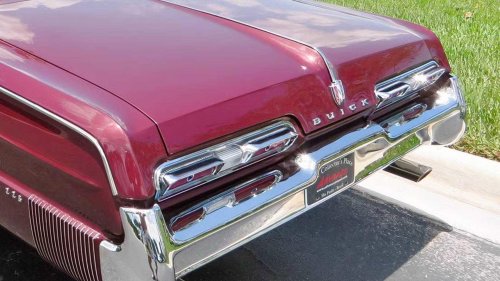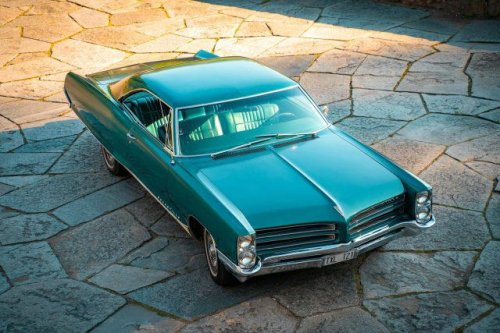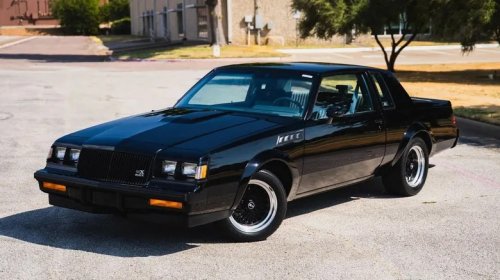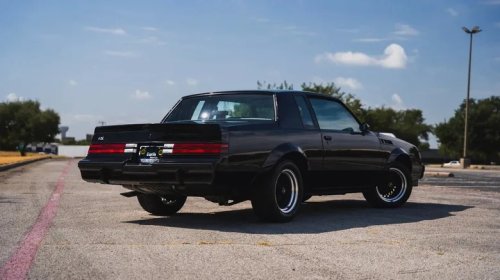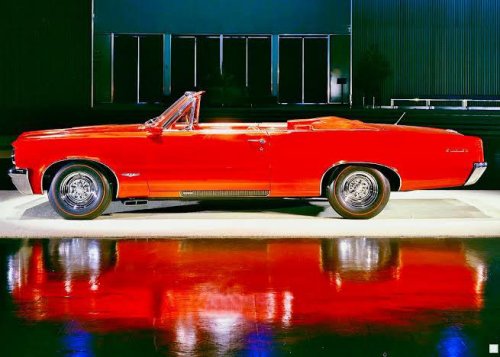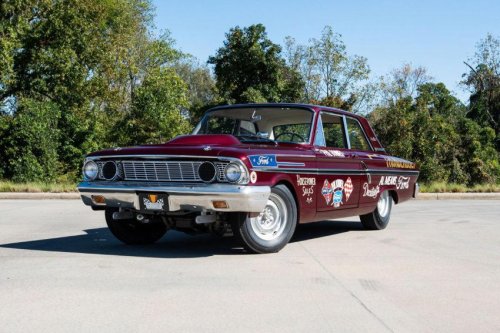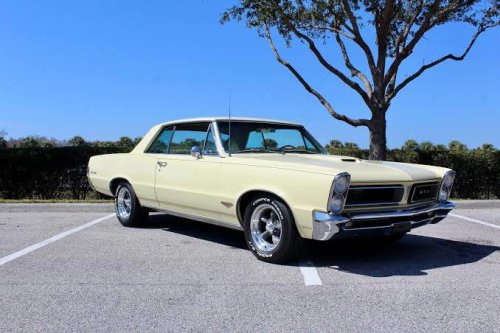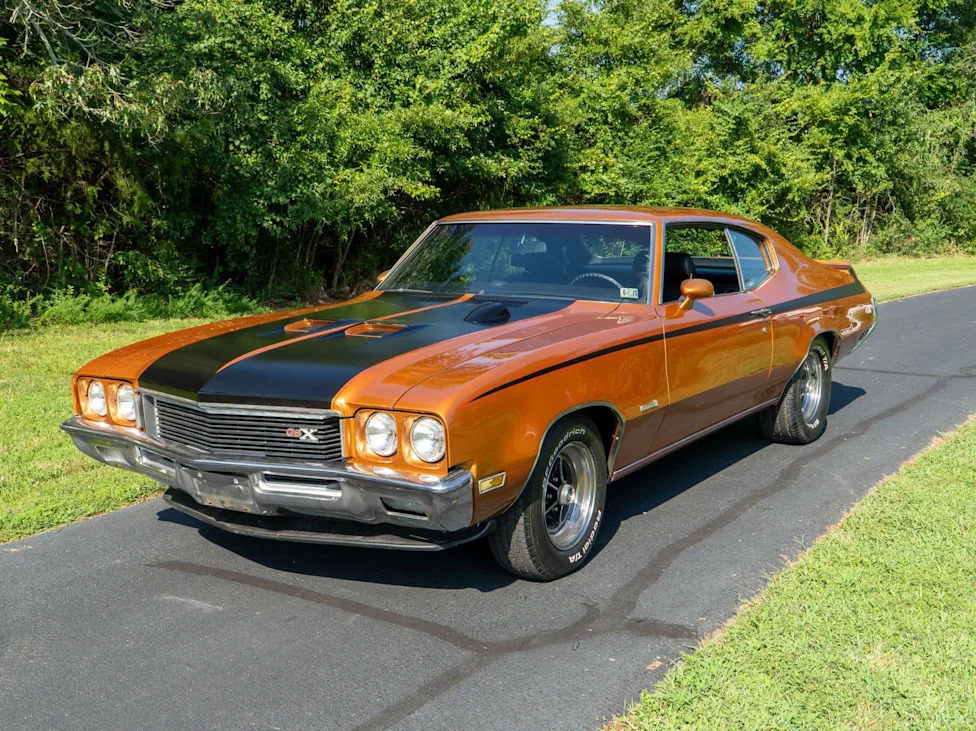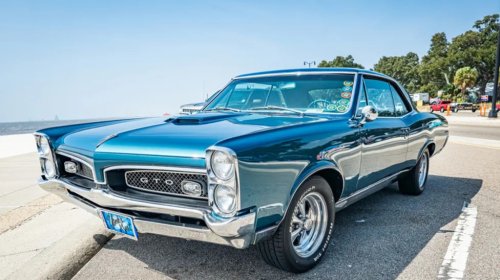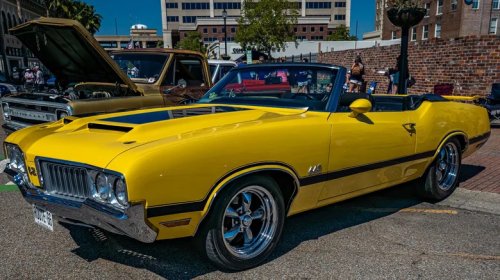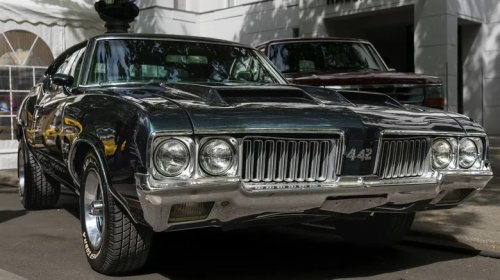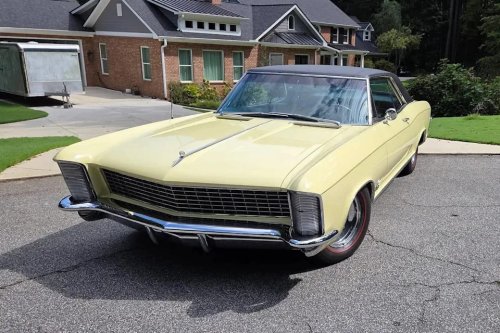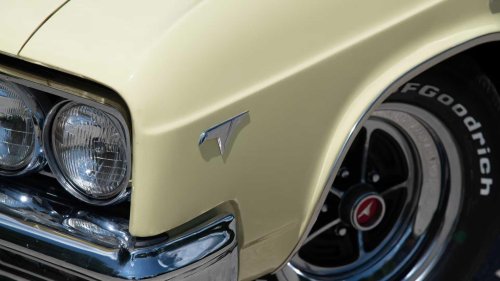
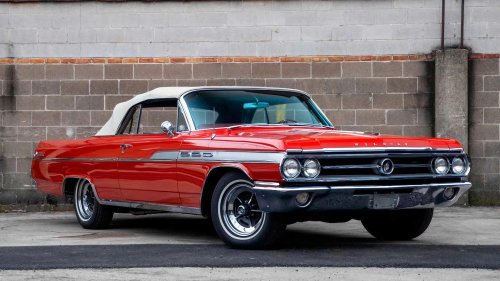
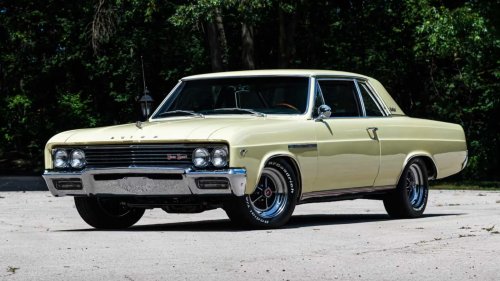
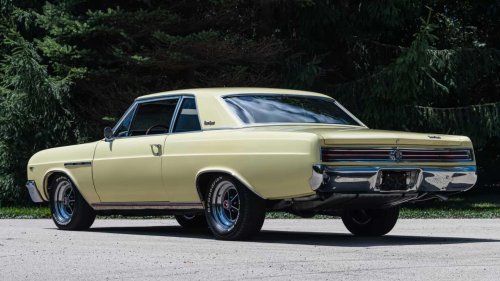
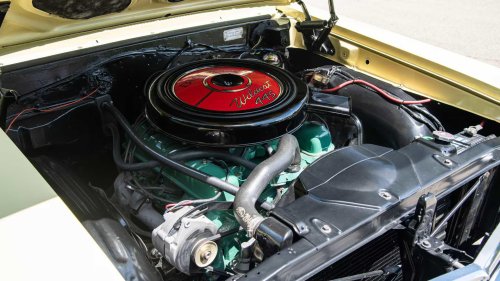
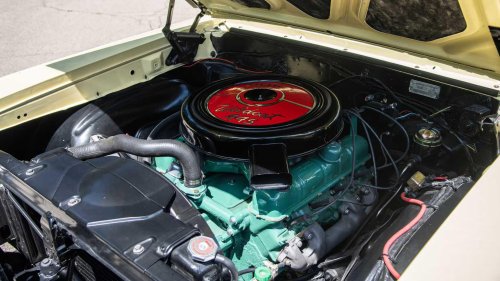
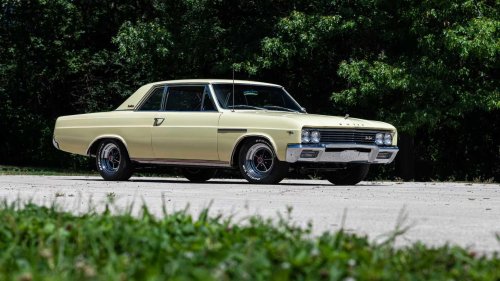
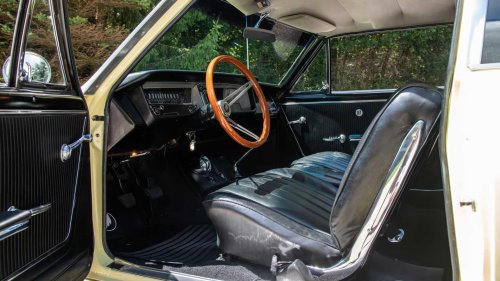



















During 1964 and 1965, the American auto industry underwent a massive shift. Detroit moved its focus toward high-performance, mid-sized cars, changing the way people drove. Icons like the Pontiac GTO and the Oldsmobile 442 quickly grabbed all the headlines, defining the golden age of American muscle.However, amidst this shift, one manufacturer quietly launched a muscle car that prioritized sophistication over flash. It acted as a gentleman’s automobile, but delivering intense power combined with surprising refinement. Because it favored understated style rather than loud marketing campaigns, this potent machine eventually faded from the public eye, becoming a forgotten legend of the era. Buick's 1960s Portfolio: The Doctor’s Car Reputation Via: Mecum Auctions During the 1960s, General Motors operated with a clear, deliberate brand hierarchy. Chevrolet served the masses, Pontiac focused on performance, and Oldsmobile bridged the gap toward luxury. Sitting firmly at the top of this middle tier, just one step below the prestige of Cadillac, was Buick. The brand occupied a unique space in the automotive market. It was not meant for the youthful drag racer looking for cheap thrills; it was the preferred choice for established professionals like doctors, lawyers, and successful business owners who valued reliability and status.Via Mecum Auctions The identity of the brand was defined by comfort, exemplified by flagship models like the Buick Electra 225. Known affectionately as the Deuce and a Quarter, the Electra represented the pinnacle of Buick’s engineering. It offered a whisper-quiet cabin and a plush, substantial ride quality that made it feel like a private lounge on wheels. Even the mid-range Buick Wildcat, though it hinted at performance, was marketed primarily as a sophisticated cruiser rather than a thoroughbred racer. While competitors like the Pontiac GTO were busy stuffing massive engines into stripped-out shells to win stoplight races, Buick focused on interior refinement and advanced engineering features like its innovative Super Turbine automatic transmission.The typical Buick buyer was looking for substance and prestige without the flashy, boy-racer image that accompanied the muscle car craze. They wanted a car that looked and felt expensive when they pulled into the country club or the office. This focus on luxury and grace made the brand a resounding success, but it also painted Buick into a corner. Because the image of the company was so strictly tied to maturity and refinement, the idea of Buick entering the high-performance muscle car arena felt like a strange, unexpected departure from everything the division stood for. The 1965 Buick Skylark Gran Sport: A Forgotten Muscle Car Legend Via: Mecum Auctions In January 1965, Buick finally joined the muscle car fray with the release of the Skylark Gran Sport. As a direct response to the massive popularity of the Pontiac GTO, the Gran Sport was not originally a standalone model, but rather a performance-oriented option package for the existing Skylark. While it shared the same chassis architecture as other General Motors mid-sized cars, it was a completely different breed. Instead of chasing high-RPM horsepower, the Buick engineers prioritized structural rigidity and massive, low-end torque. This resulted in a car that felt incredibly stable and powerful, offering a different kind of performance that focused on effortless acceleration rather than high-pitched engine screaming.Despite its impressive capabilities, the Gran Sport struggled to maintain its place in the history books. One major reason was its incredibly short lifecycle. The 1965 model year served as a singular, stand-alone look for the first-generation Skylark Gran Sport before a more rounded, updated design took over in 1966. This brevity made it difficult for the car to establish a lasting identity in the public consciousness.Via: Mecum Auctions Furthermore, the vehicle suffered from its own subtle personality. It lacked the aggressive hood scoops, bold stripes, and loud badges that defined its rivals. To the casual observer, it looked like just another well-kept Skylark, making it the ultimate sleeper long before the term became popular. Because it did not scream for attention, it was easily overshadowed by the meteoric rise of the Pontiac GTO.Later, when enthusiasts began looking back at the golden era, their attention was grabbed by the later, more visually distinct GSX models of the 1970s. As a result, the sophisticated 1965 Gran Sport quietly drifted out of focus, leaving it as a hidden gem that history almost completely forgot. Technical Specifications: The Might Of The Nailhead V8 Via: Mecum AuctionsThe heart of the 1965 Gran Sport was its legendary 401-cubic-inch V8 engine, famously known as the Nailhead. This engine earned its nickname from its small, vertically mounted intake valves, which were designed to improve air velocity. To navigate GM's strict internal rules, which limited mid-sized cars to a maximum of 400 cubic inches, Buick played a clever game of branding.They officially marketed the 401-inch powerhouse as a 400 to comply with company policy, even though the actual displacement remained unchanged. This engine was a beast in the truest sense, delivering 325 horsepower at 4,400 rpm. Its most impressive trait, however, was the massive 445 lb-ft of torque available at just 2,800 rpm. This raw twisting power was so notable that the air cleaner proudly displayed the Wildcat 445 moniker. The V8 was paired with a 4-speed manual, 2 speed automatic, or a 3-speed manual which was fitted to just 405 examples.Via: Mecum Auctions Performance was brisk for the era. The Gran Sport could sprint from 0-60 mph in approximately 7.8 seconds, while crossing the quarter-mile mark in 16.6 seconds at a speed of 86 mph. While these numbers might seem modest by modern standards, they were highly competitive in 1965. For Buick, this installation was a major engineering departure.The Nailhead had traditionally been reserved for full-size luxury cruisers like the Electra and the Wildcat. Cramming such a heavy, torque-rich big-block engine into the smaller, lighter Skylark chassis changed the character of the car entirely. It shifted the brand from purely luxury-focused comfort toward genuine, high-performance capability. While it was not a traditional move for a manufacturer built on refined prestige, the result was a uniquely muscular experience that allowed the car to dominate stoplight departures with ease, proving that Buick could hold its own in a straight line. Is The 1965 Buick Skylark Gran Sport A Good Investment Via: Mecum Auctions In 1965, Buick produced nearly 70,000 standard Skylarks, a figure that highlights the mass appeal of the model during that decade. However, the Gran Sport version was built in much smaller numbers, making it a rare and coveted prize in today's collector car market. Because so few were produced and even fewer have survived the decades in good condition, finding a clean, authentic example can be a challenge for enthusiasts.Prices for these machines vary based on their condition and history, but they remain a fascinating entry point for those interested in mid-sixties performance. Current data from Classic.com shows an average market value of $28,125.Via: Mecum AuctionsFor those looking at vehicles in good or number-three condition, Hagerty estimates a value range between $15,800 and $21,300, depending on the specific model and its overall maintenance history.The value of the Gran Sport is heavily influenced by its body style. The lineup originally included the Sport Roof hardtop, the thin-pillar coupe, and the highly desirable convertible is generally valued the highest. Each offers a different driving experience and aesthetic appeal to collectors. Traditionally, the convertible commands the highest value ceiling due to its rarity and the premium placed on open-top driving experiences by classic car hobbyists.The hardtop and pillar coupe remain popular for their classic silhouette and rigid feel, often attracting those who prioritize the sleeper look. Regardless of the configuration, the 1965 Gran Sport represents a special slice of American automotive history. As more collectors recognize the engineering significance of this specific year, it is likely that well-preserved examples will continue to see steady interest and appreciation, ensuring that this forgotten powerhouse finally gets the recognition it has earned over the last sixty years.Sources: General Motors, Hagerty, Mecum Auctions, Classic