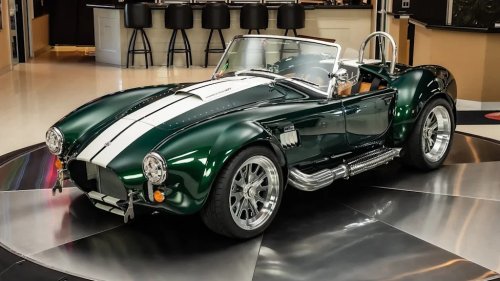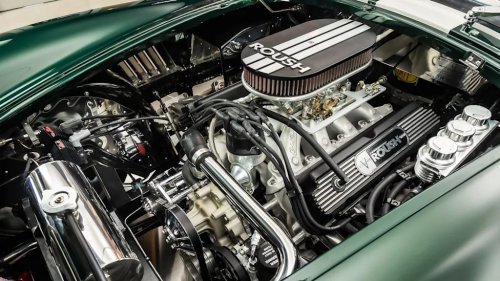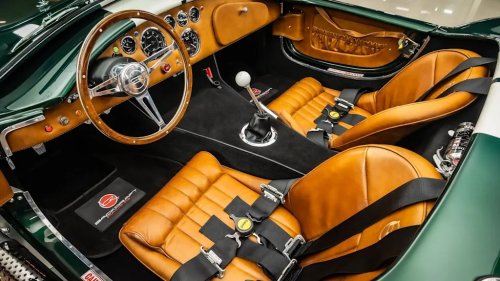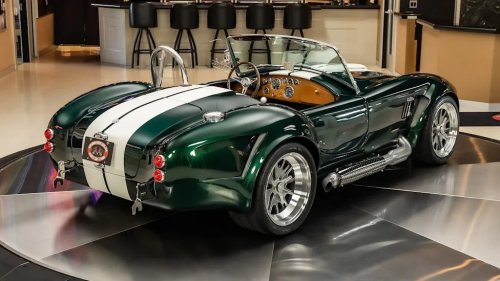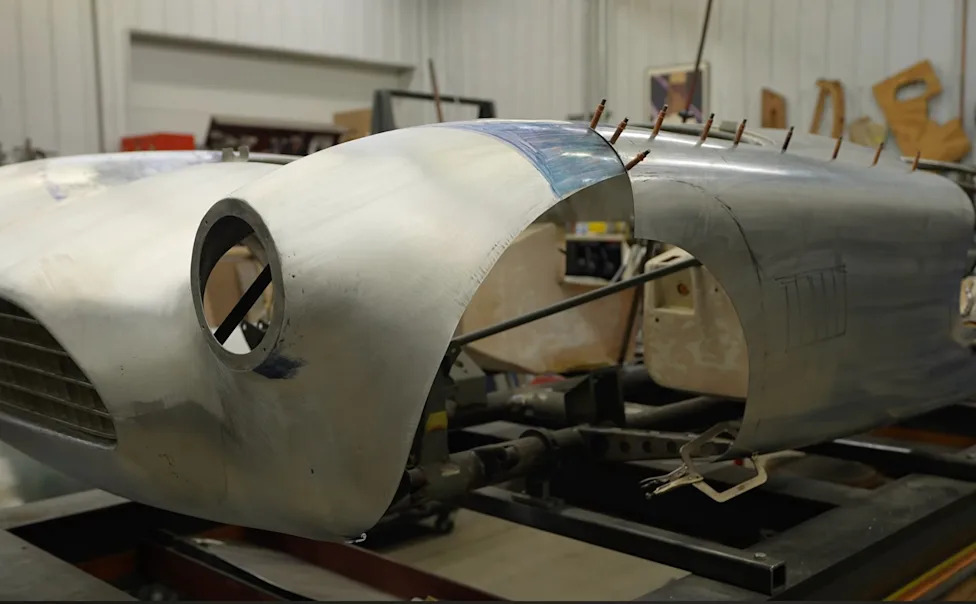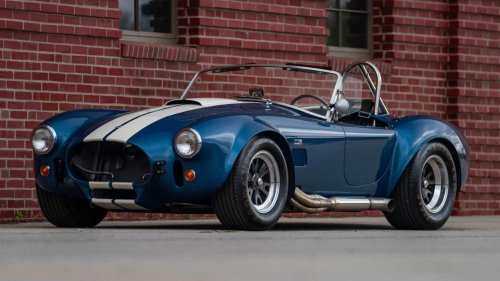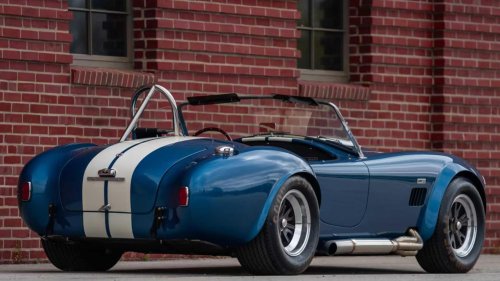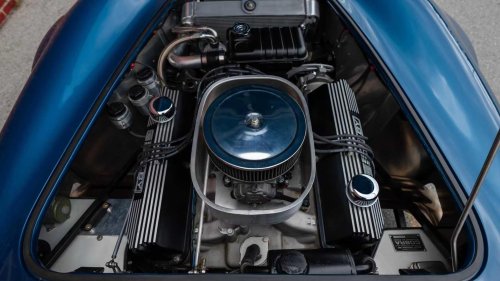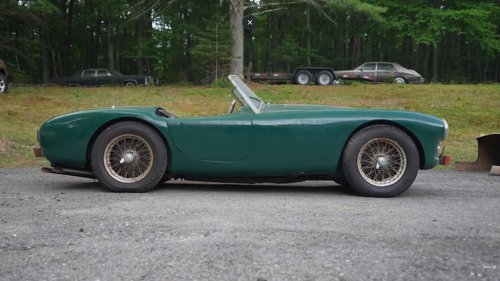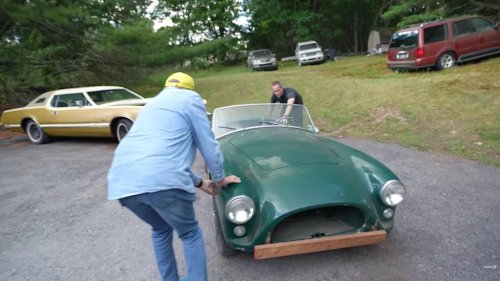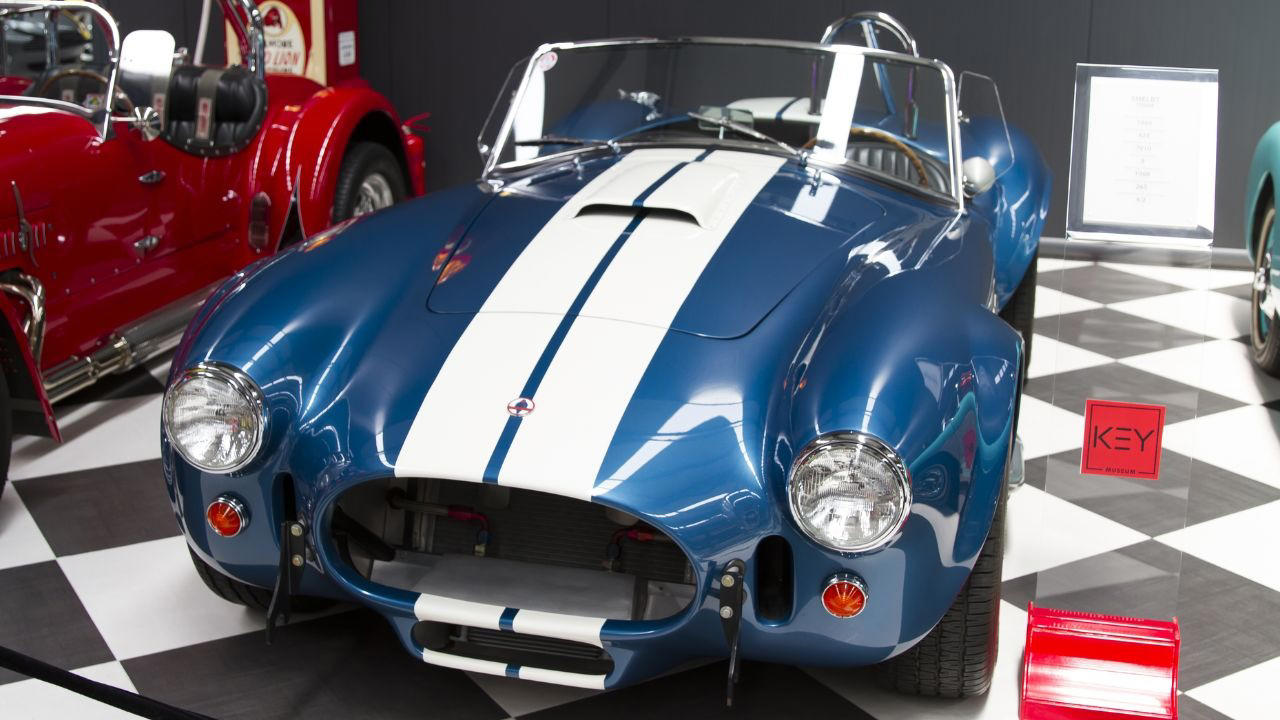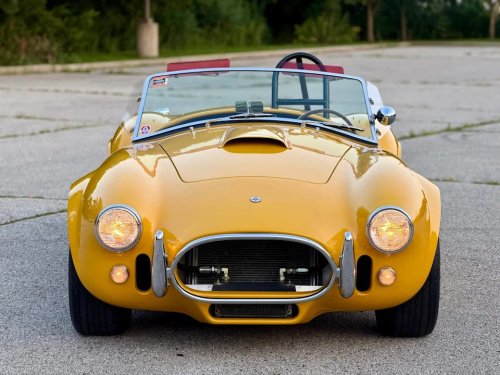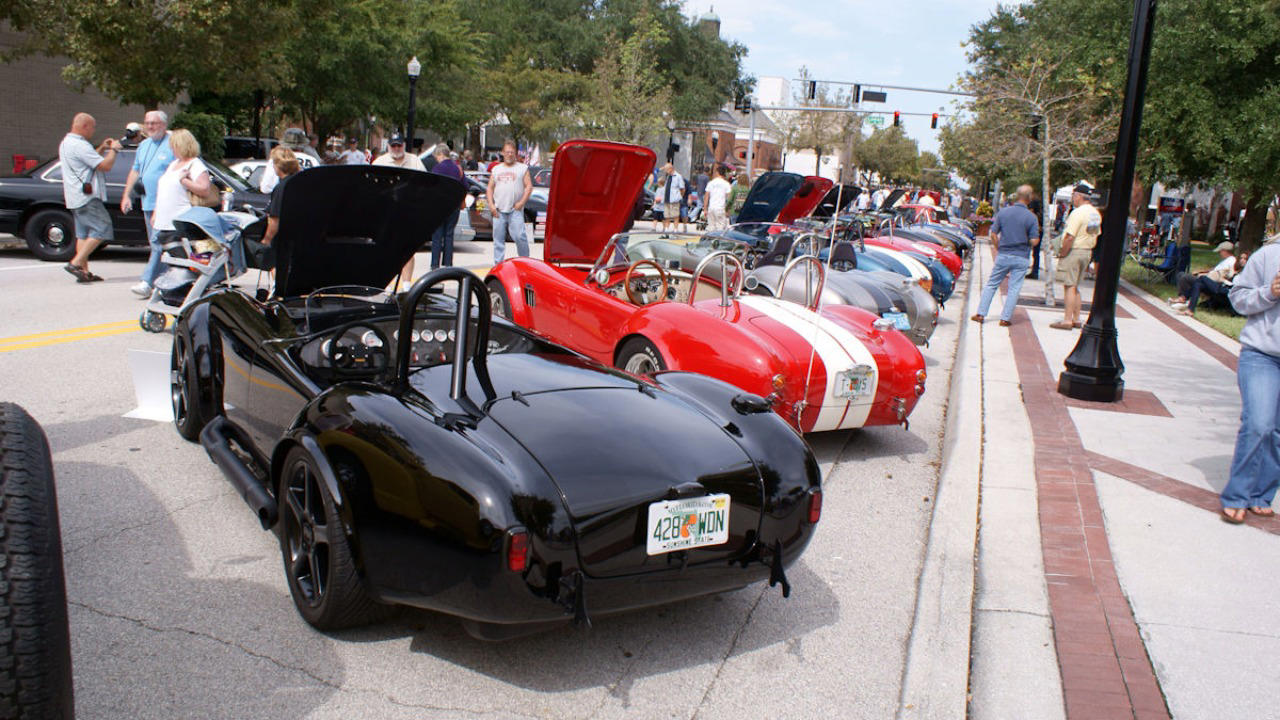



















This British-American hybrid became the 1965 Shelby Cobra and nothing felt the same afterThe 1965 Shelby Cobra did more than blend British chassis finesse with American V8 force. It reset expectations of what a road‑legal sports car could be, turning a small Anglo‑American hybrid into a symbol of raw speed and mechanical purity. From its venomous performance to its enduring presence in popular culture, nothing in the sports car world quite looked or felt the same after this machine arrived. To understand why, it helps to trace how a light British roadster and a determined Texan racer converged at exactly the right moment in performance history. The 1965 evolution of the Cobra captured that collision of cultures and technology with such intensity that enthusiasts still treat it as a benchmark for how a sports car should sound, steer and scare its driver. From Thames Ditton to Texas: how a British roadster became American thunder The story begins with a modest British two‑seater. AC Cars in Thames Ditton had developed the Ace, a lithe open sports car with a tubular frame and independent suspension. According to the company’s own history, by the early 1960s Ford was hunting for a way to beat the Corvette and had created a new lightweight V8 engine to do it. The Ace provided the nimble platform, Ford provided the power, and a retired racing driver provided the vision. That driver was Carroll Shelby, who had watched the AC Ace dominate smaller displacement classes and recognized its potential with more power. One detailed account of History of the notes how Shelby, having seen the Ace succeed, approached AC and Ford with a proposal that would transform the car into one of the most outrageous vehicles ever to wear license plates. The plan was simple in concept and radical in execution: drop a compact American V8 into the lightweight British chassis and tune the result for maximum competition. From the American side, Ford saw an opportunity to showcase its new small block V8 in a sports car that could challenge Chevrolet’s Corvette on track and in showrooms. From the British side, AC gained a powerful new customer for its Ace chassis at a time when its existing engines were losing competitiveness. The AC Cobra that emerged was, in effect, a hybrid sportscar consisting of a British roadster with an American engine and transmission, a combination later described in enthusiast circles as the definitive British and American partnership. In 1962 Carroll Shelby set out to build a car that could outrun nearly anything on the road. Company histories of why the Shelby describe how that ambition shaped every decision, from engine choice to suspension tuning. The early Cobras already delivered startling performance, but the 1965 versions refined the formula into something even more focused. 1965: the hybrid reaches its most feared form By 1965, the Shelby and AC partnership had matured from an experiment into a full‑blown performance program. The 1965 Shelby Cobra is often characterized by enthusiasts as the ultimate fusion of American muscle and British design, raw, untamed and absolutely legendary. One widely shared description on social media calls the 1965 car the point where American and British engineering created one of history’s most iconic cars, a sentiment echoed in a post that highlights how the 1965 Shelby Cobra became a reference point for later muscle and sports machines. Within that same enthusiast community, another comment frames the Shelby Cobra as an iconic American sports car born from a daring collaboration between a race car driver and a small British manufacturer, with the Shelby Cobra presented as the car that gave American performance an unmistakable new silhouette. A Facebook group post on Shelby Cobra history in New York captures that sense of national pride around an Anglo‑American machine that still feels distinctly American in attitude. The mechanical recipe remained consistent with the original concept. The AC Cobra, also known as a Shelby Cobra in the United States, kept its British tubular chassis and compact proportions while adopting increasingly powerful Ford V8s. One enthusiast summary of the 1965 Ford AC Cobra describes it as a black two‑seater that distilled automotive desire into a short wheelbase, wide tires and a huge engine under a small bonnet. In that description, the 1965 Ford AC Cobra, often referred to simply as the Shelby Cobra, is presented as a true icon of automotive design and performance, a car that needs no badge to be recognized. Other fans frame the 1965 Shelby Cobra, also known as the AC Cobra, as a joint venture between British company AC Cars and American backers, a project that produced a lightweight, powerful and agile machine. A post summarizing 1965 Shelby Cobra sports car history emphasizes how that combination of low mass and big power defined the car’s character more than any single specification. Technically, the 1965 cars sat at a crossroads. Earlier Cobras had used smaller displacement V8s, while later ones would become synonymous with the figure 427. In enthusiast shorthand, say 427 in the right crowd and everyone collectively says Cobra, a ritual described in a feature that calls this a Shelby fan’s version of Marco Polo. The 1965 model year sits near the heart of that legend, bridging the early small block cars and the final form of the Cobra that many consider the icon. How the hybrid handled: brutality, balance and a short wheelbase What made the 1965 Shelby Cobra feel so different was not just straight‑line speed, but the way that speed arrived in a small, responsive chassis. The AC Cobra is often described as a hybrid sportscar consisting of a British roadster with an American engine and transmission, and that word hybrid captures the dual personality at the wheel. A later enthusiast post on The AC Cobra notes how Carroll Shel brought American power to a chassis that still felt very much like a British sports car, with quick steering and direct feedback. Another description from a classic car community highlights how this sports car combined the power of Ford’s short‑stroke V8 with the nimbleness of AC’s sporting chassis. A social media post on combining the power of that V8 with AC’s handling describes the result as a groundbreaking collaboration between American legend Carroll Shelby and the British manufacturer, creating a car that could switch from docile cruising to tire‑smoking violence with a twitch of the right foot. Drivers who sampled the 1965 cars often spoke about the way the car felt smaller than its engine. The short wheelbase, low weight and front‑engine, rear‑drive layout produced a car that could pivot into corners with immediacy, but required respect as power overwhelmed grip. Period accounts and later retrospectives consistently place the Cobra among the most demanding cars to drive quickly, yet also among the most rewarding for those who mastered its balance. Compared with contemporary European exotics, the Cobra lacked sophistication in some areas. It did not offer the high‑revving delicacy of a Ferrari V12 or the aerodynamic refinement of a mid‑engine prototype. Instead, it leaned into mechanical simplicity and brute force. That choice resonated with American enthusiasts who valued straight‑line acceleration and a muscular soundtrack, but it also impressed European observers who saw in the Cobra a fresh interpretation of the classic British roadster, now supercharged with Detroit torque. From club circuits to global fame: the Cobra on track The Shelby Cobra did not become a legend by posing at car shows. It earned its reputation in competition. A detailed overview of The Roar of a Legend describes The Most Notable Shelby Cobra Races and begins with The Birth of a Legend, a Brief Background on the Shelby Cobra in early 1960s motorsport. Those accounts trace how Cobras quickly moved from local club events to major international races, often punching above their weight against established brands. On track, the hybrid formula proved devastating. The Cobra’s power‑to‑weight ratio allowed it to leap out of corners and devour straights, while its relatively simple suspension and robust construction made it easier to run and repair than some European rivals. Stories from that period highlight how privateer teams could buy a Cobra, tow it to the track and compete with factory‑backed Ferraris and Corvettes with a realistic chance of victory. As the racing program evolved, the Cobra’s silhouette became a familiar threat in paddocks across Europe and North America. The low nose, flared arches and side‑exit exhausts signaled a car that had been built with lap times in mind. While the 1965 model year is often celebrated for its road cars, it also coincided with some of the Cobra’s most intense competition efforts, as Shelby American pushed to secure championships and cement the car’s reputation before newer designs arrived. Those efforts succeeded to the point where later histories of American sports car racing treat the Cobra as a turning point. The car demonstrated that a relatively small manufacturer, working with a major engine supplier, could challenge and sometimes defeat long‑established European marques. That lesson would echo through later American projects, from Ford’s GT40 program to modern independent builders who still look back to the Cobra for inspiration. Why the 1965 Cobra still defines automotive cool More than half a century later, the 1965 Shelby Cobra continues to occupy a special place in car culture. Company narratives on Timeless Icon status describe The Shelby Cobra as far more than a car, presenting it as a symbol of freedom, performance and American ingenuity. Those same histories argue that the Cobra’s silhouette, with its long hood and short tail, has become shorthand for unfiltered driving. Enthusiast communities echo that view. One post that focuses on the 1965 Shelby Cobra calls it the ultimate fusion of American and British, created as a raw, untamed machine that still feels absolutely legendary. That same commentary suggests that the 1965 car captured a moment when regulations were looser, engineering was more experimental and drivers accepted higher levels of risk in exchange for sensation. The Cobra’s ongoing presence in media, from posters to video games, reinforces that image. When modern audiences encounter a Cobra in a film or a racing simulator, they often experience it as the archetype of the classic sports car: open cockpit, side pipes, a big V8 and a driver who must fight the wheel. The car’s reputation for being demanding to handle has become part of its appeal, a badge of honor for those who claim to have tamed it. Collectability has only intensified that aura. Original 1965 Cobras are rare and command high prices at auction, which in turn has fueled a thriving market for replicas and continuation cars. That market reflects a broader truth about the Cobra’s legacy. Even enthusiasts who will never own an original still want to experience some version of its sound and feel, whether through a kit car, a scale model or a virtual recreation. Inside the legend: details, myths and mechanical reality Part of what keeps the 1965 Shelby Cobra in conversation is the mix of documented history and enthusiast myth that surrounds it. Official channels like shelbyengines.com and Shelby merchandise and parts catalogs keep the brand’s technical heritage alive, while fan pages and clubs trade stories that sometimes blur the line between fact and folklore. Social media hubs such as Shelby American communities and broader platforms like Twitter amplify that conversation in real time. Owners share restoration photos, tuners debate correct specifications, and historians correct misremembered race results. Through that constant exchange, the 1965 Cobra remains a living subject rather than a static museum piece. Insurance and valuation specialists also play a role in codifying the car’s status. Online portals associated with Shelby Cobra coverage and login pages for Hagerty UK clients illustrate how the Cobra sits in a class of its own when it comes to risk assessment and agreed values. Separate retail sites like Hagerty UK merchandise and media projects such as Shelby Cobra themed barn‑find shows and archived features on Shelby Cobra discoveries further reinforce the sense that every surviving car carries a story. Technical deep dives sometimes surface through less expected channels. A reference discovered through a citation trail from Why the Shelby Cobra is a Timeless Automotive Icon leads to Discovered material that touches on how modern web experiences present classic car histories. While not a primary automotive source, it exemplifies how the Cobra’s story now intersects with digital presentation and preservation. At the enthusiast level, the car’s dual identity as both AC Cobra and Shelby Cobra continues to spark debate. Some British fans emphasize the role of AC Cars and the Ace’s engineering, while American fans highlight Carroll Shelby and Ford’s contribution. A Facebook group post that refers to the Ford AC Cobra and describes Black The 1965 Ford AC Cobra as a true icon of automotive design illustrates how even the naming can vary between communities, yet the underlying respect remains constant. A hybrid that changed expectations Stepping back, the significance of the 1965 Shelby Cobra lies in how completely it redefined the possibilities of a hybrid sports car. Before the Cobra, British and American collaborations tended to be more conservative, often pairing modest engines with comfortable touring bodies. The Cobra reversed that logic. It took a small, lightweight British chassis and installed as much American V8 power as the frame could handle, then tuned the result for both road and race. That approach influenced later projects on both sides of the Atlantic. American manufacturers saw proof that European handling and American power could coexist in a single package, which encouraged further partnerships and import tuning programs. British and European builders saw that there was a global market for cars that combined their chassis expertise with larger displacement engines, a lesson that would surface again in later V8‑powered sports cars. The 1965 model year crystallized those lessons into a car that still feels shockingly modern in its priorities. Low weight, high power, minimal driver aids and a focus on connection rather than isolation are all qualities that enthusiasts still chase, even as modern regulations and technology push mainstream cars toward complexity. In that sense, the 1965 Shelby Cobra stands as both a product of its time and a rebuke to some of the compromises that have followed. More from Fast Lane Only Unboxing the WWII Jeep in a Crate 15 rare Chevys collectors are quietly buying 10 underrated V8s still worth hunting down Police notice this before you even roll window down The post This British-American hybrid became the 1965 Shelby Cobra and nothing felt the same after appeared first on FAST LANE ONLY.