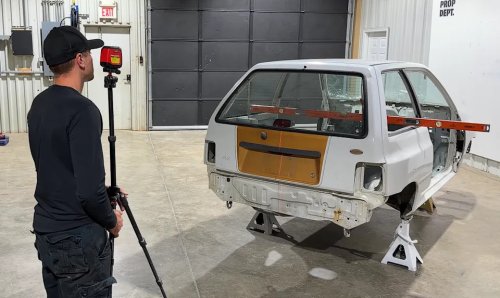
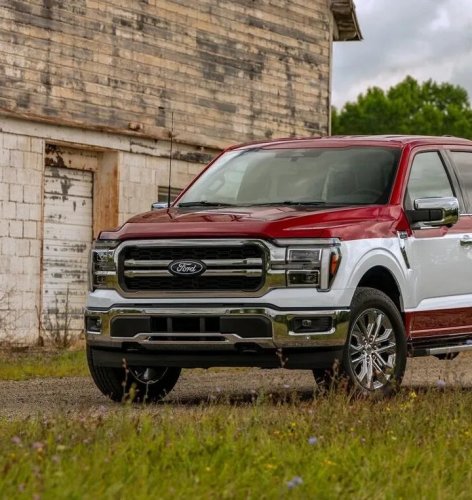
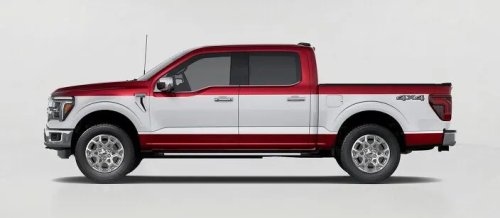
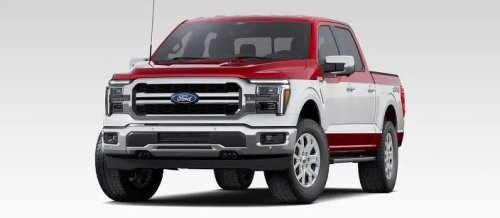
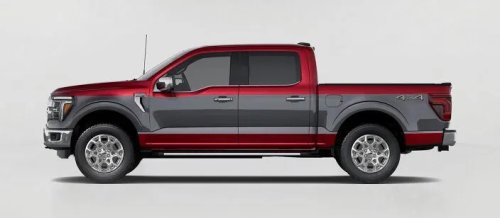
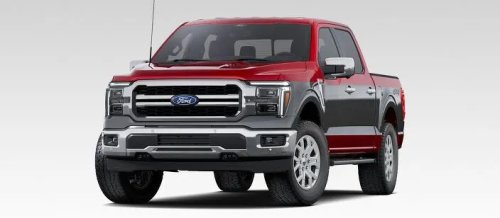
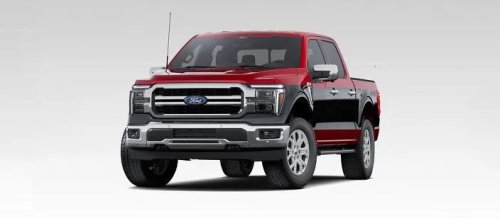
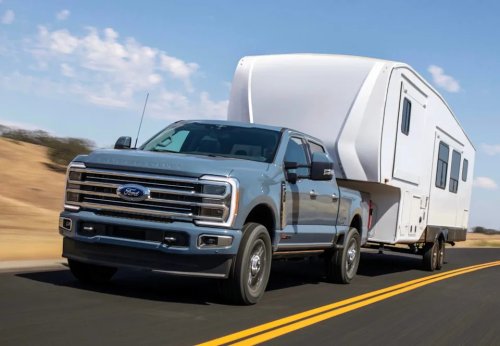
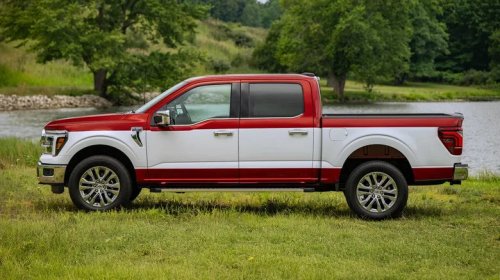
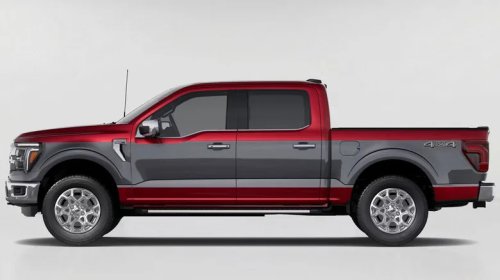
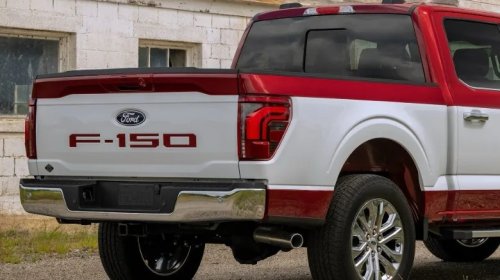
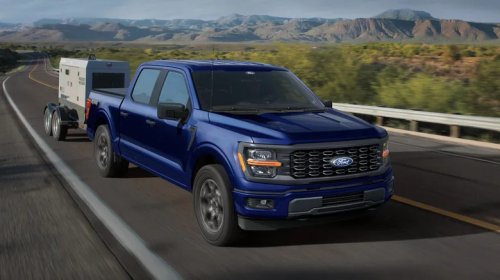
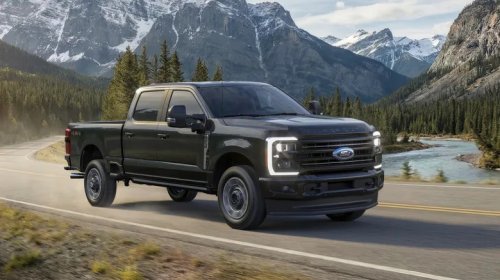
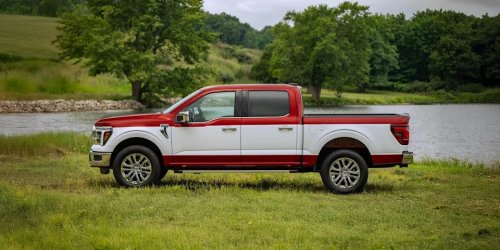
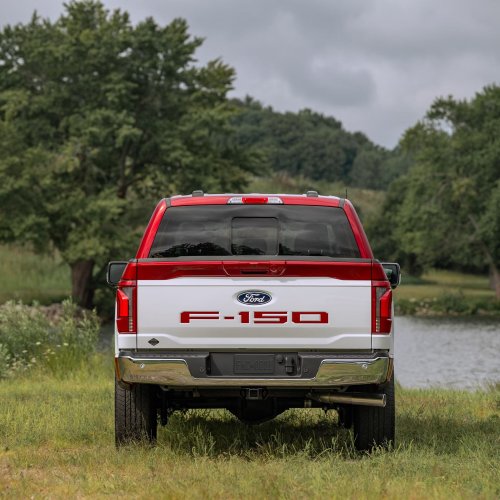
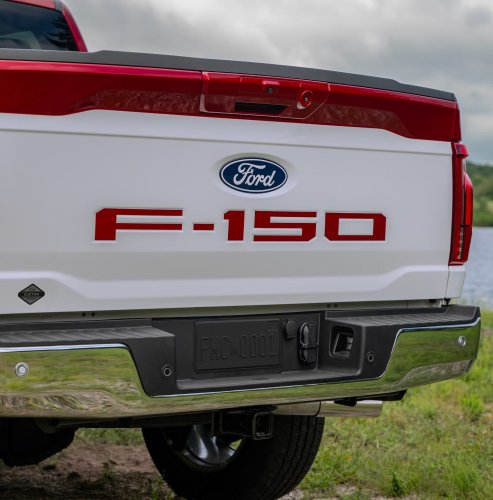
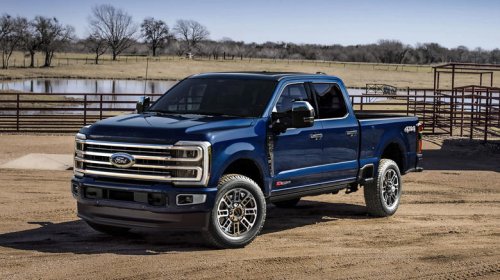
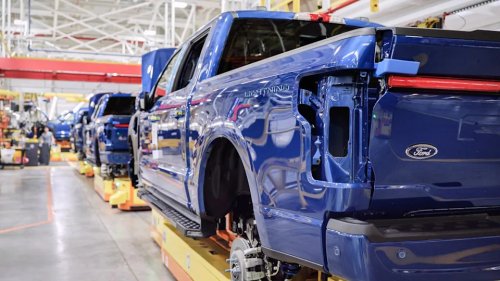
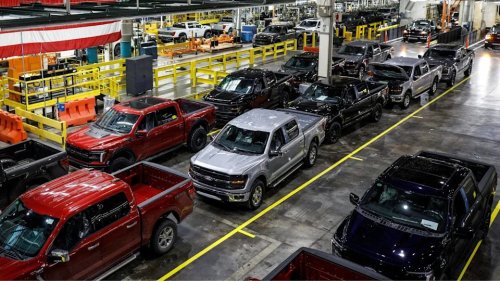
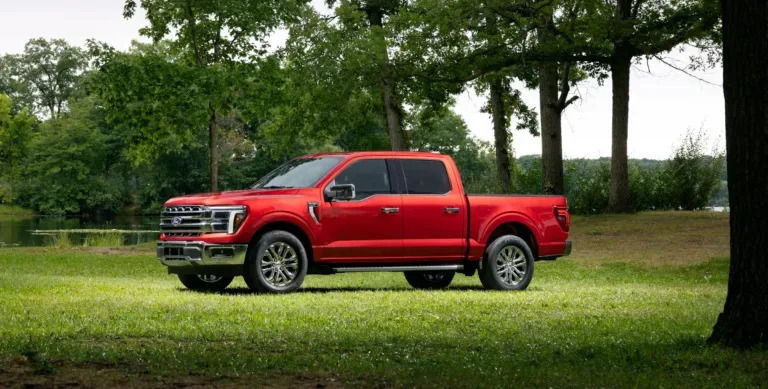
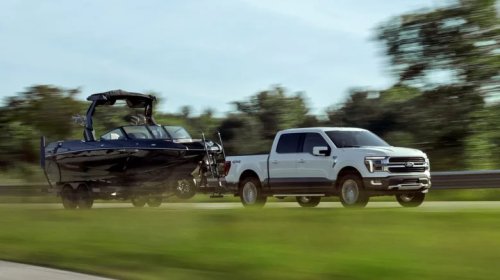
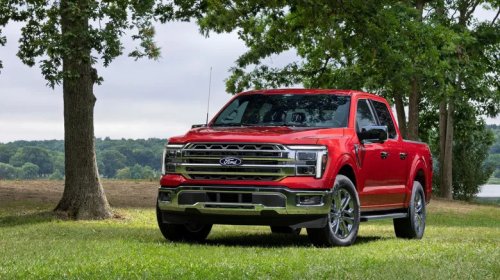
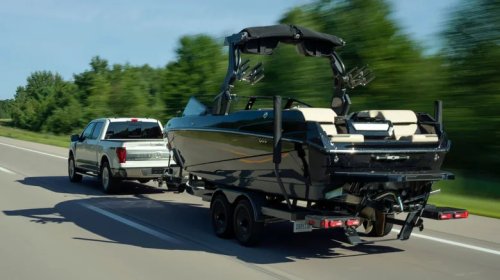
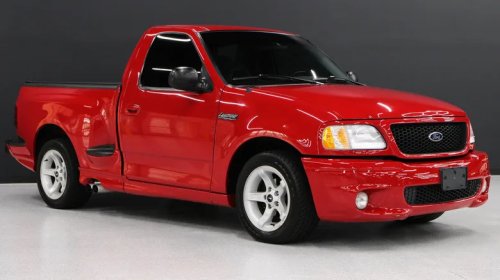
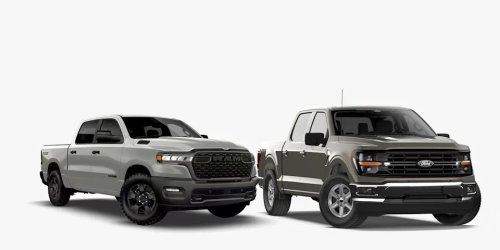
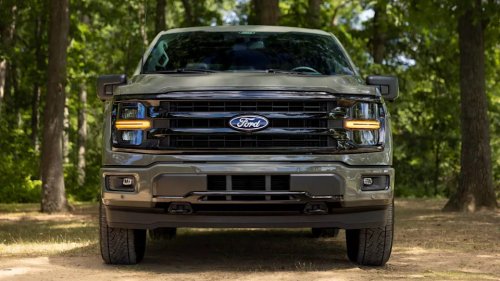
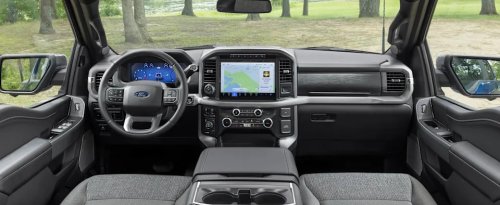
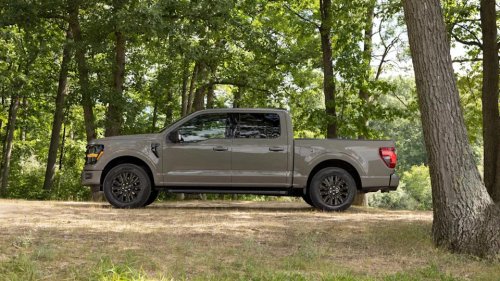
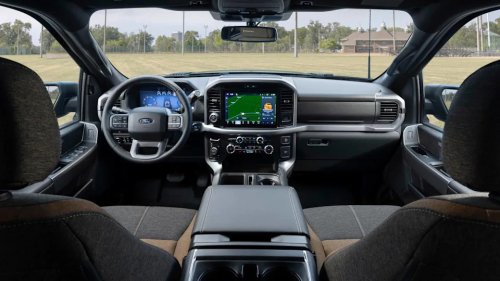
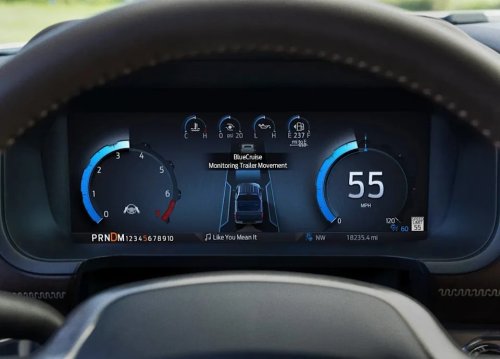
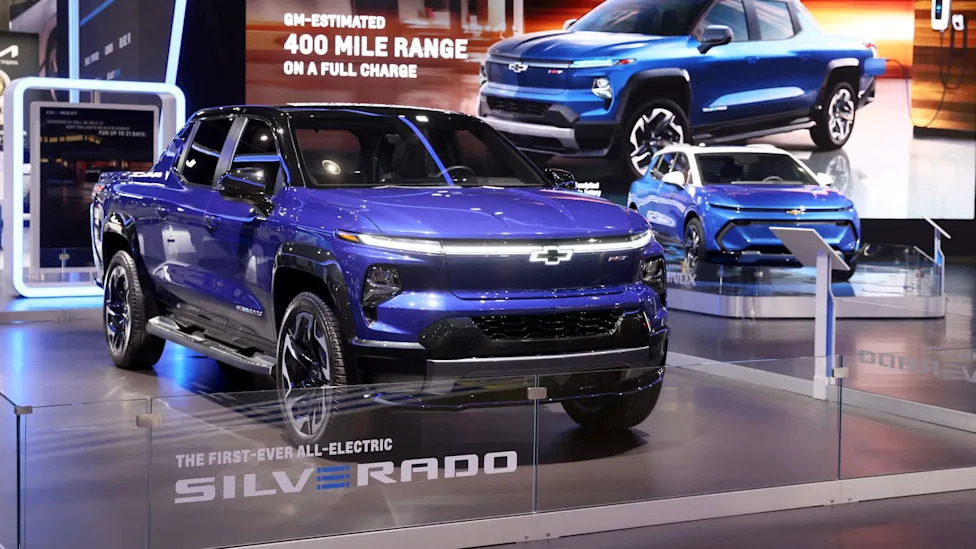
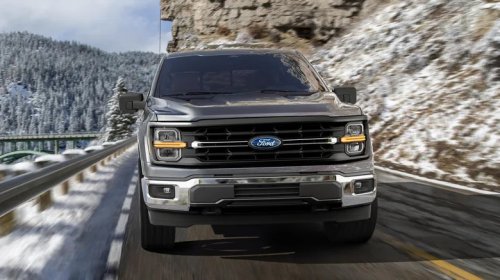
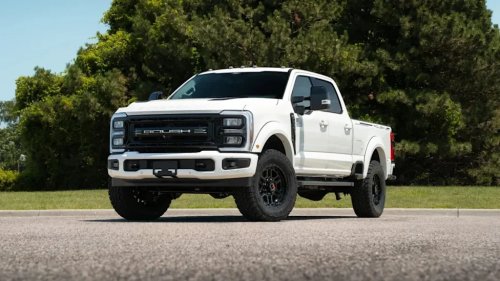
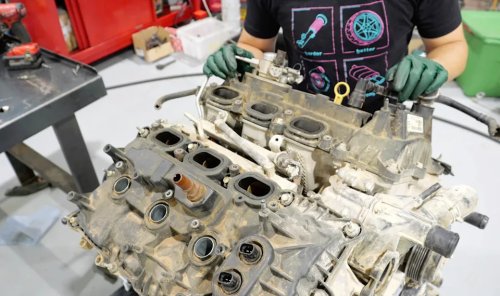
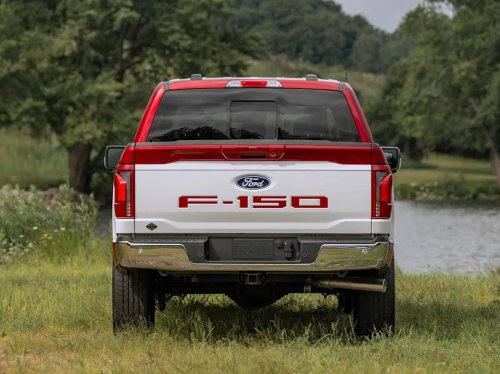
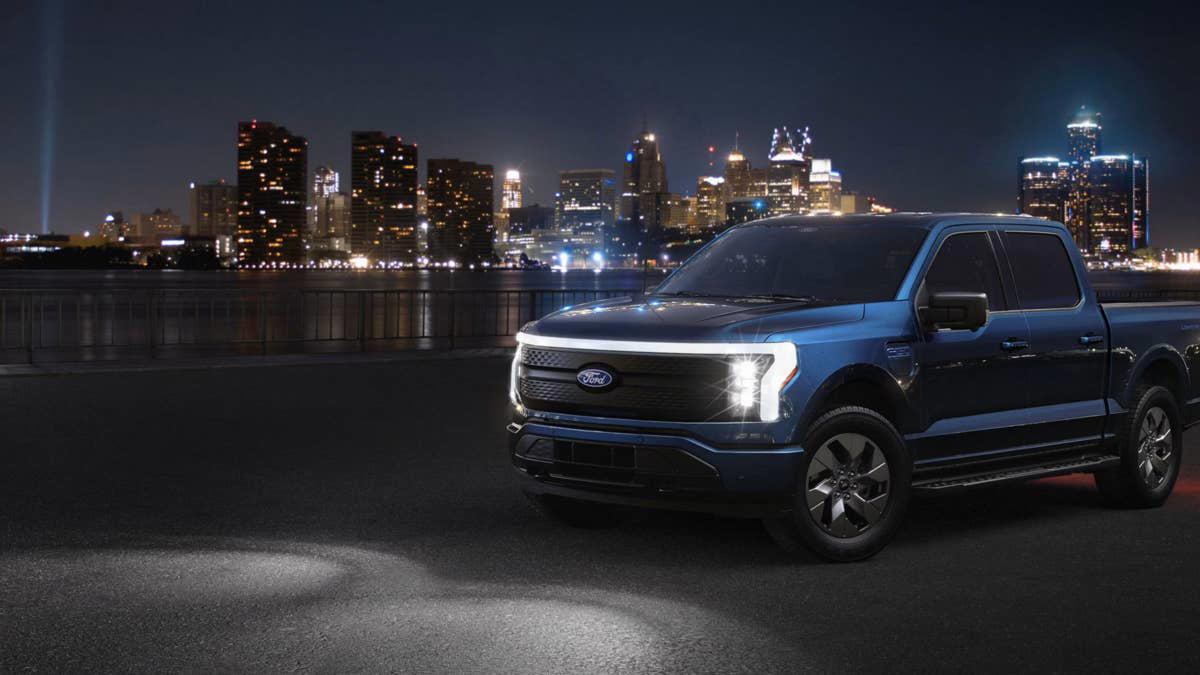
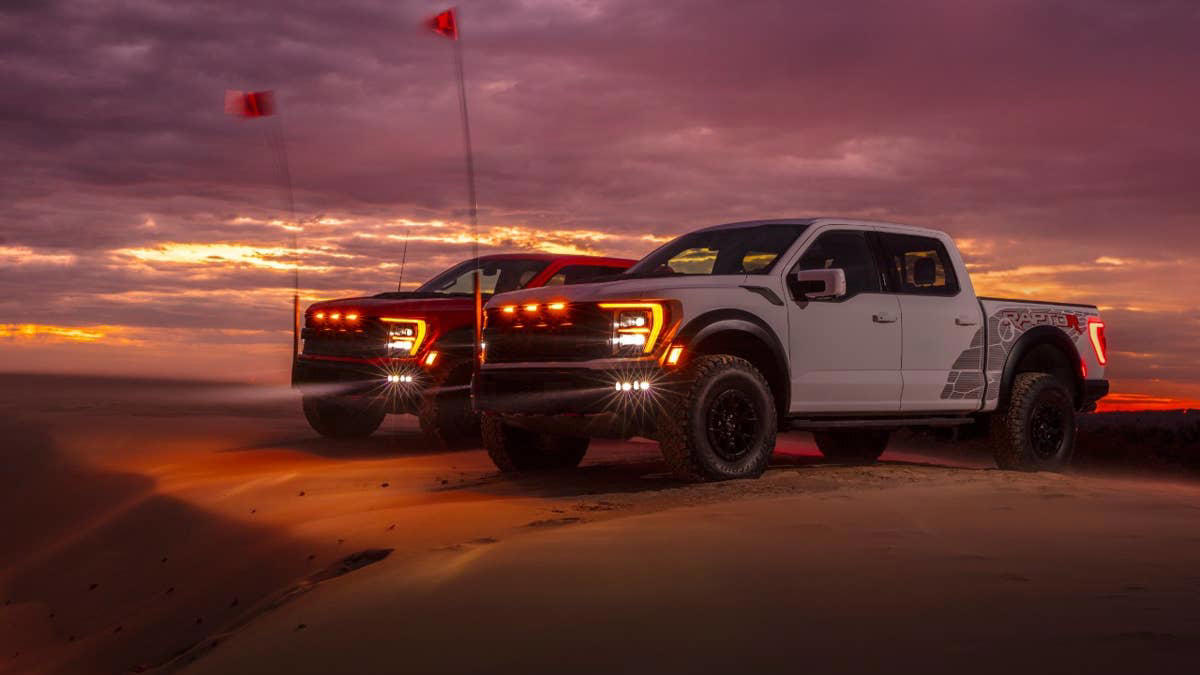
Ford has officially mapped out the timeline for the overhaul of its most popular vehicles: the F-150 and F-Series Super Duty trucks. Said to arrive in 2029, the next-generation trucks represent far more than a cyclical product update. They will be the culmination of a significant internal restructuring aimed at optimizing Ford's manufacturing economics and pivot the automaker's powertrain strategy toward scalable, high-margin technologies. Restructured OperationsAt the core of this transformation is the dissolution of the Model e division—a move that signals a strategic departure from isolated electric vehicle development. Ford has consolidated its operations into a unified "Product Creation and Industrialization" unit under COO Kumar Galhotra. This structural pivot aims to streamline capital expenditure and operational efficiency across the board. The mandate is fiercely ambitious: refresh 80 percent of Ford’s North American volume—and 70 percent of its global volume—by the end of the decade.This accelerated timeline relies heavily on structural integration and software-defined architectures. By 2030, Ford expects 90 percent of its global output to run on entirely new electrical backbones. This isn't merely a technological upgrade; it’s a prerequisite for scaling Level 3 autonomous driving capabilities, which inherently opens up lucrative post-purchase software revenue streams through an advanced BlueCruise ecosystem.About the TruckMechanically, the 2029 F-Series will target substantial cost reductions and performance gains through radical hardware simplification. Ford is actively exploring a complete transition to by-wire braking and steering technologies. Using rapid-discharge supercapacitors and electric actuators, this pivot would effectively eliminate traditional hydraulic setups. From a manufacturing standpoint, removing a physical steering column and mechanical linkages drastically reduces assembly complexity, yielding leaner production times while enhancing the full-size truck's operational agility under heavy payload. Perhaps the most crucial economic pivot lies in Ford's recalibrated electrification strategy. The fully electric F-150 Lightning will be repositioned as an Extended Range Electric Vehicle (EREV). The EREV architecture shifts the paradigm from pure battery dependency to a more pragmatic, dual-power system. The wheels are propelled entirely by electric motors, but a dedicated onboard combustion generator will be used to replenish the battery pack. Targeting an operational range exceeding 700 miles, the EREV mitigates the costly necessity of massive, resource-heavy battery packs while entirely negating consumer range anxiety—a primary barrier to heavy-duty EV adoption and towing.The Near FutureBefore these high-margin heavyweights launch, Ford will stress-test its new Universal EV platform with a mid-size electric pickup. This preliminary launch will pioneer a "unicasting" production methodology. By consolidating hundreds of stamped parts into single large castings, Ford aims to dramatically compress manufacturing costs. With Chevrolet projecting a 2027 launch for its next-generation Silverado, Ford’s delayed 2029 release is a highly calculated risk. However, by leveraging unicasting, EREV pragmatism, and by-wire simplification, the Blue Oval is betting that an economically optimized, technologically superior product will secure the F-Series' formidable market dominance well into the next decade.




















 +49 others