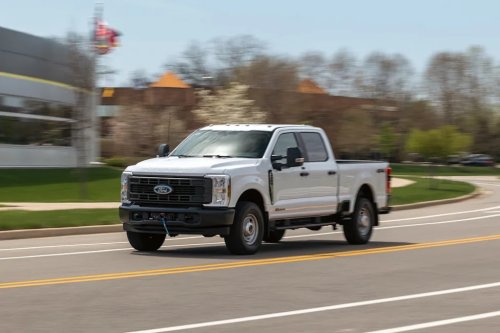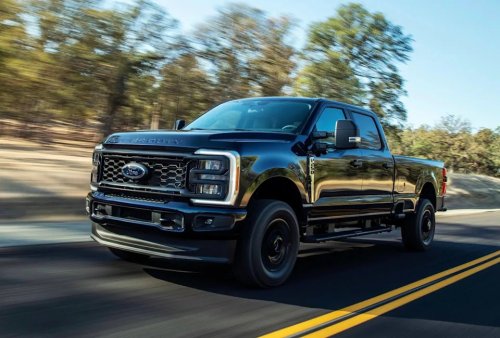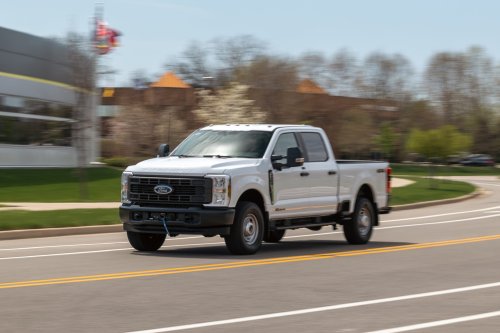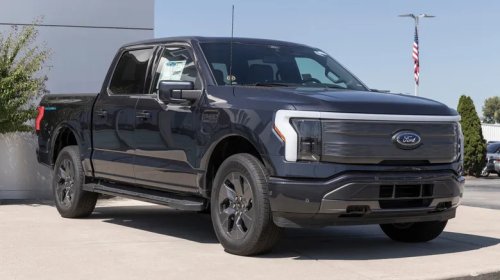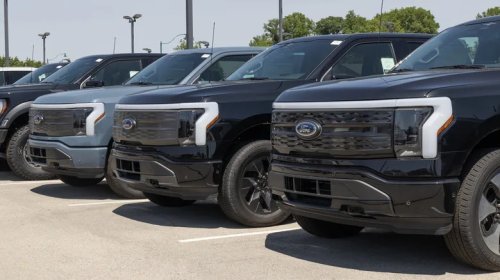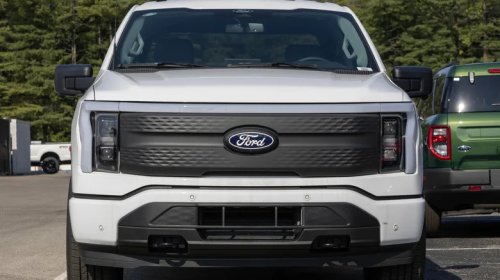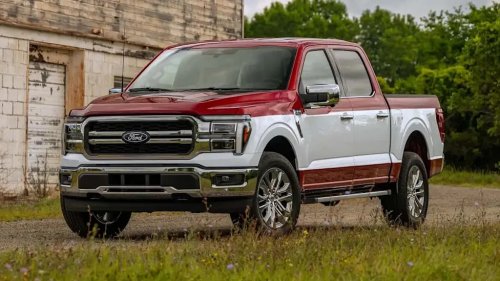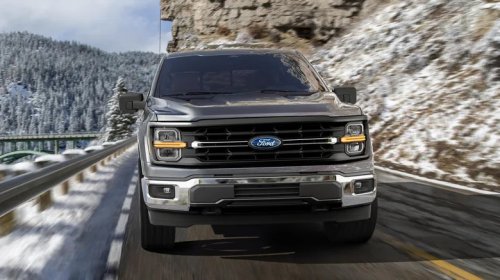



















1.3M Ford F 150s face federal probe over sudden downshiftsFederal safety regulators are scrutinizing roughly 1.3 million Ford F-150 pickups after reports that the trucks can suddenly slam into a lower gear at highway speeds, jolting drivers and in some cases locking the rear wheels. For you as an owner, that means a long-running concern about harsh shifts has escalated into a formal defect investigation that could end in a recall and mandatory repairs. The focus is on popular model years of the country’s best-selling truck, so the odds are high that someone in your family, workplace, or neighborhood is directly affected. The probe centers on automatic transmissions that appear to drop from higher gears into first or second without warning, a scenario that can instantly destabilize a vehicle towing a trailer or traveling in fast-moving traffic. Regulators are now combing through hundreds of complaints and crash reports to determine whether a defect exists and how broadly it extends across the F-150 lineup. The expanded federal investigation and what is at stake Regulators at the National Highway Traffic Safety Administration have upgraded their review of the F-150’s gearbox behavior into a more intensive engineering analysis that now covers about 1.27 m trucks. The agency is looking at model years where the 150 has been a volume leader for Ford, and the expanded scope reflects concern that a transmission control problem could increase the risk of a crash for a very large slice of the pickup market. The latest step follows earlier work by NHTSA’s Office of Defects Investigation, which had already been gathering data on sudden downshifts before deciding to widen the net to roughly 1.3 m vehicles built over several years, according to material attributed to By Reuters and other technical summaries of the case, including images of F-150s on sale in Encinitas that illustrate how common these trucks are on American roads, as detailed in NHTSA. For you, the key point is that this is not yet a recall, but it is the last major step before one. Investigators are trying to determine whether a fault in the transmission control module or related sensors can cause an abrupt shift into a low gear that locks the rear axle and triggers a loss of control. Earlier work by ODI, referenced in technical notes that describe how Last March ODI opened a preliminary review into the 1.3-mil trucks, shows that the agency has already seen enough evidence to believe the behavior is repeatable and potentially systemic, a concern echoed in coverage that explains how the Investigation Escalates To Next Step within NHTSA’s process. How the sudden downshift problem shows up on the road Owners describe a similar pattern: you are cruising at highway speed when the transmission unexpectedly drops into a much lower gear, producing a violent lurch that can feel like being rear-ended. In some cases, the rear wheels briefly lock, which can send the truck sideways, especially if you are towing or driving on a slick surface. Technical write-ups note that the affected trucks use Ford’s 6R80 six-speed automatic transmission, a unit that has been widely installed in F-150 models and related vehicles, and that a faulty speed sensor signal or corrupted data in the control module can trick the gearbox into thinking the truck is nearly stopped, prompting a shift into first or second as described in engineering-focused coverage of Ford’s 6R80. Regulators have already logged 329 Vehicle Owners Questionnaires tied to this investigation, and 60% of those consumers reported that the transmission behavior they experienced matched the suspected defect pattern. That is a relatively high confirmation rate for a defect probe and helps explain why Regulators decided to deepen their review of the Vehicle Owners Questionnaires and related crash data, as outlined in summaries of the safety agency’s case file. For you behind the wheel, the takeaway is that even if the truck feels fine most of the time, a single unexpected downshift at speed can be enough to cause a serious incident. Which trucks are under scrutiny and how the probe evolved The investigation covers nearly 1.3 m F-150 pickups from model years that stretch across a broad production window, with several reports pointing to 150 trucks built between the mid-2010s and late decade as the core of the review. Earlier coverage of the initial defect query described how Nearly 1.3 m Ford F-150 trucks in the United States were flagged for unexpected gear shifts that could cause rear-wheel lock-up, a risk that The National Highway Traffic Safety Ad highlighted as particularly serious for drivers hauling loads or passengers, as explained in background on the original probe. Later financial analysis framed the situation as a major exposure for Federal regulators and for Ford, noting that nearly 1.3 m trucks from 150 model years could be swept into a recall if a defect is confirmed, a scenario laid out in investor-focused Key Takeaways. As the case moved forward, NHTSA expanded its count to about 1.27 m trucks and formally notified Ford that it would be seeking extensive data on production, warranty claims, and prior field fixes. That escalation is captured in regulatory filings that describe how NHTSA broadened the scope of its review of Ford and the 150 line, and how Mike Blake documented the agency’s decision to treat the issue as a potential safety defect affecting a very large fleet, as reflected in the detailed summary of the 1.27 m review. Parallel coverage of the same expansion, again tied to By Reuters and images of trucks in Encinitas, reinforces that the agency is now looking at a national fleet of F-150s that numbers in the millions, not a niche subset, as seen in the companion report on the expanded probe. What regulators and analysts say about safety risk From a safety perspective, the core concern is that a sudden downshift at highway speed can behave like a hard brake application on the rear axle alone, which is exactly the kind of imbalance that can send a pickup into a skid. Technical summaries of the case describe how Sudden downshifts can lock wheels and cause highway instability, with Chris Chilton noting that NHTSA is treating the behavior as a serious hazard because it can appear without warning even on otherwise well-maintained trucks, a point underscored in his analysis of the Sudden jolt. Other coverage notes that the issue is not limited to a single driving condition, with reports of incidents during light commuting, towing, and highway cruising alike, which complicates your ability as a driver to simply “avoid” the problem through different habits. Analysts who track defect trends point out that The Ford Motor Company finished a recent month with more recalls than any other major automaker, and that this transmission probe lands on top of other safety campaigns involving braking and powertrain systems. One technical review of the F-150 case notes that Worse still for the second largest automaker is the possibility that NHTSA could require a software reflash or hardware replacement across nearly 1.3 m trucks if the defect is confirmed, a scenario that would be costly for Ford and disruptive for owners, as laid out in the broader discussion of Ford’s recall record. For you, the implication is that regulators are unlikely to walk away from the case quietly if they see a clear pattern of crashes tied to the same mechanical behavior. What you should do if you own an affected F-150 More from Fast Lane Only Unboxing the WWII Jeep in a Crate 15 rare Chevys collectors are quietly buying 10 underrated V8s still worth hunting down Police notice this before you even roll window down