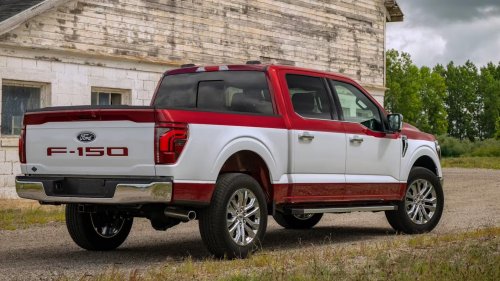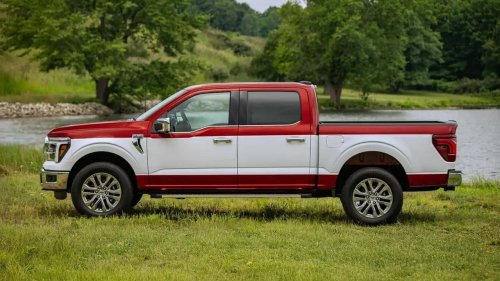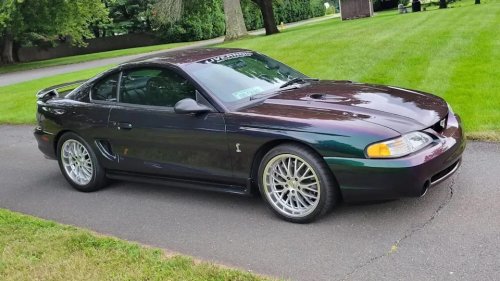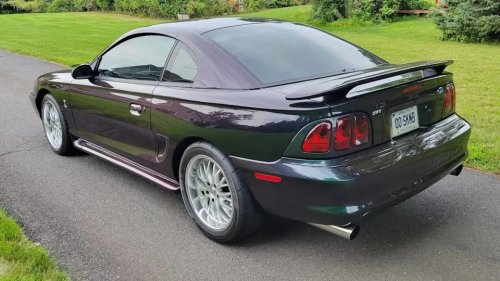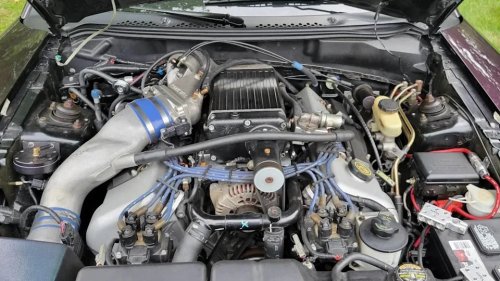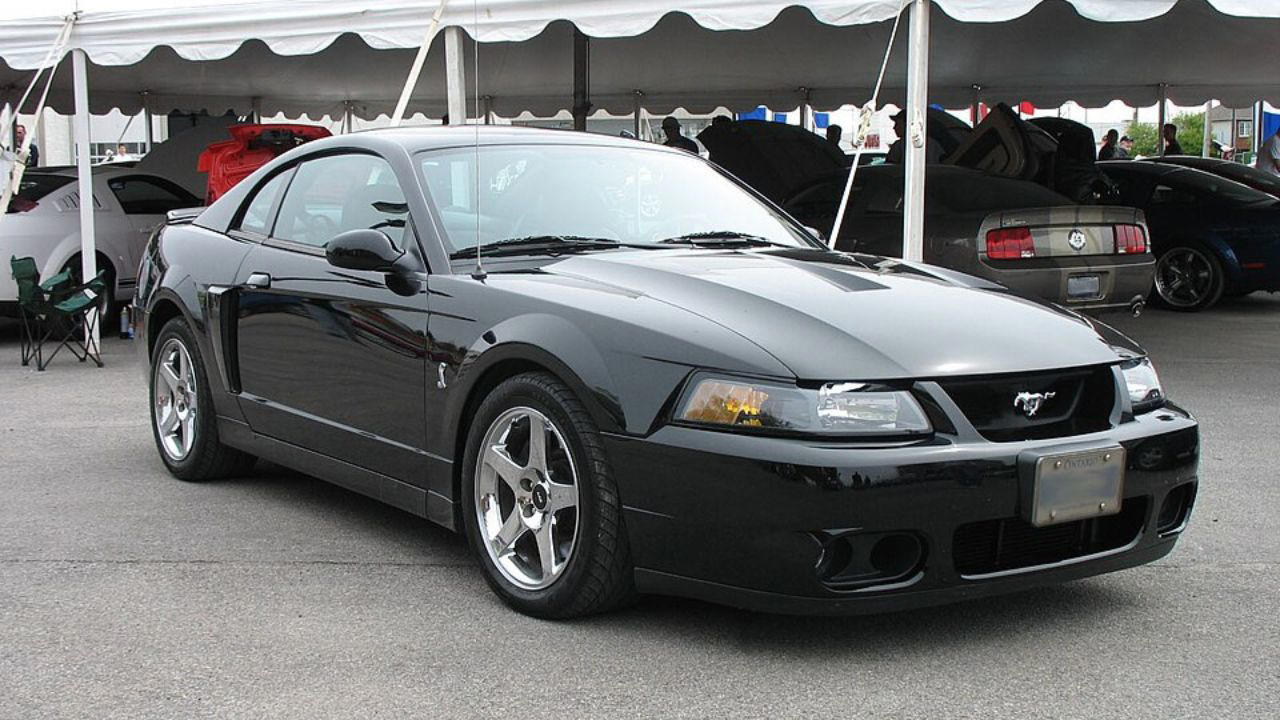



















Why the 2003 SVT Cobra forced ford to take supercharged performance seriouslyThe 2003 Mustang SVT Cobra arrived at a moment when Ford’s performance image risked falling behind both domestic rivals and a wave of turbocharged imports. By bolting a factory supercharger onto a hand-built V8 and backing it with serious hardware, Ford’s Special Vehicle Team turned a familiar pony car into a weapon that reshaped how the company approached high-output street cars. Two decades later, that decision still echoes in the way Ford tunes, packages, and markets its most powerful models. To understand why this particular Cobra mattered so much, it helps to see how radically it departed from the Mustang status quo and how its success influenced Ford’s later supercharged and boosted programs. Known internally as the Terminator, it was more than a hot trim level. It was a proof of concept that pushed Ford to treat blown performance as a core business instead of a limited experiment. What happened By the early 2000s, the Mustang lineup had grown crowded but not especially advanced. The fourth-generation car rode on an aging Fox-derived platform, and the mainstream GT still relied on a 4.6‑liter two-valve V8 that traced its roots back to the early modular era. A detailed history of the 1999 through 2004 models notes that Ford used incremental updates, facelifts, and special editions to keep interest alive, but the basic structure and powertrains remained familiar across those years, even as competitors moved to more sophisticated engines and chassis 1999 to 2004. Inside Ford, there were even more radical ideas on the table. Engineers explored a modular V10 that could have slotted into the Mustang, a project that has since been described as a “forgotten” path that might have rewritten the car’s performance story. Reporting on that program describes how this ten‑cylinder engine, developed within Ford’s modular family, was considered for both trucks and a halo pony car but ultimately never reached production in the coupe, leaving the Mustang to pursue other routes to higher output including a proposed. Rather than commit to a new cylinder count, Ford’s Special Vehicle Team took a different approach for the 2003 Cobra. Engineers started with the 4.6‑liter aluminum V8 used in earlier Cobras, then re‑engineered it with an iron block, forged internals, and an Eaton Roots‑type supercharger. Contemporary testing recorded output at 390 horsepower and 390 pound‑feet of torque, a massive jump over the naturally aspirated GT and even over the previous Cobra. One independent road test measured the car sprinting to 60 miles per hour in roughly 4.8 seconds, with the quarter mile arriving in the low 13‑second range, performance that placed it squarely in modern muscle territory for the time 390 horsepower on. The rest of the package signaled that this was not a simple power bump. The 2003 Cobra arrived with an independent rear suspension, a six‑speed manual gearbox, larger brakes, and a more aggressive body kit. Reviewers at the time highlighted the way the car combined brutal straight‑line speed with improved composure on rough pavement compared with solid‑axle GT models. The independent rear end, though controversial among drag racers, showed that SVT was targeting a broader performance envelope than previous Mustangs that had focused primarily on quarter‑mile numbers. Enthusiast coverage soon framed the Terminator as a kind of template for later factory super sedans and coupes. One influential retrospective even argued that this Cobra functioned as an “original Hellcat” in spirit, since it delivered big‑number, warrantied power at a price that undercut many European and Japanese rivals, while also responding dramatically to simple pulley and tuning changes that pushed output well beyond 500 horsepower in factory‑supercharged form. Why it matters The 2003 SVT Cobra forced a cultural shift inside Ford because it proved that a mass‑produced, supercharged Mustang could be both reliable and profitable. Before this car, forced induction had typically been reserved for limited runs, such as the earlier F‑150 SVT Lightning or aftermarket tuner builds that Ford did not have to warranty. The Terminator changed that calculation. By pairing a robust iron block and forged pistons with conservative factory boost, SVT created a platform that not only survived hard use but also tolerated the modifications that enthusiasts inevitably applied. That durability mattered for Ford’s accountants as much as for street racers. Warranty claims did not spiral out of control, and the car’s strong resale values helped reinforce the idea that buyers would pay a premium for factory‑engineered supercharged performance. In effect, the 2003 Cobra validated the business case for future high‑output, forced‑induction Mustangs and trucks. The decision not to pursue the modular V10 in the Mustang looks different in that light. The shelved ten‑cylinder would have required unique tooling, new packaging solutions, and a marketing effort to sell an unfamiliar engine configuration to traditional pony‑car buyers. By contrast, the supercharged 4.6 could leverage existing modular architecture and supplier relationships. The Terminator’s success suggested that Ford did not need an exotic layout to compete with bigger engines from rivals, as long as it was willing to embrace boost. The influence of that mindset shows up in later factory programs. Ford’s modern performance catalog now includes multiple supercharged and turbocharged offerings, from Shelby‑badged Mustangs to high‑output trucks. One example is the FP700 package for the F‑150, a dealer‑installed kit that adds a supercharger to the 5.0‑liter V8 and targets buyers who want a spiritual successor to the old SVT Lightning. Coverage of that package describes how Ford Performance engineered the system to deliver a dramatic power increase while retaining factory‑level drivability and emissions compliance, a direct extension of the philosophy that shaped the Terminator FP700 supercharged F‑150. The Cobra’s independent rear suspension also foreshadowed a shift toward more rounded performance. While Ford later returned to a solid axle for the first S197 Mustangs, the company ultimately adopted independent rear suspension across the Mustang lineup in the current generation. The 2003 SVT program demonstrated that Ford’s customer base would accept, and eventually demand, a chassis that could handle both dragstrip launches and high‑speed road course work, especially once power levels climbed into territory that exposed the limitations of older hardware. Even current debates about the future of supercharging at Ford trace back to lessons from the Terminator era. Reporting on the next‑generation Mustang GT500, for example, has discussed the possibility that Ford might shift away from a supercharger and even retire the Shelby branding in favor of a different performance strategy. Analysts weighing those rumors often point to the company’s growing experience with high‑output turbocharged engines and hybrid assistance, technologies that can deliver big numbers with better efficiency than a roots blower, but they also acknowledge the emotional pull that factory‑supercharged Mustangs have built over the past two decades GT500 nameplate. What to watch next The Terminator’s legacy still shapes how Ford balances nostalgia, technology, and regulation. The company now sells a Mustang family that spans from four‑cylinder EcoBoost models to track‑focused V8s, all built on a platform that traces its lineage back through the 1999 to 2004 generation that hosted the original supercharged Cobra. The historical overview of those years shows how Ford used special editions and engineering experiments to keep the Mustang relevant, a pattern that continues as the brand navigates stricter emissions rules and changing buyer expectations through multiple generations. Future performance programs will likely wrestle with the same question that defined the 2003 SVT Cobra: how far to push factory output while retaining daily usability and long‑term durability. Electric performance models and hybridized V8s offer new ways to answer that question, but the template the Terminator set remains instructive. It showed that enthusiasts respond strongly to cars that feel engineered with tuning headroom, not just headline power figures, and that they reward manufacturers who back that potential with real hardware upgrades. More from Fast Lane Only Unboxing the WWII Jeep in a Crate 15 rare Chevys collectors are quietly buying 10 underrated V8s still worth hunting down Police notice this before you even roll window down