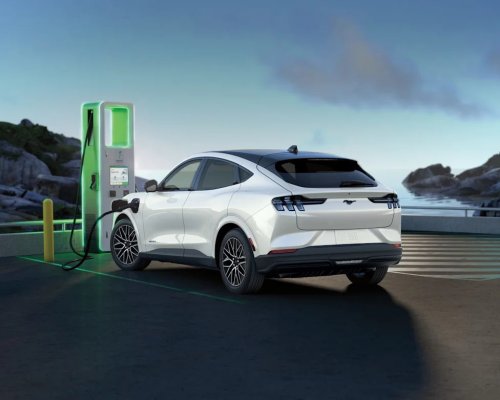
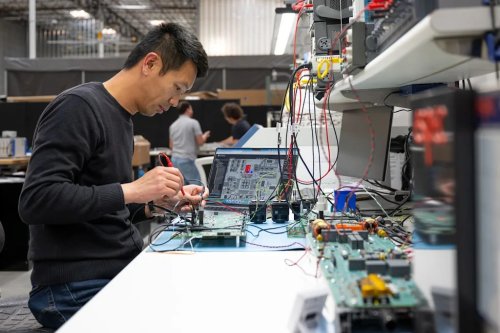
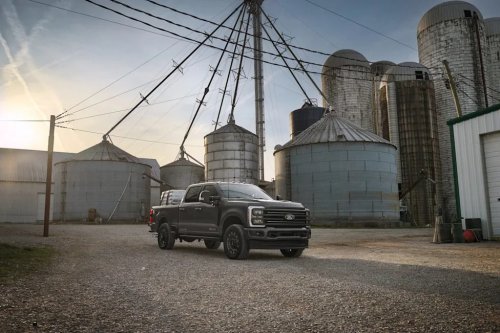
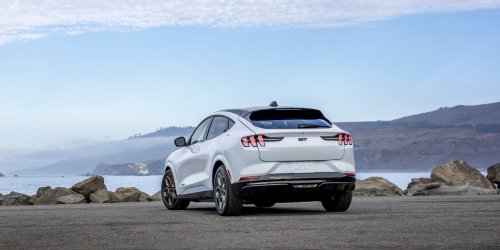
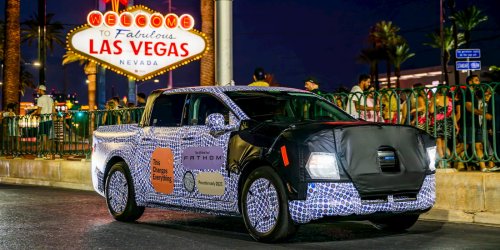
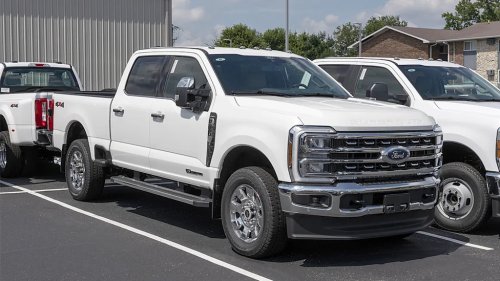
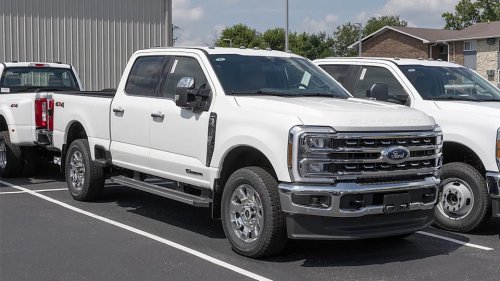
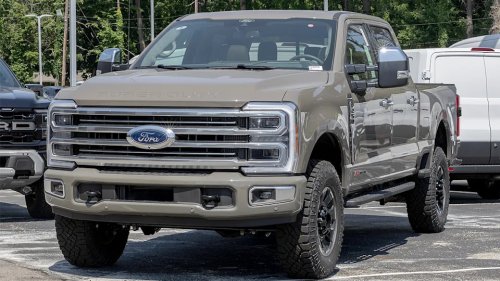
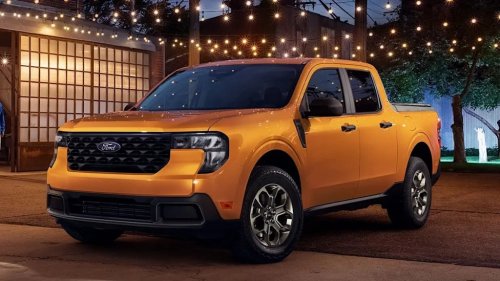
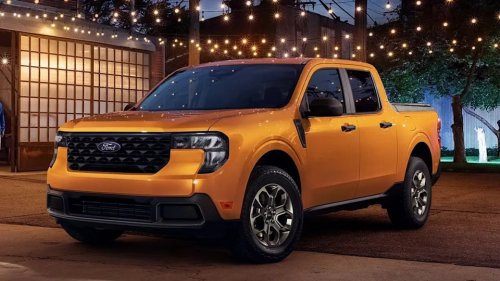
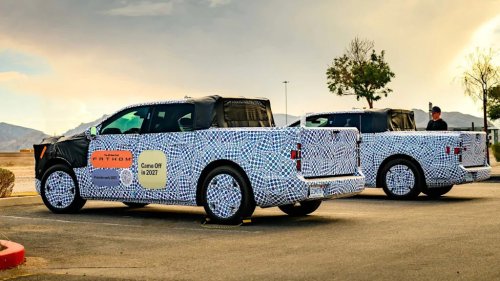
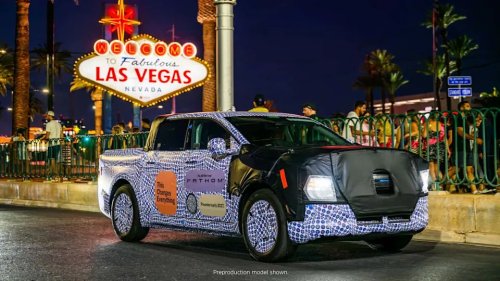
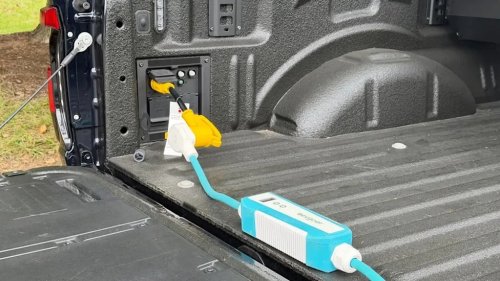
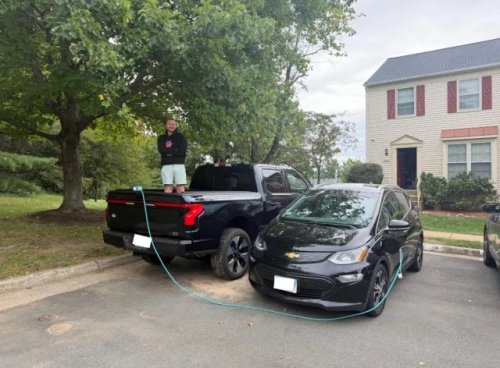
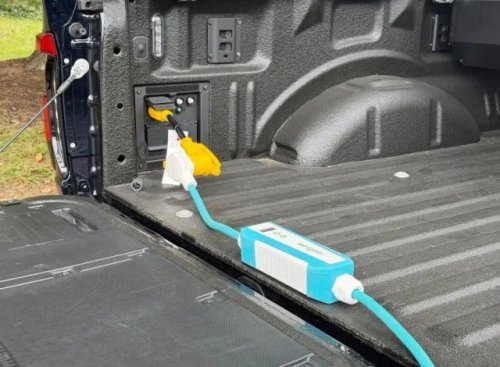
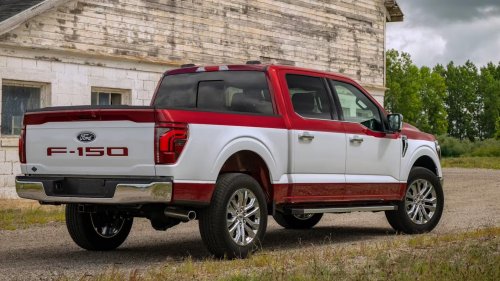
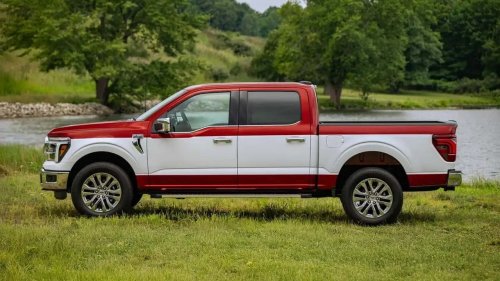
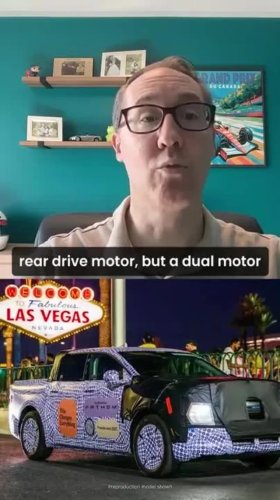
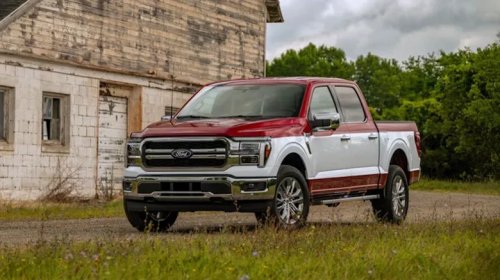
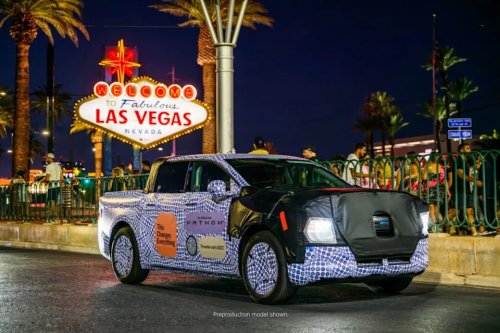
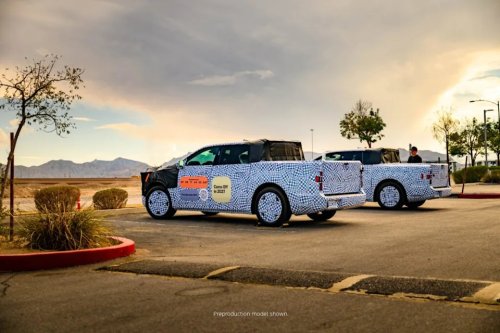
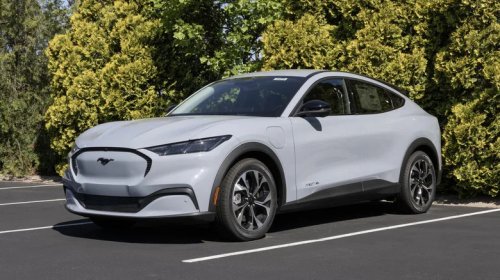
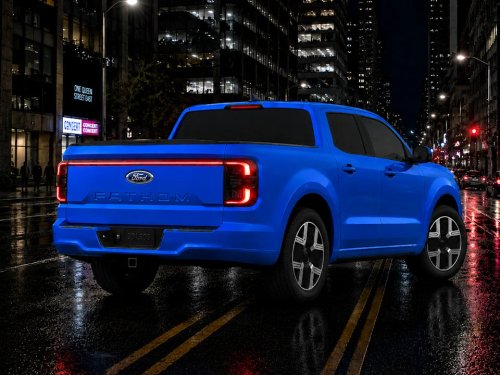
Ford Promises Major Product Launches over 3 YearsFordCEO Jim Farley leaked out a few more details about the new Universal Electric Vehicle platform-based Ford EV pickup launching next year, during the automaker's second quarter 2026 earnings call with Wall Street analysts Tuesday.The UEV pickup, tipped by outside sources to be called "Ranchero," has more cabin space than a Toyota RAV4 (significantly, the bestselling vehicle in the US that is not a full-size Ford or Chevrolet pickup truck), bi-directional charging capacity, and even with all that cabin space, a pickup truck bed, Farley said, while reiterating that it will start "around $30,000."Also, it's "fun to drive," Farley said.AdvertisementAdvertisementNone of this is particularly earth-shaking as product news revealed at past Ford quarterly earnings calls, though it serves as a sort of counterpoint to last Sunday's cover story in the New York Times Magazine that the US industry has retrenched so thoroughly in its EV development that it is essentially giving up the future of the auto biz to China.It's true that Ford, along with General Motors and the Chrysler-Dodge-Jeep-Ram component of Stellantis have seriously cut back on previously ambitious EV growth, with, as the magazine notes, Stellantis writing down $26 billion and Ford another $19 billion in losses in electrical vehicle development, in particular after President Trump's One Big Beautiful spending bill last autumn killed the $7,500-max EV tax credit.Ford's new EV strategy will focus on commuter models instead of pricey vehicles like the Mach-e.FordBut Farley has been consistent about Ford having an EV strategy, even if it's a smaller, much changed one: Affordable commuter vehicles priced to sell to commuters instead of upmarket F-150 Lightnings and Mustang Mach-e models priced to reduce losses from the cost of nascent EV technology.Ford lost $919 million on its Model e business unit in the second quarter, versus a $1.3 billion loss recorded Q2 of 2025.Loss of EV LossesSpecial items writedowns (losses) not included in Model e's specific balance sheet and taken in the second quarter included $0.5 billion for EV program cancellations announced last December and $3.6 billion for its share of disposition of Ford's SK Battery joint venture project with South Korea's SK On. [In the first quarter, Ford took a $0.2 billion writedown for its share of the joint venture and another $0.3 billion writedown for cancellation of its three-row SUV EV, known as the "bullet train" according to the Times Magazine article.AdvertisementAdvertisementWhether Ford's new EV strategy represents a u-turn or a six-two double-clutch downshift, Farley says the company's massive replacement of its product portfolio over the next three years reflects major manufacturing and design advances."What I'm most excited about seeing is improvements in next-generation products," he told the analysts.Asked by an analyst whether Ford's deal to install Apple Maps could be expanded beyond the UEVs, Farley said, "For sure, it could," adding that the automaker has not made any such announcements, yet.A Ford engineer works in the automaker's California-based Electric Vehicle Development Center.Ford"We're very impressed with the improvements Apple has sent us."AdvertisementAdvertisementNext-generation products, irrespective of powertrain source, will come with "massive" improvements in electrical architecture, Farley added. Most of the improvements come from Ford's own engineers, he said.Heavy New Product LaunchesThe "heavy new product launches" coming from Ford in the next three years include an all-new F-Series and Super Duty "coming soon."They are up against GM's all-new 2027 Chevrolet Silverado and GMC Sierra due to launch this fall. While GM CEO Mary Barra hawked the Chevy-GMC duo as having the largest volume in the industry, Farley pointedly called the Ford F-150 the "number one truck brand" for going on 50 years.Ford is also competing with GM (which showed a Chevy Colorado-based Infantry Squad Vehicle in its Q2 earnings deck last week) for a Pentagon contract by showing three prototypes of a Super Duty-based vehicle for military use, according to Farley.AdvertisementAdvertisementFord is past its F-Series shortages from last November's Novellis aluminum mill fire and will add annual capacity for up to 100,000 Super Duty trucks at its Oakville Assembly plant in Ontario. Ford initially retooled Oakville Assembly two years ago to produce EVs.Ford has also purportedly built three Super Duty-based prototypes aimed at military use.FordWith Ford's aluminum supply back up to snuff and Oakville Assembly about to build Super Duties, the company expects to raise its retail supply of vehicles up from its current 52 days to its target of 55-56 days. This should make it a bit easier for you to negotiate over sticker prices.But Oakville Assembly is set to come back online as Trump conducts a contentious trade war with Canadian Prime Minister Mark Carney.Farley talked up negotiations to revise and renew the US-Mexico-Canada trade agreement signed by Trump in his first term. A renewed USMCA would help build a stronger US industrial base, he said, while helping solve a currency valuation advantage held by Japan and South Korea.The Boring PartAnalysts on the earnings call congratulated Ford for a good second quarter. Revenues fell 4% to $48.3 billion year-over-year for Q2, but adjusted earnings before interest and taxes (EBIT) rose 17% to $2.5 billion, House said.AdvertisementAdvertisementFord's Blue business unit, its civilian Mustangs, Explorers, Broncos and Lincolns and the like, recorded $1.1 billion in EBIT for Q2, up $0.5 billion year-over-year. Its Pro commercial truck unit's EBIT was $1.7 billion, a drop of $0.6 billion from Q2 2025.Ford's common stock was up more than 5% in mid-afternoon trading Wednesday.