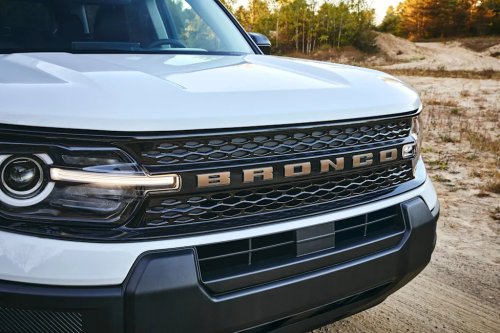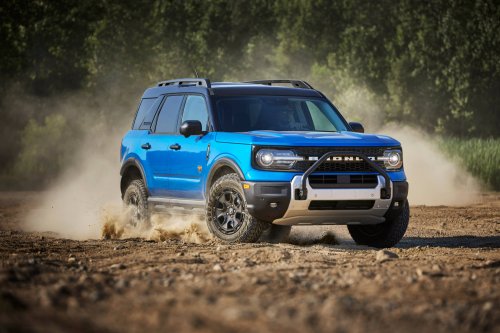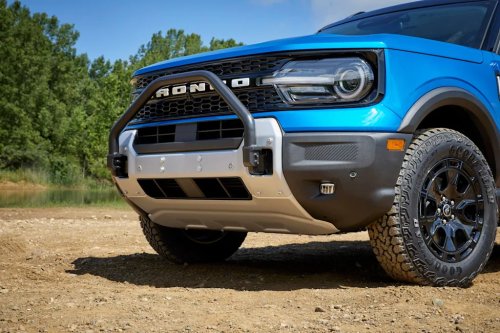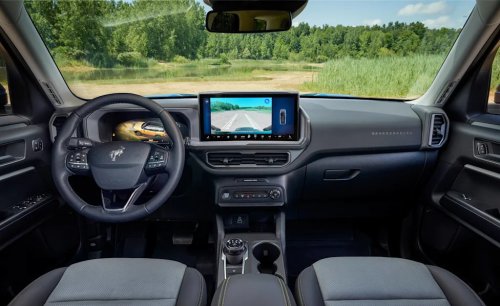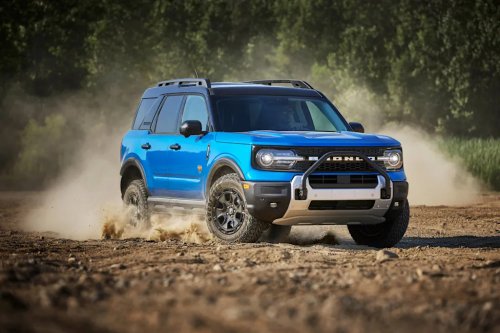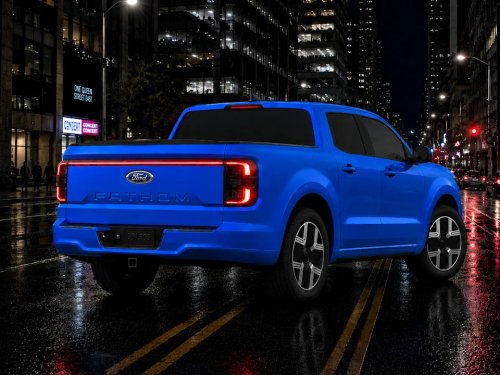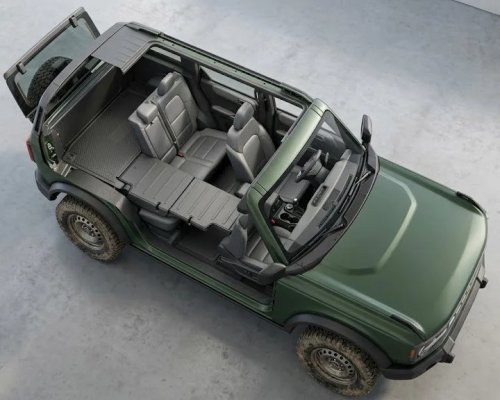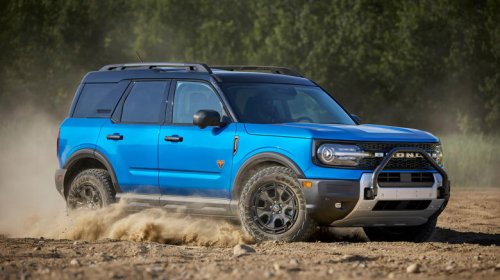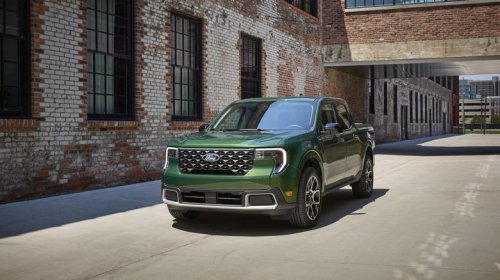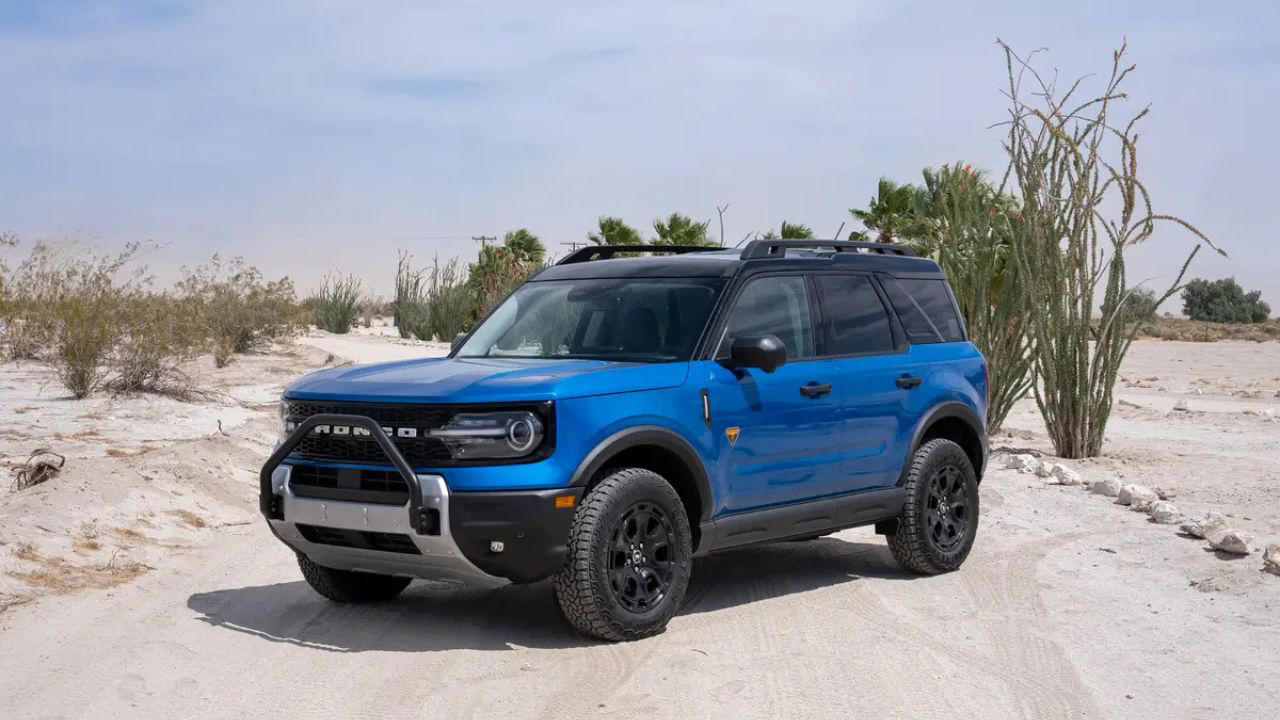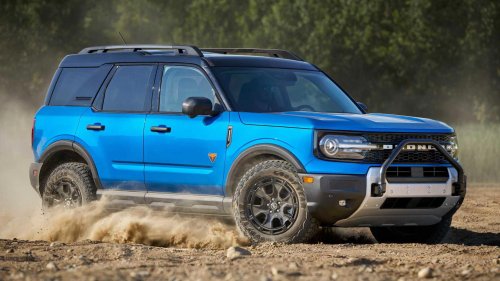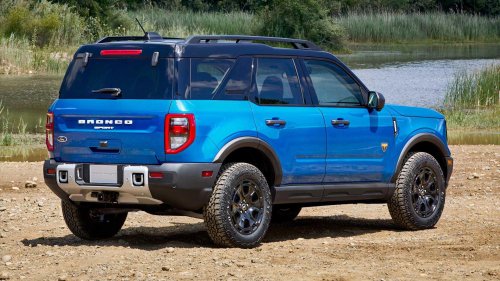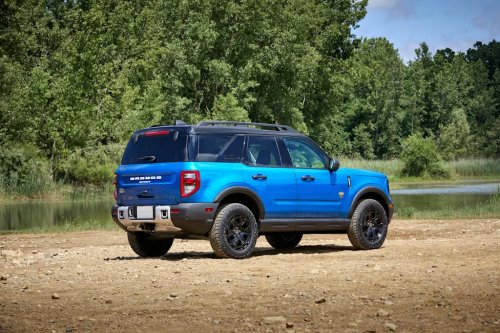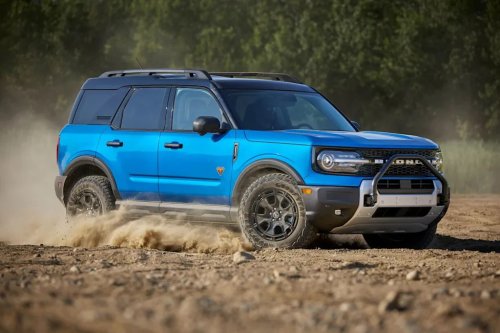
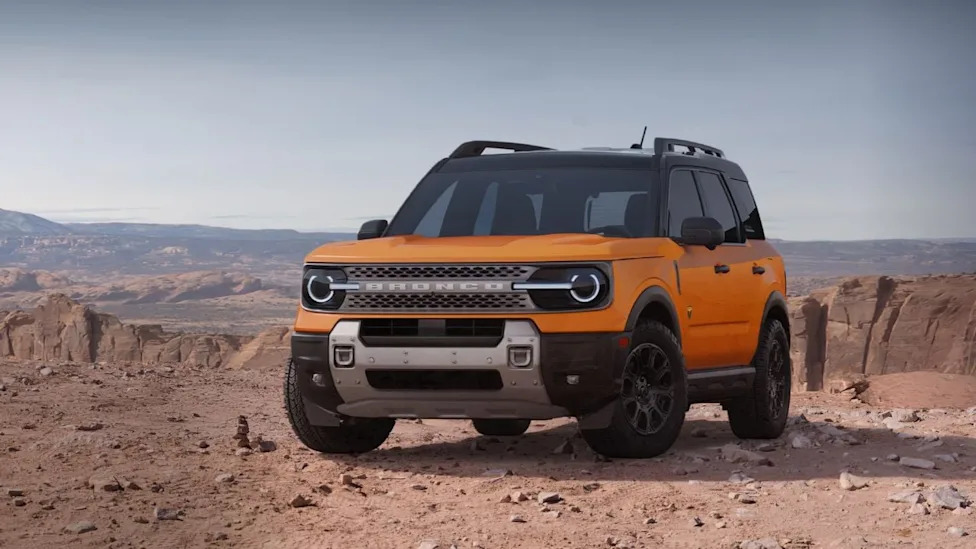
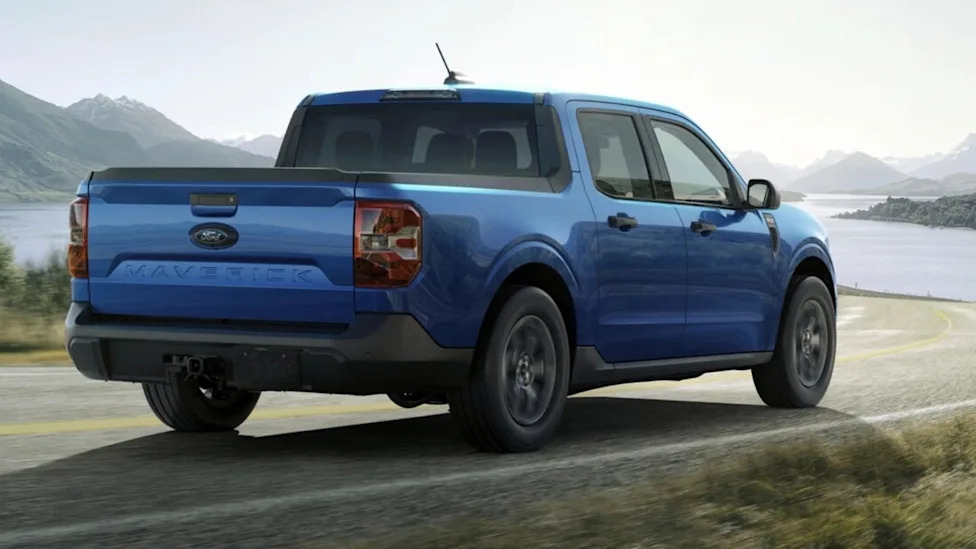



















Image Credit: Ford.Ford is facing a proposed class action lawsuit that alleges a previous recall for certain Bronco Sport and Maverick models failed to address the real cause of a potentially dangerous power loss issue. The lawsuit claims owners were offered a software update even though the underlying problem was allegedly linked to defective hardware.At the center of the case are specific 12-volt batteries supplied by Camel Group (USA) Battery, Inc. According to the complaint, these batteries contain manufacturing defects that can lead to sudden failures, potentially causing vehicles to lose power or stall unexpectedly.The lawsuit argues that Ford's recall remedy was inadequate because it focused on software rather than replacing the allegedly defective batteries themselves. As a result, plaintiffs claim affected owners remain vulnerable to future failures despite having completed the recall.AdvertisementAdvertisementWhile the case remains in its early stages and the allegations have not been proven in court, it adds another legal challenge to Ford's ongoing efforts to address quality and reliability concerns across parts of its lineup.Recall Targeted Start-Stop Related Power LossImage Credit: Ford.The lawsuit stems from a recall affecting hundreds of thousands of Ford vehicles, including certain 2021-2024 Bronco Sport models and 2022-2023 Maverick pickups.Ford initially warned that affected vehicles could experience a failure of the automatic start-stop system. In some situations, the engine might fail to restart after shutting off at a stop, potentially leading to a loss of drive power.To address the issue, Ford instructed owners to visit dealerships for a free software update. The company stated that the update would help manage the condition and reduce the risk associated with battery failures. However, plaintiffs now claim that solution failed to address the actual source of the problem.Lawsuit Points To Defective BatteriesAccording to the complaint filed against Ford and battery supplier Camel Group, the affected batteries contain an internal weld and cast-on-strap design that is allegedly susceptible to failure.AdvertisementAdvertisementThe lawsuit claims Ford and Camel Group were aware of the battery defect but failed to fully disclose its existence to consumers. Instead, plaintiffs argue the recall focused on software updates while leaving the defective hardware in place.As a result, the complaint alleges that owners continue to face the possibility of battery failure even after completing the recall repair.The lawsuit further argues that replacing software does not eliminate the underlying battery defect and therefore cannot provide a permanent solution.Owners Claim Financial LossesPhoto Courtesy: Ford.Beyond the safety concerns, plaintiffs also claim affected owners have suffered financial harm. The complaint alleges some drivers incurred towing costs and other expenses after experiencing battery-related failures.AdvertisementAdvertisementOwners also argue that the vehicles have lost value because of the unresolved defect and uncertainty surrounding the effectiveness of the recall.One plaintiff says she purchased a new Bronco Sport believing Ford's reputation for reliability and quality. After learning about the recall and completing the prescribed repair, she claims the vehicle remains worth less than a comparable vehicle without the alleged battery defect.The lawsuit contends that consumers have effectively been left with vehicles carrying a stigma despite Ford's recall campaign.Who Could Be Included?The proposed class action seeks to represent owners and purchasers of affected Ford vehicles equipped with the Camel Group batteries identified in the complaint.AdvertisementAdvertisementSpecifically, the lawsuit targets certain 2021-2024 Ford Bronco Sport SUVs and 2022-2023 Ford Maverick pickups that allegedly contain the defective 12-volt batteries.At this stage, the case remains a proposed class action and has not been certified by the court. Ford and Camel Group will have an opportunity to respond to the allegations as the legal process moves forward.For now, the lawsuit raises fresh questions about whether the recall fully resolved the issue or merely addressed its symptoms. The outcome could determine whether Ford faces pressure to implement a broader repair program that includes battery replacement rather than software updates alone.If you want more stories like this, follow Guessing Headlights on Yahoo so you don’t miss what’s coming next.