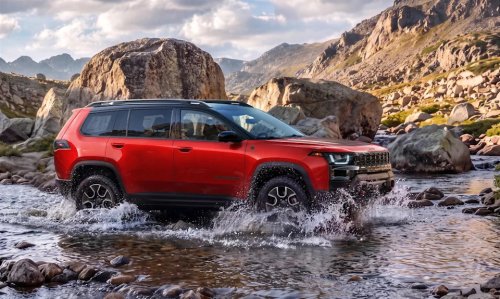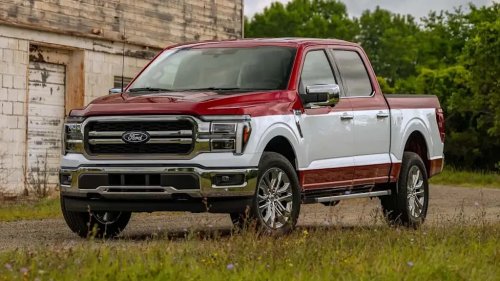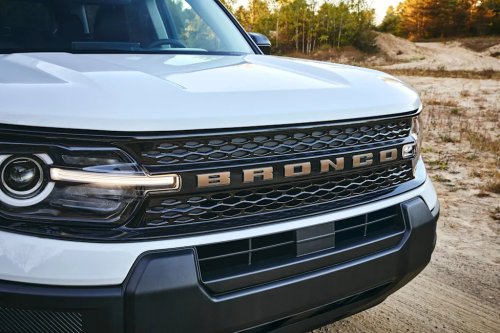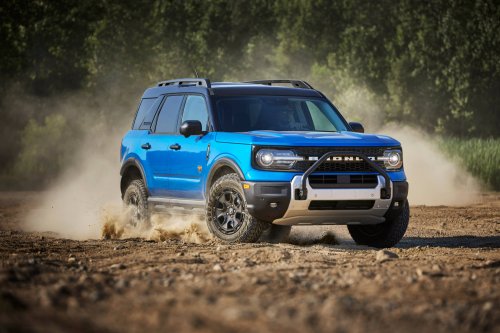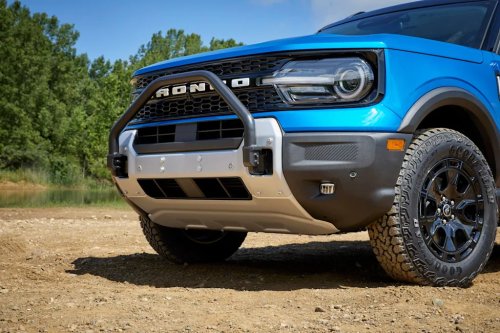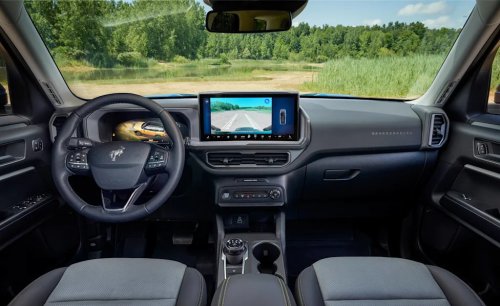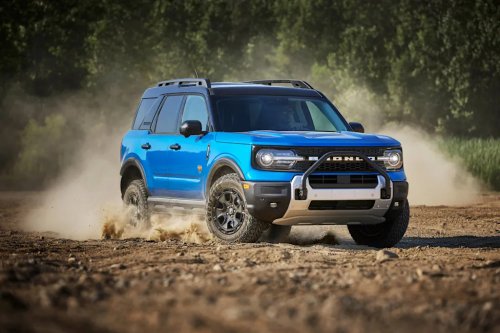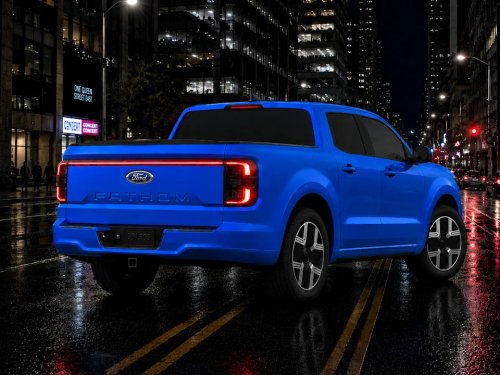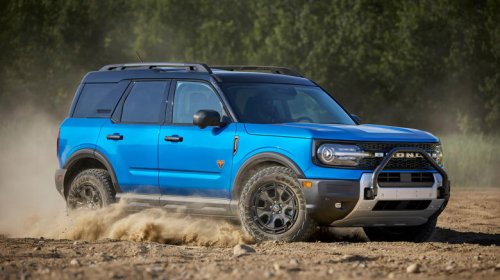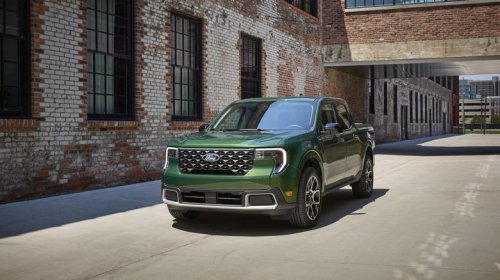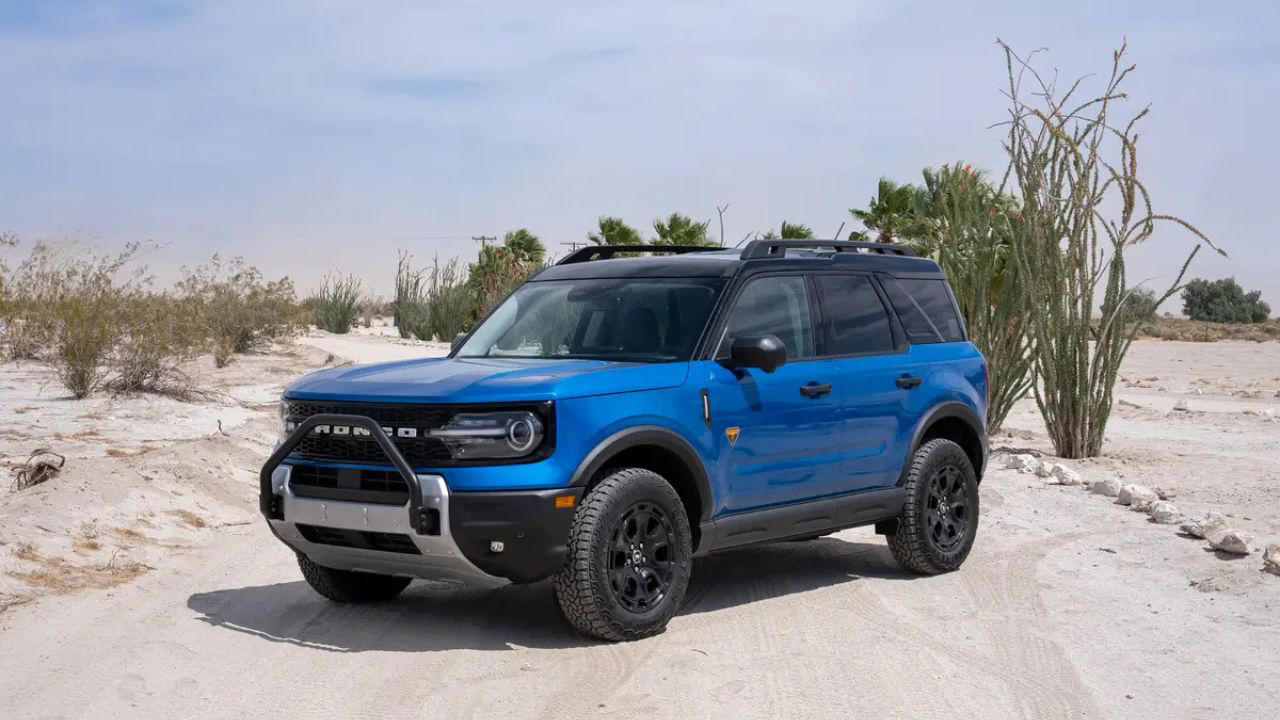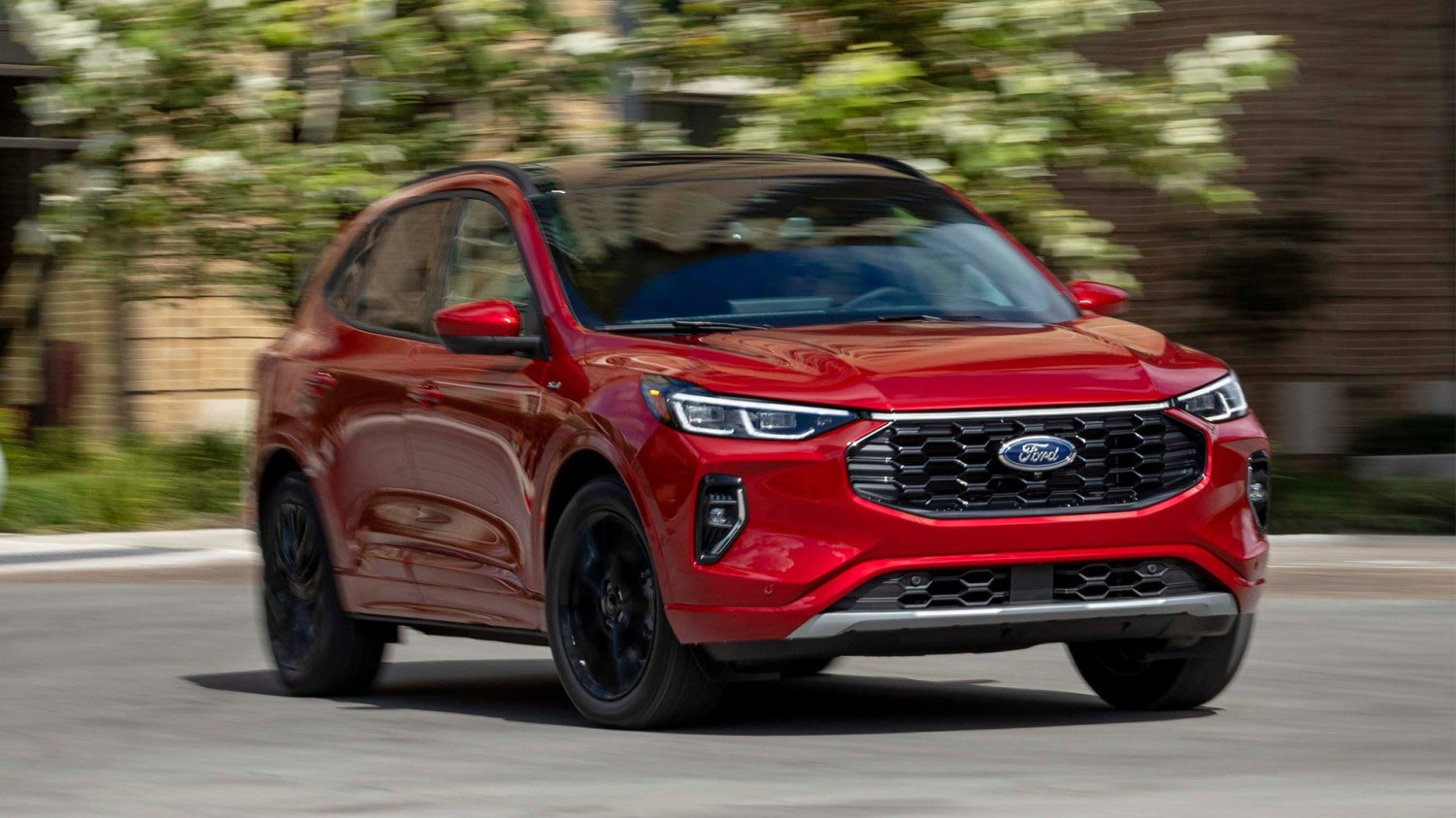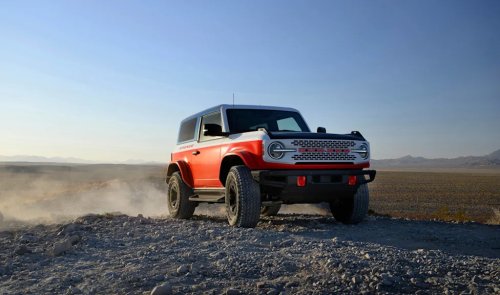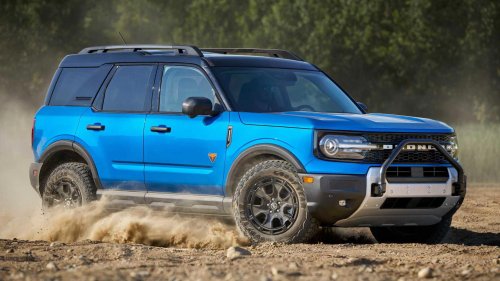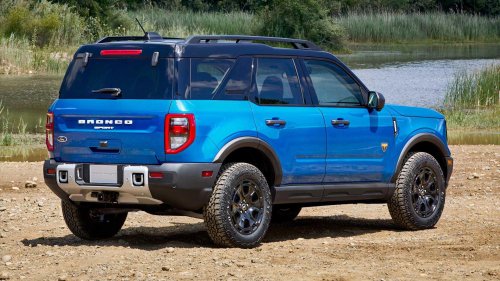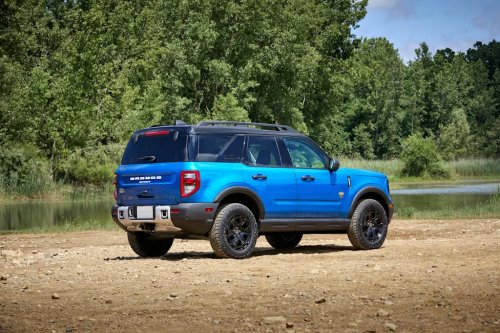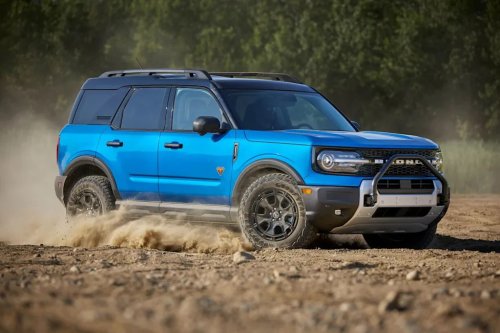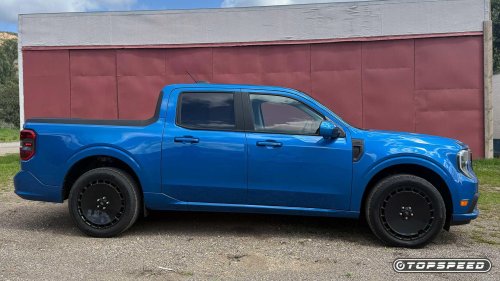
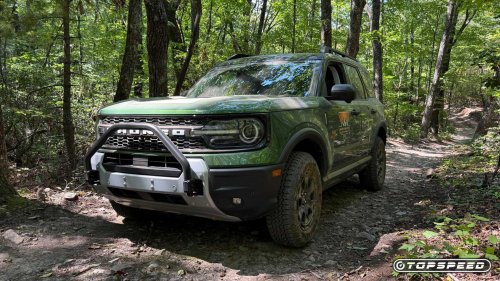
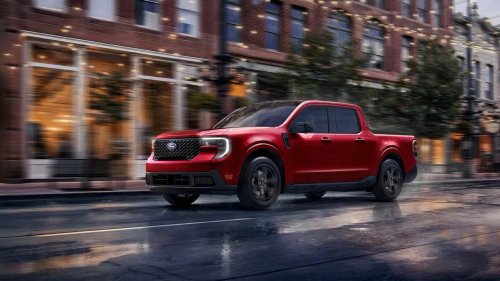
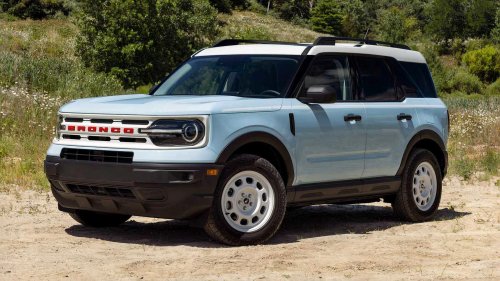
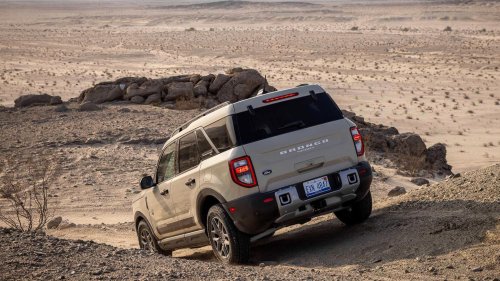

















Fordhas issued a 'Do Not Drive' advisory for approximately 4,653Ford Bronco SportandFord Maverickvehicles, covering 2021–2026 Bronco Sports and 2022–2026 Mavericks, due to a front suspension defect that could cause sudden loss of vehicle control. This is not a routine recall notice asking owners to schedule a dealer visit at their convenience—it is the most severe safety designation NHTSA issues, and it means affected vehicles should stay parked until a fix is in place.The specific failure mode is a defective ball joint in the front suspension assembly. Ball joints are the pivot points connecting the front wheels to the suspension and steering system. If one fails while the vehicle is moving, the driver can lose steering control instantly—which is exactly why this particular defect triggered the highest-urgency classification rather than a standard recall. What Separates a 'Do Not Drive' Order From a Standard Recall Seyth MiersmaMost recalls are serious, but they still allow owners to drive the vehicle to a dealership for the fix. NHTSA's standard recall process assumes the defect poses a risk that can be managed with reasonable caution—a faulty sensor, a software glitch, a seatbelt pretensioner that may not perform correctly in a crash. The vehicle is still considered operable.A 'Do Not Drive' advisory is a different category entirely. It is reserved for failures where operating the vehicle creates an immediate, unacceptable risk of loss of control or injury—before any crash even occurs. Ford's own advisory language urges affected owners to contact a dealership immediately and to arrange alternative transportation in the meantime. The vehicle should not be moved under its own power until the repair is completed.Suspension failures land in this category because the consequences are instantaneous and unpredictable. A failing ball joint doesn't give warning signs the way a worn brake pad does. It can separate without notice at highway speed, in a turn, or during a routine lane change—and when it does, steering input becomes meaningless. The Specific Component at Issue and Which Vehicles Are Affected John Beltz SnyderThe recall centers on the front suspension assembly, with ball joint integrity identified as the concern in Ford's do-not-drive advisory. Ball joints bear the load of the vehicle while simultaneously allowing the wheel hub to pivot for steering. A compromised ball joint can separate under normal driving stress, dropping the wheel out of its designed geometry and removing the driver's ability to steer or control the vehicle.The affected vehicles span 2021 through 2026 model years of both the Ford Bronco Sport and the Ford Maverick — a range that covers nearly the entire production run of both platforms. Combined, roughly 4,653 units are included in the advisory. Ford has directed owners to contact their dealerships immediately to confirm whether their specific VIN falls within the affected population. The NHTSA recall filing is the authoritative reference for VIN-level verification. Why Maverick Owners In Particular Should Take This Seriously FordThe Maverick built its reputation on being an accessible, lightweight compact pickup — affordable to buy, easy to live with, and capable enough for light off-road use. That value proposition rests heavily on the truck's chassis and suspension doing their jobs reliably. A front suspension failure doesn't just create a safety hazard; it undermines the core reason many buyers chose the Maverick over a heavier, more expensive alternative.There's also a broader context worth noting. Ford has faced a significant volume of recall activity in 2025 and 2026, and some Maverick and Bronco Sport owners have previously raised concerns that earlier recall remedies didn't fully address underlying issues. This new do-not-drive advisory is a separate action, and it carries more urgency than anything in that prior history. If you own a Maverick or Bronco Sport from the 2021–2026 model years, checking your VIN against the NHTSA database is the immediate next step—not something to schedule for next week. What Affected Owners Should Do Right Now FordFord's official guidance is straightforward: do not drive the vehicle, and contact a dealership as soon as possible. Owners can verify whether their specific VIN is included by visiting NHTSA's recall lookup tool at nhtsa.gov or Ford's own recall portal using their vehicle identification number.The remedy timeline has not been publicly detailed at this stage, but Ford has indicated that dealerships are the point of contact for next steps, including arranging loaner vehicles or alternative transportation while the repair is completed. Given the severity of the designation, dealers are expected to prioritize these vehicles. Owners should not wait for a mailed recall notice before acting—the do-not-drive advisory is already in effect.A 'Do Not Drive' order on fewer than 5,000 vehicles might look like a small-scale recall on paper. The severity classification says otherwise. For Maverick and Bronco Sport owners in the affected range, the right move is to confirm your VIN status today and keep the vehicle parked until Ford's fix is in hand. TopSpeed's Take FordYes, this is a relatively small pool of vehicles, but the past year has been brutal for Ford when it comes to recalls. That, combined with the seriousness of this one, has to sting. And while fewer than 5,000 vehicles are subject, the span across model years leaves a lot of customers wondering if their car is affected. That sort of uncertainty is not a fun part of ownership. We can't imagine it's a fun part of running an automaker either.