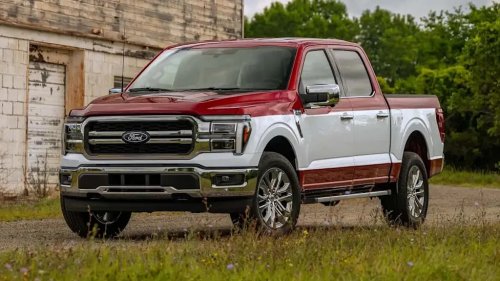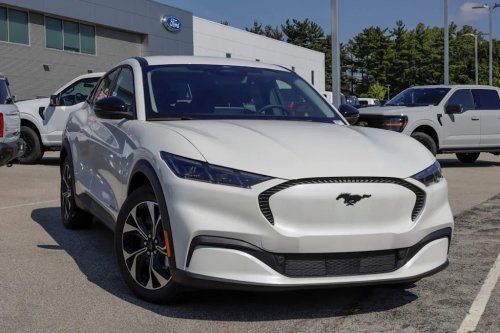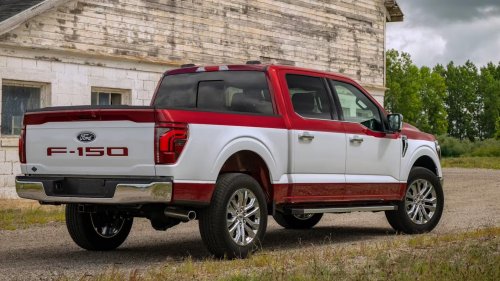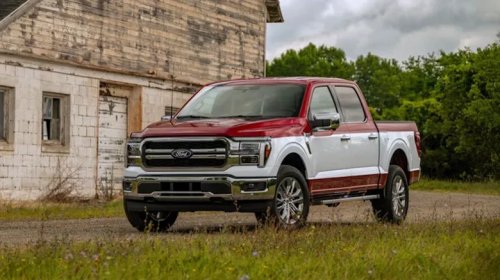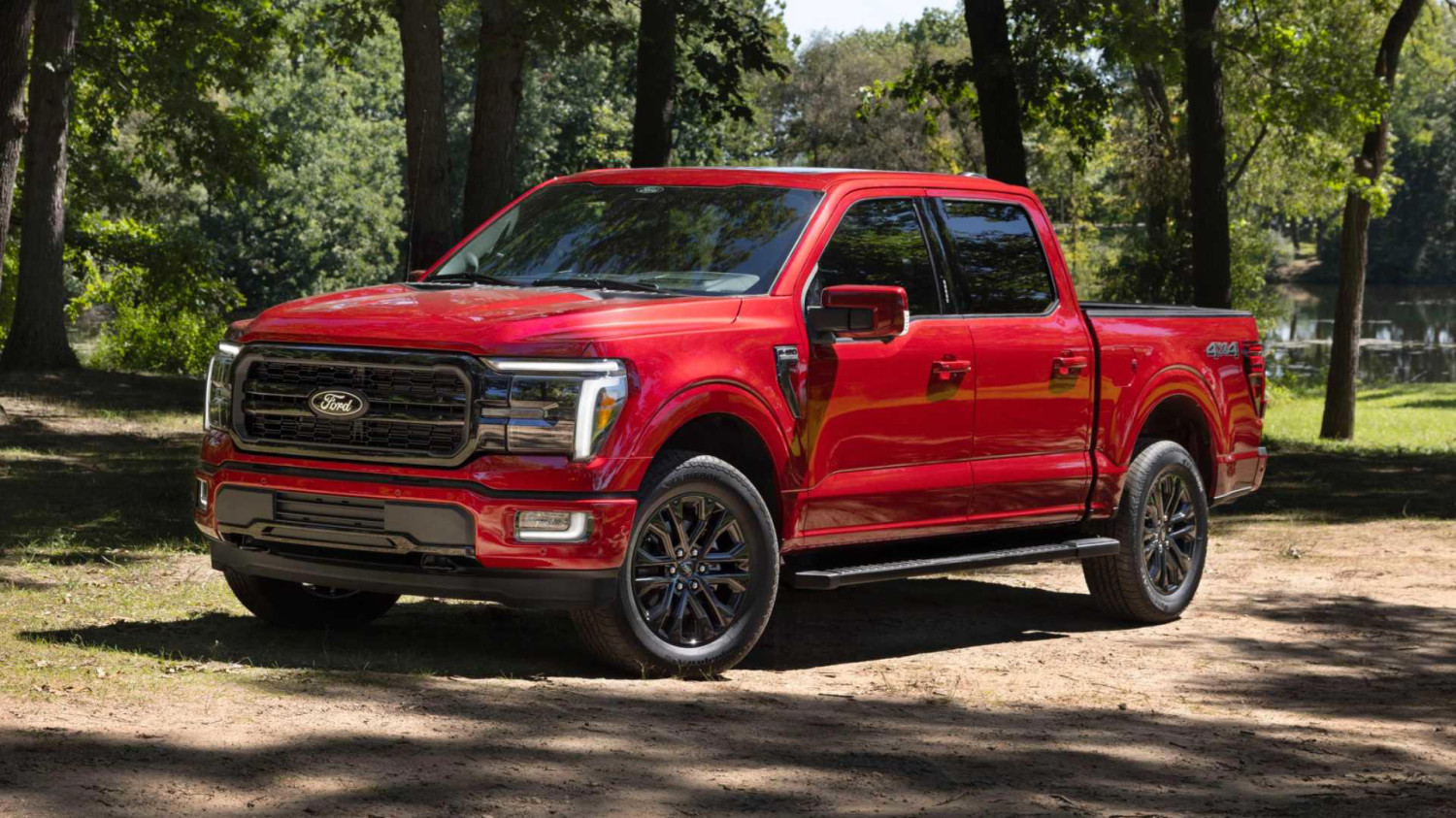




















The auto industry's most recalled brand is getting tired of being the butt of every joke. Ford, which recalled 180,000 trucks and SUVs last week over loose seat bolts, will start calling out any of its suppliers with quality or cost issues, banning them from future business if they don't sort out their problems. Speaking to the trade publication Crain's Detroit Business, executives at a few different parts companies said the Blue Oval planned to put them on a multi-year cost reduction contract, with the caveat that any supplier who misses quality targets or refuses the cost savings agreement could be replaced. Ford Wants A Greater Focus On Quality Although many of the company's latest recalls are issues with its own software programming or engineering, Ford is also suffering from a lack of quality control at some of its suppliers. For example, 180,000 examples of the Bronco off-roader and Ranger pickup have internal seat bolt assemblies that weren't properly torqued before being sent to Ford for final assembly, leading to a recall earlier this month. FordThe automaker also blamed one of its parts manufacturers for an issue affecting 400,000 of its immensely popular full-size trucks and SUVs, including the F-250 Super Duty and Lincoln Navigator. A latch retention plate for the windshield wiper arms was not correctly fastened at supplier Trico's assembly facility in Mexico, leading the threads to strip and the wipers to fail.Potentially the most significant recall issue for which Ford is pointing fingers is the previous-generation 2017–2019 Explorer, whose rear suspension links are prone to moisture intrusion and rust. The problem reared its head at two different suppliers, and the remedy was to replace the corroded part with a new one that was better sealed against the elements and made from more robust materials to resist corrosion lock-up.Ford Cost Savings In A Costly Era The other component to Ford's ultimatum to its manufacturing partners is a contract with a "total value management" (TVM) plan, which demands cost savings for the automaker each year. Such a tactic isn't uncommon, per Crain's, but the executives who spoke to the publication said that Ford's intended recourse for those who didn't comply – replacement by another parts company – was harsher than TVM plans have been in the past.The American manufacturer has taken steps in recent years to ensure flexibility and adaptability within its supply chain. Those include attempts to eliminate its unconventional non-renewal clause that allows its vendors to opt out of contracts annually, a situation that then forces Ford to secure a new supplier for the rest of a given program. By locking its manufacturing partners into multi-year contracts (with the aforementioned TVMs), Ford can ensure stable and predictable vehicle development and production costs.The Blue Oval has also been paying keen attention to the state of the industry right now. The company infused some cash into the beleaguered First Brands group in order to keep its factories churning out auto parts. Furthermore, Ford is still feeling the effects of a fire at an aluminum factory last year, which forced it to slow down production of the best-selling, highly profitable F-150 and F-Series Super Duty trucks.