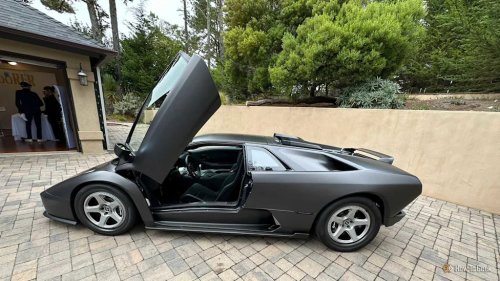
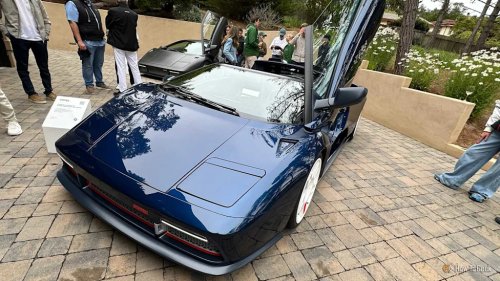
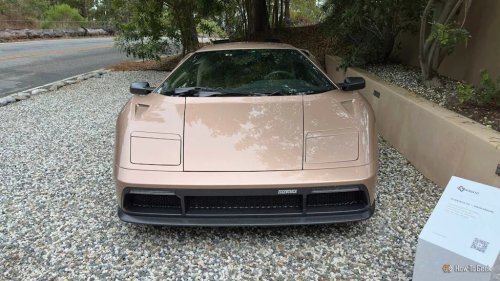
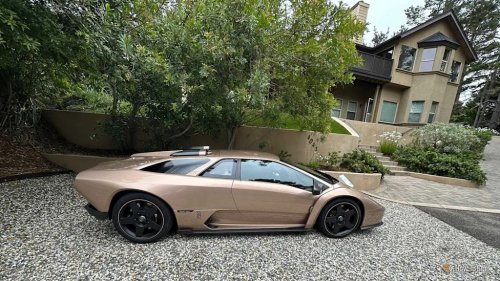
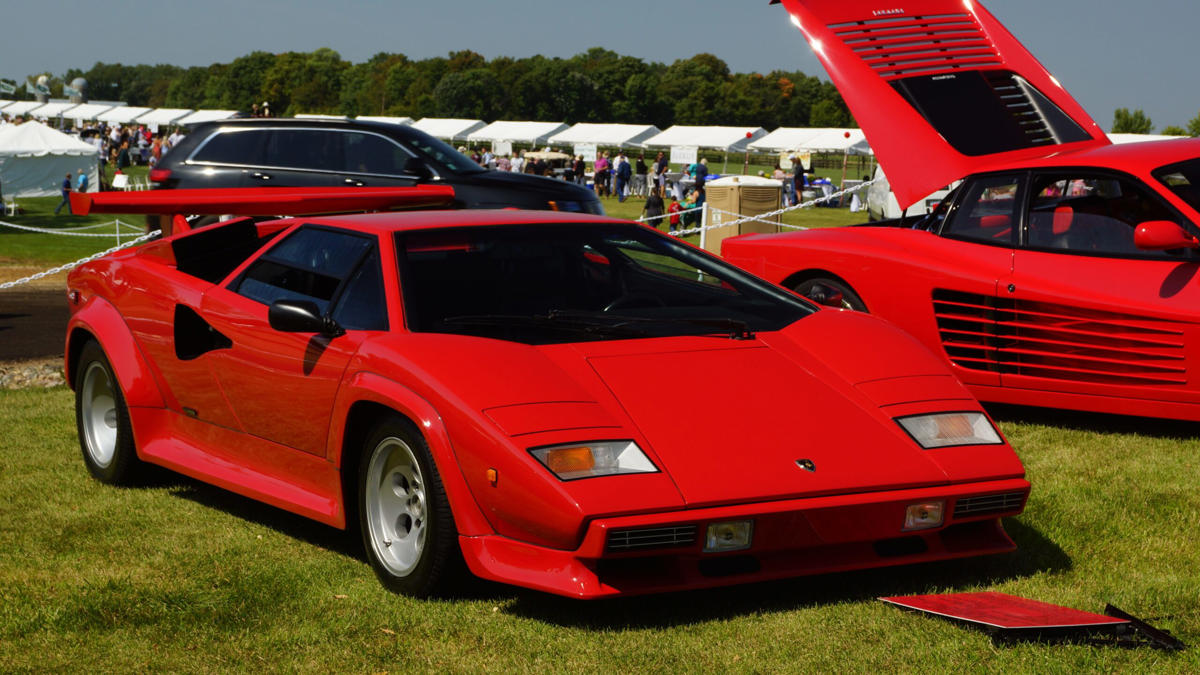
The Lamborghini Countach LP400 did not just replace the Miura; it rewired expectations of what a road car could look and feel like. When the first production cars reached customers in 1974, the wedge-shaped Lamborghini turned supercar design into a contact sport, with styling and performance that made everything else on the road seem tame. Half a century later, the original LP400 still defines the word “wild” for a generation of enthusiasts, and its influence can be traced through every angular, low-slung exotic that followed. To understand why modern collectors treat early Countach models as rolling art, it helps to return to that first production specification and the shock it delivered. What happened The Countach story began as a radical prototype, but the 1974 Lamborghini Countach LP400 was the first version that customers could actually buy. Lamborghini took Marcello Gandini’s dramatic show car and translated it into a production machine with a steel spaceframe chassis, aluminum body panels, and a naturally aspirated 3,929 cc V12 mounted longitudinally behind the driver. The engine produced roughly 375 horsepower at high revs, breathing through six Weber carburetors and sending power to the rear wheels through a five-speed manual gearbox. By the standards of the mid 1970s, that output in a car that weighed around 1,100 kilograms put the LP400 in a very small group of machines that could realistically reach 300 km/h. Period testing varied, but top speed figures around 315 km/h and 0 to 100 km/h in under six seconds were commonly quoted for well set up examples. Those numbers were not just impressive on paper; they placed the Countach at the sharpest edge of performance available to private buyers, at a time when most family sedans struggled to reach half that speed. The way the LP400 delivered that speed was just as shocking. The car sat extremely low, around one meter high at the roof, with a sharply pointed nose and a dramatic cab-forward layout. The scissor doors, hinged at the front and pivoting upward, were not a theatrical afterthought but a practical response to the very wide sills and high sides created by the spaceframe and side-mounted fuel tanks. Owners quickly discovered that the only realistic way to reverse was to sit on the sill with the door raised, a ritual that became part of the Countach legend. Visually, the original LP400 was cleaner than the later, more aggressive variants that most people picture when they hear the name. The earliest cars lacked the flared wheel arches, front spoilers, and towering rear wings that came later. Instead, they wore narrow bodywork that hugged the mechanicals, with subtle NACA ducts in the doors and rear quarters to feed the radiators and engine bay. The lack of add-on aero parts gave the LP400 a purity that collectors now prize, since it shows Gandini’s wedge design in its most distilled form. Production of the LP400 remained extremely limited. Lamborghini built roughly 150 examples before evolving the model into the LP400 S at the end of the decade. Each car was hand assembled in Sant’Agata Bolognese, with variations in trim and detail that reflected both customer requests and the realities of low-volume Italian manufacturing in the 1970s. Period buyers could specify vivid colors, from bright yellow to deep blue and classic red, paired with leather interiors that often contrasted sharply with the exterior paint. Those early production quirks did not reduce the car’s desirability; they added to the sense that every LP400 was a bespoke object. The combination of outrageous styling, race-bred mechanicals, and scarcity meant that the Countach quickly became a poster car for enthusiasts around the world. Even people who never expected to own one could recognize its silhouette instantly. Why it matters The LP400 mattered because it reset the boundaries of supercar design. Before the Countach, the Lamborghini Miura had already moved the engine behind the driver, but it still carried soft curves and a relatively organic shape. The Countach replaced those curves with straight lines, sharp edges, and a wedge profile that looked more like a spacecraft than a traditional car. That shift influenced not only later Lamborghinis but also competitors from Ferrari, Maserati, and smaller Italian makers that adopted similarly angular themes. It also established a template for the modern supercar as a total experience. The driving position was cramped, the visibility extremely poor, and the cabin ran hot, yet owners accepted those compromises because the car delivered such a sense of occasion. The Countach felt uncompromising, a machine that prioritized performance and drama over comfort. That attitude filtered into later exotics, which often embraced difficult ergonomics as a badge of authenticity. The car’s mechanical layout pointed forward as well. By placing the V12 longitudinally and routing the gearbox ahead of the engine, Lamborghini created a compact drivetrain that centralized mass and improved traction. This arrangement, combined with wide rear tires and a stiff chassis, gave the LP400 impressive grip for its era. Later high performance cars adopted similar mid-engine configurations, recognizing that this layout offered the best balance between handling and straight-line speed. The Countach’s cultural impact is harder to quantify but just as significant. In the 1980s, later variants of the car appeared in films, television, and music videos, cementing its status as an icon of excess. That exposure retroactively elevated the original LP400, which enthusiasts came to see as the purest expression of the shape that had saturated popular culture. Children who grew up with Countach posters eventually became collectors, and their nostalgia has helped drive demand for early production cars. Market behavior around the Countach illustrates how that demand has evolved. Over the past decade, auction results for well preserved examples have climbed steadily, with particular attention paid to cars that retain original colors and matching numbers mechanicals. The fact that later models like the LP400 S and LP5000 Quattrovalvole have attracted strong bidding has only highlighted the scarcity of the first series. When a rare 1980 Lamborghini Countach LP400 S Series II recently headed to auction, coverage of that listing underscored how collectors now scrutinize details such as chassis numbers, production sequence, and period-correct features in order to distinguish the most desirable cars from the rest of the field, a level of attention that naturally spills over to the earlier LP400. That focus on originality has important implications for how the LP400 is preserved and restored. Owners and specialists now face pressure to maintain factory specifications, from paint codes to interior materials and mechanical finishes. Period modifications that might once have been seen as upgrades, such as fitting later style wheels or adding a rear wing, can reduce value if they deviate from the configuration in which the car left Sant’Agata. As a result, restoration shops with deep experience in early Countach models have become key players in the market, since their work can significantly affect both driving experience and resale values. The LP400 also matters because it represents a particular moment in automotive regulation and technology that is unlikely to return. The car predates catalytic converters in many markets, carries no electronic driver aids, and relies entirely on mechanical systems for fuel delivery, ignition, and braking. That simplicity, combined with the raw character of the carbureted V12, gives the car a visceral quality that modern, heavily digitized performance cars rarely match. For enthusiasts who value direct feedback and analog controls, the Countach LP400 stands as a high point in the evolution of the supercar. At the same time, the LP400 highlights the tension between historical authenticity and modern expectations of safety and usability. Some owners quietly add upgrades such as improved cooling, modern tires, or discreet electronic ignition components to make the cars more reliable in contemporary traffic. Purists sometimes resist those changes, yet they also recognize that a car which cannot be driven risks becoming a static museum piece. That debate plays out in conversations among collectors, auction specialists, and restorers whenever a significant Countach appears on the market. Finally, the LP400’s influence extends into the way Lamborghini itself approaches new models. The company has repeatedly referenced the Countach in design studies and limited production specials, using elements like the wedge profile, scissor doors, and angular intakes to evoke the original car. By doing so, Lamborghini acknowledges that the LP400 is more than a historical product. It is a core part of the brand’s identity, a touchstone that shapes how customers perceive every new flagship that leaves the factory. What to watch next Looking ahead, several trends will determine how the 1974 Countach LP400 is valued, used, and remembered. One is the trajectory of the collector car market for analog supercars. As younger buyers with significant resources enter the hobby, their preferences will influence which models command the highest prices. Many of these buyers grew up with digital entertainment that featured the Countach heavily, which suggests that demand for authentic early cars will remain strong. At the same time, they may place greater emphasis on usability and service support, which could favor cars that have been sympathetically upgraded rather than preserved in entirely original but fragile condition. Regulatory pressure also looms over the future of cars like the LP400. Urban emissions rules, low emission zones, and restrictions on older vehicles can limit where and when such cars can be driven. Owners already navigate a patchwork of regulations that differ by country and city, and further tightening could push some Countach usage toward private tracks or special events. Such a shift would change the character of ownership, turning the LP400 from an occasional road companion into a more curated experience. Another factor to watch is how manufacturers and independent specialists handle parts support for vintage Lamborghinis. As original components become scarce, the quality and authenticity of reproduction parts will matter more. High quality reproductions can keep cars on the road without compromising safety, but poor quality items risk damaging engines or degrading driving dynamics. Collectors and restorers will likely continue to debate where to draw the line between preservation and replacement as they confront aging wiring, worn suspension components, and tired interior materials in cars that are now more than half a century old. The market for documentation and provenance will grow in parallel. Detailed service records, period photographs, and factory build sheets already play a major role in establishing the credibility of an LP400. As values climb, buyers will demand even more rigorous histories, including evidence of long term ownership, major repairs, and any color or specification changes over the decades. Cars with gaps in their records may still find buyers, but they will likely trade at a discount compared with fully documented examples. The role of digital media will shape how future enthusiasts encounter the Countach. High quality video features, virtual reality experiences, and detailed online archives can bring the LP400 to audiences who may never see one in person. That exposure can build appreciation and demand, but it can also flatten the car into a set of images and sounds detached from the physical experience of driving. Owners who participate in events, tours, and public displays will remain essential to keeping the LP400 a living presence rather than a purely virtual icon. More from Fast Lane Only Unboxing the WWII Jeep in a Crate 15 rare Chevys collectors are quietly buying 10 underrated V8s still worth hunting down Police notice this before you even roll window down



















 +33 others