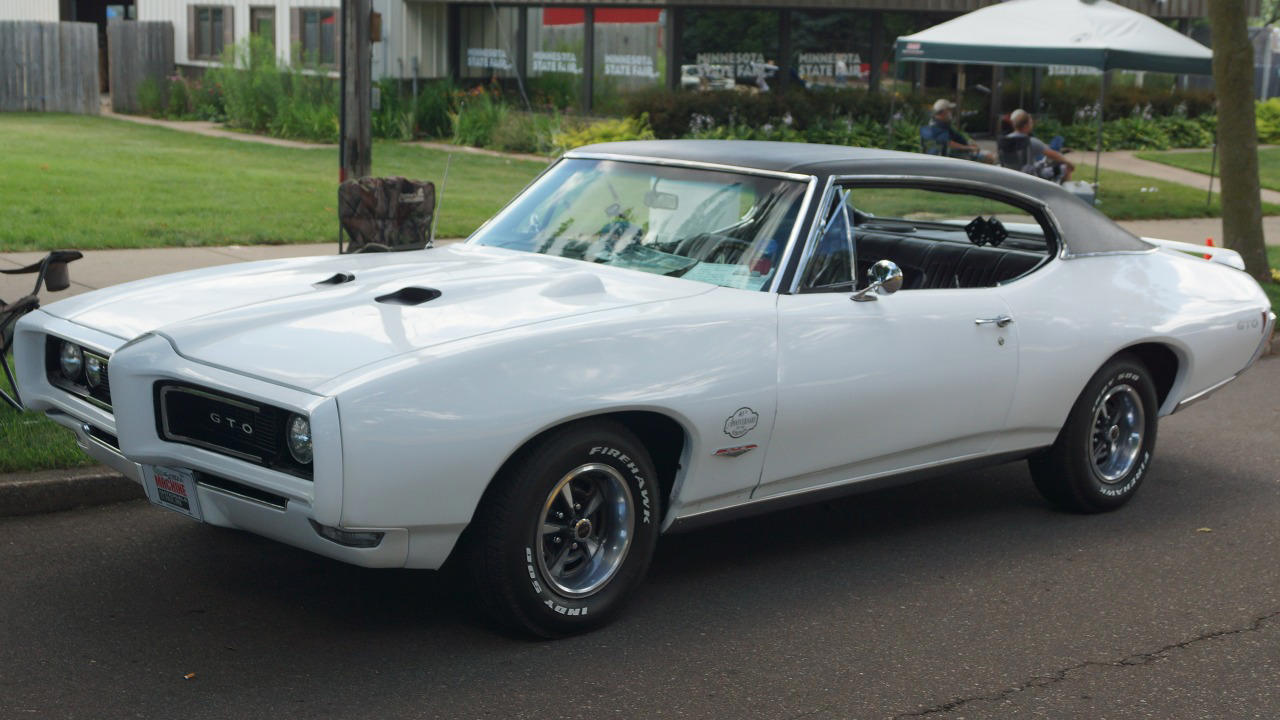
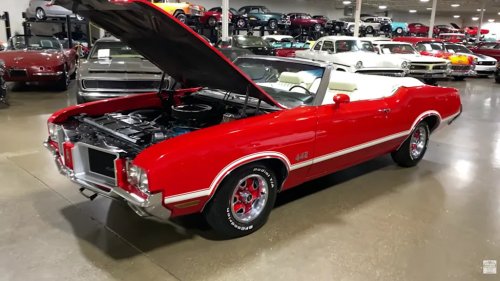
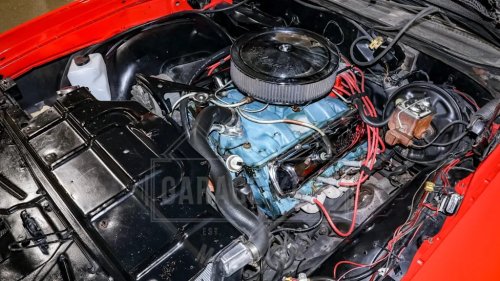
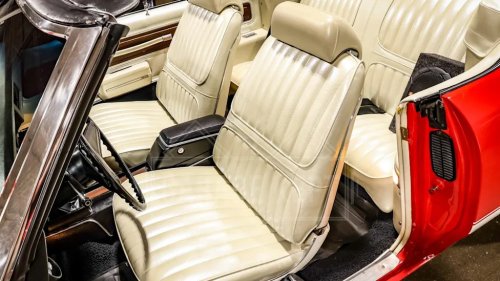
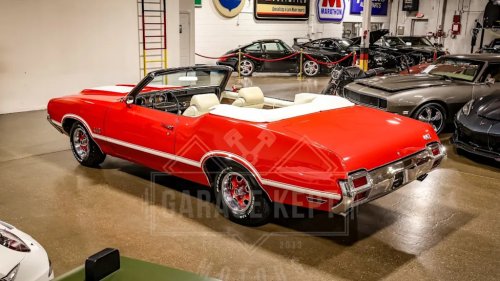
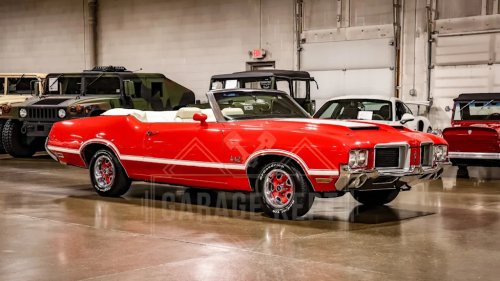
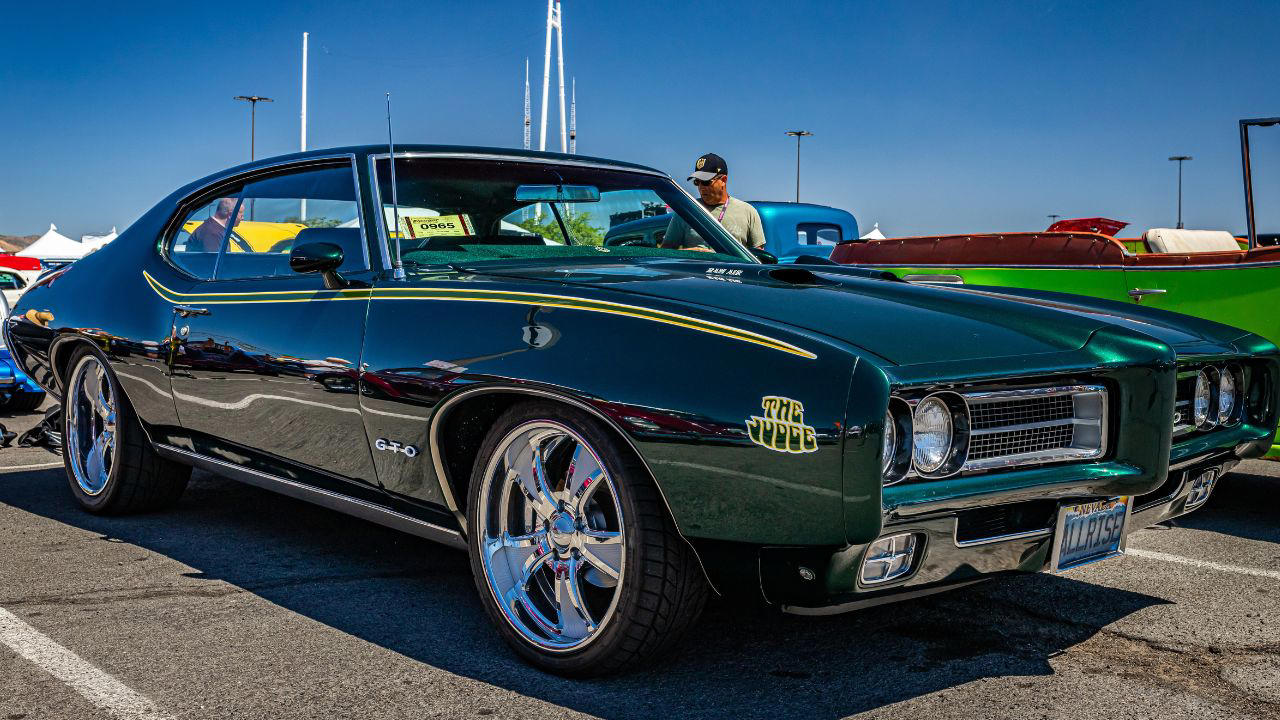
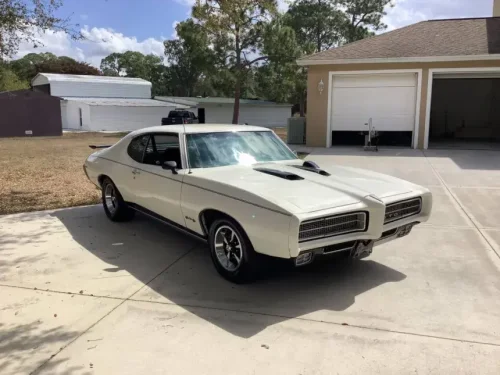
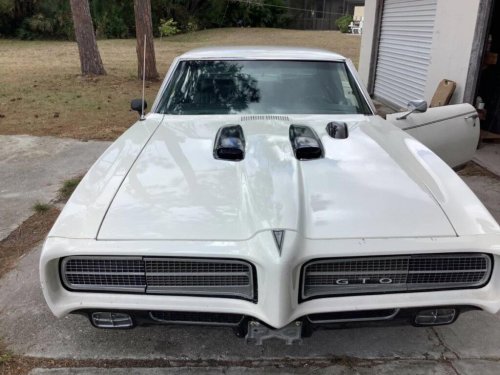
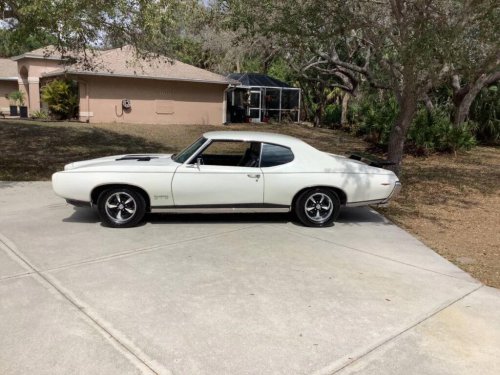
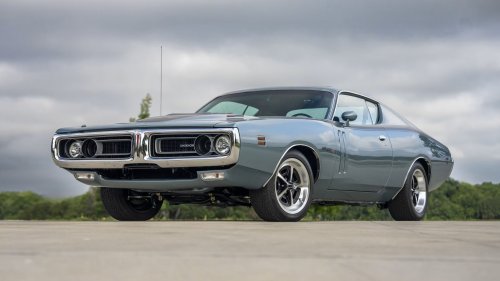
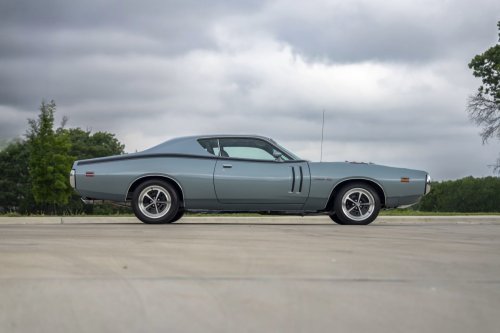
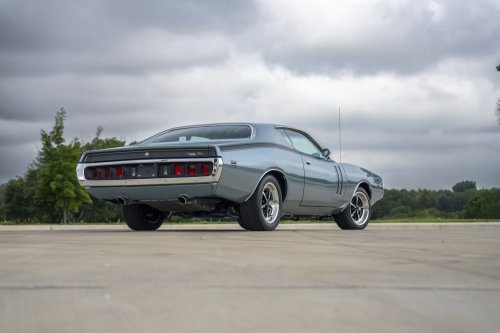
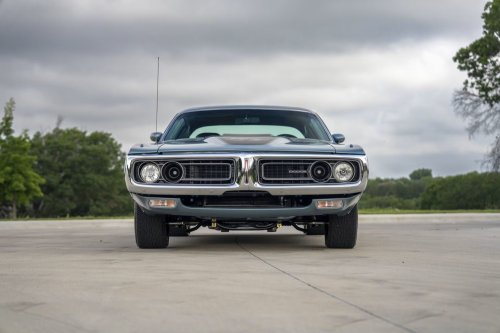
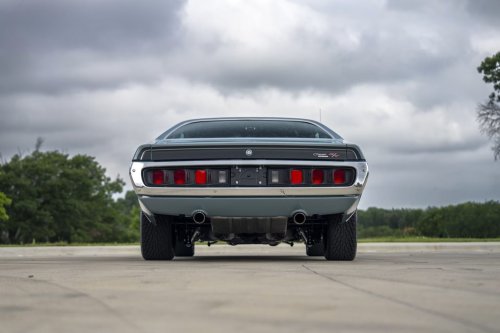
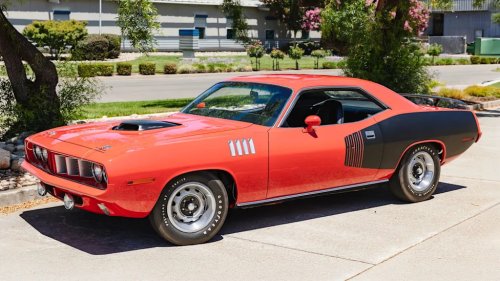
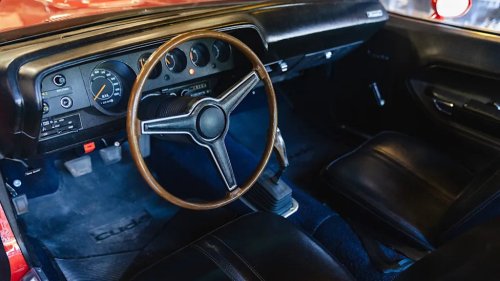
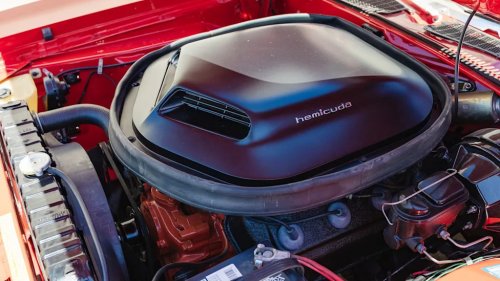
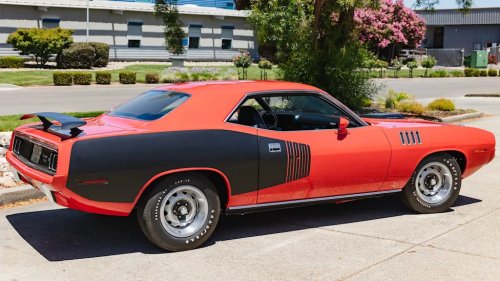
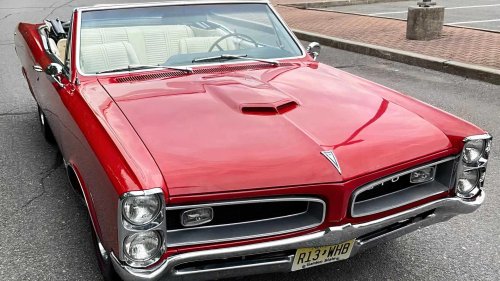
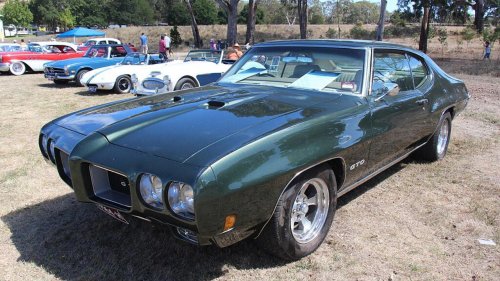
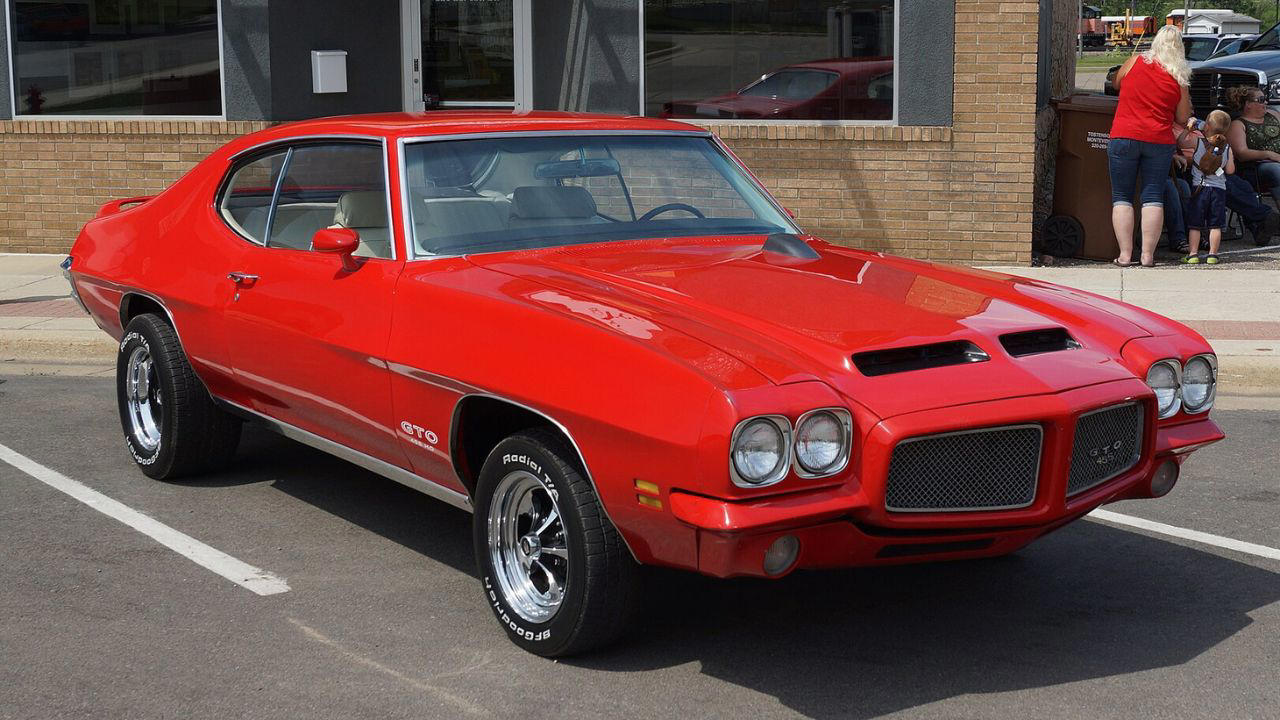
The GTO hit a turning point in 1971 and things were never the sameThe Pontiac GTO spent the 1960s defining what an American muscle car looked, sounded, and felt like. By 1971, that same badge was fighting for survival in a world of new rules, rising costs, and shifting tastes, and the decisions Pontiac made that year changed the character of the car for good. Enthusiasts still argue over whether 1971 marks the end of the GTO’s golden age or the start of its second act. What is clear is that the car that once ignited a performance revolution had to reinvent itself under pressure, and that reinvention left a permanent mark on the legend. From street rebel to establishment hero To understand why 1971 felt like a breaking point, it helps to look back at how hard the GTO hit when it arrived. Pontiac built the GTO in 1964 and ignited a decade of American performance that every other manufacturer scrambled to chase. The idea was simple: take a midsize body, drop in a big V8, and sell it to a new generation that cared more about quarter-mile times than chrome. Over the next few years, Pontiac GTO Generations grew in power and presence. Early cars were based on the LeMans, then evolved with more aggressive styling, hood scoops, and special packages. The model that many remember from the late 1960s carried options like Ram Air induction and a 400-cid V8, a combination that turned a family two-door into a serious street weapon. One period shot of an optional hood tach on a 1970 GTO shows a 5100 rpm factory redline for the optional Ram Air H.O. 400-cid engine, a detail that captured how much performance Pontiac was willing to build into a car still grounded in everyday use. By the end of the decade, the GTO was no longer an outsider. It had become a fixture of American culture, with Pontiac GTO Generations credited with helping start the muscle car era and inspiring rivals across Detroit. That success, however, came with problems that would surface as the 1970s opened. Storm clouds over the muscle car boom When the 1970 model year rolled along, it became quite clear that the GTO was beginning to lose its sales momentum. A detailed look at the period in one video history of the GTO notes that the problems were not limited to Pontiac. Insurance companies had started to punish high horsepower ratings, fuel prices were creeping upward, and federal regulators were preparing tighter emissions standards that would hit large displacement engines hard. The same clip tracks how the GTO that had dominated late 1960s youth culture suddenly faced a market where parents, politicians, and actuaries were all pushing in the opposite direction. At the same time, competition inside General Motors had intensified. Chevrolet, Oldsmobile, and Buick all offered their own muscle-flavored midsize models. As one retrospective on Pontiac GTO Generations points out, the original GTO began as an optional performance package, but by the early 1970s the formula had been copied so widely that the car risked losing its distinct identity and its appeal to customers who now had plenty of alternatives. Sales data from the late 1960s underlines the scale of the shift. In 1969 a total of 72,287 GTOs were built and 6,883 of them were Judge models, a high watermark for the nameplate. The Judge, with its bold stripes and performance focus, symbolized how strong demand had been only a couple of years before 1971. That surge would not last. Insurance companies had become aware of how much risk these cars represented, and premiums for young drivers in particular rose sharply, pulling many potential buyers out of the showroom. What changed for 1971 By 1971 Pontiac had little choice but to adapt. Federal rules required engines capable of using lower octane, unleaded fuel, and the brand responded with what one factory overview described as 1971 – Low Compression Engines Change the Brand Redesigned grilles and a reworked GTO nose and hood were key styling features. Engineers reduced compression ratios across the line, which cut peak horsepower but allowed the cars to run cleaner and on the new fuel that regulators were pushing into the market. The styling changes were not cosmetic filler. The 1971 Pontiac GTO continued the muscle car legacy with bold styling and brute power, despite increasing emissions regulations, according to one enthusiast summary that highlights how the car’s new front end and hood treatment tried to keep the aggressive look intact. The nose carried a more integrated bumper and grille design, while the scooped hood retained the visual language that buyers associated with performance. Pontiac was signaling that even with softer compression and new regulations, the GTO still intended to look like a street fighter. Under the skin, the engine lineup reflected the new reality. High compression options that had defined earlier GTOs gave way to recalibrated V8s, still large in displacement but tuned for lower octane fuel and cleaner exhaust. The raw numbers on paper dropped, which mattered both to marketing and to buyers who had grown used to bragging about horsepower. Yet in real-world driving, torque remained strong enough that period testers still described the 1971 cars as quick and flexible, even if they no longer dominated the performance charts. Inside Pontiac, this shift was not a minor tweak. The same factory fact sheet that described Low Compression Engines Change the Brand Redesigned also mentioned new series designations and model names across the midsize lineup, signaling a broader repositioning. The GTO was no longer simply the top dog in a straightforward performance hierarchy. It had to coexist with personal luxury trends and rising expectations for comfort and safety, all while regulators and insurers closed in on the old formula. The Judge fades and the legend pivots Nothing illustrates the turning point of 1971 better than the fate of The Judge. The Judge option was available in 1969, 1970, and 1971, and by the final year it had become a rare sight. One enthusiast account highlights a 1971 Judge convertible in Laurentian Green and notes that only a small number of 1971 Judge convertibles were sold. That tiny production run shows how quickly demand for the most flamboyant version of the GTO had collapsed as insurance costs and new rules chased buyers away. Originally, The Judge had been introduced as a brash answer to competitors, packed with graphics and tuned for maximum street presence. By 1971, the same elements that once drew attention now carried a financial penalty in the form of higher premiums and skepticism from regulators. The retreat of The Judge option after 1971 signaled that Pontiac could no longer lean on pure attitude to carry the GTO line. At the same time, Pontiac tried to keep the core of the car appealing. A detailed spotlight on a 1971 Pontiac GTO Judge notes that in 1969 a total of 72,287 GTOs were built and 6,883 of them were Judge models, then tracks how quickly those numbers fell as the new decade began. The shift from tens of thousands of high profile muscle cars to a handful of special 1971 Judge convertibles in Laurentian Green illustrates how the GTO’s role in the market had narrowed. This did not mean the badge lost all of its magic. Collectors today often prize the 1971 Judge models precisely because they sit at the intersection of old school muscle and the new constraints of the 1970s. The limited production and distinctive colors, including Laurentian Green, give these cars a mythic status that earlier high volume years cannot match. Yet that collector appeal rests on the same fact that worried Pontiac executives at the time: by 1971, the audience for extreme muscle had shrunk dramatically. How the 1971 GTO drove and looked Despite the pressures, the 1971 Pontiac GTO still offered a driving experience that felt every bit like a muscle car to those behind the wheel. One enthusiast writeup of a 1971 Pontiac GTO striking orange hardtop coupe notes that the 1971 model marked the end of the classic GTO’s prime years, but it left behind a legacy of performance excellence, raw power, and timeless design. That assessment captures the dual nature of the car: slightly softer on paper than its predecessors, yet still potent and visually dramatic. Styling remained a strong suit. The reworked nose and hood, combined with bold colors and striping on certain models, kept the GTO instantly recognizable. The same orange hardtop coupe described in that enthusiast account stands as an example of how the 1971 Pontiac GTO used paint and trim to maintain its presence even as mechanical specs shifted. The scooped hood, muscular fenders, and fastback roofline all carried over the attitude that had made the car famous. Inside, equipment levels reflected the early 1970s move toward more comfort and convenience. Bucket seats, full instrumentation, and available center consoles gave the cabin a sporty yet livable feel. The optional hood tach that had been a talking point on earlier cars remained part of the visual drama, even as the 5100 rpm redline on the Ram Air H.O. 400-cid engine from 1970 became a memory rather than a current spec. On the road, drivers found that the lower compression engines still delivered strong midrange pull. The torque-heavy character of Pontiac V8s meant that real-world acceleration stayed brisk, even if magazine test numbers no longer shattered records. The 1971 GTO did not try to reinvent itself as a corner-carving sports car or a pure luxury cruiser. Instead, it occupied a middle ground, still oriented toward straight-line speed but tempered by the realities of the new decade. Regulation, insurance, and the shrinking market The external pressures facing the 1971 GTO were not abstract. Federal emissions rules forced the shift to lower compression, and the move to unleaded fuel required rethinking combustion and timing. The factory description of 1971 – Low Compression Engines Change the Brand Redesigned grilles and a reworked GTO nose and hood were key styling features makes clear that Pontiac saw these technical changes as part of a broader brand transition rather than a temporary adjustment. Insurance companies played an equally direct role. A detailed owner spotlight on a 1971 Pontiac GTO Judge recounts how in 1970 the auto insurance companies had become aware of the risks associated with high performance muscle cars, which pushed premiums up and made it harder for younger buyers to justify the cost. That pressure did not ease in 1971. Instead, it combined with emissions rules to squeeze both ends of the market: the most extreme performance versions became too expensive to insure, while detuned versions risked losing the excitement that had drawn buyers in the first place. Broader economic and cultural shifts also chipped away at the GTO’s base. As one overview of Pontiac GTO Generations notes, the growing demand for more comfortable and refined cars, along with the arrival of new personal luxury models, meant that raw muscle was no longer the default aspiration for midsize buyers. The original GTO formula, which had been so disruptive in 1964, now had to compete with buyers who wanted plush interiors, quiet cabins, and a different kind of status. Within Pontiac, resources had to be allocated across a lineup that included full-size sedans, personal coupes, and compact models. The GTO could no longer command the same internal priority it had enjoyed during its explosive growth years. As a result, the 1971 car feels in hindsight like a carefully managed compromise: enough performance to stay credible, enough styling flair to keep the badge strong, but not the all-out assault on the senses that earlier versions represented. 1971 in the eyes of enthusiasts and collectors Modern enthusiasts often look back at 1971 with mixed emotions. Some see it as the last year when the GTO still looked and felt like a classic muscle car, while others view it as the beginning of the end. A recent feature that named a 1971 Pontiac GTO as a Pick of the Day framed the car in exactly those terms. The writer opened with the line Yes, 1971 was a tough time at GM. Though the federal mandate to build engines capable of using lower octane fuel had taken a toll on output, the piece argued that there were more charms that made the 1971 GTO desirable, from its styling to its drivability. That same Pick of the Day spotlight treated the 1971 Pontiac GTO as a car that balances history and usability. The example featured there carried period correct details and a finish that complemented the car nicely, illustrating how collectors now approach these models. Rather than chasing the last few horsepower, they focus on originality, color combinations, and the way a 1971 GTO captures a specific moment when the muscle era was pivoting under pressure. Social media groups and enthusiast pages echo that sentiment. One post focusing on the 1971 Pontiac GTO described how the model continued the muscle car legacy with bold styling and brute power, despite increasing emissions regulations, underlining that many fans still see the car as a legitimate member of the performance family. Another community thread on a 1971 Pontiac GTO striking orange hardtop coupe emphasized that the 1971 model marked the end of the classic GTO’s prime years, but it left behind a legacy of performance excellence and timeless design that keeps it relevant today. At the same time, some long-time fans gravitate toward earlier cars. A historical overview from USA Car World, which includes The Pontiac GTO History, uses examples like the optional hood tach on a 1970 GTO and the 5100 rpm redline of the Ram Air H.O. 400-cid engine to illustrate how intense the late 1960s models were. By comparison, the 1971 cars can seem slightly restrained. That contrast fuels ongoing debates about where the true peak of the GTO story lies. The GTO after 1971 What makes 1971 such a clear turning point is what came next. As one narrative of Pontiac GTO Generations explains, the original formula that had once been an optional performance package eventually struggled as the market shifted and the car risked losing its appeal to customers. Later iterations of the GTO would experiment with different body styles, platforms, and marketing strategies, but none would recapture the combination of raw performance, affordability, and cultural impact that defined the late 1960s and the 1970 and 1971 models. More from Fast Lane Only Unboxing the WWII Jeep in a Crate 15 rare Chevys collectors are quietly buying 10 underrated V8s still worth hunting down Police notice this before you even roll window down The post The GTO hit a turning point in 1971 and things were never the same appeared first on FAST LANE ONLY.



















 +25 others