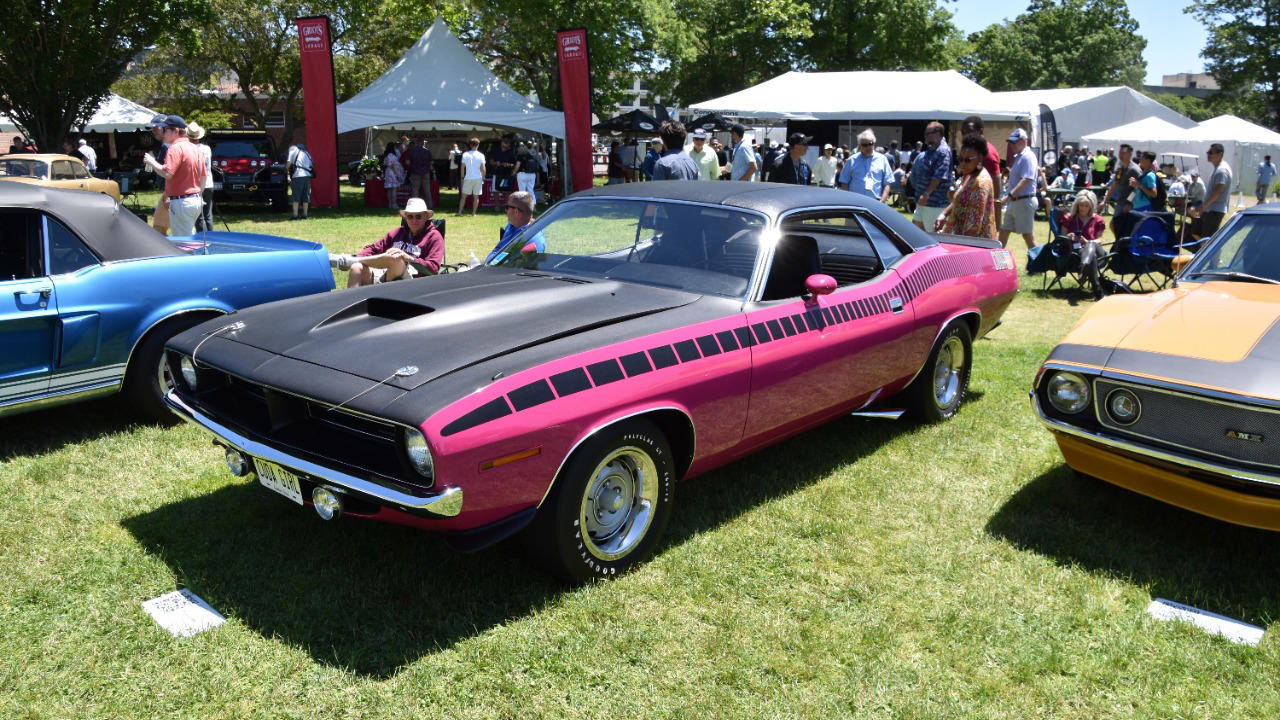
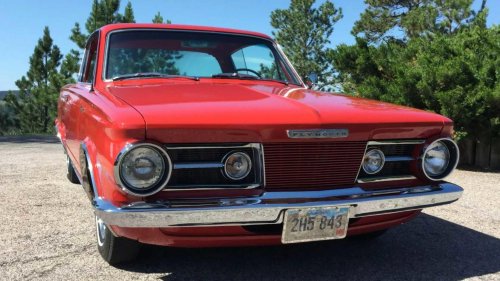
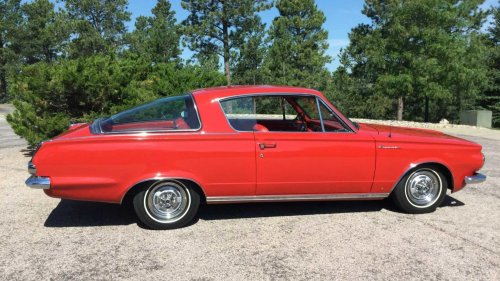
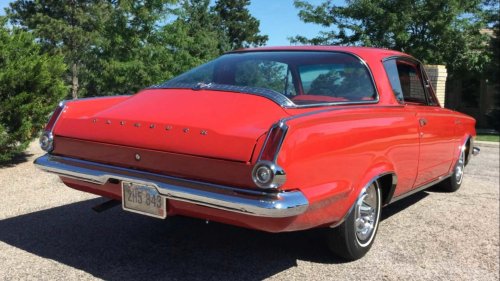
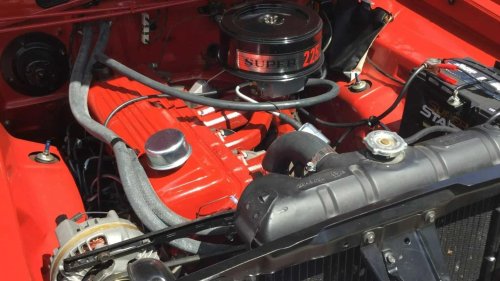
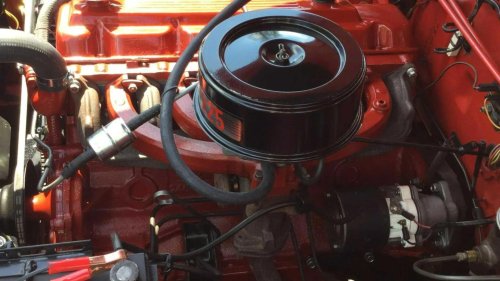
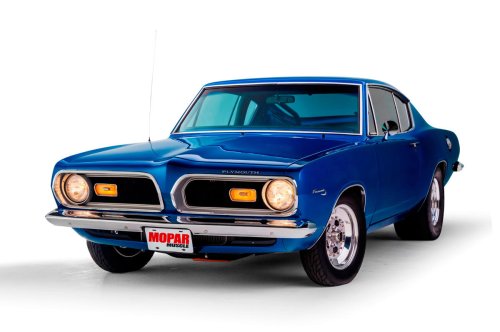
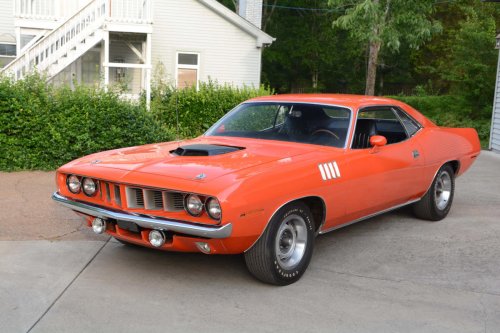
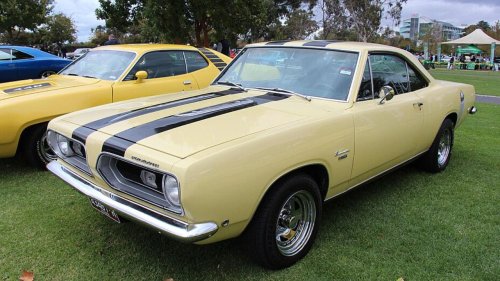
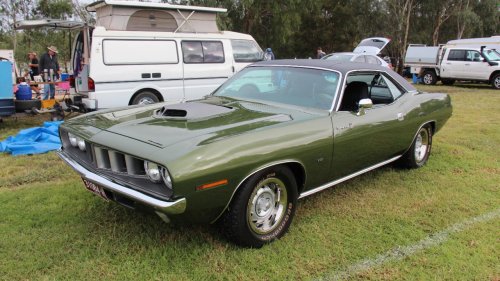
The Barracuda reflected a turning point no one could avoidThe Plymouth Barracuda arrived just ahead of the pony car wave, then spent a decade chasing, matching, and finally redefining what American performance could look like. In the process, it mirrored a wider shift that Detroit, regulators, and drivers themselves could not escape, from exuberant horsepower to a more complicated mix of style, safety, and survival. The Barracuda’s brief life from 1964 to 1974 traced the arc of the muscle era from hopeful experiment to hard landing. Viewed from today, that evolution turns the Barracuda into more than a cult favorite. It becomes a lens on how quickly an industry can pivot when culture, competition, and regulation collide, and how a single model can both shape and be shaped by forces far beyond its own showroom sales. From Valiant spin-off to original risk The story begins with a pragmatic decision inside Plymouth. Instead of funding an all-new body to answer rising youth demand, the company reworked the compact Valiant into a sporty fastback. The result was the first-generation Plymouth Barracuda, a hardtop fastback built on the Valiant platform and sold from 1964, with its distinctive wraparound rear glass and a cabin that folded flat for cargo. According to factory histories, Plymouth positioned the Barracuda as a more stylish alternative to the economy car underneath, not yet the full blown performance machine it would later become. The move looked bold for a division that had focused on practical family cars. It also signaled that even conservative brands could see the shift in American tastes. Younger buyers wanted something that still fit city streets and tight budgets but looked like it belonged at the drag strip on Friday night. The Barracuda tried to answer that desire without abandoning the Valiant’s footprint or mechanicals, an early sign that Detroit’s coming performance boom would be built as much on creative repackaging as on clean sheet engineering. The pony car race ignites Timing, however, cut both ways. The Barracuda reached showrooms just before the Ford Mustang redefined expectations and sales volumes for this new segment. Later road tests and retrospectives have pointed out that the Plymouth Barracuda went on sale first, yet the Mustang captured the imagination and the marketing spotlight. A comparison of the 1965 Ford Mustang and Plymouth Barracuda in period testing, preserved through vintage road tests, shows how quickly the benchmark shifted toward style, personalization, and aggressive promotion. For Plymouth, the lesson was blunt. Conservative styling and a parts bin interior could not compete with the Mustang’s image. The Barracuda might have set the stage for the pony car revolution, as enthusiasts later argued in a widely shared Barracuda history, but it did not control the script. That mismatch between being early and being iconic pushed Plymouth to rethink what the car needed to be in its second act. Second generation: the car grows up The response arrived with the 1967 model year and a complete redesign. The second-generation Barracuda dropped the pure fastback silhouette in favor of a broader lineup that included notchback and convertible bodies. The car moved further away from its Valiant roots and toward a dedicated pony car identity with a wider stance, more muscular sheet metal, and stronger engine choices. A retrospective on the Barracuda’s evolution describes how the 1967 Plymouth Barracuda marked the point where the pony car came into its own, with Plymouth embracing the segment’s performance potential instead of treating it as a styling exercise. Powertrain options expanded to include V8 engines that could finally match rivals at the drag strip. Period coverage of the 1967 Plymouth Barracuda 383, preserved in contemporary tests, captured the leap in straight-line performance. The car was no longer a sporty compact with a big window. It had become a genuine muscle contender that signaled Plymouth’s intention to compete head-to-head with Mustang, Camaro, and Firebird. Formula S and the muscle car peak Within that second generation, the Formula S package distilled what enthusiasts wanted most. Upgraded suspension, stronger brakes, and hotter engines turned the Barracuda into a sharper tool for both street and strip. Detailed coverage of the 1966 Barracuda Formula S in period features shows how Plymouth combined handling upgrades with visual cues to signal its intent. The Formula S badge meant this was no longer a Valiant in disguise. Meanwhile, Plymouth as a brand was leaning hard into performance. Broader histories of Chrysler’s divisions, such as the overview of the Muscle Car Era, describe how the 1960s saw Plymouth embrace big engines and bold styling across its lineup. The Barracuda sat at the center of that shift, acting as a halo for younger buyers and a test bed for new performance parts that would influence other models. The 1970 redesign and pure muscle identity The third-generation Barracuda, introduced for 1970, completed the transition from sporty compact to full muscle car. Plymouth dropped the A-body platform in favor of the new E-body, shared with the Dodge Challenger. The car became lower, wider, and far more aggressive, with a range of engines that ran from small block V8s to the fearsome 426 Hemi and 440 big blocks. Enthusiast histories of the Plymouth Barracuda highlight this period as the model’s most coveted era, when styling, power, and racing credibility aligned. Trim levels such as the ‘Cuda variant pushed the image even further, with shaker hoods, bold graphics, and drag strip-ready gearing. Period advertising and later collector demand turned these cars into symbols of unrestrained American horsepower. A video history that traces how the Plymouth Barracuda was manufactured by Plymouth from 1964 to 1974 reinforces how the early 1970s cars have come to define the name in popular memory, even though they represented only a small slice of the total production run. Racing, image, and the culture shift The Barracuda’s identity in these years was shaped not only by showroom specs but also by its presence in competition and popular culture. The car appeared in drag racing, Trans Am series efforts, and local strips across the United States, where its compact dimensions and strong V8s made it a favorite among privateers. Coverage of a 1964 Plymouth Barracuda in muscle car retrospectives shows how even the earliest cars found second lives on the quarter mile once more powerful engines became available. It also reflected broader attitudes about speed and risk. The Barracuda arrived in an era when rising highway fatalities had not yet triggered the full force of federal regulation, and when insurance companies had not fully priced in the cost of high-horsepower youth cars. As the decade turned, that environment changed. Safety rules, emissions standards, and surging insurance premiums began to squeeze the very formula that had made the Barracuda and its peers so attractive. Regulation, fuel, and the unavoidable turning point By the early 1970s, the forces that would end the original muscle era were converging. Tighter emissions standards choked carbureted engines. New safety requirements added weight and complexity. The oil shocks and rising fuel prices made big block performance a harder sell. Histories that track how the Plymouth Barracuda evolved from 1964 to 1974 note how power ratings fell, and high compression engines disappeared even before the nameplate itself was retired. The Barracuda’s 1974 model year marked the end of the line. There was no immediate replacement, and Plymouth allowed the name to fade rather than dilute it with a downsized or detuned successor. In that decision, the company acknowledged that the environment that had created the Barracuda no longer existed. Regulators, insurers, and fuel prices had forced a retreat from the extremes of performance, and the market was shifting toward smaller, more efficient cars. The turning point referenced in the headline was not a single policy or event, but the cumulative effect of these pressures that neither Plymouth nor its competitors could avoid. Afterlife, nostalgia, and collector culture Ironically, the very factors that ended the Barracuda’s production helped cement its legend. A finite run from 1964 to 1974, combined with the low production numbers of the most powerful versions, turned the car into a sought-after collectible. Detailed registries and enthusiast communities trace surviving cars by year, engine, and trim, often referencing the original Plymouth Barracuda records to verify authenticity. Later features on a restored 1975 Barracuda concept in archived coverage show how even proposed successors that never reached full production have become objects of fascination. The car’s absence from modern showrooms has only increased its aura. For many enthusiasts, the Barracuda represents a last moment when Detroit could sell unapologetically powerful coupes without the layers of electronics and regulation that define current performance cars. A mirror of Plymouth’s own trajectory The Barracuda also mirrored the trajectory of Plymouth itself. The division that had once anchored Chrysler’s volume business experimented with bolder styling and higher performance in the 1960s, as documented in overviews of Plymouth history. The Barracuda’s rise to icon status and eventual disappearance foreshadowed Plymouth’s own challenges in maintaining a distinct identity within a changing corporate and market structure. By the time the Barracuda left the lineup, Plymouth was already wrestling with overlapping products and shifting consumer priorities. The loss of its halo performance car removed a key emotional anchor for the brand. Later attempts to rekindle that spirit through other nameplates never quite matched the clarity of purpose that the Barracuda had offered during its peak years. Global memory and cross border fascination Interest in the Barracuda has never been confined to the United States. Documentation of the Plymouth Barracuda in Spanish-language sources shows how the car’s image as a quintessential American muscle machine resonates far beyond its original sales footprint. Enthusiasts in Europe, the Middle East, and elsewhere import and restore surviving examples, often at high cost, to capture a piece of that era. This global fascination reinforces how the Barracuda’s story is tied to a broader cultural memory of the 1960s and early 1970s as a time of rapid change, both liberating and disruptive. The car embodies the optimism of cheap fuel and open highways, but its short production run and abrupt end also reflect the limits of that optimism when confronted with environmental and economic realities. Digital preservation and the modern archive In the absence of new production, the Barracuda lives on through archives, registries, and enthusiast media. Video essays such as the history of the introduce new audiences to the car’s evolution from a Valiant-based coupe to a true Mopar icon. Social media posts that trace how the Plymouth Barracuda evolved from its modest origins to its final aggressive form help sustain interest among younger enthusiasts who may never have seen one on the road. Even the infrastructure that supports these histories, such as the donation pages that fund archival projects linked from encyclopedic entries, plays a role in keeping the Barracuda’s story accessible. In that sense, the car’s legacy is now as much about digital preservation as about metal and gasoline. More from Fast Lane Only Unboxing the WWII Jeep in a Crate 15 rare Chevys collectors are quietly buying 10 underrated V8s still worth hunting down Police notice this before you even roll window down