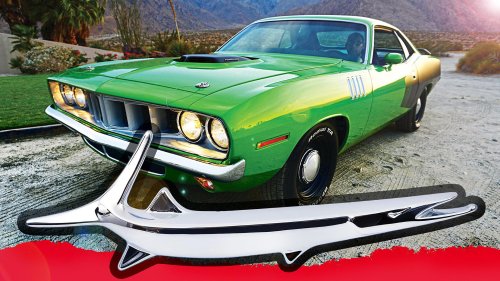
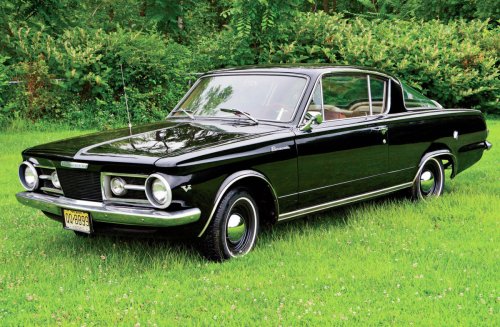
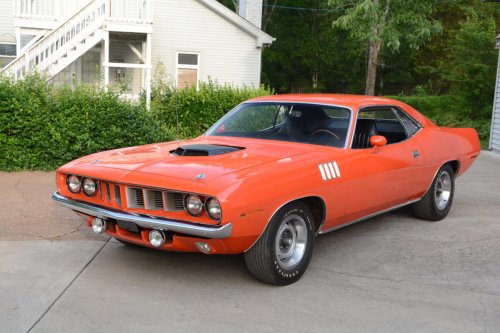
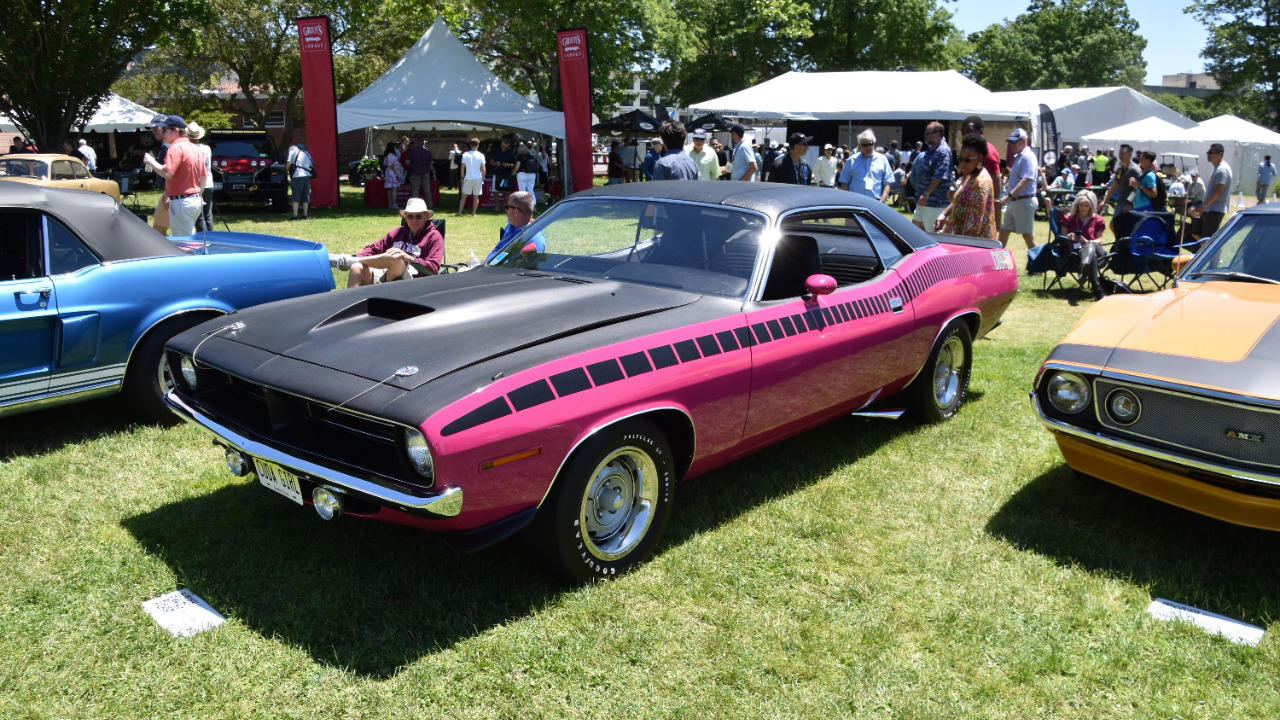
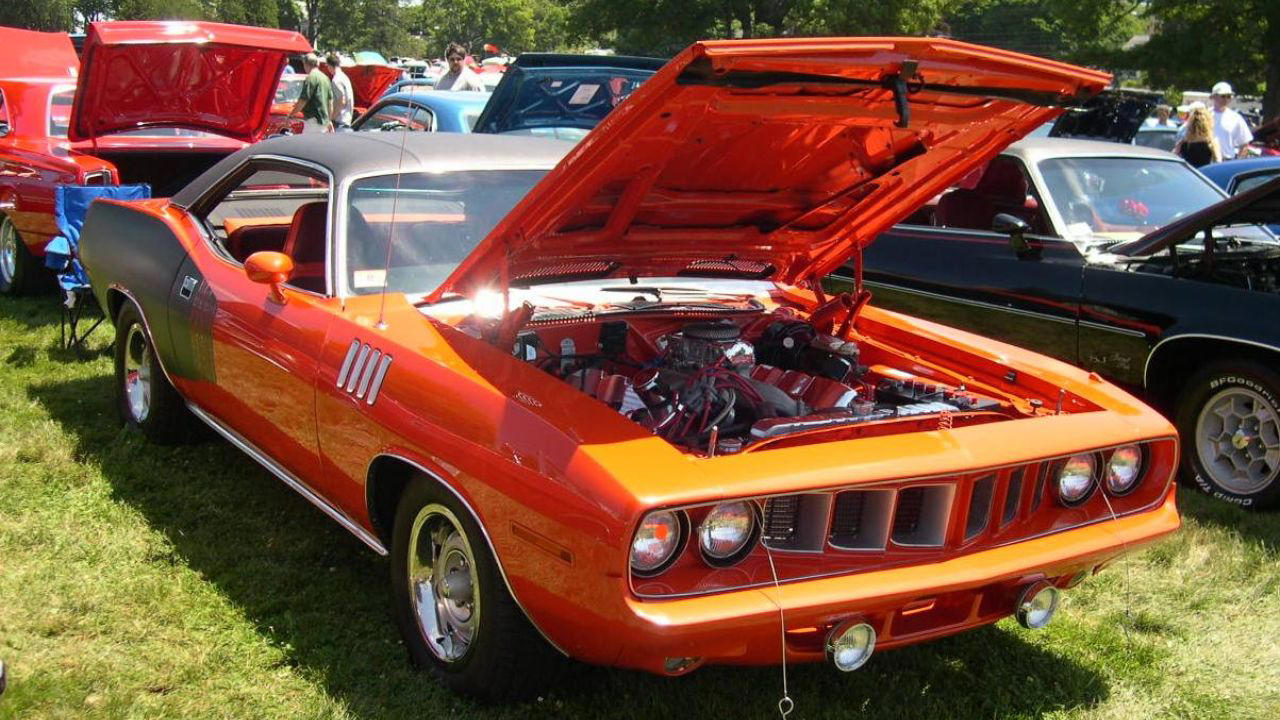
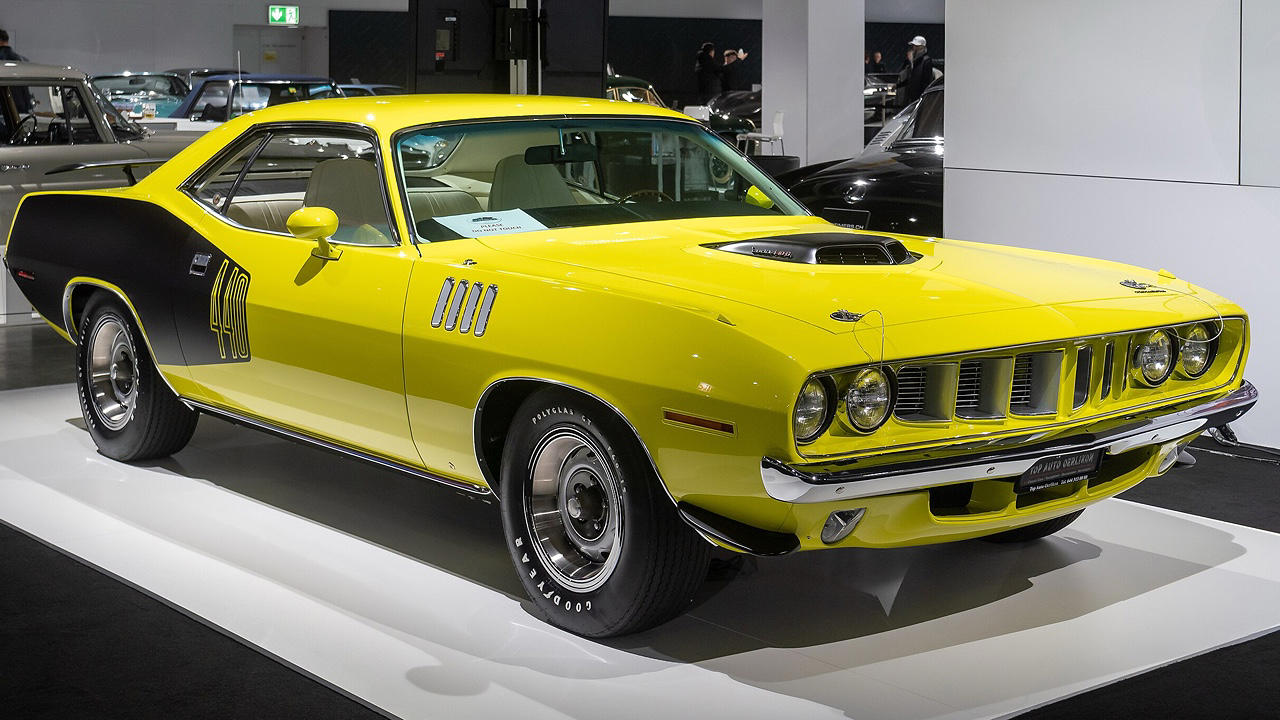
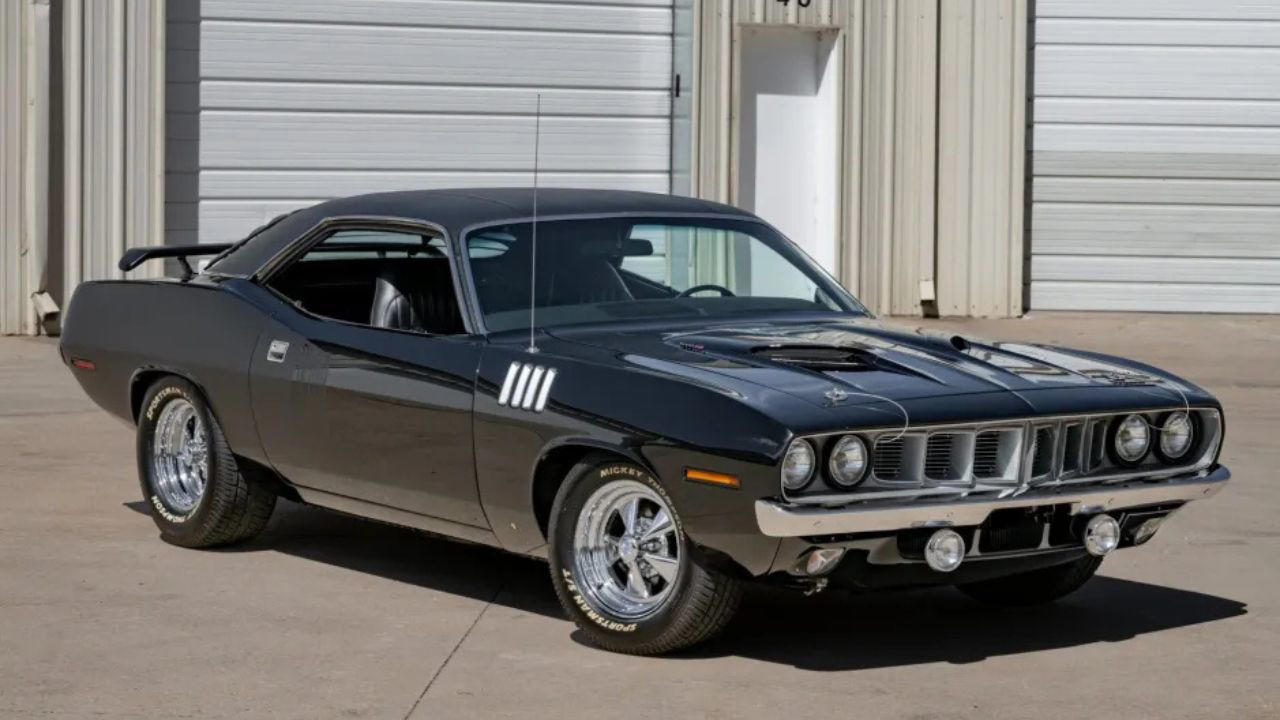
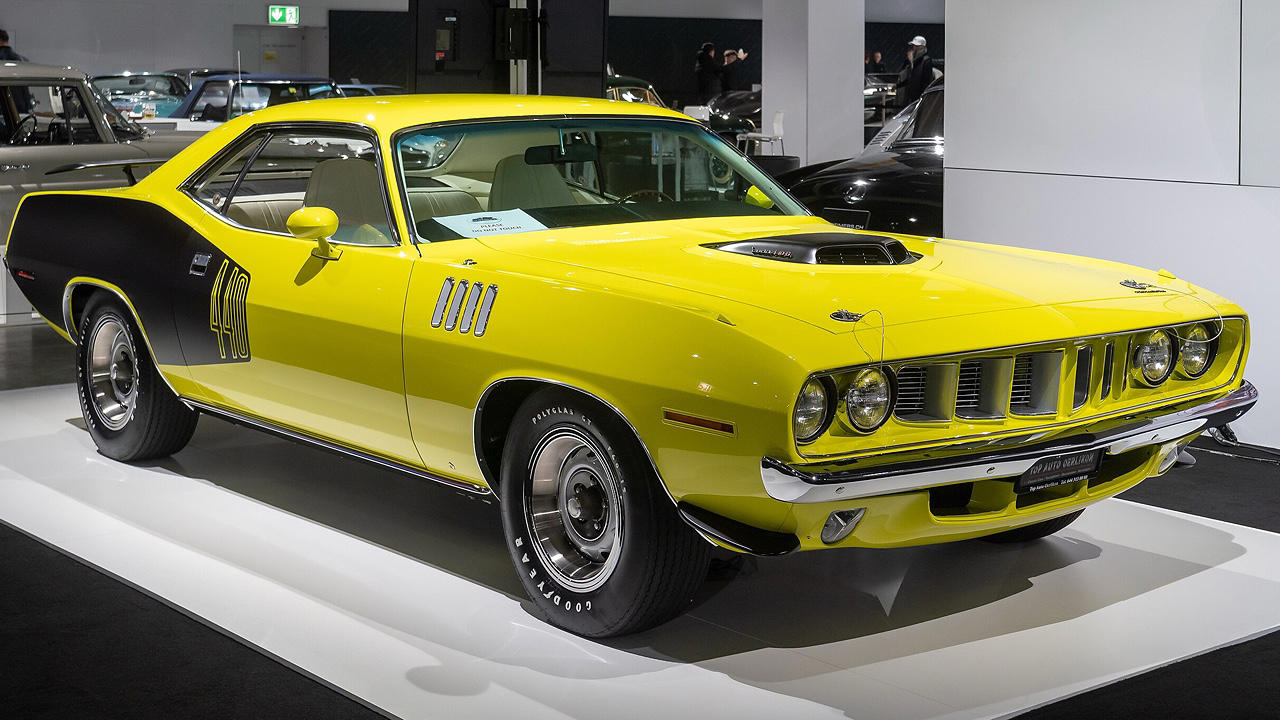
The Barracuda carried the weight of changing times in 1971The 1971 Plymouth Barracuda arrived just as American muscle cars began to feel the squeeze of regulation, rising insurance costs and shifting tastes. Its sheet metal carried more than bold styling and big engines; it also reflected the pressure that would soon reshape performance cars for a generation. In a single model year, the Barracuda managed to be both a high point of design and power and a warning that the party was already winding down. Teeth in the grille, storm on the horizon By 1971, Plymouth had already turned the Barracuda into a full-fledged pony car, and the latest version sharpened that identity. Contemporary descriptions emphasize how the new grille gave the impression of actual teeth, a visual cue that made the front end of the 71 Barracuda look predatory and aggressive. That same model year, production fell sharply, with total output dropping from 54,800 units to 18,690, a contraction that signaled how quickly the market was cooling even as the styling grew more dramatic, according to production figures. The 71 Plymouth Barracuda was described at the time as underrated, a car that arrived just as external forces were starting to dictate what a muscle car could be. That model year introduced one of its most distinctive features when the Barracuda gained quad headlamps and a unique grille layout that made it instantly recognizable, a detail preserved in later analyses of the Plymouth Barracuda. The result was a car that looked more aggressive than ever just as the outside world began to demand restraint. Design that defined a single year Styling changes in 1971 did more than keep the Barracuda fresh; they created a one-year-only visual identity that collectors still obsess over. Historical summaries of the model year note that 1971 brought a new grille with dual sets of headlights, revised taillights and side “gills” stamped into the front fenders, all of which gave the Barracuda a more muscular and purposeful stance. Those side gills in particular became a signature cue, with later restorers pointing to the 1971 Barracuda as a turning point where the car fully embraced an aggressive, almost race-inspired look, as detailed in overviews of the Barracuda history. Other enthusiasts highlight that the 1971 Plymouth ‘Cuda, the performance-oriented variant, was the only Barracuda produced with this specific combination of dual headlights and front fender details. Summaries of Barracuda evolution stress that the 1971 Plymouth ‘Cuda stood alone with dual headlights and front fender gills, a combination that later helped these cars command strong prices at auction, as chronicled in retrospective pieces on Barracuda history. The design was not simply cosmetic; it became a visual shorthand for the end of the true muscle era. Collectors and historians often describe the 1971 Plymouth Barracuda as one of the most desirable muscle cars ever built, citing its bold design and strong performance as the pinnacle of high performance American automotive history. Enthusiast groups refer to the 1971 Plymouth Barracuda as the pinnacle of the model line, situating it at the top of high performance American automotive history in their retrospective posts on the Plymouth Barracuda. In other words, the car’s styling captured a peak that the industry would not have the freedom to revisit for decades. Hemi power and shrinking numbers If the body signaled aggression, the engines backed it up. The 1971 Plymouth Hemi ‘Cuda sat at the top of the Barracuda hierarchy, and enthusiasts still single it out as one of the most legendary muscle cars ever built. In enthusiast forums, the 1971 Plymouth Hemi Cuda is described in exactly those terms, with posts introducing the 1971 Plymouth Hemi Cuda and declaring, “As the high performance flagship” of the line, a reminder of how central this variant remains in muscle car lore, as seen in discussions of the Plymouth Hemi Cuda. Beyond the Hemi, the Barracuda lineup still offered serious hardware. Fact sheets for the 1971 Plymouth Barracuda point to engines such as the 440 cubic inch V8, with references to 440 CID 4 barrel configurations that kept the car firmly in muscle territory even as emissions rules tightened. These same summaries note that 1971 brought four headlights and that the Barracuda was changed slightly while details such as roll down rear passenger windows continued, reinforcing how Plymouth tried to balance new visual drama with everyday usability, as described in a 1971 fact sheet. Rarity amplified the appeal. Museum notes on a surviving 1971 Hemi ‘Cuda Convertible explain that there were only 7 1971 Hemi ‘Cuda Convertibles with 4 speed manual transmissions ever made. Those same notes explain that the cost of the option package and the broader market shift limited how many buyers stepped up for the top specification, as outlined in the Hemi ‘Cuda exhibit. That low production run turned what was already a halo car into a near-mythical object. Even among hardtops, specific combinations are scarce. One enthusiast profile of a B5 Blue 1971 Plymouth Cuda with a rare Hemi and 4 speed setup points out that the automatic version of that drivetrain made the car one of 377 hardtops equipped with that combination. The description emphasizes that even though the car does not carry every single high end option, the combination of original paint, color and drivetrain makes it an outlier among surviving cars, as detailed in coverage of the B5 Blue 1971. These tiny production figures explain why 1971 cars with the right options now trade hands for seven figure sums. Third generation peak, market turning point The 1971 model year sat within the third and final generation of the Barracuda, and that context matters. Video histories of the car explain that the Barracuda gained more performance features during its first two generations, but that it was not until the start of the third and final generation that it fully stepped into the role of a dedicated muscle and pony car, a shift detailed in overviews of Barracuda history. By the time the 1971 cars rolled out, the engineering and styling had converged on a formula that many enthusiasts now see as the purest expression of the idea. The same period, however, brought headwinds that would define the rest of the decade. Commentators looking back on 1971 describe it as the year everything changed for muscle cars, with one video aimed at enthusiasts opening by telling the Car Cruiser audience that 1971 was the year muscle cars started to die. That perspective focuses on how performance options shrank, compression ratios dropped and insurance companies began targeting high horsepower models, as recounted in a retrospective aimed at the Car Cruiser community. The Barracuda, with its wild styling and still potent engines, became a symbol of that turning point. Written histories of the model line reinforce the sense that 1971 marked a transition. Analysts note that for 1971, the AAR ‘Cuda was gone, but the ‘Cuda designation remained, and that unique to 1971 models was a grille with six slats, quad headlights and other one year only features. They also point out that the Barracuda would only remain in production for a few more years after that, giving the 1971 model an air of finality that was not obvious to buyers at the time, as outlined in a Barracuda history summary. Market comparisons from the period also show how quickly the environment shifted. One analysis that pits the 1971 Mach 1 Mustang against the 1971 Plymouth ‘Cuda argues that it was clear by 1971 that the whole muscle car market was changing. That same comparison notes that Barracuda sales dropped by 66% in a short span, and it ties that collapse directly to governmental emissions regulations and rising insurance costs, as detailed in the 1971 ‘Cuda comparison. The Barracuda did not simply fall out of favor; it ran into a wall that affected every high performance car in the country. From showroom underdog to auction headline At the time, some buyers saw the 71 Plymouth Barracuda as just another performance car in a crowded field. Later market data tells a different story. Auction analyses point out that a 71 ‘Cuda, unique with its quad headlight fascia and chrome ringed fender gills, is instantly recognizable. Those one year only features, combined with the right engine and transmission options, have turned certain examples into some of the most expensive Plymouth models ever sold at auction, a trend documented in lists of the most expensive Plymouth. Barn find stories add another layer to that valuation. A Canadian 1971 Plymouth ‘Cuda that sat off the road for 50 years drew attention precisely because it still wore its one year only styling cues, including sporty gills cut into the front fenders and quad headlamps flanking the grille. Coverage of that car stressed that when those features are coupled to the right drivetrain, a 71 Plymouth ‘Cuda really cannot be beat in the eyes of collectors, as described in an account of a long hidden 1971 Plymouth ‘Cuda. The car that once struggled to find buyers now inspires full restorations and careful preservation. Owners and dealers who trade in these cars rely on a growing ecosystem of specialty platforms. Sites devoted to classic and collector vehicles list Plymouth Barracuda models among their featured inventory, and they promote detailed overview, specs, performance data for prospective buyers, as seen on marketplaces that highlight Plymouth Barracuda listings. Consignment services and upcoming auction calendars further reinforce how the 1971 Barracuda has shifted from mass market product to blue chip collectible, with dedicated pages for consignment and auction planning that reference Plymouth Barracuda overview, specs, performance details, as shown on consignment platforms and upcoming auctions. Behind those marketplaces sit digital tools tailored to classic car dealers. Technology providers promote dealer accelerate systems that help manage inventory, marketing and sales for vehicles such as the Plymouth Barracuda, and they highlight how their platforms can surface overview, specs, performance data in ways that appeal to enthusiasts, as described by services like dealer accelerate and broader portals at SpeedDigital. The result is a modern infrastructure built around a car that once struggled under the weight of changing regulations. A car that carried more than horsepower Looking back, the 1971 Barracuda reads like a case study in how quickly an industry can pivot. Contemporary observers saw the new grille, the quad headlamps and the fender gills as signs that Plymouth was still in the fight. Engine options such as the 440 and the Hemi kept the performance image intact, while the Plymouth Hemi Cuda sat at the top of the hierarchy as a halo model. Yet the same year brought a steep sales drop, a 66% decline in Barracuda volume, and a growing sense among enthusiasts and historians that 1971 marked the beginning of the end for unrestrained American muscle. More from Fast Lane Only Unboxing the WWII Jeep in a Crate 15 rare Chevys collectors are quietly buying 10 underrated V8s still worth hunting down Police notice this before you even roll window down



















 +12 others