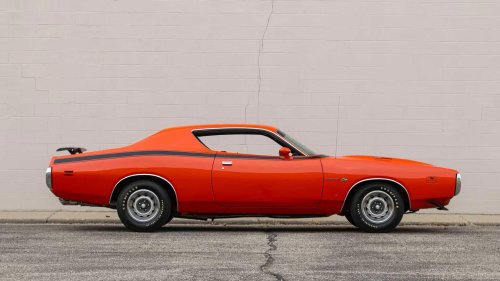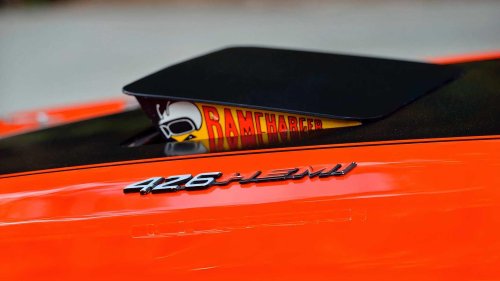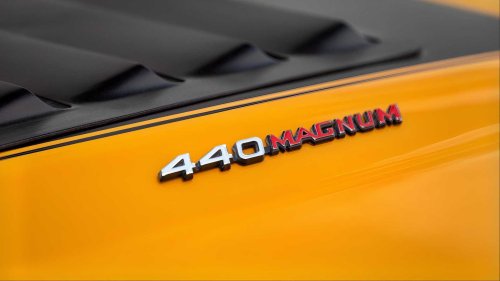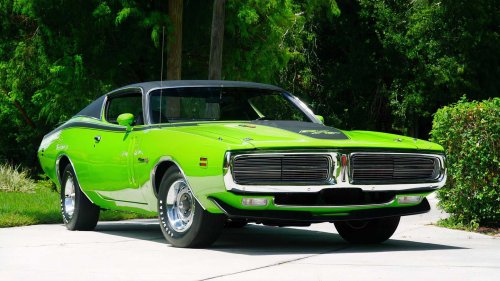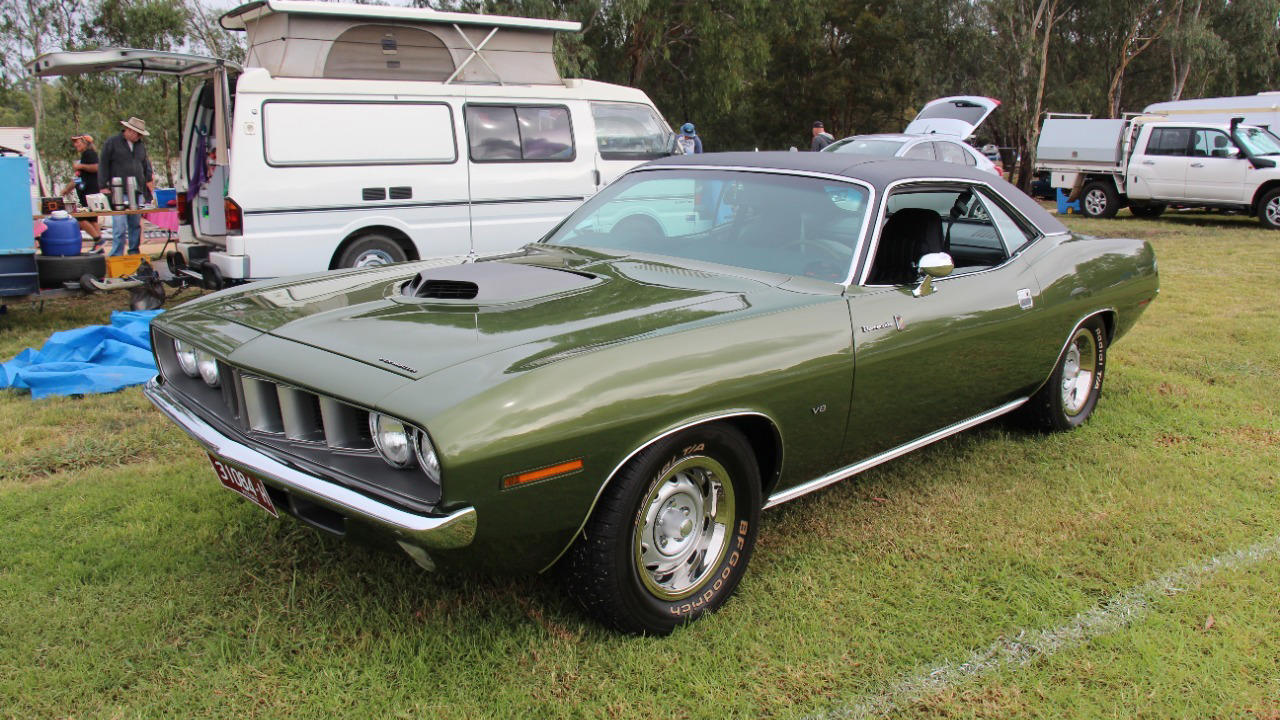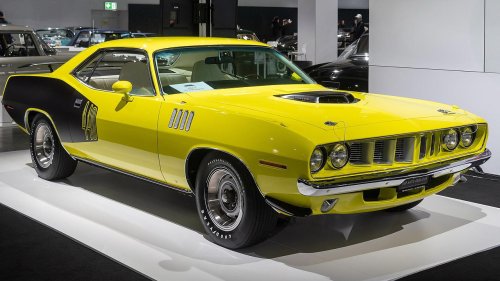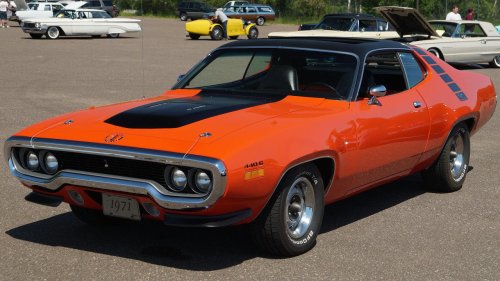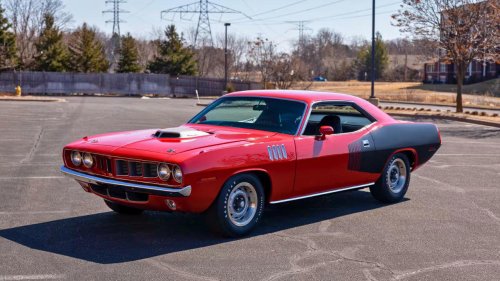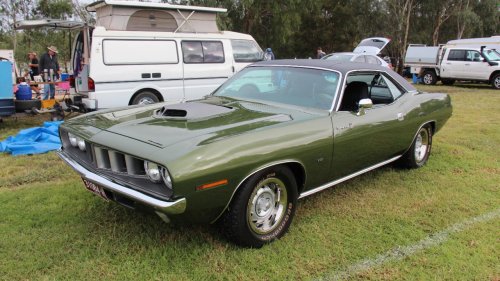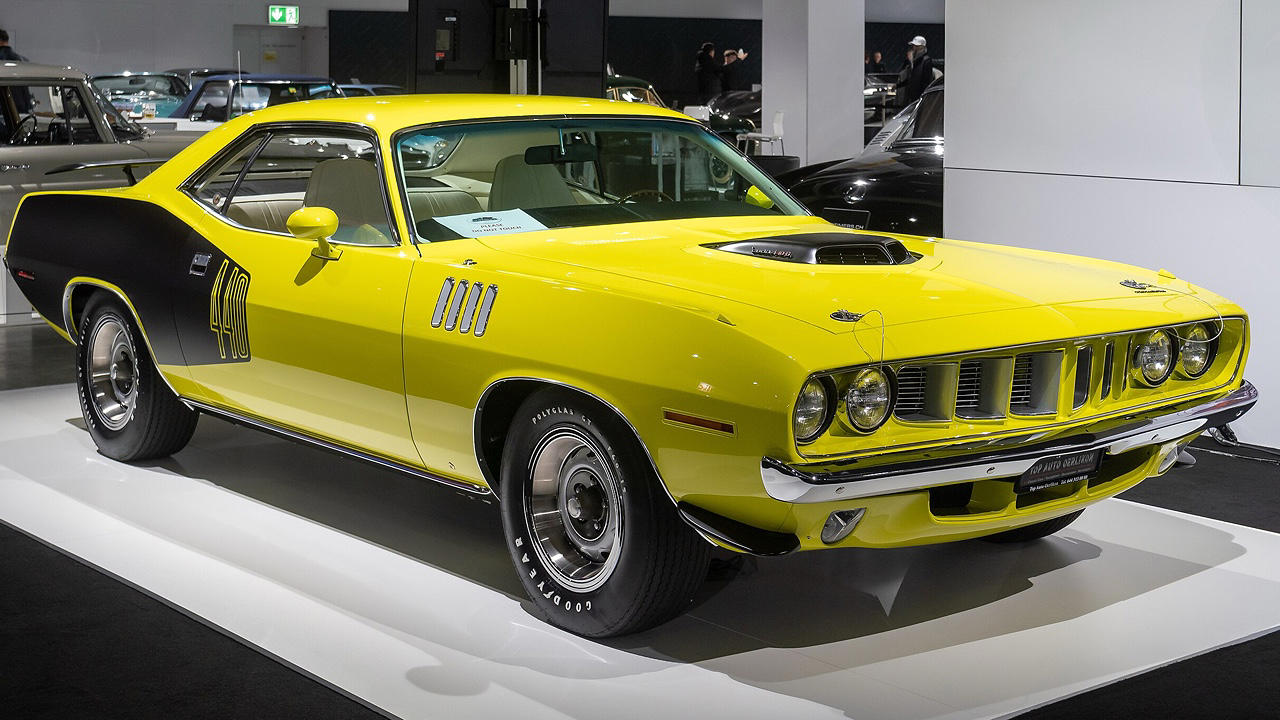





















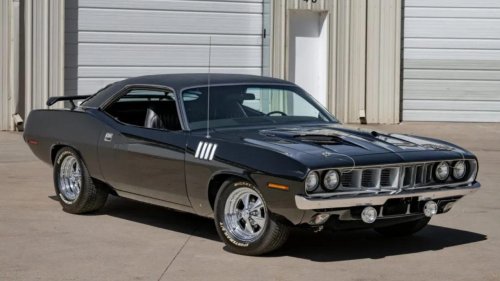

Insurance and emissions pressures reshaped the 1971 BarracudaThe 1971 Plymouth Barracuda arrived as one of the wildest-looking muscle cars of its era, yet it was born into a moment when regulators and insurers were quietly pulling the plug on peak performance. Insurance and emissions pressures did not just influence how the Barracuda was sold; they reshaped its engines, its production numbers, and ultimately its place in history. The result was a single model year that combined some of the most aggressive styling and power of the muscle age with the first clear signs that the party was ending. The last aggressive evolution of an E-body icon By 1971, the Plymouth Barracuda had already moved onto the E-body platform and stepped out from under the shadow of more conservative compact roots. The high performance variant, often referred to simply as the Cuda, pushed the look even further. As the high performance version, it carried a redesigned grille with four headlights and distinctive “gill” fender vents that gave the front end a predatory look, a detail highlighted in period descriptions of the Barracuda. Those vents, cut into the front fenders, visually backed up the car’s performance promise. Plymouth leaned into this image when it updated the front fascia for 1971. Contemporary accounts note that Plymouth refreshed the nose with a new quad headlight grille and added gill style vents to the fenders, changes that made the car look lower and more purposeful. The same reporting on Plymouth notes that these styling tweaks, combined with the dramatic sloping roofline and aggressive proportions, turned the 1971 model into one of the most visually striking iterations of the design. Underneath, the Plymouth Barracuda remained an E-body pony car, but the 1971 version is often described as the final and most aggressive evolution of that formula. Enthusiast coverage of the Plymouth Barracuda describes the 1971 car as the final and most aggressive version of the legendary E-body pony car, a summary that reflects both its styling and its powertrain options. HEMI firepower against a rising tide The heart of the 1971 Plymouth Barracuda story lies in its engines, and especially in the HEMI. The Plymouth Hemi Cuda is frequently described as one of the most legendary muscle cars ever built, thanks to the 426 HEMI V8 that produced 425 horsepower and 490 lb ft of torque. That combination, documented in enthusiast discussions of the Plymouth Hemi Cuda, turned the car into a straight line weapon. Performance figures from the period underline just how quick a properly equipped Cuda could be. Coverage of a 1971 HEMI model reports that a 71 HEMI Cuda could hit 0 to 60 in just over 5 seconds, a figure that would be impressive even decades later. That statistic, drawn from analysis of a specific HEMI Cuda, helps explain why insurers began to treat such cars as high risk. The 1971 model year would also be the last for the Hemi Cuda. Reports on the 1971 Plymouth Hemi Cuda Convertible stress that 1971 marked the final production year for the Hemi Cuda as emissions regulations tightened and insurance costs escalated. Those same accounts describe how the Hemi Cuda Convertible became a kind of holy grail for Mopar collectors, a status tied directly to the way regulation and risk pricing cut short its run. The link between regulatory pressure and rarity is explicit in coverage of the Hemi Cuda. The 440 big block and the insurance squeeze The HEMI was not the only engine caught in this squeeze. The 440 cubic inch big block V8, another signature powerplant for the Cuda, also ran headlong into changing rules and insurance tables. Enthusiast coverage of a 1971 Plymouth Barracuda powered by a 440 cubic inch engine notes that this 7.2-liter big block V8 produced 375 horsepower and 480 lb ft of torque, figures that gave the car brutal straight line speed and made it a favorite among drag racers. Those exact outputs are documented in analysis of the 7.2-liter big block. Those same sources point out that the big block 440 did not survive beyond 1971 in this context. Reporting on that 440 equipped Barracuda explains that, however desirable the engine was, insurance hikes and emissions regulations led to the discontinuation of the big block 440 after 1971. The account notes that this decision has made surviving examples rare and highly collectible. Broader commentary on the period reinforces this pattern. Coverage of unearthed 1971 Plymouth Barracuda projects notes that Plymouth later began to decrease the Cuda’s power to meet increasing fuel and safety regulations, a trend that would accelerate after 1971. That analysis of Plymouth and the Cuda highlights how quickly the regulatory environment shifted. Insurance, emissions and the end of high compression Insurance companies were not just reacting to isolated incidents; they were responding to a market filled with cars that could easily outrun the roads and brakes of the era. The 71 HEMI Cuda that could reach 60 in just over 5 seconds sat alongside 440 powered cars with 375 horsepower, and that concentration of performance began to look like a financial liability. Insurers responded with surcharges on high horsepower models, especially those with engines like the 426 HEMI and 440 big block, which pushed premiums for young buyers to painful levels. Emissions regulations were tightening at the same time. Coverage of the 1971 Plymouth Cuda notes that 1971 was the final year for high compression powerplants in the line, and that sales dropped to only 16,492 cars. That figure, reported in analysis from Oct, connects falling demand with the end of the most aggressive engine configurations. Another strand of commentary on the 1971 Barracuda points out that the optional performance engines were little changed in specification, but that they would be short lived. Analysis of the Plymouth Barracuda history notes that the 1971 Plymouth Barracuda Cuda 383 convertible, for example, carried over its 383 cubic inch engine but faced a very different future as regulations and insurance pressure mounted. That context is spelled out in a detailed look at the Plymouth Barracuda and Cuda 383. Rarity born from regulation The intersection of high performance hardware and tightening rules produced one of the rarest families of American muscle cars. Enthusiast coverage of the 71 Hemi Cuda Convertible notes that it carried the same 426 cubic inch V8 with 425-hp that powered the coupe, yet it was produced in vanishingly small numbers. That reporting, which also recalls that in 1968 only 50 fastback Hemi Cuda cars were built, underscores how the combination of high cost, insurance penalties, and regulatory uncertainty limited demand. The analysis of this Cuda Convertible shows how those factors fed into rarity. Convertible variants in 1971 were rare even without the HEMI. Coverage of a 1971 Plymouth Barracuda convertible project notes that only 635 Cuda Convertibles were built that year, and that just 14 were equipped with the HEMI. Those numbers, cited in reporting on Cuda Convertibles and the HEMI, help explain why such cars now rank among the most valuable muscle cars. The market has responded accordingly. Coverage of a Lemon Twist 1971 Plymouth Cuda sale notes that The Mopar changed hands for $417,500 including premiums, and that the list of comparable cars includes four that sold for over $500K, with the record at $935,000. Those exact figures, reported in analysis of the Mopar, show how the combination of styling, performance and regulatory cutoff has translated into six figure values. Styling excess as a final flourish While emissions and insurance were trimming engine options, Plymouth designers seemed to sense that 1971 might be the last chance for a truly extroverted pony car. The quad headlights, the gill vents and the bold colors all contributed to a look that was more aggressive than what came before or after. Accounts focusing on the 1971 Plymouth Barracuda convertible emphasize that the 1970 redesign had already freed the Barracuda from its compact origins, and that the 1971 changes, including the new front fascia and gill style vents, pushed the shape into even more dramatic territory. That description, tied to a detailed look at the 71 m model, underlines how visual drama peaked just as mechanical freedom narrowed. The result was a car that looked every bit as fierce as its specification suggested, even as regulators and insurers were quietly ensuring that such combinations would not last. Later versions of the Barracuda and other muscle cars would soften in both appearance and performance, a response to bumper standards, safety rules and fuel concerns. The 1971 car, by contrast, still wore its performance intent openly. A brief apex with a long shadow The 1971 Plymouth Barracuda did not exist in a vacuum. Other manufacturers were facing the same pressures, and many responded by detuning engines or dropping the most extreme options entirely. In Plymouth’s case, coverage of later Cuda models notes that power was reduced to meet fuel and safety regulations, a change that marked a clear break from the 426 HEMI and 440 big block era. The 1971 model year sits at that break point, with engines like the 383, the 440 and the 426 HEMI still available but already under threat from emissions rules and insurance premiums. Sales figures reinforce how quickly the market shifted. Reports that 1971 Cuda sales dropped to 16,492 units show that demand for high performance pony cars was already softening as ownership costs rose and regulations loomed. Combined with the discontinuation of engines like the big block 440 after 1971, and the final year status of the Hemi Cuda, those numbers explain why the 1971 Barracuda has become a touchstone for collectors and historians. Today, the 1971 Plymouth Barracuda is remembered less as a mass market product and more as a symbol of a brief apex in American performance. The car’s quad headlights and gill vents, its 7.2-liter 440 with 375 horsepower and 480 lb ft of torque, and its 426 HEMI with 425 horsepower and 490 lb ft of torque all represent a level of factory performance that regulators and insurers quickly pushed aside. The pressures that reshaped the 1971 Barracuda did not just end an era; they helped create one of the most coveted families of muscle cars, where rarity, styling and performance are inseparable from the rules that tried to contain them. More from Fast Lane Only Unboxing the WWII Jeep in a Crate 15 rare Chevys collectors are quietly buying 10 underrated V8s still worth hunting down Police notice this before you even roll window down