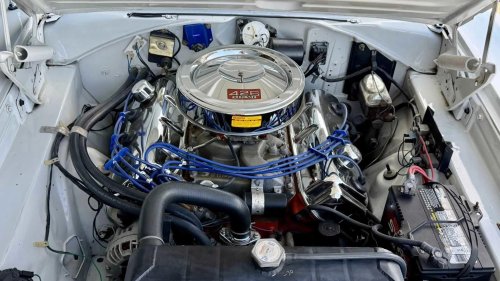
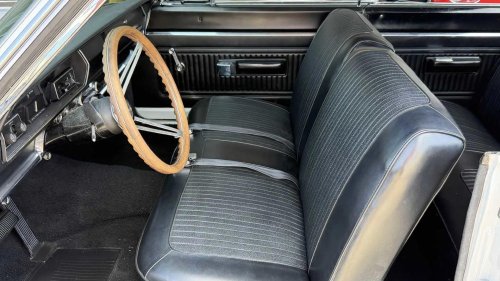
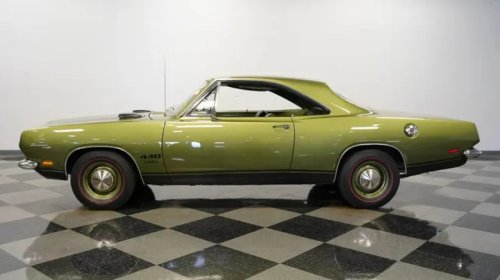
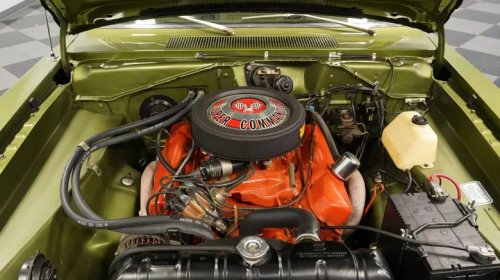
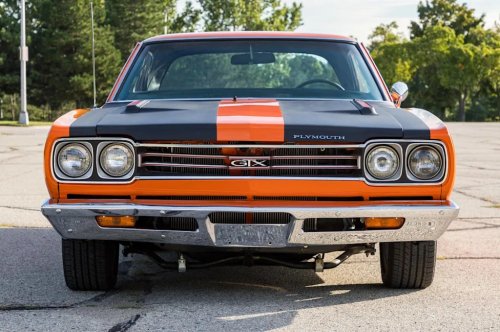
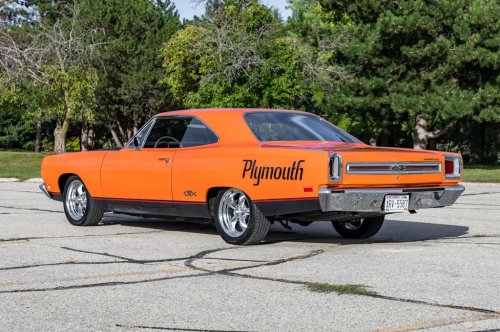
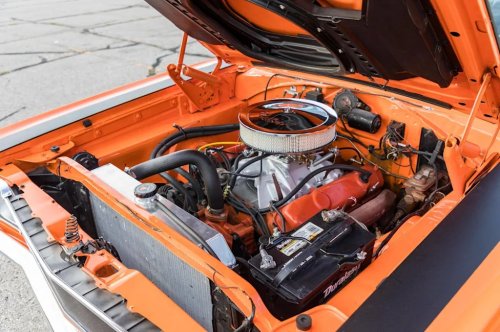
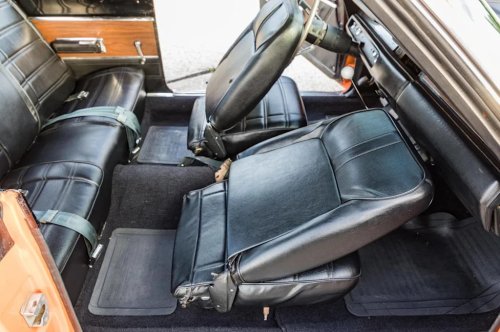
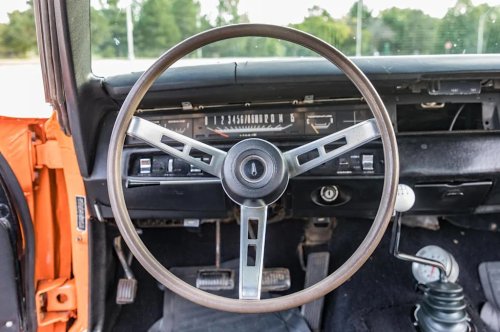
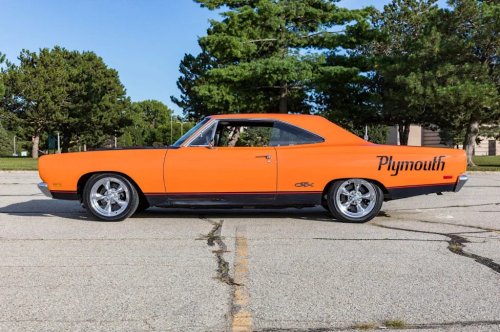
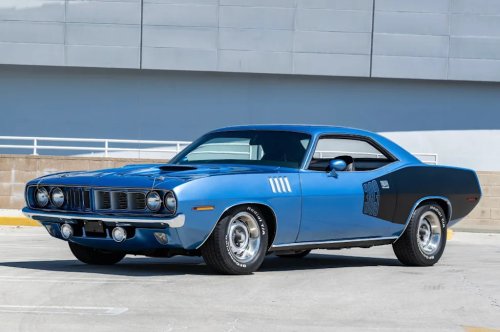
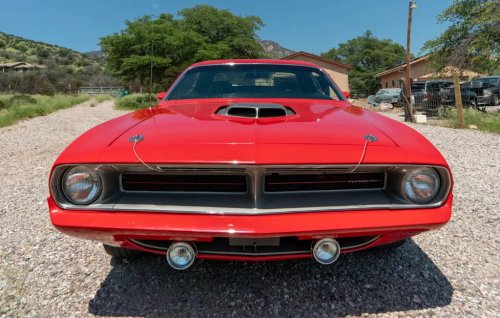
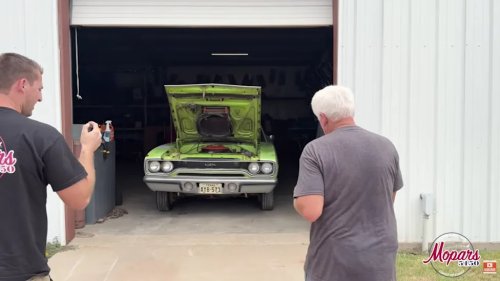
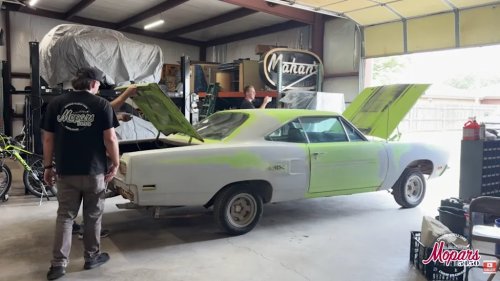
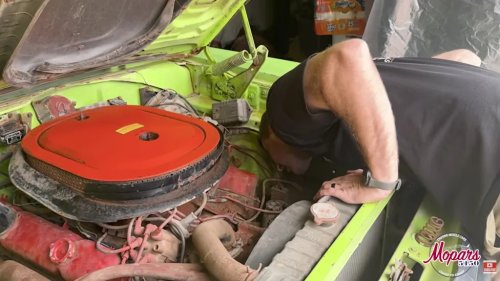
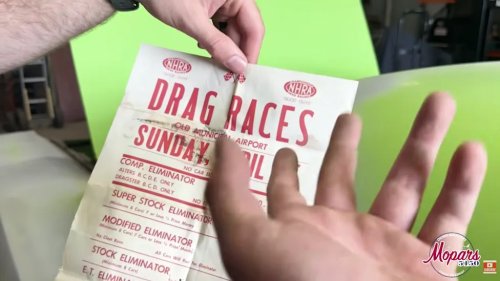
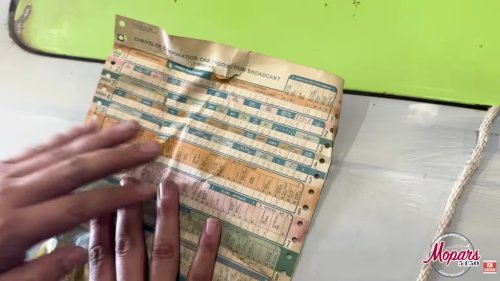
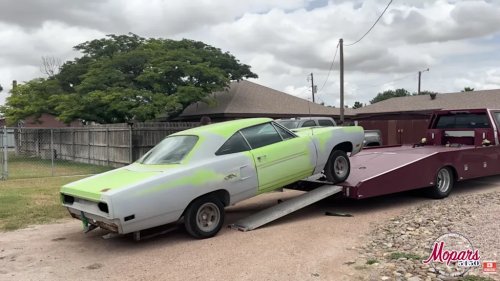
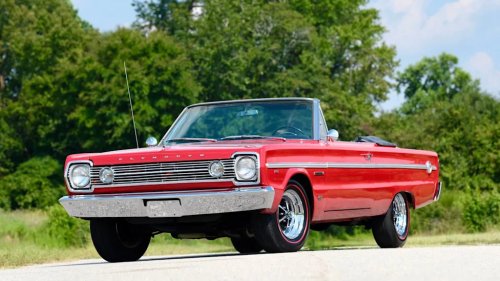
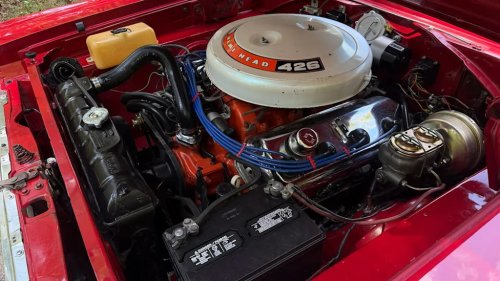
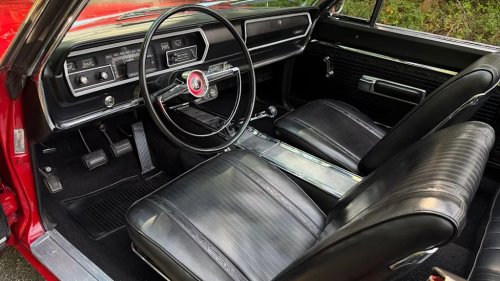
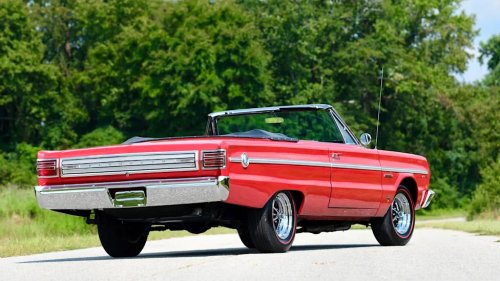
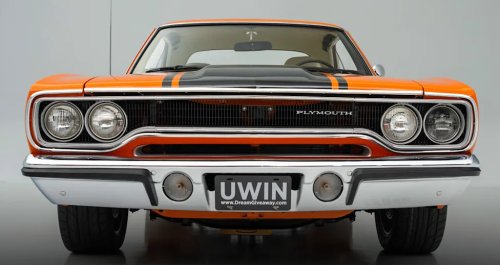
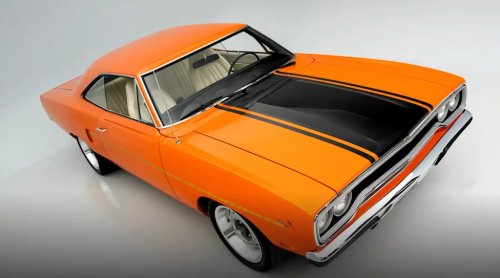
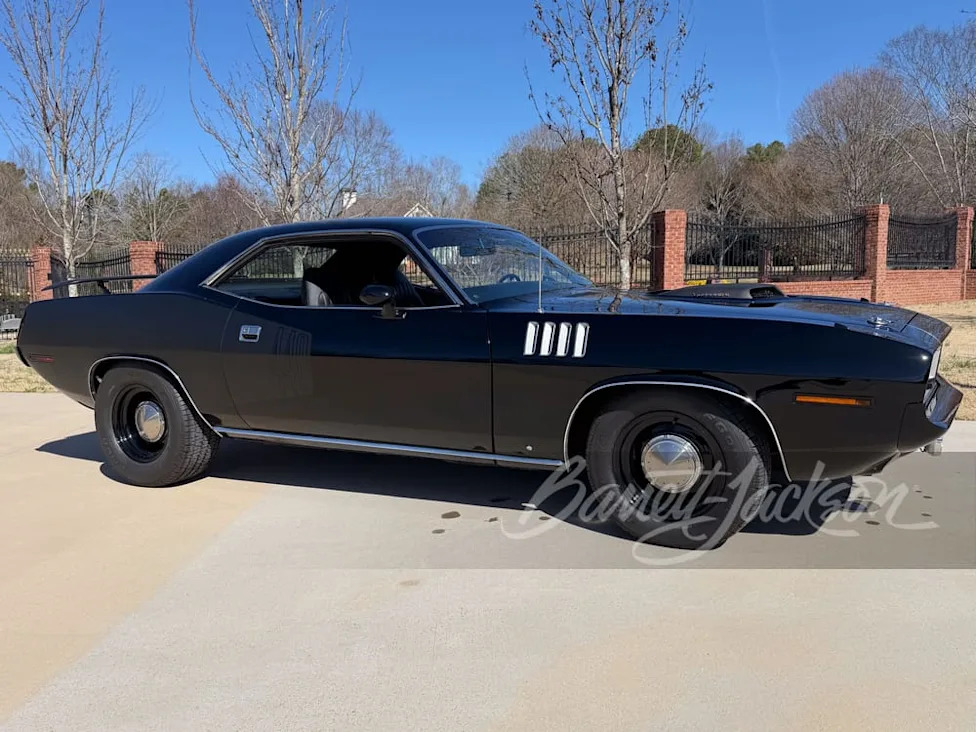
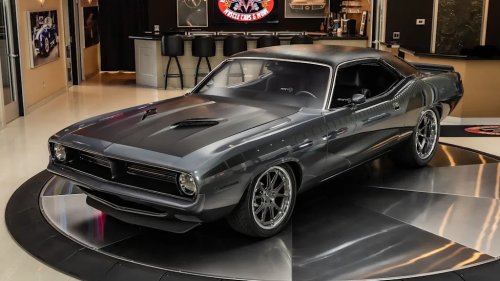
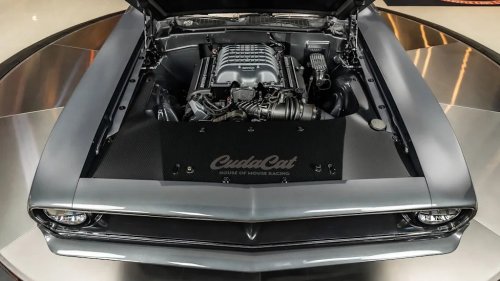
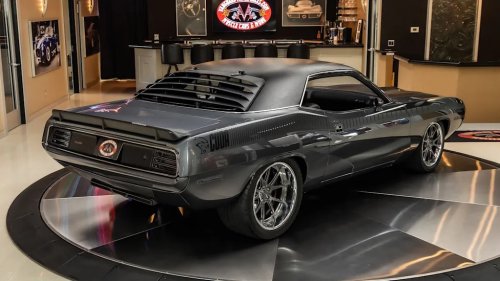
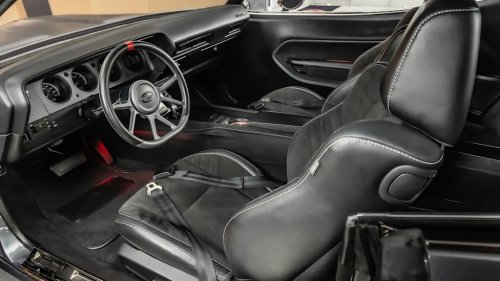
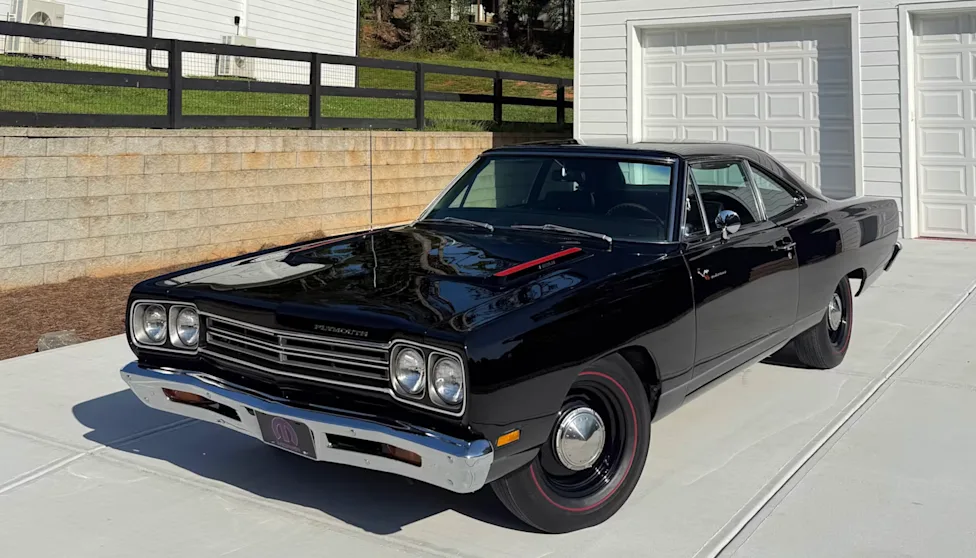
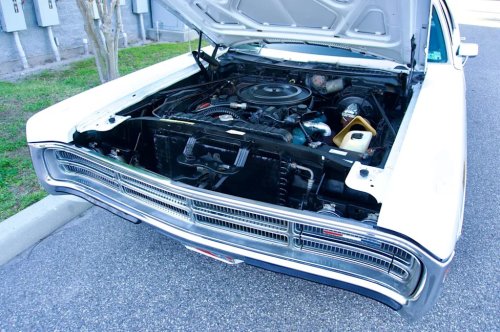
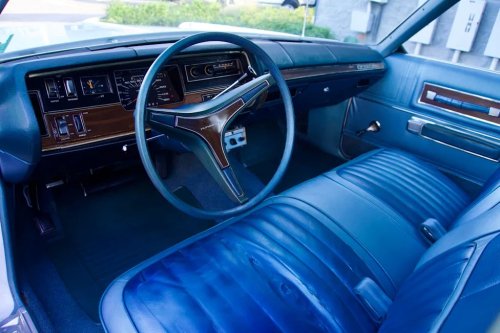
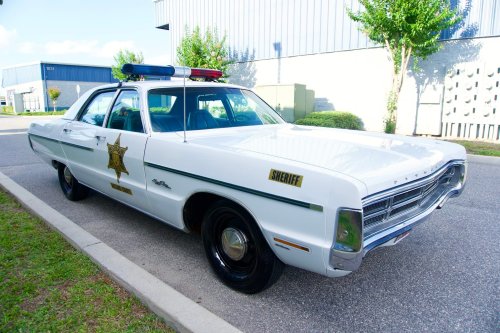
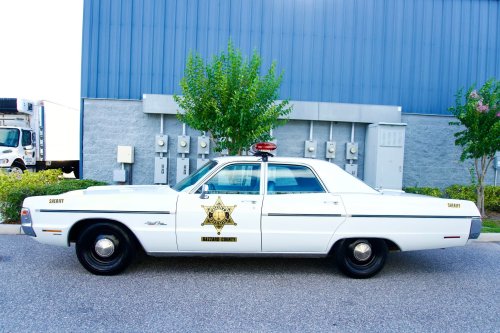
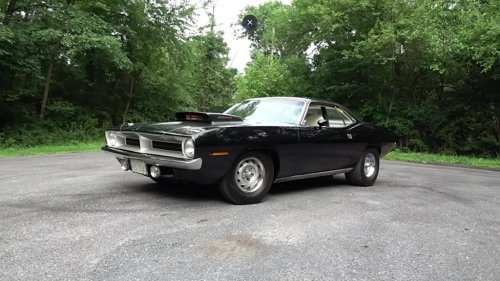
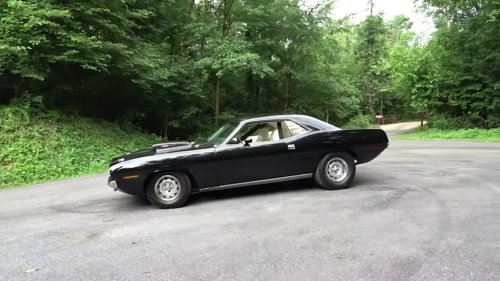
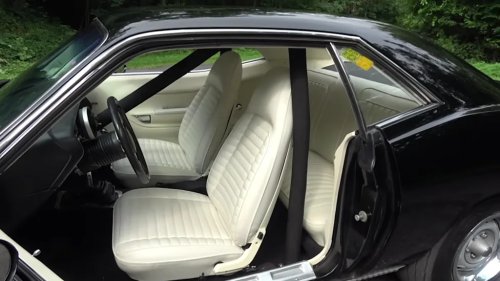
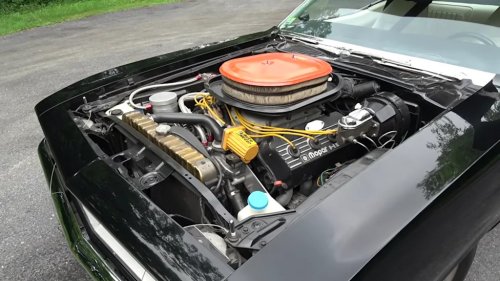
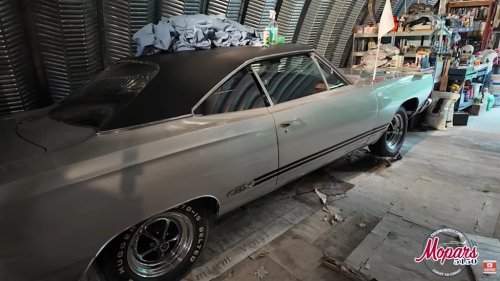
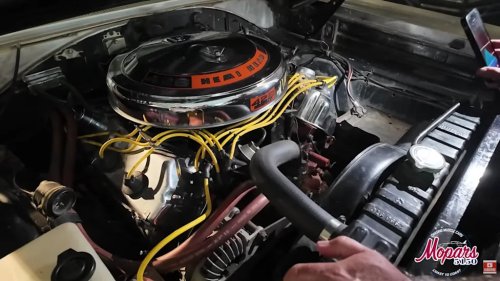
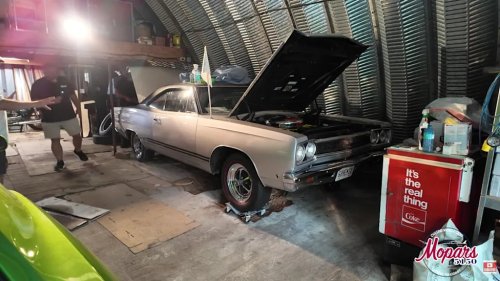
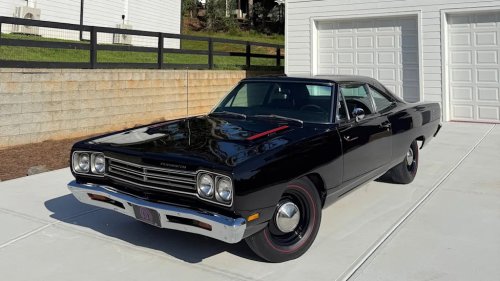
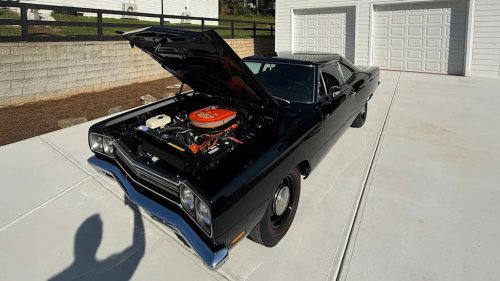
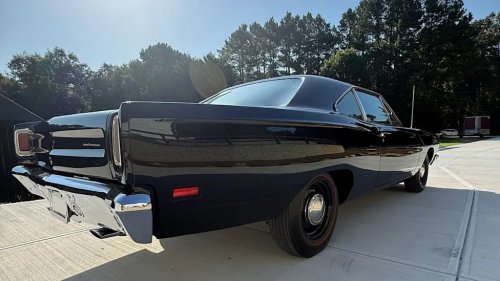
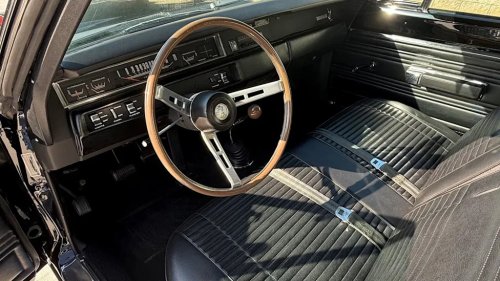
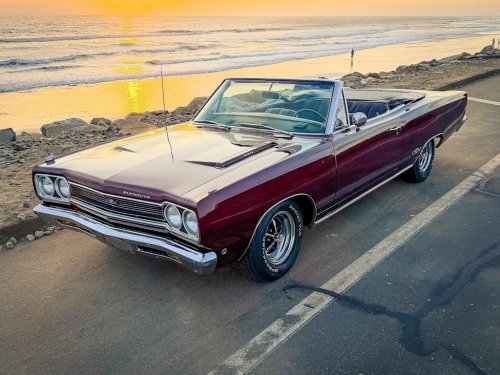
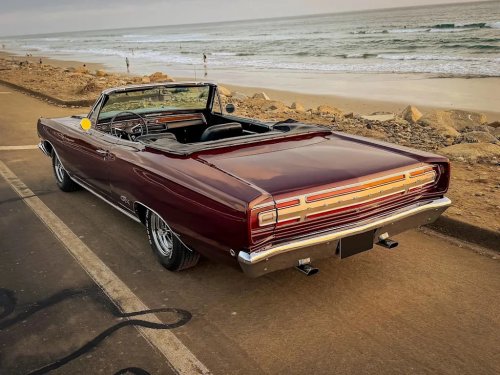
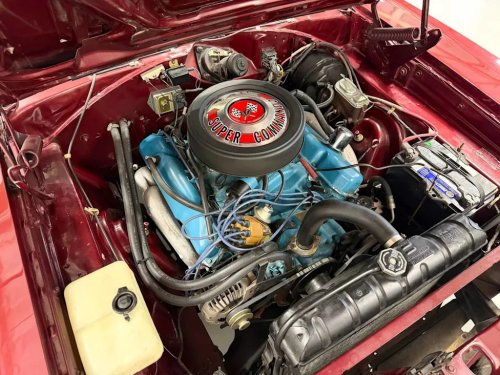
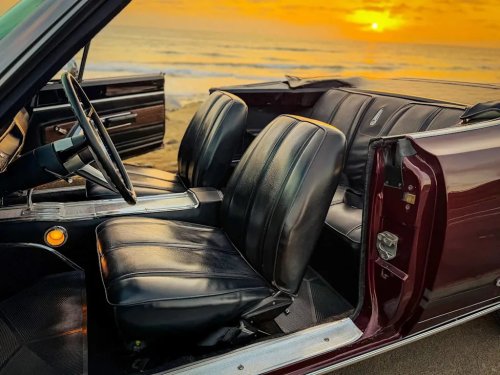
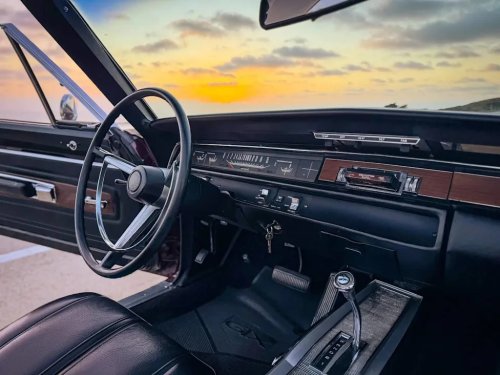
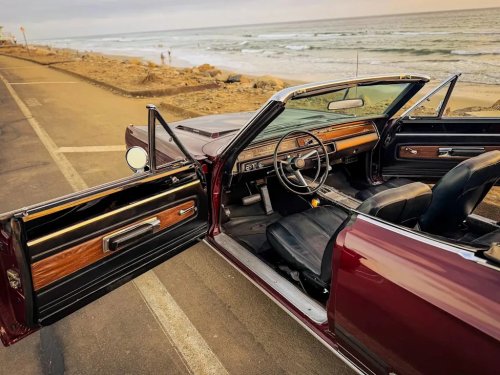
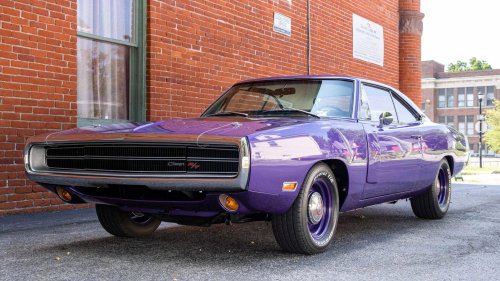
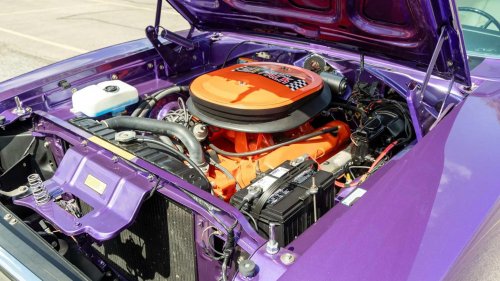
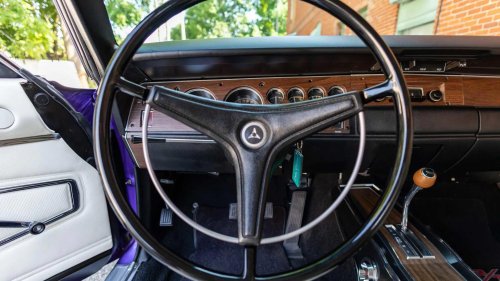
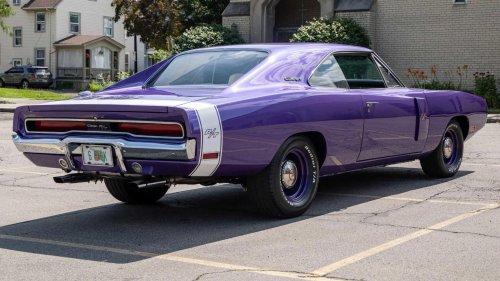
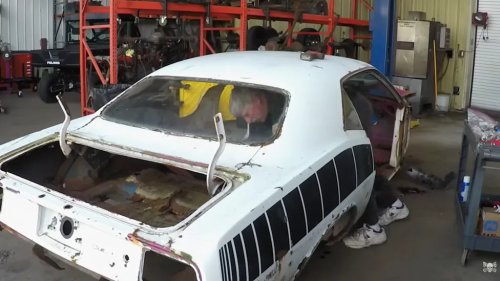
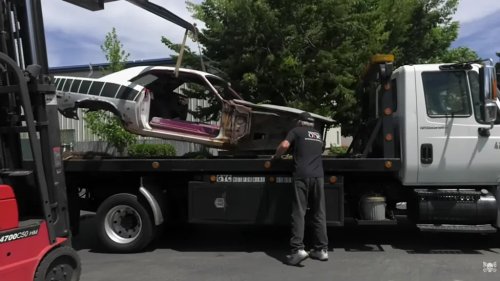
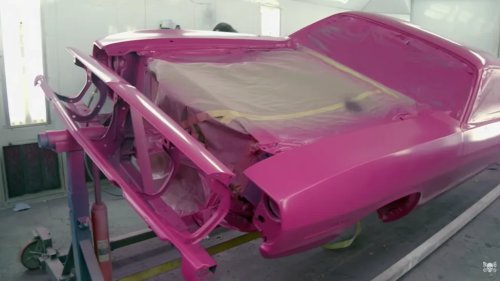
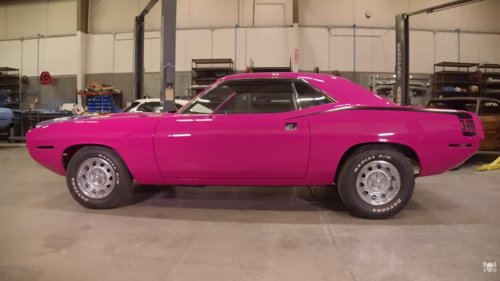
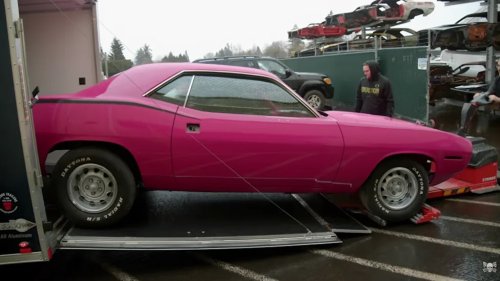
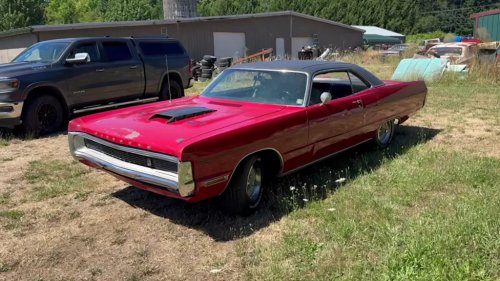
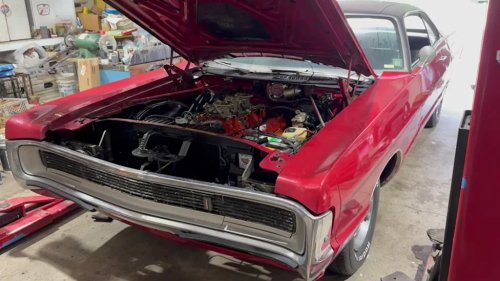
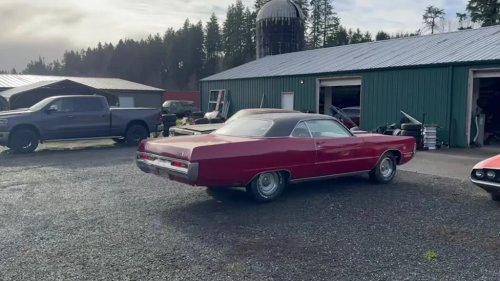
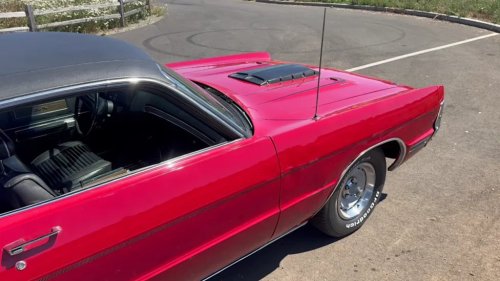
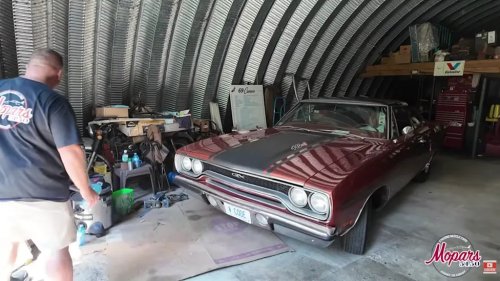
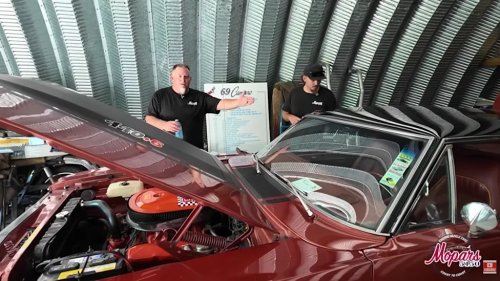
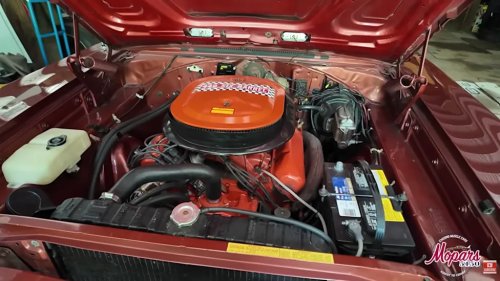
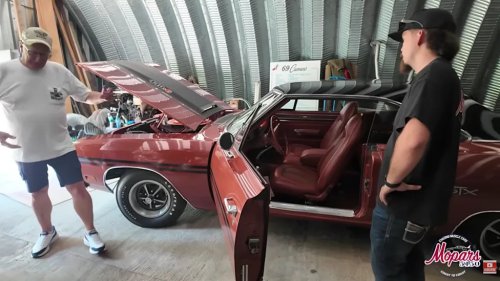
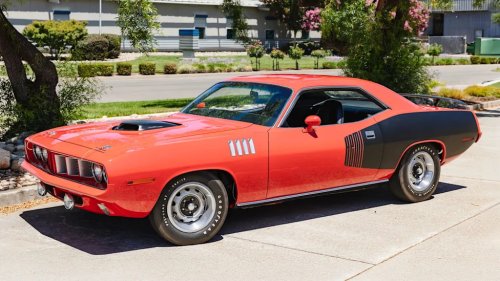
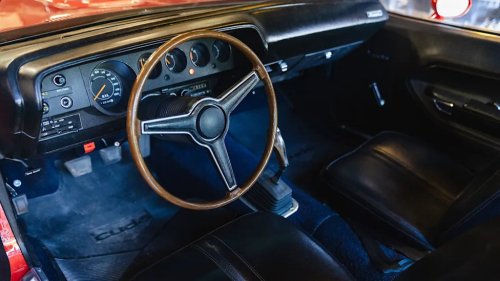
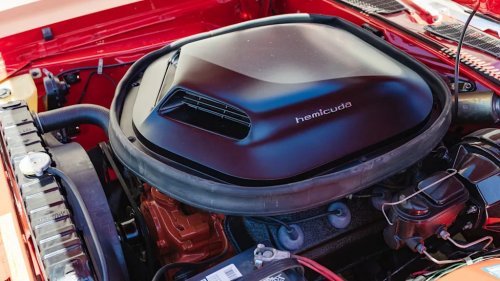
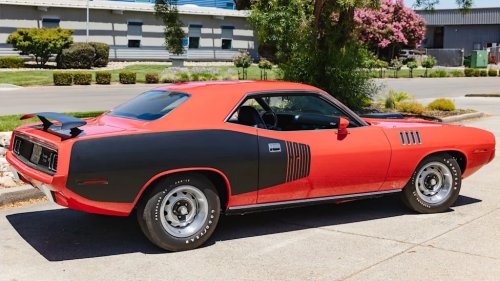
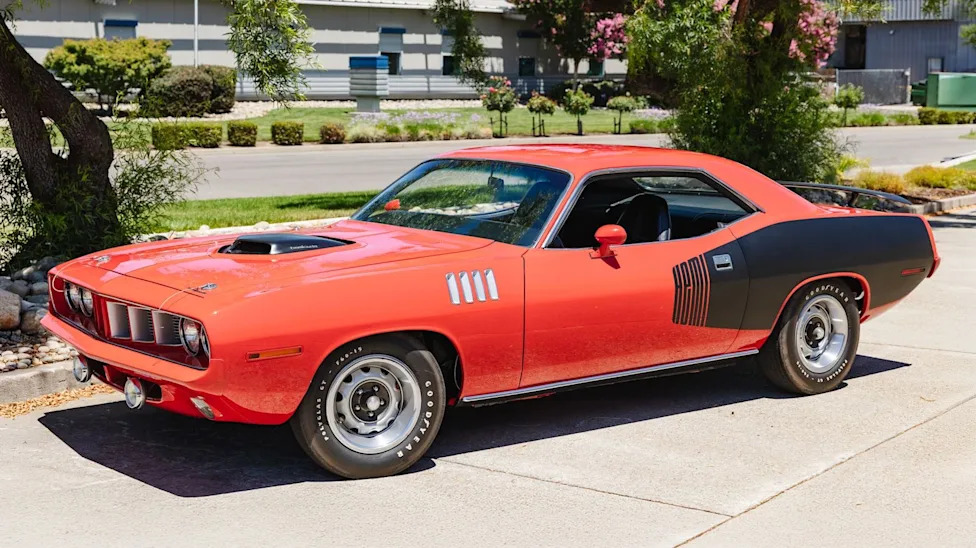
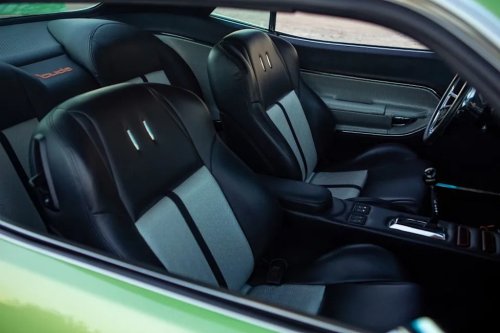
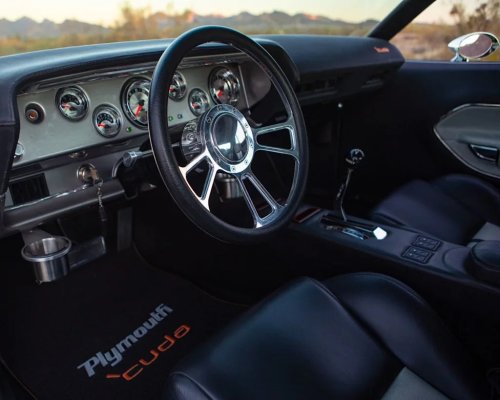
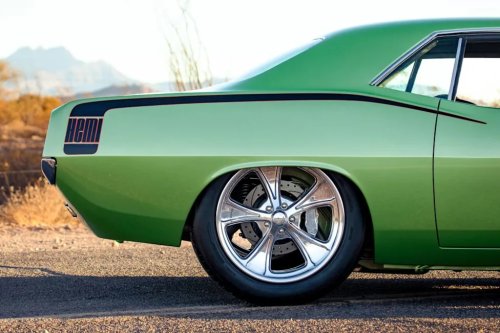
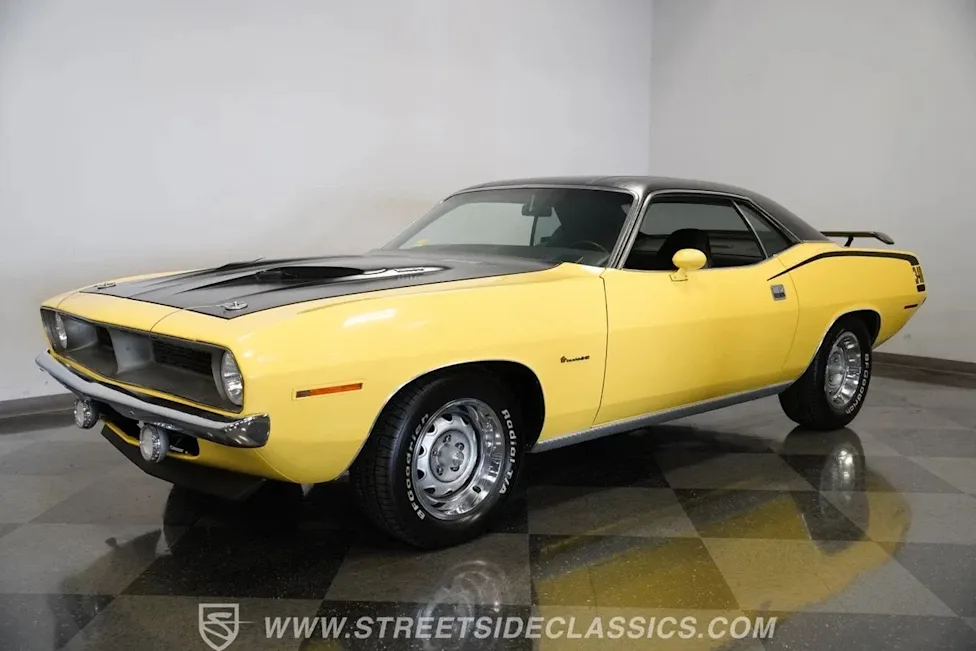
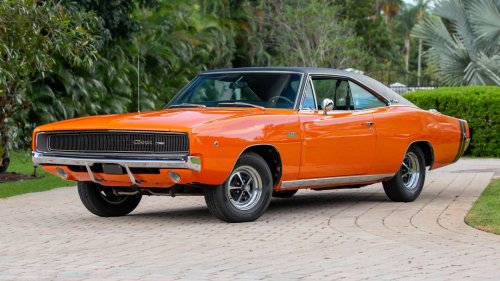
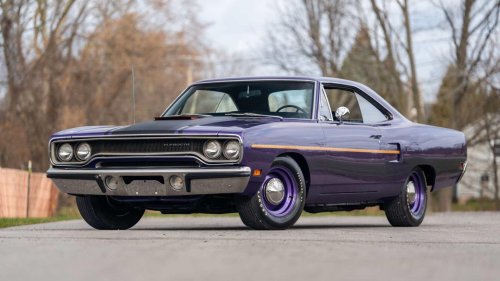
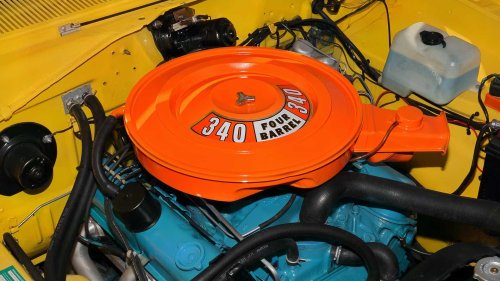
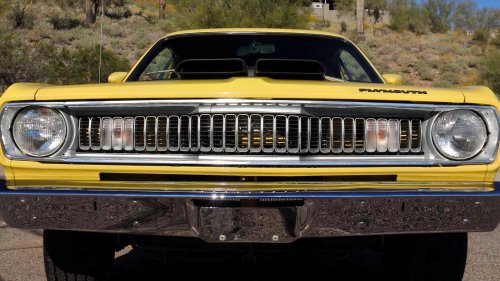
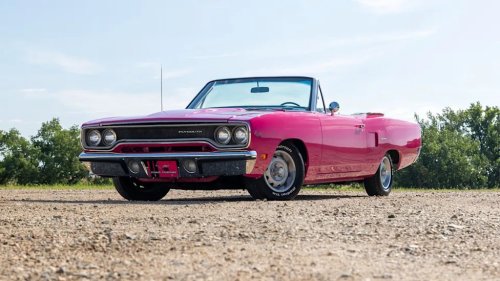
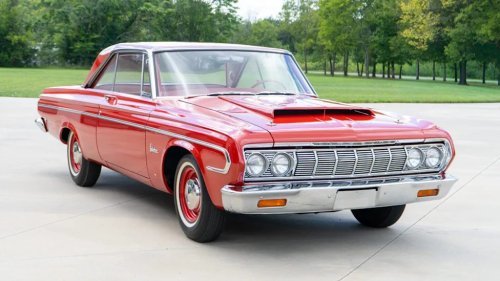
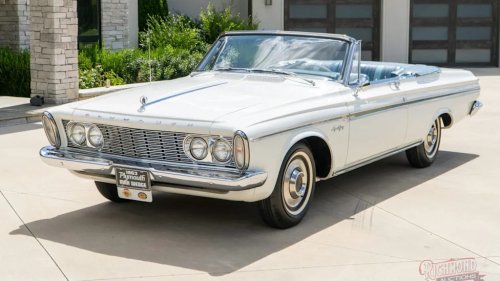
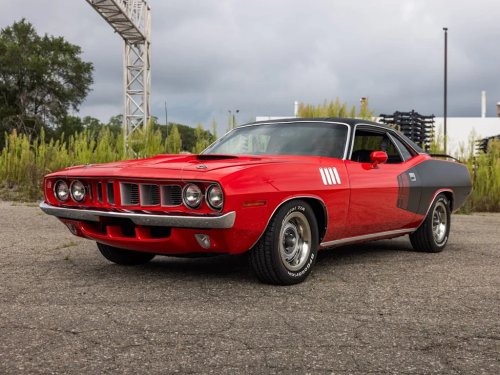
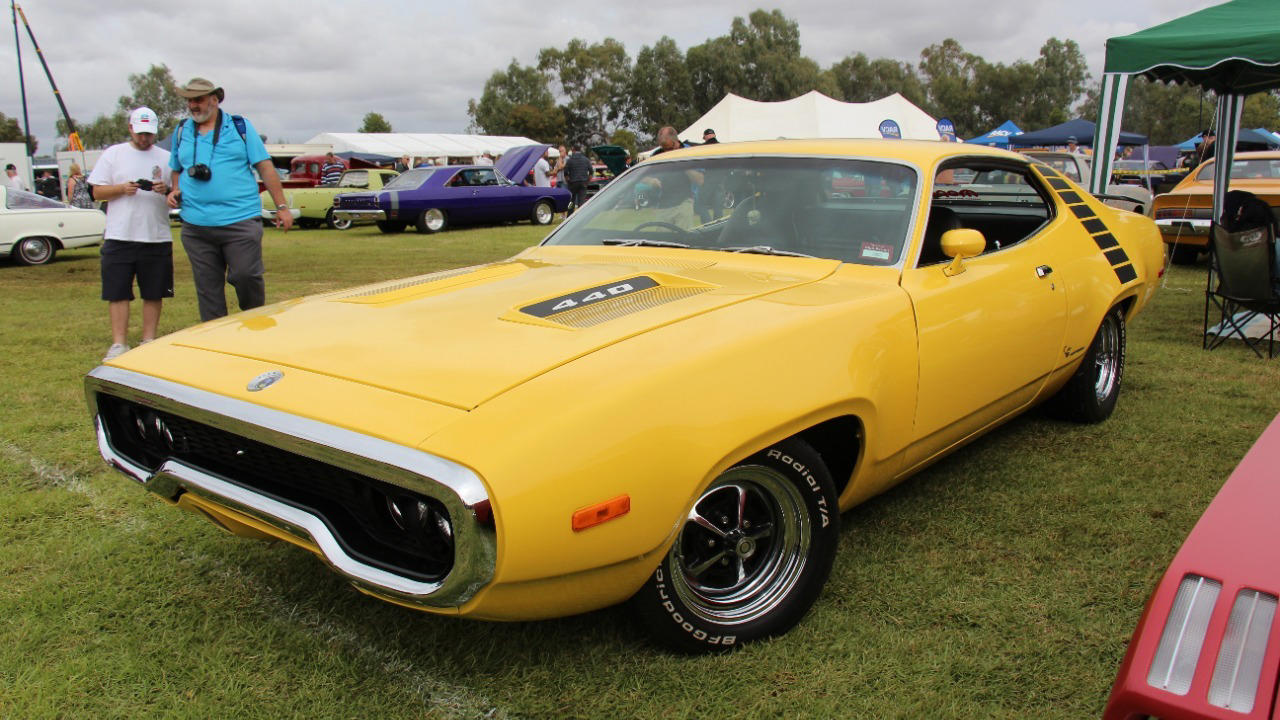
Arriving late didn’t stop the 1971 Plymouth GTX 440 from making an impactThe 1971 Plymouth GTX 440 arrived just as insurance surcharges, emissions rules and changing tastes were starting to squeeze the muscle car market. Instead of fading quietly, it combined a new body, big-block power and surprising refinement to create one of the era’s most distinctive performance coupes. Built in relatively small numbers and offered for only a single model year in this form, it has since turned into a cult favorite among Mopar loyalists and collectors who see it as a last stand for the classic big-block formula. A new body in a tightening era The 1971 model year brought a redesigned B-body with rounded, so-called fuselage styling and a shorter wheelbase. Period descriptions of the GTX emphasize how the new shape wrapped around the passengers and visually pulled the fenders and quarters into a single flowing form. Enthusiasts later highlighted that this design, with its wider rear track, gave the car a more planted stance and improved handling compared with the slab-sided cars that came before, which helped the GTX stand out among other Chrysler products. Under the skin, the car was still every bit a big-block bruiser. A detailed walkaround of a survivor-grade example notes that the base 440 output was trimmed slightly by emissions changes, with lower compression and other tweaks cutting power by 5 horsepower to a rated 370. That reduction came as part of a broader shift that also included faster-acting choke operation and other drivability improvements, according to one enthusiast breakdown of emission restrictions. Contemporary coverage of the GTX often points out that the B-body redesign arrived just as regulators and insurers started to clamp down, which meant the 1971 car had to be more sophisticated than the raw street racers of only a few years earlier. The styling and chassis changes were not simply cosmetic; they were part of an effort to keep performance cars viable in a more hostile environment. The 440 at the center of it all At the heart of the car sat Chrysler’s famous 440 big-block, a powerplant that had already earned a reputation for massive torque and durability. In the GTX, the standard tune was the 375-hp Super Commando 440, a package that combined high-flow heads, a performance cam and a four-barrel carburetor. A detailed technical feature on the model describes how Plymouth paired that 375-hp 440 with a blacked-out grille, a pitstop-style fuel filler and a console-mounted tachometer to create a cohesive performance theme. On the road, that combination translated to strong acceleration and relaxed cruising. A later video review of a well-preserved example estimates that the engine likely produced around 375 horsepower in real-world trim and emphasizes that the car still runs and drives well decades later, reinforcing the reputation of the 440 as a stout and forgiving big-block. Even with the slight power reduction tied to emissions tuning, the engine remained one of the most muscular options in the marketplace. The 440 also gave the GTX a clear identity. While other brands experimented with smaller high-revving engines or budget-oriented packages, Plymouth positioned this car as a step-up model with serious displacement as standard equipment. That decision helped the GTX maintain credibility among enthusiasts even as the broader market began to move away from all-out performance. Six Barrel fury and the rare HEMI For buyers who wanted more than the standard Super Commando, Plymouth offered the 440 Six Barrel option, often written as 440+6. This setup used triple Holley carburetors on a performance intake manifold and could be paired with an Air Grabber scoop that opened to feed cold air directly into the engine bay. A period-style feature on the car describes how this triple-carburetor system, combined with the Air Grabber hardware, turned the GTX into what some enthusiasts call a refined brute. Enthusiast groups dedicated to the final model year have documented how buyers could also opt for the 440 Six Barrel rated at 385 horsepower, a combination that delivered ferocious straight-line performance while keeping the car within the GTX’s upscale brief. One community writeup on the 1971 lineup notes that Buyers could also for rare powertrains and additional luxury touches, underscoring how configurable the car was for its final season. Above even the Six Barrel sat the legendary HEMI. Coverage of the 1971 HEMI GTX points out that any HEMI-powered car came standard with a column-shifted TorqueFlite A-727 three-speed automatic, while those who preferred a manual could choose an A-833 four-speed at no extra cost. A detailed retrospective on this configuration highlights how the 727 and 833 transmissions gave HEMI GTX buyers a choice between effortless cruising and more involved driving. The HEMI itself was built in tiny numbers by this point, which has turned surviving cars into some of the most sought-after Mopar collectibles. Yet for many enthusiasts, the 440 Six Barrel strikes a sweeter balance of drivability, cost and character, especially in a car that was meant to combine performance with comfort. Luxury for grown-up muscle buyers The GTX had always been pitched as a more upscale alternative to the Road Runner, and that positioning carried through to 1971. A deep dive into the model’s history notes that the GTX had been one of Plymouth’s most upscale vehicles, sold at a premium with sporty standard equipment and only two engine options, the 440 and the HEMI. That same retrospective describes how The GTX balanced horsepower and interior comfort in a way that few rivals matched. Inside, the car typically featured high-back bucket seats, a center console and a Rallye dash with round gauges. One enthusiast description of a 440+6 example points to the upgraded suspension, the Rallye dash and other interior details as evidence that the GTX was designed as a gentleman’s muscle car. Another community feature on the final model year sums it up by saying that the GTX, with its blend of luxury and brute force, was Mopar’s gentleman’s muscle car, refined enough for the boulevard yet still fierce enough for the drag strip. That positioning mattered because by 1971 the market for bare-bones street racers was shrinking. Buyers with the money to purchase a new performance car increasingly wanted comfort, style and image along with quarter-mile times. Plymouth leaned into that shift, giving the GTX a more mature character without stripping away the elements that made it exciting. How late arrival hurt sales but built mystique Despite its strengths, the 1971 GTX arrived just as demand for full-size muscle cars was collapsing. A detailed production overview notes that less than 3,000 units were manufactured in 1971, a figure that reflects both the car’s late entry into a cooling segment and the broader economic and regulatory pressures of the time. A video profile of the car reinforces that the Plymouth GTX is considered one of the coolest muscle cars ever produced, yet it never sold in large volumes. Another enthusiast analysis of the period points out that the production numbers tell a larger story of supercars expiring with buyers in 1971, as the shift to personal and luxury coupes was already underway. That perspective helps explain why such a capable and stylish car struggled in the showroom. It was not a flawed product so much as a victim of changing priorities and rising costs. The rarity that resulted has had a powerful effect on the car’s modern reputation. Collectors now seek out specific combinations of color, drivetrain and equipment, with particular attention paid to low-production variants such as 440 four-speed cars. One enthusiast post highlights a 1971 Plymouth GTX 440 4-speed that is 1 of 327 built with that factory combination, a figure that underscores how scarce some of these cars are in original form. Styling details that set the GTX apart Beyond the overall fuselage shape, the 1971 GTX incorporated distinctive styling cues that still draw attention at shows. A detailed enthusiast review mentions how Plymouth’s solution for giving the car a more aggressive face was to black out the grille, pair it with hood graphics and integrate the pitstop-style fuel filler into the quarter panel. The result was a car that looked purposeful without resorting to excessive add-ons. The Air Grabber hood is one of the most memorable features. A video tour of a well-preserved example explains that the air grabber hood is operated by a vacuum canister and a switch inside the vehicle, and that it could be paired with a pistol grip shifter and a long hood that visually stretched the car’s profile. That combination of functional hardware and theatrical flair made the GTX instantly recognizable even among other Mopar products. Side stripes, optional rear spoilers and bright wheel packages completed the look. Enthusiast groups often point to surviving cars that retain original paint and trim as evidence of how well the design has aged. Even in subdued colors, the proportions and details give the car a strong presence. Relationship to the Road Runner and the end of the line The GTX shared its basic platform with the Road Runner, but the two cars targeted different buyers. The Road Runner was marketed as a more budget-conscious muscle car, while the GTX was positioned as a step up with more standard equipment and a more refined image. A later video history of the Plymouth Roadrunner GTX notes that Plymouth discontinued the standalone GTX in 1971, but the badge reappeared in 1972 on Road Runners equipped with an optional 440 cubic inch V8. That retrospective points out that Road Runners with that package carried the GTX name until 1974. That shift effectively turned the 1971 GTX into a one-year-only configuration in its original form. Enthusiasts looking back often describe it as a grand finale for the pure GTX concept, with later cars treated more as option packages than standalone models. The decision to fold the badge into the Road Runner lineup also reflected the shrinking space for multiple big-block performance coupes within the same brand. Among Mopar fans, this final year status has only increased the car’s appeal. Collectors now see the 1971 GTX as a snapshot of a specific moment when manufacturers tried to reconcile regulation, insurance pressure and customer expectations without abandoning performance altogether. Collector interest and modern values In the modern collector market, the 1971 GTX has moved from underappreciated curiosity to blue-chip Mopar. A detailed valuation discussion focused on the 440 Six Barrel variant notes that, according to Hagerty, models with the 7.2 L 6 barrel V8 are valued at around $86,000. That same breakdown explains that the optional triple 2 barrel 440 setup lost only 5 horsepower, producing 385 horsepower, which makes it one of the most desirable combinations available on the car. Enthusiasts often cite that According to Hagerty valuation as evidence that the market has finally caught up with the car’s significance. Rarity plays a major role in those numbers. With total production under 3,000 units and far fewer cars built in high-spec combinations, the supply of original, unmodified examples is thin. Enthusiast communities on social media frequently share photos and build sheets for documented cars, including those with unusual color and option mixes, and treat each new discovery as a small event. More from Fast Lane Only Unboxing the WWII Jeep in a Crate 15 rare Chevys collectors are quietly buying 10 underrated V8s still worth hunting down Police notice this before you even roll window down



















 +40 others