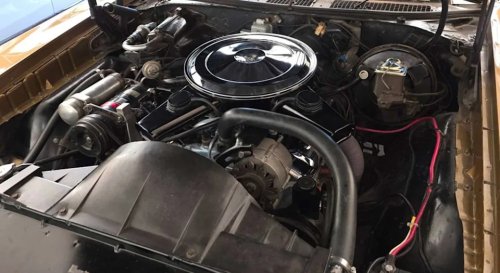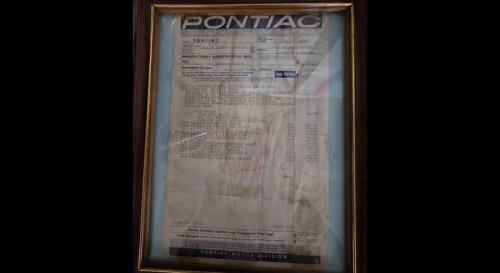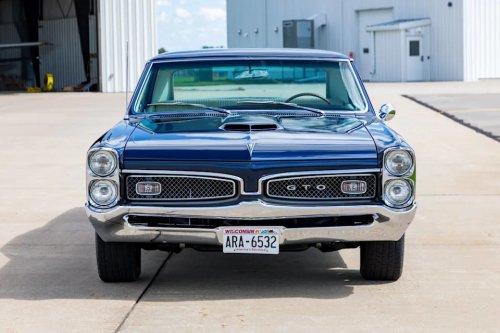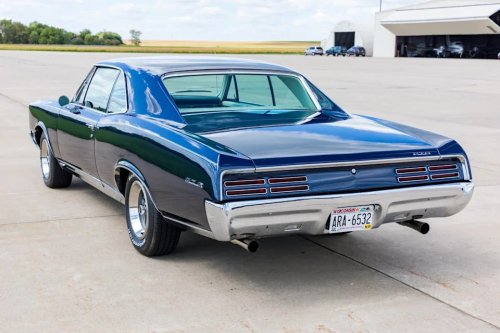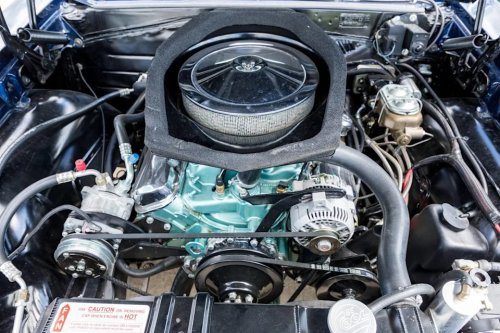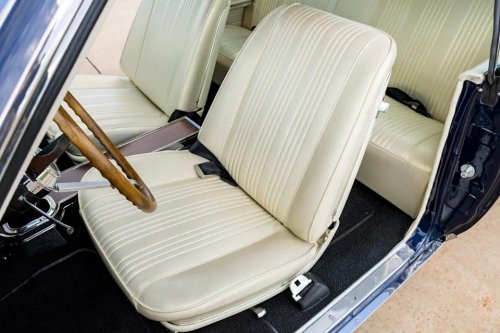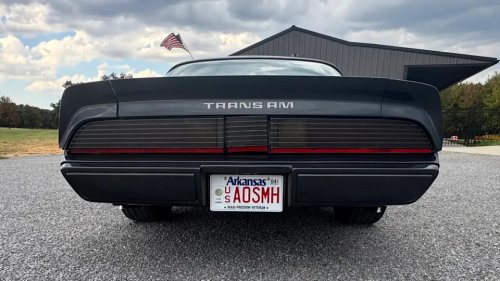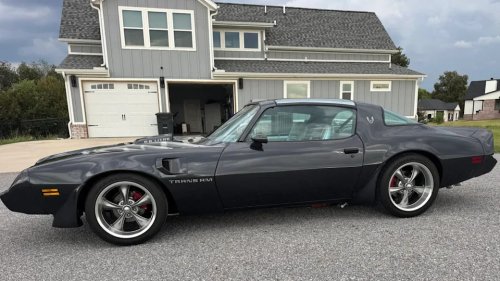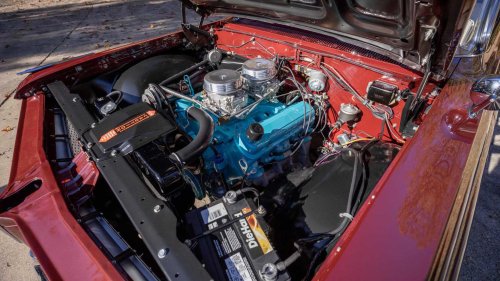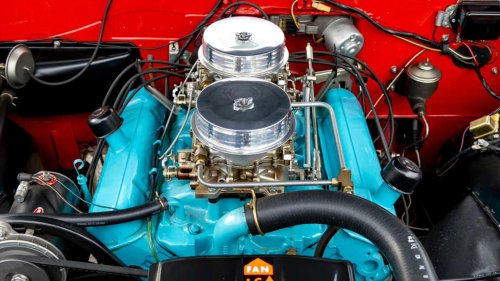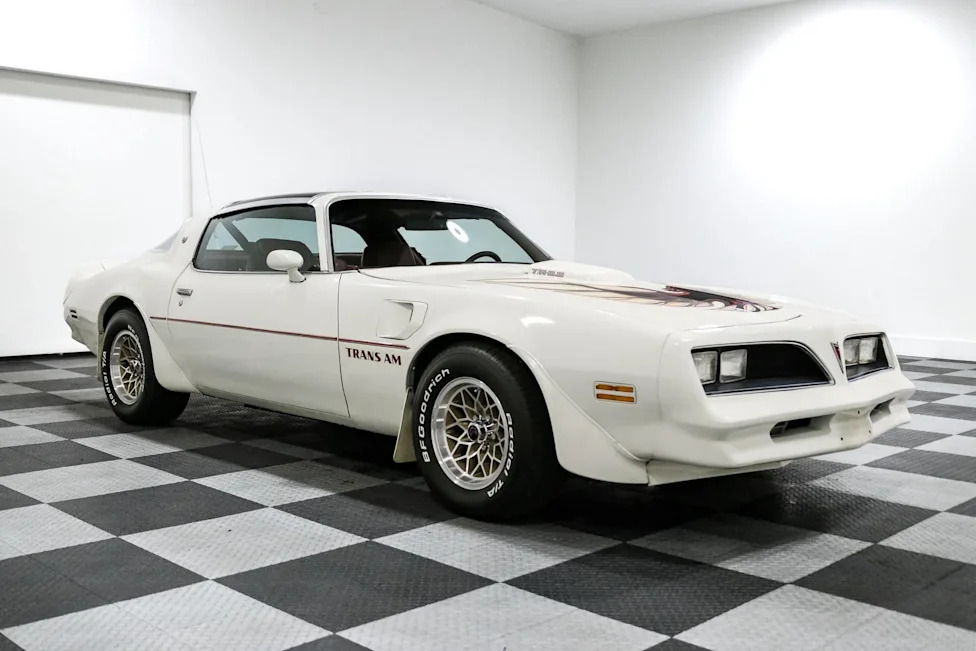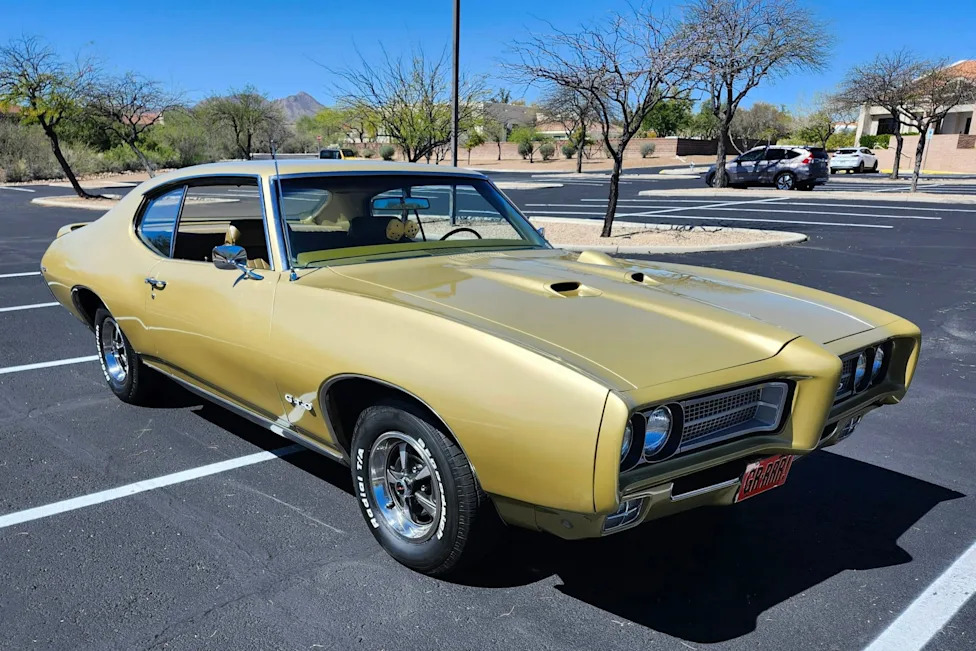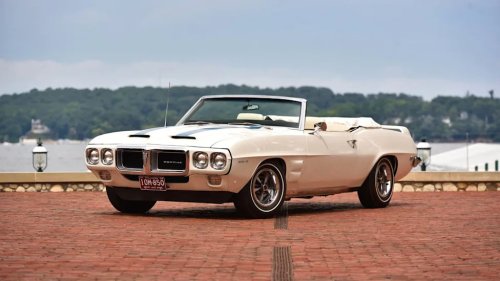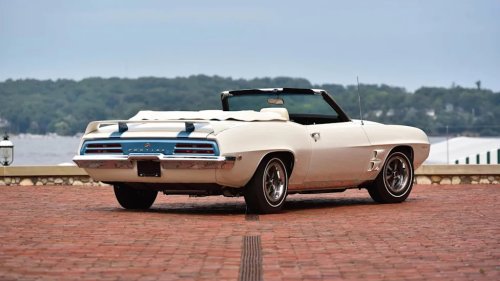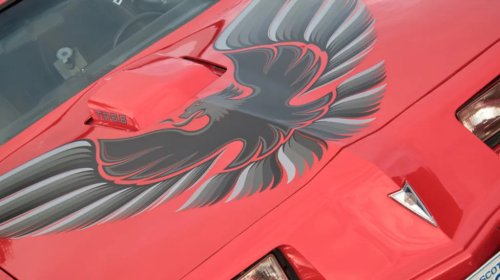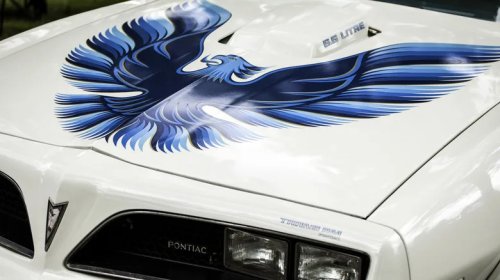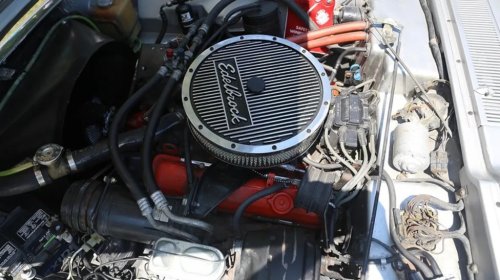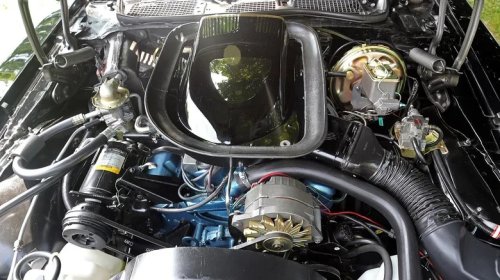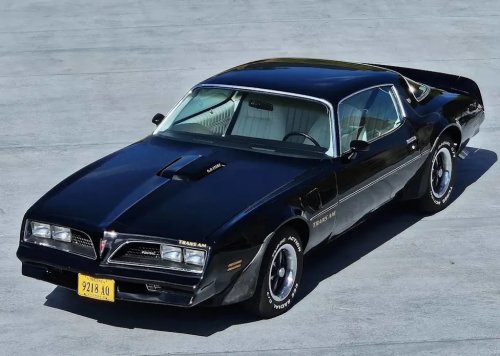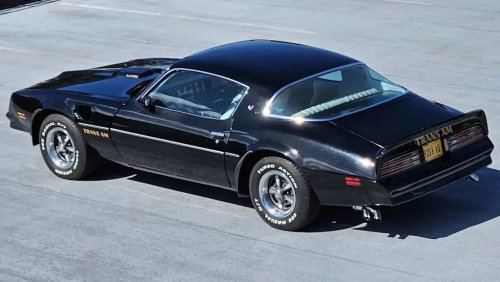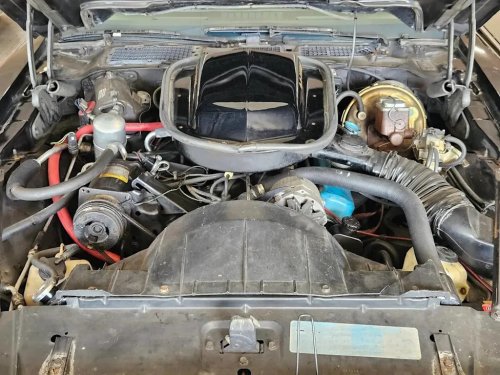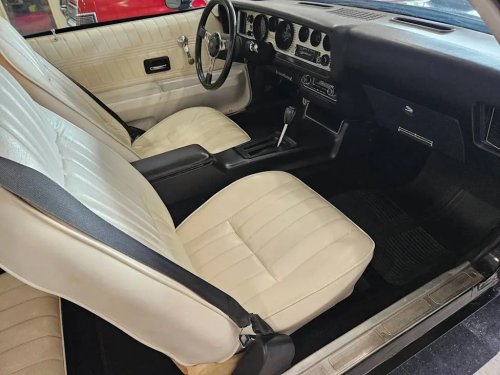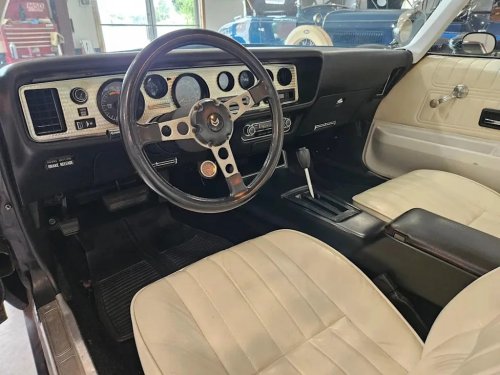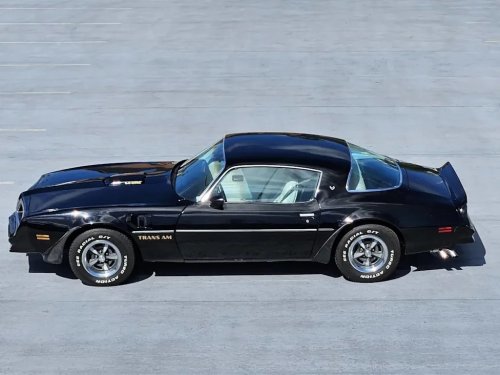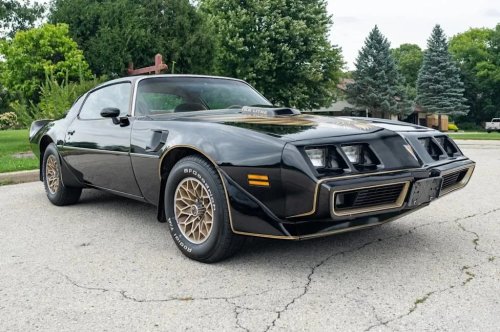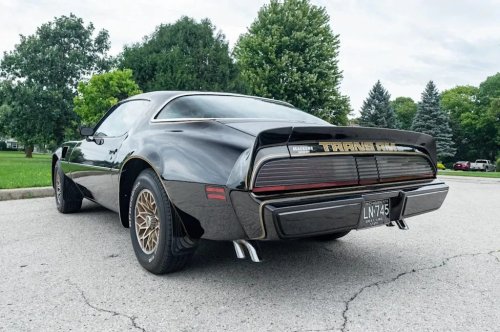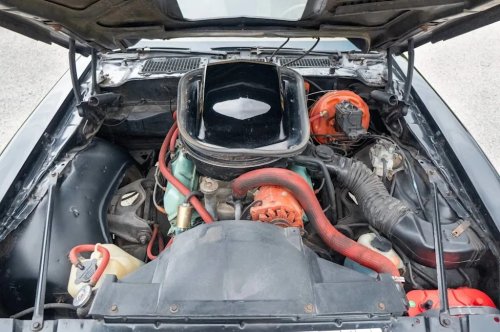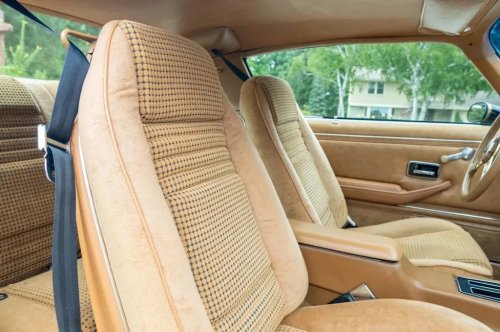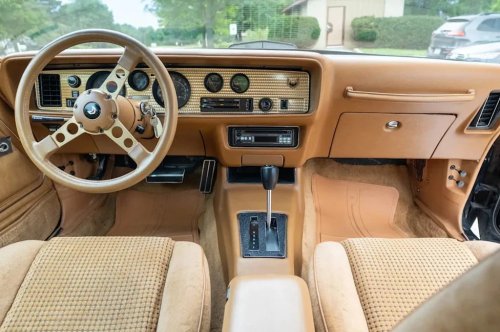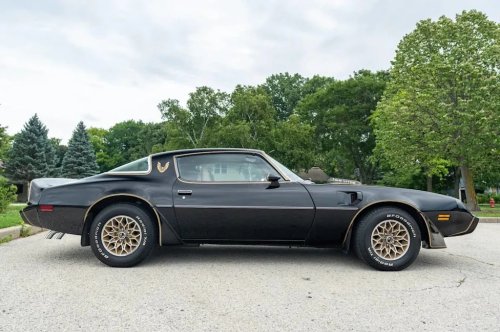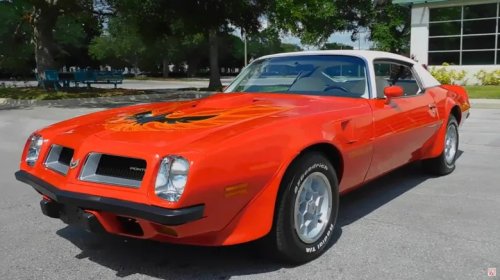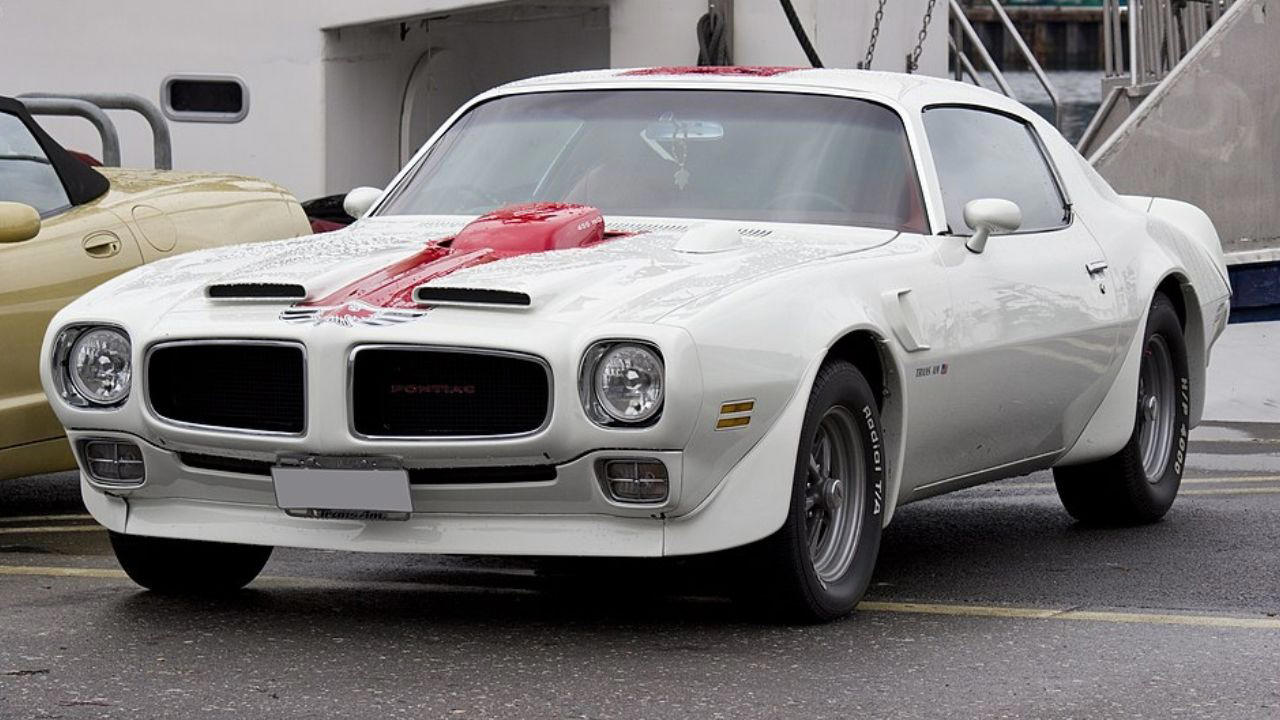



















Even as the era shifted the 1971 Pontiac Trans Am 455 HO held strongThe 1971 Pontiac Trans Am 455 HO arrived just as muscle cars were being choked by new emissions rules, rising insurance premiums, and a shift toward smaller, thriftier machines. Instead of retreating, Pontiac used its biggest engine and most focused chassis tuning to keep the Trans Am relevant, fast, and surprisingly sophisticated. More than five decades later, that decision still shapes how collectors, racers, and families remember this car. The pressure-cooker year that birthed the 455 HO Trans Am By 1971, performance cars were under siege from every direction. Compression ratios were falling, fuel quality was slipping, and corporate leadership across Detroit was trying to get ahead of regulations that were only getting tighter. Inside Pontiac, engineers and enthusiasts chose resistance over surrender, and they did it by fitting the Trans Am with the high output 455 cubic inch V-8 as its only engine. Accounts of the period describe the 1971 Trans Am as the bold, almost defiant face of American performance, a car that carried the Firebird line into what one source calls a kind of Muscle Bird in moment. While rivals trimmed back on displacement or quietly dropped their hottest packages, Pontiac kept the big engine on the menu and wrapped it in a body that advertised nothing but speed. That sense of defiance is echoed in coverage that frames the 1971 and 1972 Trans Am 455 HO as Pontiac’s answer to those who had effectively declared war on muscle cars. One report describes how the enthusiasts inside Pontiac refused to capitulate and instead stuffed the largest engine into a chassis that was still fully street legal, a move captured in detail in Nov analysis of strategy. How Pontiac reshaped the second-gen Firebird for performance The 1971 Trans Am sat atop a broader Firebird range that was already evolving into a more mature, better handling pony car. A detailed 1971 Pontiac Firebird lays out the basics: the Firebird line used standard hub caps and F70-14 blackwall tires, and carried “Formula” badging with CID identification numbering on certain models. Engine choices across the Firebird family spanned small and big V-8s, but the Trans Am was different. It took that architecture and focused it almost entirely on track-ready performance. Suspension tuning, steering feel, and braking hardware all aimed to turn the Firebird into something that could credibly be called a street legal race car. Contemporary descriptions of the 1971 Pontiac Firebird Trans Am emphasize that it was not just about straight-line speed, but about a balanced package that could handle high-speed corners and repeated hard use, a point reinforced in enthusiast discussions of the Pontiac Firebird Trans as a track capable machine. Within that lineup, the Pontiac Firebird Formula played a supporting role. The 1971 Pontiac Firebird Formula is often described as a standout in the second generation of Firebirds from 1970 to 1981, offering a blend of style and performance that sat just below the Trans Am. Coverage of the Pontiac Firebird Formula highlights how it shared some mechanical DNA with the Trans Am while retaining a slightly more understated appearance. Inside the 455 HO: engineering a last stand for big cubes The centerpiece of the 1971 Trans Am story is the 455 HO engine itself. Pontiac’s OHV V-8 architecture was already well established, but the high output version used for the Trans Am combined large displacement with carefully selected cylinder heads and breathing components. A detailed specification sheet for a 1971 Pontiac Trans Am lists the engine as a Pontiac OHV V-8 with cast-iron construction, and notes special high flow cylinder heads as part of the Specifications and ENGINE package. Other sources reinforce that the 455 HO used high performance cylinder heads and was tuned specifically for the Trans Am. A widely shared description of a Lucerne Blue example notes that the only engine available in 1971 and 1972 Trans Ams was the 455 H.O., and that these engines used high performance components to keep output strong despite lower compression and stricter emissions standards. That detail is captured in coverage of Trans Am 455 and their unique hardware. Transmission choices were equally serious. One featured car is documented with an M22 Rock Crusher four speed, air conditioning, and deluxe interior trim. The seller of that car describes it as factory equipped with the most sought after and hardest to find option combination, a phrase that underscores how rare it was to see a Trans Am that blended hardcore mechanicals with comfort features, as detailed in the Rock Crusher and listing. Enthusiast restorers continue to highlight how the 455 HO cars were often paired with aggressive gearing. One fully restored example is described as a 71 455 HO four speed car with numbers matching drivetrain and upgraded 373 g rear gears, a combination that sharpened acceleration even further, according to a listing for a 71 455 HO Trans Am. Production numbers, rarity, and the 2,116 question One reason the 1971 Trans Am 455 HO looms so large in collector circles is simple scarcity. A widely cited figure claims that only 2,116 Trans Ams left the factory in 1971, all with the 455 H.O. engine, a number that appears in a popular social media post that describes the model as super rare and emphasizes that only 2,116 such cars were produced in that year. That figure is repeated in a video walkaround that introduces a 1971 Pontiac Trans Am 455 HO as “super rare 2116 produced,” a phrase used in the description of a 1971 Pontiac Trans car. Other documentation offers a slightly different lens. A detailed breakdown of 1971 Firebird production lists total Firebird numbers and splits them by transmission. Under the heading Production Numbers, the Model Firebird is shown with 2,778 manual cars, 20,244 automatic cars, and a Total of 23,022 units. The same page lists the Model Esprit with 947 manual cars and a much larger number of automatics, illustrating how rare performance oriented configurations were compared with the broader Firebird population, as detailed in the Production Numbers for. Some sales listings refine the Trans Am specific count even further. One description of a 1971 Pontiac Firebird Trans Am 455 H.O. with a four speed manual transmission refers to the car as one of only 885 Trans Ams produced in 1971 with the potent 455 H.O. motor and four speed manual transmission. That listing positions the car as a genuine muscle car legend precisely because of this combination of 885 cars and the 455 engine, a detail preserved in the One of 885 description. The exact split between total Trans Ams and those with specific transmissions may differ between sources, but the pattern is clear. The 1971 Trans Am 455 HO was built in far smaller numbers than the broader Firebird line, and cars with four speed manuals and performance gearing sit at the very top of the rarity scale. Styling that shouted performance, from Lucerne Blue to spoilers Visually, the 1971 Trans Am refined the second generation Firebird shape into something more aggressive. A prominent front spoiler, functional looking air intakes, and a rear spoiler gave the car a purposeful stance that matched its mechanical intent. One enthusiast page describes the 1971 Pontiac Firebird Trans Am as the bold face of American muscle, and refers to it as The Muscle Bird in Full Flight The, language that captures how the styling turned the car into a rolling statement of intent. Color choices played a major role in that effect. Lucerne Blue is singled out in coverage of a 1971 Trans Am as a defining hue, with one post focusing on a 1971 Trans Am in Lucerne Blue and calling out the way the paint, striping, and spoilers work together to create a cohesive visual package. That description of Lucerne Blue Trans reinforces how color and graphics became part of the car’s legend. Earlier Firebird colors such as Starlight Black, Mayfair Maize, and Cameo Ivory, documented in factory paint references for late 1960s Firebirds, provide context for how Pontiac evolved its palette. Listings for Starlight Black, Mayfair Maize, and Cameo Ivory on paint reference sites linked from the Pontiac Firebird Fact Sheet Over Drive Magazine show the broader Firebird color story, while the Trans Am leaned on bolder blues and whites to stand apart, as seen in the Discovered Pontiac Firebird paint data. Pricing, equipment, and the value equation in 1971 For buyers in 1971, the Trans Am 455 HO represented a significant investment. A detailed specification sheet for a 1971 Pontiac Trans Am lists a Base Price of $5,352.52, a figure that placed it near the top of Pontiac’s performance range. That same sheet, which carries the heading Specifications and labels the engine section as ENGINE, underscores how carefully Pontiac documented the car’s hardware, as seen in the PRICE and Base breakdown. Standard equipment on the broader Firebird range included items such as F70-14 blackwall tires and functional identification for the engine’s CID on Formula models, as described in the Also featured Formula documentation. The Trans Am added heavy duty suspension components, spoilers, and performance oriented interior touches. Optional extras such as air conditioning, deluxe trim, and the M22 Rock Crusher transmission allowed buyers to tailor the car either toward comfort or maximum performance, a choice that affects collector value today. From quickest pony car by default to modern auction star As rival manufacturers pulled back from high performance packages, the 1971 Trans Am 455 HO found itself in an unusual position. One enthusiast video refers to the 1971 Pontiac Trans Am 455 HO as the car that became the quickest pony car by default, not because it got faster, but because Ford and Mopar quit the fight. That observation appears in a clip that highlights how Ford and Mopar stepped back from the horsepower war just as Pontiac doubled down. Today, that history translates into serious interest on the auction block. One documented sale attempt shows a 1971 Pontiac Firebird Trans Am 455 HO that attracted a high bid of 95K yet did not meet reserve. The listing describes the 1971 Pontiac Firebird Trans Am as powered by the high output 455 engine and refers to it as a true muscle car legend, a phrase that underscores how collectors now view these cars, as detailed in the Pontiac Firebird Trans auction result. Family stories add another layer to that value. One feature on a long owned 1971 Trans Am 455 H.O. describes how the car stayed within a single family, with each generation taking its turn behind the wheel. That feature draws on the same specification sheet that lists the Base Price of $5,352.52 and the Pontiac OHV V-8 engine, and it illustrates how the car’s mix of rarity, performance, and personal history keeps it relevant to both older enthusiasts and younger fans. More from Fast Lane Only Unboxing the WWII Jeep in a Crate 15 rare Chevys collectors are quietly buying 10 underrated V8s still worth hunting down Police notice this before you even roll window down