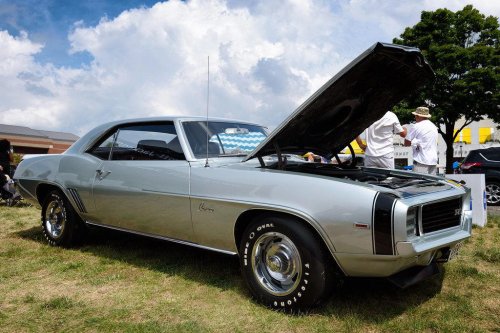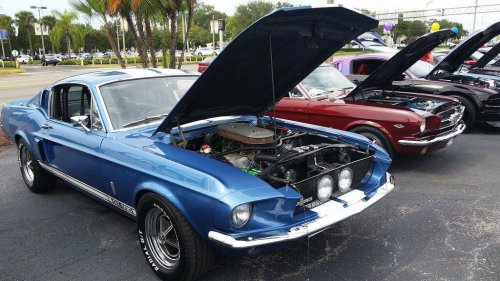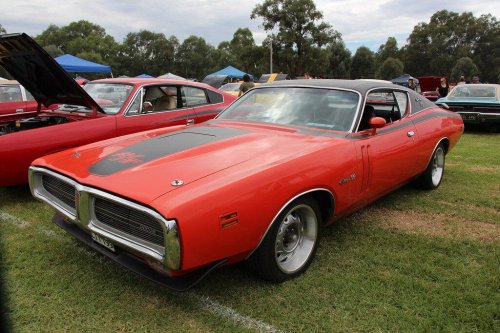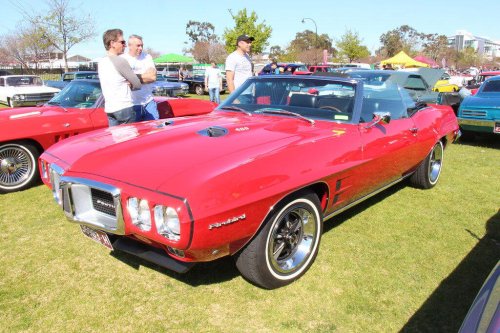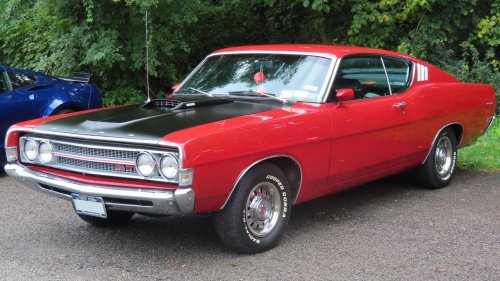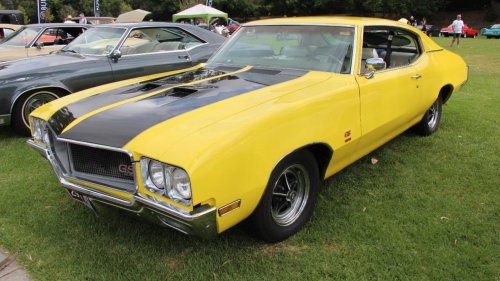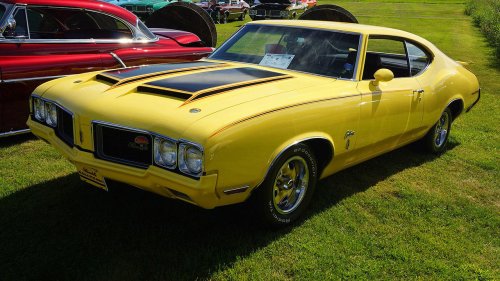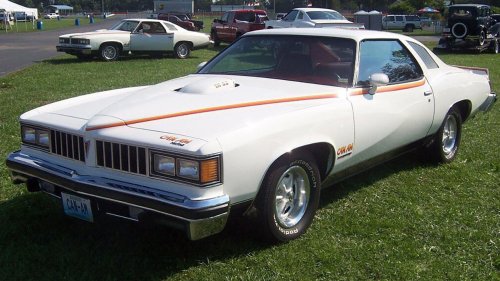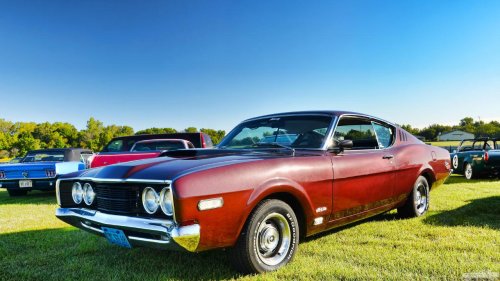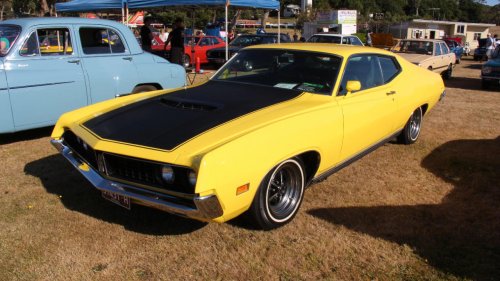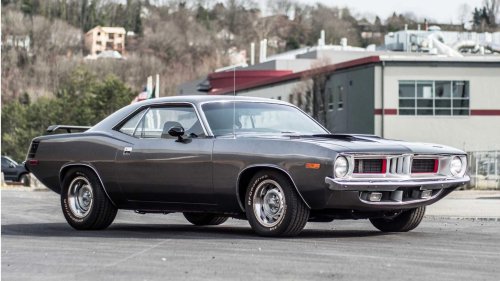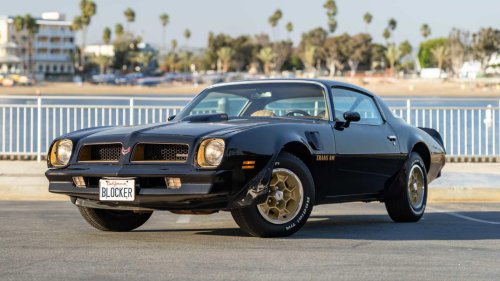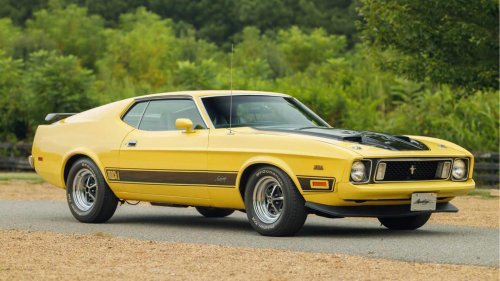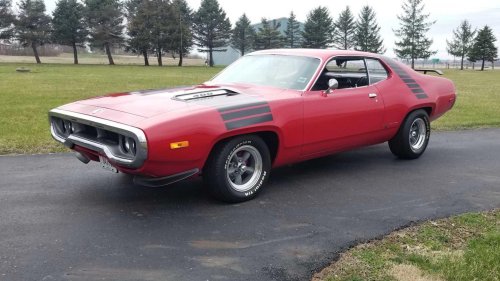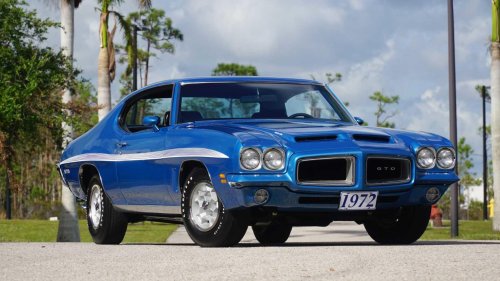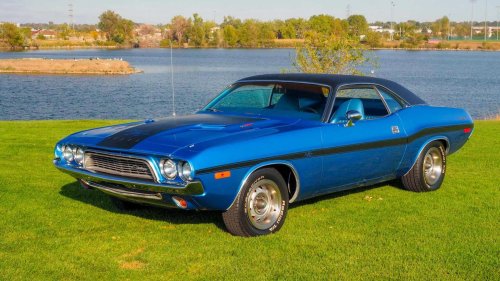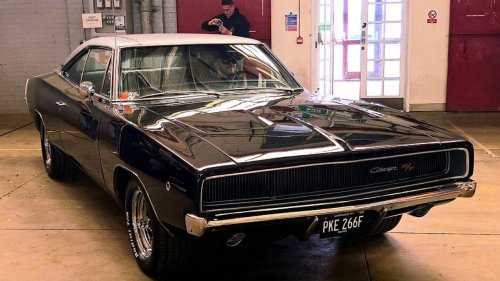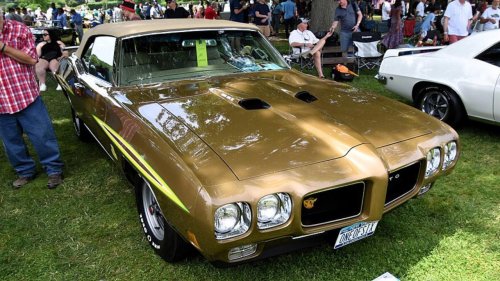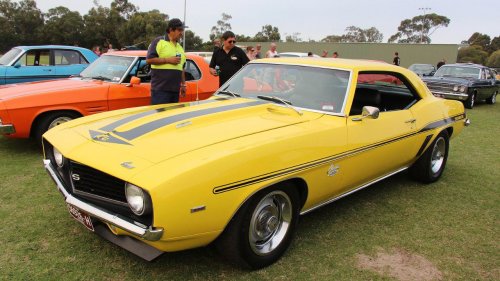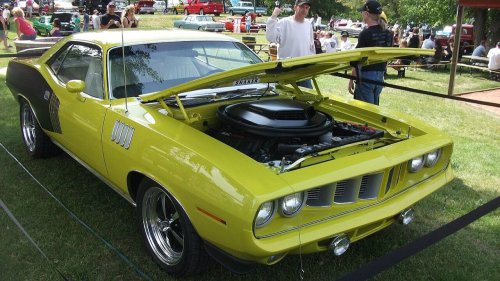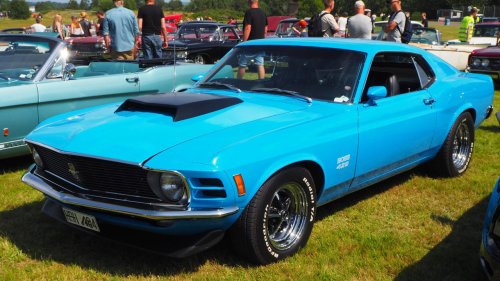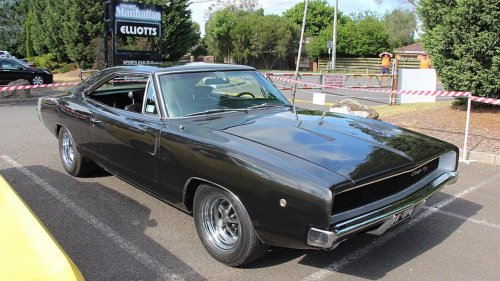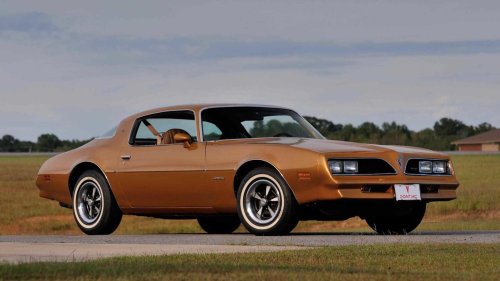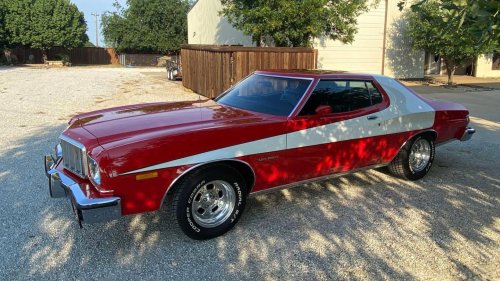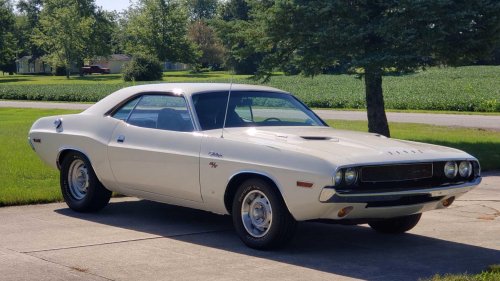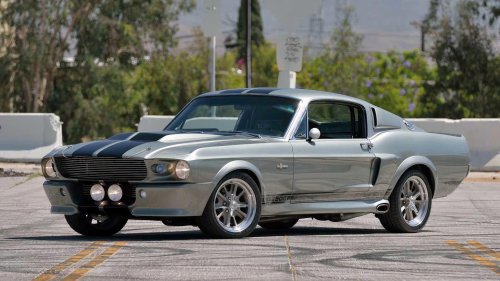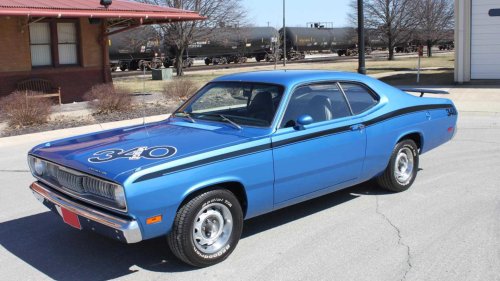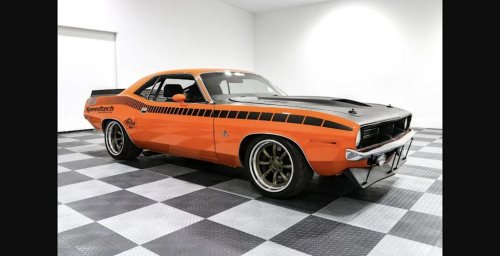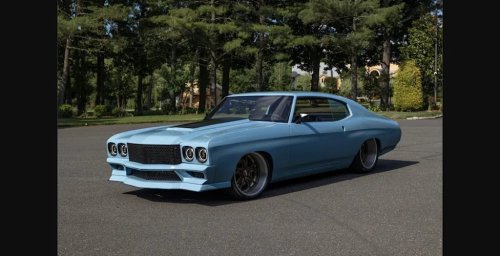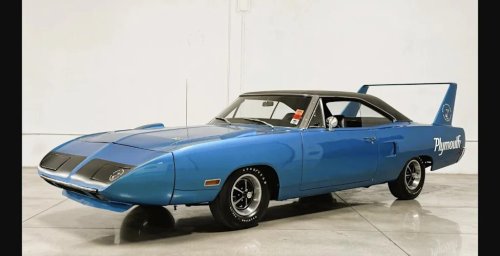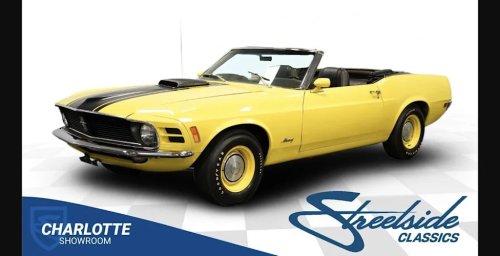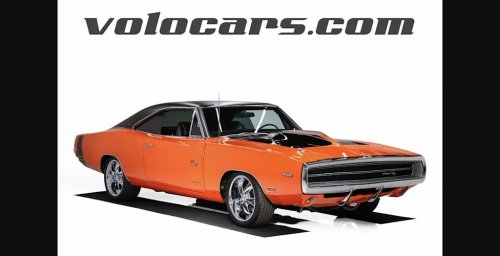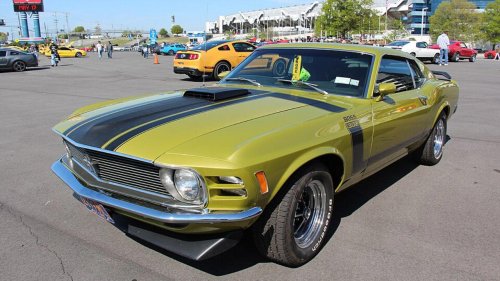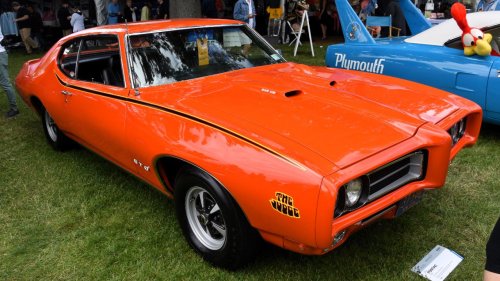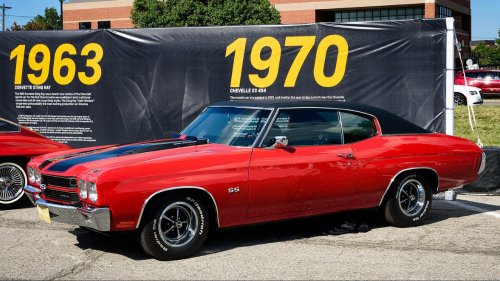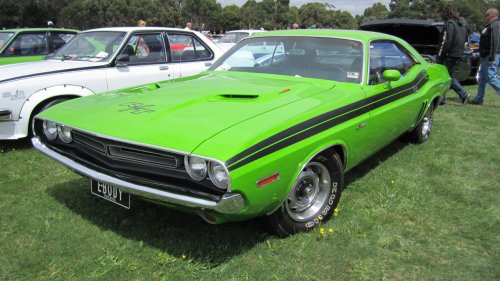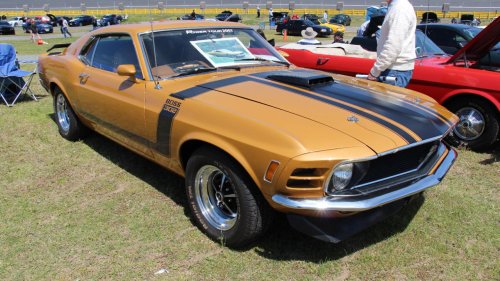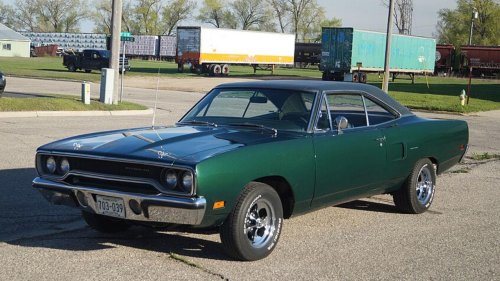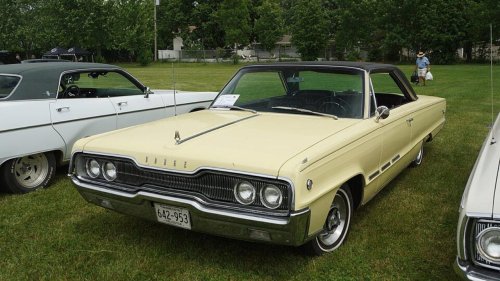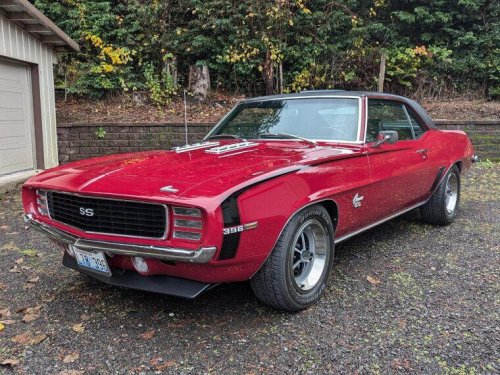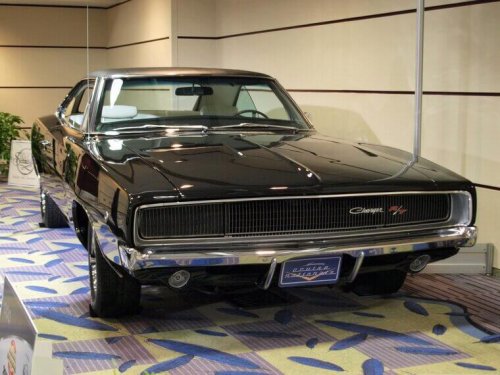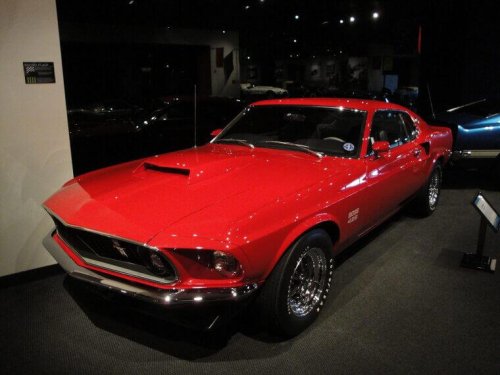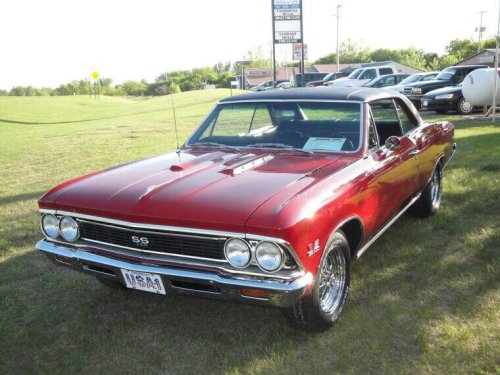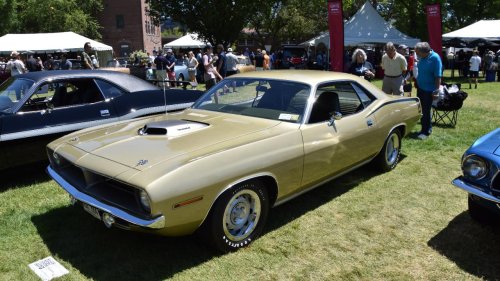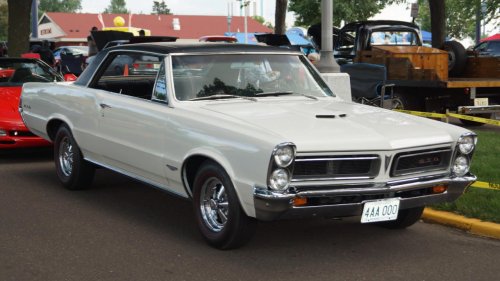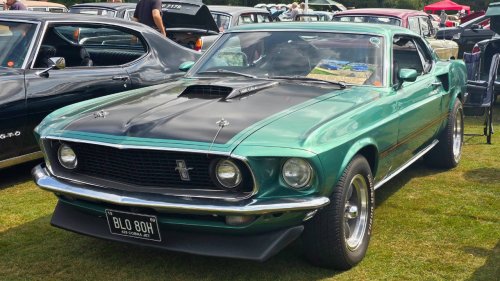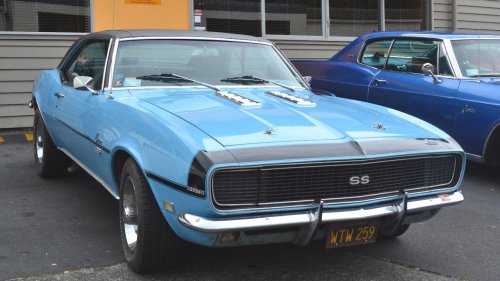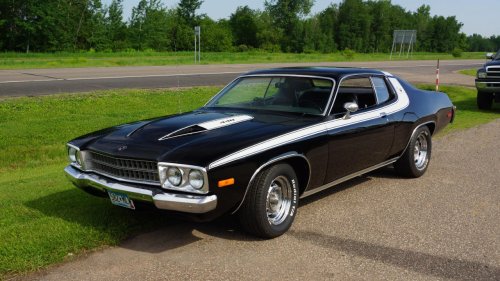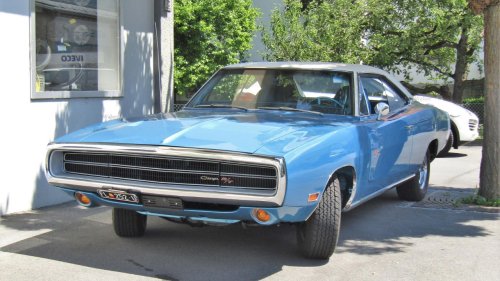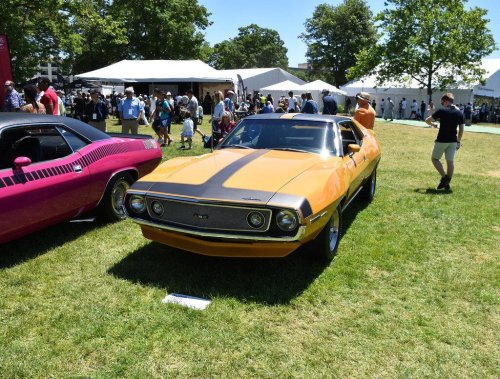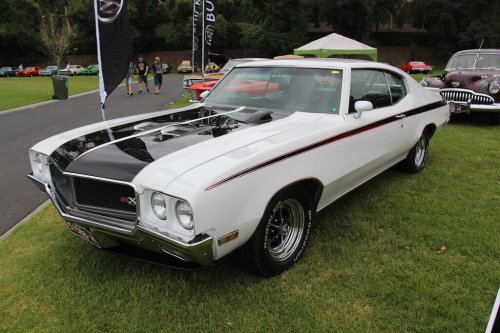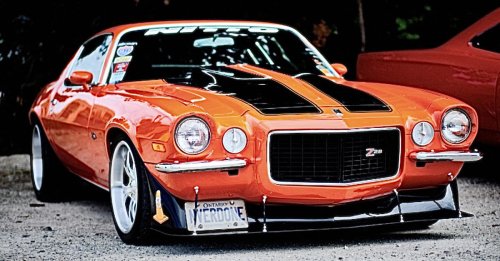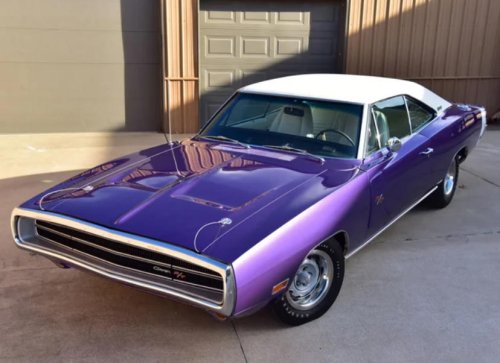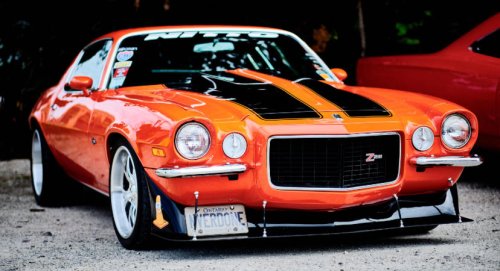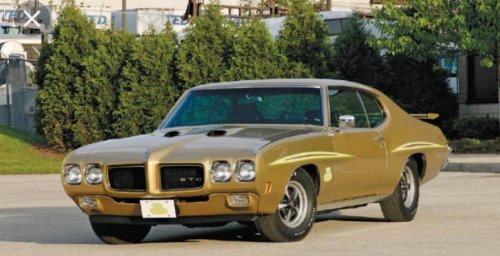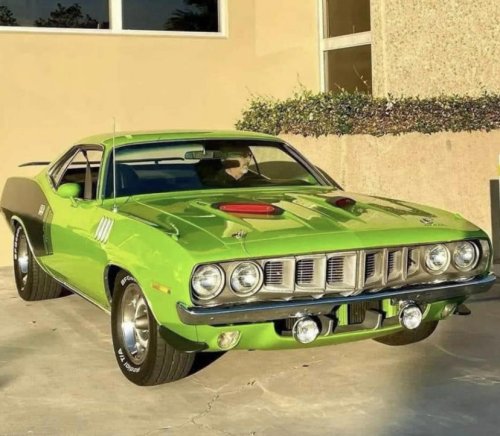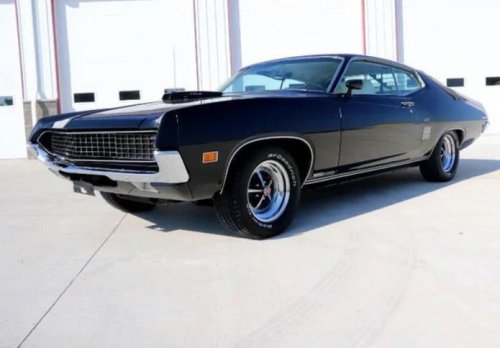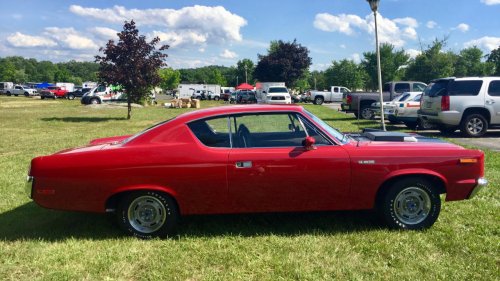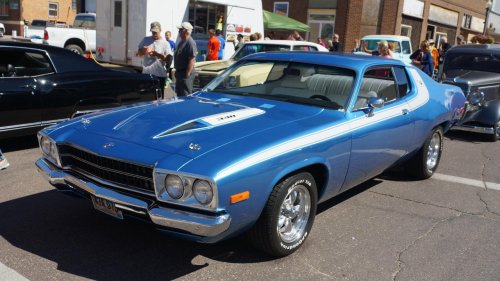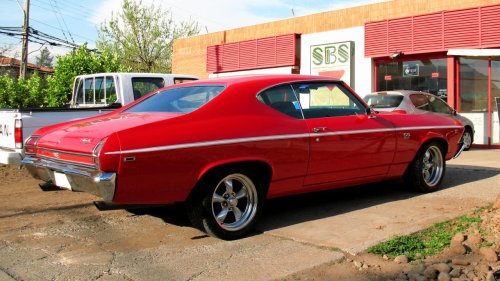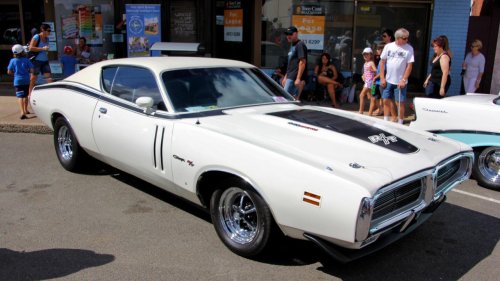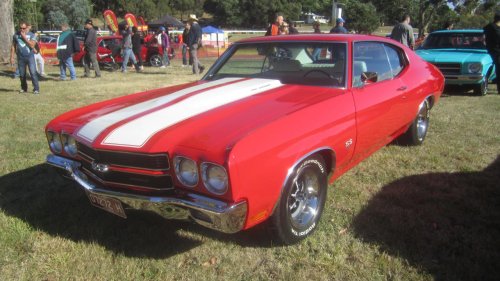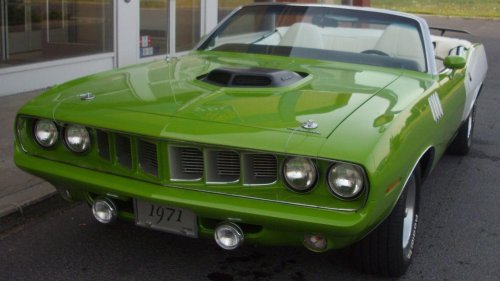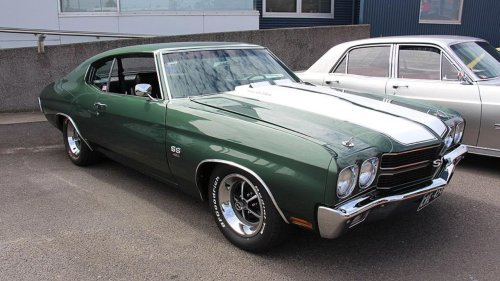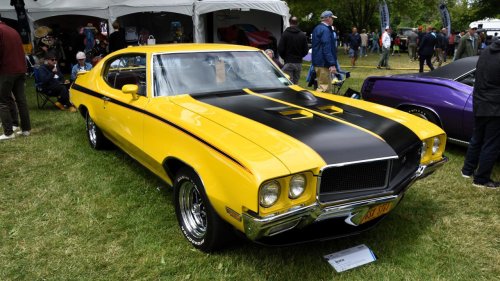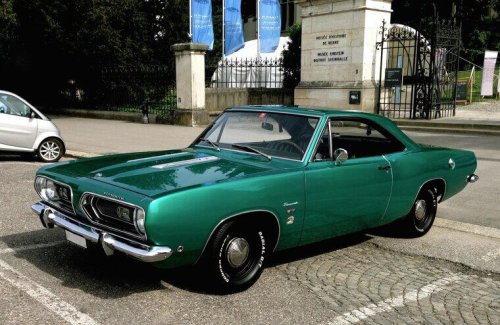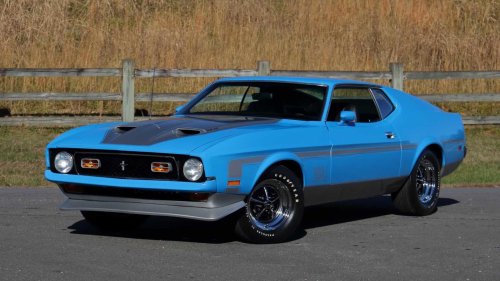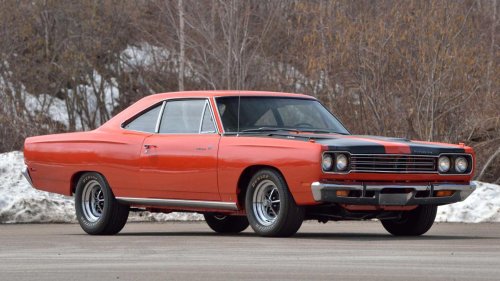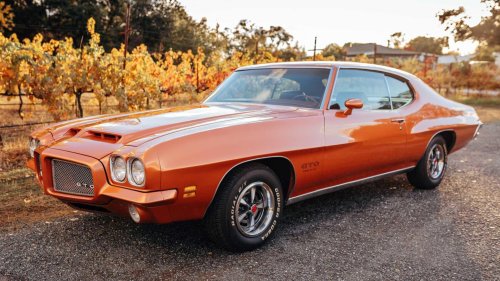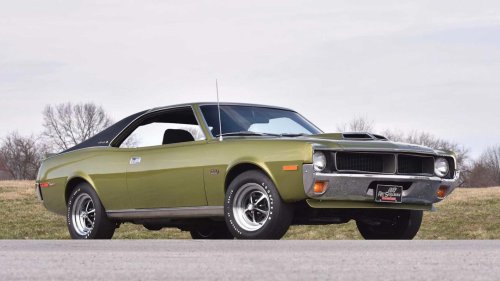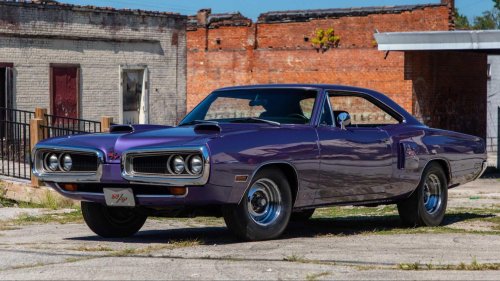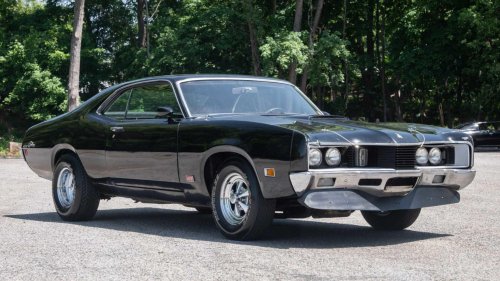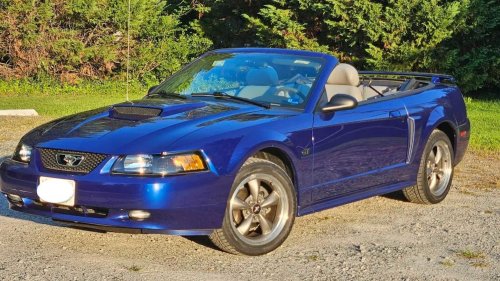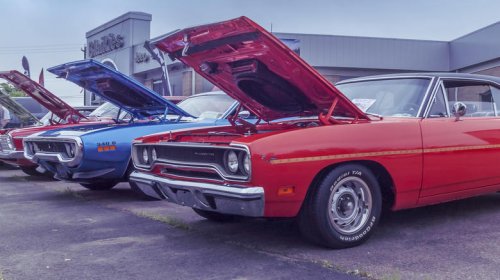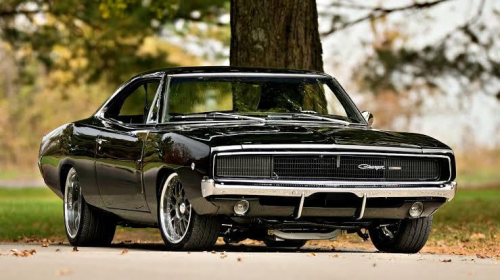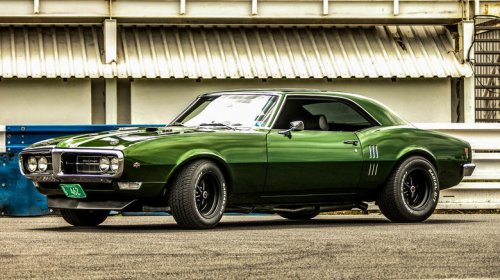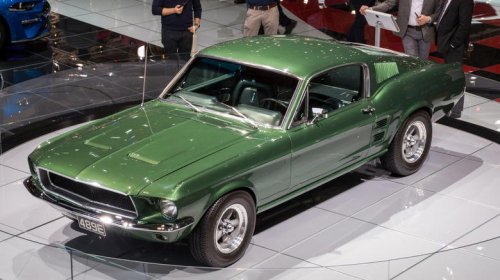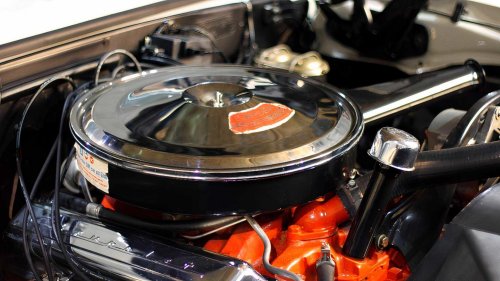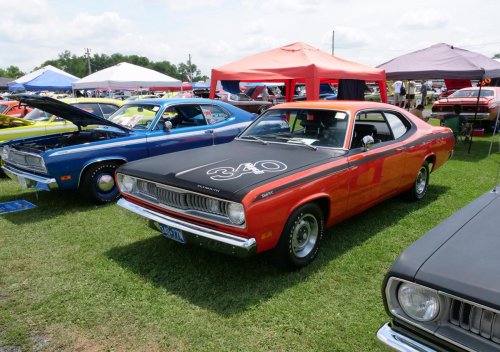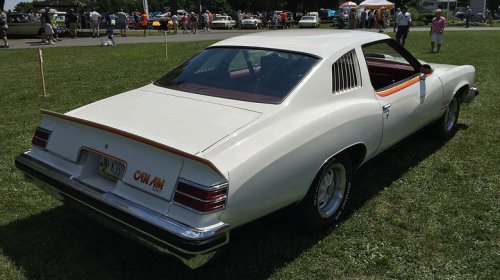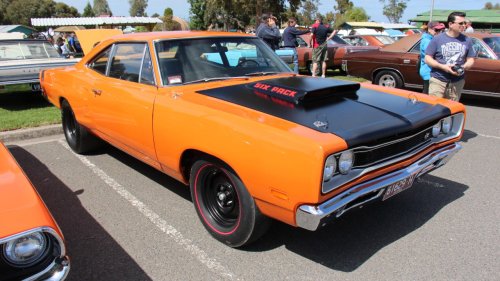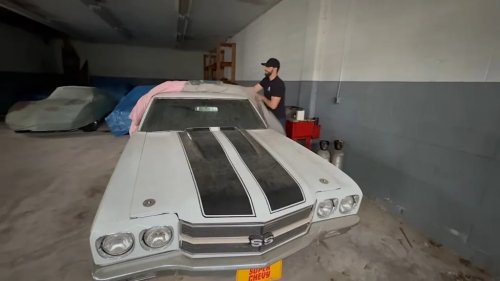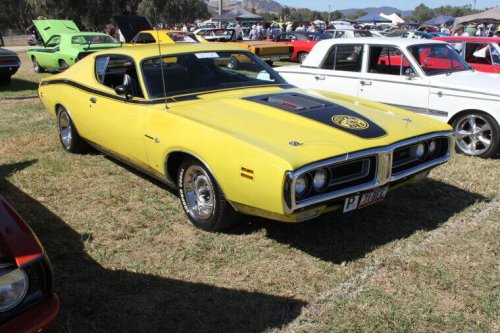
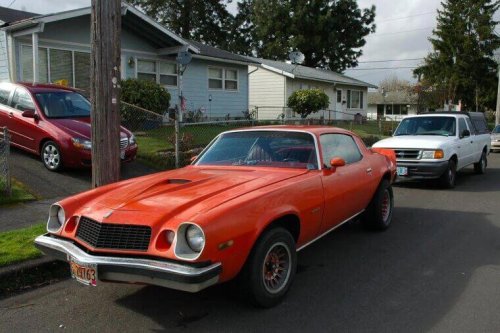
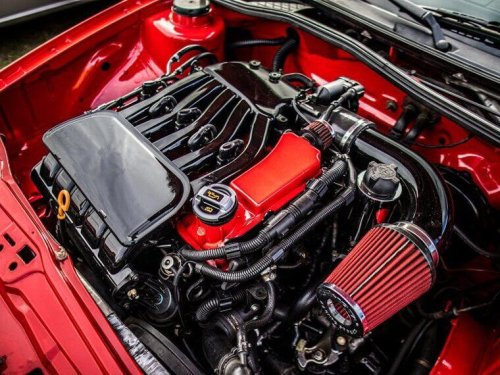
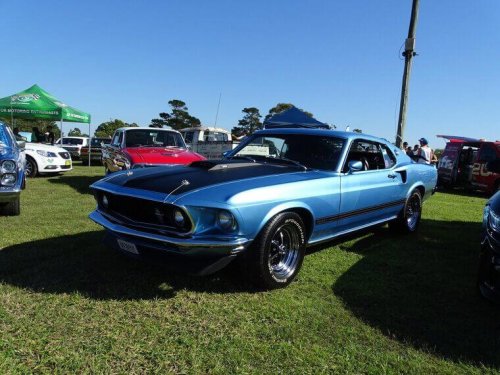
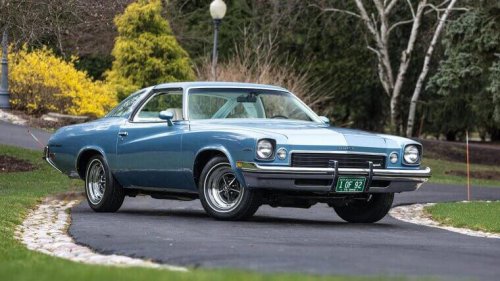
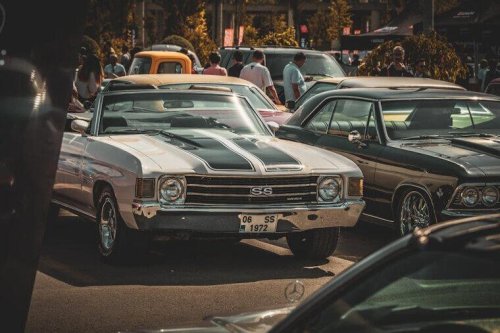
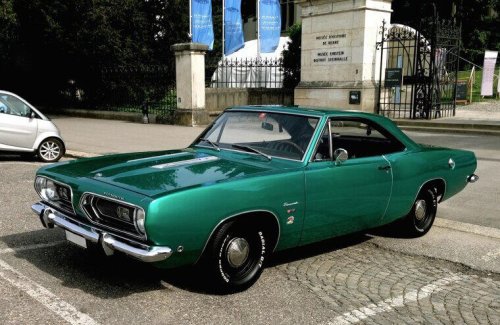



















When Muscle Cars Lost Their PowerSomething died on American roads between 1971 and 1975 — not with a bang, but with a whimper. Federal emissions regulations, rising insurance premiums, and a looming fuel crisis combined to gut the very soul of the American muscle car. Automakers who had spent the late 1960s locked in a horsepower arms race suddenly found themselves scrambling to meet new Clean Air Act standards. Engineers who once tuned engines for maximum performance were now tasked with strangling them. The cars that emerged from this regulatory gauntlet wore familiar badges but carried shadows of their former selves under the hood. A golden era didn't fade — it was legislated away.The 1971 Dodge Charger's Sad DeclineIn 1970, the Dodge Charger R/T was a 390-horsepower bruiser that made grown men nervous at stoplights. Just one year later, the story had already changed dramatically. The 1971 model year brought lower compression ratios across Dodge's entire lineup as the brand scrambled to accommodate lower-octane unleaded fuels ahead of tightening regulations. The iconic 426 Hemi became nearly impossible to option, and the 440 Six Pack lost significant real-world grunt. By 1973, the Charger's muscle identity was being quietly buried beneath a softer, more luxury-oriented redesign. What had been a street-legal weapon became a dressed-up boulevard cruiser. The nameplate survived, but the menace did not.How Smog Laws Strangled the CamaroFew cars embodied the muscle era's promise quite like the Camaro SS — wide-body aggression, a hood that seemed to stretch forever, and big-block options that rewrote the rules of street performance. Then California started writing rules of its own. California's Air Resources Board pushed emissions standards more aggressively than federal mandates, forcing Chevrolet to detune engines sold in the state and eventually nationwide. Compression ratios on the legendary small-block 350 dropped from 11:1 to as low as 8.5:1. Horsepower ratings plummeted. The Z28, once a high-revving terror built to homologate a Trans-Am racer, limped into the mid-1970s producing outputs that would embarrass a modern minivan. Smog pumps and air injection systems added weight and sapped power that engineers could never fully claw back.Compression Ratios Crushed by RegulationsCompression ratio is everything in a performance engine. It determines how violently the air-fuel mixture ignites, how much energy gets converted to motion, and ultimately how fast the car moves. During the muscle era's peak, ratios of 10.5:1 to 11.5:1 were standard on performance engines — numbers that demanded high-octane leaded fuel and produced ferocious power. Regulations changed the math completely. As unleaded fuel became mandatory and emissions standards tightened, manufacturers slashed compression ratios to 8:1 or even lower on some engines. The physics were brutal and unavoidable. Lower compression meant less power, slower combustion, and worse throttle response. No amount of marketing language could disguise what the dyno numbers confirmed. Engineers watched decades of development get erased by regulatory stroke of pen, and the engines that emerged were fundamentally compromised at their core.The Mustang Mach 1 That Lost Its BiteMach 1. Even the name sounds fast — aggressive, purposeful, built for speed. Ford's performance-trimmed Mustang variant had earned genuine credibility through the early 1970s with available 351 Cleveland power and a visual package that meant business. By 1974, the Mach 1 had been transplanted onto the Mustang II platform — a subcompact economy car Ford rushed to market in response to the oil crisis. The available engines topped out at a 302 cubic inch V8 producing roughly 140 horsepower. The hood scoops remained. The stripes remained. The aggressive graphics remained. But the performance that justified any of that visual bravado had been completely hollowed out. Driving a Mach 1 in 1975 was like wearing a race suit to drive a golf cart — all costume, no conviction.Catalytic Converters and the End of an EraCatalytic converters arrived in 1975 as a federally mandated solution to hydrocarbon and carbon monoxide emissions, and their introduction effectively marked the close of the first muscle car era. The converters required unleaded fuel, which forced the final elimination of tetraethyl lead from American gasoline — a compound that had allowed high-compression engines to run reliably for decades. Beyond the fuel compatibility issue, early catalytic converters were restrictive. Exhaust flow suffered. Back pressure increased. Engines already detuned to meet emissions standards lost additional power through exhaust systems that couldn't breathe properly. Performance car buyers in 1975 were essentially paying muscle car prices for vehicles that could no longer perform muscle car tasks. The converter was the final nail, sealing a coffin that regulations had been building for four years.The Buick GSX Reduced to a ShadowStage 1. Those two words once made Buick's GSX one of the most feared street machines in America. The 1970 GSX Stage 1 packed a 455 cubic inch engine officially rated at 360 horsepower — a conservative factory number that masked true output considerably higher. It was Buick's declaration that even a luxury brand could play the muscle game. The declaration lasted barely two model years before emissions reality intervened. By 1972, the GSX package had been stripped of its most aggressive engine options. The 455 remained but in increasingly neutered form, its compression squeezed down and its carburetion simplified to meet clean air targets. The bold graphics stayed. The muscle did not. By 1973, the GSX option was gone entirely, leaving behind only catalog photos as evidence it had ever existed.The Chevelle SS and Its Watered-Down YearsSaturday night, 1970. A Chevelle SS 454 pulls up to a stoplight and the driver doesn't need to rev the engine to make a statement — the idle alone says everything. That car, in LS6 trim, represented the absolute peak of GM's intermediate muscle formula. What followed was a steady, grinding retreat. The LS6 disappeared after 1971. The LS5 version of the 454 saw its compression and output trimmed repeatedly. By 1973, the SS package was essentially a cosmetic option — stripes and badges bolted to a car that no longer backed up the visual aggression with mechanical reality. The 1975 Chevelle could still be ordered with a V8, but the SS designation had become almost meaningless as a performance indicator. Chevrolet discontinued the Chevelle entirely after 1977, and few mourned what it had become.The Plymouth Barracuda's Untimely EndTiming is everything, and the Plymouth Barracuda had the worst timing in Detroit history. The third-generation 'Cuda launched in 1970 as arguably the most visually dramatic pony car ever built, available with the 426 Hemi or the 440 Six Pack in a body that looked like it was moving at speed while standing still. It had exactly two model years to shine before the regulatory hammer fell. By 1972, the Hemi was gone. The 440 Six Pack was gone. Insurance surcharges on high-performance vehicles had made powerful Barracudas nearly impossible for young buyers to insure. Sales cratered. Plymouth, unwilling to invest in a redesign for a dying segment, pulled the plug after the 1974 model year. The 'Cuda never got a chance to adapt, evolve, or fight back. It simply ran out of time, killed by forces entirely outside its control.Big Block Engines That Were Quietly RetiredThe big block engine was the beating heart of the muscle car era — physically massive, fuel-hungry, and capable of producing torque figures that seemed to defy reason. The 454 Chevy, the 440 Mopar, the 429 Ford, the 455 Pontiac and Buick — these were the engines that defined an era and terrified insurance actuaries. One by one, they were quietly retired. Not recalled, not replaced with something better — simply discontinued as the economics of emissions compliance made them impossible to justify. Developing the hardware and software to make a 454 cubic inch engine meet 1975 emissions standards while remaining financially viable simply wasn't worth it when buyers were fleeing to smaller, cheaper cars anyway. The big blocks didn't go out fighting. They were phased out in product planning meetings, their obituaries written in budget spreadsheets rather than automotive press releases.